מעלות השחר — הרגע שבו האור הראשון נוקב את חושך הלילה — כבר נחשב הלכתית ״יום״. חמש מצוות תלויות ביום: קריאת המגילה, מילה, טבילה, הזאה, ואישה שומרת יום כנגד יום.
נחמיה מגדיר את היום ״מעלות השחר עד צאת הכוכבים״. ומכאן הקבלה: כשם שהשחר נוקב בחושך, כך הגאולה מתחילה ברגע הסמוי שעדיין נראה לילה — אסתר היא ״איילת השחר״.
📖 לשיעור המלאעֲלוֹת הַשַּׁחַר — תְּחִלַּת הַיּוֹם
הגמרא במגילה כ קובעת שכל המצוות הנעשות ביום — כשרות מעלות השחר. עלות השחר הוא הרגע שבו האור הראשון נוקב את חשכת הלילה, עוד לפני הנץ החמה.
חָמֵשׁ מִצְווֹת הַתְּלוּיוֹת בַּיּוֹם
קריאת המגילה, מילה, טבילה, הזאה, ואישה שומרת יום כנגד יום — כולן מצוות שזמנן ביום, וכשרות כבר מעלות השחר. בדיעבד, אם נעשו מעלות השחר — יצא.
הָרְאָיָה מִנְּחֶמְיָה
בוני חומות ירושלים עבדו ״מעלות השחר עד צאת הכוכבים״. גבול היום מתחיל בעלות השחר ומסתיים בצאת הכוכבים.
הַקְבָּלָה לַגְּאֻלָּה
כשם שהשחר אינו האור המלא אלא הרגע שבו האור נוגע בחושך — כך הגאולה מתחילה ברגע הסמוי שבו עדיין לילה, אך הכל כבר השתנה. אסתר נקראת ״איילת השחר״.
🎯 בחן את עצמך
5 שאלות על הסוגיה. לחץ על תשובה.
🌅 תפוס את השחר
אמור ״מודה אני״ עם האור הראשון. היום מתחיל לפני הנץ — וכך הישועה מתחילה לפני שרואים אותה.
🕯️ הרגע האפל ביותר
כשהכל חשוך — זכור: השחר נוקב דווקא בחושך. הגאולה כבר התחילה.
📖 מצוות האור
השבוע, קיים מצווה אחת עם האור הראשון, בכוונה שהיום כבר התחיל.
✦ ההסתר של אסתר
מצא יד נסתרת של ה׳ במצב ״חשוך״ — איילת השחר זורחת מתוך הלילה.
שלום בית — הפה בבית
מָה אַתָּה מְלַחֵשׁ לִילָדֶיךָ? לְבֶן זוּגְךָ? גַּלֵּה כַּרְטִיס שָׁלוֹם בַּיִת.
כָּל הַפָּרָשִׁיּוֹת
כָּל שִׁעוּרֵי מ. יְהוּדָה חִימִי — מִבְּרֵאשִׁית עַד דְּבָרִים וְעַד חַגֵּי הַשָּׁנָה.
📚 כל הפרשיותספרים
חכמת התורה בפורמט תריילר — הוצאת גאולה.
פירוש חלומות
חָלַמְתָּ עַל אַיָּלָה? עַל אָרוֹן? בְּדֹק אֶת הַמַּשְׁמָעוּת לְפִי רב אלמולי.
🌙 פירוש חלומות
אֲנִי מַאֲשִׁים אֶת הָאֻמּוֹת
עדות נצחית מול מצפון העולם. ספר שמזעזע, מעורר ומשנה — בכוח הנבואי של עדי הדורות.
📕 לספרFrom amoud hashachar — the moment the first light pierces the night — it is already halachically "day." Five mitzvot depend on day: reading the Megillah, circumcision, immersion, sprinkling, and a woman who counts a clean day.
Nehemiah defines the day "from dawn until the stars come out." Hence the parallel: as dawn pierces the dark, so Redemption begins at the hidden moment that still looks like night — Esther is "ayelet hashachar," the doe of dawn.
📖 Full shiurAmoud Hashachar — The Start of Day
The Gemara in Megillah 20 establishes that all mitzvot performed by day are valid from amoud hashachar. Dawn is the moment the first light pierces the darkness of night, even before sunrise.
Five Mitzvot That Depend on Day
Reading the Megillah, circumcision, immersion, sprinkling, and a woman counting a clean day against a day — all are daytime mitzvot, valid already from dawn. After the fact, if done from amoud hashachar, one has fulfilled the obligation.
The Proof from Nehemiah
Those rebuilding Jerusalem's walls labored "from the rising of dawn until the stars came out." The boundary of the day begins at dawn and ends when the stars appear.
The Parallel to Redemption
Just as dawn is not yet full light but the moment light touches the dark — so Redemption begins at the hidden instant when it is still night, yet everything has already turned. Esther is called "ayelet hashachar," the doe of dawn.
🎯 Test yourself
5 questions on the sugya. Tap an answer.
🌅 Catch the dawn
Say "Modeh Ani" at first light. The day begins before sunrise — so salvation begins before it is seen.
🕯️ The darkest moment
When all is dark — remember: dawn pierces precisely the darkness. Redemption has already begun.
📖 Mitzvot of light
This week, do one mitzva at first light, intending that the day has already begun.
✦ Esther's hiddenness
Find God's hidden hand in a "dark" situation — the doe of dawn rises from the night.
Shalom Bayit — The Mouth at Home
What do you whisper to your children? To your spouse? Reveal a Shalom Bayit card.
Gematria — Rav Menashe
Hidden connections in the names according to Rav Menashe zatsal.
🔢 Gematria CourseTorah Study
Dig deeper into the commentary of Rashi and the Zohar on the parashah of the week.
📝 Beith HamidrachAll Parashot
All shiurim of M. Yéhouda Himi — from Bereshit to Devarim and the festivals.
📚 All ParashotBooks
Torah wisdom in thriller format — Éditions Gueoula.
Dream Interpretation
Did you dream of a doe? Of an Ark? Check the meaning according to Rav Almoli.
🌙 Dreams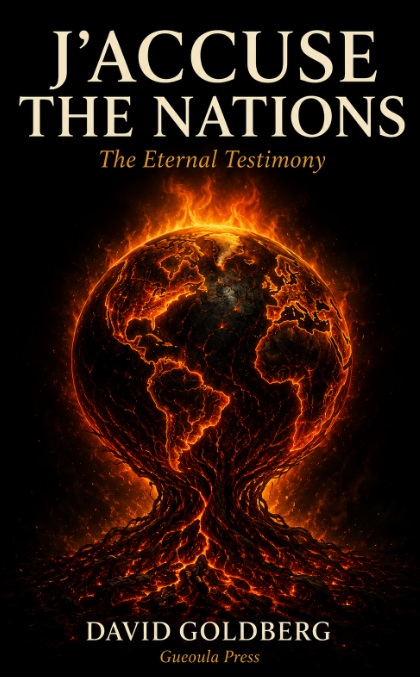
J'accuse les Nations
An eternal testimony before the conscience of the world. A book that shakes, awakens and transforms — with the prophetic force of history's witnesses.
📕 Discover the bookDès élout hashahar — l'instant où la première lueur perce la nuit — c'est déjà halakhiquement « jour ». Cinq mitzvot dépendent du jour : lecture de la Meguila, circoncision, immersion, aspersion, et la femme qui compte un jour pur.
Néhémie définit le jour « de l'aube jusqu'à la sortie des étoiles ». D'où le parallèle : comme l'aube perce l'obscurité, la Délivrance commence à l'instant caché qui ressemble encore à la nuit — Esther est « ayélet hashahar », la biche de l'aube.
📖 Chiour completÉlout Hashahar — le Début du Jour
La Guemara dans Meguila 20 établit que toutes les mitzvot accomplies de jour sont valides dès élout hashahar. L'aube est l'instant où la première lueur perce l'obscurité de la nuit, avant même le lever du soleil.
Cinq Mitzvot qui Dépendent du Jour
Lecture de la Meguila, circoncision, immersion, aspersion, et la femme qui compte un jour pur contre un jour — toutes sont des mitzvot diurnes, valides dès l'aube. A posteriori, si elles sont faites dès élout hashahar, on s'est acquitté.
La Preuve de Néhémie
Ceux qui rebâtissaient les murs de Jérusalem travaillaient « de la montée de l'aube jusqu'à la sortie des étoiles ». La limite du jour commence à l'aube et finit à la sortie des étoiles.
Le Parallèle avec la Délivrance
Comme l'aube n'est pas encore la pleine lumière mais l'instant où la lumière touche l'obscurité — la Délivrance commence à l'instant caché où il fait encore nuit, et pourtant tout a déjà basculé. Esther est appelée « ayélet hashahar », la biche de l'aube.
🎯 Teste-toi
5 questions sur la sugya. Clique une réponse.
🌅 Saisis l'aube
Dis « Modé Ani » à la première lueur. Le jour commence avant le lever du soleil — la salvation commence avant qu'on la voie.
🕯️ L'instant le plus sombre
Quand tout est sombre — rappelle-toi : l'aube perce précisément l'obscurité. La Délivrance a déjà commencé.
📖 Les mitzvot de la lumière
Cette semaine, accomplis une mitzva à la première lueur, avec l'intention que le jour a déjà commencé.
✦ Le voile d'Esther
Trouve la main cachée de D.ieu dans une situation « sombre » — la biche de l'aube se lève du sein de la nuit.
Chalom Bayit — La bouche à la maison
Que chuchotes-tu à tes enfants ? À ton conjoint ? Découvre une carte Chalom Bayit.
Guématria — Rav Menaché
Connexions cachées dans les noms selon Rav Menaché zatsal.
🔢 Cours de guématriaÉtude Torah
Approfondis le commentaire de Rachi et le Zohar sur la paracha de la semaine.
📝 Beith HamidrachToutes les Parachiot
Tous les cours de M. Yéhouda Himi — de Béréchit à Devarim et les fêtes.
📚 Toutes les ParachiotLivres
La sagesse de la Torah en format thriller — Éditions Gueoula.
Interprétation des rêves
As-tu rêvé d’une biche ? D’une Arche ? Vérifie sa signification selon Rav Almoli.
🌙 RêvesBoîte à idées
Une idée, une remarque, une suggestion pour le site ? Partage-la avec nous.
💡 Boîte à idées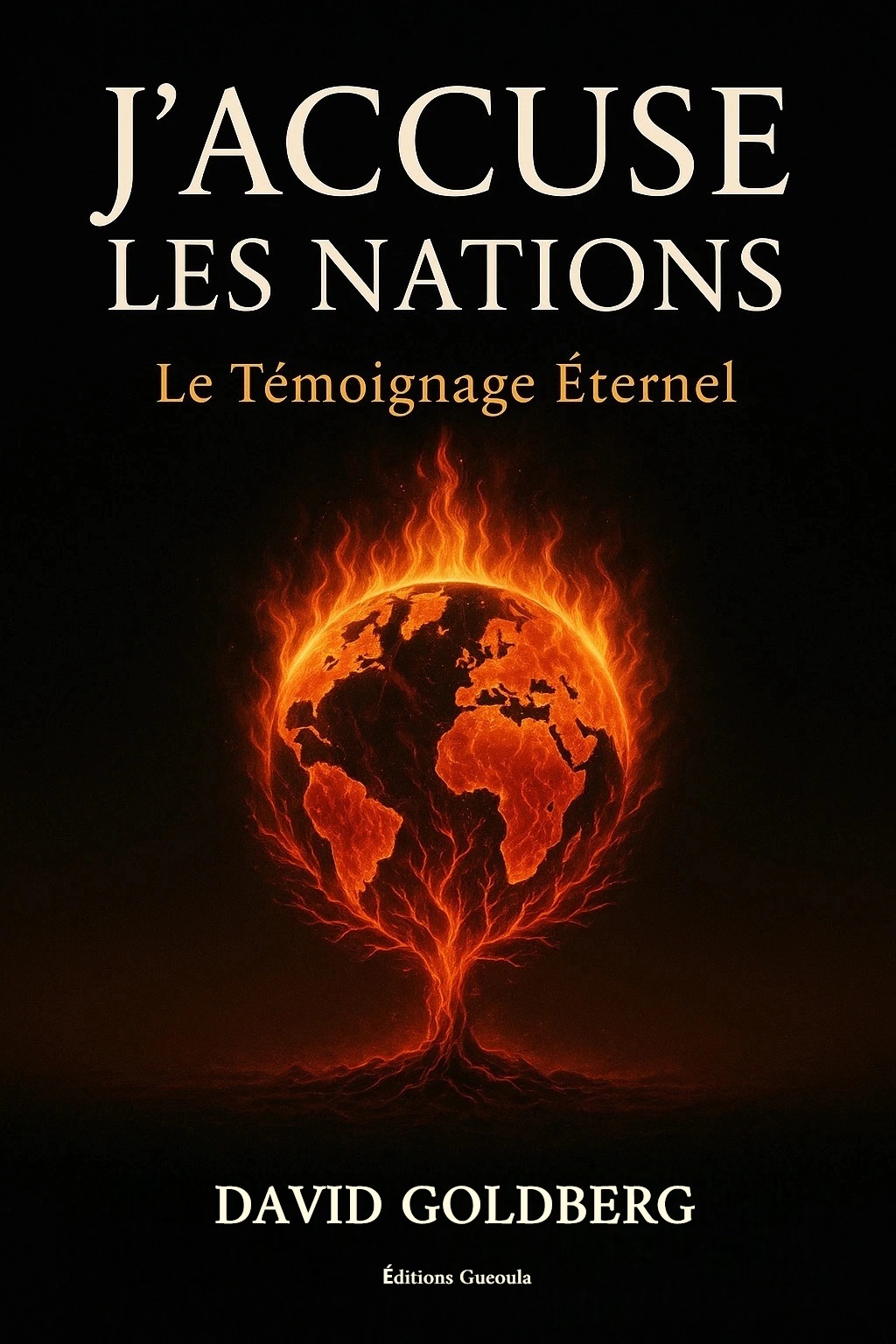
J'accuse les Nations
Un témoignage éternel devant la conscience du monde. Un livre qui dérange, qui éveille, qui transforme — avec la force prophétique des témoins de l'Histoire.
📕 Découvrir le livre