
כָּל כֹּחַ שֶׁנִּבְרָא יֵשׁ לוֹ תַּפְקִיד — גַּם הַקִּנְאָה. הַפָּסוּק הַחוֹתֵם אֶת שַׁחֲרִית (דברים ד, לט: "בַּשָּׁמַיִם מִמַּעַל וְעַל הָאָרֶץ מִתַּחַת") מְלַמֵּד לְכַוֵּן אוֹתָהּ: בָּרוּחָנִי — לְקַנֵּא בְּמִי שֶׁיּוֹדֵעַ יוֹתֵר (הַיֶּדַע נִקְנֶה — פְּתַח סְפָרִים); בַּחוֹמְרִי — "לְקַנֵּא" בְּמִי שֶׁיֵּשׁ לוֹ פָּחוֹת וְנִשְׁאָר שָׁלֵו.
אֵינֶנּוּ גּוּף אֶלָּא נְשָׁמָה, הַבָּאָה מֵעוֹלָם שֶׁאֵין בּוֹ חִסָּרוֹן. כָּאן, עֲבוֹדָתֵנוּ (בְּצֶלֶם אֱלֹקִים) הִיא לַהֲפֹךְ אֶת דַּחַף הַקַּבָּלָה וְלָתֵת: לְלַמֵּד, לִבְרֹא, לְהַחְיוֹת אֶת הַזּוּלַת.
הַמִּדְבָּר הָיָה מַעְבְּדַת הַמְּסִירָה: הַמָּן הֵזִין, בְּאֵר מִרְיָם הִשְׁקְתָה, וּמְשִׂימָה אַחַת — לִלְמֹד וּלְלַמֵּד. מֹשֶׁה (לֹא קַרְל הַגָּדוֹל) תִּקֵּן אֶת חוֹבַת הַחִנּוּךְ: "וְשִׁנַּנְתָּם לְבָנֶיךָ". בְּלֹא קְלָף — נִמְסְרָה הַתּוֹרָה בְּעַל־פֶּה.
שׁוֹמְרֵי הַזִּכָּרוֹן (הַשַּׁנָּנִים, הַתַּנָּאִים) נַעֲשׂוּ סְפָרִים חַיִּים. לַחֲזֹר מֵאָה פְּעָמִים (101 = מִיכָאֵל) חוֹרֵת לָנֶצַח. וְיִשְׂרָאֵל נִצְחִי: כָּל נְשָׁמָה = אוֹת בְּסֵפֶר תּוֹרָה, שֶׁאֵין לְהוֹסִיף וְאֵין לִגְרֹעַ.
חוֹתְמִים אֶת תְּפִלַּת שַׁחֲרִית בְּפָסוּק זֶה. "בַּשָּׁמַיִם מִמַּעַל" וְ"עַל הָאָרֶץ מִתַּחַת" — שְׁנֵי כִּפּוּלִים; וְהַתּוֹרָה אֵין בָּהּ מִלָּה מְיֻתֶּרֶת. אִם נִכְפַּל — לְלַמְּדֵנוּ דָּבָר.
"בַּשָּׁמַיִם מִמַּעַל" = הָרוּחָנִי (הַבִּלְתִּי־מוּחָשׁ, מַה שֶּׁאִישׁ אֵינוֹ יָכוֹל לִגְנֹב מִמְּךָ). שָׁם — קַנֵּא "לְמַעְלָה": בְּמִי שֶׁבְּגִילְךָ וְיוֹדֵעַ יוֹתֵר. לָמָּה מֻתָּר? כִּי הַיֶּדַע פָּתוּחַ לַכֹּל — הוּא רַק פָּתַח סְפָרִים וְעָמַל. גַּם אַתָּה יָכוֹל (קִנְאַת סוֹפְרִים תַּרְבֶּה חָכְמָה).
אֵינֶנּוּ גּוּף: הַגּוּף כְּלִי (כְּמוֹ טֶלֶפוֹן; כְּמוֹ בַּקְבּוּק הַמַּחְזִיק מַיִם); הַנְּשָׁמָה שֶׁבִּפְנִים הִיא הַמַּחְיָה אוֹתוֹ. הַנְּשָׁמָה בָּאָה מֵעוֹלַם הַנְּשָׁמוֹת, שֶׁאֵין בּוֹ חִסָּרוֹן. כָּאן חָסֵר הַכֹּל — מִכָּאן הַיֶּלֶד בַּחֲנוּת: רוֹצֶה, רוֹצֶה, רוֹצֶה.
בִּיצִיאַת מִצְרַיִם, וְאַחַר כָּךְ בַּמִּדְבָּר, לֹא הָיָה לָהֶם כְּלוּם — פָּחוֹת מִכְּלוּם. אַךְ עַנְנֵי הַכָּבוֹד (בִּזְכוּת אַהֲרֹן) הֵגֵנּוּ, הַמָּן יָרַד (מָזוֹן חִנָּם), בְּאֵר מִרְיָם הִשְׁקְתָה. דָּבָר אֶחָד לַעֲשׂוֹת: לִלְמֹד וּלְלַמֵּד.
חִנּוּךְ חוֹבָה אֵינוֹ שֶׁל קַרְל הַגָּדוֹל — מֹשֶׁה רַבֵּנוּ תִּקְּנוֹ, בִּפְסוּק הַשְּׁמַע שֶׁאוֹמְרִים ג׳ פְּעָמִים בַּיּוֹם: "וְשִׁנַּנְתָּם לְבָנֶיךָ". הַתּוֹרָה חַיֶּבֶת לְהִלָּמֵד, לְהִמָּסֵר מֵאָב לְבֵן (אבות: "מֹשֶׁה קִבֵּל תּוֹרָה מִסִּינַי וּמְסָרָהּ…").
אָז לֹא הָיוּ סְפָרִים. כְּדֵי לִכְתֹּב הָיָה צָרִיךְ לִשְׁחֹט בְּהֵמָה, לְעַבֵּד אֶת הָעוֹר, לַעֲשׂוֹת קְלָף — עֲבוֹדָה עֲצוּמָה. לָכֵן נִמְסְרָה הַתּוֹרָה בְּעַל־פֶּה.
לִפְנֵי גִּיל 9 הַיֶּלֶד לוֹמֵד בַּחֲזָרָה (לוּחַ הַכֶּפֶל: 5×6=30, בְּלִי מַחְשָׁבָה, כִּי חָזַר מֵאָה פְּעָמִים). אַחַר כָּךְ בָּא הַשֵּׂכֶל — לְהַסִּיק מִשְּׁנַיִם דָּבָר שְׁלִישִׁי שֶׁלֹּא נֶאֱמַר. אַךְ יֵשׁ שֶׂכֶל הַשּׁוֹמֵר לֹא נִתּוּחַ אֶלָּא זִכָּרוֹן מֻשְׁלָם.
אוֹמְרִים שֶׁצָּרִיךְ לַחֲזֹר מֵאָה פְּעָמִים — וּמִי שֶׁחוֹזֵר מֵאָה שׁוּב אֵינוֹ שׁוֹכֵחַ. לָמָּה? "מֵאָה וְאַחַת" = 101, מִנְיַן מִיכָאֵל (מִי־כָּאֵל, "מִי כָּמוֹהוּ").
קַח אֶת הַמִּלָּה גּוֹלָה. הוֹסֵף אָלֶף אַחַת — אוֹת הָ"אֶחָד", אוֹת ה'. הָאָלֶף נִכְתֶּבֶת בְּיוּד לְמַעְלָה, יוּד לְמַטָּה וְוָיו: 10+10+6 = 26, מִנְיַן הַשֵּׁם.
בָּעוֹלָם הַזֶּה אָנוּ "מֵתִים" תָּמִיד: צְרִיכִים לֶאֱכֹל, לִשְׁתּוֹת, לִנְשֹׁם בְּלִי הֶרֶף כְּדֵי לִחְיוֹת. לָכֵן פְּתִיחַת הָרֶחֶם בַּלֵּדָה נִקְרֵאת פֶּתַח הַקֶּבֶר, וּבֵית הַקְּבָרוֹת — בֵּית הַחַיִּים: לְפִי הַתּוֹרָה, מַתְחִילִים לָמוּת בַּלֵּדָה, וְחָדֵלִים לָמוּת בַּעֲזִיבַת הָעוֹלָם.
שָׁלוֹם בַּיִת — אַחְדוּת וְלֹא אֲחִידוּת
אַחְדוּת בַּבַּיִת מַתְחִילָה בְּכָבוֹד לְדֵעָה שׁוֹנָה. גַּלֵּה כַּרְטִיס שָׁלוֹם בַּיִת.
גִּימַטְרִיָּה — הַרַב מְנַשֶּׁה
שָׁלוֹם, מָשִׁיחַ, יִסְמַךְ — סוֹדוֹת הָאוֹתִיּוֹת לְפִי הָרַב מְנַשֶּׁה זצ"ל.
🔢 קוּרְס גִּימַטְרִיָּהסְפָרִים
חָכְמַת הַתּוֹרָה בְּפוֹרְמַט תְּרִיילֶר — הוֹצָאַת גְּאוּלָה.
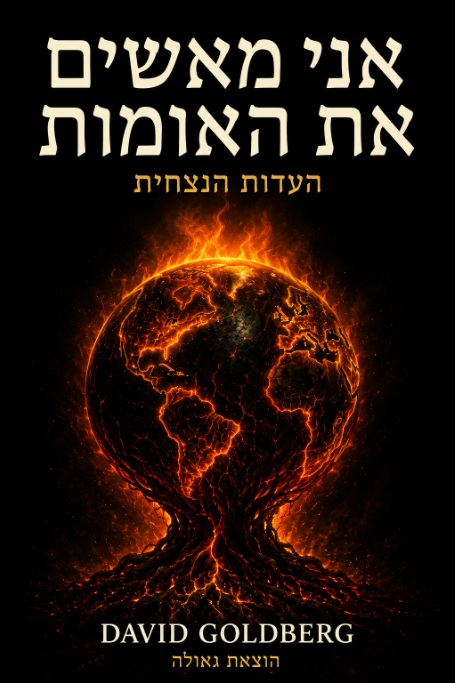
אֲנִי מַאֲשִׁים אֶת הָאֻמּוֹת
כְּשֶׁהָאֻמּוֹת מְבַזּוֹת אֶת יִחוּסוֹ שֶׁל עַם יִשְׂרָאֵל — וְאִישׁ אֶחָד קָם לְהָעִיד עַל הָאֱמֶת. תְּרִיילֶר שֶׁנּוֹגֵעַ בַּשֵּׁם יָ-הּ הֶחָתוּם בְּתוֹךְ כָּל יְהוּדִי.
📕 לִקְרִיאַת הַסֵּפֶר · ₪36.90
Every created force has a function — even envy. The verse that closes the morning prayer (Devarim 4:39, "in the heavens above and on the earth below") teaches us to direct it: in the spiritual, envy the one who knows more (knowledge can be acquired — open the books); in the material, "envy" the one who has less and remains serene.
We are not a body but a soul, come from a world lacking nothing. Here, our work (בְּצֶלֶם אֱלֹקִים) is to reverse the reflex to receive and to give: to teach, to create, to make the other exist.
The desert was the laboratory of transmission: fed by the manna, watered by Miriam's well, one single task — to study and to teach. Moshe (not Charlemagne) instituted compulsory schooling: "וְשִׁנַּנְתָּם לְבָנֶיךָ." Without parchment, the Torah was transmitted by heart.
The keepers of memory (the reciters, the Tannaim) became the living books. Repeating a hundred times (101 = מִיכָאֵל) engraves forever. And Israel is eternal: each soul = a letter of the Sefer Torah, which one may neither add nor remove.
We close the morning prayer with this verse. "In the heavens above" and "on the earth below" are two pleonasms — yet the Torah has not one superfluous word. If the doubling is there, it is to teach us something.
"In the heavens above" = the spiritual (the intangible, what no one can steal from you). There, be envious "upward": of one your age who knows more. Why is it permitted? Because that knowledge is open to all — he merely opened the books and worked. You can too (קִנְאַת סוֹפְרִים תַּרְבֶּה חָכְמָה).
We are not a body: the body is a tool (like a phone; like a bottle that holds water); it is the soul, within, that makes it live. The soul comes from the world of souls, where nothing is lacking. Here, everything is lacking — hence the child in the store who wants, wants, wants.
Leaving Egypt, then in the desert, they had nothing — less than nothing. Yet the Clouds of Glory (עַנְנֵי הַכָּבוֹד, in Aharon's merit) protected them, the manna came down (free food), Miriam's well gave them water. One thing to do: study and teach.
Compulsory schooling is not Charlemagne's — it is Moshe Rabbenu who instituted it, through the verse of the Shema we say three times a day: "You shall teach them to your children." The Torah carries the obligation to be taught, transmitted from parent to child (Avot: "מֹשֶׁה קִבֵּל תּוֹרָה מִסִּינַי וּמְסָרָהּ…").
Back then, no books. To write, one had to slaughter an animal, tan the hide, make parchment — immense labor. So transmission was done by heart, orally.
Before age 9, a child learns by repetition (the times tables: 5×6=30, without thinking, because repeated a hundred times). Then comes the intellect — deducing, from one thing and another, a third unspoken thing. Yet some minds keep, not analysis, but a perfect memory.
It is said one must repeat a hundred times — and whoever repeats a hundred times no longer forgets. Why? "A hundred and one times" = 101, the value of מִיכָאֵל (מִי־כָּאֵל, "who is like God").
Take the word גּוֹלָה (exile). Add a single Aleph — the letter of "One," of Hashem. The Aleph is written with a Yod above, a Yod below and a Vav: 10 + 10 + 6 = 26, the value of the Name.
In this world we are constantly "dying": we must eat, drink and breathe without cease to survive. That is why the opening of the womb at birth is called פֶּתַח הַקֶּבֶר ("the opening of the grave"), and the cemetery בֵּית הַחַיִּים ("the house of the living"): per the Torah, we begin to die at birth and cease to die when we leave this world.
Shalom Bayit — Unity, Not Uniformity
Unity at home begins with honoring a differing view. Reveal a Shalom Bayit card.
Gematria — Rav Ménaché
Shalom, Mashiah, Yisamech — secrets of the letters by Rav Ménaché zatsal.
🔢 Gematria CourseBooks
Torah wisdom in thriller format — Éditions Gueoula.

The Dream Thief
When the nations cast doubt on the lineage of Israel — and one man rises to testify to the truth. A thriller rooted in the Name Y-H sealed within every Jew, drawn from Talmud and Kabbalah.
📕 Read the Book · $9.90
Toute force créée a une fonction — même la jalousie. Le verset qui clôt la prière du matin (Devarim 4:39, « בַּשָּׁמַיִם מִמַּעַל וְעַל הָאָרֶץ מִתַּחַת ») nous apprend à l'orienter : dans le spirituel, envier celui qui sait plus (la connaissance s'acquiert — ouvre les livres) ; dans le matériel, « envier » celui qui a moins et reste serein.
Nous ne sommes pas un corps mais une âme, venue d'un monde où l'on ne manque de rien. Ici, notre travail (בְּצֶלֶם אֱלֹקִים) est d'inverser le réflexe de recevoir et de donner : enseigner, créer, faire exister l'autre.
Le désert fut le laboratoire de la transmission : nourris par la manne, abreuvés par le puits de Miriam, une seule tâche — étudier et enseigner. Moshé (non Charlemagne) institua l'école obligatoire : « וְשִׁנַּנְתָּם לְבָנֶיךָ ». Sans parchemin, la Torah se transmettait par cœur.
Les gardiens de la mémoire (les répétiteurs, les Tannaïm) devinrent les livres vivants. Répéter cent fois (101 = מִיכָאֵל) grave à jamais. Et Israël est éternel : chaque âme = une lettre du Sefer Torah, qu'on ne peut ni ajouter ni retrancher.
On clôt la prière du matin par ce verset. « Dans le ciel en haut » et « sur la terre en bas » sont deux pléonasmes — or la Torah n'a pas un mot de trop. Si le doublement est là, c'est pour nous enseigner quelque chose.
« Dans le ciel en haut » = le spirituel (l'impalpable, ce que nul ne peut te voler). Là, sois jaloux « en haut » : de celui de ton âge qui sait plus que toi. Pourquoi est-ce permis ? Parce que cette connaissance est accessible à tous — il n'a qu'ouvert les livres et travaillé. Toi aussi, tu le peux (קִנְאַת סוֹפְרִים תַּרְבֶּה חָכְמָה).
Nous ne sommes pas un corps : le corps est un outil (comme un téléphone ; comme une bouteille qui contient l'eau) ; c'est l'âme, à l'intérieur, qui le fait vivre. L'âme vient du monde des âmes, où l'on ne manque de rien. Ici, il nous manque tout — d'où l'enfant qui, au magasin, veut, veut, veut.
À la sortie d'Égypte, puis dans le désert, ils n'avaient rien — moins que rien. Mais les nuées de gloire (עַנְנֵי הַכָּבוֹד, par le mérite d'Aharon) les protégeaient, la manne descendait (nourriture gratuite), le puits de Miriam les abreuvait. Une seule chose à faire : étudier et enseigner.
L'école obligatoire n'est pas de Charlemagne — c'est Moshé Rabbénou qui l'a instituée, par le verset du Shema que nous disons trois fois par jour : « Tu les enseigneras à tes enfants. » La Torah a l'obligation d'être enseignée, transmise de père à enfant (Avot : « מֹשֶׁה קִבֵּל תּוֹרָה מִסִּינַי וּמְסָרָהּ… »).
À l'époque, pas de livres. Pour écrire, il fallait abattre un animal, tanner la peau, en faire un parchemin — un travail immense. Alors la transmission se faisait par cœur, oralement.
Avant 9 ans, l'enfant apprend par répétition (les tables : 5×6=30, sans réfléchir, parce que répété cent fois). Ensuite vient l'intellect — déduire, d'une chose et d'une autre, une troisième non dite. Or certains esprits gardent, non l'analyse, mais une mémoire parfaite.
On dit qu'il faut répéter cent fois — et celui qui répète cent fois n'oublie plus. Pourquoi ? « Cent une fois » = 101, la valeur de מִיכָאֵל (מִי־כָּאֵל, « qui est comme Dieu »).
Prends le mot גּוֹלָה (l'exil). Ajoute-lui un seul Aleph — la lettre du « Un », d'Hachem. L'Aleph s'écrit d'un Youd en haut, d'un Youd en bas et d'un Vav : 10 + 10 + 6 = 26, la valeur du Nom.
Dans ce monde, nous « mourons » sans cesse : il faut manger, boire, respirer en permanence pour survivre. C'est pourquoi l'ouverture de la matrice à la naissance se nomme פֶּתַח הַקֶּבֶר (« l'ouverture de la tombe »), et le cimetière בֵּית הַחַיִּים (« la maison des vivants ») : selon la Torah, on commence à mourir en naissant, et l'on cesse de mourir en quittant ce monde.
Chalom Bayit — l'unité, non l'uniformité
L'unité à la maison commence par le respect d'un avis différent. Découvre une carte Chalom Bayit.
Guématria — Rav Menaché
Connexions cachées dans les noms selon Rav Menaché zatsal.
🔢 Cours de guématriaLivres
La sagesse de la Torah en format thriller — Éditions Gueoula.
Boîte à idées
Une idée, une remarque, une suggestion pour le site ? Partage-la avec nous.
💡 Boîte à idées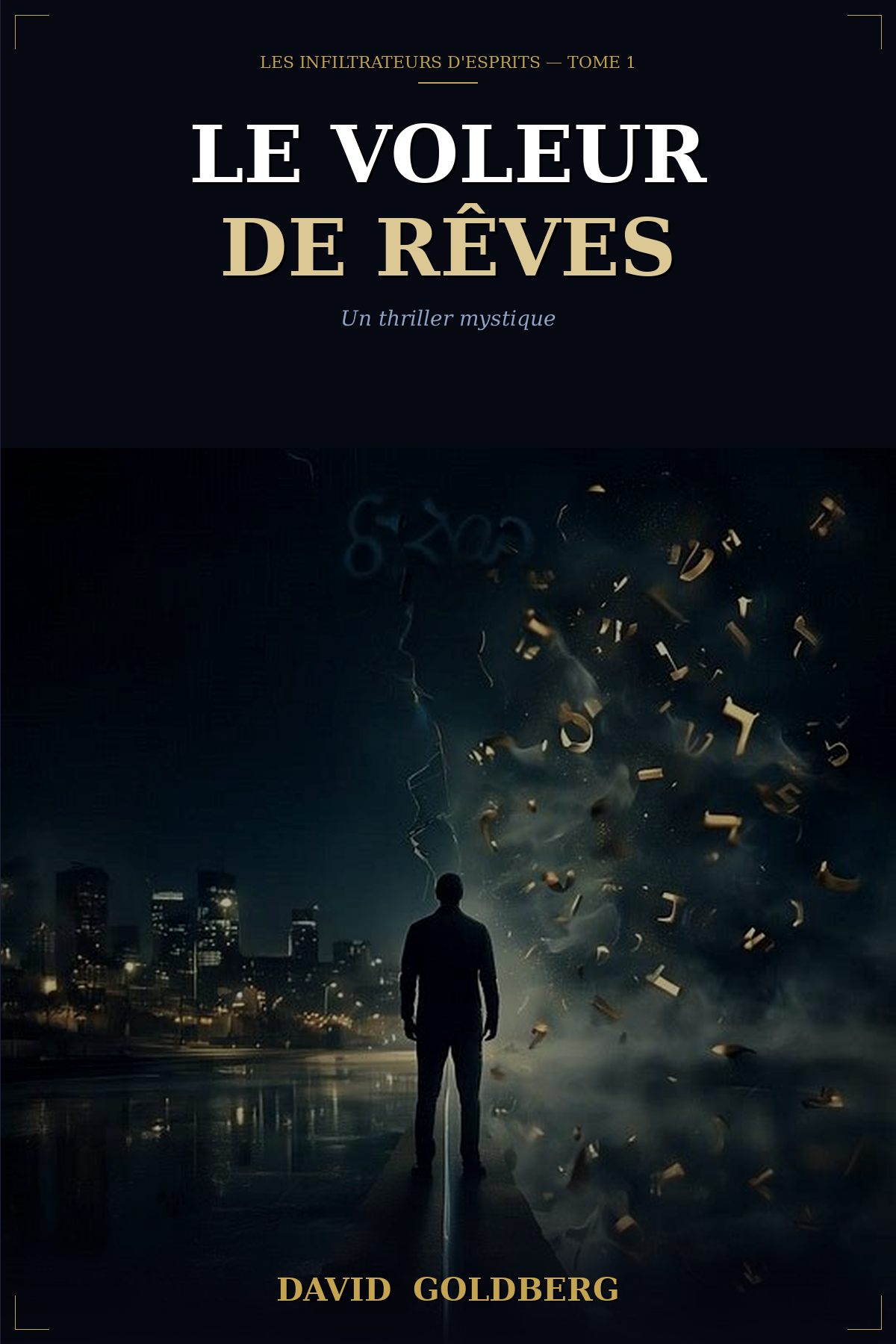
Le Voleur de Rêves
Quand les nations jettent le doute sur la lignée d'Israël — et qu'un homme se lève pour témoigner de la vérité. Un thriller ancré dans le Nom Y-H scellé en chaque Juif, puisé dans le Talmud et la Kabbale.
📕 Lire le livre · $9.90