אֵיךְ עוֹמְדִים לְבַד
פָּרָשַׁת שְׁלַח לְךָ · תשפ״ו · שִׁעוּר א׳
אֵיךְ עוֹמְדִים לְבַד
סוֹד יְהוֹשֻׁעַ וְכָלֵב · לָמָּה מֹשֶׁה הֶחֱזִיר אוֹת אַחַת · וּלְאָן הָלַךְ כָּלֵב בַּסֵּתֶר
עַל פִּי שִׁעוּרוֹ שֶׁל מ. יְהוּדָה חִימִי
🎙️
🎙 שְׁמַע אֶת הַשִּׁעוּר · מ׳ יְהוּדָה חִימִי
הַשִּׁעוּר הַמָּלֵא בְּהַקְלָטָה
⬇ הוֹרֵד אֶת הַהַקְלָטָה
אֵיךְ עוֹמְדִים לְבַד
תקציר בְּאַחַת — לְפִי שִׁעוּרוֹ שֶׁל מ. יְהוּדָה חִימִי

חֵטְא הַמְּרַגְּלִים הוּא הָאֵרוּעַ שֶׁמְּלַוֶּה אוֹתָנוּ עַד הַיּוֹם. הָעָם בָּכָה בְּלֵיל ט׳ בְּאָב — "בְּכִיָּה לְחִינָּם" — וְהקב"ה קָבַע לוֹ "בְּכִיָּה לְדוֹרוֹת". שְׁנֵי הַבָּתִּים נֶחְרְבוּ בְּאוֹתוֹ לַיְלָה.

רַק שְׁנַיִם עָמְדוּ אֵיתָנִים — יְהוֹשֻׁעַ וְכָלֵב. וְכָל אֶחָד שָׁאַב כֹּחַ מִמָּקוֹם אַחֵר: יְהוֹשֻׁעַ מֵהַיּוּד שֶׁמֹּשֶׁה הֶחֱזִיר לוֹ, וְכָלֵב מִקִּבְרֵי הָאָבוֹת.

בְּשִׁעוּר: חֻמְרַת חֵטְא הַמְּרַגְּלִים · מָתַי נוֹלַד הַשֵּׁם "יְהוֹשֻׁעַ" · יְהוֹשֻׁעַ שֶׁבָּא מֵאֶרֶץ כְּנַעַן · הָעֲנָוָה שֶׁהוֹרִידָה אֶת הַיּוּד · עֹז בִּקְדֻשָּׁה · כָּלֵב בְּחֶבְרוֹן · מָתַי מֻתָּר לִשְׁלֹחַ מְרַגְּלִים · מָשִׁיחַ בֶּן יוֹסֵף וּבֶן דָּוִד

📖 לקרוא את השיעור המלא ←
א

פָּרָשַׁת הַמְּרַגְּלִים — הַחֵטְא שֶׁמְּלַוֶּה אוֹתָנוּ עַד הַיּוֹם

הָרַעְיוֹן הַמֶּרְכָּזִי שֶׁל הַפָּרָשָׁה הוּא חֵטְא הַמְּרַגְּלִים — אֵרוּעַ מְאוֹד מְאוֹד קָשֶׁה בְּתוֹלְדוֹת עַם יִשְׂרָאֵל.

אוֹמְרִים חֲזַ"ל: מֵאָז חֵטְא הָעֵגֶל וְחֵטְא הַמְּרַגְּלִים, כָּל פֻּרְעָנוּת שֶׁבָּאָה עַל יִשְׂרָאֵל — חֶלְקָהּ כַּפָּרָה עַל הָעֵגֶל וְחֶלְקָהּ עַל הַמְּרַגְּלִים. הקב"ה חִלֵּק אֶת הָעֹנֶשׁ לִמְנוֹת קְטַנּוֹת לְאֹרֶךְ כָּל הַהִיסְטוֹרְיָה.

לָמָּה הַמְּרַגְּלִים חֲמוּרִים בִּמְיֻחָד? כִּי כָּל הַתַּכְלִית שֶׁל יְצִיאַת מִצְרַיִם הָיְתָה לְהַגִּיעַ לְאֶרֶץ יִשְׂרָאֵל. מַתַּן תּוֹרָה הוּא תַּחֲנַת בֵּינַיִם — כְּדֵי שֶׁאֶפְשָׁר יִהְיֶה לְקַיֵּם אֶת הַמִּצְווֹת הַתְּלוּיוֹת בָּאָרֶץ. אֲבָל הַיַּעַד הַסּוֹפִי הוּא הָאָרֶץ.

אוּלַי הַבַּקָּשָׁה לִשְׁלֹחַ מְרַגְּלִים הָיְתָה לְגִיטִימִית — אִי אֶפְשָׁר לְהִכָּנֵס לְאֶרֶץ חֲדָשָׁה בְּלִי לַחְקֹר. אֲבָל הַתּוֹצָאָה הָיְתָה שֶׁהֵם הֶחְלִיטוּ לִבְכּוֹת וְלֹא לַעֲלוֹת.

"וַיִּבְכּוּ הָעָם בַּלַּיְלָה הַהוּא." אָמַר הקב"ה: "אַתֶּם בְּכִיתֶם בְּכִיָּה לְחִינָּם — וַאֲנִי אֶקְבַּע לָכֶם בְּכִיָּה לְדוֹרוֹת." אוֹתוֹ לַיְלָה הָיָה לֵיל ט׳ בְּאָב, שֶׁבּוֹ נֶחְרַב בֵּית הַמִּקְדָּשׁ הָרִאשׁוֹן וְגַם הַשֵּׁנִי.

זוֹ חֻמְרַת מְאִיסַת אֶרֶץ חֶמְדָּה — לֹא לִרְצוֹת לְהִכָּנֵס לָאָרֶץ. וְעַל זֶה אָנוּ מְשַׁלְּמִים בְּחֻרְבַּן הַבָּתִּים וּבַגָּלוּת הָאֲרֻכָּה. וּבְעֶזְרַת הַשֵּׁם נִזְכֶּה לַתִּקּוּן וְלַגְּאֻלָּה הַשְּׁלֵמָה.

ב

חִידָה: מָתַי בֶּאֱמֶת נוֹלַד הַשֵּׁם "יְהוֹשֻׁעַ"?

בַּפָּרָשָׁה מֹשֶׁה שׁוֹלֵחַ אֶת הַמְּרַגְּלִים, אֶחָד מִכָּל שֵׁבֶט. לְמַטֵּה אֶפְרַיִם כָּתוּב "הוֹשֵׁעַ בִּן נוּן". וּמִיָּד אַחַר כָּךְ: "וַיִּקְרָא מֹשֶׁה לְהוֹשֵׁעַ בִּן נוּן יְהוֹשֻׁעַ" — מֹשֶׁה מוֹסִיף לוֹ יוּד.

אִם נָבִין כִּפְשׁוּטוֹ — עַד עַכְשָׁו קָרְאוּ לוֹ "הוֹשֵׁעַ", וְכָאן הוּא נַעֲשֶׂה "יְהוֹשֻׁעַ".

אֲבָל רֶגַע — בְּסֵפֶר שְׁמוֹת

בְּפָרָשַׁת בְּשַׁלַּח, בַּמִּלְחָמָה בַּעֲמָלֵק: "וַיֹּאמֶר מֹשֶׁה אֶל יְהוֹשֻׁעַ, בְּחַר לָנוּ אֲנָשִׁים וְצֵא הִלָּחֵם בַּעֲמָלֵק." וְעוֹד: "וְשִׂים בְּאָזְנֵי יְהוֹשֻׁעַ." כְּלוֹמַר — הוּא כְּבָר נִקְרָא "יְהוֹשֻׁעַ" בְּסֵפֶר שְׁמוֹת!

וְכָאן הַקֻּשְׁיָה: אִי אֶפְשָׁר לְתָרֵץ "אֵין מֻקְדָּם וּמְאֻחָר בַּתּוֹרָה" — הַכֹּל מַסְכִּימִים שֶׁשְּׁלִיחַת הַמְּרַגְּלִים הָיְתָה אַחֲרֵי מַתַּן תּוֹרָה. אָז אֵיךְ פִּתְאוֹם הַתּוֹרָה אוֹמֶרֶת שֶׁעַכְשָׁו הוּא נַעֲשֶׂה "יְהוֹשֻׁעַ"?

ג

הַסּוֹד: יְהוֹשֻׁעַ לֹא הָיָה בִּקְרִיעַת יַם סוּף

הַחֲקִירָה מְבִיאָה אוֹתָנוּ לִסְבָרָה מְפַתַּעַת: יְהוֹשֻׁעַ כְּלָל לֹא הָיָה בִּקְרִיעַת יַם סוּף וְלֹא בְּעֶשֶׂר הַמַּכּוֹת. אֵיךְ?

יֵשׁ סִפּוּר עַל שֵׁבֶט אֶפְרַיִם שֶׁיָּצְאוּ מִמִּצְרַיִם שְׁלוֹשִׁים שָׁנָה מֻקְדָּם. הַמָּסֹרֶת שֶׁלָּהֶם הָיְתָה לִסְפֹּר 400 שָׁנָה מִבְּרִית בֵּין הַבְּתָרִים.

אֲבָל חַכְמֵי הַדּוֹר אָמְרוּ: לֹא כָּךְ סוֹפְרִים. כָּתוּב "כִּי גֵר יִהְיֶה זַרְעֲךָ" — סוֹפְרִים רַק מֵהָרֶגַע שֶׁיֵּשׁ לְאַבְרָהָם זֶרַע, כְּלוֹמַר מִלֵּדַת יִצְחָק. וְיִצְחָק נוֹלַד 30 שָׁנָה אַחֲרֵי הַבְּרִית. נִמְצָא שֶׁבְּנֵי אֶפְרַיִם הִקְדִּימוּ בְּ-30 שָׁנָה.

הֵם יָכְלוּ לָצֵאת כִּי הָיוּ בְּנֵי יוֹסֵף — בְּנֵי הַמּוֹשֵׁל, וְיוֹסֵף כְּבָר נִפְטַר וְאֵין מִי שֶׁיַּעֲצֹר אוֹתָם. הֵם הִגִּיעוּ לְאֶרֶץ כְּנַעַן, וְהַכְּנַעֲנִים הִכּוּ בָּהֶם מַכָּה קָשָׁה (הַסִּפּוּר בְּדִבְרֵי הַיָּמִים). רַבִּים נֶהֶרְגוּ — אֲבָל נִשְׁאֲרָה שְׁאֵרִית פְּלֵטָה.

בֵּין הַשְּׁאֵרִית הָיָה יְהוֹשֻׁעַ בִּן נוּן. הוּא יָשַׁב בְּאֶרֶץ כְּנַעַן כְּ-30 שָׁנָה וְחִכָּה. כְּשֶׁשָּׁמַע שֶׁעַם יִשְׂרָאֵל יָצָא מִמִּצְרַיִם ("שָׁמְעוּ עַמִּים יִרְגָּזוּן"), מִיָּד חָזַר מִכְּנַעַן אֶל הַמִּדְבָּר וְהִצְטָרֵף — אַחֲרֵי קְרִיעַת יַם סוּף.

ד

לָמָּה דַּוְקָא יְהוֹשֻׁעַ נִלְחַם בַּעֲמָלֵק

כְּשֶׁבָּא עֲמָלֵק לְהִלָּחֵם — מִי הָאִישׁ הַמַּתְאִים בְּיוֹתֵר לְהַנְהִיג אֶת הַקְּרָב? מִי שֶׁיֵּשׁ לוֹ נִסָּיוֹן בְּמִלְחָמָה. וּלְיְהוֹשֻׁעַ כְּבָר הָיָה — הוּא נִלְחַם בַּכְּנַעֲנִים, הוּא יוֹדֵעַ מַה זֹּאת מִלְחָמָה.

לָכֵן בְּסֵפֶר שְׁמוֹת הוּא מוֹפִיעַ כְּ"יְהוֹשֻׁעַ" — הַמַּצְבִּיא. מֹשֶׁה אָמַר לוֹ: "בָּרוּךְ הַבָּא, אַתָּה תַּנְהִיג אֶת הַקְּרָב הַזֶּה."

ה

הָעֲנָוָה שֶׁהוֹרִידָה אֶת הַיּוּד

כְּשֶׁיְּהוֹשֻׁעַ פָּגַשׁ אֶת מֹשֶׁה רַבֵּנוּ, הוּא נִדְבַּק אֵלָיו וְנַעֲשָׂה הַנַּעַר, הַמְּשָׁרֵת שֶׁלּוֹ.

"נַעַר" אֵינוֹ יֶלֶד קָטָן — יְהוֹשֻׁעַ הָיָה בֶּן כְּ-40. (הָרְאָיָה: בִּכְנִיסָתוֹ לָאָרֶץ הָיָה בֶּן 80, כְּ-40 שָׁנָה אַחַר כָּךְ.)

מֵהָעֲנָוָה שֶׁל מֹשֶׁה הוּא סָפַג עֲנָוָה. הוּא מִעֵט אֶת עַצְמוֹ — וִיתֵּר עַל הַיּוּד שֶׁבִּשְׁמוֹ, וְקָרָא לְעַצְמוֹ "הוֹשֵׁעַ". מֵעַכְשָׁו הוּא מִסְתּוֹבֵב בַּמַּחֲנֶה בְּשֵׁם הוֹשֵׁעַ.

ו

מֹשֶׁה מַחֲזִיר אֶת הַיּוּד — עֹז בִּקְדֻשָּׁה

לִשְׁלִיחַת הַמְּרַגְּלִים — מִי הַמְּרַגֵּל הַמַּתְאִים? זֶה שֶׁכְּבָר הָיָה שָׁם וּמַכִּיר אֶת הַשֶּׁטַח — הוֹשֵׁעַ. אֲבָל מֹשֶׁה יוֹדֵעַ שֶׁהוּא הוֹרִיד אֶת הַיּוּד מִתּוֹךְ עֲנָוָה.

וּמֹשֶׁה חוֹשֵׁשׁ: בַּעֲנָוָתְךָ — כְּשֶׁהַמְּרַגְּלִים יוֹצִיאוּ דִּבַּת הָאָרֶץ רָעָה, אַתָּה תִּשְׁתֹּק. לָכֵן הוּא מַחֲזִיר לוֹ אֶת הַיּוּד: "בְּהִקָּרֵא מֹשֶׁה לְהוֹשֵׁעַ בִּן נוּן יְהוֹשֻׁעַ""יָ-הּ יוֹשִׁיעֲךָ מֵעֲצַת הַמְּרַגְּלִים."

— לֹא בְּרָכָה שֶׁמּוֹנַעַת אֶת הַנִּסָּיוֹן, אֶלָּא הֲשָׁבַת הַכֹּחַ לִהְיוֹת שָׁוֶה בֵּין שָׁוִים — וְלַעֲמֹד.

מֹשֶׁה בִּנְבוּאָתוֹ צָפָה שֶׁיֻּפְעַל לַחַץ אוּלַי שֶׁלֹּא לְהִכָּנֵס לָאָרֶץ. אָז הֶחֱזִיר לוֹ אֶת הָעֹז בִּקְדֻשָּׁה, לִהְיוֹת גִּבּוֹר וְחָזָק וְלַעֲמֹד אֵיתָן מוּל הַמְּרַגְּלִים.

ז

כָּלֵב — הַתְּרוּפָה הָאַחֶרֶת: קִבְרֵי הָאָבוֹת

וּמֵאַיִן לָקַח כָּלֵב בֶּן יְפֻנֶּה אֶת הַכֹּחַ שֶׁלֹּא לְהִשָּׁבֵר? הוּא לָקַח תְּרוּפָה אַחֶרֶת. שִׂימוּ לֵב לַפָּסוּק:

"וַיַּעֲלוּ וַיָּתֻרוּ אֶת הָאָרֶץ... וַיַּעֲלוּ בַנֶּגֶב, וַיָּבֹא עַד חֶבְרוֹן."

"וַיַּעֲלוּ", "וַיָּתֻרוּ" — לְשׁוֹן רַבִּים. אֲבָל "וַיָּבֹא" — לְשׁוֹן יָחִיד!

אוֹמֵר הַמִּדְרָשׁ: הַפָּסוּק מְדַבֵּר עַל כָּלֵב, שֶׁנִּפְרַד מֵהֶם וְהָלַךְ לְהִשְׁתַּטֵּחַ עַל קִבְרֵי הָאָבוֹת בְּחֶבְרוֹן.

וְכָךְ שְׁנֵי מְקוֹרוֹת הַכֹּחַ: יְהוֹשֻׁעַ — מֵהַיּוּד שֶׁמֹּשֶׁה הֶחֱזִיר לוֹ. כָּלֵב — מִבִּרְכַּת הָאָבוֹת, כְּשֶׁהָלַךְ לְהִשְׁתַּטֵּחַ עַל אַבְרָהָם, יִצְחָק וְיַעֲקֹב, שֶׁיִּתְּנוּ לוֹ כֹּחַ לַחֲזֹר עִם בְּשׂוֹרָה טוֹבָה.

ח

שְׁלִיחַת מְרַגְּלִים — מָתַי זֶה לְגִיטִימִי

כַּעֲבֹר 40 שָׁנָה יְהוֹשֻׁעַ מַנְהִיג אֶת הָעָם וְכוֹבֵשׁ אֶת הָאָרֶץ. מָה הוּא עוֹשֶׂה? שׁוֹלֵחַ שְׁנֵי מְרַגְּלִים לִירִיחוֹ. מִכָּאן: לִשְׁלֹחַ מְרַגְּלִים זֶה לְגִיטִימִי.

מָה לֹא הָיָה לְגִיטִימִי בְּעֲצַת הַמְּרַגְּלִים שֶׁלָּנוּ? בִּמְקוֹם רַק לְדַוֵּחַ "הָאָרֶץ כָּזֹאת, יֵשׁ בָּהּ מִבְצָרִים", הֵם הוֹסִיפוּ "לֹא נוּכַל לַעֲלוֹת."

זֶה כְּמוֹ הַיּוֹם: יֵשׁ דְּרַג מְדִינִי וְיֵשׁ דְּרַג צְבָאִי. הַצָּבָא מְדַוֵּחַ אִם הוּא מְסֻגָּל לַקְּרָב — לֹא קוֹבֵעַ אִם כְּדַאי לַעֲשׂוֹתוֹ. בְּ"לֹא נוּכַל לַעֲלוֹת" הֵם פִּקְפְּקוּ בָּאֱמוּנָה וְהִכְנִיסוּ מֹרֶךְ וּפַחַד בָּעָם — וְזֶה הָיָה הֶעָווֹן הַגָּדוֹל.

אֶת מִי שָׁלַח יְהוֹשֻׁעַ? לְפִי הַמִּדְרָשׁ — פִּנְחָס בֶּן אֶלְעָזָר וְכָלֵב בֶּן יְפֻנֶּה. לָמָּה כָּלֵב? כִּי הוּא כְּבָר מַכִּיר אֶת הָאָרֶץ מֵהַסִּבּוּב הַקּוֹדֵם (לֹא הָיוּ וֵייז, לֹא לַוְיָנִים, לֹא מַפּוֹת). יְהוֹשֻׁעַ עַצְמוֹ נִשְׁאַר עִם הַמַּחֲנֶה — הַמַּנְהִיג הָרָאשִׁי מַחֲזִיק אֶת הָעָם.

ט

הַצֶּמֶד לְדוֹרוֹת — מָשִׁיחַ בֶּן יוֹסֵף וּבֶן דָּוִד

יְהוֹשֻׁעַ מִשֵּׁבֶט אֶפְרַיִם — מִתְיַחֵס לְיוֹסֵף. כָּלֵב מִשֵּׁבֶט יְהוּדָה.

אֲנַחְנוּ רוֹאִים אֶת הַצֶּמֶד הַזֶּה — מָשִׁיחַ בֶּן יוֹסֵף וּמָשִׁיחַ בֶּן דָּוִד — הַהוֹלֵךְ לְאֹרֶךְ כָּל הַהִיסְטוֹרְיָה. שְׁנֵי אֵלֶּה שֶׁעָמְדוּ אֵיתָנִים מוּל הַמְּרַגְּלִים הֵם רֶמֶז לִשְׁנֵי הַגּוֹאֲלִים.

— בָּרוּךְ ה׳ לְעוֹלָם, אָמֵן וְאָמֵן.

🎯 בְּחַן אֶת עַצְמְךָ

5 שְׁאֵלוֹת עַל הַשִּׁעוּר. לְחַץ עַל תְּשׁוּבָה כְּדֵי לִרְאוֹת אֶת הַהֶסְבֵּר.

1
לְפִי חֲזַ"ל, עַל מָה אָנוּ מְשַׁלְּמִים בְּכָל פֻּרְעָנוּת לְאֹרֶךְ הַהִיסְטוֹרְיָה?
הקב"ה חִלֵּק אֶת הָעֹנֶשׁ לִמְנוֹת קְטַנּוֹת — חֵלֶק עַל הָעֵגֶל וְחֵלֶק עַל הַמְּרַגְּלִים.
2
בְּאֵיזֶה לַיְלָה בָּכָה הָעָם — וּמָה קָרָה בּוֹ לְדוֹרוֹת?
"בְּכִיָּה לְחִינָּם" נֶהְפְּכָה לְ"בְּכִיָּה לְדוֹרוֹת" — ט׳ בְּאָב, חֻרְבַּן הַבַּיִת הָרִאשׁוֹן וְהַשֵּׁנִי.
3
לְפִי הַשִּׁעוּר, אֵיפֹה הָיָה יְהוֹשֻׁעַ בִּזְמַן קְרִיעַת יַם סוּף?
בְּנֵי אֶפְרַיִם יָצְאוּ 30 שָׁנָה מֻקְדָּם וְהִגִּיעוּ לִכְנַעַן. יְהוֹשֻׁעַ הָיָה בַּשְּׁאֵרִית, וְחָזַר אַחֲרֵי קְרִיעַת יַם סוּף.
4
לָמָּה מֹשֶׁה הֶחֱזִיר לְהוֹשֵׁעַ אֶת הַיּוּד?
"יָ-הּ יוֹשִׁיעֲךָ מֵעֲצַת הַמְּרַגְּלִים" — הֲשָׁבַת הַכֹּחַ לַעֲמֹד אֵיתָן, לֹא בְּרָכָה שֶׁמּוֹנַעַת אֶת הַנִּסָּיוֹן.
5
מֵאַיִן שָׁאַב כָּלֵב אֶת כֹּחוֹ?
"וַיָּבֹא עַד חֶבְרוֹן" — לְשׁוֹן יָחִיד: כָּלֵב נִפְרַד וְהָלַךְ לְקִבְרֵי אַבְרָהָם, יִצְחָק וְיַעֲקֹב.

🛡️ הַשָּׁבוּעַ — לַעֲמֹד לְבַד

יֵשׁ רֶגַע שֶׁכֻּלָּם סְבִיבְךָ אוֹמְרִים "לֹא נוּכַל". מְצָא אֶת מְקוֹר הַכֹּחַ שֶׁלְּךָ — כְּמוֹ יְהוֹשֻׁעַ וְכָלֵב — וְעֲמֹד אֵיתָן עַל הָאֱמֶת.

🙏 כְּמוֹ כָּלֵב — לְהִתְחַבֵּר לַשֹּׁרֶשׁ

כָּלֵב שָׁאַב כֹּחַ מֵהָאָבוֹת. הַיּוֹם, אֵיפֹה אַתָּה מִתְחַבֵּר לַשֹּׁרֶשׁ שֶׁלְּךָ? תְּפִלָּה, קֶבֶר צַדִּיק, זִכְרוֹן הַהוֹרִים — שָׁם נִמְצָא הָעֹז.

💬 בֵּין "לְדַוֵּחַ" לְבֵין "לְפַחֵד"

הַמְּרַגְּלִים נִכְשְׁלוּ כְּשֶׁעָבְרוּ מֵעֻבְדָּה לְפַחַד. הַשָּׁבוּעַ — אֱמֹר אֶת הָעֻבְדּוֹת בְּלִי לְהַדְבִּיק פַּחַד לְסוֹבְבֶיךָ.

🌅 הַתִּקּוּן

בָּכִינוּ בְּכִיָּה לְחִינָּם וְקִבַּלְנוּ בְּכִיָּה לְדוֹרוֹת. אַהֲבַת הָאָרֶץ וְהָאֱמוּנָה בָּהּ הֵן הַתִּקּוּן — עַד לַגְּאֻלָּה הַשְּׁלֵמָה.

לְהַעֲמִיק עוֹד
🏠

שלום בית — הפה בבית

מָה אַתָּה מְלַחֵשׁ לִילָדֶיךָ? לְבֶן זוּגְךָ? גַּלֵּה כַּרְטִיס שָׁלוֹם בַּיִת.

🔢

גימטריה — הרב מנשה

קְשָׁרִים נִסְתָּרִים בְּשֵׁמוֹת לְפִי הרב מנשה זצ"ל.

🔢 קורס גימטריה
📝

לימוד תורה

הַעֲמֵק בְּפֵרוּשׁ רַשִׁ"י וְהַזֹּהַר עַל פָּרָשַׁת הַשָּׁבוּעַ.

📝 בית המדרש
📚

כָּל הַפָּרָשִׁיּוֹת

כָּל שִׁעוּרֵי מ. יְהוּדָה חִימִי — מִבְּרֵאשִׁית עַד דְּבָרִים וְעַד חַגֵּי הַשָּׁנָה.

📚 כל הפרשיות
📕

ספרים

חכמת התורה בפורמט תריילר — הוצאת גאולה.

🌙

פירוש חלומות

חָלַמְתָּ עַל אַיָּלָה? עַל אָרוֹן? בְּדֹק אֶת הַמַּשְׁמָעוּת לְפִי רב אלמולי.

🌙 פירוש חלומות
🎬

סרטונים

שִׁעוּרֵי וִידֵאוֹ עַל פָּרָשַׁת הַשָּׁבוּעַ, הַחַגִּים וְסוֹדוֹת הַתּוֹרָה.

🎬 סרטונים
✉️

צור קשר

יֵשׁ לְךָ שְׁאֵלָה עַל הַשִּׁעוּר? נִשְׂמַח לִשְׁמֹעַ מִמְּךָ.

✉️ צור קשר
💛

שׁוּתָפֵי הַגְּאֻלָּה

כָּל דַּף, כָּל תַּרְגּוּם — נִבְנֶה עַל אַהֲבַת הַתּוֹרָה. אַתֶּם הַשֻּׁתָּפִים שֶׁלָּנוּ.

💛 רוצה להיות שותף
📨 קַבְּלוּ אֶת הַשִּׁיעוּר הַשְּׁבוּעִי
כל שבוע, ישר לתיבת המייל — שיעור פרשה חדש של מ. יהודה חימי. בלי ספאם. ביטול בלחיצה.
🕯️ הַקְדִּישׁ אֶת הַשִּׁיעוּר
הָאַיָּלָה שֶׁמַּחֲזִירָה פָּנֶיהָ — שותפותך מאירה את הנר הזה לדורי דורות.
🧱 לְמוּר הַהַקְדָּשׁוֹת ←
שומרי הסדק — דיוויד גולדברג

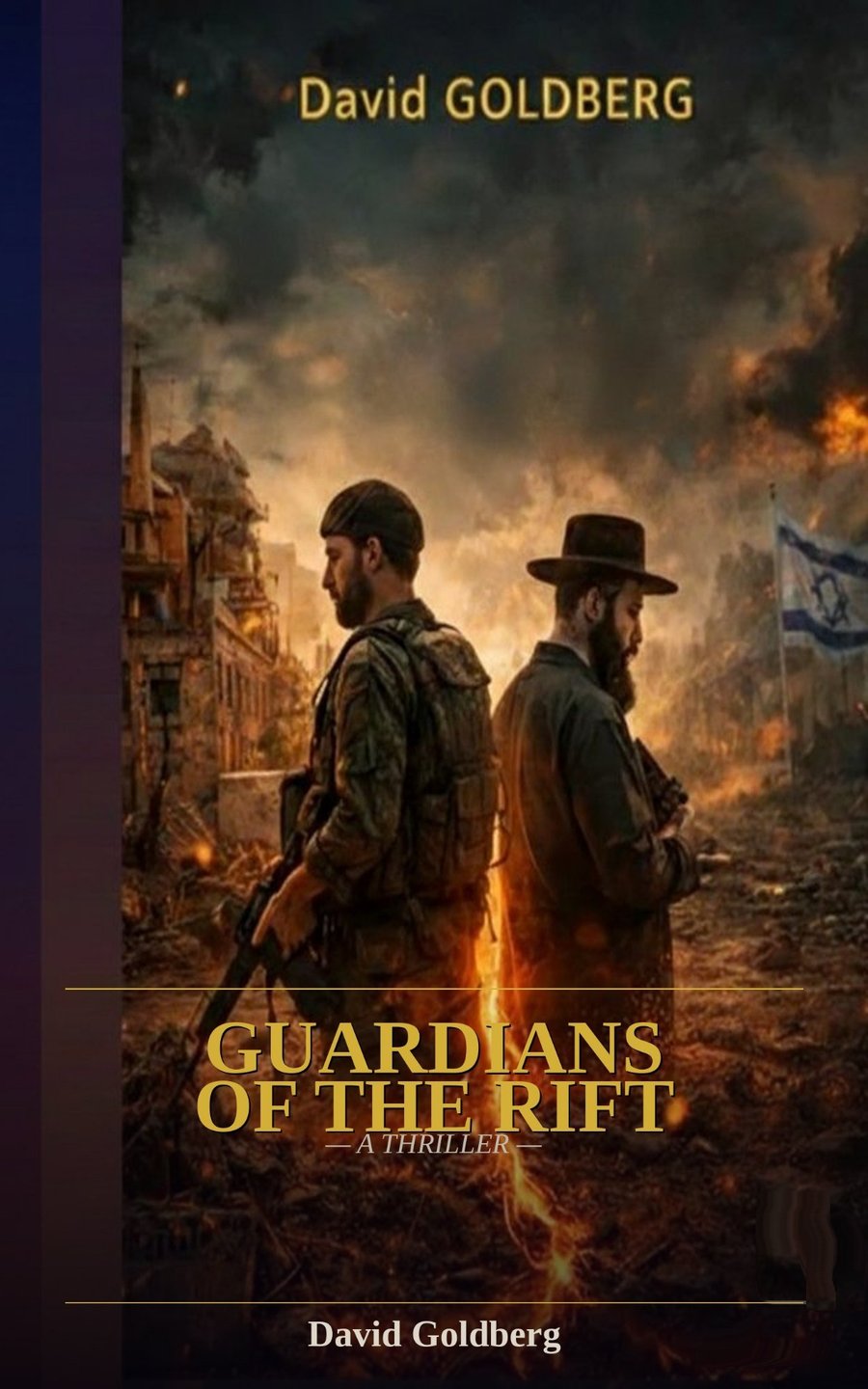
שומרי הסדק

תריילר רוחני · דיוויד גולדברג

סוד עתיק התגלה. ארבעים ותשע שערים נפתחים. השער החמישים מסתתר ברגע אחד — ורגע זה כבר כאן.

📕 קבל את הספר חינם
How to Stand Alone — The Secret of Joshua and Caleb
Parashat Shelach · 5786 · Shiur 1
How to Stand Alone
The secret of Joshua and Caleb · why Moses gave back one letter · and where Caleb went in secret
From the shiur of M. Yehuda Himi
🎙️
🎙 LISTEN TO THE SHIUR · M. YEHUDA HIMI
Full audio recording
⬇ Download the recording
How to Stand Alone
The shiur in one breath — from the teaching of M. Yehuda Himi

The sin of the spies still follows us today. The nation wept on the night of Tisha b’Av — a "weeping for nothing" — and G‑d turned it into a "weeping for generations." Both Temples were destroyed on that very night.

Only two men stood firm — Joshua and Caleb. And each drew his strength from a different source: Joshua from the letter Moses gave back to him, Caleb from the graves of the Patriarchs.

Inside: the gravity of the spies’ sin · when the name "Joshua" was really born · the Joshua who came from Canaan · the humility that dropped a letter · holy boldness · Caleb in Hebron · when sending spies is legitimate · Mashiach ben Yosef and ben David

📖 Read the full shiur ←
1

The Spies’ Sin — The Wound That Still Follows Us

The central theme of the parasha is the sin of the spies (chet ha‑meraglim) — one of the most devastating events in the history of Israel.

Our Sages teach: ever since the Golden Calf and the spies, every calamity that befalls Israel is part atonement for the Calf and part for the spies. G‑d divided the punishment into small installments spread across all of history.

Why are the spies so uniquely severe? Because the entire purpose of leaving Egypt was to reach the Land of Israel. The giving of the Torah was an intermediate station — so the land‑dependent mitzvot could be kept. But the final destination was always the Land.

Asking to send scouts may have been legitimate — you cannot enter a new land without surveying it. But the outcome was that the people resolved to weep and not go up.

"And the people wept that night." Said G‑d: "You wept a weeping for nothing — so I will establish for you a weeping for generations." That night was the night of Tisha b’Av, on which both the First and the Second Temple were destroyed.

This is the gravity of rejecting the cherished Land — refusing to enter. For this we pay through the destructions and the long exile. And, please G‑d, we will merit the repair and the complete redemption.

2

A Riddle: When Was the Name "Joshua" Really Born?

In the parasha Moses sends one spy per tribe. For the tribe of Ephraim it says "Hoshea bin Nun." And immediately after: "And Moses called Hoshea bin Nun — Yehoshua," adding a single letter, the yud.

Read plainly: until now he was "Hoshea," and here he becomes "Yehoshua."

But wait — back in the Book of Shemot

In Parashat Beshalach, at the war against Amalek: "And Moses said to Yehoshua: choose men and go fight Amalek." And again: "Place it in the ears of Yehoshua." He is already called "Yehoshua" in the Book of Shemot!

Here is the difficulty: we cannot resolve it with "there is no early or late in the Torah" — everyone agrees the spies were sent after the giving of the Torah. So how can the Torah now say he is "becoming" Yehoshua?

3

The Secret: Joshua Was Not at the Splitting of the Sea

The investigation leads to a startling idea: Joshua was not at the splitting of the sea, nor at the Ten Plagues. How can that be?

There is an account of the tribe of Ephraim who left Egypt thirty years early. Their tradition was to count the 400 years from the Covenant Between the Parts (Brit bein ha‑Betarim).

But the sages of the generation said: that is not how you count. The verse says "for your offspring will be a stranger" — you count only from when Abraham has offspring, that is, from the birth of Isaac. And Isaac was born 30 years after the Covenant. So Ephraim had miscounted by 30 years.

They could leave because they were sons of Joseph — sons of the ruler; and Joseph had already died, with no one left to stop them. They reached the land of Canaan, and the Canaanites struck them a terrible blow (the account appears in Divrei ha‑Yamim, Chronicles). Many were killed — but a remnant survived.

Among that remnant was Joshua bin Nun. He remained in Canaan for some 30 years, waiting. When he heard that Israel had left Egypt ("the nations heard and trembled"), he at once returned from Canaan to the desert and joined them — after the splitting of the sea.

4

Why Joshua, of All People, Fought Amalek

When Amalek came to wage war, who was best fit to lead the battle? Someone with combat experience. And Joshua already had it — he had fought the Canaanites; he knew what war is.

That is why in the Book of Shemot he appears as "Yehoshua," the commander. Moses said to him: "Welcome — you will lead this battle."

5

The Humility That Dropped a Letter

When Joshua met Moses, he attached himself to him and became his attendant (na’ar).

"Na’ar" does not mean a child — Joshua was about forty years old. (The proof: at the entry to the Land he was 80, some 40 years later.)

From the humility (anavah) of Moses he absorbed humility of his own. He diminished himself — he gave up the yud in his name and called himself "Hoshea." From then on he moved through the camp under the name Hoshea.

6

Moses Restores the Yud — Holy Boldness

For the mission of the spies, who was most fit? The one who had already been there and knew the terrain — Hoshea. But Moses knew he had dropped the yud out of humility.

And Moses feared: in your humility, when the spies bring an evil report of the Land, you will stay silent. So he restores the yud: "And Moses called Hoshea bin Nun — Yehoshua""May G‑d save you (Y‑ah yoshiacha) from the counsel of the spies."

— Not a blessing that removes the test, but the restoring of the strength to be an equal among equals — and to stand.

In his prophecy Moses foresaw that pressure might be applied, perhaps against entering the Land. So he gave him back holy boldness (oz bi‑kedushah) — to be a hero, strong, standing firm before the spies.

7

Caleb — The Other Remedy: The Graves of the Patriarchs

And from where did Caleb ben Yefuneh draw the strength not to break? He took a different remedy. Notice the verse:

"And they went up and scouted the land… and they went up through the Negev, and he came to Hebron."

"They went up," "they scouted" — plural. But "and he came" — singular!

The Midrash explains: the verse speaks of Caleb, who separated from them and went to prostrate himself on the graves of the Patriarchs in Hebron.

So here are the two sources of strength: Joshua — from the yud Moses restored. Caleb — from the blessing of the Patriarchs, going to prostrate on Abraham, Isaac and Jacob, that they grant him the strength to return with good news.

8

Sending Spies — When It Is Legitimate

Forty years later Joshua leads the nation and conquers the Land. What does he do? He sends two spies to Jericho. From this we learn: sending spies is legitimate.

What was illegitimate with our parasha’s spies? Instead of merely reporting "the land is such, it has fortresses," they added "we cannot go up."

It is like today: there is a political echelon and a military echelon. The military reports whether it is capable of the battle — it does not decide whether the battle should be fought. By saying "we cannot go up," the spies cast doubt on faith and instilled fear and weakness in the people — that was their great sin.

Whom did Joshua send? According to the Midrash — Pinchas ben Elazar and Caleb ben Yefuneh. Why Caleb? Because he already knew the land from the previous round (there was no Waze, no satellites, no maps). Joshua himself stayed with the camp — the chief leader holds the people together.

9

The Pair Across the Ages — Mashiach ben Yosef and ben David

Joshua is from the tribe of Ephraim — related to Joseph. Caleb is from the tribe of Judah.

We see this pair — Mashiach ben Yosef and Mashiach ben David — running throughout all of history. The two who stood firm against the spies are a hint to the two redeemers.

— Blessed is the L‑rd forever, amen and amen.

🎯 Test Yourself

5 questions on the shiur. Tap an answer to reveal the explanation.

1
According to our Sages, for what do we pay through every calamity across history?
G‑d divided the punishment into small installments — part for the Calf and part for the spies.
2
On which night did the people weep — and what happened on it for generations?
A "weeping for nothing" became a "weeping for generations" — Tisha b’Av, the destruction of the First and Second Temples.
3
According to the shiur, where was Joshua during the splitting of the sea?
Ephraim left 30 years early and reached Canaan. Joshua was among the remnant and returned after the splitting of the sea.
4
Why did Moses restore the yud to Hoshea?
"May G‑d save you from the counsel of the spies" — restoring the strength to stand firm, not a blessing that removes the test.
5
From where did Caleb draw his strength?
"And he came to Hebron" — singular: Caleb separated and went to the graves of Abraham, Isaac and Jacob.

🛡️ This Week — Stand Alone

There is a moment when everyone around you says "we cannot." Find your source of strength — like Joshua and Caleb — and hold firm to the truth.

🙏 Like Caleb — Reconnect to the Root

Caleb drew strength from the Patriarchs. Where do you reconnect to your own root? Prayer, the memory of your parents, a place that anchors you — that is where boldness is found.

💬 Between "Reporting" and "Spreading Fear"

The spies failed when they moved from fact to fear. This week, state the facts without infecting the people around you with dread.

🌅 The Repair

We wept for nothing and received a weeping for generations. Love of the Land and faith in it are the repair — all the way to the complete redemption.

Go Deeper
🏠

Shalom Bayit — The Mouth at Home

What do you whisper to your children? To your spouse? Reveal a Shalom Bayit card.

🔢

Gematria — Rav Menashe

Hidden connections in the names according to Rav Menashe zatsal.

🔢 Gematria Course
📝

Torah Study

Dig deeper into the commentary of Rashi and the Zohar on the parashah of the week.

📝 Beith Hamidrach
📚

All Parashot

All shiurim of M. Yéhouda Himi — from Bereshit to Devarim and the festivals.

📚 All Parashot
📕

Books

Torah wisdom in thriller format — Éditions Gueoula.

🌙

Dream Interpretation

Did you dream of a doe? Of an Ark? Check the meaning according to Rav Almoli.

🌙 Dreams
🎬

Videos

Video shiurim on the weekly parasha, the festivals and the secrets of the Torah.

🎬 Videos
✉️

Contact

Do you have a question about the shiur? We would love to hear from you.

✉️ Contact
💛

Partners of the Redemption

Every page, every translation — built on Torah love. You are our partners.

💛 Become a Partner
📨 Get the Weekly Shiur
Every week, straight to your inbox — a new parashah shiur by M. Yéhouda Himi. No spam. One-click unsubscribe.
🕯️ Dedicate This Shiur
The doe who turns her face back — your partnership lights this candle through the generations.
🧱 See the Wall of Dedications →
Guardians of the Rift — David Goldberg

Guardians of the Rift

A spiritual thriller · David Goldberg

An ancient secret has surfaced. Forty-nine gates have opened. The fiftieth hides in a single moment — and that moment is here.

📕 Get the Free Book
Comment tenir seul — le secret de Yéhochoua et Calev
Paracha Chelah · 5786 · Chiour 1
Comment tenir seul
Le secret de Yéhochoua et Calev · pourquoi Moshé a rendu une seule lettre · et où Calev est allé en secret
D’après le chiour de M. Yehuda Himi
🎙️
🎙 ÉCOUTER LE CHIOUR · M. YEHUDA HIMI
Le cours complet en audio
⬇ Télécharger l’enregistrement
Comment tenir seul
Le chiour en un souffle — d’après l’enseignement de M. Yehuda Himi

La faute des explorateurs nous accompagne encore aujourd’hui. Le peuple a pleuré la nuit de Ticha BeAv — un « pleur pour rien » — et Hachem en a fait un « pleur pour les générations ». Les deux Temples furent détruits cette nuit-là.

Seuls deux hommes ont tenu bon — Yéhochoua et Calev. Et chacun a puisé sa force ailleurs : Yéhochoua dans la lettre que Moshé lui a rendue, Calev dans les tombeaux des Patriarches.

Au programme : la gravité de la faute · quand le nom « Yéhochoua » est vraiment né · le Yéhochoua venu de Canaan · l’humilité qui a retiré une lettre · la vaillance sainte · Calev à Hébron · quand envoyer des explorateurs est légitime · Machia’h ben Yossef et ben David

📖 Lire le chiour complet ←
1

La faute des explorateurs — la blessure qui nous suit encore

L’idée centrale de la paracha, c’est la faute des explorateurs (’hèt hameraglim) — l’un des événements les plus terribles de l’histoire d’Israël.

Nos Sages enseignent : depuis le Veau d’or et les explorateurs, chaque malheur qui frappe Israël est en partie une expiation du Veau et en partie des explorateurs. Hachem a réparti la punition en petites traites tout au long de l’histoire.

Pourquoi les explorateurs sont-ils si graves ? Parce que toute la finalité de la sortie d’Égypte était d’atteindre la Terre d’Israël. Le don de la Torah n’est qu’une étape intermédiaire — pour pouvoir accomplir les commandements liés à la Terre. Mais la destination finale, c’est la Terre.

Demander des éclaireurs était peut-être légitime — on n’entre pas dans un pays nouveau sans l’explorer. Mais le résultat fut qu’ils décidèrent de pleurer et de ne pas monter.

« Et le peuple pleura cette nuit-là. » Hachem dit : « Vous avez pleuré un pleur pour rien — je vous fixerai un pleur pour les générations. » Cette nuit-là était la nuit de Ticha BeAv, où furent détruits le premier et le second Temple.

Telle est la gravité du rejet de la Terre convoitée — refuser d’y entrer. Nous le payons par les destructions et le long exil. Et avec l’aide de Hachem, nous mériterons la réparation et la délivrance complète.

2

Énigme : quand le nom « Yéhochoua » est-il vraiment né ?

Dans la paracha, Moshé envoie un explorateur par tribu. Pour la tribu d’Éphraïm, il est écrit « Hochéa bin Noun ». Et juste après : « Et Moshé appela Hochéa bin Noun — Yéhochoua », en ajoutant une seule lettre, le youd.

Au sens simple : jusqu’ici on l’appelait « Hochéa », et ici il devient « Yéhochoua ».

Mais attendez — dans le livre de Chemot

Dans la paracha Béchala’h, à la guerre contre Amalek : « Et Moshé dit à Yéhochoua : choisis-nous des hommes et va combattre Amalek. » Et encore : « Mets-le aux oreilles de Yéhochoua. » Il s’appelle déjà « Yéhochoua » dans le livre de Chemot !

Voici la difficulté : on ne peut pas répondre « il n’y a pas d’avant ni d’après dans la Torah » — tout le monde s’accorde : les explorateurs ont été envoyés après le don de la Torah. Alors comment la Torah peut-elle dire maintenant qu’il « devient » Yéhochoua ?

3

Le secret : Yéhochoua n’était pas à l’ouverture de la mer

L’analyse mène à une idée surprenante : Yéhochoua n’était ni à l’ouverture de la mer Rouge, ni aux dix plaies. Comment cela ?

Il existe un récit sur la tribu d’Éphraïm qui sortit d’Égypte trente ans trop tôt. Leur tradition était de compter les 400 ans depuis l’Alliance entre les morceaux (Brit bein haBétarim).

Mais les sages de la génération dirent : ce n’est pas ainsi qu’on compte. Le verset dit « car ta descendance sera étrangère » — on ne compte qu’à partir du moment où Avraham a une descendance, c’est-à-dire depuis la naissance d’Its’hak. Or Its’hak naquit 30 ans après l’Alliance. Éphraïm s’était donc trompé de 30 ans.

Ils pouvaient sortir car ils étaient fils de Yossef — fils du vice-roi ; et Yossef était déjà mort, personne pour les arrêter. Ils atteignirent le pays de Canaan, et les Cananéens leur portèrent un coup terrible (le récit figure dans Divré haYamim, les Chroniques). Beaucoup périrent — mais un reste survécut.

Parmi ce reste se trouvait Yéhochoua bin Noun. Il demeura à Canaan une trentaine d’années, dans l’attente. Quand il apprit qu’Israël était sorti d’Égypte (« les peuples l’entendirent et tremblèrent »), il revint aussitôt de Canaan au désert pour les rejoindre — après l’ouverture de la mer.

4

Pourquoi c’est Yéhochoua qui combattit Amalek

Quand Amalek vint faire la guerre, qui était le plus apte à mener le combat ? Quelqu’un d’expérimenté au combat. Et Yéhochoua l’était déjà — il avait combattu les Cananéens ; il savait ce qu’est la guerre.

C’est pourquoi, dans le livre de Chemot, il apparaît comme « Yéhochoua », le chef. Moshé lui dit : « Sois le bienvenu — tu mèneras ce combat. »

5

L’humilité qui a retiré une lettre

Quand Yéhochoua rencontra Moshé Rabbénou, il s’attacha à lui et devint son serviteur (na’ar).

« Na’ar » ne veut pas dire un enfant — Yéhochoua avait environ quarante ans. (La preuve : à l’entrée en Terre d’Israël il avait 80 ans, une quarantaine d’années plus tard.)

De l’humilité (anava) de Moshé, il absorba la sienne. Il se diminua — il renonça au youd de son nom et s’appela « Hochéa ». Dès lors, il circulait dans le camp sous le nom de Hochéa.

6

Moshé rend le youd — la vaillance sainte

Pour la mission des explorateurs, qui était le plus apte ? Celui qui avait déjà été là-bas et connaissait le terrain — Hochéa. Mais Moshé savait qu’il avait retiré le youd par humilité.

Et Moshé craignait : dans ton humilité, quand les explorateurs médiront de la Terre, tu te tairas. Alors il lui rend le youd : « Et Moshé appela Hochéa bin Noun — Yéhochoua »« Que Hachem te sauve (Ya’h yochia’hkha) du conseil des explorateurs. »

— Non pas une bénédiction qui supprime l’épreuve, mais la restitution de la force d’être un égal parmi les égaux — et de tenir debout.

Dans sa prophétie, Moshé a vu qu’une pression pourrait s’exercer, peut-être contre l’entrée en Terre. Il lui rendit donc la vaillance sainte (oz biqedoucha) — pour être fort et tenir ferme face aux explorateurs.

7

Calev — l’autre remède : les tombeaux des Patriarches

Et où Calev ben Yefouné puisa-t-il la force de ne pas se briser ? Il prit un autre remède. Observez le verset :

« Et ils montèrent et explorèrent le pays… et ils montèrent par le Néguev, et il vint jusqu’à Hébron. »

« Ils montèrent », « ils explorèrent » — au pluriel. Mais « et il vint » — au singulier !

Le Midrach explique : le verset parle de Calev, qui se sépara d’eux et alla se prosterner sur les tombeaux des Patriarches à Hébron.

Voici donc les deux sources de force : Yéhochoua — par le youd que Moshé lui a rendu. Calev — par la bénédiction des Patriarches, en allant se prosterner sur Avraham, Its’hak et Yaakov, pour qu’ils lui donnent la force de revenir avec une bonne nouvelle.

8

Envoyer des explorateurs — quand est-ce légitime

Quarante ans plus tard, Yéhochoua dirige le peuple et conquiert la Terre. Que fait-il ? Il envoie deux explorateurs à Jéricho. On en apprend : envoyer des explorateurs est légitime.

Qu’y avait-il d’illégitime chez les explorateurs de notre paracha ? Au lieu de simplement rapporter « le pays est ainsi, il a des forteresses », ils ajoutèrent « nous ne pourrons pas monter ».

C’est comme aujourd’hui : il y a un échelon politique et un échelon militaire. L’armée rapporte si elle est capable du combat — elle ne décide pas s’il convient de le mener. En disant « nous ne pourrons pas monter », les explorateurs ont jeté le doute sur la foi et insufflé peur et faiblesse dans le peuple — ce fut leur grande faute.

Qui Yéhochoua envoya-t-il ? D’après le Midrach — Pin’has ben Élazar et Calev ben Yefouné. Pourquoi Calev ? Parce qu’il connaissait déjà le pays depuis le tour précédent (il n’y avait ni Waze, ni satellites, ni cartes). Yéhochoua lui-même resta avec le camp — le chef principal maintient le peuple uni.

9

Le couple à travers les âges — Machia’h ben Yossef et ben David

Yéhochoua est de la tribu d’Éphraïm — rattachée à Yossef. Calev est de la tribu de Yéhouda.

Nous voyons ce couple — Machia’h ben Yossef et Machia’h ben David — traverser toute l’histoire. Les deux qui tinrent ferme face aux explorateurs sont une allusion aux deux libérateurs.

— Béni soit Hachem à jamais, amen et amen.

🎯 Teste-toi

5 questions sur le chiour. Touche une réponse pour voir l’explication.

1
D’après nos Sages, pour quoi payons-nous à travers chaque malheur de l’histoire ?
Hachem a réparti la punition en petites traites — une part pour le Veau, une part pour les explorateurs.
2
Quelle nuit le peuple a-t-il pleuré — et qu’y est-il arrivé pour les générations ?
Un « pleur pour rien » est devenu un « pleur pour les générations » — Ticha BeAv, destruction du premier et du second Temple.
3
D’après le chiour, où était Yéhochoua lors de l’ouverture de la mer ?
Éphraïm sortit 30 ans trop tôt et atteignit Canaan. Yéhochoua était parmi le reste, et revint après l’ouverture de la mer.
4
Pourquoi Moshé a-t-il rendu le youd à Hochéa ?
« Que Hachem te sauve du conseil des explorateurs » — restitution de la force de tenir ferme, non une bénédiction qui supprime l’épreuve.
5
Où Calev a-t-il puisé sa force ?
« Et il vint jusqu’à Hébron » — au singulier : Calev se sépara et alla aux tombeaux d’Avraham, Its’hak et Yaakov.

🛡️ Cette semaine — tenir seul

Il y a un moment où tout le monde autour de toi dit « nous ne pourrons pas ». Trouve ta source de force — comme Yéhochoua et Calev — et tiens ferme sur la vérité.

🙏 Comme Calev — se relier à la racine

Calev a puisé sa force chez les Patriarches. Où te relies-tu à ta propre racine ? La prière, le souvenir de tes parents, un lieu qui t’ancre — c’est là que se trouve la vaillance.

💬 Entre « rapporter » et « faire peur »

Les explorateurs ont échoué en passant du fait à la peur. Cette semaine, énonce les faits sans contaminer ton entourage par l’angoisse.

🌅 La réparation

Nous avons pleuré pour rien et reçu un pleur pour les générations. L’amour de la Terre et la foi en elle sont la réparation — jusqu’à la délivrance complète.

Pour aller plus loin
🏠

Chalom Bayit — La bouche à la maison

Que chuchotes-tu à tes enfants ? À ton conjoint ? Découvre une carte Chalom Bayit.

🔢

Guématria — Rav Menaché

Connexions cachées dans les noms selon Rav Menaché zatsal.

🔢 Cours de guématria
📝

Étude Torah

Approfondis le commentaire de Rachi et le Zohar sur la paracha de la semaine.

📝 Beith Hamidrach
📚

Toutes les Parachiot

Tous les cours de M. Yéhouda Himi — de Béréchit à Devarim et les fêtes.

📚 Toutes les Parachiot
📕

Livres

La sagesse de la Torah en format thriller — Éditions Gueoula.

🌙

Interprétation des rêves

As-tu rêvé d’une biche ? D’une Arche ? Vérifie sa signification selon Rav Almoli.

🌙 Rêves
🎬

Vidéos

Chiourim vidéo sur la paracha de la semaine, les fêtes et les secrets de la Torah.

🎬 Vidéos
✉️

Contact

Une question sur ce shiour ? Nous serions ravis de t’entendre.

✉️ Contact
💛

Partenaires de la Rédemption

Chaque page, chaque traduction — construits sur l’amour de la Torah. Vous êtes nos partenaires.

💛 Je veux être partenaire
📨 Recevoir le shiour hebdomadaire
Chaque semaine, dans ta boîte mail — un nouveau shiour de paracha par M. Yéhouda Himi. Pas de spam. Désinscription en un clic.
🕯️ Dédier ce shiour
La biche qui retourne son visage — ton partenariat allume cette bougie de génération en génération.
🧱 Voir le Mur des Hakdashot →
Les Gardiens de la Faille — David Goldberg

Les Gardiens de la Faille

Un thriller spirituel · David Goldberg

Un secret ancien refait surface. Quarante-neuf portes se sont ouvertes. La cinquantième se cache dans un seul instant — et cet instant est arrivé.

📕 Récupérer le livre gratuit