חוקר לשעבר במשפט עברי ב-CNRS · מרצה בסורבון (תלמוד וחסידות)
סְגַפְנוּת — טוֹב אוֹ רַע? הַתַּלְמוּד הַיְּרוּשַׁלְמִי אוֹמֵר: "לֹא דַּי לָךְ בְּמַה שֶּׁאָסְרָה תּוֹרָה?" הַתַּלְמוּד הַבַּבְלִי אוֹמֵר: "נְדָרִים סְיָג לִפְרִישׁוּת." פִּתְרוֹן: שְׁנֵיהֶם צוֹדְקִים — כָּל אֶחָד בִּזְמַנּוֹ.
אָסוּר בְּעִבְרִית מַשְׁמָעוֹ גַּם "אָסוּר" וְגַם "אֲסִיר". מוּתָּר מַשְׁמָעוֹ "מוּתָּר" וְגַם "מְשֻׁחְרָר". בְּכָל דָּבָר יֵשׁ נִיצוֹץ אֱלֹהִי — הַחֹמֶר הַמּוּתָּר מְשַׁחְרֵר אוֹתוֹ, הַחֹמֶר הָאָסוּר שׁוֹמֵר עָלָיו כְּאָסִיר.
הַמִּשְׁנָה הָאַחֲרוֹנָה בְּמַסֶּכֶת נָזִיר. אֵיךְ שִׁמְשׁוֹן וּשְׁמוּאֵל הָיוּ נְזִירִים אִם הֵם עַצְמָם לֹא נָדְרוּ אֶת הַנֶּדֶר? תְּשׁוּבָה: הֵם הִמְשִׁיכוּ אוֹתוֹ. וְהַגְּמָרָא מוֹסִיפָה: הָעוֹנֶה אָמֵן גָּדוֹל מִן הַמְבָרֵךְ.
מְחַפְּשִׂים אֶת מַה שֶּׁכְּבָר מָצָאנוּ. אֲנַחְנוּ לוֹמְדִים אֶת כָּל הַתּוֹרָה בִּמְעֵי אִמֵּנוּ (נִדָּה ל'). קָאמִי, סִיזִיפוּס, קֹהֶלֶת — כֻּלָּם שׁוֹאֲלִים עַל הַמַּשְׁמָעוּת. אֲבָל הַמַּשְׁמָעוּת כְּבָר נִתְּנָה לָנוּ. תַּפְקִידֵנוּ: לִתְפֹּס אֶת הַכַּדּוּר וְלַעֲשׂוֹת מִמֶּנּוּ מַשֶּׁהוּ.
בְּשִׁעוּר: סְגַפְנוּת בַּמָּסֹרֶת · הַסּוֹד שֶׁל הַמִּלָּה אָסוּר · הָרוֹעֶה שֶׁגִּלַּח לְשֵׁם שָׁמַיִם · שִׁמְשׁוֹן וּשְׁמוּאֵל נְזִירִים בְּעַל כָּרְחָם · סוֹד הָאָמֵן · רַבִּי יוֹסֵי וְרַבִּי נְהוֹרַאי · קָאמִי וְקֹהֶלֶת · יִשְׂרָאֵל — עֲתִידֵנוּ בְּמָקוֹם שֶׁעֲבָרֵנוּ
📖 לִקְרֹא אֶת הַשִּׁעוּר הַמָּלֵא ←סְגַפְנוּת — טוֹב אוֹ רַע?
הַנָּזִיר, הַסַּגְפָן שֶׁעָלָיו מְדַבֶּרֶת הַתּוֹרָה בְּבְּמִדְבַּר פֶּרֶק ו', מַעֲלֶה שְׁאֵלָה יְסוֹדִית: הַאִם הַפְּרִישׁוּת מֵהָעוֹלָם מְעֻלָּה בַּיַּהֲדוּת?
בִּשְׁאֵלָה זוֹ שְׁנֵי הַתַּלְמוּדִים נִרְאִים מְנֻגָּדִים:
הַתַּלְמוּד הַיְּרוּשַׁלְמִי: "לֹא דַּי לָךְ בְּמַה שֶּׁאָסְרָה תּוֹרָה, שֶׁאַתָּה מוֹסִיף עַל עַצְמְךָ אִסּוּרִים?"
הַתַּלְמוּד הַבַּבְלִי: "כְּשֶׁאָדָם נוֹדֵר נִדְרֵי פְּרִישׁוּת — זוֹ גָּדֵר לְהַפְרִישׁ מִן הָרַע."
הַפִּתְרוֹן: אֵין מַחֲלֹקֶת — הֵם מְדַבְּרִים עַל זְמַנִּים שׁוֹנִים בְּמַסַּע הָרוּחָנִי.
בַּהַתְחָלָה, לִפְעָמִים צָרִיךְ לִשְׁלֹל בִּנְדָרִים כְּדֵי לְהַפְרִיד בֵּין הַחַיִּים הַיְשָׁנִים לַחַיִּים הַחֲדָשִׁים. זוֹ הַהִתְחַיְּבוּת, הַשְּׁבִירָה.
אַחַר כָּךְ, אָסוּר לְהִתְרַחֵק מֵהָעוֹלָם — כִּי הַמַּטָּרָה הִיא לְהִכָּנֵס לָעוֹלָם וְלִרְוֹמֵם אֶת הַחֹמֶר.
אָסוּר / מוּתָּר — סוֹד הַמִּלִּים
הַמִּלָּה "אָסוּר" בְּעִבְרִית מַשְׁמָעָהּ גַּם "אָסִיר". הַמִּלָּה "מוּתָּר" מַשְׁמָעָהּ גַּם "מְשֻׁחְרָר, פָּתוּחַ".
בְּכָל דָּבָר יֵשׁ נִיצוֹץ אֱלֹהִי. אֲבָל לִפְעָמִים אוֹתוֹ נִיצוֹץ אָסוּר כָּל כָּךְ בִּקְלִיפָּה שֶׁמַּחֲזִיקָה אוֹתוֹ, שֶׁאִי אֶפְשָׁר לְשַׁחְרְרוֹ. הַדָּבָר הוֹפֵךְ אָז לְאָסוּר — אָסוּר כִּי הָאוֹר הַפְּנִימִי שֶׁלּוֹ אָסִיר.
אִם מִישֶׁהוּ אוֹכֵל חֲזִיר — אֲפִלּוּ עִם בְּרָכָה, אֲפִלּוּ בַּכַּוָּנָה הַטּוֹבָה בְּיוֹתֵר — לֹא יוּכַל לְהוֹצִיא מֵהַבָּשָׂר הַזֶּה אֶת הַנִּיצוֹץ הָאֱלֹהִי שֶׁבּוֹ. הוּא נִשְׁאָר אָסִיר.
אֲבָל בָּנָנָה הִיא מוּתֶּרֶת. כְּשֶׁאֲנִי אוֹכֵל אוֹתָהּ, הִיא נוֹתֶנֶת לִי אֵנֶרְגְּיָה. שִׁחְרַרְתִּי אֶת הַנִּיצוֹץ הָאֱלֹהִי שֶׁבָּהּ. וְעִם הָאֵנֶרְגְּיָה הַזֹּאת אֲנִי אֵלֵךְ לַעֲבֹד, לְבַקֵּר חוֹלִים, לְעוֹדֵד אֲנָשִׁים. שִׁחְרַרְתִּי אֶת הָאוֹר הָאָסִיר.
הָרוֹעֶה שֶׁגִּלַּח לְשֵׁם שָׁמַיִם
מַסֶּכֶת נָזִיר מְסַפֶּרֶת סִפּוּר מְפוּרְסָם. שִׁמְעוֹן הַצַּדִּיק לֹא כָּל כָּךְ אָהַב אֶת קָרְבְּנוֹת הַנְּזִירִים. מַדּוּעַ? כִּי חָשַׁשׁ שֶׁהַנְּדָרִים נֶעֱשִׂים בְּקַלּוּת.
אַךְ יוֹם אֶחָד הִסְכִּים לְקַבֵּל קָרְבָּן שֶׁל נָזִיר. מַדּוּעַ דַּוְקָא זֶה? שָׁאַל שְׁאֵלוֹת.
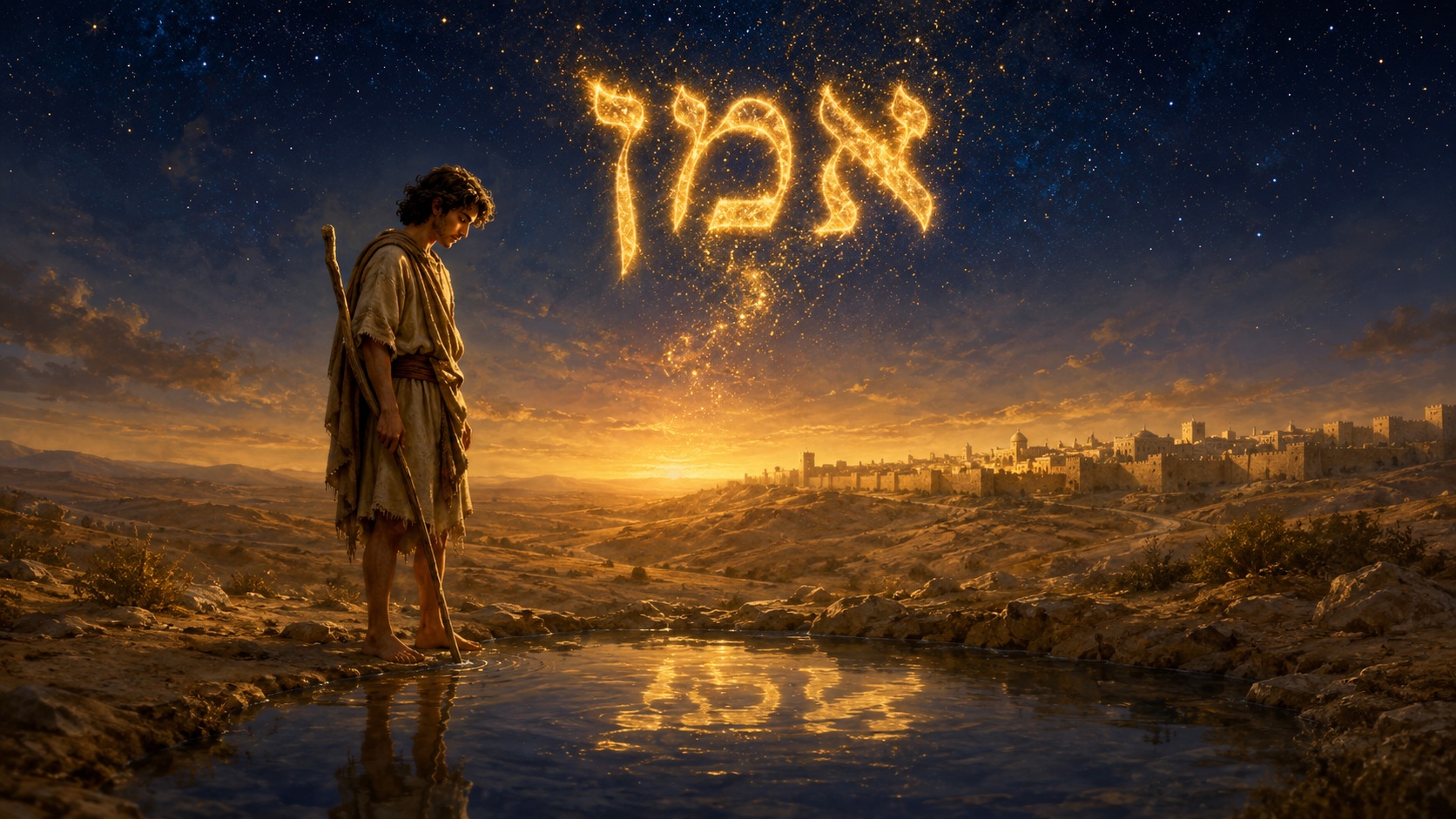
הוּא הָיָה רוֹעֶה צֹאן, יְפֵה תֹּאַר, עִם עֵינַיִם נֶהֱדָרוֹת וּשְׂעָרוֹת מְסֻלְסָלוֹת אֲרֻכּוֹת. שָׁאַל שִׁמְעוֹן הַצַּדִּיק: "תִּשְׁמַע — הַנָּזִיר יְגַלַּח אֶת רֹאשׁוֹ לְגַמְרֵי. מָה תָּקַף אוֹתְךָ?"
עָנָה הָרוֹעֶה: "פַּעַם הִבַּטְתִּי בְּעַצְמִי בְּמַיִם — בְּאוֹתָם יָמִים לֹא הָיוּ מַרְאוֹת — וּמָצָאתִי אֶת עַצְמִי כֹּה יָפֶה שֶׁזֶּה הִכְנִיס לִי מַחְשָׁבוֹת רָעוֹת. אֵיךְ אֶעֱשֶׂה שִׁמּוּשׁ רַע בַּיֹּפִי שֶׁלִּי וְאֶחֱטָא? אָז אָמַרְתִּי: אֵלֵךְ לַקָּצֶה הַשֵּׁנִי. אֶת הַשְּׂעָרוֹת הָאֵלֶּה שֶׁכֹּה מַשְׂמְחוֹת אוֹתִי, אֲנִי אֲגַלַּח אוֹתָן לְשֵׁם שָׁמַיִם."
אָמַר לוֹ שִׁמְעוֹן הַצַּדִּיק: "בְּאֹפֶן זֶה, טוֹב מְאֹד. וְיִהְיוּ נְזִירִים רַבִּים כָּמוֹךָ בְּיִשְׂרָאֵל!"
דִּימּוּי מוֹדֶרְנִי: הַנָּזִיר הַזֶּה דּוֹמֶה לְמִי שֶׁאָסַר עַל עַצְמוֹ קָזִינוֹ. הוּא יוֹדֵעַ אֶת חֻלְשָׁתוֹ. הוּא בּוֹנֶה גָּדֵר. וְהוּא חוֹתֵם — כְּדֵי שֶׁלֹּא יוּכַל לְהִכָּנֵס יוֹתֵר.
הַמִּשְׁנָה הָאַחֲרוֹנָה — שִׁמְשׁוֹן וּשְׁמוּאֵל
וְעַכְשָׁו — וְכָאן זֶה הוֹפֵךְ עָמֹק — הַמִּשְׁנָה הָאַחֲרוֹנָה בְּמַסֶּכֶת נָזִיר מְדַבֶּרֶת עַל שִׁמְשׁוֹן, שֶׁהָיָה נָזִיר, וּלְפִי דַעְתָּם שֶׁל חַלָּקָם — גַּם עַל שְׁמוּאֵל הַנָּבִיא.
שְׁנֵי רַבָּנִים מַבִּיעִים עָלָיו דַּעְתָּם: רַבִּי יוֹסֵי וְרַבִּי נְהוֹרַאי. תִּזְכֹּר אֶת הַשֵּׁמוֹת — הֵם יִהְיוּ חֲשׁוּבִים.
אֵיךְ הָיָה שִׁמְשׁוֹן נָזִיר? הַמַּלְאָךְ בָּא וְקָבַע אֶת מַעֲמָדוֹ — לִפְנֵי לֵדָתוֹ.
אֵיךְ הָיָה שְׁמוּאֵל נָזִיר? אִמּוֹ חַנָּה נָדְרָה אֶת הַנֶּדֶר — לִפְנֵי לֵדָתוֹ.
אֲבָל הֵם עַצְמָם לֹא נָדְרוּ מֵעוֹלָם אֶת הַנֶּדֶר!
הַתְּשׁוּבָה: בַּתְּחִילָּה, הָיוּ לָהֶם רַק הַתְנַהֲגוּת שֶׁל נְזִירוּת. אַךְ אַחַר כָּךְ, הֵם הִמְשִׁיכוּ אֶת מַה שֶּׁהוֹעַד. הֵם קִבְּלוּ אֶת מַה שֶּׁנִּקְבַּע מִחוּץ לְדַעְתָּם הָאִישִׁית.
הַקַּבָּלָה הַזּוֹ נוֹתֶנֶת לְמַפְרֵעַ מַעֲמָד וְכוֹחַ לְאוֹתָה הַתְחָלָה שֶׁלֹּא יָזְמוּ בְּעַצְמָם.
זְכֹר אֶת הַמַּשְׁפָּט שֶׁל לֵוִינָס: כְּשֶׁחֲכָמֵי הַתַּלְמוּד דָּנִים — לְמָשָׁל, אִם בֵּיצָה שֶׁנּוֹלְדָה בְּיוֹם טוֹב מֻתֶּרֶת בַּאֲכִילָה — הֵם דָּנִים בְּעֵצֶם בְּמַשֶּׁהוּ אַחֵר לְגַמְרֵי. צָרִיךְ לִמְשֹׁךְ אֶת הַחוּטִים כְּדֵי לִרְאוֹת מַה שֶּׁמִּתְרַחֵשׁ מֵאֲחוֹרֵי הַקְּלָעִים שֶׁל הַתַּלְמוּד. זֶה מַה שֶּׁנַּעֲשֶׂה.
סוֹד הָאָמֵן — גָּדוֹל מִן הַמְבָרֵךְ
הַגְּמָרָא שׁוֹאֶלֶת אָז שְׁאֵלָה שֶׁנִּרְאֵית בְּלִי קֶשֶׁר: מִי גָּדוֹל יוֹתֵר? הַמְבָרֵךְ אוֹ הָעוֹנֶה אָמֵן?
וְשׁוּב — לֹא בְּמִקְרֶה — רַבִּי יוֹסֵי וְרַבִּי נְהוֹרַאי הֵם הָעוֹנִים. וּשְׁנֵיהֶם אוֹמְרִים: הָעוֹנֶה אָמֵן גָּדוֹל יוֹתֵר.
הַקֶּשֶׁר לַמִּשְׁנָה הַקּוֹדֶמֶת: אֵצֶל שִׁמְשׁוֹן וּשְׁמוּאֵל, לֹא שָׁאֲלוּ אוֹתָם בַּהַתְחָלָה. אֲפִילּוּ לֹא נוֹלְדוּ! אֲבָל לְבַסּוֹף, הֵם אִשְׁרוּ עַל יְדֵי הַהַמְשָׁכָה — כְּמוֹ שֶׁעוֹנִים אָמֵן אַחֲרֵי בְּרָכָה שֶׁאַחֵר אָמַר.
בַּחַיִּים, מְקַבְּלִים הַרְבֵּה דְּבָרִים. אֲבָל כְּשֶׁמַּכְנִיסִים אוֹתָם לְעַצְמֵנוּ — כְּשֶׁעוֹנִים אָמֵן בְּמוּדָעוּת עַל מַה שֶּׁנִּתַּן — זֶה גָּדוֹל אֲפִילּוּ יוֹתֵר מֵהַבְּרָכָה הָרִאשׁוֹנָה.
מַסֶּכֶת נִדָּה דַף ל' אוֹמֶרֶת: "אֲנַחְנוּ לוֹמְדִים אֶת כָּל הַתּוֹרָה בִּמְעֵי אִמֵּנוּ." וְהַמִּדְרָשׁ מוֹסִיף: גַּם הַגּוֹיִים לוֹמְדִים אֶת חוֹבוֹתֵיהֶם הַיְּסוֹדִיּוֹת — שֶׁבַע מִצְוֹת בְּנֵי נֹחַ, עִם הִסְתַּעֲפוּתָן.
אֲבָל אֲנַחְנוּ שׁוֹכְחִים. שׁוֹכְחִים בַּלֵּדָה. וְעִם זֹאת, זֶה מַשְׁאִיר עִקְבוֹת עָמֹק בְּתוֹךְ הַתַּת-מוּדָע — כְּדֵי שֶׁנּוּכַל לְבַסּוֹף לַחֲזֹר אֶל מַה שֶּׁנִּתַּן לָנוּ, וּלְפַתֵּחַ אֶת מַה שֶּׁקִּבַּלְנוּ בַּהַתְחָלָה.
עֲתִידֵנוּ בְּמָקוֹם שֶׁעֲבָרֵנוּ
זוֹ רַעְיוֹן יְהוּדִי מְאֹד. וְהוּא נִמְצָא גַּם בְּיִשְׂרָאֵל — אֲפִלּוּ אִם לֹא כָּל הַיִּשְׂרְאֵלִים דָּתִיִּים, מַשֶּׁהוּ נִשְׁאָר.
אֲנִי זוֹכֵר שֶׁלֶט פִּרְסוּם שֶׁבּוֹ רָאִיתִי שְׁנֵי יְלָדִים צְעִירִים שֶׁבּוֹנִים בַּיִת בְּלֶגוֹ עַל אֶבֶן עַתִּיקָה שֶׁל יְרוּשָׁלַיִם. הֶעָתִיד (הַיְלָדִים, הַבְּנִיָּה) עוֹמֵד עַל הֶעָבָר (הָאֶבֶן).
מִתַּחַת הָיָה כָּתוּב בְּאַנְגְּלִית: "Israel, our future is where our past is." יִשְׂרָאֵל — הֶעָתִיד שֶׁלָּנוּ הוּא בַּמָּקוֹם שֶׁבּוֹ הֶעָבָר שֶׁלָּנוּ.
זוֹ תָּמִיד הָרַעְיוֹן שֶׁל חֲזָרָה לַשֹּׁרֶשׁ כְּדֵי לְפַתֵּחַ טוֹב יוֹתֵר אֶת הַפּוֹטֶנְצְיָאל שֶׁל הַשֹּׁרֶשׁ הַזֶּה. לִתְפֹּס אֶת הַכַּדּוּר, וְלַעֲשׂוֹת מִמֶּנּוּ מַשֶּׁהוּ.
קָאמִי, סִיזִיפוּס וְקֹהֶלֶת
בְּאוֹמְרִי זֹאת, אֲנִי חוֹשֵׁב עַל הַפִילוֹסוֹף הַצָּרְפָתִי אַלְבֶּר קָאמִי, בְּהַמִּיתוֹס שֶׁל סִיזִיפוּס.
סִיזִיפוּס, בַּמִּיתוֹס הַיְּוָנִי, נִדּוֹן עַל יְדֵי הָאֵלִים לְגַלְגֵּל סֶלַע לְמַעְלָה בַּהָר. אַךְ בְּהַגִּיעוֹ לְפִסְגָה, הַסֶּלַע הִתְגַּלְגֵּל מַטָּה, וְעָלָיו לְהַתְחִיל מֵחָדָשׁ. הַתְּנוּעָה הַתְּפֵלָה בְּמֻבְהָק.
קָאמִי רוֹאֶה בְּכָךְ סֵמֶל לַחַיִּים. "אֲנַחְנוּ עוֹשִׂים הַרְבֵּה מַאֲמַצִּים, אֲבָל בַּסּוֹף כֻּלָּנוּ נָמוּת. אָז מַה הַטַּעַם? מַה מַשְׁמָעוּת הַחַיִּים?"
קָאמִי הָיָה אֲתֵיאִיסְט. אֲבָל אִם הוּא הָיָה כָּל כָּךְ מוּטְרָד מֵהַשְּׁאֵלָה הַזֹּאת, אוּלַי זֶה כִּי הוּא הִרְגִּישׁ עָמֹק בְּתוֹכוֹ שֶׁלַחַיִּים יֵשׁ מַשְׁמָעוּת.
אֵין מוֹצְאִים אֶת מַה שֶּׁמְּחַפְּשִׂים — מְחַפְּשִׂים אֶת מַה שֶּׁכְּבָר מָצְאוּ.
אִם קָאמִי וְדוֹר שָׁלֵם שֶׁל פִילוֹסוֹפִים הָיוּ מוּטְרָדִים מִשְּׁאֵלַת הַמַּשְׁמָעוּת, זֶה כִּי בְּעֹמֶק לִבָּם הָיְתָה נִיצוֹץ קָטָן שֶׁיָּדַע שֶׁלַחַיִּים יֵשׁ מַשְׁמָעוּת.
קָאמִי עַצְמוֹ כּוֹתֵב, בְּהַמִּיתוֹס שֶׁל סִיזִיפוּס:
"קוֹרֶה שֶׁהַתַּפְאוּרוֹת מִתְמוֹטְטוֹת. קִימָה, חַשְׁמַלִּית, אַרְבַּע שָׁעוֹת בַּמִּשְׂרָד אוֹ בַּמִּפְעָל, אֲרוּחָה, חַשְׁמַלִּית, אַרְבַּע שָׁעוֹת עֲבוֹדָה, אֲרוּחָה, שֵׁנָה, וְיוֹם רִאשׁוֹן שֵׁנִי שְׁלִישִׁי רְבִיעִי חֲמִישִׁי שִׁישִּׁי לְפִי אוֹתוֹ קֶצֶב... יוֹם אֶחָד בִּלְבַד הַ׳לָמָּה׳ עוֹלֶה וְהַכֹּל מַתְחִיל בַּלֵּאוּת הַזֹּאת מְמֻסֶּדֶת בְּתִמָּהוֹן."
"הַלֵּאוּת הִיא סוֹף מַעֲשֵׂי חַיִּים מְכוֹנִיִּים, אֲבָל הִיא חוֹנֶכֶת בְּאוֹתָהּ עֵת אֶת תְּנוּעַת הַתּוֹדָעָה."
וְאֵצֶלֵנוּ, בַּמָּסֹרֶת הַיְּהוּדִית, קֹהֶלֶת חוֹזֵר עַל הָרַעְיוֹן הַזֶּה: "כָּל הַנְּחָלִים הוֹלְכִים אֶל הַיָּם וְהַיָּם אֵינֶנּוּ מָלֵא." מַה הָעֵרֶךְ שֶׁל כָּל מַאֲמַצֵּינוּ אִם הַמָּוֶת הוּא הַסּוֹף?
אַךְ קֹהֶלֶת לֹא נִשְׁאַר רַק בַּשְּׁאֵלָה — הוּא גַּם בַּתְּשׁוּבָה. הוּא מַרְאֶה שֶׁבָּאנוּ כְּדֵי לָתֵת מַשְׁמָעוּת לַחַיִּים. קָאמִי נִשְׁאַר בַּשְּׁאֵלָה. הֶחָכָם הָעִבְרִי נוֹתֵן אֶת הַתְּשׁוּבָה.
הַשֵּׁמוֹת הַנִּסְתָּרִים — יוֹסֵי וּנְהוֹרַאי
נַחֲזֹר לִשְׁנֵי הָרַבָּנִים שֶׁל הַמִּשְׁנָה. הַשֵּׁמוֹת הָאֵלֶּה לֹא נִבְחֲרוּ בְּמִקְרֶה.
רַבִּי נְהוֹרַאי — מַשְׁמָעוּתוֹ "הָאוֹר", אֲבָל בָּאֲרָמִית, לֹא בִּלְשׁוֹן הַקֹּדֶשׁ. וְזֶה מַה שֶּׁמַּבְחִין אוֹתוֹ.
תַּפְקִידוֹ הַסִּמְבּוֹלִי: לְהַכְנִיס אוֹר לֹא לַקֹּדֶשׁ, אֶלָּא לַחוּלִין. לְהַפֹּךְ אֶת הַחוּלִין לַקֹּדֶשׁ. מַה שֶּׁהַמְקֻבָּלִים קוֹרְאִים "אִתְהַפְּכָא שֶׁבַּצַּד אִתְכַּפְיָא" — לְהַפֹּךְ אֶת הַחֹשֶׁךְ לְאוֹר דֶּרֶךְ הַהִתְנַגְּדוּת וְהַמַּאֲמָץ.
רַבִּי יוֹסֵי — מִשּׁוֹרֶשׁ יוֹסִיף, "לְהוֹסִיף". וְהַגִּמַטְרִיָּה שֶׁל שְׁמוֹ הִיא 86.
וְ-86 זוֹ גַּם הַגִּמַטְרִיָּה שֶׁל הַטֶּבַע.
הַשֵּׁם הַזֶּה מַבִּיעַ אֶת כָּל הַשְּׁלִיחוּת הָאֱנוֹשִׁית: יֵשׁ מַשֶּׁהוּ שֶׁבָּא מִמַּעַל וּמוֹסִיף לָעוֹלָם. וְתַפְקִידֵנוּ הוּא לְהַכְנִיס אֶת הַתּוֹסֶפֶת הַזֹּאת לַטֶּבַע, לַיּוֹם-יוֹם. זוֹ הַפְּגִישָׁה בֵּין הַדַּחַף מִמַּעַל לְבֵין הָאִינְטֶגְרַצְיָה לְמַטָּה.
שְׁנֵי הָרַבָּנִים, בִּשְׁמָם בִּלְבַד, נוֹשְׂאִים אֶת רַעְיוֹן הַשִּׁעוּר: לִתְפֹּס אֶת הַכַּדּוּר שֶׁנִּזְרַק לָנוּ וְלַעֲשׂוֹת מִמֶּנּוּ מַשֶּׁהוּ בָּעוֹלָם הַמַּמָּשִׁי. לוֹמַר אָמֵן עִם הַחַיִּים שֶׁלָּנוּ.
לָשֵׂאת אֶת הַזְּמַן
קָאמִי, אַחֲרֵי שֶׁתֵּאֵר אֶת הַשַּׁגְרָה הַיּוֹמְיוֹמִית, כּוֹתֵב:
"כָּךְ גַּם, וּלְכָל יְמֵי חַיִּים שֶׁאֵין בָּהֶם בְּרָק, הַזְּמַן נוֹשֵׂא אוֹתָנוּ. אֲבָל תָּמִיד בָּא רֶגַע שֶׁבּוֹ צָרִיךְ לָשֵׂאת אוֹתוֹ."
נוֹתְנִים לַזְּמַן וְלַהֶרְגֵּלִים לָשֵׂאת אוֹתָנוּ. אֲבָל יוֹם אֶחָד צָרִיךְ לָשֵׂאת אֶת הַזְּמַן — כְּלוֹמַר, לָתֵת לוֹ מַשְׁמָעוּת.
בְּדֶרֶךְ כְּלָל, אֲנָשִׁים עוֹשִׂים זֹאת כְּשֶׁהֵם מַרְגִּישִׁים שֶׁהַמָּוֶת מִתְקָרֵב. הֵם אוֹמְרִים לְעַצְמָם: "לְאָן זֶה הוֹלִיךְ?"
אֲבָל אֲנַחְנוּ אוֹמְרִים שֶׁצָּרִיךְ לְהִתְעוֹרֵר מַהֵר מַסְפִּיק. לְכַוֵּן אֶת הַחַיִּים לִמְצֹא מֵחָדָשׁ אֶת הַמַּשְׁמָעוּת שֶׁל הַשְּׁלִיחוּת שֶׁנִּתְּנָה לְכֻלָּנוּ, בִּשְׁחַר קִיּוּמֵנוּ.
לוֹמַר אָמֵן, בְּמוּדָעוּת, לַבְּרָכָה שֶׁקִּבַּלְנוּ בִּמְעֵי אִמֵּנוּ. לִתְפֹּס אֶת הַכַּדּוּר, וְלִזְרֹק אוֹתוֹ חֲזָרָה לָעוֹלָם.
🎯 בְּחָן אֶת עַצְמְךָ
5 שְׁאֵלוֹת עַל הַשִּׁעוּר. לְחַץ עַל תְּשׁוּבָה כְּדֵי לִרְאוֹת אֶת הַהֶסְבֵּר.
🍌 הַשָּׁבוּעַ — שַׁחְרֵר נִיצוֹץ
בְּחַר דָּבָר אֶחָד מוּתָּר שֶׁאַתָּה עוֹשֶׂה בְּמַכָּנְיוּת — אֲכִילָה, הֲלִיכָה, שִׂיחָה עִם מִישֶׁהוּ. לִפְנֵי שֶׁאַתָּה עוֹשֶׂה זֹאת, אֱמֹר בְּתוֹכְךָ: "אֲנִי הוֹלֵךְ לְשַׁחְרֵר אֶת הַנִּיצוֹץ הָאֱלֹהִי שֶׁבְּתוֹךְ הַמַּעֲשֶׂה הַזֶּה." אֱכֹל בְּחָשׁוּב עַל הָאֵנֶרְגְּיָה שֶׁתּוֹצִיא לַעֲשׂוֹת טוֹב.
🙏 עֲנֵה אָמֵן בְּמוּדָעוּת
בַּפַּעַם הַבָּאָה שֶׁאַתָּה שׁוֹמֵעַ בְּרָכָה — בְּבֵית הַכְּנֶסֶת, בַּשֻּׁלְחָן, בַּחֲתֻנָּה — אַל תַּעֲנֶה אָמֵן מִתּוֹךְ הֶרְגֵּל. תַּעֲנֶה אוֹתוֹ בִּידִיעָה שֶׁאַתָּה מַכְנִיס לְעַצְמְךָ בְּרָכָה שֶׁגְּדוֹלָה מִמְּךָ. לְפִי רַבִּי יוֹסֵי וְרַבִּי נְהוֹרַאי, אַתָּה נַעֲשֶׂה גָּדוֹל מֵהַמְבָרֵךְ.
🎯 שְׁלִיחוּתְךָ מִלִּפְנֵי לֵדָתְךָ
קַח 10 דַּקּוֹת לְבַד. שְׁאַל אֶת עַצְמְךָ: "מַה אֲנִי מְחַפֵּשׂ מֵאָז וּמִתָּמִיד, מִבְּלִי לְבַטֵּא זֹאת?" הַחִפּוּשׂ הַזֶּה, לְפִי נִדָּה ל', הוּא הַזִּכָּרוֹן הַתַּת-מוּדָע שֶׁל מַה שֶּׁלָּמַדְתָּ לִפְנֵי לֵדָתְךָ. אַתָּה מְחַפֵּשׂ אֶת מַה שֶּׁכְּבָר מָצָאתָ.
⏰ לָשֵׂאת אֶת הַזְּמַן, לֹא לָסֹף אוֹתוֹ
קָאמִי מְדַבֵּר עַל הַשַּׁגְרָה הַיּוֹמְיוֹמִית, עַל הַזְּמַן שֶׁנּוֹשֵׂא אוֹתָנוּ. בְּחַר דָּבָר אֶחָד בִּלְבַד הַשָּׁבוּעַ שֶׁבּוֹ אַתָּה תִּשָּׂא אֶת הַזְּמַן — תָּתֵן לוֹ מַשְׁמָעוּת מוּדַעַת: אֲרוּחָה מִשְׁפַּחְתִּית בְּלִי טֶלֶפוֹנִים, רֶבַע שָׁעָה לִמּוּד תּוֹרָה, בִּקּוּר אֵצֶל קְרוֹב מְבֻדָּד.
🏛️ עֲתִידֵנוּ בְּמָקוֹם שֶׁעֲבָרֵנוּ
הַשֶּׁלֶט שֶׁמַּזְכִּיר פּרוֹפ׳ פפרון — הַיְלָדִים שֶׁבּוֹנִים בְּלֶגוֹ עַל אֶבֶן יְרוּשָׁלַיִם — זֶה אַתָּה. בְּחַר מָסֹרֶת אֶחָת שֶׁל הוֹרֶיךָ אוֹ סָבֶיךָ שֶׁהִנַּחְתָּ. שׁוּב אֵלֶיהָ הַשָּׁבוּעַ. תּוֹסִיף אֶת הַטֶּמְפֶּרָמֶנְט הָאִישִׁי שֶׁלְּךָ — תַּעֲנֶה אָמֵן לַבְּרָכָה שֶׁלָּהֶם. וְתִהְיֶה גָּדוֹל מֵהֶם.
שלום בית — הפה בבית
מָה אַתָּה מְלַחֵשׁ לִילָדֶיךָ? לְבֶן זוּגְךָ? גַּלֵּה כַּרְטִיס שָׁלוֹם בַּיִת.
כָּל הַפָּרָשִׁיּוֹת
כָּל שִׁעוּרֵי מ. יְהוּדָה חִימִי — מִבְּרֵאשִׁית עַד דְּבָרִים וְעַד חַגֵּי הַשָּׁנָה.
📚 כל הפרשיותספרים
חכמת התורה בפורמט תריילר — הוצאת גאולה.
פירוש חלומות
חָלַמְתָּ עַל אַיָּלָה? עַל אָרוֹן? בְּדֹק אֶת הַמַּשְׁמָעוּת לְפִי רב אלמולי.
🌙 פירוש חלומותשׁוּתָפֵי הַגְּאֻלָּה
כָּל דַּף, כָּל תַּרְגּוּם — נִבְנֶה עַל אַהֲבַת הַתּוֹרָה. אַתֶּם הַשֻּׁתָּפִים שֶׁלָּנוּ.
💛 רוצה להיות שותף
שומרי הסדק
סוד עתיק התגלה. ארבעים ותשע שערים נפתחים. השער החמישים מסתתר ברגע אחד — ורגע זה כבר כאן.
📖 לקריאת הפרק הראשון בחינם
Former CNRS researcher in Hebrew law · Lecturer at the Sorbonne (Talmud and Hassidism)
Asceticism — good or bad? The Jerusalem Talmud says: "Is what the Torah forbade you not enough?" The Babylonian Talmud says: "A vow of abstinence is a fence of protection." Resolution: both are right — each at their proper moment.
Assur in Hebrew means both "forbidden" and "imprisoned." Moutar means "permitted" and "unbound." Everything contains a divine spark — permitted matter releases it, forbidden matter keeps it captive.
The last Mishnah of tractate Nazir. How could Samson and Samuel be nazirs when they never pronounced the vow themselves? Answer: they continued it. And the Gemara adds: the one who answers Amen is greater than the one who blesses.
We seek what we have already found. We learn all Torah in our mother's womb (Niddah 30). Camus, Sisyphus, Ecclesiastes — all question meaning. But meaning has already been given to us. Our role: catch the ball and do something with it.
In the lecture: asceticism in tradition · the mystery of the word Assur · the shepherd who shaved for G-d · Samson and Samuel as unwilling nazirs · the secret of Amen · Rabbi Yossi and Rabbi Nehorai · Camus and Ecclesiastes · Israel — our future where our past is
📖 Read the full lecture →Asceticism — good or bad?
The Nazir, the ascetic described in the Torah at Bamidbar chapter 6, raises a fundamental question: is withdrawing from the world valued in Judaism?
On this question, the two Talmuds appear to disagree:
Jerusalem Talmud: "Is what the Torah has forbidden you not enough? Why are you going to add more prohibitions?"
Babylonian Talmud: "When one takes vows of abstinence, it is a hedge of protection to separate from evil."
The resolution: the two are not in disagreement — they speak of different moments in the spiritual journey.
At the beginning, one sometimes needs to deprive oneself by vows to place a gap between the old life and the new life. This is commitment, rupture.
Afterwards, one must no longer withdraw from the world — for the goal is to enter the world and elevate matter.
Assur / Moutar — the secret of words
The word "forbidden" in Hebrew — אָסוּר (assur) — also means "prisoner". The word "permitted" — מוּתָּר (moutar) — also means "unbound, released."
Everything contains a divine spark. But sometimes that spark is so imprisoned in a shell that holds it captive that it cannot be liberated. The thing then becomes assur — forbidden because its inner light is captive.
If someone eats pork — even with a blessing, even with the best intention — they cannot draw from that meat the divine spark within it. It remains imprisoned.
But a banana is moutar — permitted. When I eat it, it gives me energy. I have released the divine spark within. And with that energy, I will work, visit the sick, lift people's spirits. I have unbound the captive light.
The shepherd who shaved for G-d
Tractate Nazir tells a famous story. Shimon HaTzaddik — Simon the Righteous, with a capital R — did not particularly like the offerings of nazirs. Why? Because he feared the vows were taken lightly.
But one day, he accepted a nazir's offering. Why this one? He asked questions.
He was a shepherd, very handsome, with magnificent eyes and long curly hair. Shimon HaTzaddik asked: "Listen — the nazir will shave his head completely. What came over you?"
The shepherd replied: "One day I looked at myself in the water — there were no mirrors back then — and I found myself so beautiful that it gave me bad thoughts. How could I misuse my beauty by sinning? So I said: I will go to the opposite extreme. These hairs that give me such pleasure, I will shave them for G-d."
Shimon HaTzaddik replied: "In that case, it is very good. May there be many nazirim like you in Israel!"
A modern image: this nazir is like someone who got himself banned from the casino. He knows his weakness. He builds a barrier. He signs the paper — so he can never enter again.
The last Mishnah — Samson and Samuel
And now — this is where it gets deep — the last Mishnah of tractate Nazir speaks of Samson, who was a nazir, and according to one opinion (not shared by all), of the prophet Samuel as well.
Two rabbis speak on this: Rabbi Yossi and Rabbi Nehorai. Remember these names — they will matter.
How could Samson be a nazir? It was the angel who declared his status, before his birth.
How could Samuel be a nazir? It was his mother Hannah who took the vow, before his birth.
Yet they themselves never pronounced this vow!
The answer: at first, they merely had the behavior of a nazir. But later, they continued what had been initiated. They accepted what had been decided without their personal consent.
This acceptance gives retroactively a status, a force, to a beginning they did not initiate themselves.
Remember this phrase by Levinas: when the sages of the Talmud discuss — for example, whether an egg laid on a festival day may be eaten — they are actually discussing something entirely different. You must pull the strings to see what is at play behind the curtain. That is what we shall do.
The secret of Amen — greater than the one who blesses
The Gemara (the second part of the Talmud that comments on the Mishnah) then asks an apparently unrelated question: Who is greater? The one who makes a blessing, or the one who answers Amen?
And again — not by chance — it is Rabbi Yossi and Rabbi Nehorai who answer. And both say: the one who answers Amen is greater.
The link to the previous Mishnah: with Samson and Samuel, their opinion was not asked at the start. They had not even been born! But later, they validated by continuing — just as one says Amen after a blessing pronounced by another.
In life, we receive many things. But when we take them upon ourselves — when we say Amen consciously to what has been given — that is even greater than the initial blessing.
Tractate Niddah, page 30, tells us: "We learn all the Torah in our mother's womb." And the Midrash adds: non-Jews also learn their fundamental obligations — the seven Noahide laws, Bnei Noaḥ, with their ramifications.
But we forget. We forget at birth. And yet, it leaves a trace deep in our unconscious — so that we may later return to what was given to us, and develop what was received at the start.
Our future is where our past is
This is a very Jewish idea. And we find it in Israel too — even though not all Israelis are religious, something remains.
I remember a poster showing two young children building a Lego house upon an ancient stone of Jerusalem. The future (the children, the construction) standing upon the past (the stone).
Below it was written in English: "Israel, our future is where our past is." Our future is where our past is.
It is always the idea of returning to the origin to better develop the potential of that origin. Catching the ball, and doing something with it.
Camus, Sisyphus, and Ecclesiastes
Saying this, I think of the French philosopher Albert Camus, in The Myth of Sisyphus.
Sisyphus, in the Greek myth, was condemned by the gods to push a rock up a mountain. But upon reaching the top, the rock rolled back down, and he had to begin again. The futile gesture par excellence.
Camus sees in this a symbol of life. "We make all kinds of efforts, but in the end we will all die. So what is the point? What is the meaning of life?"
Camus was an atheist. But if he was so tormented by this question, perhaps it was because he sensed obscurely, deep within him, that life has meaning.
We do not find what we seek — we seek what we have already found.
If Camus and an entire generation of philosophers were tormented by this question of meaning, it is because deep within them there was a small glimmer that knew life has meaning.
Camus himself writes, in The Myth of Sisyphus:
"It happens that the stage sets collapse. Rising, streetcar, four hours in the office or the factory, meal, streetcar, four hours of work, meal, sleep, and Monday Tuesday Wednesday Thursday Friday and Saturday according to the same rhythm... One day only the 'why' arises and everything begins in that weariness tinged with amazement."
"Weariness comes at the end of the acts of a mechanical life, but at the same time it inaugurates the impulse of consciousness."
And we, in Jewish tradition, the Ecclesiastes (Qohelet) takes up this idea: "All rivers flow to the sea, and the sea is never full." What is the use of all our efforts since death is the end?
But Ecclesiastes is not only in the question — he is also in the answer. He shows that we have come to give meaning to this life. Camus remained in the question. The Hebrew sage gives the answer.
The hidden names — Yossi and Nehorai
Let us return to the two rabbis of the Mishnah. These names were not chosen by chance.
Rabbi Nehorai — נְהוֹרַאי — means "the light", but in Aramaic, not in the holy tongue. And this is what distinguishes him.
His symbolic mission: to place light not in the sacred, but in the everyday. To transform the everyday into the sacred. What the mystics call "Ithapra Sheba Mitzad Itkafia" — to transform darkness into light through resistance and effort.
Rabbi Yossi — יוֹסֵי — comes from the root Yossif, "to add." And the numerical value of his name (gematria) is 86.
Now 86 is also the value of הַטֶּבַע (HaTeva) — "nature."
This name says all of human mission: something comes from above, adding to this world. And our role is to bring this addition into nature, into the everyday. It is the meeting of the impulse from above with the integration below.
The two rabbis, in their very names, carry the idea of the lecture: catching the ball thrown to us and doing something with it in the concrete world. Saying Amen with our lives.
To carry time
Camus, after describing the daily metro-work-sleep routine, writes:
"Likewise, on all the days of a life without flash, time carries us. But a moment always comes when we must carry it."
We let ourselves be carried by time, by habits. But one day we must carry time — that is, give it meaning.
Most people do this when they sense death approaching. They say to themselves: "What did all this lead to?"
But we say one must become aware quickly enough. Orient one's life to rediscover the meaning of that mission given to us all, at the dawn of our existence.
To say Amen, consciously, to the blessing received in the maternal womb. To catch the ball, and throw it back to the world.
🎯 Test yourself
5 questions on the lecture. Click an answer to see the explanation.
🍌 This week — release a spark
Choose one moutar (permitted) thing you do mechanically — eating, walking, talking to someone. Before doing it, say inwardly: "I will release the divine spark hidden in this act." Eat thinking about the energy you will draw to do good.
🙏 Say Amen consciously
The next time you hear a blessing — at the Beith Haknesset, at table, at a wedding — do not answer Amen out of habit. Answer it knowing that you take upon yourself a blessing greater than you. According to Rabbi Yossi and Rabbi Nehorai, you become greater than the one who blesses.
🎯 Your mission since before birth
Take 10 minutes alone. Ask yourself: "What have I been seeking forever, without putting it into words?" This quest, according to Niddah 30, is the unconscious memory of what you learned before birth. You seek what you have already found.
⏰ Carry time, not endure it
Camus speaks of metro-work-sleep, of time carrying us. Choose one single thing this week where you will carry time — give it conscious meaning: a family meal without phones, 15 minutes of Torah study, a visit to an isolated relative.
🏛️ Our future where our past is
The poster mentioned by Prof. Paperon — the children building Lego on a Jerusalem stone — that is you. Choose a tradition of your parents or grandparents that you let go. Pick it back up this week. You will add your personal touch — you will say Amen to their blessing. And you will be greater than them.
Shalom Bayit — The Mouth at Home
What do you whisper to your children? To your spouse? Reveal a Shalom Bayit card.
Gematria — Rav Menashe
Hidden connections in the names according to Rav Menashe zatsal.
🔢 Gematria CourseTorah Study
Dig deeper into the commentary of Rashi and the Zohar on the parashah of the week.
📝 Beith HamidrachAll Parashot
All shiurim of M. Yéhouda Himi — from Bereshit to Devarim and the festivals.
📚 All ParashotBooks
Torah wisdom in thriller format — Éditions Gueoula.
Dream Interpretation
Did you dream of a doe? Of an Ark? Check the meaning according to Rav Almoli.
🌙 DreamsPartners of the Redemption
Every page, every translation — built on Torah love. You are our partners.
💛 Become a PartnerGuardians of the Rift
An ancient secret has surfaced. Forty-nine gates have opened. The fiftieth hides in a single moment — and that moment is here.
📖 Read the first chapter free
Ancien chercheur en droit hébraïque au CNRS · Chargé de conférences en Sorbonne (Talmud et Hassidisme)
L'ascétisme : bon ou mauvais ? Le Talmud de Jérusalem dit : "Ne te suffit-il pas ce que la Torah t'a interdit ?" Le Talmud de Babylone dit : "Le vœu d'abstinence est une haie de protection." Réponse : les deux ont raison — chacun à son moment.
Assur en hébreu signifie à la fois "interdit" et "prisonnier". Moutar signifie "permis" et "délié". Dans toute chose il y a une étincelle divine — la matière permise la libère, la matière interdite la garde prisonnière.
La dernière michna du traité Nazir. Comment Samson et Samuel pouvaient-ils être nazirs alors qu'ils n'ont pas eux-mêmes prononcé ce vœu ? Réponse : ils l'ont continué. Et la Guémara ajoute : celui qui répond Amen est plus grand que celui qui bénit.
On cherche ce qu'on a déjà trouvé. On apprend toute la Torah dans le ventre de notre mère (Niddah 30). Camus, Sisyphe, l'Ecclésiaste — tous interrogent le sens. Mais le sens, nous l'avons déjà reçu. Notre rôle : reprendre la balle et en faire quelque chose.
Dans le cours : ascétisme et tradition · le mystère du mot Assur · le berger qui se rasa pour D-ieu · Samson et Samuel nazirs malgré eux · le secret du Amen · Rabbi Yossé et Rabbi Neouraï · Camus et l'Ecclésiaste · Israël, notre avenir là où est notre passé
📖 Lire le cours complet →L'ascétisme — bon ou mauvais ?
Le Nazir, cet ascète dont nous parle la Torah dans Bémidbar chapitre 6, soulève une question fondamentale : le retrait du monde est-il valorisé dans le judaïsme ?
Sur cette question, les deux Talmuds semblent s'opposer :
Talmud de Jérusalem : "Est-ce que ça ne te suffit pas, ce que la Torah t'a interdit ? Pourquoi tu vas t'ajouter encore des interdits ?"
Talmud de Babylone : "Lorsqu'on fait des vœux d'abstinence, c'est une haie de protection pour se séparer du mal."
La résolution : les deux ne sont pas en désaccord — ils parlent de moments différents de la démarche spirituelle.
Au début, il faut parfois se priver par vœux pour mettre un fossé entre la vie d'avant et la vie nouvelle. C'est l'engagement, la rupture.
Ensuite, il ne faut plus se priver du monde — car le but est d'entrer dans le monde et d'élever la matière.
Assur / Moutar — le secret des mots
Le mot interdit en hébreu — אָסוּר (assour) — signifie également "prisonnier". Le mot permis — מוּתָּר (moutar) — signifie aussi "délié, délivré".
Dans toute chose il y a une étincelle divine. Mais parfois cette étincelle est tellement prisonnière d'une écorce qui l'emprisonne, qu'on ne peut pas la libérer. Cette chose devient alors assour — interdite parce que sa lumière intérieure est captive.
Si quelqu'un mange du cochon — même avec une bénédiction, même avec la meilleure intention — il ne pourra pas tirer de cette viande l'étincelle divine qui s'y trouve. Elle reste prisonnière.
Mais une banane est moutar — permise. Quand je la mange, ça me donne de l'énergie. J'ai délivré l'étincelle divine qui s'y trouve. Et avec cette énergie, je vais travailler, visiter des malades, remonter le moral des gens. J'ai délié la lumière captive.
Le berger qui se rasa pour D-ieu
Le traité talmudique Nazir raconte une histoire célèbre. Chimon HaTsadik — Simon le Juste avec un grand J — n'aimait pas tellement les offrandes des nazirs. Pourquoi ? Parce qu'il craignait que ces vœux soient pris à la légère.
Mais un jour, il a accepté l'offrande d'un nazir. Pourquoi celui-là ? Il a posé des questions.
C'était un berger, très beau, avec de magnifiques yeux et de longs cheveux bouclés. Chimon HaTsadik lui demande : "Mais écoute, le nazir va se raser complètement la tête. Qu'est-ce qui t'a pris ?"
Le berger répond : "Une fois, je me suis regardé dans l'eau — à l'époque il n'y avait pas de miroir — et je me suis trouvé tellement beau que ça m'a donné de mauvaises idées. Comment mal utiliser ma beauté en péchant ? Alors j'ai dit : j'irai à l'autre extrême. Ces cheveux qui me font tellement plaisir, je vais les raser pour D-ieu."
Chimon HaTsadik lui dit : "Dans ce cas-là, c'est très bien. Et qu'il y ait beaucoup de nazirim comme toi en Israël !"
Une image moderne : ce nazir, c'est comme quelqu'un qui s'est fait interdire de casino. Il connaît sa faiblesse. Il met une barrière. Et il signe le papier — pour ne plus pouvoir entrer.
La dernière michna — Samson et Samuel
Maintenant — et c'est là que ça devient profond — la dernière michna du traité Nazir parle de Samson, qui était nazir, et selon un avis (qui n'est pas partagé par tous), du prophète Samuel aussi.
Deux rabbins s'expriment là-dessus : Rabbi Yossé et Rabbi Neouraï. Souviens-toi de ces noms, ils auront leur importance.
Comment Samson pouvait-il être nazir ? C'est l'ange qui vient et qui décrète son statut, avant sa naissance.
Comment Samuel pouvait-il être nazir ? C'est sa mère, ʼHanna, qui a fait le vœu, avant sa naissance.
Or, eux-mêmes n'ont jamais prononcé ce vœu !
La réponse : au départ, ils ont eu juste un comportement de nazir. Mais plus tard, ils ont continué ce qui avait été engagé. Ils ont accepté ce qui avait été décidé en dehors de leur avis personnel.
Cette acceptation donne rétroactivement un statut, une force, à ce début qu'ils n'ont pas initié eux-mêmes.
Rappelez-vous cette phrase de Lévinas : quand les sages du Talmud discutent — par exemple, pour savoir si un œuf pondu un jour de fête peut être mangé — ils discutent en réalité de tout autre chose. Il faut tirer les ficelles pour voir ce qui se joue dans les coulisses du Talmud. C'est ce que nous allons faire.
Le secret du Amen — plus grand que celui qui bénit
La Guémara (deuxième partie du Talmud qui commente la michna) pose alors une question apparemment sans lien : qui est plus grand ? Celui qui fait une bénédiction, ou celui qui répond Amen ?
Et là encore — ce n'est pas un hasard — ce sont Rabbi Yossé et Rabbi Neouraï qui répondent. Et tous deux disent : celui qui répond Amen est plus grand.
Le rapport avec la michna précédente : dans le cas de Samson et Samuel, on ne leur a pas demandé leur avis au départ. Ils n'étaient même pas nés ! Mais par la suite, ils ont validé en continuant — comme on dit Amen après une bénédiction qu'un autre a prononcée.
Dans la vie, on reçoit beaucoup de choses. Mais quand on les reprend à son compte — quand on dit Amen consciemment à ce qui nous a été donné — c'est encore plus grand que la bénédiction initiale.
Le traité Niddah page 30 nous dit : "On apprend toute la Torah dans le ventre de sa mère." Et le Midrash ajoute : les non-juifs apprennent aussi leurs obligations fondamentales — les sept lois des enfants de Noé, Bené Noaʼh, avec leurs ramifications.
Mais on l'oublie. On l'oublie en naissant. Et pourtant, ça laisse une trace au plus profond de notre inconscient — pour qu'on soit ensuite capable de revenir à cette chose qui nous a été donnée, et de développer ce qui a été reçu au départ.
Notre avenir là où est notre passé
C'est une idée très juive. Et on la retrouve aussi en Israël — même si tous les Israéliens ne sont pas religieux, il reste quelque chose.
Je me rappelle une affiche où l'on voyait deux jeunes enfants construisant une maison en Légo sur une vieille pierre ancienne de Jérusalem. Le futur (les enfants, la construction) sur le passé (la pierre).
En dessous, il était écrit en anglais : "Israel, our future is where our past is." Notre avenir est là où est notre passé.
C'est toujours l'idée du retour à l'origine pour mieux développer le potentiel de cette origine. Reprendre la balle, et en faire quelque chose.
Camus, Sisyphe, et l'Ecclésiaste
En vous disant ça, je pense au philosophe français Albert Camus, dans Le Mythe de Sisyphe.
Sisyphe, dans le mythe grec, était condamné par les dieux à pousser un rocher en haut d'une montagne. Mais arrivé en haut, le rocher redescendait, et il fallait recommencer. Le geste inutile par excellence.
Camus voit là un symbole de la vie. "On fait des tas d'efforts, mais finalement on va tous mourir. Alors à quoi ça sert ? Quel est le sens de la vie ?"
Camus était athée. Mais s'il a été tellement travaillé par ce sujet, c'est peut-être qu'il sentait obscurément, au fond de lui, que la vie a un sens.
On ne trouve pas ce qu'on cherche — on cherche ce qu'on a déjà trouvé.
Si Camus et toute une génération de philosophes ont été taraudés par cette question du sens, c'est parce qu'au fond d'eux il y avait une petite lueur qui savait que la vie en a un.
Camus écrit lui-même, dans Le Mythe de Sisyphe :
"Il arrive que les décors s'écroulent. Levé, tramway, quatre heures de bureau ou d'usine, repas, tramway, quatre heures de travail, repas, sommeil, et lundi mardi mercredi jeudi vendredi et samedi sur le même rythme... Un jour seulement, le 'pourquoi' s'élève et tout commence par cette lassitude teintée d'étonnement."
"La lassitude est la fin des actes d'une vie machinale, mais elle inaugure en même temps le mouvement de la conscience."
Et nous, dans la tradition juive, l'Ecclésiaste (Qohelet) reprend cette idée : "Tous les fleuves vont à la mer, et la mer n'en est jamais pleine." À quoi servent tous nos efforts puisque la mort est au bout ?
Mais l'Ecclésiaste n'est pas seulement dans la question — il est aussi dans la réponse. Il montre que nous sommes venus pour donner à cette vie un sens. Camus restait sur la question. Le sage hébreu donne la réponse.
Les noms cachés : Yossé et Neouraï
Revenons aux deux rabbins de la michna. Ce ne sont pas des noms choisis au hasard.
Rabbi Neouraï — נְהוֹרַאי — signifie "la lumière", mais en araméen, pas dans la langue sainte. Et c'est cela qui le distingue.
Sa mission symbolique : mettre la lumière non pas dans le sacré, mais dans le quotidien. Transformer le quotidien en sacré. Ce que les mystiques appellent "Itʼhapra Cheba Mitsad Itkafia" — transformer l'obscurité en lumière par la résistance et l'effort.
Rabbi Yossé — יוֹסֵי — vient de la racine Yossif, "ajouter". Et la valeur numérique de son nom (gimatria) est 86.
Or 86, c'est aussi la valeur de הַטֶּבַע (HaTéva) — "la nature".
Ce nom dit toute la mission humaine : il y a quelque chose qui vient d'en haut, qui ajoute à ce monde. Et notre rôle, c'est de faire rentrer cet ajout dans la nature, dans le quotidien. C'est la rencontre entre l'impulsion d'en haut et l'intégration en bas.
Les deux rabbins, dans leurs noms même, portent l'idée du cours : reprendre la balle qu'on nous a lancée et en faire quelque chose dans le monde concret. Dire Amen avec sa vie.
Porter le temps
Camus, après avoir décrit le métro-boulot-dodo, écrit :
"De même, et pour tous les jours d'une vie sans éclat, le temps nous porte. Mais un moment vient toujours où il faut le porter."
On se laisse porter par le temps, par les habitudes. Mais un jour il faut porter le temps — c'est-à-dire lui donner un sens.
En général, les gens le font lorsqu'ils sentent la mort approcher. Ils se disent : "À quoi ça a mené tout ça ?"
Mais nous disons qu'il faut en prendre conscience assez vite. Orienter sa vie pour retrouver le sens de cette mission qui nous a été donnée à tous, à l'aube de notre existence.
Dire Amen, consciemment, à la bénédiction reçue dans le ventre maternel. Reprendre la balle, et la lancer au monde.
🎯 Teste-toi
5 questions sur le cours. Clique sur une réponse pour voir l'explication.
🍌 Cette semaine — libère une étincelle
Choisis une chose moutar (permise) que tu fais machinalement — manger, marcher, parler à quelqu'un. Avant de la faire, dis intérieurement : "Je vais délier l'étincelle divine cachée dans cet acte." Mange en pensant à l'énergie que tu vas en tirer pour faire du bien.
🙏 Dis Amen consciemment
La prochaine fois que tu entends une bénédiction — au Beith Haknesset, à table, au mariage — ne réponds pas Amen par habitude. Réponds-le en sachant que tu reprends à ton compte une bénédiction qui te dépasse. Selon Rabbi Yossé et Rabbi Neouraï, tu deviens plus grand que celui qui bénit.
🎯 Ta mission depuis avant ta naissance
Prends 10 minutes seul. Demande-toi : "Qu'est-ce que je cherche depuis toujours, sans le formuler ?" Cette quête, selon Niddah 30, c'est le souvenir inconscient de ce que tu as appris avant de naître. Tu cherches ce que tu as déjà trouvé.
⏰ Porter le temps, pas le subir
Camus parle du métro-boulot-dodo, du temps qui nous porte. Choisis une seule chose cette semaine où tu vas porter le temps — y mettre du sens consciemment : un repas en famille sans téléphone, une étude de Torah de 15 minutes, une visite à un parent isolé.
🏛️ Notre avenir là où est notre passé
L'affiche évoquée par le Prof. Paperon — les enfants qui construisent en Légo sur une pierre de Jérusalem — c'est toi. Choisis une tradition de tes parents ou grands-parents que tu as laissée tomber. Reprends-la cette semaine. Tu y mettras ta touche personnelle — tu diras Amen à leur bénédiction. Et tu seras plus grand qu'eux.
Chalom Bayit — La bouche à la maison
Que chuchotes-tu à tes enfants ? À ton conjoint ? Découvre une carte Chalom Bayit.
Guématria — Rav Menaché
Connexions cachées dans les noms selon Rav Menaché zatsal.
🔢 Cours de guématriaÉtude Torah
Approfondis le commentaire de Rachi et le Zohar sur la paracha de la semaine.
📝 Beith HamidrachToutes les Parachiot
Tous les cours de M. Yéhouda Himi — de Béréchit à Devarim et les fêtes.
📚 Toutes les ParachiotLivres
La sagesse de la Torah en format thriller — Éditions Gueoula.
Interprétation des rêves
As-tu rêvé d’une biche ? D’une Arche ? Vérifie sa signification selon Rav Almoli.
🌙 RêvesPartenaires de la Rédemption
Chaque page, chaque traduction — construits sur l’amour de la Torah. Vous êtes nos partenaires.
💛 Je veux être partenaire
Les Gardiens de la Faille
Un secret ancien refait surface. Quarante-neuf portes se sont ouvertes. La cinquantième se cache dans un seul instant — et cet instant est arrivé.
📖 Lire le premier chapitre gratuit