
חוֹקֵר לְשֶׁעָבַר בְּמִשְׁפַּט עִבְרִי (CNRS) · מְרַצֶּה בַּסוֹרְבּוֹן (תַּלְמוּד וְחֲסִידוּת)
שָׁלֹשׁ שְׁאֵלוֹת מְרַכְּזִיּוֹת: הַאִם חַיָּבִים לִסְלֹחַ? (שּׁוּלְחָן עָרוּךְ, רֵמָ"א, חָפֵץ חַיִּים) — לֹא תָּמִיד. כֵּיצַד מִשְׁתַּחְרְרִים מֵהַכַּעַס? שְׁלֹשָׁה שְׁבִילִים. מִי מַחֲזִיר לְשֵׁכֶל? הָאִשָּׁה.
שְׁבִיל א׳ (הַבַּעַל שֵׁם טוֹב): שְׁאַל אֶת עַצְמְךָ — הַאִם לֹא עָשִׂיתִי מַשֶּׁהוּ דוֹמֶה? מַה שֶּׁרוֹאִים אֶצֶל הָאַחֵר — שׁוֹרְשׁוֹ בָּנוּ.
שְׁבִיל ב׳: הָאַחֵר הוּא תּוֹצֶרֶת חִינּוּכוֹ. "גָּרַתִּי" = תַּרְיַ"ג. "וַיִּשֹׁר" = כְּבַעַל חַי בְּלִי בְּחִירָה. לָבָן = לָבָן פִּיזִיקָלִי = אֵינוֹ סוֹפֵג.
שְׁבִיל ג׳ (חָפֵץ חַיִּים / תַּנְיָא): אִם הַקָּדוֹשׁ בָּרוּךְ הוּא לֹא הָיָה רוֹצֶה — לֹא הָיִיתָ פּוֹגֵשׁ אֶת הָאִישׁ הַזֶּה. הַכֹּל הַשְׁגָּחָה פְּרָטִית.
הַשּׁוּלְחָן עָרוּךְ: עֲבֵרוֹת שֶׁבֵּין אָדָם לַחֲבֵרוֹ אֵינָן מִתְכַּפְּרוֹת בְּיוֹם כִּפּוּר עַד שֶׁמְּפַיֵּס. הָרֵמָ"א מוֹסִיף: אָסּוּר לִהְיוֹת קָשֶׁה לִרְצוֹת. אֲבָל —
הַבַּעַל שֵׁם טוֹב: שְׁאַל אֶת עַצְמְךָ — הַאִם לֹא עָשִׂיתִי פַּעַם מַשֶּׁהוּ דוֹמֶה? מַה שֶּׁרוֹאִים אֶצֶל הָאַחֵר — שׁוֹרְשׁוֹ גַּם בָּנוּ.
מַדּוּעַ חָם הִסְתַּכֵּל? כִּי בְּעוּמְקֵי נַפְשׁוֹ הָיָה מָשׁוּךְ לְנוֹשְׂאִים אֵלּוּ. כְּשֶׁרוֹאִים חֶסְרוֹן אֶצֶל הָאַחֵר — שְׁאַל: "הַאִם חָטָאתִי פַּעַם בְּמַשֶּׁהוּ דּוֹמֶה?"
הָאַחֵר הוּא תּוֹצֶרֶת חִינּוּכוֹ. "כֹּל לְהָבִין — זֶהוּ כֹּל לִסְלֹחַ" (הַבַּרוֹנֶסָּה דֶּה שְׁטָאל).
רַשִׁ"י: "גַּרְתִּי" = תַּרְיַ"ג — שָׁמַרְתִּי 613 מִצְווֹת גַּם אֵצֶל לָבָן. "וַיִּשֹׁר" — רָאִיתִי אוֹתוֹ כְּשׁוֹר וָחֲמוֹר = כְּבַעַל חַי בְּלִי בְּחִירָה אֲמִתִּית.
הַחָפֵץ חַיִּים (בַּמִּשְׁנָה בְּרוּרָה) וְהַתַּנְיָא (תּקנ"ז): אִם הַקָּדוֹשׁ בָּרוּךְ הוּא לֹא הָיָה רוֹצֶה — לֹא הָיִיתָ פּוֹגֵשׁ אֶת הָאִישׁ הַזֶּה.
הָאִשָּׁה מְחַבֶּרֶת אֶת הָאִישׁ לְנִיצוֹץ הָאֱלֹהִי שֶׁבּוֹ — לִרְפוּאָה וְלֹא לִנְקָמָה.
🎯 בְּדֹק אֶת עַצְמְךָ
חָמֵשׁ שְׁאֵלוֹת. לְחַץ עַל הַתְּשׁוּבָה.
תּוֹצָאָה
עֲצֹר לִפְנֵי הַכַּעַס
שְׁאַל: "הַאִם הוּא פָּעַל כָּךְ כִּי נוֹלַד לְתוֹךְ זֶה?"
מַרְאַת הַבַּעַל שֵׁם טוֹב
"מַה שֶּׁמוֹצֵא אֶצְלוֹ — הַאִם לֹא הָיָה פַּעַם גַּם אֶצְלִי?"
הַשְׁגָּחָה פְּרָטִית
"הַאִם פְּגִישָׁה זוֹ לֹא נִגְזְרָה עָלַי מִן הַשָּׁמַיִם?"
תְּפִילָה
פַּעַם אַחַת הַשָּׁבוּעַ — הִתְפַּלֵּל שֶׁיִּזְכֶּה לְחֲזָרָה בִּתְשׁוּבָה.
גִּימַטְרִיָּה — הָרַב מְנַשֶּׁה
קְשָׁרִים נִסְתָּרִים לְפִי הָרַב מְנַשֶּׁה זצ"ל.
🔢 קוּרְס גִּימַטְרִיָּהסְפָרִים
חָכְמַת הַתּוֹרָה בְּתְרִיילֶר — הוֹצָאַת גְּאוּלָה.

אֲנִי מַאֲשִׁים אֶת הָאֻמּוֹת
הַמְּזִמּוֹת הַמְּסוּכָּנוֹת הֵן אֵלּוּ שֶׁאֵינְךָ רוֹאֶה. אֱמֶת קְבוּרָה וְאִישׁ אֶחָד מוּל הָאֻמּוֹת.
📕 לִקְרִיאַת הַסֵּפֶר · ₪36.90
Former researcher in Hebrew Law (CNRS) · Lecturer at the Sorbonne (Talmud & Hassidism)
Three central questions: Are we obligated to forgive? (Shulchan Aruch, Rema, Chofetz Chaim) — not always. How to free ourselves from resentment? Three practical paths. Who brings men back to reason? The woman.
Path 1 (Baal Shem Tov): Ask yourself — have I ever done something similar? What we see in others may be rooted in us.
Path 2: The other is a product of his conditioning. "Garti" = Taryag (613). "Vayishor" = like an animal without free will. Laban = white = absorbs nothing.
Path 3 (Chofetz Chaim / Tanya): If G-d had not willed it, you would never have met this person. Everything is Divine Providence.
The Shulchan Aruch: sins between man and fellow are not atoned on Yom Kippur until he appeases his fellow. The Rema: cruelty in withholding forgiveness is forbidden. But —
The Baal Shem Tov: ask yourself — have I ever done something similar? What we perceive as a flaw in others may be rooted in us.
Why did Ham look? Because deep in his soul, he was drawn to such things. When you see a fault in another — ask: "Have I ever, at some level, done something similar?" This softens anger and may open a door to forgiveness.
The other is a product of his conditioning. He emerged from a mold and has not conquered genuine free will. "To understand all is to forgive all" (Baroness de Staël).
Rashi: the letters of Garti spell Taryag — 613. I kept all 613 commandments even with Laban. "Vayishor" — I saw him like an ox and a donkey — an animal without real free will. When you see the other this way, the offense loses its power to wound.
The Chofetz Chaim (Mishna Berura) and the Tanya (1797): if G-d had not willed it, you would never have met this person.
The woman connects the man to the divine spark within him — toward healing, not vengeance.
🎯 Test Yourself
Five questions. Click on an answer.
Result
Pause Before the Anger
Ask: "Did he act this way because of his conditioning?"
The BST Mirror
"What I see in him — have I ever done something similar?"
Divine Providence
"Was this encounter perhaps willed by Heaven?"
Prayer
Once this week — pray not for his punishment, but for his repentance.
Gematria — Rav Ménaché
Hidden connections in words and names, by Rav Ménaché zatsal.
🔢 Gematria CourseBooks
Torah wisdom in thriller format — Éditions Gueoula.
Dream Interpretation
Did you have a troubling dream? Discover its meaning according to classical sources.
🌙 Dreams
The Dream Thief
David Weiss hasn't dreamed in seven years. When someone begins stealing eternal souls — he's the only one who can go after them. A thriller at the boundary of Talmud, Kabbalah and the unconscious.
📕 Read the Book · $9.90
Ancien chercheur en droit hébraïque au CNRS · Chargé de conférences en Sorbonne (Talmud et Hassidisme)
Trois questions centrales : Est-on obligé de pardonner ? (Choulhan Aroukh, Rema, Chofetz Haïm) — pas toujours. Comment se libérer de la rancune ? Trois voies pratiques. Qui ramène l'homme à la raison ? La femme.
Voie 1 (Baal Shem Tov) : Demande-toi — n'ai-je pas fait quelque chose de similaire ? Ce qu'on voit chez l'autre peut trouver sa racine en soi.
Voie 2 : L'autre est un produit de son conditionnement. « Garti » = Taryag (613). « Vayishor » = comme un animal sans libre arbitre. Laban = blanc = n'absorbe rien.
Voie 3 (Chofetz Haïm / Tanya) : Si D.ieu n'avait pas voulu — tu n'aurais pas rencontré cet homme. Tout est Hashgacha Pratit.
Le Choulhan Aroukh : les fautes entre l'homme et son prochain ne sont pas pardonnées par Yom Kippour — il faut apaiser son prochain. Le Rema ajoute : être dur à apaiser est interdit. Mais —
Le Baal Shem Tov : demande-toi — n'ai-je pas fait quelque chose d'approchant ? Ce qu'on perçoit chez l'autre peut trouver sa racine en nous.
Pourquoi Cham a-t-il regardé ? Parce que dans les profondeurs de son âme, il était attiré par ces sujets. Quand on voit un défaut chez l'autre — demande-toi : "N'ai-je pas fait un jour quelque chose de similaire ?" Cela adoucit la colère et peut ouvrir une porte vers le pardon.
L'autre est un produit de son conditionnement. Il est sorti d'un moule et n'a pas conquis le libre arbitre véritable. « Tout comprendre, c'est tout pardonner » (Baronne de Staël). Un élève avec un père tyrannique dont le grand-père était alcoolique — l'arbre explique le fruit.
Rachi : les lettres de Garti forment Taryag — 613. J'ai gardé les 613 commandements même chez Laban. « Vayishor » — je l'ai vu comme un bœuf et un âne = comme un animal sans libre arbitre. Quand tu vois l'autre ainsi — l'offense perd son pouvoir de blesser.
Le Chofetz Haïm (Michna Beroura) et le Tanya (publié en 1797) : si D.ieu n'avait pas voulu que tu rencontres cet homme — tu ne l'aurais pas rencontré.
La femme relie l'homme à l'étincelle divine en lui — vers la guérison, non vers la vengeance.
🎯 Teste-toi
Cinq questions. Clique sur la réponse.
Résultat
Suspendre la colère
Demande-toi : « A-t-il agi ainsi à cause de son conditionnement ? »
Le miroir du Baal Shem Tov
« Ce que je trouve chez lui — n'ai-je pas fait pareil un jour ? »
Hashgacha Pratit
« Cette rencontre était-elle voulue par le Ciel ? »
La prière
Une fois cette semaine — prie non pour sa punition, mais pour sa repentance.
Guimatria — Rav Ménashé
Connexions cachées dans les mots et les noms, selon le Rav Ménashé zatsal.
🔢 Cours de GuimatriaLivres
La sagesse de la Torah en format thriller — Éditions Gueoula.
Interprétation des rêves
Tu as rêvé de quelque chose de difficile ? Découvre la signification selon les sources classiques.
🌙 Rêves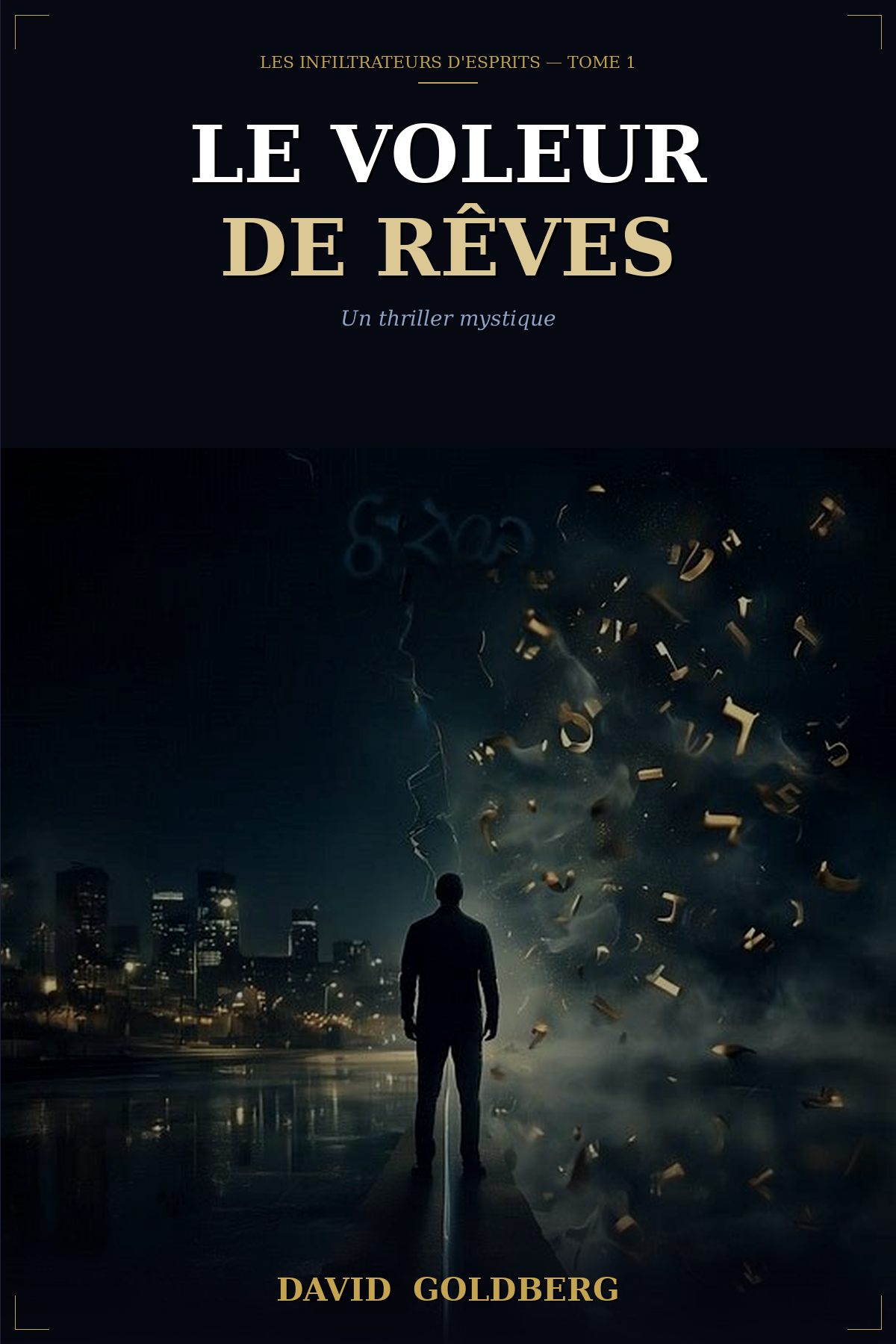
Le Voleur de Rêves
50 000 Israéliens ne se réveillent plus. David Weiss n'a pas rêvé depuis sept ans. On le rappelle : lui seul peut entrer dans leurs cauchemars. Un thriller à la frontière du Talmud, de la Kabbale et de l'inconscient.
📕 Lire le livre · 9,90 €