
La paracha Vayikra fut enseignée à Roch Hodech Nissan — jour de l'érection du Michkan, mois de la naissance d'Yits’hak et de la sortie d'Égypte. Le premier verset cache un message : « un homme lorsqu'il apporte de lui-même (mikem) une offrande » — il faut sacrifier quelque chose de soi.
Le korban brise l'ego : Ani (moi) devient Ain (néant) quand le Yod se déplace au centre. Le sel accomplit l'alliance de D.ieu avec les eaux inférieures ; et notre table remplace l'autel — le pain (lehem = melach = 78) est le korban.
📖 ...Roch Hodech Nissan — Pourquoi ce Jour en Particulier ?
Nous sommes à la veille de Roch Hodech Nissan, et la paracha Vayikra est lue exactement à ce moment. Quel est le lien ? Qu'est-ce qui rend Roch Hodech Nissan si singulier ?
Mais pourquoi précisément Roch Hodech Nissan ? Pourquoi D.ieu voulait-Il que le Michkan soit érigé dans ce mois particulier ?
À la fin du livre de Chémot, D.ieu dit à Moïse : « Le premier jour du premier mois — tu érigeras le Michkan, la Tente de la Rencontre. » Moïse accomplit le commandement, et le Michkan est érigé à Roch Hodech Nissan. De là, nos Sages déduisent que la paracha Vayikra, Tsav et Chémini furent toutes enseignées à Roch Hodech Nissan.
Et encore : au huitième jour — qui est Roch Hodech Nissan — Aharon fait brûler l'holocauste, et un feu descend des cieux pour consumer le sacrifice. De là partent deux fils de feu qui brûlent Nadav et Avihou. Tout se passe le même jour.
Parce que Yits'hak Avinou est né en Nissan. Comment le sait-on ? Lors de la Brit bein Habetarim, D.ieu dit à Avraham : « Tes descendants seront étrangers dans un pays qui n'est pas le leur, et ils les asserviront 400 ans. » Nous savons qu'Israël sortit d'Égypte le 15 Nissan — à minuit précise. Donc la Brit bein Habetarim eut également lieu le 15 Nissan, et 430 ans plus tard — Israël partit exactement à la même date.
Le Michkan était prêt à être assemblé dès Kislev — mais D.ieu dit : Attendez. Je veux faire cela précisément dans le mois où Yits'hak est né, le mois de la première délivrance.
Quand les anges vinrent apporter la bonne nouvelle à Avraham, il leur servit des matsot. « Dans un an exactement, Sarah aura un fils. » C'est-à-dire : la visite était à Pessah, la naissance était à Pessah. Nissan est le mois de la naissance, le mois de la sortie d'Égypte, et le mois de l'érection du Michkan.
וַיְדַבֵּר ה' אֶל-מֹשֶׁה, לֵאמֹר: בְּיוֹם הַחֹדֶשׁ הָרִאשׁוֹן, בְּאֶחָד לַחֹדֶשׁ, תָּקִים אֶת-מִשְׁכַּן אֹהֶל מוֹעֵד Chémot 40:1-2
« Lorsqu'un Homme Apporte de Lui-Même » — Le Vrai Sacrifice
Le premier verset de Vayikra semble grammaticalement étrange : « Un homme, lorsqu'il apporte parmi vous (mikem), une offrande à D.ieu » — il aurait dû être écrit « un homme d'entre vous lorsqu'il apporte une offrande. » Pourquoi ״mikem״ est-il déplacé ?
L'Avad Rabba révèle : c'est intentionnel. « Un homme lorsqu'il apporte de lui-même (mikem) une offrande à D.ieu » — il doit apporter une offrande de lui-même . La finalité du korban n'est pas simplement d'amener un animal — la personne elle-même doit donner quelque chose d'elle-même.
La personne qui apporte le korban doit méditer et se dire en son cœur : Voilà ce qu'on aurait dû me faire. « Une vie pour une vie. » Il doit voir que c'est ce qu'on aurait fait à son âme dans le jugement divin. Et alors, lorsqu'il s'humilie et se brise en son cœur — il sacrifie de lui-même.
Que fait-on à l'animal ? Rien de moins que les quatre peines capitales du Sanhédrin. L'animal est jeté au sol — c'est la lapidation. On lui passe une corde au cou — c'est l'étranglement. On l'égorge — c'est l'épée. Et on le brûle — c'est la combustion. Lapidation, combustion, épée, étranglement.
⬥ Si une personne ne ressent pas qu'elle a donné quelque chose d'elle-même, ce korban ne monte pas. « Un homme lorsqu'il apporte de lui-même une offrande à D.ieu » — seulement si vous avez sacrifié de vous-même le korban est une véritable offrande.
אָדָם כִּי-יַקְרִיב מִכֶּם קָרְבָּן לַה' Vayikra 1:2
ANI ↔ AIN — L'Ego comme Barrière entre l'Homme et l'Infini
Le mot korban vient de la racine « se rapprocher ». Mais comment le mécanisme fonctionne-t-il exactement ? Qu'est-ce qui cause au korban de rapprocher une personne de D.ieu ?
La raison pour laquelle une personne pèche se réduit toujours à une chose : son ego. Il s'aime lui-même, pense qu'il mérite tout, et c'est de là que découlent tous les désirs et les torts causés à autrui. L'ego, son « Moi » (Ani), c'est ce qui l'éloigne de D.ieu.
C'est pourquoi D.ieu dit : « Je ne réside pas dans un lieu d'orgueil. » Si vous êtes orgueilleux et pensez pouvoir vous débrouiller seul — Je ne suis pas là. Mais dès qu'une personne s'humilie et dit : je fais de la place à D.ieu — D.ieu se rapproche d'elle et elle se rapproche de D.ieu.
En brisant votre cœur et en soumettant votre ego — vous transformez « Ani » en « Ain Sof ». C'est ainsi que le korban fonctionne : vous sacrifiez de vous-même ← l'ego se brise ← vous vous rapprochez de l'Infini. Korban et « se rapprocher » — c'est une seule et même chose.
Le Sel de l'Alliance — La Promesse de D.ieu aux Eaux Inférieures
Sur chaque korban, on doit mettre du sel : « Avec toute offrande de ta mincha, tu saleras du sel... sur toute offrande tu apporteras du sel. » Quel est le rapport entre le sel et un korban ?
Rachi explique : « Sel de l'alliance — car une alliance fut conclue avec le sel depuis les six jours de la Création. » Quelle est cette alliance ? Le deuxième jour de la Création, quand D.ieu sépara les eaux supérieures des eaux inférieures, les eaux inférieures s'écrièrent : Pourquoi devons-nous descendre en bas ? Nous aussi, nous voulons être proches de la Chekhina !
Le sel est l'essence concentrée de l'eau. Quand le Cohen place du sel sur chaque korban, il accomplit en réalité l'alliance que D.ieu a conclue avec les eaux inférieures dès le deuxième jour de la Création.
D.ieu leur dit : Vous avez raison, mais quelqu'un doit être en bas. Alors je vous compense par deux choses : 1) Sur chaque offrande qu'Israël apportera — ils mettront du sel , qui est l'essence de l'eau. 2) La libation d'eau à Soukot — de l'eau sera versée sur l'autel.
⬥ Et maintenant une question : lorsqu'il n'y a pas de Temple et pas d'offrandes — D.ieu rompt-Il Sa promesse aux eaux inférieures ? Comment les compensons-nous aujourd'hui ? La réponse est surprenante — et elle est liée à la table autour de laquelle chacun de nous s'assoit chaque jour.
וְכָל-קָרְבַּן מִנְחָתְךָ בַּמֶּלַח תִּמְלָח, וְלֹא תַשְׁבִּית מֶלַח בְּרִית אֱלֹהֶיךָ מֵעַל מִנְחָתֶךָ, עַל כָּל-קָרְבָּנְךָ תַּקְרִיב מֶלַח Vayikra 2:13
La Table comme Autel — Le Pain Est le Korban
Nos Sages disent : « La table d'un homme expie pour lui comme l'autel. » Ainsi — la nourriture sur la table est le korban ! Et le korban sur l'autel — c'est le pain (lechem). Mais comment le pain est-il un korban ?
D'abord, observez quelque chose de remarquable : lechem (pain) et melach (sel) sont des anagrammes l'un de l'autre ! Les lettres Lamed-Het-Mem et Mem-Lamed-Het. Par conséquent, tout comme chaque korban nécessite du sel — de même le pain, qui est le korban de la table, doit être trempé dans du sel. C'est la belle coutume de tremper le pain dans le sel chaque Chabbat et Yom Tov.
Mais pourquoi le pain est-il appelé korban ? En arabe — langue sémitique proche de l'hébreu — la viande se dit « lehem » ! Autrement dit, pain et viande sont le même concept. Et la preuve dans la Torah : Yossef dit à la femme de Potifar : « et le pain que je mange » — cela fait référence à la proximité physique avec elle, qu'il refuse.
Même celui qui n'a pas de sel accomplit l'obligation, car aujourd'hui la cuisson inclut déjà du sel dans le pain lui-même. L'intention principale est déjà présente dans le pain.
Et encore : le mot « lehem » vient de la racine hébraïque « halachama » — souder deux choses ensemble. Et korban — de la racine « se rapprocher ». Pain et korban ont la même racine et le même thème : connexion, proximité. C'est pourquoi du sel va sur chaque korban.
« S'il Ne Dit Rien, il Portera Son Péché » — Une Double Lecture dans la Torah
Vers la fin de la Paracha il est écrit : « Si une personne pèche... et qu'elle est témoin — qu'elle ait vu ou su — si elle ne parle pas, elle portera son péché. » Pourquoi ce passage apparaît-il sous deux formes — une fois avec une graphie complète et une fois standard ?
Si vous regardez attentivement dans le rouleau de Torah — le mot « lo » (ne pas) apparaît deux fois : une fois avec Alef-Vav (lav) et une fois avec Lamed-Alef (lo). Pourquoi ce doublement ? Parce qu'il y a ici deux cas complètement différents :
Cas 1 — S'il ne témoigne pas : Une personne a été témoin de la transgression d'autrui, et elle a le devoir légal de témoigner. Si elle se dérobe et ne se présente pas — elle pèche. « D.ieu t'a placé à cet endroit pour que la vérité soit mise en lumière. Si tu esquives ton témoignage — tu portes atteinte aux choses sacrées. » Cas 2 — S'il témoigne mais de manière incorrecte : Une personne a vu la transgression, et va reprendre le transgresseur — mais de manière incorrecte, d'une façon qui blesse et nuit. « Tu devras reprendre ton prochain » — on doit savoir comment reprendre. S'il a repris de façon incorrecte — il porte aussi son péché.
⬥ La Torah a rassemblé les deux concepts — « ne dit rien » et « dit mais de travers » — et les a enveloppés dans un seul mot doublé. Telle est la profondeur de la Langue Sainte : deux visages, un message — la vérité doit être mise en lumière, mais seulement par un chemin qui mène à la réparation, non à la destruction.
וְנֶפֶשׁ כִּי-תֶחֱטָא... וְהוּא עֵד אוֹ רָאָה אוֹ יָדָע — אִם-לֹא יַגִּיד, וְנָשָׂא עֲוֹנוֹ Vayikra 5:1
🎯 Teste-toi
5 questions sur le chiour. Touche une réponse.
Résultat
🔥 Le sacrifice de soi
Cette semaine, avant de demander quelque chose à D.ieu, demande-toi : qu'est-ce que je donne de moi-même ? Pas de mes biens — de mon ego.
🙏 Ani → Ain
Quand l'orgueil monte, rappelle-toi : déplace le Yod au centre. Fais une place à plus grand que toi.
🍞 Ta table est un autel
Trempe le pain dans le sel et pense : Hachem Mélekh, Hachem Malakh, Hachem Yimlokh le'olam va'ed (78).
💬 Réprimander pour réparer
Si tu dois reprendre quelqu'un, fais-le d'une façon qui mène à la réparation — jamais à la destruction.
Chalom Bayit — La bouche à la maison
Que chuchotes-tu à tes enfants ? À ton conjoint ? Découvre une carte Chalom Bayit.
Guématria — Rav Menaché
Connexions cachées dans les noms selon Rav Menaché zatsal.
🔢 Cours de guématriaÉtude Torah
Approfondis le commentaire de Rachi et le Zohar sur la paracha de la semaine.
📝 Beith HamidrachToutes les Parachiot
Tous les cours de M. Yéhouda Himi — de Béréchit à Devarim et les fêtes.
📚 Toutes les ParachiotLivres
La sagesse de la Torah en format thriller — Éditions Gueoula.
Interprétation des rêves
As-tu rêvé d’une biche ? D’une Arche ? Vérifie sa signification selon Rav Almoli.
🌙 RêvesBoîte à idées
Une idée, une remarque, une suggestion pour le site ? Partage-la avec nous.
💡 Boîte à idées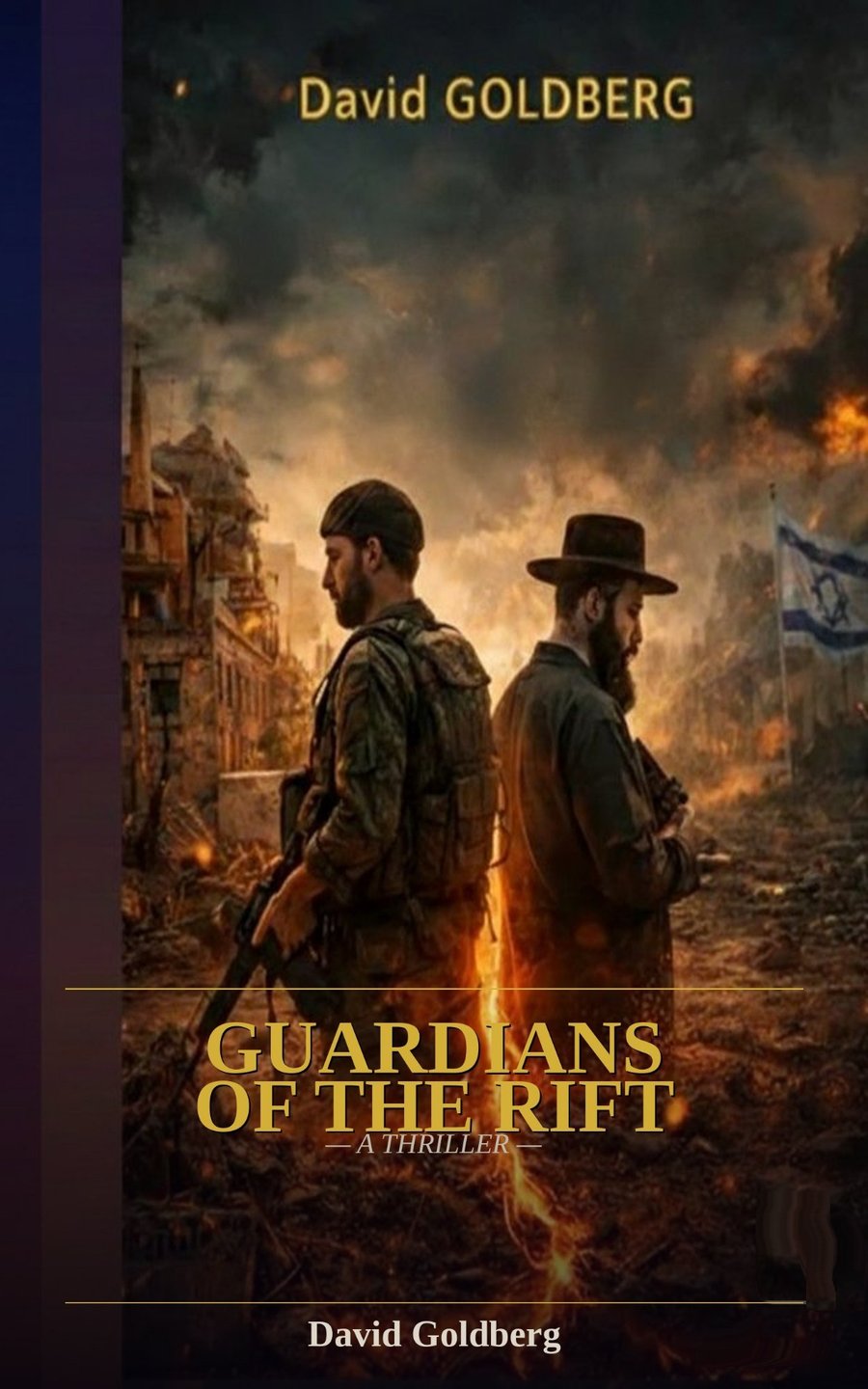
Les Gardiens de la Faille
Un secret ancien refait surface. Quarante-neuf portes se sont ouvertes. La cinquantième se cache dans un seul instant — et cet instant est arrivé.
📖 Lire les premiers chapitres gratuits