בפרשת בו מצווה הקב"ה לשים את הדם על המזוזות ואחר כך על המשקוף — אך משה רבנו הפך את הסדר. מאיפה לקח את הסמכות לשנות? התשובה מביאה אותנו לעומק הענוה של משה ואהרון — ומגלה את התנאי הנסתר לגאולה השלמה.
כדי להבין את התשובה, צריך קודם להבין מי היו משה ואהרון — ומה הייתה גדולתם האמיתית.
בפרשת שמות, כשהתורה מונה את יוחסין שבט לוי, כתוב שני פסוקים זה אחר זה:
פעם אחת הקדים משה לאהרון, ופעם אחת הקדים אהרון למשה. רש"י במקום אומר: מלמד ששניהם שווים היו.
משה ואהרון הגיעו לדרגה זו של ענוה מוחלטת. הראיה הכי ברורה: כשהתלוננו עליהם, לא אמרו "ואנחנו" — אפילו האל"ף לא אמרו: "וְנַחְנוּ מָה" — כלום. אפס.
ועל ענוות משה — התורה עצמה מעידה: "וְהָאִישׁ מֹשֶׁה עָנָו מְאֹד מִכֹּל הָאָדָם אֲשֶׁר עַל פְּנֵי הָאֲדָמָה" (במדבר יב:ג).
ביום השמיני למילואים — א' ניסן, יום חנוכת המשכן — קרא משה לאהרון ולבניו. ואז כתוב:
עונה רש"י: שהיה אהרון בוש ויראה לגשת.
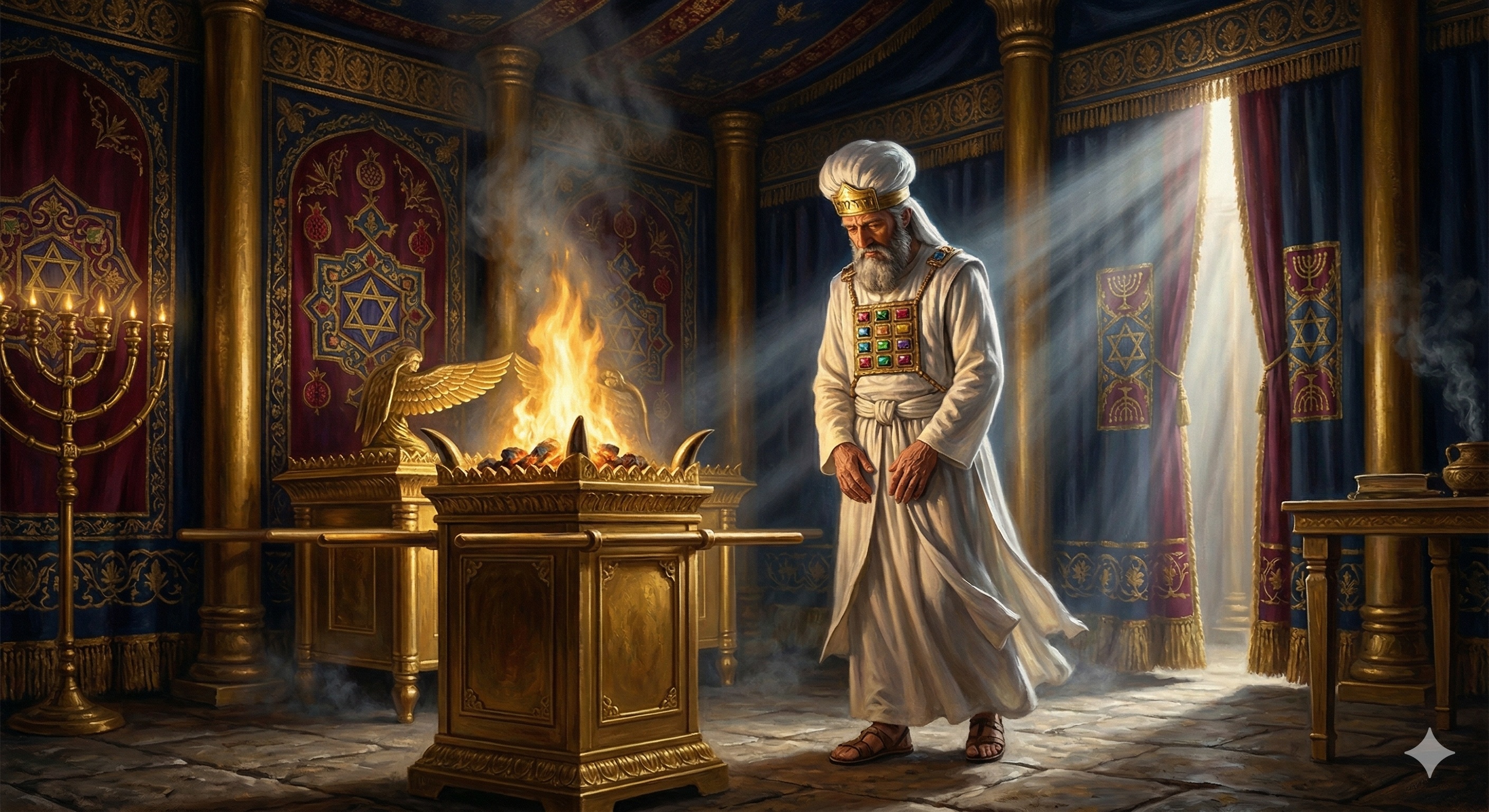
אהרון לקח על עצמו את האחריות לחטא העגל. הוא חשב שאינו ראוי להיות כהן בבית ה'. ולכן כשנכון המזבח, הוא לא זזמד. רואה זאת משה רבנו ואומר לו:
אהרון ניגש, עשה את כל הקורבנות, בירך את העם — אך השכינה לא ירדה. ואז כתוב:
מסביר רש"י: אהרון ראה שעשה את כל הקורבנות ולא ירדה השכינה — ומיד חשב: יודע אני שכעס הקב"ה עליי, ובשבילי לא ירדה שכינה לישראל.
אהרון פנה למשה ואמר: "אחי, כך עשית לי — כשנכנסתי ונתביישתי, עכשיו כל ישראל מסתכלים ורואים שהשכינה לא ירדה בגללי."
זו הדרגה של ענוה שאהרון הגיע אליה: אפילו לאחר שכל הגדולה שלו, הוא מחשיב את עצמו כלא ראוי — עד כדי שחושב שהשכינה לא ירדה בגללו.
כדי להבין את בושתו של אהרון, יש להבין את שורש חטא העגל. מסכת שבת (דף פט) ומדרש רבה (ה, ג) מספרים:
מיכה גדל וליווה את משה בכל מקום. הוא ראה את משה זורק פתק לנילוס עם המילים עֲלֵה שׁוֹר — ברכת יוסף (דברים לג:יז) — כדי להעלות את ארון עצמות יוסף. מיכה שמר את אותו פתק.
כשעשו את העגל, מיכה זרק את הפתק לתוך האש עם הזהב ואמר: עֲלֵה שׁוֹר — ויצא העגל.
אהרון הבין את כל זה — ולכן לקח על עצמו את האחריות. הוא ידע שלמרות שמיכה זרק את הפתק, הדבר יצא דרך ידיו. וזה הנחש שעמד תמיד על צווארו — ושמר אותו ענו לאורך כל חייו.
הפסיקתא רבתי (פרשה טו) מתארת את הרגע שבו יבוא מלך המשיח:
ואם אין אתם מאמינים — ראו באורי שזורח עליכם!
שנאמר: קוּמִי אוֹרִי כִּי בָא אוֹרֵךְ וּכְבוֹד ה' עָלַיִךְ זָרָח (ישעיהו ס:א)
עכשיו מובן מדוע שינה משה רבנו את הסדר:
המשקוף — כנגד הקב"ה. כמו שכתוב בפרשת כי תבוא: "הַשְׁקִיפָה מִמְּעוֹן קָדְשְׁךָ מִן הַשָּׁמַיִם" — משקוף מלשון מַשְׁקִיף, מסמל את הקב"ה שמשקיף ממעלה.
הקב"ה רצה לפרגן למשה ואהרון — להקדימם, לכבדם — ולכן אמר: "תנו על המזוזות ואחר כך על המשקוף." כלומר: בזכות מנהיגיכם אתם יוצאים ממצרים — הקדימו אותם!
בניסן נגלו, בניסן עתידין להיגאל. אנחנו בחודש ניסן — החודש של הגאולה.
בעזרת השם, יבוא משיח ויבשר לנו עוד בחודש ניסן הזה, ביחד עם אליהו הנביא — אמן ואמן.
שלום בית
20 קומות. שאלה אחת לכרטיס — אין תשובות, רק מראות. לחץ לגלות כרטיס שלום בית חדש.
פתרון חלומות
לראות מזבח, אש או כהן בחלום — יש לזה פירוש עמוק. גלה את הפירושים המסורתיים.
🌙 פתרון חלומותספרים
ספרי הוצאת גאולה — חוכמת התורה בפורמט הרומן הרוחני.
שיעור זה זכותם של תורמים
כל שיעור, כל תרגום, כל עמוד — נבנה מאהבת התורה ונדיבות הלב. אתה נעשה שותף לגאולה.
💛 אני רוצה להיות שותףהלילה אנחנו מכניסים שבת עם פרשת שמיני — ביום השמיני למילואים, א' ניסן, יום חנוכת המשכן. אהרון הכהן הגדול עומד מול המזבח — ולא מתקרב. הוא בוש. הוא חושב שחטא העגל פוסל אותו. ואז משה רבנו אומר לו שלוש מילים שמשנות הכל: לָכָךְ נִבְחַרְתָּ.
כשאנחנו פוחדים להתקרב למשהו גדול — תפילה, תשובה, שיחה קשה עם מישהו קרוב — לרוב אנחנו מרגישים "מי אני שאתקרב?" זו בדיוק הבושה של אהרון. ומשה לא אמר לו "אל תדאג, הכל בסדר". הוא אמר: בגלל שאתה בוש — נבחרת. הענוה עצמה היא הכניסיה.
הפסיקתא רבתי אומרת: כשיבוא מלך המשיח, הוא יעמוד על גג בית המקדש ויאמר: "עֲנָוִים — הִגִּיעַ זְמַן גְּאֻלַּתְכֶם!" ואם לא תאמינו — תסתכלו על האור שזורח עליכם. אנחנו שואלים: איך יכול להיות שנצטרך ראיה כשהמשיח בעצמו מגיע? התשובה: כי האנשים שיקבלו את המשיח יהיו דווקא אלו שמרגישים "אנחנו לא ראויים." וזו בדיוק הסיבה שהגיע זמן גאולתם. שבת שלום.
מסכת שבת ומדרש רבה מספרים: כשבנו המצרים את ערי המסכנות, היו טומנים ילדים בתוך הטיט. משה רבנו הציל ילד אחד — מיכה שמו — נגד רצון הקב"ה. מיכה גדל, ליווה את משה, ראה אותו זורק פתק לנילוס עם המילים "עֲלֵה שׁוֹר" להעלות את ארון יוסף. מיכה שמר את הפתק.
כשעשו את העגל, מיכה זרק אותו לאש ואמר: עֲלֵה שׁוֹר. ויצא העגל. אותן מילים. אותו פתק. אותה אש. אצל משה — יצא ארון יוסף. אצל מיכה — יצא עגל הזהב. ההבדל? הכוונה. בלי כוונה טהורה, אפילו כלי המצווה הופך לכלי החטא.
לכן אהרון לקח על עצמו את האחריות כל חייו — לא כי הוא עשה את העגל, אלא כי הוא הבין שהדבר יצא דרכו. הנחש הזה סביב צווארו שמר עליו ענו לנצח, ועשה אותו לא-מסוגל לשפוט אחרים. כי מי שזוכר שגם ידיו יכולות לטעות — לא יגביה לבו על אחד. שבת שלום ומבורך.
In Parshat Bo, God commands to place the blood on the doorposts first, then the lintel — yet Moses reverses the order when instructing the people. Where did Moses get the authority to change God's exact words? The answer reveals the deepest secret of true humility — and the hidden condition for the Final Redemption.
To understand the answer, we must first understand who Moses and Aaron truly were — and what their greatness was really built on.
In Parshat Shemot, two consecutive verses describe them:
Once Moses comes first, once Aaron comes first. Rashi states: This teaches that both of them were equal.
Moses and Aaron reached this level of total humility. The clearest proof: when people complained against them, they didn't even say "we" — they said: "V'nachnu mah" — and what are we? Nothing. Zero.
Moses's humility is confirmed by the Torah itself: "Now the man Moses was very humble, more than any person on the face of the earth" (Numbers 12:3).
On the eighth day of the Inauguration — the 1st of Nissan, the dedication of the Mishkan — Moses called Aaron and his sons. Then it is written:
Rashi answers: Because Aaron was embarrassed and afraid to approach.
Aaron held himself responsible for the sin of the Golden Calf. He felt unworthy to serve in God's House. When the altar was ready, he could not bring himself forward. Moses sees this and tells him:
Aaron approaches, performs all the sacrifices, blesses the people — but the Shechina does not descend. Then:
Rashi explains: Aaron saw that he had performed all the sacrifices and the Divine Presence still had not descended — and immediately thought: I know that God is angry with me, and it is because of me that the Shechina has not come down upon Israel.
Aaron turned to Moses: "My brother — you have done this to me. When I came forward I was already ashamed, and now all of Israel is watching and seeing that the Shechina has not come — because of me."
This is the level of humility Aaron had reached: even after performing the entire service as High Priest, he still considered himself unworthy — to the point of believing his presence was blocking the Divine.
To understand Aaron's shame, we must understand the true root of the Golden Calf. Tractate Shabbat (89a) and Midrash Rabba (5, 3) tell us:
Micah grew up and followed Moses everywhere. He watched Moses throw a note into the Nile with the words Aleh Shor — the blessing of Joseph (Deuteronomy 33:17) — to raise Joseph's coffin from the river. Micah kept that same note.
When the Golden Calf was made, Micah threw the note into the fire along with the gold, saying: Aleh Shor — "Rise, ox" — and the calf came out.
Aaron understood all of this — and took responsibility. He knew that despite Micah throwing the note, the calf had emerged through his hands. This guilt — this "serpent around his neck" — kept him humble for the rest of his life, and made him forever incapable of judging others harshly.
The Pesikhta Rabbati (Parasha 15) describes the moment the Messiah will come:
And if you do not believe — look at the light that shines upon you!
As it says: "Arise, shine, for your light has come, and the glory of God has risen upon you" (Isaiah 60:1)
Now we understand why Moses changed the order:
The lintel (mashkof) — represents God. As it says in Parshat Ki Tavo: "Look down (hashkifa) from Your holy dwelling, from heaven" — mashkof comes from the same root as mashkif — to look down from above.
God wanted to honor Moses and Aaron — to put them first — and so said: "Place the blood on the doorposts first, then the lintel." Meaning: it is in the merit of your leaders that you are leaving Egypt — honor them!
In Nissan we were redeemed. In Nissan we are destined to be redeemed again. We are in the month of Nissan — the month of Redemption.
May we merit, with God's help, to see the Messiah arrive this very month of Nissan, together with Elijah the Prophet — Amen and Amen.
Shalom Bayit
20 floors. One question per card. No answers — only mirrors. Click to discover a new Shalom Bayit card.
Gematria — Humility
V'nachnu mah = zero. Discover the hidden connections according to Rav Ménashé zatsal.
🔢 Gematria CourseTorah Study
Want to deepen your study of humility and the conditions of Redemption? Our Beith Hamidrach offers complete courses.
📝 Beith HamidrachAll Parashiot
All of M. Yéhouda Himi's shiurim — from Bereshit to Devarim and the holidays.
📖 All ParashiotDream Interpretation
Dreaming of an altar, fire, or a priest has deep significance. Discover the traditional interpretations.
🌙 Dream InterpretationBooks
Éditions Gueoula books — Torah wisdom in the format of a spiritual thriller.
This shiur exists thanks to donors
Every shiur, every translation, every page is built on love of Torah and generosity. You become a partner in Redemption.
💛 I want to be a partnerTonight we welcome Shabbat with Parashat Shemini — the eighth day of the Inauguration, the 1st of Nissan, the dedication of the Mishkan. Aaron the High Priest stands before the altar — and does not move. He is ashamed. He believes the sin of the Golden Calf disqualifies him. Then Moses says three words that change everything: "This is precisely why you were chosen."
When we are afraid to approach something great — prayer, repentance, a difficult conversation with someone dear — we usually feel "Who am I to approach?" That is exactly Aaron's shame. And Moses did not say "don't worry, everything is fine." He said: because you are ashamed — you were chosen. The humility itself is the doorway.
The Pesikhta Rabbati says: when the King Messiah comes, he will stand on the roof of the Temple and declare: "Anavim — the time of your redemption has come!" And if you don't believe — look at the light shining upon you. We ask: how is it possible that we would need proof when the Messiah himself arrives? The answer: because the people who will receive the Messiah will be precisely those who feel "we are not worthy." And that is exactly why the time of their redemption has arrived. Shabbat Shalom.
Tractate Shabbat and Midrash Rabba tell us: when the Egyptians were building the storage cities, they would embed exhausted children alive in the walls. Moses saved one child — Micah — against God's will. Micah grew up, followed Moses everywhere, and watched him throw a note into the Nile with the words "Aleh Shor" to raise Joseph's coffin. Micah kept that note.
When the Golden Calf was made, Micah threw it into the fire saying: Aleh Shor. And the calf emerged. Same words. Same note. Same fire. With Moses — Joseph's coffin rose. With Micah — the Golden Calf. The difference? Intention. Without pure intention, even the instrument of a miracle becomes the instrument of sin.
That is why Aaron carried responsibility for the rest of his life — not because he made the calf, but because he understood that the event passed through his hands. That serpent around his neck kept him humble forever, and made him incapable of judging others harshly. Because one who remembers that his own hands can err — will never raise himself above another. Shabbat Shalom and Mevurach.
Dans la paracha Bo, D.ieu ordonne de mettre le sang sur les mézouzot d'abord, puis sur le machkof — mais Moïse renverse l'ordre quand il transmet l'instruction. D'où tenait-il l'autorité de modifier la parole divine ? La réponse dévoile la profondeur de l'humilité de Moïse et Aharon — et le secret caché de la Délivrance finale.
Pour comprendre la réponse, il faut d'abord comprendre qui étaient vraiment Moïse et Aharon — et sur quoi reposait leur grandeur.
Dans la paracha Chémot, la Torah cite deux versets consécutifs :
Une fois Moïse est cité en premier, une fois Aharon. Rachi dit : Cela enseigne que tous deux étaient égaux.
Moïse et Aharon avaient atteint ce niveau d'humilité totale. La preuve la plus claire : quand le peuple se plaignit contre eux, ils ne dirent même pas "nous" — ils dirent : "Ve'na'hnou mah" — et nous, que sommes-nous ? Rien. Zéro.
L'humilité de Moïse est attestée par la Torah elle-même : "Or Moïse était très humble, plus que tout homme sur la surface de la terre" (Nombres 12:3).
Le huitième jour des Milouïm — le 1er Nissan, jour de l'inauguration du Michkan — Moïse appela Aharon et ses fils. Puis il est écrit :
Rachi répond : Parce qu'Aharon avait honte et craignait de s'approcher.
Aharon s'était attribué la responsabilité du péché du Veau d'or. Il se croyait indigne de servir dans la Maison de D.ieu. Lorsque l'autel fut prêt, il ne put s'avancer. Moïse le vit et lui dit :
Aharon s'approcha, accomplit tous les sacrifices, bénit le peuple — mais la Chekhina ne descendit pas. Alors :
Rachi explique : Aharon vit qu'il avait accompli tous les sacrifices et que la Chekhina n'était toujours pas descendue — et aussitôt il pensa : Je sais que D.ieu est en colère contre moi, et c'est à cause de moi que la Chekhina n'est pas descendue sur Israël.
Aharon se tourna vers Moïse : "Mon frère — tu m'as fait cela. Quand je me suis avancé j'avais déjà honte, et maintenant tout Israël regarde et voit que la Chekhina n'est pas descendue — à cause de moi."
Tel était le niveau d'humilité d'Aharon : même après avoir accompli tout le service en tant que Grand Prêtre, il se considérait encore indigne — au point de croire que sa présence bloquait la Présence divine.
Pour comprendre la honte d'Aharon, il faut comprendre la véritable origine du Veau d'or. Le traité Chabbat (89a) et le Midrach Rabba (5, 3) nous racontent :
Mikha grandit et suivit Moïse partout. Il le vit jeter un billet dans le Nil avec les mots Alé Chor — la bénédiction de Yossef (Deutéronome 33:17) — pour faire remonter le cercueil de Yossef du fleuve. Mikha garda ce billet.
Lors de la fabrication du Veau d'or, Mikha jeta le billet dans le feu avec l'or en disant : Alé Chor — "Monte, taureau" — et le veau sortit.
Aharon comprit tout cela — et prit la responsabilité sur lui. Il savait que même si c'est Mikha qui avait jeté le billet, le veau était sorti par ses mains. Ce serpent autour de son cou le garda humble toute sa vie — et incapable de jamais juger sévèrement les autres.
La Pesikhta Rabbati (Paracha 15) décrit le moment où le Roi Machia'h viendra :
Et si vous ne croyez pas — regardez la lumière qui brille sur vous !
Comme il est dit : "Lève-toi, brille, car ta lumière est venue, et la gloire de D.ieu s'est levée sur toi" (Isaïe 60:1)
Maintenant on comprend pourquoi Moïse a inversé l'ordre :
Le machkof (linteau) — représente D.ieu. Comme il est écrit dans Paracha Ki Tavo : "Regarde (hachkifa) depuis Ta sainte demeure, depuis les cieux" — machkof vient de la même racine que machkif — regarder d'en haut.
D.ieu voulait honorer Moïse et Aharon — les mettre en premier — et dit donc : "Placez le sang sur les mézouzot d'abord, puis sur le machkof." Autrement dit : c'est grâce à vos dirigeants que vous sortez d'Égypte — honorez-les !
C'est en Nissan que nous avons été délivrés. C'est en Nissan que nous sommes destinés à l'être à nouveau. Nous sommes dans le mois de Nissan — le mois de la Délivrance.
Qu'il nous soit donné, avec l'aide de D.ieu, de voir le Machia'h arriver en ce mois de Nissan, accompagné d'Élie le Prophète — Amen et Amen.
Chalom Bayit
20 étages. Une question par carte. Aucune réponse — seulement des miroirs. Clique pour découvrir une nouvelle carte Chalom Bayit.
Guématria — Humilité
Ve'nachnou mah = zéro. Découvre les liens cachés selon Rav Ménashé zatsal.
🔢 Cours de GuématriaÉtude de Torah
Tu veux approfondir le thème de l'humilité et les conditions de la Délivrance ? Notre Beith Hamidrach propose des cours complets.
📝 Beith HamidrachToutes les Parachiot
Tous les cours de M. Yéhouda Himi — de Béréchit à Devarim et les fêtes.
📖 Toutes les ParachiotInterprétation des Rêves
Rêver d'un autel, d'un feu ou d'un prêtre a une signification profonde. Découvre les interprétations traditionnelles.
🌙 Interprétation des RêvesLivres
Les livres des Éditions Gueoula présentent la sagesse spirituelle dans un format de thriller accessible.
Ce cours t'a rejoint — grâce aux donateurs
Chaque cours, chaque traduction, chaque page est bâti sur l'amour de la Torah et la générosité. Tu deviens partenaire de la Rédemption.
💛 Je veux être partenaireCe soir nous accueillons le Chabbat avec la Paracha Shemini — le huitième jour de l'Inauguration, le 1er Nissan, la dédicace du Michkan. Aharon le Grand Prêtre se tient face à l'autel — et ne s'avance pas. Il a honte. Il pense que le péché du Veau d'or le disqualifie. Alors Moïse lui dit trois mots qui changent tout : "C'est précisément pour cela que tu as été choisi."
Quand nous avons peur de nous approcher de quelque chose de grand — une prière, une téchouva, une conversation difficile — nous ressentons souvent "qui suis-je pour m'avancer ?" C'est exactement la honte d'Aharon. Et Moïse ne lui a pas dit "ne t'inquiète pas, tout va bien." Il lui a dit : c'est parce que tu as honte — que tu as été choisi. L'humilité elle-même est la porte d'entrée.
La Pesikhta Rabbati dit : quand le Roi Machia'h viendra, il se tiendra sur le toit du Temple et déclarera : "Anavim — le temps de votre délivrance est arrivé !" Et si vous ne croyez pas — regardez la lumière qui brille sur vous. Nous demandons : comment est-il possible que nous ayons besoin d'une preuve quand le Machia'h lui-même arrive ? La réponse : parce que ceux qui accueilleront le Machia'h seront précisément ceux qui se sentent "nous ne sommes pas dignes." Et c'est exactement pour cela que le temps de leur délivrance est arrivé. Chabbat Chalom.
Le traité Chabbat et le Midrach Rabba nous racontent : quand les Égyptiens construisaient les villes de stockage, ils emmuraient vivants les enfants épuisés. Moïse sauva un enfant — Mikha — contre la volonté de D.ieu. Mikha grandit, suivit Moïse partout, et le vit jeter un billet dans le Nil avec les mots "Alé Chor" pour faire remonter le cercueil de Yossef. Mikha garda ce billet.
Lors de la fabrication du Veau d'or, Mikha le jeta dans le feu en disant : Alé Chor. Et le veau sortit. Mêmes mots. Même billet. Même feu. Avec Moïse — le cercueil de Yossef remonta. Avec Mikha — le Veau d'or. La différence ? L'intention. Sans intention pure, même l'outil du miracle devient l'outil du péché.
C'est pourquoi Aharon porta la responsabilité toute sa vie — non pas parce qu'il avait fabriqué le veau, mais parce qu'il comprit que l'événement était passé par ses mains. Ce serpent autour de son cou le garda humble pour toujours, et le rendit incapable de juger sévèrement les autres. Car celui qui se souvient que ses propres mains peuvent se tromper — ne s'élèvera jamais au-dessus de son prochain. Chabbat Chalom et Mevourakh.