בס״ד
Paracha ‘Hayé Sarah • חַיֵּי שָׂרָה

Le secret d’Éliézer – du lignage rabaissé au Gan Eden

Qui est vraiment l’« eved Avraham » qui part chercher une femme pour Yits’hak ? Pourquoi la Torah tait-elle son nom, alors que les Midrashim nous disent qu’il s’agit d’Éliézer, fils de Nimrod, descendant de ‘Ham ? Et comment Avraham peut-il lui dire : « Mon fils est béni et toi tu es arour – le rabaissé ne s’attache pas au béni », alors qu’Éliézer finira parmi les 11 justes entrés vivants au Gan Eden ? Étude selon l’enseignement de Monsieur Yéhouda HIMI.

1. La question : un serviteur sans nom

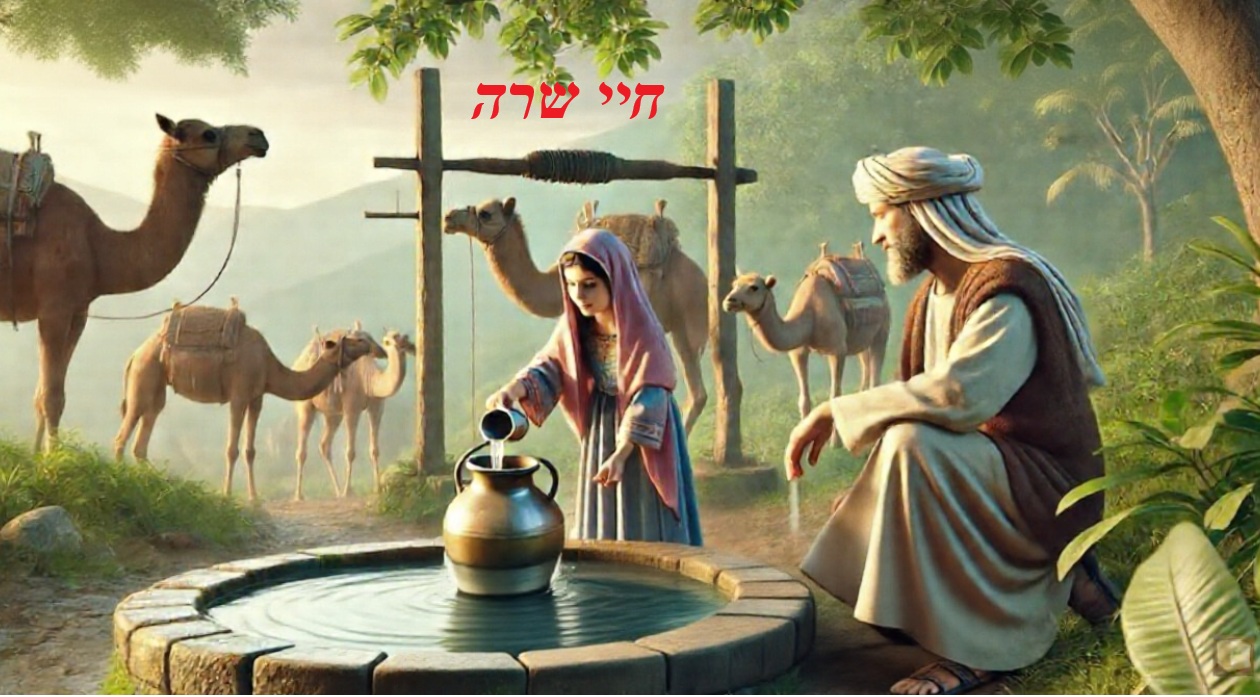
Après la ‘Akéda et l’enterrement de Sarah, la Torah nous raconte une scène décisive : Avraham doit marier Yits’hak. Il appelle « son serviteur, l’ancien de sa maison, qui gouvernait tout ce qu’il possédait » et lui confie la mission.

Tout le chapitre parle de lui, et pourtant : la Torah ne le nomme jamais. C’est toujours הָעֶבֶד, « le serviteur ».

Nous savons par les Midrashim qu’il s’agit d’Éliézer. Justement : pourquoi la Torah efface-t-elle son nom au moment même où il accomplit sa plus grande mission ?

2. L’arrière-plan : Éliézer, fils de Nimrod

Les Sages révèlent qu’Éliézer n’est pas né esclave. Il est au départ un prince, fils de Nimrod, le roi tyrannique qui a jeté Avraham dans la fournaise.

Quand Avraham sort vivant du feu par miracle, Nimrod, ébranlé, lui donne son propre fils comme cadeau. Ce fils grandit dans la maison d’Avraham et devient son serviteur le plus proche et le plus fidèle.

Généalogiquement :

  • Nimrod est fils de Coush.
  • Coush est fils de ‘Ham.
  • ‘Ham est fils de Noa’h.
Donc Éliézer est descendant de ‘Ham, pas de Canaan. Il ne fait pas partie de la lignée explicitement maudite « ארור כנען », mais il vient d’une lignée déjà punie et rabaissée.

3. ‘Ham puni dans l’Arche, Canaan maudit après le Déluge

Le Midrash rappelle qu’il était interdit d’avoir des relations intimes dans l’Arche, parce que le monde était en état de destruction. Trois ont transgressé : ‘Ham, le chien et le corbeau.

Chacun reçoit une punition immédiate :

  • ‘Ham : son teint s’assombrit, et ce signe devient héréditaire.
  • Le chien : il devient lubrique et baveux.
  • Le corbeau : ses petits naissent blancs puis noircissent ; la mère ne les reconnaît pas et les abandonne, c’est Hachem qui les nourrit – allusion au verset « לִבְנֵי עֹרֵב אֲשֶׁר יִקְרָאוּ ».
Ici, il ne s’agit pas encore d’une malédiction prononcée, mais de punitions divines directes. La seule malédiction formulée par Noa’h est : « ארור כנען, עבד עבדים יהיה לאחיו » – « Maudit soit Canaan, esclave des esclaves de ses frères. »

‘Ham est puni, mais il a reçu une bénédiction d’Hachem après le Déluge. Noa’h ne peut pas annuler une bénédiction divine. C’est donc Canaan, le quatrième fils de ‘Ham, qui reçoit la malédiction explicite.

4. Pourquoi Avraham dit-il à Éliézer : « Tu es arour » ?

Les Midrashim racontent qu’Éliézer avait une fille tsadékèt. Normalement, humainement, il aurait rêvé d’un chidoukh avec Yits’hak. Quand Avraham lui confie la mission, il lui répond :

« אוּלַי לֹא־תֹאבֶה הָאִשָּׁה לָבוֹא אַחֲרַי » – « Peut-être la femme ne voudra-t-elle pas me suivre ? »

plus tard, quand il raconte l’histoire à Lavan, le mot réapparaît sans vav : אֵלַי – qu’on peut lire « élaï », « vers moi ».

Le Midrash lit dans ce changement orthographique le cœur d’Éliézer : « Peut-être (אוּלַי) qu’en réalité tout cela viendra vers moi (אֵלַי) – que la mariée sera finalement dans ma maison, ma fille… »

Rachi rapporte la réponse d’Avraham :

« בני ברוך ואתה בא מן הארור – אין ארור מתדבק בברוך. »
« Mon fils est de la catégorie des bénis, et toi tu viens d’une lignée rabaissée : l’arour ne s’attache pas au baroukh. »

Avraham ne dit pas : « Tu es Canaan ». Il dit : « Tu viens de la racine de ‘Ham, marquée par la faute et l’abaissement, alors que Yits’hak appartient à la racine de la berakha. »

5. Éliézer, “Dameseq” : du sang de Nimrod à la Torah d’Avraham

La Torah l’appelle ailleurs « דמשק אליעזר ». Les Sages expliquent : « דולה ומשקה מתורת רבו » – il « puise et abreuve » les autres de la Torah de son maître.

Autrement dit, Éliézer :

  • vient d’une maison idolâtre, violente, tyrannique (Nimrod),
  • mais il se greffe entièrement à Avraham,
  • et devient le canal par lequel la Torah d’Avraham est transmise au monde.
Il ne sera pas le père de la nation d’Israël, mais il devient un modèle d’élève fidèle : celui qui accepte que l’histoire ne tourne pas autour de lui – tout en se donnant à 100 % à la mission.

6. Éliézer parmi les 11 justes entrés vivants au Gan Eden

Les Midrashim dressent la liste de 11 êtres humains qui ont mérité d’entrer au Gan Eden avec leur corps et leur âme. On y trouve notamment :

  • ‘Hanokh,
  • Éliyahou Hanavi,
  • Batya bat Par’o,
  • Rabbi Yehoshoua ben Lévi,
  • et… Éliézer, serviteur d’Avraham.
Comment un descendant de ‘Ham, issu d’une maison idolâtre, peut-il atteindre un niveau pareil ? Parce qu’il a tout mis au service d’Hachem et de la mission d’Avraham : « דולה ומשקה מתורת רבו », il ne se sert pas de la Torah, il sert la Torah.

7. L’enseignement : ton origine n’est pas ta prison

De tout cela, Monsieur Yéhouda HIMI tire un message net pour chacun :

  • Tu peux venir d’une lignée abîmée, d’une histoire familiale lourde.
  • Tu peux porter un passé chargé, des fautes, des hontes, des casseroles.
  • Tu n’es pas condamné à rester au niveau de ton origine.

Il y a deux niveaux :

  • La lignée de l’alliance – qui passe par Avraham, Yits’hak, Ya‘akov, Rivka, Ra’hel, Léa…
  • La grandeur personnelle – ouverte à tout être humain qui choisit sincèrement d’être « eved Hachem ».

Éliézer n’entrera pas dans la généalogie d’Israël, mais il entre dans la liste fermée de ceux qui ont mérité le Gan Eden vivant. Son message est simple : « Tu n’es pas obligé de rester là où l’histoire t’a posé. »

Agissez… et vous rayonnerez

Quelques pistes très concrètes pour transformer cette étude en lumière dans votre vie.

1. Ta naissance n’est pas ton verdict

Regarde ton histoire familiale avec vérité. Au lieu de penser : « C’est foutu », demande-toi : « Quel point lumineux puis-je sanctifier ? »

2. Passe du statut subi au service choisi

Choisis une tâche lourde aujourd’hui et dis-toi : « Je la fais comme Éliézer : en serviteur d’Hachem, pas en victime des circonstances. »

3. Purifie ton “אולי”

Demande-toi : derrière mon “peut-être”, y a-t-il un “vers moi” caché ? Transforme un désir centré sur toi en désir centré sur Hachem.

4. Réjouis-toi sincèrement du bien de l’autre

Lorsque quelqu’un reçoit ce que tu espérais, entraîne-toi à dire : « Baroukh Hachem pour lui ». Ce simple geste change le cœur.

5. Cherche où être “eved Hachem”

Identifie un espace où tu peux servir sans être vu, comme la Torah qui appelle Éliézer simplement « l’esclave ».

6. Fais ton propre kal va’homer

Si Éliézer, malgré ses origines complexes, a pu atteindre le Gan Eden vivant, kal va’homer toi, avec la Torah en main. Fixe une fidélité supplémentaire cette semaine.

Texte basé sur l’enseignement de Monsieur Yéhouda HIMI. Que ces lignes t’inspirent un mouvement réel vers la lumière.

Parashat Chayei Sarah • חַיֵּי שָׂרָה

The Secret of Eliezer – From a Lower Lineage to Gan Eden

Who is the mysterious “servant of Avraham” sent to find a wife for Yitzchak? Why does the Torah hide his name, while the Midrashim reveal that he is Eliezer, son of Nimrod, descendant of Cham? And how can Avraham say to him: “My son is blessed and you are from the lowered line – ein arur mitdabbek bevaruch”, when Eliezer will later be counted among the 11 righteous who entered Gan Eden alive? Study based on the teaching of Monsieur Yéhouda HIMI.

1. The question: a nameless servant

After the ‘Akedah and the burial of Sarah, the Torah describes a decisive scene: Avraham must marry off Yitzchak. He summons “his servant, the elder of his house, who ruled over all that he had” and entrusts him with the mission.

Throughout the chapter, the Torah speaks about him, yet never mentions his name. He is simply הָעֶבֶד – “the servant”.

The Midrashim tell us that this servant is Eliezer. The question is: why does the Torah erase his name precisely at the moment of his greatest mission?

2. Background: Eliezer, son of Nimrod

Chazal reveal that Eliezer was not born a slave. He was originally a prince, son of Nimrod, the tyrant king who threw Avraham into the fiery furnace.

When Avraham emerges alive by miracle, Nimrod, shaken but impressed, gives him his own son as a gift. This child grows up in Avraham’s home and becomes his closest and most faithful servant.

Genealogically:

  • Nimrod is the son of Cush.
  • Cush is the son of Cham.
  • Cham is the son of Noach.
Thus Eliezer is a descendant of Cham, not of Canaan. He does not belong to the explicitly cursed “Arur Canaan” line, but he comes from a line already punished and lowered.

3. Cham punished in the Ark, Canaan cursed after the Flood

The Midrash teaches that intimate relations were forbidden in the Ark, because the world was in a state of destruction. Three transgressed this prohibition: Cham, the dog and the raven.

Each received an immediate punishment:

  • Cham: his complexion darkened, and this mark became hereditary.
  • The dog: it became lustful and drooling.
  • The raven: its chicks are born white and later turn black; the mother does not recognize them and abandons them, and Hashem Himself feeds them – alluded to in “livnei orev asher yikra’u”.
This is not yet a spoken curse, but a series of direct divine punishments. The only explicit curse pronounced by Noach is: “Arur Canaan, eved avadim yihyeh le’echav” – “Cursed be Canaan, a slave of slaves shall he be to his brothers.”

Cham is punished, but he received a blessing from Hashem after the Flood. Noach cannot annul a divine blessing. Therefore, Canaan – Cham’s fourth son – becomes the direct target of the curse.

4. Why does Avraham tell Eliezer: “You are arur”?

The Midrashim tell that Eliezer had a righteous daughter. Naturally, he would have dreamed of marrying her to Yitzchak. When Avraham entrusts him with the mission, he answers:

“Ulai lo toveh ha’isha lavo acharai” – “Perhaps the woman will not want to follow me?”

Later, when he retells the story to Lavan, the same word appears without a vav: אֵלַי – which can be read “elai”, “to me”.

The Midrash sees here Eliezer’s inner hope: “Perhaps (ulai) in the end everything will come to me (elai) – the bride will be in my house, my daughter…”

Rashi quotes Avraham’s answer:

“Bni baruch, ve’ata ba min ha’arur – ein arur mitdabbek bevaruch.”
“My son belongs to the category of the blessed, and you come from a lowered line; the arur cannot cling to the baruch.”

Avraham does not say: “You are Canaan.” He says: “You come from the root of Cham, marked by fault and humiliation, whereas Yitzchak belongs to the root of berachah.”

5. Eliezer “Dameseq”: from Nimrod’s blood to Avraham’s Torah

Elsewhere, the Torah calls him “Dameseq Eliezer”. Chazal explain: “Doleh umashkeh miTorat rabo” – he “draws and gives others to drink” from his master’s Torah.

In other words, Eliezer:

  • comes from an idolatrous, violent, tyrannical house (Nimrod),
  • but he completely attaches himself to Avraham,
  • and becomes the channel through which Avraham’s Torah is shared with the world.
He will not be the father of the Jewish nation, but he becomes a model of loyal disciple: someone who accepts that the story does not revolve around him, and still gives himself 100% to the mission.

6. Eliezer among the 11 righteous who entered Gan Eden alive

The Midrash lists 11 human beings who merited entering Gan Eden with their bodies and souls. Among them:

  • Chanoch,
  • Eliyahu HaNavi,
  • Batya bat Par’oh,
  • Rabbi Yehoshua ben Levi,
  • and… Eliezer, servant of Avraham.
How can a descendant of Cham, from an idolatrous house, reach such a level? By putting everything at the service of Hashem and Avraham’s mission: “doleh umashkeh miTorat rabo”, he does not use the Torah – he serves the Torah.

7. The message: your origin is not your prison

From all this, Monsieur Yéhouda HIMI draws a clear message for everyone:

  • You can come from a damaged, heavy family history.
  • You can carry guilt, shame, and past mistakes.
  • You are not condemned to stay at the level of your origin.

There are two levels:

  • The covenantal lineage – through Avraham, Yitzchak, Yaakov, Rivka, Rachel, Leah…
  • Personal greatness – open to any human being who sincerely chooses to be an “eved Hashem”.

Eliezer does not enter the genealogy of Israel, but he enters the closed list of those who merited Gan Eden alive. His message is simple: “You are not forced to stay where history placed you.”

Act — and you will shine

Simple, practical ways to turn this learning into light in your life.

1. Your birth is not your verdict

Look at your family story with honesty. Instead of thinking “I’m doomed”, ask: “Which point of light can I sanctify?”

2. From suffered status to chosen service

Take a heavy task today and tell yourself: “I’ll do it like Eliezer – as avodat Hashem, not as a victim.”

3. Purify your ‘Ulai’

Ask yourself: behind my “perhaps”, is there a hidden “to me”? Turn one self-centered wish into a Hashem-centered intention.

4. Rejoice in another’s blessing

When someone receives what you hoped for, practice saying: “Baruch Hashem for them.” It changes the heart.

5. Find a place to be an eved Hashem

Identify one area where you can serve quietly, like the Torah calling Eliezer simply “the servant”.

6. Make your own kal vachomer

If Eliezer, with his complicated origins, could reach Gan Eden alive, all the more so you, with Torah in your hands. Choose one extra act of loyalty this week.

Based on the teaching of Monsieur Yéhouda HIMI. May this help you bring real light into your journey.

פרשת חיי שרה • חַיֵּי שָׂרָה

סוד אליעזר – משושלת מושפלת עד גן עדן

מי הוא אותו «עבד אברהם» שיוצא למצוא אשה ליצחק? למה התורה מעלימה את שמו, בזמן שהמדרשים מגלים שזה אליעזר, בן נמרוד, מצאצאי חם? ואיך אברהם יכול לומר לו: «בני ברוך ואתה בא מן הארור – אין ארור מתדבק בברוך», בזמן שאליעזר נחשב אחר כך לאחד מ־11 הצדיקים שנכנסו לגן עדן בחייהם? על פי שיעורו של מר יהודה חימי.

1. השאלה: עבד בלי שם

אחרי העקדה וקבורת שרה, התורה מתארת סצנה גורלית: אברהם צריך להשיא את יצחק. הוא קורא ל«עבדו זקן ביתו המושל בכל אשר לו» ומוסר לו את השליחות.

כל הפרק עוסק בו, ובכל זאת – שמו אינו מופיע. הוא תמיד הָעֶבֶד.

מהמדרשים אנו יודעים שזה אליעזר. השאלה היא: מדוע דווקא בשיא שליחותו התורה מוחקת את שמו?

2. הרקע: אליעזר בן נמרוד

חז״ל מגלים שאליעזר לא נולד כעבד. הוא היה בתחילה נסיך, בנו של נמרוד, המלך העריץ שהשליך את אברהם לכבשן האש.

כשאברהם יוצא חי מן האש בנס, נמרוד – מזועזע ומתרשם – נותן לו במתנה את בנו. הבן הזה גדל בבית אברהם והופך לעבדו הקרוב והנאמן ביותר.

מבחינה גנאלוגית:

  • נמרוד הוא בן כוש.
  • כוש הוא בן חם.
  • חם הוא בן נח.
כלומר אליעזר הוא מצאצאי חם, לא מצאצאי כנען. הוא איננו שייך ישירות ל«ארור כנען», אבל הוא בא משושלת שכבר נענשה והושפלה.

3. חם נענש בתיבה, כנען מקולל אחרי המבול

המדרש מלמד שתשמיש המיטה נאסר בתיבה, מפני שהעולם היה במצב של חורבן. שלושה עברו על האיסור: חם, הכלב והעורב.

כל אחד מקבל עונש מידי:

  • חם – צבעו משחיר, והסימן עובר לדורות.
  • הכלב – נעשה זולל ותאב, ורירו יורד.
  • העורב – גוזליו נולדים לבנים ואחר כך משחירים; האם אינה מכירה אותם ועוזבת, והקב״ה עצמו מפרנס אותם – רמוז בפסוק «לִבְנֵי עֹרֵב אֲשֶׁר יִקְרָאוּ».
כאן עדיין אין «קללה» בפה, אלא עונשים אלוקיים ישירים. הקללה היחידה שנאמרת בפירוש על ידי נח היא: «אָרוּר כְּנָעַן עֶבֶד עֲבָדִים יִהְיֶה לְאֶחָיו».

חם נענש, אבל זכה לברכה מאת ה׳ אחרי המבול. נח אינו יכול לבטל ברכה אלוקית. לכן כנען – בנו הרביעי של חם – הוא שמקבל את הקללה במפורש.

4. למה אברהם אומר לאליעזר: «אתה בא מן הארור»?

המדרשים מספרים שלאליעזר הייתה בת צדקת. טבעי היה שיחלום על שידוך עם יצחק. כשהוא שומע את השליחות, הוא אומר:

«אוּלַי לֹא־תֹאבֶה הָאִשָּׁה לָבוֹא אַחֲרַי».

מאוחר יותר, כשהוא מספר את הסיפור ללבן, המילה מופיעה ללא ו׳ – אֵלַי.

חז״ל רואים בכך את לבו של אליעזר: «אולי (אוּלַי) בסופו של דבר הכל יבוא אלי (אֵלַי) – שהכלה תהיה בביתי, בתי…»

רש״י מביא את תשובת אברהם:

«בני ברוך ואתה בא מן הארור – אין ארור מתדבק בברוך.»

«בני – יצחק – שייך לשורש הברכה. אתה בא משורש שהושפל. אי אפשר לחבר ביניהם בשושלת הזו.»

אברהם לא אומר: «אתה כנען», אלא: «אתה בא משורש של חם, מסומן בחטא ובשפלות, ויצחק שייך לשורש של ברכה

5. אליעזר «דמשק»: מדמו של נמרוד לתורת אברהם

במקום אחר התורה קוראת לו «דמשק אליעזר». חז״ל דורשים: «דולה ומשקה מתורת רבו» – דולה מן התורה של רבו ומשקה אחרים.

כלומר אליעזר:

  • בא מבית עבודה זרה, אלים וטוטליטרי (נמרוד),
  • אבל מדביק את עצמו לחלוטין באברהם,
  • והופך לצינור שעל ידו תורת אברהם יוצאת לעולם.
הוא לא נעשה אב לעם ישראל, אבל הוא הופך למודל של תלמיד נאמן: מי שמוכן שהסיפור לא יסתובב סביבו, ועדיין נותן את עצמו כולו לשליחות.

6. אליעזר בין י״א שנכנסו לגן עדן בחייהם

המדרשים מונים אחד עשר בני אדם שזכו להיכנס לגן עדן בחייהם – בגוף ובנשמה. ביניהם:

  • חנוך,
  • אליהו הנביא,
  • בתיה בת פרעה,
  • רבי יהושע בן לוי,
  • ו… אליעזר עבד אברהם.
איך מצאצאי חם, מבית של עבודה זרה, מגיעים לדרגה כזו? על ידי כך שהוא נותן הכל לעבודת ה׳ ושליחות אברהם: «דולה ומשקה מתורת רבו», הוא לא משתמש בתורה – הוא משרת את התורה.

7. המסר: המוצא שלך איננו הכלא שלך

מכל זה מסיק מר יהודה חימי מסר ברור לכל אדם:

  • אפשר לבוא מרקע משפחתי כבד ופגוע.
  • אפשר לשאת בושה, חטאים, עבר מסובך.
  • אבל אינך חייב להישאר ברמה של המוצא שלך.

יש שני רבדים:

  • שושלת הברית – העוברת דרך אברהם, יצחק, יעקב, רבקה, רחל, לאה…
  • גדולה אישית – פתוחה לכל מי שבוחר באמת להיות «עבד ה׳».

אליעזר לא נכנס לגנאלוגיה של עם ישראל, אבל נכנס לרשימה המצומצמת של מי שזכו לגן עדן בחייהם. המסר שלו פשוט: «אינך חייב להישאר במקום שבו ההיסטוריה הניחה אותך.»

תפעל – ותאיר

כמה דרכים פשוטות להפוך את הלימוד הזה לאור ממשי בחייך.

1. הלידה שלך איננה גזר דין

הסתכל ביושר על הסיפור המשפחתי שלך. במקום לחשוב «אין סיכוי», שאל: «איזו נקודת אור אני יכול לקדש?»

2. מעבדות כפויה לעבודת ה׳ מרצון

בחר היום משימה כבדה אחת ואמור לעצמך: «אני עושה זאת כמו אליעזר — כעבודת ה׳, לא כקורבן.»

3. לטהר את ה“אולי” שלך

שאל את עצמך: מאחורי ה«אולי», האם מסתתר «אלי» אגואיסטי? שנה רצון אחד לרצון ה׳.

4. לשמוח בטוב של הזולת

כשמישהו מקבל מה שאתה קיווית, התאמן לומר: «ברוך ה׳ בשבילו». זה משנה את הלב.

5. למצוא היכן להיות “עבד ה׳”

מצא תחום אחד שבו תוכל לשרת בשקט, כמו שהתורה קוראת לאליעזר פשוט «העבד».

6. לעשות לעצמך קל־וחומר

אם אליעזר, עם כל מורכבות מוצאו, זכה לגן עדן בחייו, קל וחומר אתה — שיש בידך תורה. קבל על עצמך צעד נוסף של נאמנות השבוע.

מבוסס על שיעורו של מר יהודה חימי. יהי רצון שתהפוך את הלימוד לאור חי בחייך.