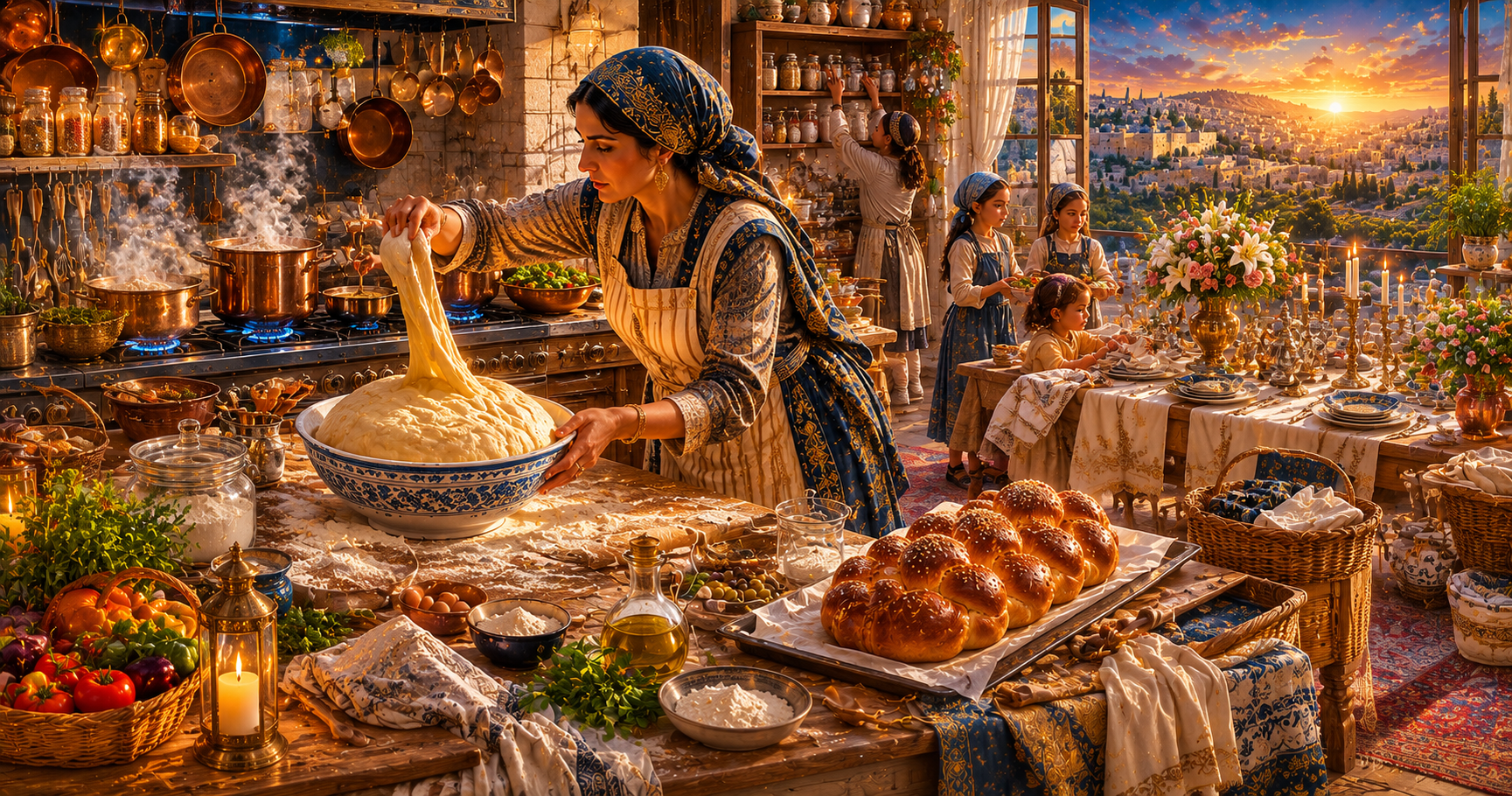
הַפְרָשַׁת חַלָּה הִיא אַחַת מִשָּׁלֹשׁ מִצְווֹת הָאִשָּׁה (חַנָּ"ה), וּמְקוֹרָהּ דַּוְקָא בְּפָרָשַׁת שְׁלַח.
“מֵרֵאשִׁית עֲרִיסֹתֵיכֶם” — עֲרִיסָה הִיא מִטַּת תִּינוֹק: הַחַלָּה כְּמוֹ אָדָם הָרִאשׁוֹן, “חַלָּתוֹ שֶׁל עוֹלָם”, וּבְהַפְרָשָׁתָהּ הָאִשָּׁה מְתַקֶּנֶת אֶת חֵטְא חַוָּה.
הַכְּנִיסָה לָאָרֶץ הִיא הַחֲזָרָה לְגַן עֵדֶן — וְהַחַלָּה גַּם סְגֻלָּה לְפַרְנָסָה: מַלְכוּת מְעוֹרֶרֶת אֶת בִּינָה.
הַשִּׁעוּר מֻקְדָּשׁ לְעִלּוּי נִשְׁמָתוֹ. יוֹסֵף זַ"ל לֹא הָיָה מְפַסְפֵּס תְּפִילָּה, וְהָיָה מִתְעַקֵּשׁ תָּמִיד לַעֲלוֹת לָעֲלִיָּה הַשִּׁשִּׁית — וְיָדַע אוֹתָהּ כְּמוֹ שֶׁכֹּהֵן יוֹדֵעַ אֶת הָרִאשׁוֹנָה. וּמַדּוּעַ הַשִּׁשִּׁית? כִּי יוֹסֵף הוּא הַסְּפִירָה הַשִּׁשִּׁית — יְסוֹד (חֶסֶד, גְּבוּרָה, תִּפְאֶרֶת, נֶצַח, הוֹד, יְסוֹד, מַלְכוּת), וְהוּא הָאֻשְׁפִּיז הַשִּׁשִּׁי. אַהֲבָתוֹ לַתּוֹרָה הָיְתָה כָּל הָאָדָם. תְּהֵא נִשְׁמָתוֹ צְרוּרָה בִּצְרוֹר הַחַיִּים. תנצב״ה.
לָאִשָּׁה שָׁלֹשׁ מִצְווֹת בְּרָאשֵׁי תֵּבוֹת חַנָּ"ה: חַלָּה, נִדָּה, הַדְלָקַת הַנֵּר. מִצְוַת הַפְרָשַׁת חַלָּה חָלָה עַל עִיסָה גְּדוֹלָה (כְּשִׁעוּר), וְגַם גֶּבֶר הַלָּשׁ חַיָּב בָּהּ. וּמְקוֹרָהּ — דַּוְקָא בְּפָרָשָׁתֵנוּ, מִיָּד אַחֲרֵי דְּרָמַת הַמְרַגְּלִים.
הַמִּלָּה עֲרִיסָה אֵינָהּ עִיסָה שֶׁל קֶמַח, אֶלָּא מִטַּת הַתִּינוֹק. הַמִּלָּה מוֹפִיעָה שׁוּב אֵצֶל עוֹג מֶלֶךְ הַבָּשָׁן — “עֶרֶשׂ בַּרְזֶל”, מִטָּתוֹ הָעֲנָקִית (תֵּשַׁע אַמּוֹת עַל אַרְבַּע). אָז מַה לְמִטַּת תִּינוֹק וּלְמִצְוַת הַחַלָּה?
בְּנֵי יִשְׂרָאֵל נִגְזַר עֲלֵיהֶם לְהִסְתּוֹבֵב 38 שָׁנָה בַּמִּדְבָּר — וּמִיָּד הַתּוֹרָה מַזְכִּירָה מִצְוָה הַתְּלוּיָה בָּאָרֶץ. לִכְאוֹרָה “לִתְקֹעַ אֶצְבַּע בָּעַיִן”. אֶלָּא שֶׁכָּאן טְמוּנָה נֶחָמָה: הַיַּעַד נִשְׁאָר אֶרֶץ יִשְׂרָאֵל, וְהַמִּצְוָה הַזֹּאת הִיא הַגֶּשֶׁר אֵלֶיהָ.
חֲזַ"ל אוֹמְרִים שֶׁאָדָם הוּא “חַלָּתוֹ שֶׁל עוֹלָם”: כִּבְיָכוֹל לָקַח הַקָּדוֹשׁ בָּרוּךְ הוּא עָפָר מִכָּל הָעוֹלָם, לָשׁ חֲתִיכָה קְטַנָּה כְּמוֹ חַלָּה, וְעָשָׂה מִמֶּנָּה אֶת הָאָדָם — “וַיִּפַּח בְּאַפָּיו נִשְׁמַת חַיִּים”. הָאָדָם הוּא הַחַלָּה שֶׁהֻפְרְשָׁה מִן הָעוֹלָם.
בְּיוֹם שִׁשִּׁי הָיָה חֵטְא אָדָם, וְחַוָּה גָּרְמָה לוֹ. לָכֵן בְּכָל יוֹם שִׁשִּׁי הָאִשָּׁה לָשָׁה בָּצֵק, מַנִּיחָה אֶת הַחַלָּה כְּמוֹ תִּינוֹק בָּעֲרִיסָה (“רֵאשִׁית עֲרִיסֹתֵיכֶם”), מַפְרִישָׁה חֲתִיכָה וְשׂוֹרֶפֶת — וּבָזֶה מְתַקֶּנֶת אֶת אֲשֶׁר קִלְקְלָה חַוָּה. הִיא אַף אוֹמֶרֶת תְּפִילָּה: “שֶׁיְּתֻקַּן עֲווֹן חַוָּה אֵם כָּל חַי”.
אָדָם חָטָא וְגֹרַשׁ מִגַּן עֵדֶן — וְגַן עֵדֶן בְּאֶרֶץ יִשְׂרָאֵל (פִּתְחוֹ בִּמְעָרַת הַמַּכְפֵּלָה). בְּנֵי יִשְׂרָאֵל הֵם “הָאָדָם הֶחָדָשׁ”, וְהַכְּנִיסָה לָאָרֶץ הִיא הַחֲזָרָה לְגַן עֵדֶן. הַמְרַגְּלִים נָפְלוּ — אַךְ הַיַּעַד נִשְׁאָר, וְהַחַלָּה הִיא הַתִּקּוּן הַקָּשׁוּר לְעֶצֶם הַכְּנִיסָה לָאָרֶץ.
הַחַלָּה עַל הַשֻּׁלְחָן הִיא הַמָּקוֹם הַנָּמוּךְ — סְפִירַת מַלְכוּת. כְּשֶׁהָאִשָּׁה מַפְרִישָׁה חֲתִיכָה, הִיא מְעוֹרֶרֶת אֶת אִמָּא עִלָּאָה (בִּינָה) לְהוֹרִיד שֶׁפַע חֲזָרָה — וְלָכֵן יֵשׁ בַּהַפְרָשַׁת חַלָּה גַּם סְגֻלָּה לְפַרְנָסָה טוֹבָה וּבְרָכָה.
🎯 בְּחַן אֶת עַצְמְךָ
חֲמֵשׁ שְׁאֵלוֹת עַל הַשִּׁעוּר
🍞 כַּוָּנַת הַחַלָּה
בִּשְׁעַת הַהַפְרָשָׁה, כַּוֵּן לְתִקּוּן חֵטְא אָדָם הָרִאשׁוֹן וְחֵטְא חַוָּה.
🙏 תְּפִילַּת הַהַפְרָשָׁה
אִמְרִי אֶת הַתְּפִילָּה: “שֶׁיְּתֻקַּן עֲווֹן חַוָּה אֵם כָּל חַי”.
🌾 סְגֻלָּה לְפַרְנָסָה
דַּע שֶׁהַהַפְרָשָׁה מְעוֹרֶרֶת שֶׁפַע — מַלְכוּת אֶל בִּינָה.
🕯️ זֵכֶר נְשָׁמָה
לְמַד דַּף אוֹ פֶּרֶק לְעִלּוּי נִשְׁמַת יוֹסֵף צִירוּיָה ז״ל.
שלום בית — הפה בבית
מָה אַתָּה מְלַחֵשׁ לִילָדֶיךָ? לְבֶן זוּגְךָ? גַּלֵּה כַּרְטִיס שָׁלוֹם בַּיִת.
כָּל הַפָּרָשִׁיּוֹת
כָּל שִׁעוּרֵי מ. יְהוּדָה חִימִי — מִבְּרֵאשִׁית עַד דְּבָרִים וְעַד חַגֵּי הַשָּׁנָה.
📚 כל הפרשיותספרים
חכמת התורה בפורמט תריילר — הוצאת גאולה.
פירוש חלומות
חָלַמְתָּ עַל אַיָּלָה? עַל אָרוֹן? בְּדֹק אֶת הַמַּשְׁמָעוּת לְפִי רב אלמולי.
🌙 פירוש חלומות
שומרי הסדק
סוד עתיק התגלה. ארבעים ותשע שערים נפתחים. השער החמישים מסתתר ברגע אחד — ורגע זה כבר כאן.
📕 קבל את הספר חינם
Separating challah is one of the three mitzvot of the woman (ChaNaH), and its source is precisely in Parashat Shelach.
“The first of your arisa” — arisa is a baby’s cradle: the challah is like Adam, the “challah of the world,” and by separating it the woman repairs the sin of Hava.
Entering the land is the return to Gan Eden — and challah is also a segula for sustenance: Malchut awakens Bina.
This shiur is dedicated to the elevation of his soul. Yosef z"l never missed a tefila, and always insisted on going up for the sixth aliyah — knowing it as a Kohen knows the first. Why the sixth? Because Yosef is the sixth sefira — Yesod (Chessed, Gevura, Tiferet, Netzach, Hod, Yesod, Malchut) — and the sixth ushpiz. His love of Torah was the whole man. May his soul be bound in the bond of life.
A woman has three mitzvot, by the acronym ChaNaH: Challah, Niddah, and lighting the Shabbat candle. The mitzvah of separating challah applies to a large batch of dough, and a man who kneads such a batch is obligated too. Its source is precisely in our parasha, right after the drama of the spies.
The word arisa here is not a batch of flour but a baby’s cradle. The same word appears with Og king of Bashan — “a bed of iron,” his giant crib (nine cubits by four). So what does a baby’s cradle have to do with the mitzvah of challah?
Israel had just been decreed to wander 38 years in the desert — and immediately the Torah mentions a land-dependent mitzvah. It seems almost painful. Yet a consolation is hidden here: the destination remains the Land of Israel, and this very mitzvah is the bridge toward it.
Our Sages say that Adam is the “challah of the world”: as it were, the Holy One took dust from the whole earth, kneaded a small piece like challah, and formed Adam from it — “and He breathed into his nostrils the breath of life.” Adam is the challah separated from the world.
Adam’s sin took place on a Friday, and Hava brought it about. Therefore, every Friday the woman kneads dough, lays the challah like a baby in a cradle (“the first of your arisa”), separates a piece and burns it — thereby repairing what Hava spoiled. She even says a prayer: “May the sin of Hava, mother of all living, be repaired.”
Adam sinned and was exiled from Gan Eden — and Gan Eden is in the Land of Israel (its entrance at the Cave of Machpela). Israel is the “new Adam,” and entering the land is the return to Gan Eden. The spies fell — but the destination remains, and challah is the repair bound to the very act of entering the land.
The challah on the table is the lowest place — the sefira of Malchut. When the woman separates a piece, she awakens Ima Ila’a (Bina) to draw abundance back down — and so the separation of challah is also a segula for good sustenance and blessing.
🎯 Test Yourself
Five questions on the shiur
🍞 Intention in Challah
When you separate the challah, intend to repair the sin of Adam and of Hava.
🙏 The Separation Prayer
Say the prayer: “May the sin of Hava, mother of all living, be repaired.”
🌾 A Segula for Sustenance
Know that the separation awakens abundance — from Malchut to Bina.
🕯️ In Memory
Learn a page or chapter for the elevation of the soul of Yosef Tziruya z"l.
Shalom Bayit — The Mouth at Home
What do you whisper to your children? To your spouse? Reveal a Shalom Bayit card.
Gematria — Rav Menashe
Hidden connections in the names according to Rav Menashe zatsal.
🔢 Gematria CourseTorah Study
Dig deeper into the commentary of Rashi and the Zohar on the parashah of the week.
📝 Beith HamidrachAll Parashot
All shiurim of M. Yéhouda Himi — from Bereshit to Devarim and the festivals.
📚 All ParashotBooks
Torah wisdom in thriller format — Éditions Gueoula.
Dream Interpretation
Did you dream of a doe? Of an Ark? Check the meaning according to Rav Almoli.
🌙 Dreams
Guardians of the Rift
An ancient secret has surfaced. Forty-nine gates have opened. The fiftieth hides in a single moment — and that moment is here.
📕 Get the Free Book
Prélever la halla est l’une des trois mitsvot de la femme (‘HaNaH), et sa source se trouve précisément dans la paracha Chelah.
« Les prémices de votre arissa » — arissa est un berceau : la halla est comme Adam, la « halla du monde », et en la prélevant la femme répare la faute de ‘Hava.
L’entrée en terre est le retour au Gan Eden — et la halla est aussi une ségoula pour la parnassa : Malkhout éveille Bina.
Ce chiour est dédié à l’élévation de son âme. Yossef z"l ne manquait jamais une tefila, et tenait toujours à monter pour la sixième aliya — qu’il connaissait comme un Cohen connaît la première. Pourquoi la sixième ? Parce que Yossef est la sixième sefira — Yessod (Hessed, Guevoura, Tiféret, Netsah, Hod, Yessod, Malkhout) — et le sixième ouchpiz. Son amour de la Torah était tout l’homme. Que son âme soit liée au faisceau de la vie.
La femme a trois mitsvot, selon l’acronyme ‘HaNaH : Halla, Nidda et l’allumage de la bougie de Chabbat. La mitsva de prélever la halla s’applique à une grande pâte (de la mesure requise), et un homme qui la pétrit y est lui aussi tenu. Sa source se trouve précisément dans notre paracha, juste après le drame des explorateurs.
Le mot arissa ne désigne pas ici une pâte de farine, mais le berceau du nourrisson. Le même mot revient à propos de Og, roi du Bachan — « un lit de fer », son berceau de géant (neuf coudées sur quatre). Quel rapport, alors, entre le berceau d’un bébé et la mitsva de la halla ?
Israël venait d’être condamné à errer 38 ans dans le désert — et aussitôt la Torah mentionne une mitsva dépendant de la terre. Cela paraît presque douloureux. Mais une consolation s’y cache : la destination demeure la terre d’Israël, et cette mitsva même en est le pont.
Nos Sages disent qu’Adam est la « halla du monde » : pour ainsi dire, le Saint béni soit-Il prit de la poussière de toute la terre, pétrit un petit morceau comme une halla, et en façonna Adam — « et Il insuffla en ses narines un souffle de vie ». Adam est la halla prélevée du monde.
La faute d’Adam eut lieu un vendredi, et ‘Hava la provoqua. C’est pourquoi, chaque vendredi, la femme pétrit la pâte, dépose la halla comme un nourrisson dans son berceau (« les prémices de votre arissa »), en prélève un morceau et le brûle — réparant ainsi ce que ‘Hava avait abîmé. Elle dit même une prière : « Que soit réparée la faute de ‘Hava, mère de tout vivant. »
Adam fauta et fut chassé du Gan Eden — et le Gan Eden est en terre d’Israël (son entrée à la grotte de Makhpéla). Israël est le « nouvel Adam », et l’entrée en terre est le retour au Gan Eden. Les explorateurs sont tombés — mais la destination demeure, et la halla est la réparation liée à l’entrée même dans la terre.
La halla sur la table est le lieu le plus bas — la sefira de Malkhout. Lorsque la femme en prélève un morceau, elle éveille Ima Ila’a (Bina) pour faire redescendre l’abondance — et ainsi le prélèvement de la halla est aussi une ségoula pour une bonne parnassa et la bénédiction.
🎯 Teste-toi
Cinq questions sur le chiour
🍞 Intention de la halla
Au moment du prélèvement, aie l’intention de réparer la faute d’Adam et de ‘Hava.
🙏 La prière du prélèvement
Dis la prière : « Que soit réparée la faute de ‘Hava, mère de tout vivant. »
🌾 Une ségoula pour la parnassa
Sache que le prélèvement éveille l’abondance — de Malkhout vers Bina.
🕯️ En mémoire
Étudie une page ou un chapitre pour l’élévation de l’âme de Yossef Tsirouya z"l.
Chalom Bayit — La bouche à la maison
Que chuchotes-tu à tes enfants ? À ton conjoint ? Découvre une carte Chalom Bayit.
Guématria — Rav Menaché
Connexions cachées dans les noms selon Rav Menaché zatsal.
🔢 Cours de guématriaÉtude Torah
Approfondis le commentaire de Rachi et le Zohar sur la paracha de la semaine.
📝 Beith HamidrachToutes les Parachiot
Tous les cours de M. Yéhouda Himi — de Béréchit à Devarim et les fêtes.
📚 Toutes les ParachiotLivres
La sagesse de la Torah en format thriller — Éditions Gueoula.
Interprétation des rêves
As-tu rêvé d’une biche ? D’une Arche ? Vérifie sa signification selon Rav Almoli.
🌙 RêvesBoîte à idées
Une idée, une remarque, une suggestion pour le site ? Partage-la avec nous.
💡 Boîte à idées

Les Gardiens de la Faille
Un secret ancien refait surface. Quarante-neuf portes se sont ouvertes. La cinquantième se cache dans un seul instant — et cet instant est arrivé.
📕 Récupérer le livre gratuit