סוֹד מֵי מְרִיבָה
פרשת חקת · תשפ״ו
סוֹד מֵי מְרִיבָה
מֹשֶׁה שָׁמוּר לַגְּאֻלָּה הָאַחֲרוֹנָה
מתוך שיעורו של מ. יהודה חימי
🎙️
🎙 שמע את השיעור · מ׳ יהודה חימי
השיעור המלא בהקלטה
⬇ הורד את ההקלטה
סוֹד מֵי מְרִיבָה — מֹשֶׁה שָׁמוּר לַגְּאֻלָּה הָאַחֲרוֹנָה
מתוך שיעורו של מ. יהודה חימי

פָּרָשַׁת חֻקַּת פּוֹתַחַת בִּשְׁנַת הָאַרְבָּעִים: מִרְיָם נִפְטֶרֶת, וּמִיָּד “וְלֹא הָיָה מַיִם לָעֵדָה” — כִּי הַבְּאֵר הָיָה בִּזְכוּתָהּ.

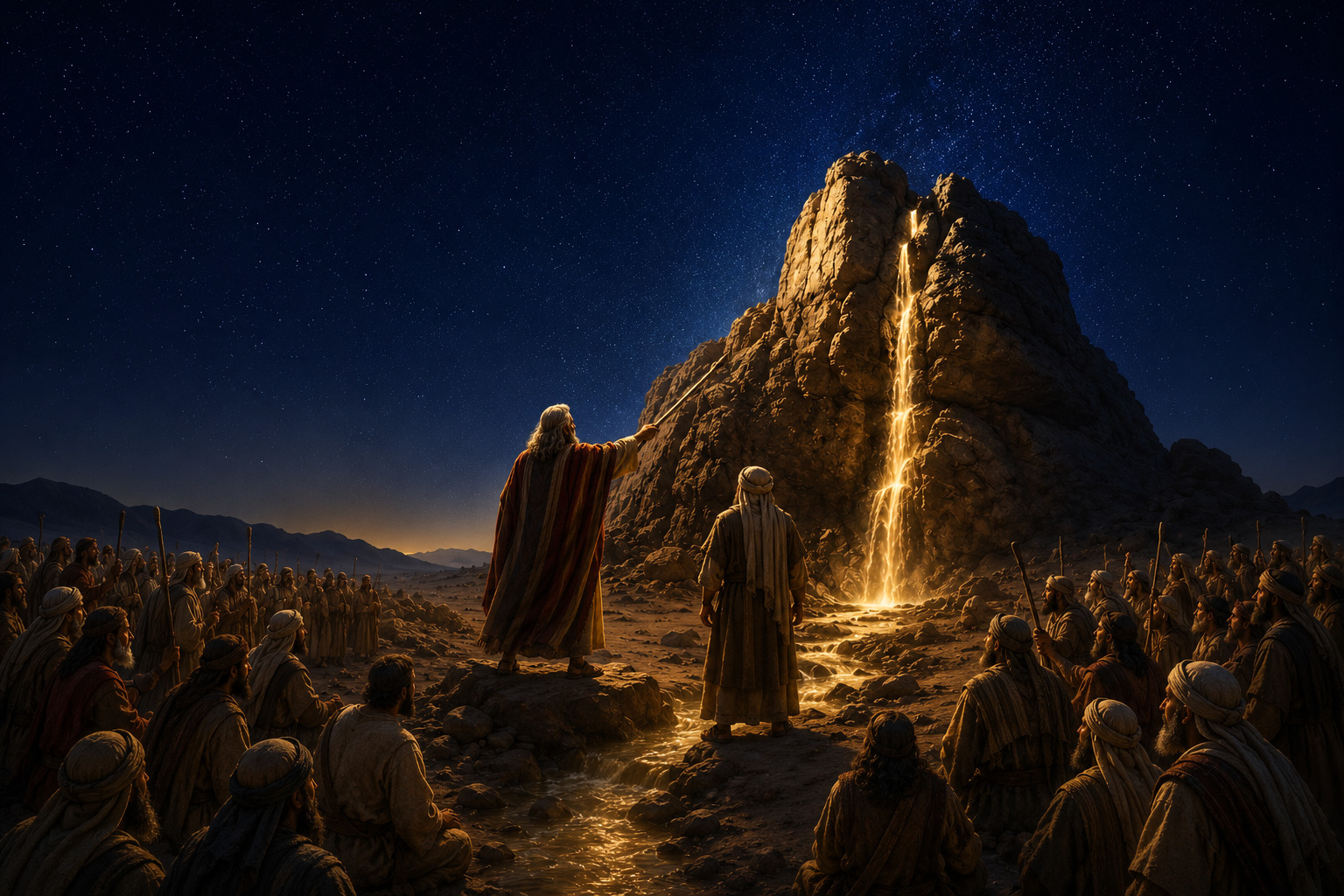
הָעָם נִקְהָל עַל מֹשֶׁה וְאַהֲרֹן הַיּוֹשְׁבִים שִׁבְעָה; הַקָּדוֹשׁ בָּרוּךְ הוּא מְלַמֵּד מוּסָר כָּפוּל — לַמַּנְהִיגִים וְלָעָם. מֹשֶׁה מַכֶּה אֶת הַסֶּלַע פַּעֲמַיִם בִּמְקוֹם לְדַבֵּר.

וְהַסּוֹד: “מֵי מְרִיבָה” הֵם רַק כִּסּוּי. “רַב לָךְ” — מֹשֶׁה שָׁמוּר לַגְּאֻלָּה הָאַחֲרוֹנָה, לִבְנוֹת אֶת הַמִּקְדָּשׁ הַנִּצְחִי.

א חֻקַּת — שְׁנַת הָאַרְבָּעִים
“וַתָּמָת שָׁם מִרְיָם וַתִּקָּבֵר שָׁם”בְּמִדְבַּר כ, א

רֹב סֵפֶר בְּמִדְבָּר מְסַפֵּר עַל הַשָּׁנָה הַשְּׁנִיָּה לַיְּצִיאָה — וּפָרָשַׁת חֻקַּת כְּבָר בִּשְׁנַת הָאַרְבָּעִים, סָמוּךְ לַכְּנִיסָה לָאָרֶץ. שְׁלֹשִׁים וּשְׁמוֹנֶה שָׁנָה נִשְׁתַּתְּקוּ, וְכָאן הַתּוֹרָה פּוֹתַחַת בִּפְטִירַת מִרְיָם בְּחֹדֶשׁ נִיסָן. בְּפָרָשָׁה אַחַת אָנוּ נִפְרָדִים מִשְּׁלֹשֶׁת פַּרְנְסֵי הַדּוֹר.

ב פְּטִירַת מִרְיָם — וְהַבְּאֵר שֶׁנֶּעֶלְמָה
“וְלֹא הָיָה מַיִם לָעֵדָה”בְּמִדְבַּר כ, ב

סְמִיכוּת הַפְּסוּקִים מְלַמֶּדֶת: כָּל אַרְבָּעִים שָׁנָה הָיָה לָהֶם הַבְּאֵר בִּזְכוּת מִרְיָם. הַבְּאֵר הָיְתָה סֶלַע שֶׁהִתְגַּלְגֵּל עִמָּהֶם בְּכָל מַסָּע וְהוֹצִיא מַיִם. בָּרֶגַע שֶׁמִּרְיָם מֵתָה — נִדַּם הַבְּאֵר וְנֶחְבָּא בֵּין הַסְּלָעִים.

ג וַיִּקָּהֲלוּ עַל מֹשֶׁה וְעַל אַהֲרֹן
שְׁאֵלָה: מַה קָּרָה בֵּין הַפְּסוּקִים — בֵּין מוֹת מִרְיָם לְהִתְקַהֲלוּת הָעָם?
“וַיִּקָּהֲלוּ עַל מֹשֶׁה וְעַל אַהֲרֹן”בְּמִדְבַּר כ, ב

מֹשֶׁה וְאַהֲרֹן יוֹשְׁבִים שִׁבְעָה עַל אֲחוֹתָם בְּפֶתַח הָאֹהֶל. פִּתְאוֹם הֲמוֹן עָם מִתְקַדֵּם לְעֶבְרָם. אַהֲרֹן, גּוֹמֵל הַחֲסָדִים, חוֹשֵׁב שֶׁבָּאוּ לְנַחֵם — אַךְ הֵם בָּאִים עַל הַמַּיִם. הַתּוֹרָה מַזְמִינָה אוֹתָנוּ לְדַמְיֵן אֶת עָצְמַת הָרֶגַע.

ד “מַכִּירִין בִּבְנַאי” — מוּסָר כָּפוּל

הַקָּדוֹשׁ בָּרוּךְ הוּא פּוֹנֶה אֲלֵיהֶם בִּלְשׁוֹן חִבָּה — “בְּנַאי”. מִצַּד אֶחָד תּוֹכֵחָה לַמַּנְהִיגִים: גַּם בְּתוֹךְ הָאֵבֶל, צָרְכֵי הַצִּבּוּר קוֹדְמִים לַכֹּל — כְּמוֹ בְּיוֹם חֲנֻכַּת הַמִּשְׁכָּן, “מַדּוּעַ לֹא אֲכַלְתֶּם אֶת הַחַטָּאת”. מִצַּד שֵׁנִי נֶחָמָה: “אֲנִי מֵבִין אֶת כְּאֵבְכֶם — אַךְ אַתֶּם מַכִּירִים אֶת הָעָם, וְלֹא מֵהֶם הַדָּבָר”, שֶׁכֵּן כְּשֶׁהֵם צְמֵאִים זוֹ דַּרְכָּם.

ה “קַח אֶת הַמַּטֶּה... וְדִבַּרְתֶּם אֶל הַסֶּלַע”
“וְדִבַּרְתֶּם אֶל הַסֶּלַע לְעֵינֵיהֶם וְנָתַן מֵימָיו”בְּמִדְבַּר כ, ח

הַצִּוּוּי בָּרוּר: לְדַבֵּר אֶל הַסֶּלַע, לֹא לְהַכּוֹתוֹ. אַךְ יֵשׁ מֶתַח — אִם רָצָה הַקָּדוֹשׁ בָּרוּךְ הוּא שֶׁנְּדַבֵּר, לָמָּה אָמַר “קַח אֶת הַמַּטֶּה”? הַמַּטֶּה בַּיָּד, וְהַצִּוּוּי לְדַבֵּר.

ו וַיַּךְ אֶת הַסֶּלַע — פַּעֲמַיִם
“וַיַּךְ אֶת הַסֶּלַע בְּמַטֵּהוּ פַּעֲמָיִם”בְּמִדְבַּר כ, יא

לֹא רַק שֶׁמֹּשֶׁה לֹא דִּבֵּר — הוּא הִכָּה, וּפַעֲמַיִם: בָּרִאשׁוֹנָה יָצְאוּ טִפּוֹת, וּבַשְּׁנִיָּה זָרְמוּ הַמַּיִם. הַדַּגֵּשׁ עַל “פַּעֲמַיִם” הוּא הַטַּעַם שֶׁבּוֹ גַּם אַהֲרֹן נִתְפַּס — שֶׁלֹּא עָצַר אוֹתוֹ.

ז הַקַּל וָחֹמֶר — וּזְכוּתוֹ שֶׁל מֹשֶׁה
“יַעַן לֹא הֶאֱמַנְתֶּם בִּי לְהַקְדִּישֵׁנִי”בְּמִדְבַּר כ, יב

אִלּוּ דִּבֵּר מֹשֶׁה אֶל הַסֶּלַע וְהוֹצִיא מַיִם, הָיוּ יִשְׂרָאֵל לוֹמְדִים קַל וָחֹמֶר: וּמַה סֶּלַע שֶׁאֵינוֹ מְדַבֵּר וְאֵינוֹ שׁוֹמֵעַ מְקַיֵּם דְּבַר הַשֵּׁם — קַל וָחֹמֶר אָנוּ. וְיֵשׁ מְפָרְשִׁים שֶׁמֹּשֶׁה הִכָּה דַּוְקָא כְּדֵי לְהָגֵן עַל יִשְׂרָאֵל: שֶׁלֹּא יֵצֵא הַקַּל וָחֹמֶר לְקַטְרֵג עֲלֵיהֶם. מְסִירוּת נֶפֶשׁ שֶׁל רוֹעֶה נֶאֱמָן.

ח “רַב לָךְ” — מֹשֶׁה שָׁמוּר לַגְּאֻלָּה
“רַב לָךְ אַל תּוֹסֶף דַּבֵּר אֵלַי”דְּבָרִים ג, כו

“מֵי מְרִיבָה” הֵם רַק כִּסּוּי מְכֻבָּד — כְּדֵי שֶׁלֹּא יֹאמְרוּ שֶׁמֹּשֶׁה וְאַהֲרֹן לֹא נִכְנְסוּ בַּעֲווֹן הַמְרַגְּלִים. הָאֱמֶת: לְפִי הַתָּכְנִית הָאֱלֹקִית מֹשֶׁה כְּלָל לֹא הָיָה אָמוּר לְהִכָּנֵס. “רַב לָךְ” — לֹא “הַפְסֵק”, אֶלָּא “יֵשׁ לְךָ הַרְבֵּה יוֹתֵר”: אַתָּה הַגּוֹאֵל הָרִאשׁוֹן, וְאַתָּה הַגּוֹאֵל הָאַחֲרוֹן. מֹשֶׁה שָׁמוּר לַגְּאֻלָּה הָאַחֲרוֹנָה — לָקוּם עִם אֵלִיָּהוּ וְלִבְנוֹת אֶת הַמִּקְדָּשׁ שֶׁלֹּא יִחָרֵב.

🎯 בְּחַן אֶת עַצְמְךָ

חֲמֵשׁ שְׁאֵלוֹת עַל הַשִּׁעוּר

1
בְּאֵיזוֹ שָׁנָה מִתְרַחֶשֶׁת פָּרָשַׁת חֻקַּת?
חֻקַּת כְּבָר בִּשְׁנַת הָאַרְבָּעִים, סָמוּךְ לַכְּנִיסָה לָאָרֶץ.
2
בִּזְכוּת מִי הָיָה הַבְּאֵר לְיִשְׂרָאֵל?
כְּשֶׁמֵּתָה מִרְיָם נִדַּם הַבְּאֵר — כִּי הָיָה בִּזְכוּתָהּ.
3
מָה צִוָּה הַשֵּׁם לַעֲשׂוֹת לַסֶּלַע?
“וְדִבַּרְתֶּם אֶל הַסֶּלַע” — בְּדִבּוּר, לֹא בְּהַכָּאָה.
4
כַּמָּה פְּעָמִים הִכָּה מֹשֶׁה אֶת הַסֶּלַע?
“וַיַּךְ אֶת הַסֶּלַע בְּמַטֵּהוּ פַּעֲמָיִם”.
5
מַהִי הַסִּבָּה הָאֲמִתִּית שֶׁמֹּשֶׁה לֹא נִכְנַס לָאָרֶץ?
“רַב לָךְ” — מֹשֶׁה נִשְׁמָר לַגְּאֻלָּה, וְ“מֵי מְרִיבָה” רַק כִּסּוּי.

🎯 הַתּוֹצָאָה שֶׁלְּךָ

📨 קַבֵּל אֶת הַשִּׁעוּר הַשְּׁבוּעִי בַּמֵּייל
📅 תוכנית שבועית — חֻקַּת
יוֹם רִאשׁוֹן
קְרָא אֶת תְּחִלַּת פָּרָשַׁת חֻקַּת — שְׁנַת הָאַרְבָּעִים וּפְטִירַת מִרְיָם.
יוֹם שֵׁנִי
לְמַד עַל בְּאֵר מִרְיָם וְהַסֶּלַע הַמִּתְגַּלְגֵּל.
יוֹם שְׁלִישִׁי
הִתְבּוֹנֵן בַּסְּמִיכוּת “וַתָּמָת מִרְיָם” → “וְלֹא הָיָה מַיִם”.
יוֹם רְבִיעִי
עַיֵּן בַּמִּדְרָשׁ “מַכִּירִין בִּבְנַאי” וּבַמּוּסָר הַכָּפוּל.
יוֹם חֲמִישִׁי
בְּחַן: לָמָּה הִכָּה מֹשֶׁה פַּעֲמַיִם, וְלֹא דִּבֵּר?
יוֹם שִׁשִּׁי
חֲשֹׁב עַל הַקַּל וָחֹמֶר — וְעַל מְסִירוּתוֹ שֶׁל מֹשֶׁה לְיִשְׂרָאֵל.
שַׁבָּת קֹדֶשׁ
לְמַד אֶת “רַב לָךְ” — מֹשֶׁה שָׁמוּר לַגְּאֻלָּה הָאַחֲרוֹנָה.

🌊 מַיִם בִּזְכוּת צַדִּיק

דַּע שֶׁהַשֶּׁפַע בָּא בִּזְכוּת צַדִּיקִים — הוֹדֵה עֲלֵיהֶם בְּעוֹדָם עִמָּנוּ.

🗣️ דַּבֵּר אֶל הַסֶּלַע

לִפְנֵי שֶׁאַתָּה “מַכֶּה” — נַסֵּה לְדַבֵּר. כֹּחַ הַדִּבּוּר גָּדוֹל מִכֹּחַ הַיָּד.

👑 מַנְהִיגוּת

גַּם בְּעֵת צַעַר אִישִׁי — שִׂים אֶת צָרְכֵי הָרַבִּים לִפְנֵי הַכֹּל.

✨ צִפִּיָּה לַגְּאֻלָּה

זַכֵּר שֶׁמֹּשֶׁה שָׁמוּר לַגְּאֻלָּה — וְחַזֵּק אֶת הַצִּפִּיָּה לְבִנְיַן הַמִּקְדָּשׁ.

לְהַעֲמִיק עוֹד
🏠

שלום בית — הפה בבית

מָה אַתָּה מְלַחֵשׁ לִילָדֶיךָ? לְבֶן זוּגְךָ? גַּלֵּה כַּרְטִיס שָׁלוֹם בַּיִת.

🔢

גימטריה — הרב מנשה

קְשָׁרִים נִסְתָּרִים בְּשֵׁמוֹת לְפִי הרב מנשה זצ"ל.

🔢 קורס גימטריה
📝

לימוד תורה

הַעֲמֵק בְּפֵרוּשׁ רַשִׁ"י וְהַזֹּהַר עַל פָּרָשַׁת הַשָּׁבוּעַ.

📝 בית המדרש
📚

כָּל הַפָּרָשִׁיּוֹת

כָּל שִׁעוּרֵי מ. יְהוּדָה חִימִי — מִבְּרֵאשִׁית עַד דְּבָרִים וְעַד חַגֵּי הַשָּׁנָה.

📚 כל הפרשיות
📕

ספרים

חכמת התורה בפורמט תריילר — הוצאת גאולה.

🌙

פירוש חלומות

חָלַמְתָּ עַל אַיָּלָה? עַל אָרוֹן? בְּדֹק אֶת הַמַּשְׁמָעוּת לְפִי רב אלמולי.

🌙 פירוש חלומות
🎬

סרטונים

שִׁעוּרֵי וִידֵאוֹ עַל הַחַגִּים, הַמְּנוֹרָה וְסוֹדוֹת הַמִּשְׁכָּן.

🎬 סרטונים
💡

תיבת רעיונות

רעיון, הערה או הצעה לאתר? שתף אותנו.

💡 תיבת רעיונות
🤝

מעשר

תן את חלק המעשר שלך והשתתף בהפצת התורה.

🤝 מעשר
📨 קַבְּלוּ אֶת הַשִּׁיעוּר הַשְּׁבוּעִי
כל שבוע, ישר לתיבת המייל — שיעור פרשה חדש של מ. יהודה חימי. בלי ספאם. ביטול בלחיצה.
🕯️ הַקְדִּישׁ אֶת הַשִּׁיעוּר
הָאַיָּלָה שֶׁמַּחֲזִירָה פָּנֶיהָ — שותפותך מאירה את הנר הזה לדורי דורות.
🧱 לְמוּר הַהַקְדָּשׁוֹת ←
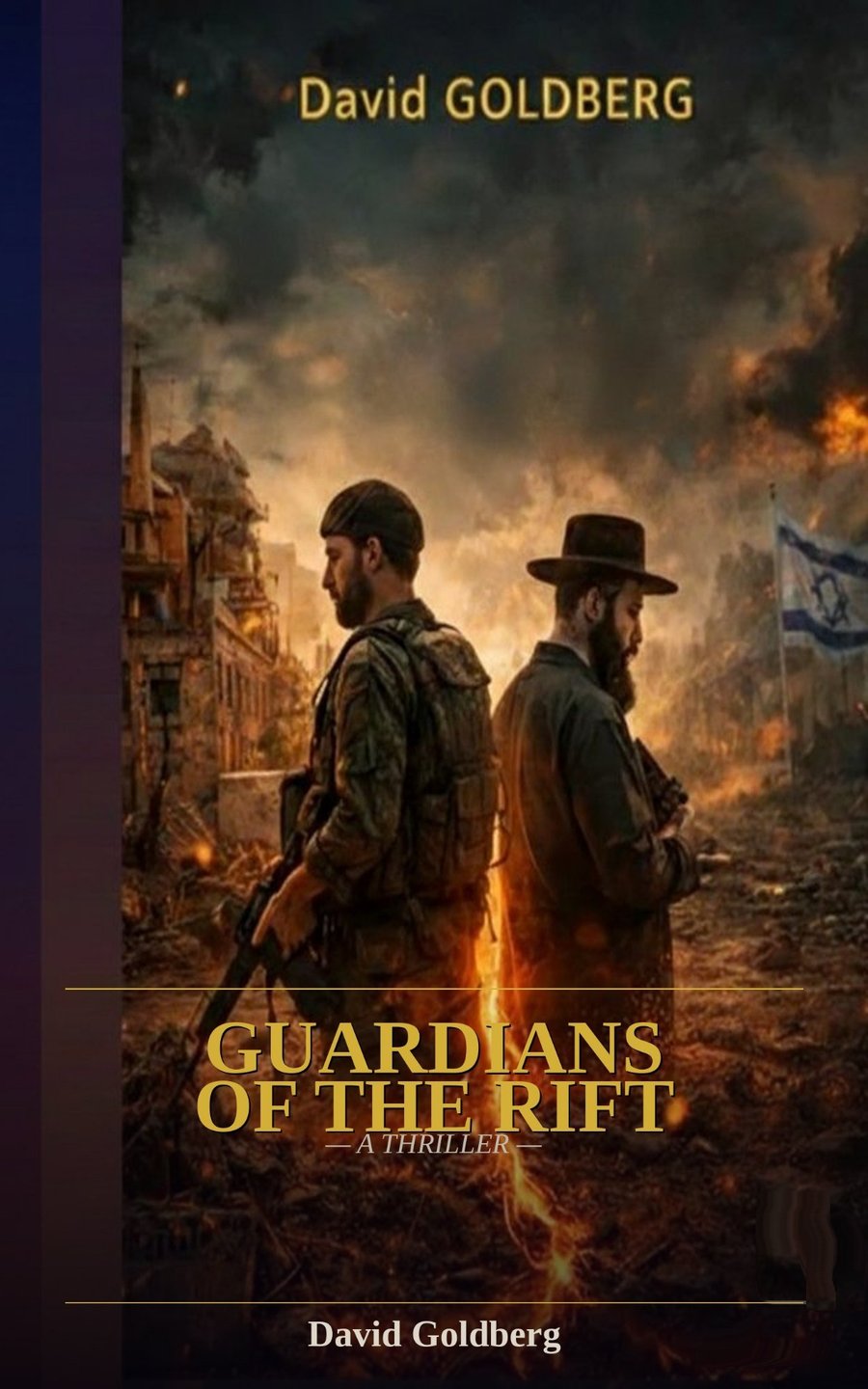
אני מאשים את האומות — דיוויד גולדברג

אֲנִי מַאֲשִׁים אֶת הָאֻמּוֹת

תריילר רוחני · דיוויד גולדברג

הַמְּזִמּוֹת הַמְּסֻכָּנוֹת בְּיוֹתֵר הֵן אֵלּוּ שֶׁאֵינְךָ רוֹאֶה. אֱמֶת קְבוּרָה, כֹּחוֹת הַמְבַקְּשִׁים לְהַשְׁתִּיקָהּ — וְאִישׁ אֶחָד מוּל הָאֻמּוֹת.

📕 לקריאת הספר · ₪36.90
The Secret of the Waters of Strife
Parashat Chukat · 5786
The Waters of Strife
Moses Kept for the Final Redemption
From the shiur of M. Yehuda Himi
🎙️
🎙 Listen to the shiur · M. Yehuda Himi
The full recorded class
⬇ Download the recording
The Waters of Strife — Moses Kept for the Final Redemption
From the shiur of M. Yehuda Himi

Parashat Chukat opens in the fortieth year: Miriam dies, and at once “there was no water for the congregation” — for the well had been in her merit.

The people gather against Moses and Aaron as they sit shiva; the Holy One delivers a double lesson — to the leaders and to the people. Moses strikes the rock twice instead of speaking to it.

And the secret: “the waters of strife” are only a cover. “Rav lach” — Moses is kept for the final redemption, to build the Temple that will never be destroyed.

1 Chukat — the Fortieth Year
“And Miriam died there and was buried there.”Bamidbar 20:1

Most of the book of Bamidbar tells of the second year after the Exodus — yet Parashat Chukat already stands in the fortieth year, close to entering the Land. Thirty-eight silent years pass, and here the Torah opens with the death of Miriam in the month of Nissan. In a single parasha we part from the three leaders of the generation.

2 The Death of Miriam — and the Well That Vanished
“And there was no water for the congregation.”Bamidbar 20:2

The juxtaposition of the verses teaches: for forty years they had the well in Miriam’s merit. The well was a rock that rolled along with them on every journey and brought forth water. The moment Miriam died, the well fell silent and hid among the rocks.

3 They Gathered Against Moses and Aaron
The question: what happened between the verses — between Miriam’s death and the people’s gathering?
“And they gathered against Moses and against Aaron.”Bamidbar 20:2

Moses and Aaron sit shiva for their sister at the entrance of the tent. Suddenly a crowd advances toward them. Aaron, the man of loving-kindness, assumes they have come to console — but they come about water. The Torah invites us to picture the intensity of that moment.

4 “You Recognize My Children” — a Double Lesson

The Holy One addresses them with a term of affection — “My children.” On one side, a rebuke to the leaders: even in mourning, the needs of the community come first — as on the day the Mishkan was inaugurated, “Why did you not eat the sin-offering?” On the other, consolation: “I understand your pain — but you know this people, and it is not their fault,” for when they are thirsty, this is simply their way.

5 “Take the Staff… and Speak to the Rock”
“Speak to the rock before their eyes, and it shall give its water.”Bamidbar 20:8

The command is clear: speak to the rock, do not strike it. Yet there is tension — if the Holy One wanted speech, why say “take the staff”? The staff is in hand, and the command is to speak.

6 He Struck the Rock — Twice
“And he struck the rock with his staff twice.”Bamidbar 20:11

Moses not only failed to speak — he struck, and twice: the first time only drops came out, the second time the waters flowed. The emphasis on “twice” is the very reason Aaron too was held responsible — for not stopping him.

7 The Kal Vachomer — and the Merit of Moses
“Because you did not believe in Me, to sanctify Me.”Bamidbar 20:12

Had Moses spoken to the rock and it gave water, Israel would have learned a kal vachomer: if a rock that neither speaks nor hears fulfills the word of God — how much more so we. Yet some commentators say Moses struck precisely to shield Israel: so that the kal vachomer would not turn into an accusation against them. The self-sacrifice of a faithful shepherd.

8 “Rav Lach” — Moses Kept for the Redemption
“It is much for you; speak no more to Me of this matter.”Devarim 3:26

“The waters of strife” are only a dignified cover — so that none would say Moses and Aaron failed to enter because of the sin of the spies. The truth: by the divine plan Moses was never meant to enter. “Rav lach” is not “stop” but “you have far more”: you were the first redeemer, and you are the last redeemer. Moses is kept for the final redemption — to rise with Eliyahu and build the Temple that will never be destroyed.

🎯 Test Yourself

Five questions on the shiur

1
In which year does Parashat Chukat take place?
Chukat already stands in the fortieth year, close to entering the Land.
2
In whose merit did Israel have the well?
When Miriam died the well fell silent — for it was in her merit.
3
What did God command be done to the rock?
“Speak to the rock” — by word, not by striking.
4
How many times did Moses strike the rock?
“He struck the rock with his staff twice.”
5
What is the true reason Moses did not enter the Land?
“Rav lach” — Moses is kept for the redemption, and “the waters of strife” are only a cover.

🎯 Your Result

📨 Get the weekly shiur by email
📅 Weekly Study Plan — Chukat
Sunday
Read the opening of Parashat Chukat — the fortieth year and Miriam’s death.
Monday
Study the well of Miriam and the rolling rock.
Tuesday
Reflect on the juxtaposition “Miriam died” → “there was no water.”
Wednesday
Examine the midrash “you recognize My children” and the double lesson.
Thursday
Consider: why did Moses strike twice rather than speak?
Friday
Think on the kal vachomer — and on Moses’ self-sacrifice for Israel.
Shabbat Kodesh
Study “Rav lach” — Moses kept for the final redemption.

🌊 Water in a Tzaddik’s Merit

Know that abundance comes in the merit of the righteous — give thanks for them while they are with us.

🗣️ Speak to the Rock

Before you “strike” — try to speak. The power of speech is greater than the power of the hand.

👑 Leadership

Even in personal grief — place the needs of the many before all else.

✨ Awaiting the Redemption

Remember that Moses is kept for the redemption — and strengthen your longing for the Temple.

Go Deeper
🏠

Shalom Bayit — The Mouth at Home

What do you whisper to your children? To your spouse? Reveal a Shalom Bayit card.

🔢

Gematria — Rav Menashe

Hidden connections in the names according to Rav Menashe zatsal.

🔢 Gematria Course
📝

Torah Study

Dig deeper into the commentary of Rashi and the Zohar on the parashah of the week.

📝 Beith Hamidrach
📚

All Parashot

All shiurim of M. Yéhouda Himi — from Bereshit to Devarim and the festivals.

📚 All Parashot
📕

Books

Torah wisdom in thriller format — Éditions Gueoula.

🌙

Dream Interpretation

Did you dream of a doe? Of an Ark? Check the meaning according to Rav Almoli.

🌙 Dreams
🎬

Videos

Video shiurim on the festivals, the Menorah and the secrets of the Mishkan.

🎬 Videos
💡

Idea Box

An idea, a remark, a suggestion for the site? Share it with us.

💡 Idea Box
🤝

Maasser

Give your Maasser and take part in spreading Torah.

🤝 Maasser
📨 Get the Weekly Shiur
Every week, straight to your inbox — a new parashah shiur by M. Yéhouda Himi. No spam. One-click unsubscribe.
🕯️ Dedicate This Shiur
The doe who turns her face back — your partnership lights this candle through the generations.
🧱 See the Wall of Dedications →
J’accuse the Nations — David Goldberg

J’accuse the Nations

A spiritual thriller · David Goldberg

The most dangerous plots are the ones you never see coming. A buried truth, powers that want it silenced — and one man standing against the nations.

📕 Read the Book · $9.90
Le secret des eaux de Mériba
Paracha Houkat · 5786
Les eaux de Mériba
Moché réservé pour la Gueoula finale
D’après le chiour de M. Yehuda Himi
🎙️
🎙 Écouter le chiour · M. Yehuda Himi
Le cours complet enregistré
⬇ Télécharger l’enregistrement
Les eaux de Mériba — Moché réservé pour la Gueoula finale
D’après le chiour de M. Yehuda Himi

La paracha Houkat s’ouvre dans la quarantième année : Miriam s’éteint, et aussitôt « il n’y eut plus d’eau pour la communauté » — car le puits était dans son mérite.

Le peuple se ligue contre Moché et Aharon assis en deuil ; le Saint béni soit-Il délivre un double enseignement — aux dirigeants et au peuple. Moché frappe le rocher deux fois au lieu de lui parler.

Et le secret : « les eaux de Mériba » ne sont qu’un voile. « Rav lekha » — Moché est réservé pour la Gueoula finale, pour bâtir le Temple qui ne sera jamais détruit.

1 Houkat — la quarantième année
« Miriam mourut là, et y fut ensevelie. »Bamidbar 20, 1

La majeure partie du livre de Bamidbar raconte la deuxième année après la sortie d’Égypte — or la paracha Houkat se situe déjà dans la quarantième année, à l’approche de l’entrée en terre. Trente-huit années de silence s’écoulent, et la Torah ouvre ici sur la disparition de Miriam au mois de Nissan. En une seule paracha, nous nous séparons des trois guides de la génération.

2 La mort de Miriam — et le puits disparu
« Et il n’y eut plus d’eau pour la communauté. »Bamidbar 20, 2

La juxtaposition des versets enseigne : pendant quarante ans, ils eurent le puits dans le mérite de Miriam. Le puits était un rocher qui roulait avec eux à chaque étape et faisait jaillir l’eau. À l’instant où Miriam mourut, le puits se tut et se cacha parmi les rochers.

3 Ils se liguèrent contre Moché et Aharon
La question : que s’est-il passé entre les versets — entre la mort de Miriam et le rassemblement du peuple ?
« Ils se liguèrent contre Moché et contre Aharon. »Bamidbar 20, 2

Moché et Aharon sont assis en deuil pour leur sœur, à l’entrée de la tente. Soudain une foule s’avance vers eux. Aharon, l’homme de bonté, croit qu’ils viennent consoler — mais ils viennent pour l’eau. La Torah nous invite à imaginer l’intensité de cet instant.

4 « Tu reconnais Mes enfants » — un double enseignement

Le Saint béni soit-Il s’adresse à eux avec un terme d’affection — « Mes enfants ». D’un côté, une remontrance aux dirigeants : même dans le deuil, les besoins de la communauté passent avant tout — comme au jour de l’inauguration du Michkan, « pourquoi n’avez-vous pas mangé le sacrifice ? ». De l’autre, une consolation : « Je comprends votre peine — mais vous connaissez ce peuple, et ce n’est pas de leur fait », car lorsqu’ils ont soif, telle est leur nature.

5 « Prends le bâton… et parlez au rocher »
« Parlez au rocher devant leurs yeux, et il donnera ses eaux. »Bamidbar 20, 8

L’ordre est clair : parler au rocher, non le frapper. Mais il y a une tension — si le Saint béni soit-Il voulait la parole, pourquoi dire « prends le bâton » ? Le bâton est en main, et l’ordre est de parler.

6 Il frappa le rocher — deux fois
« Il frappa le rocher de son bâton, deux fois. »Bamidbar 20, 11

Moché non seulement ne parla pas — il frappa, et deux fois : la première, seules des gouttes sortirent ; la seconde, les eaux jaillirent. L’insistance sur « deux fois » est précisément la raison pour laquelle Aharon aussi fut tenu pour responsable — pour ne pas l’avoir arrêté.

7 Le kal vahomer — et le mérite de Moché
« Parce que vous n’avez pas eu foi en Moi, pour Me sanctifier. »Bamidbar 20, 12

Si Moché avait parlé au rocher et qu’il eût donné de l’eau, Israël aurait appris un kal vahomer : si un rocher qui ne parle ni n’entend accomplit la parole de Hachem — à plus forte raison nous. Or certains commentateurs disent que Moché frappa justement pour protéger Israël : afin que le kal vahomer ne se retourne pas en accusation contre eux. Le dévouement d’un berger fidèle.

8 « Rav lekha » — Moché réservé pour la Gueoula
« C’est assez pour toi ; ne Me parle plus de cette affaire. »Devarim 3, 26

« Les eaux de Mériba » ne sont qu’un voile honorable — pour qu’on ne dise pas que Moché et Aharon ne sont pas entrés à cause de la faute des explorateurs. La vérité : selon le plan divin, Moché ne devait pas entrer. « Rav lekha » n’est pas « cesse », mais « tu as bien plus » : tu fus le premier libérateur, et tu es le dernier libérateur. Moché est réservé pour la Gueoula finale — se lever avec Éliyahou et bâtir le Temple qui ne sera jamais détruit.

🎯 Teste-toi

Cinq questions sur le chiour

1
En quelle année se déroule la paracha Houkat ?
Houkat se situe déjà dans la quarantième année, à l’approche de l’entrée en terre.
2
Dans le mérite de qui Israël avait-il le puits ?
À la mort de Miriam le puits se tut — car il était dans son mérite.
3
Qu’ordonna Hachem de faire au rocher ?
« Parlez au rocher » — par la parole, non par la frappe.
4
Combien de fois Moché frappa-t-il le rocher ?
« Il frappa le rocher de son bâton, deux fois. »
5
Quelle est la vraie raison pour laquelle Moché n’est pas entré en terre ?
« Rav lekha » — Moché est réservé pour la Gueoula, et « les eaux de Mériba » ne sont qu’un voile.

🎯 Ton résultat

📨 Reçois le chiour hebdomadaire par email
📅 Programme Hebdomadaire — Houkat
Dimanche
Lis le début de la paracha Houkat — la quarantième année et la mort de Miriam.
Lundi
Étudie le puits de Miriam et le rocher qui roulait.
Mardi
Médite la juxtaposition « Miriam mourut » → « il n’y eut plus d’eau ».
Mercredi
Examine le midrach « tu reconnais Mes enfants » et le double enseignement.
Jeudi
Réfléchis : pourquoi Moché frappa-t-il deux fois plutôt que de parler ?
Vendredi
Pense au kal vahomer — et au dévouement de Moché pour Israël.
Chabbat Kodech
Étudie « Rav lekha » — Moché réservé pour la Gueoula finale.

🌊 L’eau dans le mérite d’un tsaddik

Sache que l’abondance vient dans le mérite des justes — remercie pour eux tant qu’ils sont parmi nous.

🗣️ Parle au rocher

Avant de « frapper » — essaie de parler. La force de la parole dépasse celle de la main.

👑 Diriger

Même dans le deuil personnel — place les besoins du grand nombre avant tout.

✨ Attendre la Gueoula

Rappelle-toi que Moché est réservé pour la Gueoula — et renforce ton attente du Temple.

Pour aller plus loin
🏠

Chalom Bayit — La bouche à la maison

Que chuchotes-tu à tes enfants ? À ton conjoint ? Découvre une carte Chalom Bayit.

🔢

Guématria — Rav Menaché

Connexions cachées dans les noms selon Rav Menaché zatsal.

🔢 Cours de guématria
📝

Étude Torah

Approfondis le commentaire de Rachi et le Zohar sur la paracha de la semaine.

📝 Beith Hamidrach
📚

Toutes les Parachiot

Tous les cours de M. Yéhouda Himi — de Béréchit à Devarim et les fêtes.

📚 Toutes les Parachiot
📕

Livres

La sagesse de la Torah en format thriller — Éditions Gueoula.

🌙

Interprétation des rêves

As-tu rêvé d’une biche ? D’une Arche ? Vérifie sa signification selon Rav Almoli.

🌙 Rêves
🎬

Vidéos

Shiourim vidéo sur les fêtes, la ménora et les secrets du Michkan.

🎬 Vidéos
💡

Boîte à idées

Une idée, une remarque, une suggestion pour le site ? Partage-la avec nous.

💡 Boîte à idées
🤝

Maasser

Donne ta part de Maasser et participe à la diffusion de la Torah.

🤝 Maasser
📨 Recevoir le shiour hebdomadaire
Chaque semaine, dans ta boîte mail — un nouveau shiour de paracha par M. Yéhouda Himi. Pas de spam. Désinscription en un clic.
🕯️ Dédier ce shiour
La biche qui retourne son visage — ton partenariat allume cette bougie de génération en génération.
🧱 Voir le Mur des Hakdashot →
J’accuse les Nations — David Goldberg

J’accuse les Nations

Un thriller spirituel · David Goldberg

Les complots les plus dangereux sont ceux qu’on ne voit pas venir. Une vérité enfouie, des puissances qui veulent l’étouffer — et un homme seul face aux nations.

📕 Lire le livre · 9,90 €