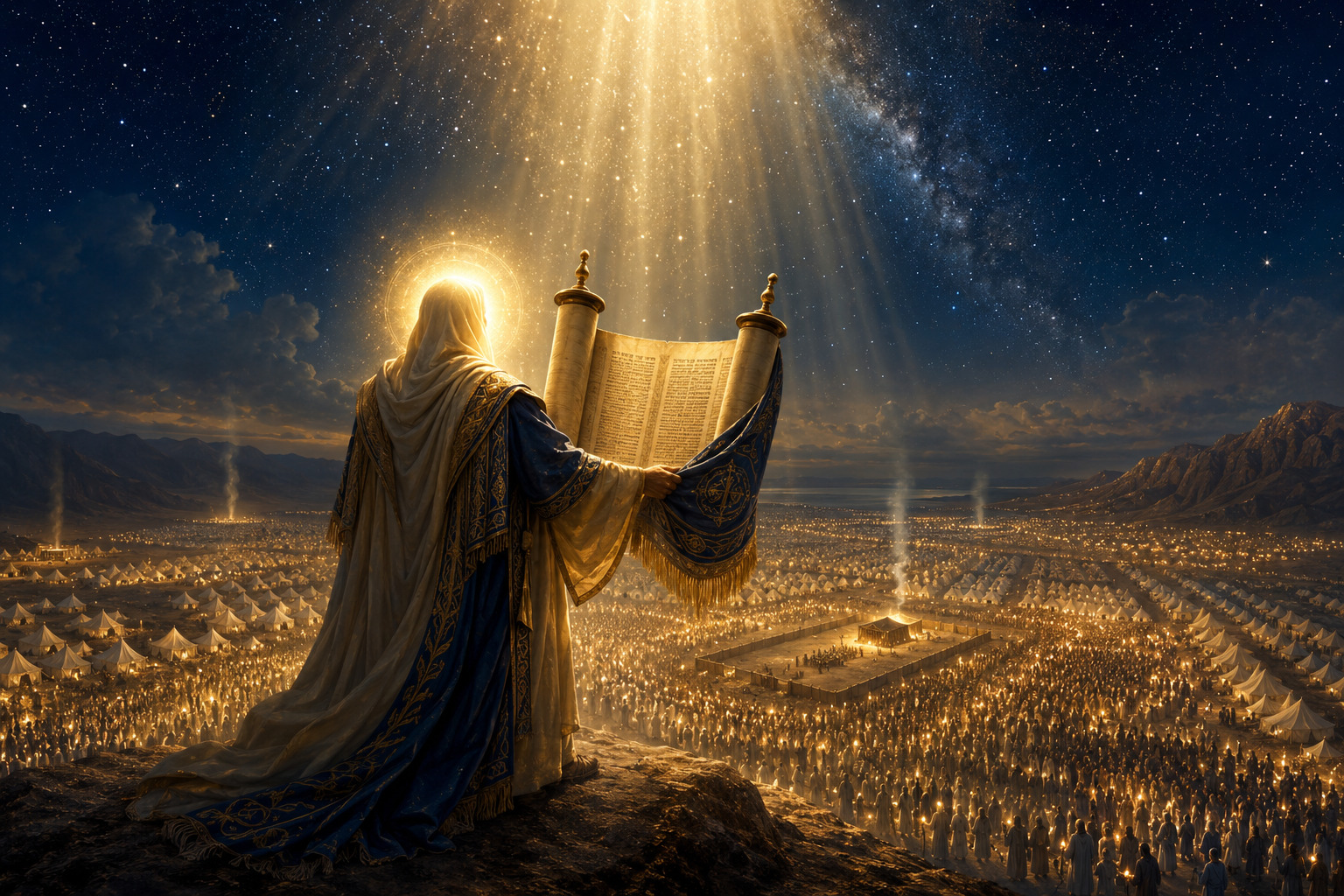
🕯️ לְעִלּוּי נִשְׁמַתשִׁיעוּר זֶה מוּקְדָּשׁ לְעִלּוּי נִשְׁמַת רוֹבֶּרְטוֹ בֶּן סֵרֵנָה (יוֹם פְּקֻדַּת שְׁנָתוֹ · כ״ב בְּתַמּוּז) וּלְעִלּוּי נִשְׁמַת רַבִּי עַמּוֹס בֶּן פוֹרְטוּנָה.תְּהֵא נִשְׁמָתָם צְרוּרָה בִּצְרוֹר הַחַיִּים. אָמֵן.
מַסְעֵי — אַרְבָּעִים וּשְׁתַּיִם הַמַּסָּעוֹת מִמִּצְרַיִם אֶל אֶרֶץ יִשְׂרָאֵל וְנִיצוֹצוֹת הַקְּדֻשָּׁה
פרשת מטות־מסעי · תשפ״ו · שיעור ג׳
שֵׁם מ״ב וְאַרְבָּעִים וּשְׁתַּיִם הַמַּסָּעוֹת
אַנָּא בְּכֹחַ · נִיצוֹצוֹת הַקְּדֻשָּׁה · מַעֲבָר מִמַּצָּב לְמַצָּב
שִׁיעוּר מֵאֵת מ. יְהוּדָה חִימִי
🎙️
🎙 השיעור המלא בהקלטה
מ. יהודה חימי — מסעי שיעור ג׳ · שם מ״ב וב״מ המסעות
⬇ הורד את ההקלטה
שֵׁם מ״ב וְאַרְבָּעִים וּשְׁתַּיִם הַמַּסָּעוֹת
מ. יהודה חימי · פרשת מטות־מסעי · שיעור ג׳

"אֵלֶּה מַסְעֵי בְּנֵי יִשְׂרָאֵל" — וְהַתּוֹרָה כּוֹתֶבֶת אֶת הַמַּסָּעוֹת מִשְּׁנֵי הַכִּוּוּנִים (מוֹצָאֵיהֶם לְמַסְעֵיהֶם / מַסְעֵיהֶם לְמוֹצָאֵיהֶם): לְעוֹלָם אַל תִּשְׁכַּח מֵאַיִן יָצָאתָ — וּלְאָן אַתָּה הוֹלֵךְ.

הַמַּפְתֵּחַ: אַרְבָּעִים וּשְׁתַּיִם הַמַּסָּעוֹת כְּנֶגֶד שֵׁם מ״ב אוֹתִיּוֹת הַמּוּצְפָּן בְּ"אַנָּא בְּכֹחַ" (רַבִּי נְחוּנְיָא בֶּן הַקָּנָה): שֶׁבַע שׁוּרוֹת × שֵׁשׁ מִילִים = 42.

כֹּחַ הַשֵּׁם: לַעֲבֹר מִמַּצָּב לְמַצָּב — חֹל→שַׁבָּת, לַיְלָה→יוֹם, עֵרוּת→שֵׁנָה, וּמִמִּצְרַיִם→אֶרֶץ יִשְׂרָאֵל. הָאוֹר הַחַיִּים: הַמַּסָּעוֹת נוֹעֲדוּ לְבָרֵר נִיצוֹצוֹת הַקְּדֻשָּׁה.

יוֹסֵף הַצַּדִּיק — שֵׁם מ״ב הֵגֵן עָלָיו כְּ"כִּפַּת בַּרְזֶל" ("אֵין מְאוּמָה בְּיָדוֹ", "מַצְלִיחַ בְּיָדוֹ" — רָאשֵׁי תֵּבוֹת מ״ב). כְּשֶׁהִתְחִיל לְסַלְסֵל בִּשְׂעָרוֹ — הַהֲגָנָה סָרָה.

📖 לְשִׁיעוּר הַמָּלֵא
א שְׁנֵי הַכִּוּוּנִים שֶׁל הַמַּסָּע — לְעוֹלָם אַל תִּשְׁכַּח מֵאַיִן בָּאתָ
אֵלֶּה מַסְעֵי בְנֵי יִשְׂרָאֵל אֲשֶׁר יָצְאוּ מֵאֶרֶץ מִצְרַיִם... וַיִּכְתֹּב מֹשֶׁה אֶת מוֹצָאֵיהֶם לְמַסְעֵיהֶם במדבר לג, א-ב

הַתּוֹרָה כּוֹתֶבֶת אֶת הַמַּסָּעוֹת מִשְּׁנֵי הַכִּוּוּנִים: פַּעַם "מוֹצָאֵיהֶם לְמַסְעֵיהֶם" (מֵאַיִן יָצְאוּ וּלְאָן נָסְעוּ), וּפַעַם "מַסְעֵיהֶם לְמוֹצָאֵיהֶם". לָמָּה? יֵשׁ מִי שֶׁאוֹמֵר "חָשׁוּב רַק לְאָן אֲנִי מַגִּיעַ", וְיֵשׁ הַהֵפֶךְ. הַתּוֹרָה אוֹמֶרֶת: גַּם זֶה וְגַם זֶה.

הַשֹּׁרֶשׁ שֶׁלָּנוּ הִתְגַּבֵּשׁ בְּמִצְרַיִם: בִּזְכוּת שֶׁלֹּא שִׁנּוּ אֶת מַלְבּוּשֵׁיהֶם, שְׂפָתָם וּשְׁמוֹתָם — 210 שָׁנָה. הַמּוֹצָא הֶחָזָק נוֹתֵן אֶת הַכֹּחַ לִצְמֹחַ וּלְהַגִּיעַ לָאָרֶץ; וּמִצַּד שֵׁנִי — גַּם בַּמִּדְבָּר אַל תִּתְיָאֵשׁ, יֵשׁ לְךָ כִּוּוּן לְאָן לָלֶכֶת.
ב אַרְבָּעִים וּשְׁתַּיִם הַמַּסָּעוֹת — כְּנֶגֶד שֵׁם מ״ב

מ״ב הַמַּסָּעוֹת מְכֻוָּנוֹת כְּנֶגֶד שֵׁם מ״ב אוֹתִיּוֹת — הַמּוּצְפָּן בַּתְּפִלָּה "אַנָּא בְּכֹחַ" שֶׁל רַבִּי נְחוּנְיָא בֶּן הַקָּנָה: שֶׁבַע שׁוּרוֹת, שֵׁשׁ מִילִים בְּכָל שׁוּרָה — 7 × 6 = 42.

אב״ג ית״ץ · קר״ע שט״ן · נג״ד יכ״ש · בט״ר צת״ג · חק״ב טנ״ע · יג״ל פז״ק · שק״ו צי״ת

יֵשׁ עוֹד שֵׁמוֹת קְדוֹשִׁים — שֵׁם בֶּן ד׳ אוֹתִיּוֹת, שֵׁם אֲדְנוּת, שֵׁם אֱלֹהִים (ה׳), וְשֵׁם בֶּן כ״ב הַמּוּצְפָּן בְּבִרְכַּת כֹּהֲנִים (אנקת״ם פסת״ם...). מִפְּנֵי כְּבוֹד הַשֵּׁם — אֵין מְבַטְּאִים אוֹתָם, אֶלָּא מִתְבּוֹנְנִים בְּרָאשֵׁי הַתֵּבוֹת בִּלְבַד.

ג כֹּחַ הַשֵּׁם — לַעֲבֹר מִמַּצָּב לְמַצָּב

כֹּחוֹ שֶׁל שֵׁם מ״ב הוּא הַמַּעֲבָר — לַעֲלוֹת מִמַּדְרֵגָה לְמַדְרֵגָה. לָכֵן אוֹמְרִים "אַנָּא בְּכֹחַ" בְּכָל נְקֻדַּת מַעֲבָר:

🕯️ עֶרֶב שַׁבָּת (חֹל → קֹדֶשׁ) · 🌅 קָרְבָּנוֹת שַׁחֲרִית (לַיְלָה → יוֹם) · 🛏️ קְרִיאַת שְׁמַע עַל הַמִּטָּה (עֵרוּת → שֵׁנָה) · 🌾 סְפִירַת הָעֹמֶר
⭐ אוֹתוֹ כֹּחַ בְּדִיּוּק נִדְרַשׁ כְּדֵי לַעֲבֹר מִמִּצְרַיִם לְאֶרֶץ יִשְׂרָאֵל — וְלָכֵן דַּוְקָא מ״ב מַסָּעוֹת, כְּנֶגֶד מ״ב אוֹתִיּוֹת הַשֵּׁם.
ד הָאוֹר הַחַיִּים הַקָּדוֹשׁ — בֵּרוּר נִיצוֹצוֹת הַקְּדֻשָּׁה

מֵחֵטְא אָדָם הָרִאשׁוֹן הִתְפַּזְּרוּ נִיצוֹצוֹת שֶׁל קְדֻשָּׁה — חֶלְקָם נָפְלוּ בְּאַדְמַת מִצְרַיִם, וְחֶלְקָם בַּמִּדְבָּר, מְקוֹמוֹ שֶׁל הַנָּחָשׁ (סמא״ל). כְּשֶׁיָּצְאוּ מִמִּצְרַיִם — "יָצְאוּ כָּל צִבְאוֹת ה'", כָּל הַנִּיצוֹצוֹת. אֲבָל נִשְׁאֲרוּ נִיצוֹצוֹת בַּמִּדְבָּר.

⭐ לְשׁוֹן הָאוֹר הַחַיִּים: הֲלִיכַת יִשְׂרָאֵל בַּמִּדְבָּר הָיְתָה לְבָרֵר נִיצוֹצֵי הַקְּדֻשָּׁה שֶׁבָּלַע אִישׁ הַבְּלִיַּעַל (הַנָּחָשׁ) — "לְהוֹצִיא בֻּלְעוֹ מִפִּיו". וְזֶהוּ הַטַּעַם שֶׁחָנוּ בְּמָקוֹם אֶחָד שָׁנָה, וּבְאַחֵר רַק שָׁעוֹת — הַכֹּל לְפִי הַנִּיצוֹצוֹת שֶׁבְּאוֹתוֹ מָקוֹם.

מָקוֹם שֶׁהָיוּ בּוֹ נִיצוֹצוֹת רַבִּים — נִשְׁאֲרוּ שָׁנָה אוֹ יוֹתֵר; מָקוֹם שֶׁהָיָה בּוֹ נִיצוֹץ אֶחָד — תּוֹךְ כְּדֵי הֲלִיכָה, שְׁתֵּים עֶשְׂרֵה שָׁעוֹת, אָסְפוּ וְהִמְשִׁיכוּ. מ״ב הַמַּסָּעוֹת = הַשְׁלָמַת הָעֲבוֹדָה.

ה שֵׁם מ״ב אֵצֶל מֹשֶׁה וְיוֹסֵף — "כִּפַּת בַּרְזֶל"

מֹשֶׁה הָרַג אֶת הַמִּצְרִי בְּכֹחַ הַשֵּׁם (רֶמֶז תק״ה, סוֹפֵי תֵּבוֹת "לְךָ נָאֶה לְהוֹדוֹת") — וְיֵשׁ אוֹמְרִים בְּשֵׁם מ״ב; וְלָכֵן אָמַר לוֹ הָעִבְרִי "הַלְהָרְגֵנִי אַתָּה אֹמֵר כַּאֲשֶׁר הָרַגְתָּ" — יָדַע שֶׁהֲרָגוֹ בְּשֵׁם.

וְיוֹסֵף הַצַּדִּיק — אֵיזוֹ הֲגָנָה הָיְתָה לוֹ בְּמִצְרַיִם? שֵׁם מ״ב, כְּ"כִּפַּת בַּרְזֶל".
⭐ הָרֶמֶז: "וַיַּרְא... כִּי אֵין מְאוּמָה בְּיָדוֹ" — רָאשֵׁי תֵּבוֹת מ״ב; "וַיַּרְא... כִּי ה' מַצְלִיחַ בְּיָדוֹ" — שׁוּב מ״ב. כָּל עוֹד יוֹסֵף הָיָה שָׁקוּעַ בְּצַעַר אָבִיו — הַשֵּׁם הֵגֵן עָלָיו.

אַךְ כְּשֶׁ"הָיָה מְסַלְסֵל בִּשְׂעָרוֹ" (עוֹמֵד לִפְנֵי הַמַּרְאָה וּמִתְיַפֶּה), אָמַר הַקָּדוֹשׁ בָּרוּךְ הוּא: "אָבִיךָ מִתְאַבֵּל וְאַתָּה מְסַלְסֵל?!" — וְהַמַּלְאָךְ הַמְמֻנֶּה עַל הַשֵּׁם סָר מִמֶּנּוּ. בְּאוֹתוֹ רֶגַע: "וַתִּשָּׂא אֵשֶׁת אֲדֹנָיו אֶת עֵינֶיהָ" — פִּתְאוֹם רָאֲתָה אוֹתוֹ.

ו הַצָּלַת יוֹסֵף — הַשֵּׁם שֶׁמַּעֲבִיר מִמַּצָּב לְמַצָּב

כְּשֶׁדָּחָה אוֹתָהּ: "וַיֹּאמֶר אֶל אֵשֶׁת אֲדֹנָיו... הֵן אֲדֹנִי לֹא יָדַע אִתִּי מַה בַּבַּיִת..." — הַגִּימַטְרִיָּה שֶׁל הַפָּסוּק כְּנֶגֶד רָאשֵׁי הַתֵּבוֹת שֶׁל שֵׁם מ״ב (אב״ג ית״ץ קר״ע שט״ן...). בְּרֶגַע שֶׁאָמַר אֶת הַמִּלִּים — חָזַר אֵלָיו הַשֵּׁם.

⭐ וְאָז "רָאָה דְּמוּת דְּיוֹקְנוֹ שֶׁל אָבִיו בַּחַלּוֹן". "חַלּוֹן" בַּתּוֹרָה = מָסָךְ, חָזוֹן (כְּמוֹ "בְּעַד הַחַלּוֹן נִשְׁקְפָה"). שֵׁם מ״ב — כֹּחַ הַטְּרַנְסְפוֹרְמַצְיָה — הֶעֱבִיר אֶת דְּיוֹקַן יַעֲקֹב מֵאֶרֶץ כְּנַעַן אֶל דִּמְיוֹנוֹ, וּבָזֶה נִצַּל.
לְמַעֲשֶׂה: כְּשֶׁאוֹמְרִים "אַנָּא בְּכֹחַ" — מוּמְלָץ לְהִסְתַּכֵּל בְּרָאשֵׁי הַתֵּבוֹת (אב״ג ית״ץ...) וְלוֹמַר אֶת הַמִּלִּים. כָּךְ סוֹפְגִים אֶת הַכֹּחַ לַעֲבֹר מִמַּצָּב לְמַצָּב וּלְקַבֵּל הֲגָנָה רוּחָנִית.

רוֹצֶה לְהַעֲמִיק בְּסוֹד הַתְּפִלָּה? לְעַמּוּד לִימוּד הָעֲמִידָה ←

🎯 בְּדֹק אֶת עַצְמְךָ

חָמֵשׁ שְׁאֵלוֹת. לְחַץ עַל הַתְּשׁוּבָה.

1
לָמָּה כּוֹתֶבֶת הַתּוֹרָה אֶת הַמַּסָּעוֹת מִשְּׁנֵי הַכִּוּוּנִים?
"מוֹצָאֵיהֶם לְמַסְעֵיהֶם" וְגַם "מַסְעֵיהֶם לְמוֹצָאֵיהֶם" — גַּם הַמּוֹצָא וְגַם הַיַּעַד חֲשׁוּבִים. הַשֹּׁרֶשׁ נוֹתֵן כֹּחַ, וְהַיַּעַד נוֹתֵן תִּקְוָה.
2
מַהוּ הַמִּבְנֶה שֶׁל "אַנָּא בְּכֹחַ"?
שֶׁבַע שׁוּרוֹת, שֵׁשׁ מִילִים בְּכָל אַחַת — רָאשֵׁי הַתֵּבוֹת מַרְכִּיבִים אֶת שֵׁם מ״ב אוֹתִיּוֹת, כְּנֶגֶד מ״ב הַמַּסָּעוֹת.
3
מַהוּ כֹּחוֹ הַמְיֻחָד שֶׁל שֵׁם מ״ב לְפִי הַשִּׁיעוּר?
לָכֵן אוֹמְרִים אוֹתוֹ בְּעֶרֶב שַׁבָּת, בַּקָּרְבָּנוֹת, בִּקְרִיאַת שְׁמַע עַל הַמִּטָּה וּבִסְפִירַת הָעֹמֶר — וּמִמִּצְרַיִם לְאֶרֶץ יִשְׂרָאֵל.
4
לְפִי הָאוֹר הַחַיִּים — לָמָּה חָנוּ פַּעַם שָׁנָה וּפַעַם שָׁעוֹת?
הַהֲלִיכָה נוֹעֲדָה לְבָרֵר נִיצוֹצוֹת שֶׁבָּלַע הַנָּחָשׁ. הַרְבֵּה נִיצוֹצוֹת — שָׁנָה; נִיצוֹץ אֶחָד — שְׁתֵּים עֶשְׂרֵה שָׁעוֹת.
5
מָה גָּרַם לְיוֹסֵף לְאַבֵּד אֶת הֲגָנַת הַשֵּׁם?
"אָבִיךָ מִתְאַבֵּל וְאַתָּה מְסַלְסֵל?!" — הַמַּלְאָךְ הַמְמֻנֶּה עַל הַשֵּׁם סָר, וּמִיָּד "וַתִּשָּׂא אֵשֶׁת אֲדֹנָיו אֶת עֵינֶיהָ".

תּוֹצָאָה

📅 תָּכְנִית שִׁבְעַת הַיָּמִים — מַסְעֵי שִׁיעוּר ג׳
יוֹם רִאשׁוֹן
קְרָא בְּמִדְבַּר ל"ג. שִׂים לֵב כֵּיצַד הַתּוֹרָה כּוֹתֶבֶת אֶת הַמַּסָּעוֹת מִשְּׁנֵי הַכִּוּוּנִים.
יוֹם שֵׁנִי
אֱמֹר "אַנָּא בְּכֹחַ" — וְהַפַּעַם הִסְתַּכֵּל בְּרָאשֵׁי הַתֵּבוֹת (אב״ג ית״ץ...) בְּזִהִירוּת וּבְכַוָּנָה.
יוֹם שְׁלִישִׁי
אֵיזֶה "מַעֲבָר" קָשֶׁה יֵשׁ לְךָ הַיּוֹם? הִשְׁתַּמֵּשׁ בְּ"אַנָּא בְּכֹחַ" כְּדֵי לַעֲבֹר מִמַּצָּב לְמַצָּב.
יוֹם רְבִיעִי
לְשׁוֹן הָאוֹר הַחַיִּים: כָּל מָקוֹם וְנִיצוֹצוֹתָיו. אֵיזֶה נִיצוֹץ קְדֻשָּׁה אַתָּה יָכוֹל לְהוֹצִיא הַיּוֹם מִדָּבָר גַּשְׁמִי?
יוֹם חֲמִישִׁי
זְכֹר מֵאַיִן בָּאתָ: הַשֹּׁרֶשׁ שֶׁלְּךָ נוֹתֵן כֹּחַ. אַל תִּתְיָאֵשׁ בְּ"מִדְבָּר" — יֵשׁ לְךָ כִּוּוּן.
יוֹם שִׁשִּׁי
בְּעֶרֶב שַׁבָּת, בְּ"אַנָּא בְּכֹחַ" שֶׁל קַבָּלַת שַׁבָּת — כַּוֵּן לַמַּעֲבָר מֵחֹל לְקֹדֶשׁ.
שַׁבָּת
מַעֲשֵׂה יוֹסֵף: הָרְצִינוּת שׁוֹמֶרֶת. הִתְבּוֹנֵן הֵיכָן "לְסַלְסֵל בַּשֵּׂעָר" מַפִּיל אֶת הַהֲגָנָה הָרוּחָנִית.
אַרְבָּעָה צְעָדִים מַעֲשִׂיִּים
🏠

שָׁלוֹם בַּיִת — מַעֲבָר טוֹב בַּבַּיִת

כָּל מַעֲבָר מַתְחִיל בַּבַּיִת. גַּלֵּה כַּרְטִיס שָׁלוֹם בַּיִת.

🔢

גִּימַטְרִיָּה — הַרַב מְנַשֶּׁה

שָׁלוֹם, מָשִׁיחַ, יִסְמַךְ — סוֹדוֹת הָאוֹתִיּוֹת לְפִי הָרַב מְנַשֶּׁה זצ"ל.

🔢 קוּרְס גִּימַטְרִיָּה
📝

לִימוּד תּוֹרָה

הַעֲמֵק בְּבַעַל הַטּוּרִים וְרַשִׁ"י עַל פָּרָשַׁת מַטּוֹת־מַסְעֵי.

📝 בֵּית הַמִּדְרָשׁ
📚

כָּל הַפָּרָשִׁיּוֹת

כָּל שִׁיעוּרֵי מ. יְהוּדָה חִימִי — מִבְּרֵאשִׁית עַד דְּבָרִים וְעַד הַחַגִּים.

📚 כָּל הַפָּרָשִׁיּוֹת
📕

סְפָרִים

חָכְמַת הַתּוֹרָה בְּפוֹרְמַט תְּרִיילֶר — הוֹצָאַת גְּאוּלָה.

🌙

פֵּרוּשׁ חֲלוֹמוֹת

חָלַמְתָּ? בְּדֹק אֶת הַמַּשְׁמָעוּת לְפִי רַב אַלְמוֹלִי.

🌙 פֵּרוּשׁ חֲלוֹמוֹת
🎬

סִרְטוֹנִים

שִׁיעוּרֵי וִידֵאוֹ עַל הַחַגִּים, הַמְּנוֹרָה וְסוֹדוֹת הַמִּשְׁכָּן.

🎬 סִרְטוֹנִים
💡

תֵּיבַת רַעְיוֹנוֹת

רַעְיוֹן, הֶעָרָה אוֹ הַצָּעָה לָאֲתָר? שַׁתֵּף אוֹתָנוּ.

💡 תֵּיבַת רַעְיוֹנוֹת
🤝

מַעֲשֵׂר

תֵּן אֶת חֵלֶק הַמַּעֲשֵׂר שֶׁלְּךָ וְהִשְׁתַּתֵּף בַּהֲפָצַת הַתּוֹרָה.

🤝 מַעֲשֵׂר
📨 קַבְּלוּ אֶת הַשִּׁיעוּר הַשְּׁבוּעִי
כָּל שָׁבוּעַ, יָשִׁיר לְתֵיבַת הַמֵּייל. בְּלִי סְפַּאם. בִּיטּוּל בִּלְחִיצָה.
🕯️ הַקְדֵּשׁ אֶת הַשִּׁיעוּר
הַקְדֵּשׁ אֶת הַשִּׁיעוּר לְעִלּוּי נִשְׁמַת, לִרְפוּאָה אוֹ לְהַצְלָחָה — הַשֵּׁם שֶׁלְּךָ יוֹפִיעַ עַל הַדַּף וְעַל מוּר הַהַקְדָּשׁוֹת.
🧱 לְמוּר הַהַקְדָּשׁוֹת ←
אני מאשים את האומות

אֲנִי מַאֲשִׁים אֶת הָאֻמּוֹת

תְּרִיילֶר רוּחָנִי · דֵּיוִיד גּוֹלְדְבֶּרְג

כְּשֶׁהָאֻמּוֹת מְבַזּוֹת אֶת יִחוּסוֹ שֶׁל עַם יִשְׂרָאֵל — וְאִישׁ אֶחָד קָם לְהָעִיד עַל הָאֱמֶת. תְּרִיילֶר שֶׁנּוֹגֵעַ בַּשֵּׁם יָ-הּ הֶחָתוּם בְּתוֹךְ כָּל יְהוּדִי.

📕 לִקְרִיאַת הַסֵּפֶר · ₪36.90
🕯️ In memory ofThis shiur is dedicated to the memory of Roberto ben Serena (on his yahrzeit · 22 Tammuz) and Rabbi Amos ben Fortouna.May their souls be bound in the bond of life. Amen.
Massei — the 42 journeys of Israel from Egypt to the Land, Moshe writing the Sefer Torah and the sparks of holiness
Parashat Matot-Massei · 5786 · Shiur 3
The 42-Letter Name & the 42 Journeys
Ana BeKoach · The Sparks of Holiness · Moving From State to State
A shiur by M. Yéhouda Himi
🎙️
🎙 Full recorded shiur · M. Yéhouda Himi
Massei — Shiur 3 · The 42-Letter Name & the 42 Journeys
⬇ Download the recording
The 42-Letter Name & the 42 Journeys
M. Yéhouda Himi · Parashat Matot-Massei · Shiur 3

"These are the journeys of the children of Israel" — and the Torah records them in both directions (their departures by their journeys / their journeys by their departures): never forget where you came from — or where you are going.

The key: the 42 journeys correspond to the 42-letter Divine Name hidden in Ana BeKoach (Rabbi Nechunia ben Hakana): seven lines × six words = 42.

Its power: to move from one state to another — weekday→Shabbat, night→day, waking→sleep, and Egypt→the Land. The Ohr HaChaim: the journeys served to extract the sparks of holiness.

Yosef the Tzaddik — the Name shielded him like an "iron dome" (ein me'uma beyado, matzliach beyado — the initials spell 42). When he began to primp, the shield lifted.

📖 Read the full shiur
1 The Two Directions of the Journey — Never Forget Where You Came From
These are the journeys of the children of Israel who went out of the land of Egypt... and Moshe wrote their departures by their journeys Bamidbar 33:1-2

The Torah records the journeys in both directions: once "their departures by their journeys" (from where they left and where they traveled), and once "their journeys by their departures." Why? Some say "only my destination matters"; others the reverse. The Torah says: both.

Our roots were forged in Egypt: through not changing their dress, their language, or their names — for 210 years. A strong origin gives the strength to grow and reach the Land; and on the other hand — even in the "desert," never despair: you have a direction to walk toward.
2 The 42 Journeys — Mirroring the 42-Letter Name

The 42 journeys correspond to the 42-letter Divine Name — hidden in the prayer "Ana BeKoach" of Rabbi Nechunia ben Hakana: seven lines, six words each — 7 × 6 = 42.

אב״ג ית״ץ · קר״ע שט״ן · נג״ד יכ״ש · בט״ר צת״ג · חק״ב טנ״ע · יג״ל פז״ק · שק״ו צי״ת

There are other holy Names — the four-letter Name, Adnut, Elokim (five), and the 22-letter Name encoded in the Priestly Blessing. Out of reverence for the Name, one does not pronounce them — one contemplates only their initials.

3 The Power of the Name — Moving From State to State

The power of the 42-letter Name is transition — rising from one level to the next. That is why "Ana BeKoach" is said at every point of passage:

🕯️ Shabbat eve (weekday → holy) · 🌅 morning offerings (night → day) · 🛏️ the bedtime Shema (waking → sleep) · 🌾 the Counting of the Omer
⭐ The very same power was needed to pass from Egypt to the Land of Israel — and so, precisely 42 journeys, mirroring the 42 letters of the Name.
4 The Ohr HaChaim HaKadosh — Gathering the Sparks of Holiness

From the sin of Adam, sparks of holiness scattered — some fell into the soil of Egypt, others into the desert, the domain of the serpent (Samael). When they left Egypt — "all the hosts of Hashem went out," all the sparks. But sparks remained in the desert.

⭐ In the words of the Ohr HaChaim: Israel's wandering in the desert was to extract the sparks of holiness swallowed by the serpent — "to draw out his prey from his mouth." This is why they camped a year in one place and mere hours in another — all according to the sparks in that place.

A place with many sparks — they stayed a year or more; a place with a single spark — they gathered it in twelve hours of travel and moved on. The 42 journeys = the completion of the work.

5 The 42-Letter Name with Moshe and Yosef — the "Iron Dome"

Moshe struck down the Egyptian by the power of the Name (hinted in the initials of "lekha na'e lehodot") — some say by the 42-letter Name; hence the Hebrew said "do you intend to kill me as you killed" — he knew it was done by a Name.

And Yosef the Tzaddik — what protection did he have in Egypt? The 42-letter Name, like an "iron dome."
⭐ The hint: "there was nothing (ein me'uma) in his hand" — the initials spell 42; "Hashem made him prosper (matzliach beyado)" — again 42. As long as Yosef was immersed in grief for his father, the Name shielded him.

But when he "began to curl his hair" (standing at the mirror, primping), the Holy One said: "Your father mourns and you primp?!" — and the angel appointed over the Name departed. At that very moment: "his master's wife lifted her eyes" — suddenly she saw him.

6 Yosef's Deliverance — the Name That Transports From State to State

When he refused her — "he said to his master's wife... behold, my master knows nothing of what is in the house..." — the gematria of the verse matches the initials of the 42-letter Name (א״ב ית״ץ קר״ע שט״ן...). The moment he spoke those words, the Name returned to him.

⭐ Then he "saw the image of his father in the window." In the Torah, "window" means a screen, a vision (as in "she looked out through the window"). The 42-letter Name — the power of transformation — carried the image of Yaakov from the land of Canaan into his mind, and by this he was saved.
In practice: when saying "Ana BeKoach," look at the initials (אב״ג ית״ץ...) as you say the words. In this way you absorb the power to move from state to state and to receive spiritual protection.

Want to go deeper into the secret of prayer? To the Amida study page →

🎯 Test Yourself

Five questions. Click on an answer.

1
Why does the Torah record the journeys in both directions?
"Their departures by their journeys" and "their journeys by their departures" — both origin and destination matter. Roots give strength; the destination gives hope.
2
What is the structure of "Ana BeKoach"?
Seven lines, six words each — their initials compose the 42-letter Name, mirroring the 42 journeys.
3
What is the special power of the 42-letter Name in this shiur?
That is why it is said on Shabbat eve, at the offerings, at the bedtime Shema and the Omer — and to pass from Egypt to the Land.
4
Per the Ohr HaChaim, why camp sometimes a year, sometimes mere hours?
The wandering was to extract sparks swallowed by the serpent. Many sparks — a year; a single spark — twelve hours.
5
What caused Yosef to lose the Name's protection?
"Your father mourns and you primp?!" — the angel over the Name departed, and at once "his master's wife lifted her eyes."

Result

📅 Seven-Day Programme — Massei Shiur 3
Sunday
Read Bamidbar 33. Notice how the Torah records the journeys in both directions.
Monday
Say "Ana BeKoach" — this time, gaze at the initials (אב״ג ית״ץ...) with care and intention.
Tuesday
What difficult "transition" do you face today? Use "Ana BeKoach" to move from state to state.
Wednesday
The Ohr HaChaim: every place and its sparks. Which spark of holiness can you draw today out of something material?
Thursday
Remember where you came from: your roots give strength. Do not despair in the "desert" — you have a direction.
Friday eve
At the "Ana BeKoach" of Kabbalat Shabbat — focus on the passage from weekday to holy.
Shabbat
The Yosef story: seriousness protects. Reflect on where "primping" makes your spiritual shield lift.
Four Practical Steps
🏠

Shalom Bayit — A Good Passage at Home

Every transition begins at home. Reveal a Shalom Bayit card.

🔢

Gematria — Rav Ménaché

Shalom, Mashiah, Yisamech — secrets of the letters by Rav Ménaché zatsal.

🔢 Gematria Course
📝

Torah Study

Dig deeper into the Baal HaTurim and Rashi on Parashat Matot-Massei.

📝 Beith Hamidrach
📚

All Parashot

All shiurim of M. Yéhouda Himi — from Bereshit to Devarim and the festivals.

📚 All Parashot
📕

Books

Torah wisdom in thriller format — Éditions Gueoula.

🌙

Dream Interpretation

Did you dream? Check the meaning according to Rav Almoli.

🌙 Dreams
🎬

Videos

Video shiurim on the festivals, the Menorah and the secrets of the Mishkan.

🎬 Videos
💡

Idea Box

An idea, a remark, a suggestion for the site? Share it with us.

💡 Idea Box
🤝

Maasser

Give your Maasser and take part in spreading Torah.

🤝 Maasser
📨 Get the Weekly Shiur
Every week, straight to your inbox. No spam. One-click unsubscribe.
🕯️ Dedicate This Shiur
Dedicate this shiur in memory, for healing or for success — your name appears on the page and on the Wall of Dedications.
🧱 Wall of Dedications →
The Dream Thief

The Dream Thief

A spiritual thriller · David Goldberg

When the nations cast doubt on the lineage of Israel — and one man rises to testify to the truth. A thriller rooted in the Name Y-H sealed within every Jew, drawn from Talmud and Kabbalah.

📕 Read the Book · $9.90
🕯️ À l'élévation de l'âme deCe cours est dédié à l'élévation de l'âme de Roberto ben Serena (jour de son yahrzeit · 22 Tamouz) et de Rabbi Amos ben Fortouna.Que leurs âmes soient liées au faisceau de la vie. Amen.
Massei — les 42 voyages d'Israël de l'Égypte vers la Terre, Moshé écrivant le Sefer Torah et les étincelles de sainteté
Paracha Matot-Massei · 5786 · Cours 3
Le Nom de 42 lettres et les 42 voyages
Ana BeKoah · les étincelles de sainteté · passer d'un état à l'autre
Cours de M. Yéhouda Himi
🎙️
🎙 Écouter le cours · M. Yéhouda Himi
Massei — Cours 3 · Le Nom de 42 lettres et les 42 voyages
⬇ Télécharger l'enregistrement
Le Nom de 42 lettres et les 42 voyages
M. Yéhouda Himi · Paracha Matot-Massei · Cours 3

« Voici les voyages des enfants d'Israël » — et la Torah les écrit dans les deux sens (leurs départs par leurs voyages / leurs voyages par leurs départs) : n'oublie jamais d'où tu viens — ni où tu vas.

La clé : les 42 voyages correspondent au Nom divin de 42 lettres caché dans Ana BeKoah (Rabbi Neh'ounia ben Hakana) : sept lignes × six mots = 42.

Son pouvoir : passer d'un état à l'autre — profane→Shabbat, nuit→jour, éveil→sommeil, et Égypte→la Terre. L'Or HaHaïm : les voyages servaient à extraire les étincelles de sainteté.

Yossef le Tsaddik — le Nom le protégeait comme un « dôme de fer » (ein me'ouma beyado, matsliah beyado — les initiales font 42). Dès qu'il se pomponna, la protection se retira.

📖 Lire le cours complet
1 Les deux sens du voyage — n'oublie jamais d'où tu viens
Voici les voyages des enfants d'Israël qui sortirent du pays d'Égypte... et Moshé écrivit leurs départs selon leurs voyages Bamidbar 33:1-2

La Torah écrit les voyages dans les deux sens : une fois « leurs départs selon leurs voyages » (d'où ils sont partis et où ils ont voyagé), une fois « leurs voyages selon leurs départs ». Pourquoi ? Certains disent « seule ma destination compte » ; d'autres l'inverse. La Torah dit : les deux.

Nos racines se sont forgées en Égypte : parce qu'ils n'ont changé ni leurs habits, ni leur langue, ni leurs noms — pendant 210 ans. Une origine forte donne la force de croître et d'atteindre la Terre ; et d'autre part — même dans le « désert », ne désespère jamais : tu as une direction vers où marcher.
2 Les 42 voyages — face au Nom de 42 lettres

Les 42 voyages correspondent au Nom divin de 42 lettres — caché dans la prière « Ana BeKoah » de Rabbi Neh'ounia ben Hakana : sept lignes, six mots chacune — 7 × 6 = 42.

אב״ג ית״ץ · קר״ע שט״ן · נג״ד יכ״ש · בט״ר צת״ג · חק״ב טנ״ע · יג״ל פז״ק · שק״ו צי״ת

Il existe d'autres Noms saints — le Nom de quatre lettres, Adnout, Elohim (cinq), et le Nom de 22 lettres encodé dans la Bénédiction des Cohanim. Par respect du Nom, on ne les prononce pas — on contemple seulement leurs initiales.

3 Le pouvoir du Nom — passer d'un état à l'autre

Le pouvoir du Nom de 42 lettres est le passage — s'élever d'un niveau à l'autre. C'est pourquoi on dit « Ana BeKoah » à chaque point de transition :

🕯️ veille de Shabbat (profane → saint) · 🌅 offrandes du matin (nuit → jour) · 🛏️ Kriat Shema al hamita (éveil → sommeil) · 🌾 le Compte du Omer
⭐ Le même pouvoir, exactement, fut nécessaire pour passer de l'Égypte à la Terre d'Israël — d'où, précisément, 42 voyages, face aux 42 lettres du Nom.
4 L'Or HaHaïm HaKadoch — le tri des étincelles de sainteté

De la faute d'Adam, des étincelles de sainteté se sont dispersées — certaines tombées dans la terre d'Égypte, d'autres au désert, domaine du serpent (Samaël). À la sortie d'Égypte — « toutes les armées d'Hachem sortirent », toutes les étincelles. Mais il en restait au désert.

⭐ Selon l'Or HaHaïm : l'errance d'Israël au désert servait à extraire les étincelles de sainteté englouties par le serpent — « faire sortir sa proie de sa bouche ». C'est pourquoi ils campaient un an à un endroit et quelques heures à un autre — tout selon les étincelles de ce lieu.

Un lieu aux étincelles nombreuses — ils restaient un an ou plus ; un lieu à une seule étincelle — ils la recueillaient en douze heures de marche et poursuivaient. Les 42 voyages = l'achèvement du travail.

5 Le Nom de 42 chez Moshé et Yossef — le « dôme de fer »

Moshé tua l'Égyptien par le pouvoir du Nom (allusion dans les finales de « lekha na'e lehodot ») — certains disent par le Nom de 42 lettres ; d'où l'Hébreu qui dit « comptes-tu me tuer comme tu as tué » — il savait que c'était par un Nom.

Et Yossef le Tsaddik — quelle protection avait-il en Égypte ? Le Nom de 42 lettres, tel un « dôme de fer ».
⭐ L'allusion : « il n'y avait rien (ein me'ouma) dans sa main » — les initiales font 42 ; « Hachem faisait réussir (matsliah beyado) » — de nouveau 42. Tant que Yossef restait plongé dans le deuil de son père, le Nom le protégeait.

Mais lorsqu'il « se mit à boucler ses cheveux » (debout devant le miroir, à se pomponner), le Saint béni soit-Il dit : « Ton père est en deuil et toi tu te pomponnes ?! » — et l'ange préposé au Nom se retira. À cet instant même : « la femme de son maître leva les yeux » — soudain elle le vit.

6 Le salut de Yossef — le Nom qui fait passer d'un état à l'autre

Quand il la repoussa — « il dit à la femme de son maître... voici, mon maître ne sait rien de ce qui est dans la maison... » — la guématria du verset correspond aux initiales du Nom de 42 lettres (אב״ג ית״ץ קר״ע שט״ן...). Dès qu'il prononça ces mots, le Nom lui revint.

⭐ Alors il « vit l'image de son père dans la fenêtre ». Dans la Torah, « fenêtre » signifie un écran, une vision (comme « elle regardait par la fenêtre »). Le Nom de 42 lettres — le pouvoir de transformation — transporta l'image de Yaakov du pays de Canaan jusqu'à son imagination, et par là il fut sauvé.
En pratique : quand on dit « Ana BeKoah », regarde les initiales (אב״ג ית״ץ...) en prononçant les mots. Ainsi tu absorbes le pouvoir de passer d'un état à l'autre et de recevoir une protection spirituelle.

Envie d'approfondir le secret de la prière ? Vers la page d'étude de la Amida →

🎯 Teste-toi

Cinq questions. Clique sur une réponse.

1
Pourquoi la Torah écrit-elle les voyages dans les deux sens ?
« Leurs départs selon leurs voyages » et « leurs voyages selon leurs départs » — l'origine et la destination comptent toutes deux. Les racines donnent la force, la destination donne l'espoir.
2
Quelle est la structure de « Ana BeKoah » ?
Sept lignes, six mots chacune — leurs initiales composent le Nom de 42 lettres, face aux 42 voyages.
3
Quel est le pouvoir particulier du Nom de 42 selon le cours ?
C'est pourquoi on le dit la veille de Shabbat, aux offrandes, au Shema du coucher et au Omer — et pour passer d'Égypte à la Terre.
4
Selon l'Or HaHaïm, pourquoi camper parfois un an, parfois quelques heures ?
L'errance servait à extraire les étincelles englouties par le serpent. Beaucoup d'étincelles — un an ; une seule — douze heures.
5
Qu'est-ce qui a fait perdre à Yossef la protection du Nom ?
« Ton père est en deuil et toi tu te pomponnes ?! » — l'ange préposé au Nom se retira, et aussitôt « la femme de son maître leva les yeux ».

Résultat

📅 Programme de sept jours — Massei Cours 3
Dimanche
Lis Bamidbar 33. Observe comment la Torah écrit les voyages dans les deux sens.
Lundi
Dis « Ana BeKoah » — cette fois, regarde les initiales (אב״ג ית״ץ...) avec soin et intention.
Mardi
Quel « passage » difficile as-tu aujourd'hui ? Sers-toi de « Ana BeKoah » pour passer d'un état à l'autre.
Mercredi
L'Or HaHaïm : chaque lieu et ses étincelles. Quelle étincelle de sainteté peux-tu extraire aujourd'hui d'une chose matérielle ?
Jeudi
Souviens-toi d'où tu viens : tes racines donnent la force. Ne désespère pas dans le « désert » — tu as une direction.
Vendredi soir
Au « Ana BeKoah » de Kabbalat Shabbat — concentre-toi sur le passage du profane au saint.
Chabbat
L'épisode de Yossef : le sérieux protège. Réfléchis à l'endroit où « se pomponner » fait retomber ton bouclier spirituel.
Quatre étapes pratiques
🏠

Chalom Bayit — un bon passage à la maison

Chaque passage commence à la maison. Découvre une carte Chalom Bayit.

🔢

Guématria — Rav Menaché

Connexions cachées dans les noms selon Rav Menaché zatsal.

🔢 Cours de guématria
📝

Étude Torah

Approfondis le Baal HaTourim et Rachi sur la Paracha Matot-Massei.

📝 Beith Hamidrach
📚

Toutes les Parachiot

Tous les cours de M. Yéhouda Himi — de Béréchit à Devarim et les fêtes.

📚 Toutes les Parachiot
📕

Livres

La sagesse de la Torah en format thriller — Éditions Gueoula.

🌙

Interprétation des rêves

As-tu rêvé ? Vérifie sa signification selon Rav Almoli.

🌙 Rêves
🎬

Vidéos

Shiourim vidéo sur les fêtes, la ménora et les secrets du Michkan.

🎬 Vidéos
💡

Boîte à idées

Une idée, une remarque, une suggestion pour le site ? Partage-la avec nous.

💡 Boîte à idées

🤝

Maasser

Donne ta part de Maasser et participe à la diffusion de la Torah.

🤝 Maasser
📨 Recevoir le cours hebdomadaire
Chaque semaine, directement dans votre boîte. Sans spam. Désinscription en un clic.
🕯️ Dédier ce cours
Dédie ce cours à l'élévation d'une âme, pour une guérison ou une réussite — ton nom apparaîtra sur la page et sur le mur des dédicaces.
🧱 Voir le mur des dédicaces →
Le Voleur de Rêves

Le Voleur de Rêves

Un thriller mystique · David Goldberg

Quand les nations jettent le doute sur la lignée d'Israël — et qu'un homme se lève pour témoigner de la vérité. Un thriller ancré dans le Nom Y-H scellé en chaque Juif, puisé dans le Talmud et la Kabbale.

📕 Lire le livre · 9,90 €