בס״ד
Paracha Vayé'hi • וַיְחִי • Béréchit 47:28 - 50:26

יְשִׂמְךָ אֱלֹהִים — Les Deux Piliers du Mashia'h

Pourquoi Yéhouda a mérité la royauté et Yossef le premier rôle messianique ? Les qualités exceptionnelles d'Efraim et Menashé, le secret de la bénédiction des enfants, et la différence fondamentale entre savoir revenir en téchouva et savoir fuir le péché. Selon l'enseignement du Rav Acher Cohen.

Introduction : La Bénédiction du Vendredi Soir

Chaque vendredi soir, nous bénissons nos enfants avec ces mots :

« Yessimkha Elohim ké-Efraim ou-khé-Menashé »

Que D.ieu te rende comme Efraim et Menashé.

Mais pourquoi eux ? Pourquoi pas « comme Avraham Avinou » ou « comme Yaakov » ? Qu'ont-ils de si spécial, ces deux fils de Yossef nés en Égypte ?

Nos Sages nous révèlent que Efraim et Menashé possédaient deux qualités extraordinaires qui les distinguaient de tous les autres : l'absence totale de jalousie et la capacité de rester juif dans un environnement hostile.

1. L'Absence de Jalousie

Une Leçon pour Toutes les Générations

Rappelons-nous : les fils de Yaakov ont haï Yossef. Ils ne pouvaient pas lui parler en paix. La jalousie a failli détruire la famille.

Et voici que Yossef amène ses deux fils devant Yaakov pour recevoir la bénédiction. Que se passe-t-il ?

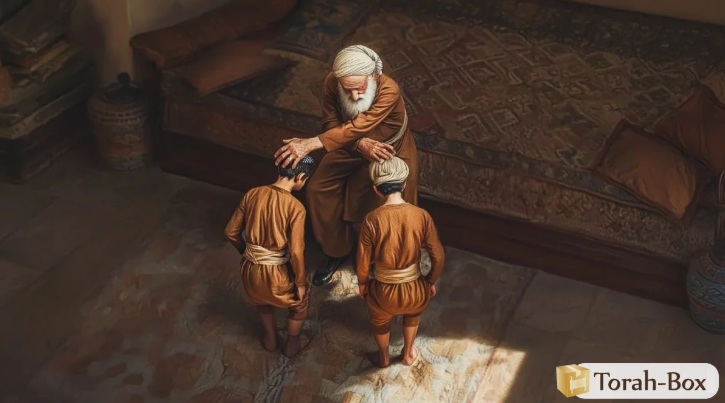
Yaakov croise ses mains : il pose sa main droite — la plus importante — sur Efraim, le plus jeune, et sa main gauche sur Menashé, l'aîné.

Le fils aîné voit qu'on lui préfère son petit frère. Et pourtant... aucune jalousie. Pas de réclamation, pas d'amertume, pas de « pourquoi lui et pas moi ? »

C'est exactement l'inverse de ce qui s'était passé avec les frères de Yossef. Voilà pourquoi on bénit nos enfants en leur nom : qu'ils sachent vivre sans jalousie.

2. Rester Juif en Terre d'Impureté

Le Miracle d'Efraim et Menashé

Efraim et Menashé ont grandi où ? En Égypte — « Erets hato'évot », la terre des abominations.

Pas de Torah, pas de yéchiva, pas de communauté juive. Ils étaient les fils du vice-roi, entourés de luxe et de culture égyptienne.

Et pourtant, quand Yaakov arrive en Égypte et les voit, que découvre-t-il ?

Deux tsaddikim. Deux justes qui ont gardé leur identité juive intacte, sans compromis.

Yaakov dit alors : « Si je bénis le peuple d'Israël, je veux qu'ils soient comme ces deux-là — capables de rester juifs même dans les pires conditions, et de vivre sans jalousie entre eux. »

3. Le Secret de « Bani Hem »

Les Initiales Révélatrices

Quand Yaakov demande « Mi élé ? » — Qui sont ceux-là ? — Yossef répond :

« Bani hem achèr natan li Elohim bazé »

Ce sont mes fils que D.ieu m'a donnés ici.

Le Midrash nous révèle que Yaakov voyait prophétiquement les descendants d'Efraim et Menashé. Et le mot « Bani » (בני) forme les initiales de :

ב = בן נבט (Yarov'am ben Nevat)

נ = נון (Yéhochoua bin Noun)

י = ישי (David ben Yichaï)

Yaakov voyait que parmi les descendants sortiraient des personnages problématiques comme Yarov'am. Mais Yossef lui répond : « Même s'ils ne sont pas tous parfaits, Bani hem — ce sont mes fils. Un père ne rejette pas ses enfants. »

4. Pourquoi Yéhouda a Mérité la Royauté

« Yéhouda Ata Yodoukha A'hékha »

Yaakov commence à bénir ses fils. Réouven entre : il reçoit des reproches. Chimon et Lévi : des reproches aussi. Yéhouda tremble — qu'est-ce qui l'attend ?

Et là, surprise :

« Yéhouda, ata yodoukha a'hékha »

Yéhouda, toi, tes frères te rendront hommage.

Pourquoi Yéhouda mérite-t-il la royauté ? Nos Sages identifient trois qualités essentielles :

1. Il sait reconnaître ses erreurs. Avec Tamar, il a déclaré publiquement : « Tsadka miméni » — Elle est plus juste que moi.

2. Il sait prendre ses responsabilités. C'est lui qui a dit : « Anokhi é'ervénou » — Je serai garant de Binyamin.

3. Il sait faire téchouva. Il a vendu Yossef, et il a su revenir, réparer, se porter garant.

5. La Différence Entre Yéhouda et Yossef

Deux Approches du Tikoun

Le texte nous montre une différence subtile mais fondamentale :

« Vayéred Yéhouda mé-et é'hav » — Yéhouda descendit de chez ses frères.

« VéYossef hourad Mitsraïma » — Yossef fut descendu en Égypte.

Yéhouda est descendu de lui-même — il a chuté, il a fauté avec Tamar, mais il a su revenir. Il représente la téchouva, le retour.

Yossef a été descendu de force — il n'a pas chuté par sa faute. Face à la femme de Potiphar, il a su fuir le péché. Il représente la résistance à la tentation.

Voilà pourquoi nous avons deux Mashia'h :

6. Mashia'h Ben Yossef et Mashia'h Ben David

Deux Missions Complémentaires

Mashia'h Ben Yossef vient en premier. Il représente celui qui sait résister au mal, qui ne tombe pas, qui reste droit face aux épreuves. Il prépare le terrain.

Mashia'h Ben David (descendant de Yéhouda) vient ensuite. Il représente celui qui sait faire revenir en téchouva, qui ramène ceux qui sont tombés, qui répare les brisures.

D'abord la résistance, ensuite le retour. D'abord ne pas tomber, ensuite savoir relever ceux qui sont tombés.

7. La Tragédie de Réouven

Les Bonnes Intentions ne Suffisent Pas

Et Réouven ? Réouven avait de bonnes intentions. Il voulait sauver Yossef du puits. La Torah témoigne qu'il comptait le ramener à son père.

Mais quel était son problème ?

Réouven n'a jamais exprimé ses intentions. Il a dit « jetez-le dans ce puits » mais n'a pas dit « je veux le sauver ». Il a hésité, il n'est pas allé jusqu'au bout.

À l'inverse, Yéhouda a parlé : « Vendons-le aux Ismaélites ». Ce n'était pas idéal, mais il a pris position, il a assumé, et plus tard il a réparé.

Réouven a perdu la békhoura (le droit d'aînesse) à cause de cela. Les bonnes intentions cachées ne comptent pas — il faut savoir les exprimer et les assumer.

8. Le Double Héritage de Yossef

Pourquoi Deux Parts ?

La Torah dit que le fils aîné reçoit double part. Mais Yossef n'était pas l'aîné — c'était Réouven !

Et pourtant, Efraim et Menashé sont comptés comme deux tribus à part entière. Yossef reçoit donc deux parts.

Réouven a perdu son droit d'aînesse à cause de son manque d'initiative et de parole. Yossef l'a reçu parce qu'il a su rester droit, résister aux épreuves, et maintenir son identité même en Égypte.

ברוך ה' לעולם אמן ואמן!

🎯 6 Actions Pratiques

Intégrer les leçons de Yéhouda et Yossef dans notre vie quotidienne.

1️⃣ Éliminer la Jalousie

Comme Efraim et Menashé, apprenons à nous réjouir du succès des autres. Si quelqu'un reçoit une bénédiction que nous n'avons pas, bénissons-le sincèrement.

2️⃣ Rester Juif Partout

Même dans un environnement hostile à la Torah, gardons notre identité. Efraim et Menashé l'ont fait en Égypte — nous pouvons le faire aujourd'hui.

3️⃣ Savoir Admettre

Comme Yéhouda avec Tamar, ayons le courage de dire « j'ai eu tort ». L'humilité d'admettre ses erreurs est la porte de la téchouva.

4️⃣ Prendre des Responsabilités

Ne pas hésiter comme Réouven. Quand il faut agir, agissons. Quand il faut parler, parlons. « Anokhi é'ervénou » — Je m'engage.

5️⃣ Fuir la Tentation

Comme Yossef face à la femme de Potiphar : parfois la meilleure stratégie est simplement de fuir. Ne pas négocier avec le yétser hara.

6️⃣ Aider les Autres à Revenir

Comme le futur Mashia'h Ben David, sachons tendre la main à ceux qui sont tombés. La téchouva n'est pas seulement personnelle — elle est collective.

Parashat Vayechi • וַיְחִי • Bereishit 47:28 - 50:26

יְשִׂמְךָ אֱלֹהִים — The Two Pillars of Mashiach

Why did Yehuda merit kingship and Yosef the first messianic role? The exceptional qualities of Efraim and Menashe, the secret of the children's blessing, and the fundamental difference between knowing how to return in teshuva and knowing how to flee from sin. According to the teaching of Rav Acher Cohen.

Introduction: The Friday Night Blessing

Every Friday night, we bless our children with these words:

"Yesimcha Elohim ke-Efraim u-khe-Menashe"

May God make you like Efraim and Menashe.

But why them? Why not "like Avraham Avinu" or "like Yaakov"? What was so special about these two sons of Yosef born in Egypt?

Our Sages reveal that Efraim and Menashe possessed two extraordinary qualities that distinguished them from everyone else: complete absence of jealousy and the ability to remain Jewish in a hostile environment.

1. The Absence of Jealousy

A Lesson for All Generations

Let us remember: Yaakov's sons hated Yosef. They could not speak to him peacefully. Jealousy nearly destroyed the family.

And here Yosef brings his two sons before Yaakov to receive the blessing. What happens?

Yaakov crosses his hands: he places his right hand — the more important one — on Efraim, the younger, and his left hand on Menashe, the firstborn.

The firstborn sees that his younger brother is preferred. And yet... no jealousy. No complaint, no bitterness, no "why him and not me?"

This is exactly the opposite of what happened with Yosef's brothers. That's why we bless our children in their name: may they know how to live without jealousy.

2. Remaining Jewish in a Land of Impurity

The Miracle of Efraim and Menashe

Where did Efraim and Menashe grow up? In Egypt — "Eretz hato'evot," the land of abominations.

No Torah, no yeshiva, no Jewish community. They were the sons of the viceroy, surrounded by luxury and Egyptian culture.

And yet, when Yaakov arrives in Egypt and sees them, what does he discover?

Two tzaddikim. Two righteous ones who kept their Jewish identity intact, without compromise.

Yaakov then says: "If I bless the people of Israel, I want them to be like these two — capable of remaining Jewish even in the worst conditions, and living without jealousy among themselves."

3. The Secret of "Bani Hem"

The Revealing Initials

When Yaakov asks "Mi eleh?" — Who are these? — Yosef responds:

"Bani hem asher natan li Elohim bazeh"

These are my sons whom God has given me here.

The Midrash reveals that Yaakov prophetically saw the descendants of Efraim and Menashe. And the word "Bani" (בני) forms the initials of:

ב = בן נבט (Yarov'am ben Nevat)

נ = נון (Yehoshua bin Nun)

י = ישי (David ben Yishai)

Yaakov saw that among the descendants would come problematic figures like Yarov'am. But Yosef responds: "Even if they're not all perfect, Bani hem — they are my sons. A father does not reject his children."

4. Why Yehuda Merited Kingship

"Yehuda Ata Yoducha Achecha"

Yaakov begins to bless his sons. Reuven enters: he receives reproaches. Shimon and Levi: reproaches too. Yehuda trembles — what awaits him?

And then, surprise:

"Yehuda, ata yoducha achecha"

Yehuda, you, your brothers will pay you homage.

Why does Yehuda merit kingship? Our Sages identify three essential qualities:

1. He knows how to acknowledge his mistakes. With Tamar, he publicly declared: "Tzadka mimeni" — She is more righteous than me.

2. He knows how to take responsibility. He said: "Anochi e'ervenu" — I will be guarantor for Binyamin.

3. He knows how to do teshuva. He sold Yosef, and he knew how to return, repair, become a guarantor.

5. The Difference Between Yehuda and Yosef

Two Approaches to Tikun

The text shows us a subtle but fundamental difference:

"Vayered Yehuda me'et echav" — Yehuda went down from his brothers.

"VeYosef hurad Mitzrayma" — Yosef was brought down to Egypt.

Yehuda went down on his own — he fell, he sinned with Tamar, but he knew how to return. He represents teshuva, the return.

Yosef was brought down by force — he did not fall through his own fault. Facing Potiphar's wife, he knew how to flee from sin. He represents resistance to temptation.

That's why we have two Mashiachs:

6. Mashiach Ben Yosef and Mashiach Ben David

Two Complementary Missions

Mashiach Ben Yosef comes first. He represents the one who knows how to resist evil, who doesn't fall, who stays upright in the face of trials. He prepares the ground.

Mashiach Ben David (descendant of Yehuda) comes afterward. He represents the one who knows how to bring back in teshuva, who raises up those who have fallen, who repairs the broken.

First resistance, then return. First not falling, then knowing how to raise those who have fallen.

7. The Tragedy of Reuven

Good Intentions Are Not Enough

And Reuven? Reuven had good intentions. He wanted to save Yosef from the pit. The Torah testifies that he planned to return him to his father.

But what was his problem?

Reuven never expressed his intentions. He said "throw him into this pit" but didn't say "I want to save him." He hesitated, he didn't follow through.

In contrast, Yehuda spoke: "Let's sell him to the Ishmaelites." It wasn't ideal, but he took a position, he took responsibility, and later he repaired it.

Reuven lost the bechora (birthright) because of this. Hidden good intentions don't count — you must know how to express and assume them.

8. Yosef's Double Inheritance

Why Two Portions?

The Torah says the firstborn receives a double portion. But Yosef wasn't the firstborn — Reuven was!

And yet, Efraim and Menashe are counted as two separate tribes. Yosef therefore receives two portions.

Reuven lost his birthright due to his lack of initiative and speech. Yosef received it because he knew how to stay upright, resist trials, and maintain his identity even in Egypt.

ברוך ה' לעולם אמן ואמן!

🎯 6 Practical Actions

Integrating the lessons of Yehuda and Yosef into our daily lives.

1️⃣ Eliminate Jealousy

Like Efraim and Menashe, learn to rejoice in others' success. If someone receives a blessing we don't have, bless them sincerely.

2️⃣ Stay Jewish Everywhere

Even in an environment hostile to Torah, keep our identity. Efraim and Menashe did it in Egypt — we can do it today.

3️⃣ Know How to Admit

Like Yehuda with Tamar, have the courage to say "I was wrong." The humility to admit mistakes is the door to teshuva.

4️⃣ Take Responsibility

Don't hesitate like Reuven. When action is needed, act. When speech is needed, speak. "Anochi e'ervenu" — I commit myself.

5️⃣ Flee Temptation

Like Yosef facing Potiphar's wife: sometimes the best strategy is simply to flee. Don't negotiate with the yetzer hara.

6️⃣ Help Others Return

Like the future Mashiach Ben David, know how to reach out to those who have fallen. Teshuva is not just personal — it's collective.

פרשת ויחי • וַיְחִי • בראשית מז:כח - נ:כו

יְשִׂמְךָ אֱלֹהִים — שני עמודי המשיח

למה יהודה זכה למלוכה ויוסף לתפקיד המשיחי הראשון? התכונות המיוחדות של אפרים ומנשה, סוד ברכת הבנים, וההבדל היסודי בין לדעת לחזור בתשובה לבין לדעת לברוח מן החטא. על פי שיעורו של הרב אשר כהן.

הקדמה: ברכת ליל שבת

בכל ליל שישי אנחנו מברכים את הילדים שלנו במילים:

« ישימך אלהים כאפרים וכמנשה »

אבל למה דווקא הם? למה לא « כאברהם אבינו » או « כיעקב »? מה היה כל כך מיוחד בשני בני יוסף שנולדו במצרים?

חז״ל מגלים לנו שאפרים ומנשה היו להם שתי תכונות יוצאות דופן שהבדילו אותם מכולם: העדר מוחלט של קנאה והיכולת להישאר יהודי בסביבה עוינת.

1. העדר הקנאה

לקח לכל הדורות

נזכור: בני יעקב שנאו את יוסף. לא יכלו דברו לשלום. הקנאה כמעט הרסה את המשפחה.

והנה יוסף מביא את שני בניו לפני יעקב לקבל את הברכה. מה קורה?

יעקב שיכל את ידיו: הוא שם את יד ימין — החשובה יותר — על אפרים, הצעיר, ואת יד שמאל על מנשה, הבכור.

הבן הבכור רואה שמעדיפים את אחיו הקטן. ובכל זאת... אין קנאה. אין תלונה, אין מרירות, אין « למה לו ולא לי? »

זה בדיוק ההיפך ממה שקרה עם אחי יוסף. לכן מברכים את ילדינו בשמם: שידעו לחיות בלי קנאה.

2. להישאר יהודי בארץ הטומאה

הנס של אפרים ומנשה

איפה גדלו אפרים ומנשה? במצרים — « ארץ התועבות ».

בלי תורה, בלי ישיבה, בלי קהילה יהודית. הם היו בני המשנה למלך, מוקפים בפאר ותרבות מצרית.

ובכל זאת, כשיעקב מגיע למצרים ורואה אותם, מה הוא מגלה?

שני צדיקים. שני צדיקים ששמרו על זהותם היהודית שלמה, בלי פשרות.

יעקב אומר אז: « אם אני מברך את עם ישראל, אני רוצה שיהיו כמו שני אלה — מסוגלים להישאר יהודים גם בתנאים הגרועים ביותר, ולחיות בלי קנאה ביניהם. »

3. סוד « בני הם »

ראשי התיבות המגלים

כשיעקב שואל « מי אלה? » — יוסף עונה:

« בני הם אשר נתן לי אלהים בזה »

המדרש מגלה שיעקב ראה נבואית את הצאצאים של אפרים ומנשה. והמילה « בני » (בני) יוצרת ראשי תיבות של:

ב = בן נבט (ירבעם בן נבט)

נ = נון (יהושע בן נון)

י = ישי (דוד בן ישי)

יעקב ראה שמבין הצאצאים יצאו דמויות בעייתיות כמו ירבעם. אבל יוסף עונה לו: « גם אם הם לא כולם מושלמים, בני הם — הם הבנים שלי. אב לא דוחה את ילדיו. »

4. למה יהודה זכה למלוכה

« יהודה אתה יודוך אחיך »

יעקב מתחיל לברך את בניו. ראובן נכנס: הוא מקבל תוכחות. שמעון ולוי: גם תוכחות. יהודה רועד — מה מחכה לו?

ואז, הפתעה:

« יהודה, אתה יודוך אחיך »

למה יהודה זוכה למלוכה? חז״ל מזהים שלוש תכונות חיוניות:

1. הוא יודע להודות בטעויותיו. עם תמר, הוא הצהיר בפומבי: « צדקה ממני ».

2. הוא יודע לקחת אחריות. הוא אמר: « אנכי אערבנו » — אני אהיה ערב לבנימין.

3. הוא יודע לעשות תשובה. הוא מכר את יוסף, והוא ידע לחזור, לתקן, להיות ערב.

5. ההבדל בין יהודה ויוסף

שתי גישות לתיקון

הטקסט מראה לנו הבדל עדין אבל יסודי:

« וירד יהודה מאת אחיו » — יהודה ירד מאחיו.

« ויוסף הורד מצרימה » — יוסף הורד למצרים.

יהודה ירד מעצמו — הוא נפל, הוא חטא עם תמר, אבל הוא ידע לחזור. הוא מייצג את התשובה, את החזרה.

יוסף הורד בכוח — הוא לא נפל באשמתו. מול אשת פוטיפר, הוא ידע לברוח מן החטא. הוא מייצג את ההתנגדות לפיתוי.

לכן יש לנו שני משיחים:

6. משיח בן יוסף ומשיח בן דוד

שתי משימות משלימות

משיח בן יוסף בא ראשון. הוא מייצג את מי שיודע להתנגד לרע, שלא נופל, שנשאר ישר מול הניסיונות. הוא מכין את הקרקע.

משיח בן דוד (צאצא של יהודה) בא אחר כך. הוא מייצג את מי שיודע להחזיר בתשובה, שמרים את אלה שנפלו, שמתקן את השברים.

קודם התנגדות, אחר כך חזרה. קודם לא ליפול, אחר כך לדעת להרים את אלה שנפלו.

7. הטרגדיה של ראובן

כוונות טובות אינן מספיקות

וראובן? לראובן היו כוונות טובות. הוא רצה להציל את יוסף מהבור. התורה מעידה שהוא תכנן להחזיר אותו לאביו.

אבל מה הייתה הבעיה שלו?

ראובן מעולם לא הביע את כוונותיו. הוא אמר « השליכו אותו אל הבור הזה » אבל לא אמר « אני רוצה להציל אותו ». הוא היסס, הוא לא הלך עד הסוף.

לעומת זאת, יהודה דיבר: « לכו ונמכרנו לישמעאלים ». זה לא היה אידיאלי, אבל הוא תפס עמדה, הוא לקח אחריות, ואחר כך הוא תיקן.

ראובן איבד את הבכורה בגלל זה. כוונות טובות מוסתרות לא נחשבות — צריך לדעת לבטא אותן ולקחת עליהן אחריות.

8. הירושה הכפולה של יוסף

למה שני חלקים?

התורה אומרת שהבכור מקבל פי שניים. אבל יוסף לא היה הבכור — ראובן היה!

ובכל זאת, אפרים ומנשה נספרים כשני שבטים נפרדים. יוסף מקבל אם כן שני חלקים.

ראובן איבד את בכורתו בגלל חוסר היוזמה והדיבור שלו. יוסף קיבל אותה כי הוא ידע להישאר ישר, להתנגד לניסיונות, ולשמור על זהותו גם במצרים.

ברוך ה' לעולם אמן ואמן!

🎯 6 פעולות מעשיות

לשלב את הלקחים של יהודה ויוסף בחיי היומיום שלנו.

1️⃣ לחסל את הקנאה

כמו אפרים ומנשה, נלמד לשמוח בהצלחת האחרים. אם מישהו מקבל ברכה שאין לנו, נברך אותו בכנות.

2️⃣ להישאר יהודי בכל מקום

גם בסביבה עוינת לתורה, נשמור על זהותנו. אפרים ומנשה עשו את זה במצרים — אנחנו יכולים לעשות את זה היום.

3️⃣ לדעת להודות

כמו יהודה עם תמר, יהיה לנו האומץ לומר « טעיתי ». הענווה להודות בטעויות היא הפתח לתשובה.

4️⃣ לקחת אחריות

לא להסס כמו ראובן. כשצריך לפעול, לפעול. כשצריך לדבר, לדבר. « אנכי אערבנו » — אני מתחייב.

5️⃣ לברוח מן הפיתוי

כמו יוסף מול אשת פוטיפר: לפעמים האסטרטגיה הטובה ביותר היא פשוט לברוח. לא לנהל משא ומתן עם היצר הרע.

6️⃣ לעזור לאחרים לחזור

כמו משיח בן דוד בעתיד, נדע להושיט יד לאלה שנפלו. התשובה היא לא רק אישית — היא קולקטיבית.