Why Chapter 2 hits the worker
Chapter 2 is for anyone with a job, a family, and not enough hours. It opens with Rabbi defining the straight path. It closes with Rabbi Tarfon's iron message: the day is short, the work is great, the workers are lazy, and the Boss is impatient. In between: Hillel's skull on the water, Rabban Yochanan ben Zakkai's five disciples, the question of the good heart. This is the working person's chapter — and it's brutal in the right way.
Pourquoi le chapitre 2 frappe le travailleur
Le chapitre 2 est pour quiconque a un travail, une famille, et pas assez d'heures. Il s'ouvre par Rabbi définissant la voie droite. Il se ferme par le message de fer de Rabbi Tarfon : le jour est court, le travail immense, les ouvriers paresseux, et le Patron impatient. Entre les deux : le crâne de Hillel sur l'eau, les cinq disciples de Rabban Yo'hanan ben Zakkaï, la question du bon cœur. C'est le chapitre du travailleur — et il est brutal de la bonne manière.
למה פרק ב׳ פוגע בעובד
פרק ב׳ הוא לכל מי שיש לו עבודה, משפחה, ולא מספיק שעות. הוא נפתח ברבי המגדיר את הדרך הישרה. סוגר במסר הברזל של רבי טרפון: היום קצר, המלאכה מרובה, הפועלים עצלים, ובעל הבית דוחק. בינתיים: הגולגולת של הלל על המים, חמשת תלמידי רבן יוחנן בן זכאי, שאלת הלב הטוב. זה פרק העובד — והוא ברוטלי בדרך הנכונה.
Avot 2:1
🔗
רַבִּי אוֹמֵר, אֵיזוֹהִי דֶרֶךְ יְשָׁרָה שֶׁיָּבֹר לוֹ הָאָדָם, כֹּל שֶׁהִיא תִפְאֶרֶת לְעוֹשֶׂיהָ וְתִפְאֶרֶת לוֹ מִן הָאָדָם. וֶהֱוֵי זָהִיר בְּמִצְוָה קַלָּה כְבַחֲמוּרָה, שֶׁאֵין אַתָּה יוֹדֵעַ מַתַּן שְׂכָרָן שֶׁל מִצְוֹת. וֶהֱוֵי מְחַשֵּׁב הֶפְסֵד מִצְוָה כְּנֶגֶד שְׂכָרָהּ, וּשְׂכַר עֲבֵרָה כְנֶגֶד הֶפְסֵדָהּ. וְהִסְתַּכֵּל בִּשְׁלשָׁה דְבָרִים וְאִי אַתָּה בָא לִידֵי עֲבֵרָה, דַּע מַה לְּמַעְלָה מִמְּךָ, עַיִן רוֹאָה וְאֹזֶן שׁוֹמַעַת, וְכָל מַעֲשֶׂיךָ בַסֵּפֶר נִכְתָּבִין.
Rabbi (Yehuda HaNassi) said: What is the straight path a person should choose for himself? Whatever brings glory to the doer and glory to him from his fellow men. Be as careful with a light mitzvah as with a serious one, for you do not know the reward of mitzvot. Weigh the loss of a mitzvah against its reward, and the reward of a sin against its loss. Look at three things and you will not come to sin: know what is above you — an Eye that sees, an Ear that hears, and all your deeds are recorded in the Book.
Rabbi (Yehouda HaNassi) dit : Quelle est la voie droite que l'homme doit choisir pour lui-même ? Tout ce qui apporte gloire à celui qui agit et gloire de la part des hommes. Sois aussi vigilant pour une mitsva légère que pour une grave, car tu ne connais pas la récompense des mitsvot. Pèse la perte d'une mitsva face à sa récompense, et la récompense d'une faute face à sa perte. Regarde trois choses et tu ne viendras pas à la faute : sache ce qui est au-dessus de toi — un Œil qui voit, une Oreille qui entend, et tous tes actes sont inscrits dans le Livre.
רַבִּי אוֹמֵר, אֵיזוֹהִי דֶרֶךְ יְשָׁרָה שֶׁיָּבֹר לוֹ הָאָדָם, כֹּל שֶׁהִיא תִפְאֶרֶת לְעוֹשֶׂיהָ וְתִפְאֶרֶת לוֹ מִן הָאָדָם. וֶהֱוֵי זָהִיר בְּמִצְוָה קַלָּה כְבַחֲמוּרָה, שֶׁאֵין אַתָּה יוֹדֵעַ מַתַּן שְׂכָרָן שֶׁל מִצְוֹת. וֶהֱוֵי מְחַשֵּׁב הֶפְסֵד מִצְוָה כְּנֶגֶד שְׂכָרָהּ, וּשְׂכַר עֲבֵרָה כְנֶגֶד הֶפְסֵדָהּ. וְהִסְתַּכֵּל בִּשְׁלשָׁה דְבָרִים וְאִי אַתָּה בָא לִידֵי עֲבֵרָה, דַּע מַה לְּמַעְלָה מִמְּךָ, עַיִן רוֹאָה וְאֹזֶן שׁוֹמַעַת, וְכָל מַעֲשֶׂיךָ בַסֵּפֶר נִכְתָּבִין.
Avot 2:2
🔗
רַבָּן גַּמְלִיאֵל בְּנוֹ שֶׁל רַבִּי יְהוּדָה הַנָּשִׂיא אוֹמֵר, יָפֶה תַלְמוּד תּוֹרָה עִם דֶּרֶךְ אֶרֶץ, שֶׁיְּגִיעַת שְׁנֵיהֶם מְשַׁכַּחַת עָוֹן. וְכָל תּוֹרָה שֶׁאֵין עִמָּהּ מְלָאכָה, סוֹפָהּ בְּטֵלָה וְגוֹרֶרֶת עָוֹן. וְכָל הָעֲמֵלִים עִם הַצִּבּוּר, יִהְיוּ עֲמֵלִים עִמָּהֶם לְשֵׁם שָׁמַיִם, שֶׁזְּכוּת אֲבוֹתָם מְסַיַּעְתָּן וְצִדְקָתָם עוֹמֶדֶת לָעַד. וְאַתֶּם, מַעֲלֶה אֲנִי עֲלֵיכֶם שָׂכָר הַרְבֵּה כְּאִלּוּ עֲשִׂיתֶם.
Rabban Gamliel, son of Rabbi Yehuda HaNassi, said: Beautiful is Torah study combined with derech eretz (a worldly occupation), for the labor of both makes one forget sin. All Torah without work in the end becomes void and leads to sin. All who labor for the community should labor for the sake of Heaven, for the merit of their forefathers helps them and their righteousness endures forever. As for you, I will reward you greatly as if you had done it.
Rabban Gamliel, fils de Rabbi Yehouda HaNassi, dit : Belle est l'étude de la Torah combinée à un derech erets (une occupation profane), car la fatigue des deux fait oublier la faute. Toute Torah sans travail finit par s'annuler et entraîne la faute. Tous ceux qui travaillent pour la communauté doivent le faire pour le nom du Ciel, car le mérite de leurs ancêtres les aide et leur tsedaka demeure pour toujours. Quant à vous, Je vous donnerai une grande récompense comme si vous l'aviez fait.
רַבָּן גַּמְלִיאֵל בְּנוֹ שֶׁל רַבִּי יְהוּדָה הַנָּשִׂיא אוֹמֵר, יָפֶה תַלְמוּד תּוֹרָה עִם דֶּרֶךְ אֶרֶץ, שֶׁיְּגִיעַת שְׁנֵיהֶם מְשַׁכַּחַת עָוֹן. וְכָל תּוֹרָה שֶׁאֵין עִמָּהּ מְלָאכָה, סוֹפָהּ בְּטֵלָה וְגוֹרֶרֶת עָוֹן. וְכָל הָעֲמֵלִים עִם הַצִּבּוּר, יִהְיוּ עֲמֵלִים עִמָּהֶם לְשֵׁם שָׁמַיִם, שֶׁזְּכוּת אֲבוֹתָם מְסַיַּעְתָּן וְצִדְקָתָם עוֹמֶדֶת לָעַד. וְאַתֶּם, מַעֲלֶה אֲנִי עֲלֵיכֶם שָׂכָר הַרְבֵּה כְּאִלּוּ עֲשִׂיתֶם.
Avot 2:3
🔗
הֱווּ זְהִירִין בָּרָשׁוּת, שֶׁאֵין מְקָרְבִין לוֹ לָאָדָם אֶלָּא לְצֹרֶךְ עַצְמָן. נִרְאִין כְּאוֹהֲבִין בִּשְׁעַת הֲנָאָתָן, וְאֵין עוֹמְדִין לוֹ לָאָדָם בִּשְׁעַת דָּחְקוֹ.
Be careful with the ruling power — they bring a person close only for their own benefit. They appear as friends when it is to their advantage, but they do not stand by a person in his time of need.
Sois prudent avec le pouvoir — ils ne rapprochent un homme que pour leur propre intérêt. Ils paraissent comme des amis dans leur moment de profit, mais ne se tiennent pas auprès de l'homme dans son moment de détresse.
הֱווּ זְהִירִין בָּרָשׁוּת, שֶׁאֵין מְקָרְבִין לוֹ לָאָדָם אֶלָּא לְצֹרֶךְ עַצְמָן. נִרְאִין כְּאוֹהֲבִין בִּשְׁעַת הֲנָאָתָן, וְאֵין עוֹמְדִין לוֹ לָאָדָם בִּשְׁעַת דָּחְקוֹ.
Avot 2:4
🔗
הוּא הָיָה אוֹמֵר, עֲשֵׂה רְצוֹנוֹ כִרְצוֹנְךָ, כְּדֵי שֶׁיַּעֲשֶׂה רְצוֹנְךָ כִרְצוֹנוֹ. בַּטֵּל רְצוֹנְךָ מִפְּנֵי רְצוֹנוֹ, כְּדֵי שֶׁיְּבַטֵּל רְצוֹן אֲחֵרִים מִפְּנֵי רְצוֹנֶךָ. הִלֵּל אוֹמֵר, אַל תִּפְרֹשׁ מִן הַצִּבּוּר, וְאַל תַּאֲמִין בְּעַצְמְךָ עַד יוֹם מוֹתְךָ, וְאַל תָּדִין אֶת חֲבֵרְךָ עַד שֶׁתַּגִּיעַ לִמְקוֹמוֹ, וְאַל תֹּאמַר דָּבָר שֶׁאִי אֶפְשָׁר לִשְׁמֹעַ, שֶׁסּוֹפוֹ לְהִשָּׁמַע. וְאַל תֹּאמַר לִכְשֶׁאִפָּנֶה אֶשְׁנֶה, שֶׁמָּא לֹא תִפָּנֶה.
He used to say: Make His will your will, so that He will make your will His. Set aside your will before His, so that He will set aside the will of others before yours. Hillel said: Do not separate yourself from the community. Do not trust yourself until the day of your death. Do not judge your fellow until you have stood in his place. Do not say something that cannot be understood, hoping it will eventually be heard. Do not say 'when I am free I will study,' for perhaps you will never be free.
Il disait : Fais de Sa volonté ta volonté, afin qu'Il fasse de ta volonté Sa volonté. Annule ta volonté devant la Sienne, afin qu'Il annule la volonté des autres devant la tienne. Hillel dit : Ne te sépare pas de la communauté. Ne te fais pas confiance jusqu'au jour de ta mort. Ne juge pas ton prochain avant d'avoir été à sa place. Ne dis pas une chose qu'on ne peut comprendre, en espérant qu'elle sera finalement entendue. Ne dis pas « quand je serai libre j'étudierai », car peut-être tu ne seras jamais libre.
הוּא הָיָה אוֹמֵר, עֲשֵׂה רְצוֹנוֹ כִרְצוֹנְךָ, כְּדֵי שֶׁיַּעֲשֶׂה רְצוֹנְךָ כִרְצוֹנוֹ. בַּטֵּל רְצוֹנְךָ מִפְּנֵי רְצוֹנוֹ, כְּדֵי שֶׁיְּבַטֵּל רְצוֹן אֲחֵרִים מִפְּנֵי רְצוֹנֶךָ. הִלֵּל אוֹמֵר, אַל תִּפְרֹשׁ מִן הַצִּבּוּר, וְאַל תַּאֲמִין בְּעַצְמְךָ עַד יוֹם מוֹתְךָ, וְאַל תָּדִין אֶת חֲבֵרְךָ עַד שֶׁתַּגִּיעַ לִמְקוֹמוֹ, וְאַל תֹּאמַר דָּבָר שֶׁאִי אֶפְשָׁר לִשְׁמֹעַ, שֶׁסּוֹפוֹ לְהִשָּׁמַע. וְאַל תֹּאמַר לִכְשֶׁאִפָּנֶה אֶשְׁנֶה, שֶׁמָּא לֹא תִפָּנֶה.
Avot 2:5
🔗
הוּא הָיָה אוֹמֵר, אֵין בּוּר יְרֵא חֵטְא, וְלֹא עַם הָאָרֶץ חָסִיד, וְלֹא הַבַּיְשָׁן לָמֵד, וְלֹא הַקַּפְּדָן מְלַמֵּד, וְלֹא כָל הַמַּרְבֶּה בִסְחוֹרָה מַחְכִּים. וּבְמָקוֹם שֶׁאֵין אֲנָשִׁים, הִשְׁתַּדֵּל לִהְיוֹת אִישׁ.
He used to say: An ignoramus cannot fear sin, an unlearned man cannot be pious, the bashful does not learn, the irritable does not teach, and not all who multiply in business become wise. In a place where there are no men, strive to be a man.
Il disait : Un grossier ne peut craindre la faute, un ignorant ne peut être pieux, le timide n'apprend pas, l'irritable n'enseigne pas, et tous ceux qui multiplient les affaires ne deviennent pas sages. Dans un endroit où il n'y a pas d'hommes, efforce-toi d'être un homme.
הוּא הָיָה אוֹמֵר, אֵין בּוּר יְרֵא חֵטְא, וְלֹא עַם הָאָרֶץ חָסִיד, וְלֹא הַבַּיְשָׁן לָמֵד, וְלֹא הַקַּפְּדָן מְלַמֵּד, וְלֹא כָל הַמַּרְבֶּה בִסְחוֹרָה מַחְכִּים. וּבְמָקוֹם שֶׁאֵין אֲנָשִׁים, הִשְׁתַּדֵּל לִהְיוֹת אִישׁ.
Avot 2:6
🔗
אַף הוּא רָאָה גֻלְגֹּלֶת אַחַת שֶׁצָּפָה עַל פְּנֵי הַמַּיִם. אָמַר לָהּ, עַל דַּאֲטֵפְתְּ, אַטְפוּךְ. וְסוֹף מְטִיפַיִךְ יְטוּפוּן.
He (Hillel) also saw a skull floating on the water. He said to it (in Aramaic): Because you drowned others, they drowned you. And in the end, those who drowned you will themselves be drowned.
Lui (Hillel) vit aussi un crâne flotter sur l'eau. Il lui dit (en araméen) : Parce que tu as noyé d'autres, on t'a noyé. Et à la fin, ceux qui t'ont noyé seront eux-mêmes noyés.
אַף הוּא רָאָה גֻלְגֹּלֶת אַחַת שֶׁצָּפָה עַל פְּנֵי הַמַּיִם. אָמַר לָהּ, עַל דַּאֲטֵפְתְּ, אַטְפוּךְ. וְסוֹף מְטִיפַיִךְ יְטוּפוּן.
Avot 2:7
🔗
הוּא הָיָה אוֹמֵר, מַרְבֶּה בָשָׂר, מַרְבֶּה רִמָּה. מַרְבֶּה נְכָסִים, מַרְבֶּה דְאָגָה. מַרְבֶּה נָשִׁים, מַרְבֶּה כְשָׁפִים. מַרְבֶּה שְׁפָחוֹת, מַרְבֶּה זִמָּה. מַרְבֶּה עֲבָדִים, מַרְבֶּה גָזֵל. מַרְבֶּה תוֹרָה, מַרְבֶּה חַיִּים. מַרְבֶּה יְשִׁיבָה, מַרְבֶּה חָכְמָה. מַרְבֶּה עֵצָה, מַרְבֶּה תְבוּנָה. מַרְבֶּה צְדָקָה, מַרְבֶּה שָׁלוֹם. קָנָה שֵׁם טוֹב, קָנָה לְעַצְמוֹ. קָנָה לוֹ דִבְרֵי תוֹרָה, קָנָה לוֹ חַיֵּי הָעוֹלָם הַבָּא.
He used to say: More flesh, more worms. More wealth, more worry. More wives, more witchcraft. More maidservants, more lewdness. More servants, more theft. More Torah, more life. More study, more wisdom. More counsel, more understanding. More tsedaka, more peace. He who acquires a good name acquires it for himself. He who acquires words of Torah acquires for himself life in the world to come.
Il disait : Plus de chair, plus de vers. Plus de richesse, plus de souci. Plus de femmes, plus de sorcellerie. Plus de servantes, plus de débauche. Plus de serviteurs, plus de vol. Plus de Torah, plus de vie. Plus d'étude, plus de sagesse. Plus de conseil, plus de compréhension. Plus de tsedaka, plus de paix. Celui qui acquiert un bon nom l'acquiert pour lui-même. Celui qui acquiert des paroles de Torah acquiert pour lui-même la vie du monde à venir.
הוּא הָיָה אוֹמֵר, מַרְבֶּה בָשָׂר, מַרְבֶּה רִמָּה. מַרְבֶּה נְכָסִים, מַרְבֶּה דְאָגָה. מַרְבֶּה נָשִׁים, מַרְבֶּה כְשָׁפִים. מַרְבֶּה שְׁפָחוֹת, מַרְבֶּה זִמָּה. מַרְבֶּה עֲבָדִים, מַרְבֶּה גָזֵל. מַרְבֶּה תוֹרָה, מַרְבֶּה חַיִּים. מַרְבֶּה יְשִׁיבָה, מַרְבֶּה חָכְמָה. מַרְבֶּה עֵצָה, מַרְבֶּה תְבוּנָה. מַרְבֶּה צְדָקָה, מַרְבֶּה שָׁלוֹם. קָנָה שֵׁם טוֹב, קָנָה לְעַצְמוֹ. קָנָה לוֹ דִבְרֵי תוֹרָה, קָנָה לוֹ חַיֵּי הָעוֹלָם הַבָּא.
Avot 2:8
🔗
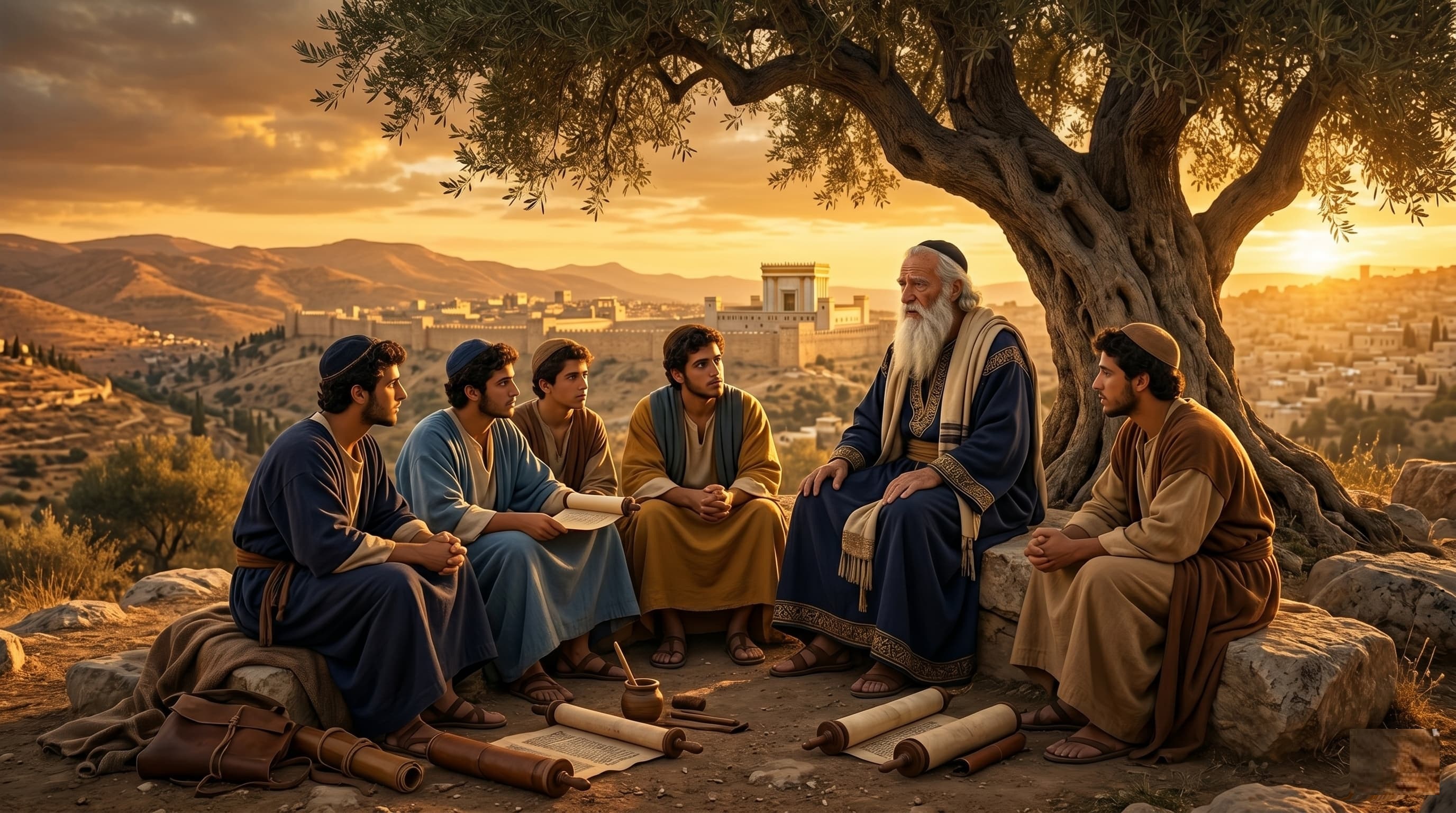
רַבָּן יוֹחָנָן בֶּן זַכַּאי קִבֵּל מֵהִלֵּל וּמִשַּׁמַּאי. הוּא הָיָה אוֹמֵר, אִם לָמַדְתָּ תוֹרָה הַרְבֵּה, אַל תַּחֲזִיק טוֹבָה לְעַצְמְךָ, כִּי לְכָךְ נוֹצָרְתָּ. חֲמִשָּׁה תַלְמִידִים הָיוּ לוֹ לְרַבָּן יוֹחָנָן בֶּן זַכַּאי, וְאֵלּוּ הֵן, רַבִּי אֱלִיעֶזֶר בֶּן הוֹרְקְנוֹס, וְרַבִּי יְהוֹשֻׁעַ בֶּן חֲנַנְיָה, וְרַבִּי יוֹסֵי הַכֹּהֵן, וְרַבִּי שִׁמְעוֹן בֶּן נְתַנְאֵל, וְרַבִּי אֶלְעָזָר בֶּן עֲרָךְ. הוּא הָיָה מוֹנֶה שִׁבְחָן. רַבִּי אֱלִיעֶזֶר בֶּן הוֹרְקְנוֹס, בּוֹר סוּד שֶׁאֵינוֹ מְאַבֵּד טִפָּה. רַבִּי יְהוֹשֻׁעַ בֶּן חֲנַנְיָה, אַשְׁרֵי יוֹלַדְתּוֹ. רַבִּי יוֹסֵי הַכֹּהֵן, חָסִיד. רַבִּי שִׁמְעוֹן בֶּן נְתַנְאֵל, יְרֵא חֵטְא. וְרַבִּי אֶלְעָזָר בֶּן עֲרָךְ, מַעְיָן הַמִּתְגַּבֵּר.
Rabban Yochanan ben Zakkai received from Hillel and Shammai. He used to say: If you have learned much Torah, do not credit yourself, for that is why you were created. Rabban Yochanan ben Zakkai had five disciples: Rabbi Eliezer ben Hyrcanus, Rabbi Yehoshua ben Hanania, Rabbi Yose the Cohen, Rabbi Shimon ben Netanel, and Rabbi Elazar ben Arach. He would describe their virtues: Rabbi Eliezer ben Hyrcanus — a sealed cistern that loses no drop. Rabbi Yehoshua ben Hanania — happy is she who bore him. Rabbi Yose the Cohen — a pious man. Rabbi Shimon ben Netanel — a fearer of sin. Rabbi Elazar ben Arach — an ever-flowing spring.
Rabban Yo'hanan ben Zakkaï reçut de Hillel et Chammaï. Il disait : Si tu as étudié beaucoup de Torah, ne t'en attribue pas le mérite, car c'est pour cela que tu fus créé. Rabban Yo'hanan ben Zakkaï avait cinq disciples : Rabbi Eliezer ben Hyrcanus, Rabbi Yehochoua ben Hanania, Rabbi Yossi le Cohen, Rabbi Shimon ben Netanel, et Rabbi Elazar ben Arach. Il décrivait leurs qualités : Rabbi Eliezer ben Hyrcanus — une citerne scellée qui ne perd pas une goutte. Rabbi Yehochoua ben Hanania — heureuse celle qui l'a enfanté. Rabbi Yossi le Cohen — un pieux. Rabbi Shimon ben Netanel — un craignant la faute. Rabbi Elazar ben Arach — une source qui jaillit toujours plus.
רַבָּן יוֹחָנָן בֶּן זַכַּאי קִבֵּל מֵהִלֵּל וּמִשַּׁמַּאי. הוּא הָיָה אוֹמֵר, אִם לָמַדְתָּ תוֹרָה הַרְבֵּה, אַל תַּחֲזִיק טוֹבָה לְעַצְמְךָ, כִּי לְכָךְ נוֹצָרְתָּ. חֲמִשָּׁה תַלְמִידִים הָיוּ לוֹ לְרַבָּן יוֹחָנָן בֶּן זַכַּאי, וְאֵלּוּ הֵן, רַבִּי אֱלִיעֶזֶר בֶּן הוֹרְקְנוֹס, וְרַבִּי יְהוֹשֻׁעַ בֶּן חֲנַנְיָה, וְרַבִּי יוֹסֵי הַכֹּהֵן, וְרַבִּי שִׁמְעוֹן בֶּן נְתַנְאֵל, וְרַבִּי אֶלְעָזָר בֶּן עֲרָךְ. הוּא הָיָה מוֹנֶה שִׁבְחָן. רַבִּי אֱלִיעֶזֶר בֶּן הוֹרְקְנוֹס, בּוֹר סוּד שֶׁאֵינוֹ מְאַבֵּד טִפָּה. רַבִּי יְהוֹשֻׁעַ בֶּן חֲנַנְיָה, אַשְׁרֵי יוֹלַדְתּוֹ. רַבִּי יוֹסֵי הַכֹּהֵן, חָסִיד. רַבִּי שִׁמְעוֹן בֶּן נְתַנְאֵל, יְרֵא חֵטְא. וְרַבִּי אֶלְעָזָר בֶּן עֲרָךְ, מַעְיָן הַמִּתְגַּבֵּר.
Avot 2:9
🔗
אָמַר לָהֶם, צְאוּ וּרְאוּ אֵיזוֹהִי דֶרֶךְ יְשָׁרָה שֶׁיִּדְבַּק בָּהּ הָאָדָם. רַבִּי אֱלִיעֶזֶר אוֹמֵר, עַיִן טוֹבָה. רַבִּי יְהוֹשֻׁעַ אוֹמֵר, חָבֵר טוֹב. רַבִּי יוֹסֵי אוֹמֵר, שָׁכֵן טוֹב. רַבִּי שִׁמְעוֹן אוֹמֵר, הָרוֹאֶה אֶת הַנּוֹלָד. רַבִּי אֶלְעָזָר אוֹמֵר, לֵב טוֹב. אָמַר לָהֶם, רוֹאֶה אֲנִי אֶת דִּבְרֵי אֶלְעָזָר בֶּן עֲרָךְ מִדִּבְרֵיכֶם, שֶׁבִּכְלָל דְּבָרָיו דִּבְרֵיכֶם. אָמַר לָהֶם, צְאוּ וּרְאוּ אֵיזוֹהִי דֶרֶךְ רָעָה שֶׁיִּתְרַחֵק מִמֶּנָּה הָאָדָם. רַבִּי אֱלִיעֶזֶר אוֹמֵר, עַיִן רָעָה. רַבִּי יְהוֹשֻׁעַ אוֹמֵר, חָבֵר רָע. רַבִּי יוֹסֵי אוֹמֵר, שָׁכֵן רָע. רַבִּי שִׁמְעוֹן אוֹמֵר, הַלֹּוֶה וְאֵינוֹ מְשַׁלֵּם. אֶחָד הַלֹּוֶה מִן הָאָדָם, כְּלֹוֶה מִן הַמָּקוֹם בָּרוּךְ הוּא. רַבִּי אֶלְעָזָר אוֹמֵר, לֵב רָע. אָמַר לָהֶם, רוֹאֶה אֲנִי אֶת דִּבְרֵי אֶלְעָזָר בֶּן עֲרָךְ מִדִּבְרֵיכֶם, שֶׁבִּכְלָל דְּבָרָיו דִּבְרֵיכֶם.
He said to them: Go out and see what is the straight path to which a person should cling. Rabbi Eliezer said: A good eye. Rabbi Yehoshua said: A good friend. Rabbi Yose said: A good neighbor. Rabbi Shimon said: One who sees the consequences. Rabbi Elazar said: A good heart. He said: I see Elazar's words above yours, for in his words your words are included. He said: Go out and see what is the bad path from which a person should distance himself. Rabbi Eliezer said: A bad eye. Rabbi Yehoshua said: A bad friend. Rabbi Yose said: A bad neighbor. Rabbi Shimon said: One who borrows and does not repay — and one who borrows from another is as one who borrows from God. Rabbi Elazar said: A bad heart. He said: I see Elazar's words above yours, for in his words your words are included.
Il leur dit : Sortez et voyez quelle est la voie droite à laquelle l'homme doit s'attacher. Rabbi Eliezer dit : Un bon œil. Rabbi Yehochoua dit : Un bon ami. Rabbi Yossi dit : Un bon voisin. Rabbi Shimon dit : Celui qui voit les conséquences. Rabbi Elazar dit : Un bon cœur. Il leur dit : Je vois les paroles d'Elazar au-dessus des vôtres, car dans ses paroles vos paroles sont incluses. Il leur dit : Sortez et voyez quelle est la mauvaise voie dont l'homme doit s'éloigner. Rabbi Eliezer dit : Un mauvais œil. Rabbi Yehochoua dit : Un mauvais ami. Rabbi Yossi dit : Un mauvais voisin. Rabbi Shimon dit : Celui qui emprunte et ne rembourse pas — emprunter à un homme c'est emprunter à D.ieu. Rabbi Elazar dit : Un mauvais cœur.
אָמַר לָהֶם, צְאוּ וּרְאוּ אֵיזוֹהִי דֶרֶךְ יְשָׁרָה שֶׁיִּדְבַּק בָּהּ הָאָדָם. רַבִּי אֱלִיעֶזֶר אוֹמֵר, עַיִן טוֹבָה. רַבִּי יְהוֹשֻׁעַ אוֹמֵר, חָבֵר טוֹב. רַבִּי יוֹסֵי אוֹמֵר, שָׁכֵן טוֹב. רַבִּי שִׁמְעוֹן אוֹמֵר, הָרוֹאֶה אֶת הַנּוֹלָד. רַבִּי אֶלְעָזָר אוֹמֵר, לֵב טוֹב. אָמַר לָהֶם, רוֹאֶה אֲנִי אֶת דִּבְרֵי אֶלְעָזָר בֶּן עֲרָךְ מִדִּבְרֵיכֶם, שֶׁבִּכְלָל דְּבָרָיו דִּבְרֵיכֶם. אָמַר לָהֶם, צְאוּ וּרְאוּ אֵיזוֹהִי דֶרֶךְ רָעָה שֶׁיִּתְרַחֵק מִמֶּנָּה הָאָדָם. רַבִּי אֱלִיעֶזֶר אוֹמֵר, עַיִן רָעָה. רַבִּי יְהוֹשֻׁעַ אוֹמֵר, חָבֵר רָע. רַבִּי יוֹסֵי אוֹמֵר, שָׁכֵן רָע. רַבִּי שִׁמְעוֹן אוֹמֵר, הַלֹּוֶה וְאֵינוֹ מְשַׁלֵּם. אֶחָד הַלֹּוֶה מִן הָאָדָם, כְּלֹוֶה מִן הַמָּקוֹם בָּרוּךְ הוּא. רַבִּי אֶלְעָזָר אוֹמֵר, לֵב רָע. אָמַר לָהֶם, רוֹאֶה אֲנִי אֶת דִּבְרֵי אֶלְעָזָר בֶּן עֲרָךְ מִדִּבְרֵיכֶם, שֶׁבִּכְלָל דְּבָרָיו דִּבְרֵיכֶם.
Avot 2:10
🔗
הֵם אָמְרוּ שְׁלשָׁה דְבָרִים. רַבִּי אֱלִיעֶזֶר אוֹמֵר, יְהִי כְבוֹד חֲבֵרְךָ חָבִיב עָלֶיךָ כְּשֶׁלָּךְ, וְאַל תְּהִי נוֹחַ לִכְעֹס. וְשׁוּב יוֹם אֶחָד לִפְנֵי מִיתָתְךָ. וֶהֱוֵי מִתְחַמֵּם כְּנֶגֶד אוּרָן שֶׁל חֲכָמִים, וֶהֱוֵי זָהִיר בְּגַחַלְתָּן שֶׁלֹּא תִכָּוֶה, שֶׁנְּשִׁיכָתָן נְשִׁיכַת שׁוּעָל, וַעֲקִיצָתָן עֲקִיצַת עַקְרָב, וּלְחִישָׁתָן לְחִישַׁת שָׂרָף, וְכָל דִּבְרֵיהֶם כְּגַחֲלֵי אֵשׁ.
They each said three things. Rabbi Eliezer said: Let the honor of your fellow be as dear to you as your own. Do not be quick to anger. Repent one day before your death. Warm yourself by the fire of the Sages — but be careful of their coals lest you be burned, for their bite is the bite of a fox, their sting is the sting of a scorpion, their hiss is the hiss of a serpent, and all their words are like coals of fire.
Chacun dit trois choses. Rabbi Eliezer dit : Que l'honneur de ton prochain te soit aussi cher que le tien. Ne sois pas prompt à la colère. Repens-toi un jour avant ta mort. Réchauffe-toi au feu des Sages — mais prends garde à leurs braises de peur d'être brûlé, car leur morsure est la morsure du renard, leur piqûre est la piqûre du scorpion, leur sifflement est le sifflement du serpent, et toutes leurs paroles sont comme des charbons ardents.
הֵם אָמְרוּ שְׁלשָׁה דְבָרִים. רַבִּי אֱלִיעֶזֶר אוֹמֵר, יְהִי כְבוֹד חֲבֵרְךָ חָבִיב עָלֶיךָ כְּשֶׁלָּךְ, וְאַל תְּהִי נוֹחַ לִכְעֹס. וְשׁוּב יוֹם אֶחָד לִפְנֵי מִיתָתְךָ. וֶהֱוֵי מִתְחַמֵּם כְּנֶגֶד אוּרָן שֶׁל חֲכָמִים, וֶהֱוֵי זָהִיר בְּגַחַלְתָּן שֶׁלֹּא תִכָּוֶה, שֶׁנְּשִׁיכָתָן נְשִׁיכַת שׁוּעָל, וַעֲקִיצָתָן עֲקִיצַת עַקְרָב, וּלְחִישָׁתָן לְחִישַׁת שָׂרָף, וְכָל דִּבְרֵיהֶם כְּגַחֲלֵי אֵשׁ.
Avot 2:11
🔗
רַבִּי יְהוֹשֻׁעַ אוֹמֵר, עַיִן הָרָע, וְיֵצֶר הָרָע, וְשִׂנְאַת הַבְּרִיּוֹת, מוֹצִיאִין אֶת הָאָדָם מִן הָעוֹלָם.
Rabbi Yehoshua said: An evil eye, the evil inclination, and hatred of others — these remove a person from the world.
Rabbi Yehochoua dit : Le mauvais œil, le mauvais penchant, et la haine des hommes — ces trois retirent l'homme du monde.
רַבִּי יְהוֹשֻׁעַ אוֹמֵר, עַיִן הָרָע, וְיֵצֶר הָרָע, וְשִׂנְאַת הַבְּרִיּוֹת, מוֹצִיאִין אֶת הָאָדָם מִן הָעוֹלָם.
Avot 2:12
🔗
רַבִּי יוֹסֵי אוֹמֵר, יְהִי מָמוֹן חֲבֵרְךָ חָבִיב עָלֶיךָ כְּשֶׁלָּךְ, וְהַתְקֵן עַצְמְךָ לִלְמֹד תּוֹרָה, שֶׁאֵינָהּ יְרֻשָּׁה לָךְ. וְכָל מַעֲשֶׂיךָ יִהְיוּ לְשֵׁם שָׁמָיִם.
Rabbi Yose said: Let the property of your fellow be as dear to you as your own. Prepare yourself to study Torah, for it is not yours by inheritance. And let all your deeds be for the sake of Heaven.
Rabbi Yossi dit : Que les biens de ton prochain te soient aussi chers que les tiens. Prépare-toi à étudier la Torah, car elle n'est pas un héritage qui te revient. Et que tous tes actes soient pour le nom du Ciel.
רַבִּי יוֹסֵי אוֹמֵר, יְהִי מָמוֹן חֲבֵרְךָ חָבִיב עָלֶיךָ כְּשֶׁלָּךְ, וְהַתְקֵן עַצְמְךָ לִלְמֹד תּוֹרָה, שֶׁאֵינָהּ יְרֻשָּׁה לָךְ. וְכָל מַעֲשֶׂיךָ יִהְיוּ לְשֵׁם שָׁמָיִם.
Avot 2:13
🔗
רַבִּי שִׁמְעוֹן אוֹמֵר, הֱוֵי זָהִיר בִּקְרִיאַת שְׁמַע וּבַתְּפִלָּה. וּכְשֶׁאַתָּה מִתְפַּלֵּל, אַל תַּעַשׂ תְּפִלָּתְךָ קֶבַע, אֶלָּא רַחֲמִים וְתַחֲנוּנִים לִפְנֵי הַמָּקוֹם בָּרוּךְ הוּא, שֶׁנֶּאֱמַר כִּי חַנּוּן וְרַחוּם הוּא אֶרֶךְ אַפַּיִם וְרַב חֶסֶד וְנִחָם עַל הָרָעָה. וְאַל תְּהִי רָשָׁע בִּפְנֵי עַצְמְךָ.
Rabbi Shimon said: Be careful with the Shema and the Tefillah. When you pray, do not make your prayer a fixed routine, but rather mercy and supplications before God, blessed be He, as it is said: 'For He is gracious and compassionate, slow to anger, abounding in love, and relents from punishing.' And do not be wicked in your own eyes.
Rabbi Shimon dit : Sois vigilant avec le Chéma et la Téfila. Quand tu pries, ne fais pas de ta prière une routine fixe, mais miséricorde et supplications devant D.ieu, béni soit-Il, comme il est dit : « Car Il est miséricordieux et compatissant, lent à la colère, plein de bonté, et regrette le châtiment. » Et ne sois pas méchant à tes propres yeux.
רַבִּי שִׁמְעוֹן אוֹמֵר, הֱוֵי זָהִיר בִּקְרִיאַת שְׁמַע וּבַתְּפִלָּה. וּכְשֶׁאַתָּה מִתְפַּלֵּל, אַל תַּעַשׂ תְּפִלָּתְךָ קֶבַע, אֶלָּא רַחֲמִים וְתַחֲנוּנִים לִפְנֵי הַמָּקוֹם בָּרוּךְ הוּא, שֶׁנֶּאֱמַר כִּי חַנּוּן וְרַחוּם הוּא אֶרֶךְ אַפַּיִם וְרַב חֶסֶד וְנִחָם עַל הָרָעָה. וְאַל תְּהִי רָשָׁע בִּפְנֵי עַצְמְךָ.
Avot 2:14
🔗
רַבִּי אֶלְעָזָר אוֹמֵר, הֱוֵי שָׁקוּד לִלְמֹד תּוֹרָה, וְדַע מַה שֶּׁתָּשִׁיב לְאֶפִּיקוֹרוֹס. וְדַע לִפְנֵי מִי אַתָּה עָמֵל. וְנֶאֱמָן הוּא בַעַל מְלַאכְתְּךָ שֶׁיְּשַׁלֶּם לָךְ שְׂכַר פְּעֻלָּתֶךְ.
Rabbi Elazar said: Be diligent in the study of Torah, and know what to answer a heretic. Know before Whom you labor. And the Master of your work is faithful — He will pay you the reward of your labor.
Rabbi Elazar dit : Sois assidu à l'étude de la Torah, et sache quoi répondre à un hérétique. Sache devant Qui tu travailles. Et le Maître de ton travail est fidèle — Il te paiera la récompense de ton labeur.
רַבִּי אֶלְעָזָר אוֹמֵר, הֱוֵי שָׁקוּד לִלְמֹד תּוֹרָה, וְדַע מַה שֶּׁתָּשִׁיב לְאֶפִּיקוֹרוֹס. וְדַע לִפְנֵי מִי אַתָּה עָמֵל. וְנֶאֱמָן הוּא בַעַל מְלַאכְתְּךָ שֶׁיְּשַׁלֶּם לָךְ שְׂכַר פְּעֻלָּתֶךְ.
Avot 2:15
🔗
רַבִּי טַרְפוֹן אוֹמֵר, הַיּוֹם קָצָר וְהַמְּלָאכָה מְרֻבָּה, וְהַפּוֹעֲלִים עֲצֵלִים, וְהַשָּׂכָר הַרְבֵּה, וּבַעַל הַבַּיִת דּוֹחֵק.
Rabbi Tarfon said: The day is short, the work is much, the workers are lazy, the wages are great, and the Master of the house is pressing.
Rabbi Tarfon dit : Le jour est court, le travail immense, les ouvriers paresseux, le salaire grand, et le Maître de maison presse.
רַבִּי טַרְפוֹן אוֹמֵר, הַיּוֹם קָצָר וְהַמְּלָאכָה מְרֻבָּה, וְהַפּוֹעֲלִים עֲצֵלִים, וְהַשָּׂכָר הַרְבֵּה, וּבַעַל הַבַּיִת דּוֹחֵק.
Avot 2:16
🔗
הוּא הָיָה אוֹמֵר, לֹא עָלֶיךָ הַמְּלָאכָה לִגְמֹר, וְלֹא אַתָּה בֶן חוֹרִין לִבָּטֵל מִמֶּנָּה. אִם לָמַדְתָּ תוֹרָה הַרְבֵּה, נוֹתְנִים לְךָ שָׂכָר הַרְבֵּה. וְנֶאֱמָן הוּא בַעַל מְלַאכְתְּךָ שֶׁיְּשַׁלֶּם לְךָ שְׂכַר פְּעֻלָּתֶךָ. וְדַע מַתַּן שְׂכָרָן שֶׁל צַדִּיקִים לֶעָתִיד לָבֹא.
He used to say: It is not upon you to finish the work, nor are you free to abstain from it. If you have learned much Torah, much reward is given to you. The Master of your work is faithful — He will pay you the reward of your labor. And know that the reward of the righteous is given in the world to come.
Il disait : Il ne t'appartient pas d'achever le travail, mais tu n'es pas libre de t'en dispenser. Si tu as étudié beaucoup de Torah, on te donne beaucoup de récompense. Le Maître de ton travail est fidèle — Il te paiera la récompense de ton labeur. Et sache que la récompense des justes est donnée dans le monde à venir.
הוּא הָיָה אוֹמֵר, לֹא עָלֶיךָ הַמְּלָאכָה לִגְמֹר, וְלֹא אַתָּה בֶן חוֹרִין לִבָּטֵל מִמֶּנָּה. אִם לָמַדְתָּ תוֹרָה הַרְבֵּה, נוֹתְנִים לְךָ שָׂכָר הַרְבֵּה. וְנֶאֱמָן הוּא בַעַל מְלַאכְתְּךָ שֶׁיְּשַׁלֶּם לְךָ שְׂכַר פְּעֻלָּתֶךָ. וְדַע מַתַּן שְׂכָרָן שֶׁל צַדִּיקִים לֶעָתִיד לָבֹא.
Take it further
Beyond Pirkei Avot — the rest of the Gueoula library
Aller plus loin
Au-delà des Pirké Avot — le reste de la bibliothèque Gueoula
להרחיב את הלימוד
מעבר לפרקי אבות — שאר הספרייה של גאולה
Dracha
Rabbi Yehuda HaNassi was the wealthiest, most politically powerful Sage of his generation — and the editor of the Mishnah itself. He could have opened chapter 2 with anything. He chose: glory to the doer AND glory from people. The straight path looks good from the inside AND from the outside. Most of us pick one — pure motive or pure reputation. Rabbi says: both. Then the killer line about light and serious mitzvot — you don't know which one God values most. Treat the small ones like the big ones. The accountant in heaven is more sophisticated than your gut.