Why Chapter 3 hits hard
Chapter 3 is where Pirkei Avot stops being polite. Akavia opens with three blunt questions about mortality. Rabbi Akiva closes with a tree analogy that decides who survives every storm. In between: judgment, accountability, the ledger, and the table. This chapter is read at shul during the Omer — and it asks every person who hears it: where are your roots?
Pourquoi le chapitre 3 frappe fort
Le chapitre 3 est l'endroit où les Pirké Avot cessent d'être polis. Akavia ouvre par trois questions brutes sur la mortalité. Rabbi Akiva ferme par une analogie d'arbre qui décide qui survit à chaque tempête. Entre les deux : jugement, responsabilité, registre, et table. Ce chapitre est lu au Beith Haknesset pendant le Omer — et il demande à chaque personne qui l'entend : où sont tes racines ?
למה פרק ג׳ פוגע חזק
פרק ג׳ הוא המקום שבו פרקי אבות מפסיקים להיות מנומסים. עקביא פותח בשלוש שאלות חדות על תמותה. רבי עקיבא חותם במשל עץ שמחליט מי שורד כל סערה. בינתיים: דין, אחריות, פנקס, ושולחן. הפרק הזה נקרא בבית הכנסת בימי הספירה — והוא שואל כל מי ששומע אותו: איפה השורשים שלך?
Avot 3:1
🔗
עֲקַבְיָא בֶן מַהֲלַלְאֵל אוֹמֵר, הִסְתַּכֵּל בִּשְׁלשָׁה דְבָרִים וְאִי אַתָּה בָא לִידֵי עֲבֵרָה. דַּע מֵאַיִן בָּאתָ, וּלְאָן אַתָּה הוֹלֵךְ, וְלִפְנֵי מִי אַתָּה עָתִיד לִתֵּן דִּין וְחֶשְׁבּוֹן. מֵאַיִן בָּאתָ, מִטִּפָּה סְרוּחָה, וּלְאָן אַתָּה הוֹלֵךְ, לִמְקוֹם עָפָר רִמָּה וְתוֹלֵעָה. וְלִפְנֵי מִי אַתָּה עָתִיד לִתֵּן דִּין וְחֶשְׁבּוֹן, לִפְנֵי מֶלֶךְ מַלְכֵי הַמְּלָכִים הַקָּדוֹשׁ בָּרוּךְ הוּא.
Akavia ben Mahalalel said: Look at three things and you will not come to sin. Know where you came from, where you are going, and before whom you will give an accounting. From where did you come? From a putrid drop. Where are you going? To a place of dust, worm and maggot. Before whom will you give an accounting? Before the King of kings, the Holy One, blessed be He.
Akavia ben Mahalalel dit : Regarde trois choses et tu ne viendras pas à la faute. Sache d'où tu viens, où tu vas, et devant qui tu rendras des comptes. D'où viens-tu ? D'une goutte putride. Où vas-tu ? Vers la poussière, les vers et les larves. Devant qui rendras-tu des comptes ? Devant le Roi des rois, le Saint, béni soit-Il.
עֲקַבְיָא בֶן מַהֲלַלְאֵל אוֹמֵר, הִסְתַּכֵּל בִּשְׁלשָׁה דְבָרִים וְאִי אַתָּה בָא לִידֵי עֲבֵרָה. דַּע מֵאַיִן בָּאתָ, וּלְאָן אַתָּה הוֹלֵךְ, וְלִפְנֵי מִי אַתָּה עָתִיד לִתֵּן דִּין וְחֶשְׁבּוֹן. מֵאַיִן בָּאתָ, מִטִּפָּה סְרוּחָה, וּלְאָן אַתָּה הוֹלֵךְ, לִמְקוֹם עָפָר רִמָּה וְתוֹלֵעָה. וְלִפְנֵי מִי אַתָּה עָתִיד לִתֵּן דִּין וְחֶשְׁבּוֹן, לִפְנֵי מֶלֶךְ מַלְכֵי הַמְּלָכִים הַקָּדוֹשׁ בָּרוּךְ הוּא.
Avot 3:2
🔗
רַבִּי חֲנִינָא סְגַן הַכֹּהֲנִים אוֹמֵר, הֱוֵי מִתְפַּלֵּל בִּשְׁלוֹמָהּ שֶׁל מַלְכוּת, שֶׁאִלְמָלֵא מוֹרָאָהּ, אִישׁ אֶת רֵעֵהוּ חַיִּים בְּלָעוֹ. רַבִּי חֲנִינָא בֶן תְּרַדְיוֹן אוֹמֵר, שְׁנַיִם שֶׁיּוֹשְׁבִין וְאֵין בֵּינֵיהֶן דִּבְרֵי תוֹרָה, הֲרֵי זֶה מוֹשַׁב לֵצִים, שֶׁנֶּאֱמַר וּבְמוֹשַׁב לֵצִים לֹא יָשָׁב. אֲבָל שְׁנַיִם שֶׁיּוֹשְׁבִין וְיֵשׁ בֵּינֵיהֶם דִּבְרֵי תוֹרָה, שְׁכִינָה שְׁרוּיָה בֵינֵיהֶם.
Rabbi Hanina, Deputy of the Priests, said: Pray for the welfare of the government — for were it not for the fear of it, men would swallow each other alive. Rabbi Hanina ben Tradyon said: When two sit together with no words of Torah between them — that is a seat of scoffers. But two who sit together with words of Torah between them — the Shechina rests between them.
Rabbi Hanina, adjoint des Cohanim, dit : Prie pour le bien-être du gouvernement — car sans la crainte de lui, les hommes s'avaleraient vivants les uns les autres. Rabbi Hanina ben Tradyon dit : Quand deux s'assoient sans paroles de Torah entre eux — c'est un siège de moqueurs. Mais deux qui s'assoient avec des paroles de Torah entre eux — la Chékhina y réside.
רַבִּי חֲנִינָא סְגַן הַכֹּהֲנִים אוֹמֵר, הֱוֵי מִתְפַּלֵּל בִּשְׁלוֹמָהּ שֶׁל מַלְכוּת, שֶׁאִלְמָלֵא מוֹרָאָהּ, אִישׁ אֶת רֵעֵהוּ חַיִּים בְּלָעוֹ. רַבִּי חֲנִינָא בֶן תְּרַדְיוֹן אוֹמֵר, שְׁנַיִם שֶׁיּוֹשְׁבִין וְאֵין בֵּינֵיהֶן דִּבְרֵי תוֹרָה, הֲרֵי זֶה מוֹשַׁב לֵצִים, שֶׁנֶּאֱמַר וּבְמוֹשַׁב לֵצִים לֹא יָשָׁב. אֲבָל שְׁנַיִם שֶׁיּוֹשְׁבִין וְיֵשׁ בֵּינֵיהֶם דִּבְרֵי תוֹרָה, שְׁכִינָה שְׁרוּיָה בֵינֵיהֶם.
Avot 3:3
🔗
רַבִּי שִׁמְעוֹן אוֹמֵר, שְׁלשָׁה שֶׁאָכְלוּ עַל שֻׁלְחָן אֶחָד וְלֹא אָמְרוּ עָלָיו דִּבְרֵי תוֹרָה, כְּאִלּוּ אָכְלוּ מִזִּבְחֵי מֵתִים, שֶׁנֶּאֱמַר כִּי כָּל שֻׁלְחָנוֹת מָלְאוּ קִיא צֹאָה בְּלִי מָקוֹם. אֲבָל שְׁלשָׁה שֶׁאָכְלוּ עַל שֻׁלְחָן אֶחָד וְאָמְרוּ עָלָיו דִּבְרֵי תוֹרָה, כְּאִלּוּ אָכְלוּ מִשֻּׁלְחָנוֹ שֶׁל מָקוֹם בָּרוּךְ הוּא.
Rabbi Shimon said: Three who eat at the same table without words of Torah — it is as if they ate from sacrifices to dead idols. But three who eat at the same table with words of Torah — it is as if they ate from the table of God, blessed be He.
Rabbi Shimon dit : Trois qui mangent à une même table sans paroles de Torah — c'est comme s'ils avaient mangé de sacrifices à des idoles mortes. Mais trois qui mangent à une même table avec des paroles de Torah — c'est comme s'ils avaient mangé de la table de D.ieu, béni soit-Il.
רַבִּי שִׁמְעוֹן אוֹמֵר, שְׁלשָׁה שֶׁאָכְלוּ עַל שֻׁלְחָן אֶחָד וְלֹא אָמְרוּ עָלָיו דִּבְרֵי תוֹרָה, כְּאִלּוּ אָכְלוּ מִזִּבְחֵי מֵתִים, שֶׁנֶּאֱמַר כִּי כָּל שֻׁלְחָנוֹת מָלְאוּ קִיא צֹאָה בְּלִי מָקוֹם. אֲבָל שְׁלשָׁה שֶׁאָכְלוּ עַל שֻׁלְחָן אֶחָד וְאָמְרוּ עָלָיו דִּבְרֵי תוֹרָה, כְּאִלּוּ אָכְלוּ מִשֻּׁלְחָנוֹ שֶׁל מָקוֹם בָּרוּךְ הוּא.
Avot 3:4
🔗
רַבִּי חֲנִינָא בֶן חֲכִינַאי אוֹמֵר, הַנֵּעוֹר בַּלַּיְלָה וְהַמְהַלֵּךְ בַּדֶּרֶךְ יְחִידִי וְהַמְפַנֶּה לִבּוֹ לְבַטָּלָה, הֲרֵי זֶה מִתְחַיֵּב בְּנַפְשׁוֹ.
Rabbi Hanina ben Hakhinai said: One who stays awake at night, walks alone on the road, and turns his heart to idleness — endangers his own soul.
Rabbi Hanina ben Hakhinaï dit : Celui qui veille la nuit, marche seul sur la route, et tourne son cœur vers la futilité — met sa propre âme en danger.
רַבִּי חֲנִינָא בֶן חֲכִינַאי אוֹמֵר, הַנֵּעוֹר בַּלַּיְלָה וְהַמְהַלֵּךְ בַּדֶּרֶךְ יְחִידִי וְהַמְפַנֶּה לִבּוֹ לְבַטָּלָה, הֲרֵי זֶה מִתְחַיֵּב בְּנַפְשׁוֹ.
Avot 3:5
🔗
רַבִּי נְחוּנְיָא בֶּן הַקָּנָה אוֹמֵר, כָּל הַמְקַבֵּל עָלָיו עֹל תּוֹרָה, מַעֲבִירִין מִמֶּנּוּ עֹל מַלְכוּת וְעֹל דֶּרֶךְ אֶרֶץ. וְכָל הַפּוֹרֵק מִמֶּנּוּ עֹל תּוֹרָה, נוֹתְנִין עָלָיו עֹל מַלְכוּת וְעֹל דֶּרֶךְ אֶרֶץ.
Rabbi Nehunia ben HaKana said: Whoever takes upon himself the yoke of Torah — the yoke of government and the yoke of worldly affairs are removed from him. And whoever throws off the yoke of Torah — the yoke of government and worldly affairs are placed upon him.
Rabbi Nehounia ben HaKana dit : Celui qui prend sur lui le joug de la Torah — le joug du pouvoir et le joug des affaires terrestres lui sont enlevés. Et celui qui rejette le joug de la Torah — le joug du pouvoir et des affaires terrestres sont placés sur lui.
רַבִּי נְחוּנְיָא בֶּן הַקָּנָה אוֹמֵר, כָּל הַמְקַבֵּל עָלָיו עֹל תּוֹרָה, מַעֲבִירִין מִמֶּנּוּ עֹל מַלְכוּת וְעֹל דֶּרֶךְ אֶרֶץ. וְכָל הַפּוֹרֵק מִמֶּנּוּ עֹל תּוֹרָה, נוֹתְנִין עָלָיו עֹל מַלְכוּת וְעֹל דֶּרֶךְ אֶרֶץ.
Avot 3:6
🔗
רַבִּי חֲלַפְתָּא בֶן דּוֹסָא אִישׁ כְּפַר חֲנַנְיָה אוֹמֵר, עֲשָׂרָה שֶׁיּוֹשְׁבִין וְעוֹסְקִין בַּתּוֹרָה, שְׁכִינָה שְׁרוּיָה בֵינֵיהֶם, שֶׁנֶּאֱמַר אֱלֹהִים נִצָּב בַּעֲדַת אֵל. וּמִנַּיִן אֲפִלּוּ חֲמִשָּׁה, שֶׁנֶּאֱמַר וַאֲגֻדָּתוֹ עַל אֶרֶץ יְסָדָהּ. וּמִנַּיִן אֲפִלּוּ שְׁלשָׁה, שֶׁנֶּאֱמַר בְּקֶרֶב אֱלֹהִים יִשְׁפֹּט. וּמִנַּיִן אֲפִלּוּ שְׁנַיִם, שֶׁנֶּאֱמַר אָז נִדְבְּרוּ יִרְאֵי ה' אִישׁ אֶל רֵעֵהוּ וַיַּקְשֵׁב ה' וַיִּשְׁמָע. וּמִנַּיִן אֲפִלּוּ אֶחָד, שֶׁנֶּאֱמַר בְּכָל הַמָּקוֹם אֲשֶׁר אַזְכִּיר אֶת שְׁמִי אָבֹא אֵלֶיךָ וּבֵרַכְתִּיךָ.
Rabbi Halafta ben Dosa of Kfar Hananya said: When ten sit together studying Torah, the Shechina rests among them — as it is said: 'God stands in the divine assembly.' Even five — 'He has founded His band on earth.' Even three — 'In the midst of judges He judges.' Even two — 'Then those who feared the Lord spoke to one another, and the Lord listened and heard.' Even one — 'In every place where I cause My name to be remembered, I will come to you and bless you.'
Rabbi Halafta ben Dossa du village de Hananya dit : Quand dix s'assoient pour étudier la Torah, la Chékhina réside parmi eux — comme il est dit : « D.ieu se tient dans l'assemblée divine. » Même cinq — « Il a fondé Sa troupe sur terre. » Même trois — « Au milieu des juges Il juge. » Même deux — « Alors ceux qui craignent l'Éternel se parlèrent, et l'Éternel écouta et entendit. » Même un seul — « En tout lieu où Je ferai mémoire de Mon nom, Je viendrai vers toi et te bénirai. »
רַבִּי חֲלַפְתָּא בֶן דּוֹסָא אִישׁ כְּפַר חֲנַנְיָה אוֹמֵר, עֲשָׂרָה שֶׁיּוֹשְׁבִין וְעוֹסְקִין בַּתּוֹרָה, שְׁכִינָה שְׁרוּיָה בֵינֵיהֶם, שֶׁנֶּאֱמַר אֱלֹהִים נִצָּב בַּעֲדַת אֵל. וּמִנַּיִן אֲפִלּוּ חֲמִשָּׁה, שֶׁנֶּאֱמַר וַאֲגֻדָּתוֹ עַל אֶרֶץ יְסָדָהּ. וּמִנַּיִן אֲפִלּוּ שְׁלשָׁה, שֶׁנֶּאֱמַר בְּקֶרֶב אֱלֹהִים יִשְׁפֹּט. וּמִנַּיִן אֲפִלּוּ שְׁנַיִם, שֶׁנֶּאֱמַר אָז נִדְבְּרוּ יִרְאֵי ה' אִישׁ אֶל רֵעֵהוּ וַיַּקְשֵׁב ה' וַיִּשְׁמָע. וּמִנַּיִן אֲפִלּוּ אֶחָד, שֶׁנֶּאֱמַר בְּכָל הַמָּקוֹם אֲשֶׁר אַזְכִּיר אֶת שְׁמִי אָבֹא אֵלֶיךָ וּבֵרַכְתִּיךָ.
Avot 3:7
🔗
רַבִּי אֶלְעָזָר אִישׁ בַּרְתּוֹתָא אוֹמֵר, תֶּן לוֹ מִשֶּׁלּוֹ, שֶׁאַתָּה וְשֶׁלְּךָ שֶׁלּוֹ. וְכֵן בְּדָוִד הוּא אוֹמֵר כִּי מִמְּךָ הַכֹּל וּמִיָּדְךָ נָתַנּוּ לָךְ. רַבִּי שִׁמְעוֹן אוֹמֵר, הַמְהַלֵּךְ בַּדֶּרֶךְ וְשׁוֹנֶה, וּמַפְסִיק מִמִּשְׁנָתוֹ וְאוֹמֵר, מַה נָּאֶה אִילָן זֶה וּמַה נָּאֶה נִיר זֶה, מַעֲלֶה עָלָיו הַכָּתוּב כְּאִלּוּ מִתְחַיֵּב בְּנַפְשׁוֹ.
Rabbi Elazar of Bartota said: Give Him from His own — for you and yours are His. And so David said: 'For all is from You, and from Your hand we have given You.' Rabbi Shimon said: One who walks on the road studying, then interrupts his learning to say 'How beautiful this tree, how beautiful this field' — Scripture considers him as if he endangered his own soul.
Rabbi Elazar de Bartota dit : Donne-Lui du Sien — car toi et ce qui est à toi, sont à Lui. Ainsi David disait : « Tout vient de Toi, et de Ta main nous T'avons donné. » Rabbi Shimon dit : Celui qui marche sur la route en étudiant, puis interrompt son étude pour dire « comme cet arbre est beau, comme ce champ est beau » — l'Écriture le considère comme s'il mettait son âme en danger.
רַבִּי אֶלְעָזָר אִישׁ בַּרְתּוֹתָא אוֹמֵר, תֶּן לוֹ מִשֶּׁלּוֹ, שֶׁאַתָּה וְשֶׁלְּךָ שֶׁלּוֹ. וְכֵן בְּדָוִד הוּא אוֹמֵר כִּי מִמְּךָ הַכֹּל וּמִיָּדְךָ נָתַנּוּ לָךְ. רַבִּי שִׁמְעוֹן אוֹמֵר, הַמְהַלֵּךְ בַּדֶּרֶךְ וְשׁוֹנֶה, וּמַפְסִיק מִמִּשְׁנָתוֹ וְאוֹמֵר, מַה נָּאֶה אִילָן זֶה וּמַה נָּאֶה נִיר זֶה, מַעֲלֶה עָלָיו הַכָּתוּב כְּאִלּוּ מִתְחַיֵּב בְּנַפְשׁוֹ.
Avot 3:8
🔗
רַבִּי דּוֹסְתַּאי בְּרַבִּי יַנַּאי מִשּׁוּם רַבִּי מֵאִיר אוֹמֵר, כָּל הַשּׁוֹכֵחַ דָּבָר אֶחָד מִמִּשְׁנָתוֹ, מַעֲלֶה עָלָיו הַכָּתוּב כְּאִלּוּ מִתְחַיֵּב בְּנַפְשׁוֹ, שֶׁנֶּאֱמַר רַק הִשָּׁמֶר לְךָ וּשְׁמֹר נַפְשְׁךָ מְאֹד פֶּן תִּשְׁכַּח אֶת הַדְּבָרִים אֲשֶׁר רָאוּ עֵינֶיךָ. יָכוֹל אֲפִלּוּ תָקְפָה עָלָיו מִשְׁנָתוֹ, תַּלְמוּד לוֹמַר וּפֶן יָסוּרוּ מִלְּבָבְךָ כֹּל יְמֵי חַיֶּיךָ, הָא אֵינוֹ מִתְחַיֵּב בְּנַפְשׁוֹ עַד שֶׁיֵּשֵׁב וִיסִירֵם מִלִּבּוֹ.
Rabbi Dostai b'Rabbi Yannai said in the name of Rabbi Meir: Whoever forgets one thing of his learning — Scripture considers him as if he endangered his own soul, as it is said: 'Only watch yourself and guard your soul carefully, lest you forget the things your eyes have seen.' Could this even apply if his learning overpowered him? Scripture teaches: 'Lest they depart from your heart all the days of your life' — he is not held liable until he sits down and removes them from his heart.
Rabbi Dostaï b'Rabbi Yannaï dit au nom de Rabbi Meïr : Celui qui oublie une seule chose de son étude — l'Écriture le considère comme s'il avait mis son âme en danger, comme il est dit : « Veille sur toi et garde bien ton âme, de peur que tu n'oublies les choses que tes yeux ont vues. » Cela vaut-il même quand l'étude l'a dépassé ? L'Écriture enseigne : « Et de peur qu'elles ne s'éloignent de ton cœur tous les jours de ta vie » — il n'est tenu responsable que s'il s'assoit et les ôte volontairement de son cœur.
רַבִּי דּוֹסְתַּאי בְּרַבִּי יַנַּאי מִשּׁוּם רַבִּי מֵאִיר אוֹמֵר, כָּל הַשּׁוֹכֵחַ דָּבָר אֶחָד מִמִּשְׁנָתוֹ, מַעֲלֶה עָלָיו הַכָּתוּב כְּאִלּוּ מִתְחַיֵּב בְּנַפְשׁוֹ, שֶׁנֶּאֱמַר רַק הִשָּׁמֶר לְךָ וּשְׁמֹר נַפְשְׁךָ מְאֹד פֶּן תִּשְׁכַּח אֶת הַדְּבָרִים אֲשֶׁר רָאוּ עֵינֶיךָ. יָכוֹל אֲפִלּוּ תָקְפָה עָלָיו מִשְׁנָתוֹ, תַּלְמוּד לוֹמַר וּפֶן יָסוּרוּ מִלְּבָבְךָ כֹּל יְמֵי חַיֶּיךָ, הָא אֵינוֹ מִתְחַיֵּב בְּנַפְשׁוֹ עַד שֶׁיֵּשֵׁב וִיסִירֵם מִלִּבּוֹ.
Avot 3:9
🔗
רַבִּי חֲנִינָא בֶן דּוֹסָא אוֹמֵר, כָּל שֶׁיִּרְאַת חֶטְאוֹ קוֹדֶמֶת לְחָכְמָתוֹ, חָכְמָתוֹ מִתְקַיֶּמֶת. וְכָל שֶׁחָכְמָתוֹ קוֹדֶמֶת לְיִרְאַת חֶטְאוֹ, אֵין חָכְמָתוֹ מִתְקַיֶּמֶת. הוּא הָיָה אוֹמֵר, כָּל שֶׁמַּעֲשָׂיו מְרֻבִּין מֵחָכְמָתוֹ, חָכְמָתוֹ מִתְקַיֶּמֶת. וְכָל שֶׁחָכְמָתוֹ מְרֻבָּה מִמַּעֲשָׂיו, אֵין חָכְמָתוֹ מִתְקַיֶּמֶת.
Rabbi Hanina ben Dosa said: One whose fear of sin precedes his wisdom — his wisdom endures. One whose wisdom precedes his fear of sin — his wisdom does not endure. He used to say: One whose deeds exceed his wisdom — his wisdom endures. One whose wisdom exceeds his deeds — his wisdom does not endure.
Rabbi Hanina ben Dossa dit : Celui dont la crainte de la faute précède sa sagesse — sa sagesse perdure. Celui dont la sagesse précède sa crainte de la faute — sa sagesse ne perdure pas. Il disait aussi : Celui dont les actes dépassent sa sagesse — sa sagesse perdure. Celui dont la sagesse dépasse ses actes — sa sagesse ne perdure pas.
רַבִּי חֲנִינָא בֶן דּוֹסָא אוֹמֵר, כָּל שֶׁיִּרְאַת חֶטְאוֹ קוֹדֶמֶת לְחָכְמָתוֹ, חָכְמָתוֹ מִתְקַיֶּמֶת. וְכָל שֶׁחָכְמָתוֹ קוֹדֶמֶת לְיִרְאַת חֶטְאוֹ, אֵין חָכְמָתוֹ מִתְקַיֶּמֶת. הוּא הָיָה אוֹמֵר, כָּל שֶׁמַּעֲשָׂיו מְרֻבִּין מֵחָכְמָתוֹ, חָכְמָתוֹ מִתְקַיֶּמֶת. וְכָל שֶׁחָכְמָתוֹ מְרֻבָּה מִמַּעֲשָׂיו, אֵין חָכְמָתוֹ מִתְקַיֶּמֶת.
Avot 3:10
🔗
הוּא הָיָה אוֹמֵר, כָּל שֶׁרוּחַ הַבְּרִיּוֹת נוֹחָה הֵימֶנּוּ, רוּחַ הַמָּקוֹם נוֹחָה הֵימֶנּוּ. וְכָל שֶׁאֵין רוּחַ הַבְּרִיּוֹת נוֹחָה הֵימֶנּוּ, אֵין רוּחַ הַמָּקוֹם נוֹחָה הֵימֶנּוּ. רַבִּי דּוֹסָא בֶן הַרְכִּינַס אוֹמֵר, שֵׁנָה שֶׁל שַׁחֲרִית, וְיַיִן שֶׁל צָהֳרַיִם, וְשִׂיחַת הַיְלָדִים, וִישִׁיבַת בָּתֵּי כְנֵסִיּוֹת שֶׁל עַמֵּי הָאָרֶץ, מוֹצִיאִין אֶת הָאָדָם מִן הָעוֹלָם.
He used to say: Whoever is pleasing to people is pleasing to God; whoever is not pleasing to people is not pleasing to God. Rabbi Dosa ben Harkinas said: Morning sleep, midday wine, children's chatter, and gathering in the meeting places of the ignorant — remove a man from the world.
Il disait : Celui qui plaît aux gens plaît à D.ieu ; celui qui ne plaît pas aux gens ne plaît pas à D.ieu. Rabbi Dossa ben Harkinas dit : Le sommeil du matin, le vin de midi, le bavardage des enfants, et le séjour dans les lieux de réunion des ignorants — retirent un homme du monde.
הוּא הָיָה אוֹמֵר, כָּל שֶׁרוּחַ הַבְּרִיּוֹת נוֹחָה הֵימֶנּוּ, רוּחַ הַמָּקוֹם נוֹחָה הֵימֶנּוּ. וְכָל שֶׁאֵין רוּחַ הַבְּרִיּוֹת נוֹחָה הֵימֶנּוּ, אֵין רוּחַ הַמָּקוֹם נוֹחָה הֵימֶנּוּ. רַבִּי דּוֹסָא בֶן הַרְכִּינַס אוֹמֵר, שֵׁנָה שֶׁל שַׁחֲרִית, וְיַיִן שֶׁל צָהֳרַיִם, וְשִׂיחַת הַיְלָדִים, וִישִׁיבַת בָּתֵּי כְנֵסִיּוֹת שֶׁל עַמֵּי הָאָרֶץ, מוֹצִיאִין אֶת הָאָדָם מִן הָעוֹלָם.
Avot 3:11
🔗
רַבִּי אֶלְעָזָר הַמּוֹדָעִי אוֹמֵר, הַמְחַלֵּל אֶת הַקָּדָשִׁים, וְהַמְבַזֶּה אֶת הַמּוֹעֲדוֹת, וְהַמַּלְבִּין פְּנֵי חֲבֵרוֹ בָרַבִּים, וְהַמֵּפֵר בְּרִיתוֹ שֶׁל אַבְרָהָם אָבִינוּ עָלָיו הַשָּׁלוֹם, וְהַמְגַלֶּה פָנִים בַּתּוֹרָה שֶׁלֹּא כַהֲלָכָה, אַף עַל פִּי שֶׁיֵּשׁ בְּיָדוֹ תוֹרָה וּמַעֲשִׂים טוֹבִים, אֵין לוֹ חֵלֶק לָעוֹלָם הַבָּא.
Rabbi Elazar of Modi'in said: One who desecrates sacred things, despises the holidays, embarrasses his fellow in public, breaks the covenant of Abraham our father (peace be upon him), and distorts the Torah against halakha — even if he has Torah and good deeds, has no portion in the world to come.
Rabbi Elazar de Modi'ine dit : Celui qui profane les choses saintes, méprise les fêtes, fait honte à son prochain en public, rompt l'alliance d'Avraham notre père (paix sur lui), et déforme la Torah contre la halakha — même s'il a Torah et bonnes actions, n'a pas de part au monde à venir.
רַבִּי אֶלְעָזָר הַמּוֹדָעִי אוֹמֵר, הַמְחַלֵּל אֶת הַקָּדָשִׁים, וְהַמְבַזֶּה אֶת הַמּוֹעֲדוֹת, וְהַמַּלְבִּין פְּנֵי חֲבֵרוֹ בָרַבִּים, וְהַמֵּפֵר בְּרִיתוֹ שֶׁל אַבְרָהָם אָבִינוּ עָלָיו הַשָּׁלוֹם, וְהַמְגַלֶּה פָנִים בַּתּוֹרָה שֶׁלֹּא כַהֲלָכָה, אַף עַל פִּי שֶׁיֵּשׁ בְּיָדוֹ תוֹרָה וּמַעֲשִׂים טוֹבִים, אֵין לוֹ חֵלֶק לָעוֹלָם הַבָּא.
Avot 3:12
🔗
רַבִּי יִשְׁמָעֵאל אוֹמֵר, הֱוֵי קַל לְרֹאשׁ, וְנוֹחַ לְתִשְׁחֹרֶת, וֶהֱוֵי מְקַבֵּל אֶת כָּל הָאָדָם בְּשִׂמְחָה.
Rabbi Yishmael said: Be light to the head, easy to the youth, and receive every person with joy.
Rabbi Yishmaël dit : Sois léger envers le supérieur, doux envers la jeunesse, et reçois chaque personne avec joie.
רַבִּי יִשְׁמָעֵאל אוֹמֵר, הֱוֵי קַל לְרֹאשׁ, וְנוֹחַ לְתִשְׁחֹרֶת, וֶהֱוֵי מְקַבֵּל אֶת כָּל הָאָדָם בְּשִׂמְחָה.
Avot 3:13
🔗
רַבִּי עֲקִיבָא אוֹמֵר, שְׂחוֹק וְקַלּוּת רֹאשׁ, מַרְגִּילִין לְעֶרְוָה. מָסֹרֶת, סְיָג לַתּוֹרָה. מַעַשְׂרוֹת, סְיָג לָעשֶׁר. נְדָרִים, סְיָג לַפְּרִישׁוּת. סְיָג לַחָכְמָה, שְׁתִיקָה.
Rabbi Akiva said: Mockery and frivolity accustom one to immorality. Tradition is a fence around Torah. Tithes are a fence around wealth. Vows are a fence around abstinence. The fence around wisdom is silence.
Rabbi Akiva dit : Moquerie et frivolité accoutument à l'immoralité. La tradition est une barrière autour de la Torah. Les dîmes sont une barrière autour de la richesse. Les vœux sont une barrière autour de l'abstinence. La barrière de la sagesse, c'est le silence.
רַבִּי עֲקִיבָא אוֹמֵר, שְׂחוֹק וְקַלּוּת רֹאשׁ, מַרְגִּילִין לְעֶרְוָה. מָסֹרֶת, סְיָג לַתּוֹרָה. מַעַשְׂרוֹת, סְיָג לָעשֶׁר. נְדָרִים, סְיָג לַפְּרִישׁוּת. סְיָג לַחָכְמָה, שְׁתִיקָה.
Avot 3:14
🔗
הוּא הָיָה אוֹמֵר, חָבִיב אָדָם שֶׁנִּבְרָא בְצֶלֶם. חִבָּה יְתֵרָה נוֹדַעַת לוֹ שֶׁנִּבְרָא בְצֶלֶם, שֶׁנֶּאֱמַר כִּי בְּצֶלֶם אֱלֹהִים עָשָׂה אֶת הָאָדָם. חֲבִיבִין יִשְׂרָאֵל שֶׁנִּקְרְאוּ בָנִים לַמָּקוֹם. חִבָּה יְתֵרָה נוֹדַעַת לָהֶם שֶׁנִּקְרְאוּ בָנִים לַמָּקוֹם, שֶׁנֶּאֱמַר בָּנִים אַתֶּם לַה' אֱלֹהֵיכֶם. חֲבִיבִין יִשְׂרָאֵל שֶׁנִּתַּן לָהֶם כְּלִי חֶמְדָּה. חִבָּה יְתֵרָה נוֹדַעַת לָהֶם שֶׁנִּתַּן לָהֶם כְּלִי חֶמְדָּה שֶׁבּוֹ נִבְרָא הָעוֹלָם, שֶׁנֶּאֱמַר כִּי לֶקַח טוֹב נָתַתִּי לָכֶם, תּוֹרָתִי אַל תַּעֲזֹבוּ.
He used to say: Beloved is man, for he was created in the divine image. Greater love still — that he was made aware that he was created in the divine image, as it is said: 'For in the image of God, He made man.' Beloved is Israel, for they were called children to God. Greater love still — they were made aware that they are God's children, as it is said: 'You are children of the Lord your God.' Beloved is Israel, for a precious instrument was given to them. Greater love still — they were told that the precious instrument by which the world was created was given to them, as it is said: 'For I have given you good doctrine — do not forsake my Torah.'
Il disait : Aimé est l'homme, car il fut créé à l'image divine. Amour supplémentaire encore — qu'il fut informé qu'il fut créé à l'image divine, comme il est dit : « Car à l'image de D.ieu, Il fit l'homme. » Aimé est Israël, car ils furent appelés enfants de D.ieu. Amour supplémentaire encore — qu'ils furent informés qu'ils sont enfants de D.ieu, comme il est dit : « Vous êtes les enfants de l'Éternel votre D.ieu. » Aimé est Israël, car un instrument précieux leur fut donné. Amour supplémentaire encore — qu'ils furent informés que l'instrument précieux par lequel le monde fut créé leur fut donné, comme il est dit : « Car Je vous ai donné une bonne doctrine — n'abandonnez pas Ma Torah. »
הוּא הָיָה אוֹמֵר, חָבִיב אָדָם שֶׁנִּבְרָא בְצֶלֶם. חִבָּה יְתֵרָה נוֹדַעַת לוֹ שֶׁנִּבְרָא בְצֶלֶם, שֶׁנֶּאֱמַר כִּי בְּצֶלֶם אֱלֹהִים עָשָׂה אֶת הָאָדָם. חֲבִיבִין יִשְׂרָאֵל שֶׁנִּקְרְאוּ בָנִים לַמָּקוֹם. חִבָּה יְתֵרָה נוֹדַעַת לָהֶם שֶׁנִּקְרְאוּ בָנִים לַמָּקוֹם, שֶׁנֶּאֱמַר בָּנִים אַתֶּם לַה' אֱלֹהֵיכֶם. חֲבִיבִין יִשְׂרָאֵל שֶׁנִּתַּן לָהֶם כְּלִי חֶמְדָּה. חִבָּה יְתֵרָה נוֹדַעַת לָהֶם שֶׁנִּתַּן לָהֶם כְּלִי חֶמְדָּה שֶׁבּוֹ נִבְרָא הָעוֹלָם, שֶׁנֶּאֱמַר כִּי לֶקַח טוֹב נָתַתִּי לָכֶם, תּוֹרָתִי אַל תַּעֲזֹבוּ.
Avot 3:15
🔗
הַכֹּל צָפוּי, וְהָרְשׁוּת נְתוּנָה, וּבְטוֹב הָעוֹלָם נִדּוֹן. וְהַכֹּל לְפִי רֹב הַמַּעֲשֶׂה.
All is foreseen, yet free will is given. The world is judged with goodness. And everything is according to the abundance of action.
Tout est prévu, mais le libre arbitre est donné. Le monde est jugé avec bonté. Et tout est selon l'abondance des actes.
הַכֹּל צָפוּי, וְהָרְשׁוּת נְתוּנָה, וּבְטוֹב הָעוֹלָם נִדּוֹן. וְהַכֹּל לְפִי רֹב הַמַּעֲשֶׂה.
Avot 3:16
🔗
הוּא הָיָה אוֹמֵר, הַכֹּל נָתוּן בְּעֵרָבוֹן, וּמְצוּדָה פְרוּסָה עַל כָּל הַחַיִּים. הַחֲנוּת פְּתוּחָה, וְהַחֶנְוָנִי מַקִּיף, וְהַפִּנְקָס פָּתוּחַ, וְהַיָּד כּוֹתֶבֶת, וְכָל הָרוֹצֶה לִלְווֹת יָבֹא וְיִלְוֶה, וְהַגַּבָּאִים מַחֲזִירִים תָּדִיר בְּכָל יוֹם, וְנִפְרָעִין מִן הָאָדָם מִדַּעְתּוֹ וְשֶׁלֹּא מִדַּעְתּוֹ, וְיֵשׁ לָהֶם עַל מַה שֶּׁיִּסְמֹכוּ, וְהַדִּין דִּין אֱמֶת, וְהַכֹּל מְתֻקָּן לַסְּעוּדָה.
He used to say: All is given on collateral, and a net is spread over all the living. The shop is open, the shopkeeper credits, the ledger is open, the hand writes, all who wish to borrow may come and borrow. The collectors make their rounds daily, exacting payment from a man with or without his consent — and they have justification. The judgment is just. And everything is set for the great feast.
Il disait : Tout est donné sur gage, et un filet est tendu sur tous les vivants. La boutique est ouverte, le boutiquier fait crédit, le registre est ouvert, la main écrit, quiconque veut emprunter peut venir emprunter. Les collecteurs font leur tournée quotidienne, exigeant paiement d'un homme avec ou sans son consentement — et ils ont leur justification. Le jugement est juste. Et tout est prêt pour le grand festin.
הוּא הָיָה אוֹמֵר, הַכֹּל נָתוּן בְּעֵרָבוֹן, וּמְצוּדָה פְרוּסָה עַל כָּל הַחַיִּים. הַחֲנוּת פְּתוּחָה, וְהַחֶנְוָנִי מַקִּיף, וְהַפִּנְקָס פָּתוּחַ, וְהַיָּד כּוֹתֶבֶת, וְכָל הָרוֹצֶה לִלְווֹת יָבֹא וְיִלְוֶה, וְהַגַּבָּאִים מַחֲזִירִים תָּדִיר בְּכָל יוֹם, וְנִפְרָעִין מִן הָאָדָם מִדַּעְתּוֹ וְשֶׁלֹּא מִדַּעְתּוֹ, וְיֵשׁ לָהֶם עַל מַה שֶּׁיִּסְמֹכוּ, וְהַדִּין דִּין אֱמֶת, וְהַכֹּל מְתֻקָּן לַסְּעוּדָה.
Avot 3:17
🔗
רַבִּי אֶלְעָזָר בֶּן עֲזַרְיָה אוֹמֵר, אִם אֵין תּוֹרָה, אֵין דֶּרֶךְ אֶרֶץ. אִם אֵין דֶּרֶךְ אֶרֶץ, אֵין תּוֹרָה. אִם אֵין חָכְמָה, אֵין יִרְאָה. אִם אֵין יִרְאָה, אֵין חָכְמָה. אִם אֵין בִּינָה, אֵין דַּעַת. אִם אֵין דַּעַת, אֵין בִּינָה. אִם אֵין קֶמַח, אֵין תּוֹרָה. אִם אֵין תּוֹרָה, אֵין קֶמַח. הוּא הָיָה אוֹמֵר, כָּל שֶׁחָכְמָתוֹ מְרֻבָּה מִמַּעֲשָׂיו, לְמַה הוּא דוֹמֶה, לְאִילָן שֶׁעֲנָפָיו מְרֻבִּין וְשָׁרָשָׁיו מֻעָטִין, וְהָרוּחַ בָּאָה וְעוֹקַרְתּוֹ וְהוֹפַכְתּוֹ עַל פָּנָיו. אֲבָל כָּל שֶׁמַּעֲשָׂיו מְרֻבִּין מֵחָכְמָתוֹ, לְמַה הוּא דוֹמֶה, לְאִילָן שֶׁעֲנָפָיו מֻעָטִין וְשָׁרָשָׁיו מְרֻבִּין, שֶׁאֲפִלּוּ כָל הָרוּחוֹת שֶׁבָּעוֹלָם בָּאוֹת וְנוֹשְׁבוֹת בּוֹ אֵין מְזִיזִין אוֹתוֹ מִמְּקוֹמוֹ.
Rabbi Elazar ben Azaria said: Without Torah there is no derech eretz; without derech eretz there is no Torah. Without wisdom there is no fear; without fear there is no wisdom. Without understanding there is no knowledge; without knowledge there is no understanding. Without flour there is no Torah; without Torah there is no flour. He used to say: One whose wisdom exceeds his deeds — what is he like? A tree with many branches and few roots — when the wind blows, it uproots him and overturns him. But one whose deeds exceed his wisdom — like a tree with few branches and many roots: even all the winds in the world cannot move him.
Rabbi Elazar ben Azaria dit : Sans Torah pas de derech erets ; sans derech erets pas de Torah. Sans sagesse pas de crainte ; sans crainte pas de sagesse. Sans compréhension pas de connaissance ; sans connaissance pas de compréhension. Sans farine pas de Torah ; sans Torah pas de farine. Il disait : Celui dont la sagesse dépasse les actes — à quoi ressemble-t-il ? À un arbre aux branches nombreuses et aux racines peu nombreuses — quand le vent souffle, il le déracine et le renverse. Mais celui dont les actes dépassent la sagesse — comme un arbre aux branches peu nombreuses et aux racines nombreuses : même tous les vents du monde ne peuvent le déplacer.
רַבִּי אֶלְעָזָר בֶּן עֲזַרְיָה אוֹמֵר, אִם אֵין תּוֹרָה, אֵין דֶּרֶךְ אֶרֶץ. אִם אֵין דֶּרֶךְ אֶרֶץ, אֵין תּוֹרָה. אִם אֵין חָכְמָה, אֵין יִרְאָה. אִם אֵין יִרְאָה, אֵין חָכְמָה. אִם אֵין בִּינָה, אֵין דַּעַת. אִם אֵין דַּעַת, אֵין בִּינָה. אִם אֵין קֶמַח, אֵין תּוֹרָה. אִם אֵין תּוֹרָה, אֵין קֶמַח. הוּא הָיָה אוֹמֵר, כָּל שֶׁחָכְמָתוֹ מְרֻבָּה מִמַּעֲשָׂיו, לְמַה הוּא דוֹמֶה, לְאִילָן שֶׁעֲנָפָיו מְרֻבִּין וְשָׁרָשָׁיו מֻעָטִין, וְהָרוּחַ בָּאָה וְעוֹקַרְתּוֹ וְהוֹפַכְתּוֹ עַל פָּנָיו. אֲבָל כָּל שֶׁמַּעֲשָׂיו מְרֻבִּין מֵחָכְמָתוֹ, לְמַה הוּא דוֹמֶה, לְאִילָן שֶׁעֲנָפָיו מֻעָטִין וְשָׁרָשָׁיו מְרֻבִּין, שֶׁאֲפִלּוּ כָל הָרוּחוֹת שֶׁבָּעוֹלָם בָּאוֹת וְנוֹשְׁבוֹת בּוֹ אֵין מְזִיזִין אוֹתוֹ מִמְּקוֹמוֹ.
Avot 3:18
🔗
רַבִּי אֱלִיעֶזֶר בֶּן חִסְמָא אוֹמֵר, קִנִּין וּפִתְחֵי נִדָּה, הֵן הֵן גּוּפֵי הֲלָכוֹת. תְּקוּפוֹת וְגִימַטְרִיאוֹת, פַּרְפְּרָאוֹת לַחָכְמָה.
Rabbi Eliezer ben Hisma said: The laws of bird-offerings and the calculations of menstrual purity — these are the body of Halakha. Astronomical cycles and gematria — appetizers to wisdom.
Rabbi Eliezer ben Hisma dit : Les lois des offrandes d'oiseaux et les calculs de pureté menstruelle — voilà le corps de la halakha. Les cycles astronomiques et la guimatria — des hors-d'œuvre à la sagesse.
רַבִּי אֱלִיעֶזֶר בֶּן חִסְמָא אוֹמֵר, קִנִּין וּפִתְחֵי נִדָּה, הֵן הֵן גּוּפֵי הֲלָכוֹת. תְּקוּפוֹת וְגִימַטְרִיאוֹת, פַּרְפְּרָאוֹת לַחָכְמָה.
Take it further
Beyond Pirkei Avot — the rest of the Gueoula library
Aller plus loin
Au-delà des Pirké Avot — le reste de la bibliothèque Gueoula
להרחיב את הלימוד
מעבר לפרקי אבות — שאר הספרייה של גאולה
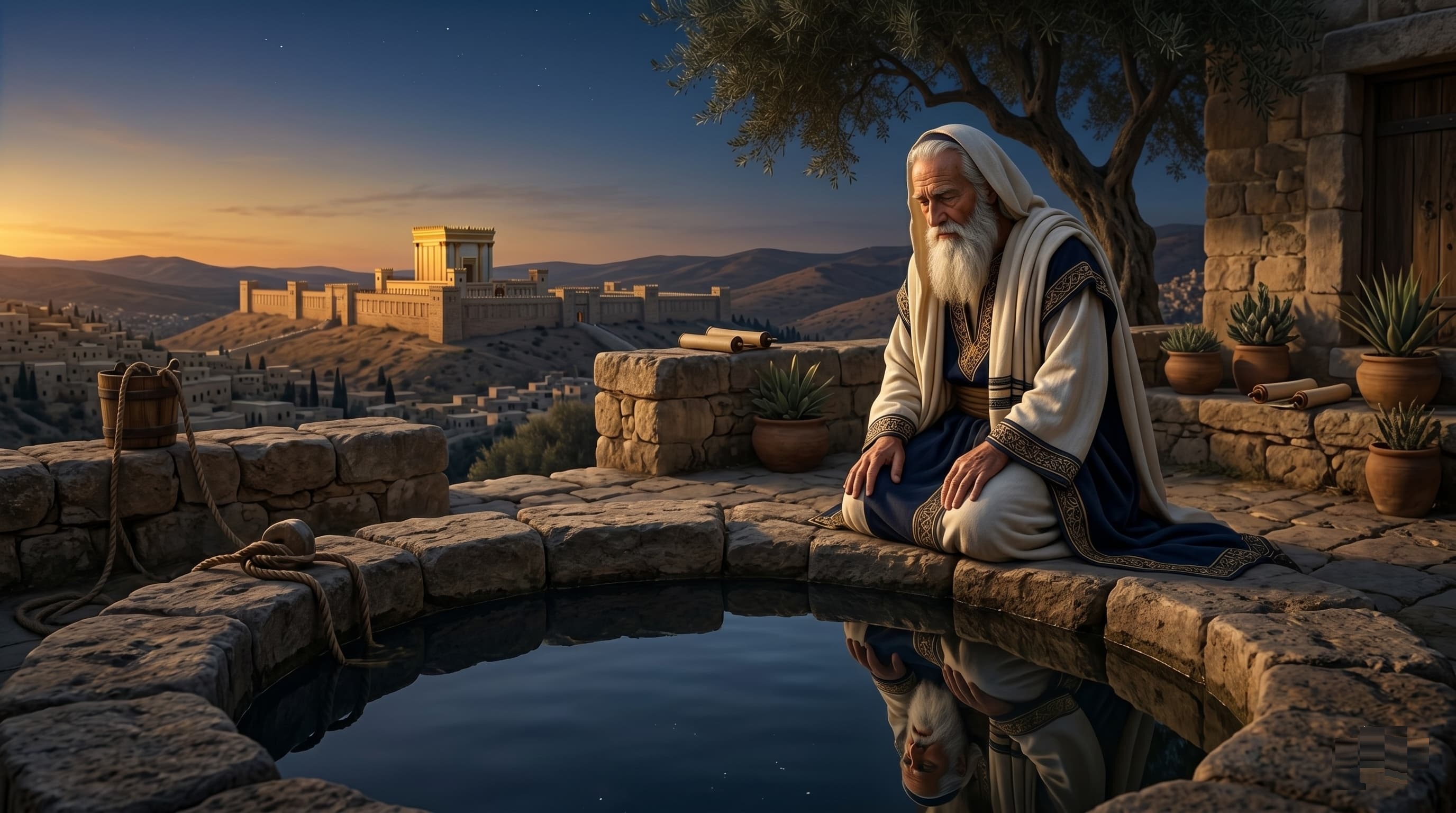
Dracha
Akavia refused an honor that would cost him his integrity — they offered him Av Beit Din if he retracted certain rulings. He said no, and the Sages put him under nidui. He died unbroken. The man who knows where he came from, where he's going, and before whom he stands at the end doesn't trade his soul for a chair. Three questions, vaccine against pride, despair, and self-deception. Recite them once a day for a month. Watch what changes.