Why Chapter 4 reorganizes everything
Chapter 4 opens with Ben Zoma's four U-turns — wisdom, strength, wealth, honor — each one inverting common sense. It closes with Rabbi Elazar HaKappar's verbal storm naming God in eight roles and reminding you that you exist, live, and die against your will. In between: Ben Azzai on the chain reaction of mitzvot, Rabbi Yaakov's image of the world as antechamber, and Elisha ben Avuya — the Sage who would later become a heretic — telling us how memory works. This is the chapter that resets your priorities.
Pourquoi le chapitre 4 réorganise tout
Le chapitre 4 s'ouvre par les quatre U-turns de Ben Zoma — sagesse, force, richesse, honneur — chacun inversant le sens commun. Il se ferme par la tempête verbale de Rabbi Elazar HaKappar, nommant D.ieu en huit rôles et te rappelant que tu existes, vis et meurs malgré toi. Entre les deux : Ben Azzaï sur la réaction en chaîne des mitsvot, l'image de Rabbi Yaakov du monde comme antichambre, et Elisha ben Avouya — le Sage qui deviendra hérétique — sur le fonctionnement de la mémoire. C'est le chapitre qui remet à zéro tes priorités.
למה פרק ד׳ מסדר מחדש הכל
פרק ד׳ נפתח בארבע ההיפוכים של בן זומא — חכמה, גבורה, עושר, כבוד — כל אחת היפוך השכל הישר. הוא חותם בסערה המילולית של רבי אלעזר הקפר, המכנה את ה' בשמונה תפקידים ומזכיר לך שאתה קיים, חי ומת על כורחך. בינתיים: בן עזאי על תגובת השרשרת של המצוות, דימויו של רבי יעקב על העולם כפרוזדור, ואלישע בן אבויה — החכם שיהפוך לכופר — על איך הזיכרון עובד. זה הפרק שמאפס את הסדרי העדיפויות שלך.
Avot 4:1
בֶּן זוֹמָא אוֹמֵר, אֵיזֶהוּ חָכָם, הַלּוֹמֵד מִכָּל אָדָם, שֶׁנֶּאֱמַר (תהלים קיט) מִכָּל מְלַמְּדַי הִשְׂכַּלְתִּי כִּי עֵדְוֹתֶיךָ שִׂיחָה לִּי. אֵיזֶהוּ גִבּוֹר, הַכּוֹבֵשׁ אֶת יִצְרוֹ, שֶׁנֶּאֱמַר (משלי טז) טוֹב אֶרֶךְ אַפַּיִם מִגִּבּוֹר וּמשֵׁל בְּרוּחוֹ מִלֹּכֵד עִיר. אֵיזֶהוּ עָשִׁיר, הַשָּׂמֵחַ בְּחֶלְקוֹ, שֶׁנֶּאֱמַר (תהלים קכח) יְגִיעַ כַּפֶּיךָ כִּי תֹאכֵל אַשְׁרֶיךָ וְטוֹב לָךְ. אַשְׁרֶיךָ, בָּעוֹלָם הַזֶּה. וְטוֹב לָךְ, לָעוֹלָם הַבָּא. אֵיזֶהוּ מְכֻבָּד, הַמְכַבֵּד אֶת הַבְּרִיּוֹת, שֶׁנֶּאֱמַר (שמואל א ב) כִּי מְכַבְּדַי אֲכַבֵּד וּבֹזַי יֵקָלּוּ.
Ben Zoma said: Who is wise? One who learns from every person. Who is mighty? One who conquers his impulse. Who is rich? One who is happy with his portion. Who is honored? One who honors others.
Ben Zoma dit : Qui est sage ? Celui qui apprend de chaque personne. Qui est fort ? Celui qui domine son penchant. Qui est riche ? Celui qui se réjouit de sa part. Qui est honoré ? Celui qui honore autrui.
בֶּן זוֹמָא אוֹמֵר, אֵיזֶהוּ חָכָם, הַלּוֹמֵד מִכָּל אָדָם, שֶׁנֶּאֱמַר (תהלים קיט) מִכָּל מְלַמְּדַי הִשְׂכַּלְתִּי כִּי עֵדְוֹתֶיךָ שִׂיחָה לִּי. אֵיזֶהוּ גִבּוֹר, הַכּוֹבֵשׁ אֶת יִצְרוֹ, שֶׁנֶּאֱמַר (משלי טז) טוֹב אֶרֶךְ אַפַּיִם מִגִּבּוֹר וּמשֵׁל בְּרוּחוֹ מִלֹּכֵד עִיר. אֵיזֶהוּ עָשִׁיר, הַשָּׂמֵחַ בְּחֶלְקוֹ, שֶׁנֶּאֱמַר (תהלים קכח) יְגִיעַ כַּפֶּיךָ כִּי תֹאכֵל אַשְׁרֶיךָ וְטוֹב לָךְ. אַשְׁרֶיךָ, בָּעוֹלָם הַזֶּה. וְטוֹב לָךְ, לָעוֹלָם הַבָּא. אֵיזֶהוּ מְכֻבָּד, הַמְכַבֵּד אֶת הַבְּרִיּוֹת, שֶׁנֶּאֱמַר (שמואל א ב) כִּי מְכַבְּדַי אֲכַבֵּד וּבֹזַי יֵקָלּוּ.
Avot 4:2
בֶּן עַזַּאי אוֹמֵר, הֱוֵי רָץ לְמִצְוָה קַלָּה כְבַחֲמוּרָה, וּבוֹרֵחַ מִן הָעֲבֵרָה. שֶׁמִּצְוָה גּוֹרֶרֶת מִצְוָה, וַעֲבֵרָה גוֹרֶרֶת עֲבֵרָה. שֶׁשְּׂכַר מִצְוָה, מִצְוָה. וּשְׂכַר עֲבֵרָה, עֲבֵרָה.
Ben Azzai said: Run to a light mitzvah as to a serious one, and flee from sin. For a mitzvah leads to a mitzvah, and a sin leads to a sin. The reward of a mitzvah is a mitzvah, and the reward of a sin is a sin.
Ben Azzaï dit : Cours vers une mitsva légère comme vers une grave, et fuis la faute. Car une mitsva entraîne une mitsva, et une faute entraîne une faute. La récompense d'une mitsva est une mitsva, et la récompense d'une faute est une faute.
בֶּן עַזַּאי אוֹמֵר, הֱוֵי רָץ לְמִצְוָה קַלָּה כְבַחֲמוּרָה, וּבוֹרֵחַ מִן הָעֲבֵרָה. שֶׁמִּצְוָה גּוֹרֶרֶת מִצְוָה, וַעֲבֵרָה גוֹרֶרֶת עֲבֵרָה. שֶׁשְּׂכַר מִצְוָה, מִצְוָה. וּשְׂכַר עֲבֵרָה, עֲבֵרָה.
Avot 4:3
הוּא הָיָה אוֹמֵר, אַל תְּהִי בָז לְכָל אָדָם, וְאַל תְּהִי מַפְלִיג לְכָל דָּבָר, שֶׁאֵין לְךָ אָדָם שֶׁאֵין לוֹ שָׁעָה וְאֵין לְךָ דָבָר שֶׁאֵין לוֹ מָקוֹם.
He used to say: Do not despise any person, and do not dismiss anything as impossible — for there is no person who does not have his hour, and no thing that does not have its place.
Il disait : Ne méprise aucun homme, ne déclare rien impossible — car il n'est aucune personne qui n'ait son heure, ni aucune chose qui n'ait sa place.
הוּא הָיָה אוֹמֵר, אַל תְּהִי בָז לְכָל אָדָם, וְאַל תְּהִי מַפְלִיג לְכָל דָּבָר, שֶׁאֵין לְךָ אָדָם שֶׁאֵין לוֹ שָׁעָה וְאֵין לְךָ דָבָר שֶׁאֵין לוֹ מָקוֹם.
Avot 4:4
רַבִּי לְוִיטָס אִישׁ יַבְנֶה אוֹמֵר, מְאֹד מְאֹד הֱוֵי שְׁפַל רוּחַ, שֶׁתִּקְוַת אֱנוֹשׁ רִמָּה. רַבִּי יוֹחָנָן בֶּן בְּרוֹקָא אוֹמֵר, כָּל הַמְחַלֵּל שֵׁם שָׁמַיִם בַּסֵּתֶר, נִפְרָעִין מִמֶּנּוּ בְגָלוּי. אֶחָד שׁוֹגֵג וְאֶחָד מֵזִיד בְּחִלּוּל הַשֵּׁם.
Rabbi Levitas of Yavneh said: Be very, very humble in spirit, for the hope of mortal man is the worm. Rabbi Yochanan ben Beroka said: One who desecrates the Name of Heaven in private is punished publicly — whether the desecration is unintentional or intentional.
Rabbi Lévitas de Yavné dit : Sois très, très humble d'esprit, car l'espérance de l'homme est le ver. Rabbi Yo'hanan ben Beroka dit : Celui qui profane le Nom du Ciel en secret est châtié publiquement — qu'il s'agisse d'une profanation involontaire ou intentionnelle.
רַבִּי לְוִיטָס אִישׁ יַבְנֶה אוֹמֵר, מְאֹד מְאֹד הֱוֵי שְׁפַל רוּחַ, שֶׁתִּקְוַת אֱנוֹשׁ רִמָּה. רַבִּי יוֹחָנָן בֶּן בְּרוֹקָא אוֹמֵר, כָּל הַמְחַלֵּל שֵׁם שָׁמַיִם בַּסֵּתֶר, נִפְרָעִין מִמֶּנּוּ בְגָלוּי. אֶחָד שׁוֹגֵג וְאֶחָד מֵזִיד בְּחִלּוּל הַשֵּׁם.
Avot 4:5
רַבִּי יִשְׁמָעֵאל בְּנוֹ אוֹמֵר, הַלּוֹמֵד תּוֹרָה עַל מְנָת לְלַמֵּד, מַסְפִּיקִין בְּיָדוֹ לִלְמֹד וּלְלַמֵּד. וְהַלּוֹמֵד עַל מְנָת לַעֲשׂוֹת, מַסְפִּיקִין בְּיָדוֹ לִלְמֹד וּלְלַמֵּד לִשְׁמֹר וְלַעֲשׂוֹת. רַבִּי צָדוֹק אוֹמֵר, אַל תַּעֲשֵׂם עֲטָרָה לְהִתְגַּדֵּל בָּהֶם, וְלֹא קַרְדֹּם לַחְפֹּר בָּהֶם. וְכָךְ הָיָה הִלֵּל אוֹמֵר, וּדְאִשְׁתַּמֵּשׁ בְּתָגָא, חָלָף. הָא לָמַדְתָּ, כָּל הַנֶּהֱנֶה מִדִּבְרֵי תוֹרָה, נוֹטֵל חַיָּיו מִן הָעוֹלָם.
Rabbi Yishmael his son said: One who learns Torah in order to teach is given the means to learn and teach. One who learns in order to do is given the means to learn, teach, observe and do. Rabbi Tzadok said: Do not make Torah a crown to glorify yourself, nor a spade to dig with. As Hillel said: One who exploits the crown of Torah, vanishes. From this you learn — anyone who profits from words of Torah takes his life from the world.
Rabbi Yishmaël son fils dit : Celui qui étudie la Torah pour enseigner reçoit les moyens d'étudier et d'enseigner. Celui qui étudie pour faire reçoit les moyens d'étudier, d'enseigner, de garder et de faire. Rabbi Tsadok dit : Ne fais pas de la Torah une couronne pour te glorifier, ni une pioche pour creuser. Comme Hillel disait : Celui qui exploite la couronne de Torah disparaît. De là tu apprends — quiconque profite des paroles de Torah retire sa vie du monde.
רַבִּי יִשְׁמָעֵאל בְּנוֹ אוֹמֵר, הַלּוֹמֵד תּוֹרָה עַל מְנָת לְלַמֵּד, מַסְפִּיקִין בְּיָדוֹ לִלְמֹד וּלְלַמֵּד. וְהַלּוֹמֵד עַל מְנָת לַעֲשׂוֹת, מַסְפִּיקִין בְּיָדוֹ לִלְמֹד וּלְלַמֵּד לִשְׁמֹר וְלַעֲשׂוֹת. רַבִּי צָדוֹק אוֹמֵר, אַל תַּעֲשֵׂם עֲטָרָה לְהִתְגַּדֵּל בָּהֶם, וְלֹא קַרְדֹּם לַחְפֹּר בָּהֶם. וְכָךְ הָיָה הִלֵּל אוֹמֵר, וּדְאִשְׁתַּמֵּשׁ בְּתָגָא, חָלָף. הָא לָמַדְתָּ, כָּל הַנֶּהֱנֶה מִדִּבְרֵי תוֹרָה, נוֹטֵל חַיָּיו מִן הָעוֹלָם.
Avot 4:6
רַבִּי יוֹסֵי אוֹמֵר, כָּל הַמְכַבֵּד אֶת הַתּוֹרָה, גּוּפוֹ מְכֻבָּד עַל הַבְּרִיּוֹת. וְכָל הַמְחַלֵּל אֶת הַתּוֹרָה, גּוּפוֹ מְחֻלָּל עַל הַבְּרִיּוֹת.
Rabbi Yose said: Whoever honors the Torah is himself honored by people. Whoever desecrates the Torah is himself desecrated by people.
Rabbi Yossi dit : Quiconque honore la Torah est lui-même honoré par les gens. Quiconque profane la Torah est lui-même profané par les gens.
רַבִּי יוֹסֵי אוֹמֵר, כָּל הַמְכַבֵּד אֶת הַתּוֹרָה, גּוּפוֹ מְכֻבָּד עַל הַבְּרִיּוֹת. וְכָל הַמְחַלֵּל אֶת הַתּוֹרָה, גּוּפוֹ מְחֻלָּל עַל הַבְּרִיּוֹת.
Avot 4:7
רַבִּי יִשְׁמָעֵאל בְּנוֹ אוֹמֵר, הַחוֹשֵׂךְ עַצְמוֹ מִן הַדִּין, פּוֹרֵק מִמֶּנּוּ אֵיבָה וְגָזֵל וּשְׁבוּעַת שָׁוְא. וְהַגַּס לִבּוֹ בַהוֹרָאָה, שׁוֹטֶה רָשָׁע וְגַס רוּחַ.
Rabbi Yishmael his son said: One who refrains from judging is freed from enmity, robbery, and false oaths. One who is arrogant in rendering decisions is a fool, wicked, and arrogant of spirit.
Rabbi Yishmaël son fils dit : Celui qui s'abstient de juger se libère de l'inimitié, du vol et du serment vain. Celui qui est arrogant en tranchant est un sot, un méchant et un orgueilleux d'esprit.
רַבִּי יִשְׁמָעֵאל בְּנוֹ אוֹמֵר, הַחוֹשֵׂךְ עַצְמוֹ מִן הַדִּין, פּוֹרֵק מִמֶּנּוּ אֵיבָה וְגָזֵל וּשְׁבוּעַת שָׁוְא. וְהַגַּס לִבּוֹ בַהוֹרָאָה, שׁוֹטֶה רָשָׁע וְגַס רוּחַ.
Avot 4:8
הוּא הָיָה אוֹמֵר, אַל תְּהִי דָן יְחִידִי, שֶׁאֵין דָּן יְחִידִי אֶלָּא אֶחָד. וְאַל תֹּאמַר קַבְּלוּ דַעְתִּי, שֶׁהֵן רַשָּׁאִין וְלֹא אָתָּה.
He used to say: Do not judge alone, for none judges alone except the One. And do not say 'accept my view,' for they are entitled to decide, not you.
Il disait : Ne juge pas seul, car nul ne juge seul sauf l'Unique. Et ne dis pas « acceptez mon avis », car ce sont eux qui décident, pas toi.
הוּא הָיָה אוֹמֵר, אַל תְּהִי דָן יְחִידִי, שֶׁאֵין דָּן יְחִידִי אֶלָּא אֶחָד. וְאַל תֹּאמַר קַבְּלוּ דַעְתִּי, שֶׁהֵן רַשָּׁאִין וְלֹא אָתָּה.
Avot 4:9
רַבִּי יוֹנָתָן אוֹמֵר, כָּל הַמְקַיֵּם אֶת הַתּוֹרָה מֵעֹנִי, סוֹפוֹ לְקַיְּמָהּ מֵעשֶׁר. וְכָל הַמְבַטֵּל אֶת הַתּוֹרָה מֵעשֶׁר, סוֹפוֹ לְבַטְּלָהּ מֵעֹנִי.
Rabbi Yonatan said: Whoever fulfills the Torah in poverty will end up fulfilling it in wealth. Whoever neglects the Torah in wealth will end up neglecting it in poverty.
Rabbi Yonatan dit : Celui qui accomplit la Torah dans la pauvreté finira par l'accomplir dans la richesse. Celui qui néglige la Torah dans la richesse finira par la négliger dans la pauvreté.
רַבִּי יוֹנָתָן אוֹמֵר, כָּל הַמְקַיֵּם אֶת הַתּוֹרָה מֵעֹנִי, סוֹפוֹ לְקַיְּמָהּ מֵעשֶׁר. וְכָל הַמְבַטֵּל אֶת הַתּוֹרָה מֵעשֶׁר, סוֹפוֹ לְבַטְּלָהּ מֵעֹנִי.
Avot 4:10
רַבִּי מֵאִיר אוֹמֵר, הֱוֵי מְמַעֵט בְּעֵסֶק, וַעֲסֹק בַּתּוֹרָה. וֶהֱוֵי שְׁפַל רוּחַ בִּפְנֵי כָל אָדָם. וְאִם בָּטַלְתָּ מִן הַתּוֹרָה, יֶשׁ לְךָ בְטֵלִים הַרְבֵּה כְנֶגְדָּךְ. וְאִם עָמַלְתָּ בַתּוֹרָה, יֶשׁ לוֹ שָׂכָר הַרְבֵּה לִתֶּן לָךְ.
Rabbi Meir said: Cut down on business and immerse yourself in Torah. Be humble before every person. If you neglect the Torah, you will have many neglecters set against you. If you toil in the Torah, He has much reward to give you.
Rabbi Meïr dit : Réduis les affaires, plonge-toi dans la Torah. Sois humble devant chaque homme. Si tu négliges la Torah, beaucoup de négligents seront contre toi. Si tu peines dans la Torah, Il a une grande récompense à te donner.
רַבִּי מֵאִיר אוֹמֵר, הֱוֵי מְמַעֵט בְּעֵסֶק, וַעֲסֹק בַּתּוֹרָה. וֶהֱוֵי שְׁפַל רוּחַ בִּפְנֵי כָל אָדָם. וְאִם בָּטַלְתָּ מִן הַתּוֹרָה, יֶשׁ לְךָ בְטֵלִים הַרְבֵּה כְנֶגְדָּךְ. וְאִם עָמַלְתָּ בַתּוֹרָה, יֶשׁ לוֹ שָׂכָר הַרְבֵּה לִתֶּן לָךְ.
Avot 4:11
רַבִּי אֱלִיעֶזֶר בֶּן יַעֲקֹב אוֹמֵר, הָעוֹשֶׂה מִצְוָה אַחַת, קוֹנֶה לוֹ פְרַקְלִיט אֶחָד. וְהָעוֹבֵר עֲבֵרָה אַחַת, קוֹנֶה לוֹ קַטֵּגוֹר אֶחָד. תְּשׁוּבָה וּמַעֲשִׂים טוֹבִים, כִּתְרִיס בִּפְנֵי הַפֻּרְעָנוּת. רַבִּי יוֹחָנָן הַסַּנְדְּלָר אוֹמֵר, כָּל כְּנֵסִיָּה שֶׁהִיא לְשֵׁם שָׁמַיִם, סוֹפָהּ לְהִתְקַיֵּם. וְשֶׁאֵינָהּ לְשֵׁם שָׁמַיִם, אֵין סוֹפָהּ לְהִתְקַיֵּם.
Rabbi Eliezer ben Yaakov said: Whoever performs one mitzvah acquires one defender. Whoever commits one sin acquires one prosecutor. Repentance and good deeds are a shield against retribution. Rabbi Yochanan the Sandalmaker said: Every assembly that is for the sake of Heaven will endure. One that is not for the sake of Heaven will not endure.
Rabbi Eliezer ben Yaakov dit : Celui qui accomplit une mitsva acquiert un défenseur. Celui qui commet une faute acquiert un accusateur. Téchouva et bonnes actions sont un bouclier contre le châtiment. Rabbi Yo'hanan le Sandalier dit : Toute assemblée qui est pour le nom du Ciel finira par tenir. Celle qui ne l'est pas, ne tiendra pas.
רַבִּי אֱלִיעֶזֶר בֶּן יַעֲקֹב אוֹמֵר, הָעוֹשֶׂה מִצְוָה אַחַת, קוֹנֶה לוֹ פְרַקְלִיט אֶחָד. וְהָעוֹבֵר עֲבֵרָה אַחַת, קוֹנֶה לוֹ קַטֵּגוֹר אֶחָד. תְּשׁוּבָה וּמַעֲשִׂים טוֹבִים, כִּתְרִיס בִּפְנֵי הַפֻּרְעָנוּת. רַבִּי יוֹחָנָן הַסַּנְדְּלָר אוֹמֵר, כָּל כְּנֵסִיָּה שֶׁהִיא לְשֵׁם שָׁמַיִם, סוֹפָהּ לְהִתְקַיֵּם. וְשֶׁאֵינָהּ לְשֵׁם שָׁמַיִם, אֵין סוֹפָהּ לְהִתְקַיֵּם.
Avot 4:12
רַבִּי אֶלְעָזָר בֶּן שַׁמּוּעַ אוֹמֵר, יְהִי כְבוֹד תַּלְמִידְךָ חָבִיב עָלֶיךָ כְּשֶׁלְּךָ, וּכְבוֹד חֲבֵרְךָ כְּמוֹרָא רַבְּךָ, וּמוֹרָא רַבְּךָ כְּמוֹרָא שָׁמָיִם.
Rabbi Elazar ben Shamua said: Let the honor of your student be as dear to you as your own. The honor of your colleague — like the awe of your teacher. The awe of your teacher — like the awe of Heaven.
Rabbi Elazar ben Shamua dit : Que l'honneur de ton élève te soit aussi cher que le tien. L'honneur de ton collègue — comme la révérence pour ton maître. La révérence pour ton maître — comme la révérence pour le Ciel.
רַבִּי אֶלְעָזָר בֶּן שַׁמּוּעַ אוֹמֵר, יְהִי כְבוֹד תַּלְמִידְךָ חָבִיב עָלֶיךָ כְּשֶׁלְּךָ, וּכְבוֹד חֲבֵרְךָ כְּמוֹרָא רַבְּךָ, וּמוֹרָא רַבְּךָ כְּמוֹרָא שָׁמָיִם.
Avot 4:13
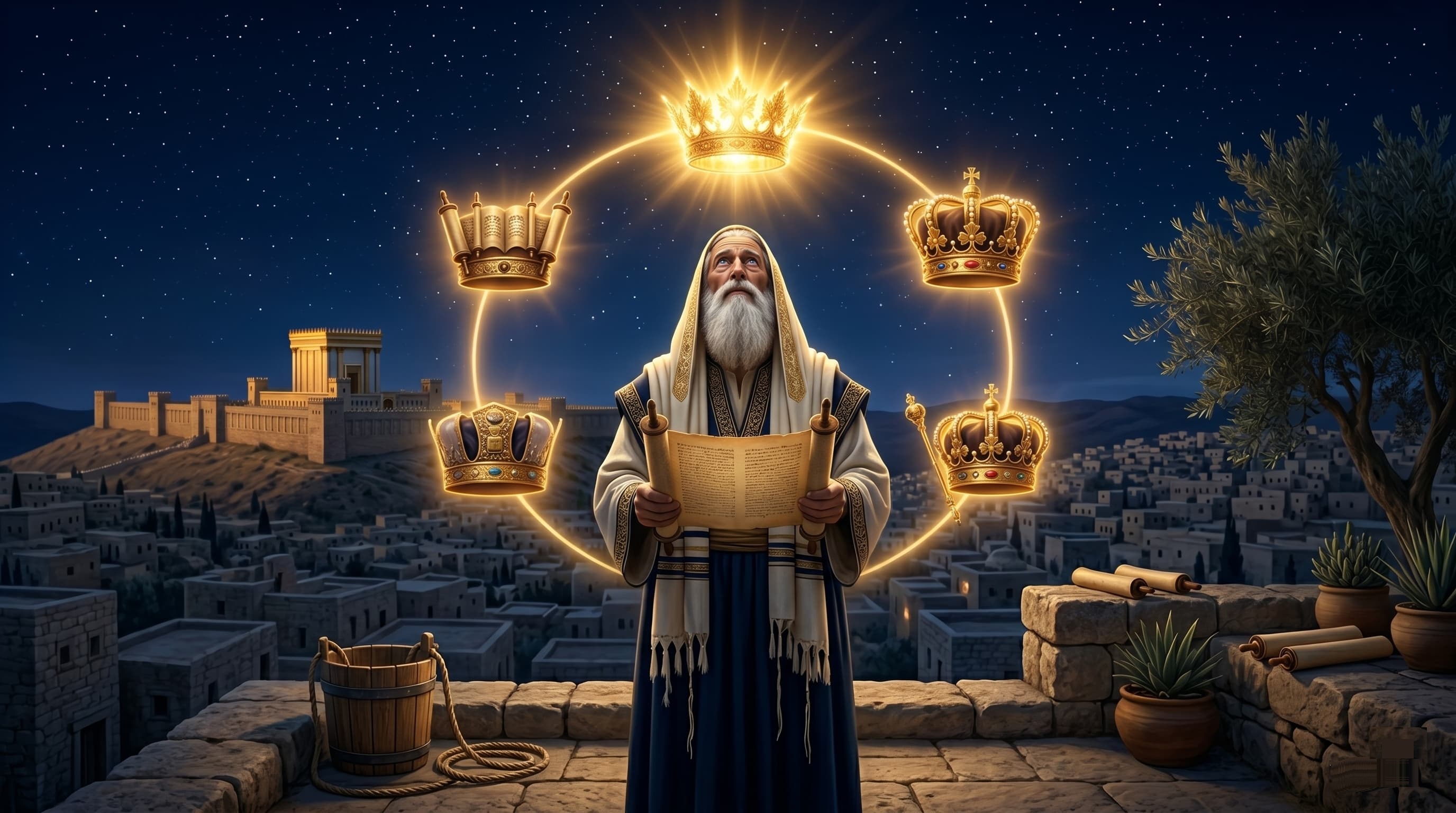
רַבִּי יְהוּדָה אוֹמֵר, הֱוֵי זָהִיר בַּתַּלְמוּד, שֶׁשִּׁגְגַת תַּלְמוּד עוֹלָה זָדוֹן. רַבִּי שִׁמְעוֹן אוֹמֵר, שְׁלשָׁה כְתָרִים הֵם, כֶּתֶר תּוֹרָה וְכֶתֶר כְּהֻנָּה וְכֶתֶר מַלְכוּת, וְכֶתֶר שֵׁם טוֹב עוֹלֶה עַל גַּבֵּיהֶן.
Rabbi Yehuda said: Be careful with study — for an error in study counts as intentional sin. Rabbi Shimon said: There are three crowns — the crown of Torah, the crown of priesthood, the crown of kingship. But the crown of a good name surpasses them all.
Rabbi Yehouda dit : Sois prudent avec l'étude — car une erreur d'étude équivaut à une faute intentionnelle. Rabbi Shimon dit : Il y a trois couronnes — la couronne de Torah, la couronne du sacerdoce, la couronne de la royauté. Mais la couronne du bon nom les dépasse toutes.
רַבִּי יְהוּדָה אוֹמֵר, הֱוֵי זָהִיר בַּתַּלְמוּד, שֶׁשִּׁגְגַת תַּלְמוּד עוֹלָה זָדוֹן. רַבִּי שִׁמְעוֹן אוֹמֵר, שְׁלשָׁה כְתָרִים הֵם, כֶּתֶר תּוֹרָה וְכֶתֶר כְּהֻנָּה וְכֶתֶר מַלְכוּת, וְכֶתֶר שֵׁם טוֹב עוֹלֶה עַל גַּבֵּיהֶן.
Avot 4:14
רַבִּי נְהוֹרַאי אוֹמֵר, הֱוֵי גוֹלֶה לִמְקוֹם תּוֹרָה, וְאַל תֹּאמַר שֶׁהִיא תָבֹא אַחֲרֶיךָ, שֶׁחֲבֵרֶיךָ יְקַיְּמוּהָ בְיָדֶךָ. וְאֶל בִּינָתְךָ אַל תִּשָּׁעֵן.
Rabbi Nehorai said: Exile yourself to a place of Torah. Do not say 'it will come to me' — for your friends will help you keep it in your hand. And do not rely on your own understanding.
Rabbi Nehoraï dit : Exile-toi vers un lieu de Torah. Ne dis pas « elle viendra à moi » — car tes amis t'aideront à la garder en main. Et ne t'appuie pas sur ta propre intelligence.
רַבִּי נְהוֹרַאי אוֹמֵר, הֱוֵי גוֹלֶה לִמְקוֹם תּוֹרָה, וְאַל תֹּאמַר שֶׁהִיא תָבֹא אַחֲרֶיךָ, שֶׁחֲבֵרֶיךָ יְקַיְּמוּהָ בְיָדֶךָ. וְאֶל בִּינָתְךָ אַל תִּשָּׁעֵן.
Avot 4:15
רַבִּי יַנַּאי אוֹמֵר, אֵין בְּיָדֵינוּ לֹא מִשַּׁלְוַת הָרְשָׁעִים וְאַף לֹא מִיִּסּוּרֵי הַצַּדִּיקִים. רַבִּי מַתְיָא בֶן חָרָשׁ אוֹמֵר, הֱוֵי מַקְדִּים בִּשְׁלוֹם כָּל אָדָם. וֶהֱוֵי זָנָב לָאֲרָיוֹת, וְאַל תְּהִי רֹאשׁ לַשּׁוּעָלִים.
Rabbi Yannai said: It is not in our hands to explain the tranquility of the wicked or the suffering of the righteous. Rabbi Matia ben Charash said: Be the first to greet every person. Be a tail to lions rather than a head to foxes.
Rabbi Yannaï dit : Il n'est pas en notre pouvoir d'expliquer la tranquillité des méchants ni les souffrances des justes. Rabbi Matya ben 'Harach dit : Sois le premier à saluer chaque personne. Sois une queue aux lions plutôt qu'une tête aux renards.
רַבִּי יַנַּאי אוֹמֵר, אֵין בְּיָדֵינוּ לֹא מִשַּׁלְוַת הָרְשָׁעִים וְאַף לֹא מִיִּסּוּרֵי הַצַּדִּיקִים. רַבִּי מַתְיָא בֶן חָרָשׁ אוֹמֵר, הֱוֵי מַקְדִּים בִּשְׁלוֹם כָּל אָדָם. וֶהֱוֵי זָנָב לָאֲרָיוֹת, וְאַל תְּהִי רֹאשׁ לַשּׁוּעָלִים.
Avot 4:16
רַבִּי יַעֲקֹב אוֹמֵר, הָעוֹלָם הַזֶּה דּוֹמֶה לִפְרוֹזְדוֹר בִּפְנֵי הָעוֹלָם הַבָּא. הַתְקֵן עַצְמְךָ בַפְּרוֹזְדוֹר, כְּדֵי שֶׁתִּכָּנֵס לַטְּרַקְלִין.
Rabbi Yaakov said: This world is like an antechamber before the world to come. Prepare yourself in the antechamber so that you may enter the banquet hall.
Rabbi Yaakov dit : Ce monde est comme une antichambre devant le monde à venir. Prépare-toi dans l'antichambre pour entrer dans la grande salle.
רַבִּי יַעֲקֹב אוֹמֵר, הָעוֹלָם הַזֶּה דּוֹמֶה לִפְרוֹזְדוֹר בִּפְנֵי הָעוֹלָם הַבָּא. הַתְקֵן עַצְמְךָ בַפְּרוֹזְדוֹר, כְּדֵי שֶׁתִּכָּנֵס לַטְּרַקְלִין.
Avot 4:17
הוּא הָיָה אוֹמֵר, יָפָה שָׁעָה אַחַת בִּתְשׁוּבָה וּמַעֲשִׂים טוֹבִים בָּעוֹלָם הַזֶּה, מִכָּל חַיֵּי הָעוֹלָם הַבָּא. וְיָפָה שָׁעָה אַחַת שֶׁל קוֹרַת רוּחַ בָּעוֹלָם הַבָּא, מִכָּל חַיֵּי הָעוֹלָם הַזֶּה.
He used to say: One hour of repentance and good deeds in this world is more beautiful than all the life of the world to come. And one hour of contentment in the world to come is more beautiful than all the life of this world.
Il disait : Une heure de téchouva et de bonnes actions dans ce monde est plus belle que toute la vie du monde à venir. Et une heure de plénitude dans le monde à venir est plus belle que toute la vie de ce monde.
הוּא הָיָה אוֹמֵר, יָפָה שָׁעָה אַחַת בִּתְשׁוּבָה וּמַעֲשִׂים טוֹבִים בָּעוֹלָם הַזֶּה, מִכָּל חַיֵּי הָעוֹלָם הַבָּא. וְיָפָה שָׁעָה אַחַת שֶׁל קוֹרַת רוּחַ בָּעוֹלָם הַבָּא, מִכָּל חַיֵּי הָעוֹלָם הַזֶּה.
Avot 4:18
רַבִּי שִׁמְעוֹן בֶּן אֶלְעָזָר אוֹמֵר, אַל תְּרַצֶּה אֶת חֲבֵרְךָ בִשְׁעַת כַּעֲסוֹ, וְאַל תְּנַחֲמֶנּוּ בְּשָׁעָה שֶׁמֵּתוֹ מֻטָּל לְפָנָיו, וְאַל תִּשְׁאַל לוֹ בִשְׁעַת נִדְרוֹ, וְאַל תִּשְׁתַּדֵּל לִרְאוֹתוֹ בִשְׁעַת קַלְקָלָתוֹ.
Rabbi Shimon ben Elazar said: Do not appease your friend at the moment of his anger. Do not console him while his dead lies before him. Do not question him at the moment of his vow. And do not strive to see him at the moment of his disgrace.
Rabbi Shimon ben Elazar dit : Ne tente pas d'apaiser ton ami au moment de sa colère. Ne le console pas tant que son mort gît devant lui. Ne le questionne pas au moment de son vœu. Et ne cherche pas à le voir au moment de sa honte.
רַבִּי שִׁמְעוֹן בֶּן אֶלְעָזָר אוֹמֵר, אַל תְּרַצֶּה אֶת חֲבֵרְךָ בִשְׁעַת כַּעֲסוֹ, וְאַל תְּנַחֲמֶנּוּ בְּשָׁעָה שֶׁמֵּתוֹ מֻטָּל לְפָנָיו, וְאַל תִּשְׁאַל לוֹ בִשְׁעַת נִדְרוֹ, וְאַל תִּשְׁתַּדֵּל לִרְאוֹתוֹ בִשְׁעַת קַלְקָלָתוֹ.
Avot 4:19
שְׁמוּאֵל הַקָּטָן אוֹמֵר, (משלי כד) בִּנְפֹל אוֹיִבְךָ אַל תִּשְׂמָח וּבִכָּשְׁלוֹ אַל יָגֵל לִבֶּךָ, פֶּן יִרְאֶה ה' וְרַע בְּעֵינָיו וְהֵשִׁיב מֵעָלָיו אַפּוֹ.
Shmuel HaKatan said: (Proverbs 24) 'When your enemy falls, do not rejoice; when he stumbles, let your heart not be glad — lest the Lord see and be displeased and turn His wrath away from him.'
Chmouel HaKatan dit : (Proverbes 24) « Quand ton ennemi tombe, ne te réjouis pas ; quand il trébuche, que ton cœur ne se réjouisse pas — de peur que l'Éternel ne le voie et n'en soit déplu et ne détourne de lui Sa colère. »
שְׁמוּאֵל הַקָּטָן אוֹמֵר, (משלי כד) בִּנְפֹל אוֹיִבְךָ אַל תִּשְׂמָח וּבִכָּשְׁלוֹ אַל יָגֵל לִבֶּךָ, פֶּן יִרְאֶה ה' וְרַע בְּעֵינָיו וְהֵשִׁיב מֵעָלָיו אַפּוֹ.
Avot 4:20
אֱלִישָׁע בֶּן אֲבוּיָה אוֹמֵר, הַלּוֹמֵד יֶלֶד לְמַה הוּא דוֹמֶה, לִדְיוֹ כְתוּבָה עַל נְיָר חָדָשׁ. וְהַלּוֹמֵד זָקֵן לְמַה הוּא דוֹמֶה, לִדְיוֹ כְתוּבָה עַל נְיָר מָחוּק. רַבִּי יוֹסֵי בַר יְהוּדָה אִישׁ כְּפַר הַבַּבְלִי אוֹמֵר, הַלּוֹמֵד מִן הַקְּטַנִּים לְמַה הוּא דוֹמֶה, לְאֹכֵל עֲנָבִים קֵהוֹת וְשׁוֹתֶה יַיִן מִגִּתּוֹ. וְהַלּוֹמֵד מִן הַזְּקֵנִים לְמַה הוּא דוֹמֶה, לְאֹכֵל עֲנָבִים בְּשֵׁלוֹת וְשׁוֹתֶה יַיִן יָשָׁן. רַבִּי אוֹמֵר, אַל תִּסְתַּכֵּל בַּקַּנְקַן, אֶלָּא בְמַה שֶּׁיֶּשׁ בּוֹ. יֵשׁ קַנְקַן חָדָשׁ מָלֵא יָשָׁן, וְיָשָׁן שֶׁאֲפִלּוּ חָדָשׁ אֵין בּוֹ.
Elisha ben Avuya said: Studying in youth is like ink written on fresh paper. Studying in old age is like ink written on smudged paper. Rabbi Yose bar Yehuda said: Learning from the young is like eating unripe grapes and drinking wine fresh from the press. Learning from the old is like eating ripe grapes and drinking aged wine. Rabbi said: Do not look at the jar, but at what is in it. Some new jars are full of old wine, and some old jars don't even have new wine.
Elisha ben Avouya dit : Apprendre jeune, c'est comme de l'encre écrite sur du papier neuf. Apprendre vieux, c'est comme de l'encre écrite sur du papier effacé. Rabbi Yossi bar Yehouda dit : Apprendre des jeunes, c'est manger des raisins verts et boire du vin tout juste pressé. Apprendre des anciens, c'est manger des raisins mûrs et boire du vin vieux. Rabbi dit : Ne regarde pas la cruche, mais ce qu'elle contient. Il est de nouvelles cruches pleines de vieux vin, et de vieilles qui n'ont même pas de vin nouveau.
אֱלִישָׁע בֶּן אֲבוּיָה אוֹמֵר, הַלּוֹמֵד יֶלֶד לְמַה הוּא דוֹמֶה, לִדְיוֹ כְתוּבָה עַל נְיָר חָדָשׁ. וְהַלּוֹמֵד זָקֵן לְמַה הוּא דוֹמֶה, לִדְיוֹ כְתוּבָה עַל נְיָר מָחוּק. רַבִּי יוֹסֵי בַר יְהוּדָה אִישׁ כְּפַר הַבַּבְלִי אוֹמֵר, הַלּוֹמֵד מִן הַקְּטַנִּים לְמַה הוּא דוֹמֶה, לְאֹכֵל עֲנָבִים קֵהוֹת וְשׁוֹתֶה יַיִן מִגִּתּוֹ. וְהַלּוֹמֵד מִן הַזְּקֵנִים לְמַה הוּא דוֹמֶה, לְאֹכֵל עֲנָבִים בְּשֵׁלוֹת וְשׁוֹתֶה יַיִן יָשָׁן. רַבִּי אוֹמֵר, אַל תִּסְתַּכֵּל בַּקַּנְקַן, אֶלָּא בְמַה שֶּׁיֶּשׁ בּוֹ. יֵשׁ קַנְקַן חָדָשׁ מָלֵא יָשָׁן, וְיָשָׁן שֶׁאֲפִלּוּ חָדָשׁ אֵין בּוֹ.
Avot 4:21
רַבִּי אֶלְעָזָר הַקַּפָּר אוֹמֵר, הַקִּנְאָה וְהַתַּאֲוָה וְהַכָּבוֹד, מוֹצִיאִין אֶת הָאָדָם מִן הָעוֹלָם.
Rabbi Elazar HaKappar said: Envy, lust, and the pursuit of honor — remove a man from the world.
Rabbi Elazar HaKappar dit : L'envie, le désir et la poursuite des honneurs — retirent l'homme du monde.
רַבִּי אֶלְעָזָר הַקַּפָּר אוֹמֵר, הַקִּנְאָה וְהַתַּאֲוָה וְהַכָּבוֹד, מוֹצִיאִין אֶת הָאָדָם מִן הָעוֹלָם.
Avot 4:22
הוּא הָיָה אוֹמֵר, הַיִּלּוֹדִים לָמוּת, וְהַמֵּתִים לְהֵחָיוֹת, וְהַחַיִּים לִדּוֹן. לֵידַע לְהוֹדִיעַ וּלְהִוָּדַע שֶׁהוּא אֵל, הוּא הַיּוֹצֵר, הוּא הַבּוֹרֵא, הוּא הַמֵּבִין, הוּא הַדַּיָּן, הוּא עֵד, הוּא בַעַל דִּין, וְהוּא עָתִיד לָדוּן. בָּרוּךְ הוּא, שֶׁאֵין לְפָנָיו לֹא עַוְלָה, וְלֹא שִׁכְחָה, וְלֹא מַשּׂוֹא פָנִים, וְלֹא מִקַּח שֹׁחַד, שֶׁהַכֹּל שֶׁלּוֹ. וְדַע שֶׁהַכֹּל לְפִי הַחֶשְׁבּוֹן. וְאַל יַבְטִיחֲךָ יִצְרְךָ שֶׁהַשְּׁאוֹל בֵּית מָנוֹס לְךָ, שֶׁעַל כָּרְחֲךָ אַתָּה נוֹצָר, וְעַל כָּרְחֲךָ אַתָּה נוֹלָד, וְעַל כָּרְחֲךָ אַתָּה חַי, וְעַל כָּרְחֲךָ אַתָּה מֵת, וְעַל כָּרְחֲךָ אַתָּה עָתִיד לִתֵּן דִּין וְחֶשְׁבּוֹן לִפְנֵי מֶלֶךְ מַלְכֵי הַמְּלָכִים הַקָּדוֹשׁ בָּרוּךְ הוּא.
He used to say: The newborn are destined to die, the dead to live again, the living to be judged — to know, to make known, and to confirm that He is God, He is the Maker, He is the Creator, He is the Discerner, He is the Judge, He is the Witness, He is the Plaintiff, and He will judge. Blessed be He — for before Him there is no injustice, no forgetting, no favoritism, no taking of bribes, for all is His. And know that everything is by the reckoning. Do not let your impulse promise you that the grave will be your refuge — for against your will you were formed, against your will you were born, against your will you live, against your will you die, and against your will you will give an account before the King of kings, the Holy One, blessed be He.
Il disait : Les nouveau-nés sont destinés à mourir, les morts à revivre, les vivants à être jugés — pour savoir, faire savoir et confirmer qu'Il est D.ieu, qu'Il est le Façonneur, le Créateur, le Discernant, le Juge, le Témoin, le Plaignant, et qu'Il jugera. Béni soit-Il — devant Lui il n'y a ni injustice, ni oubli, ni favoritisme, ni corruption, car tout est à Lui. Et sache que tout va selon le compte. Ne laisse pas ton penchant te promettre que la tombe sera ton refuge — car malgré toi tu fus formé, malgré toi tu es né, malgré toi tu vis, malgré toi tu meurs, et malgré toi tu rendras des comptes devant le Roi des rois, le Saint, béni soit-Il.
הוּא הָיָה אוֹמֵר, הַיִּלּוֹדִים לָמוּת, וְהַמֵּתִים לְהֵחָיוֹת, וְהַחַיִּים לִדּוֹן. לֵידַע לְהוֹדִיעַ וּלְהִוָּדַע שֶׁהוּא אֵל, הוּא הַיּוֹצֵר, הוּא הַבּוֹרֵא, הוּא הַמֵּבִין, הוּא הַדַּיָּן, הוּא עֵד, הוּא בַעַל דִּין, וְהוּא עָתִיד לָדוּן. בָּרוּךְ הוּא, שֶׁאֵין לְפָנָיו לֹא עַוְלָה, וְלֹא שִׁכְחָה, וְלֹא מַשּׂוֹא פָנִים, וְלֹא מִקַּח שֹׁחַד, שֶׁהַכֹּל שֶׁלּוֹ. וְדַע שֶׁהַכֹּל לְפִי הַחֶשְׁבּוֹן. וְאַל יַבְטִיחֲךָ יִצְרְךָ שֶׁהַשְּׁאוֹל בֵּית מָנוֹס לְךָ, שֶׁעַל כָּרְחֲךָ אַתָּה נוֹצָר, וְעַל כָּרְחֲךָ אַתָּה נוֹלָד, וְעַל כָּרְחֲךָ אַתָּה חַי, וְעַל כָּרְחֲךָ אַתָּה מֵת, וְעַל כָּרְחֲךָ אַתָּה עָתִיד לִתֵּן דִּין וְחֶשְׁבּוֹן לִפְנֵי מֶלֶךְ מַלְכֵי הַמְּלָכִים הַקָּדוֹשׁ בָּרוּךְ הוּא.
Take it further
Beyond Pirkei Avot — the rest of the Gueoula library
Aller plus loin
Au-delà des Pirké Avot — le reste de la bibliothèque Gueoula
להרחיב את הלימוד
מעבר לפרקי אבות — שאר הספרייה של גאולה
Dracha
Four definitions, each a U-turn against common sense. The world says wisdom comes from elite teachers — Ben Zoma says everyone teaches. The world says strength conquers enemies — Ben Zoma says strength conquers yourself. The world says wealth is more — Ben Zoma says wealth is wanting what you have. The world says honor is what you receive — Ben Zoma says it's what you give. Take one inversion into your skull. Live a different life.