Why Chapter 5 reorganizes everything
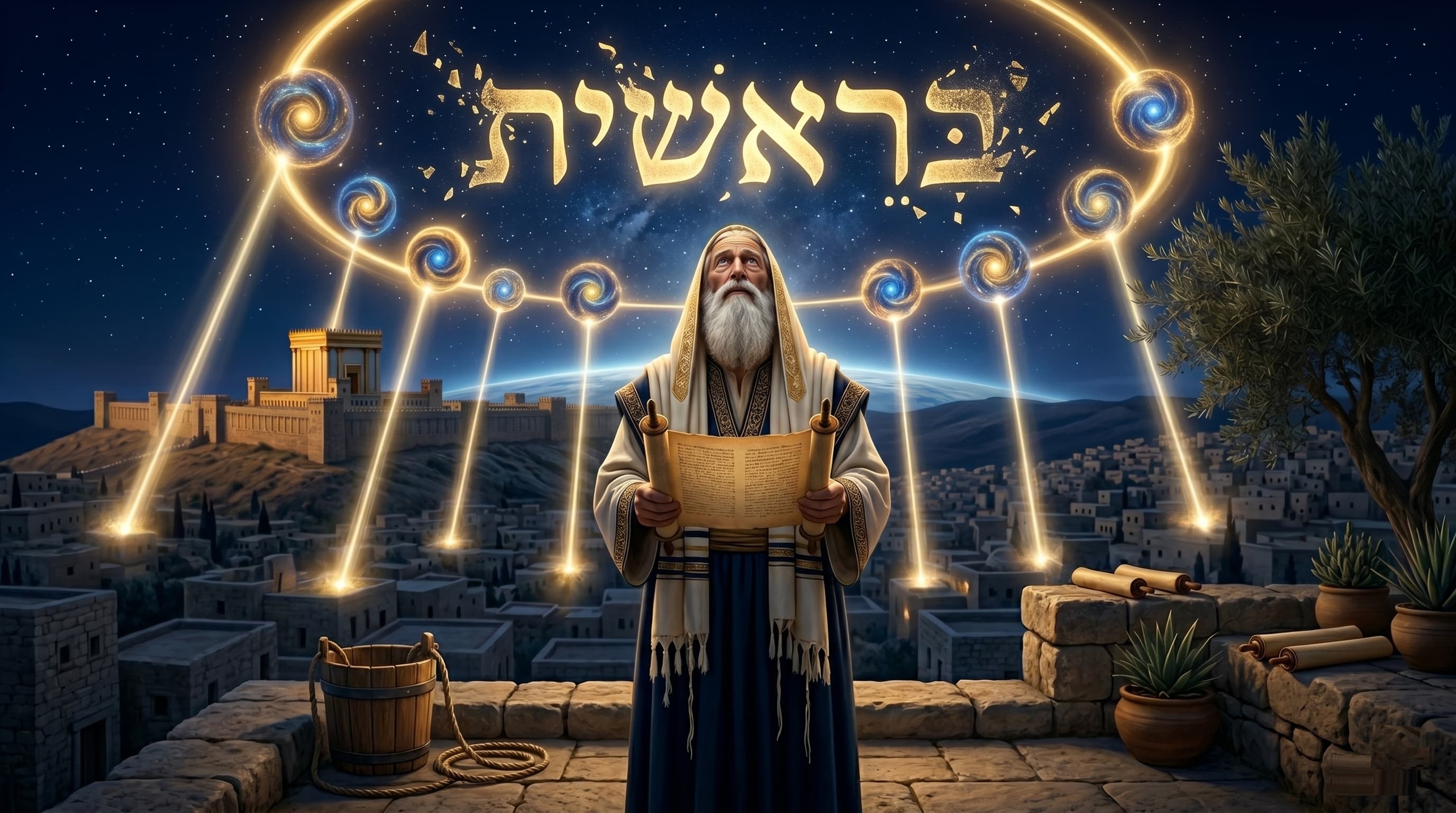
Chapter 5 is built on patterns of ten and groups of four. It opens by teaching that the world was created with ten utterances — not one — so that the weight of its destruction and the merit of its preservation would be that much greater. It then maps human character into fours: four types of givers, four temperaments of anger, four kinds of students, four attitudes toward charity. It closes with the distinction between a dispute for the sake of Heaven, which endures, and one that is not, which vanishes — and with Ben Hei Hei's rule that reward is measured by effort. This is the chapter that teaches you to read the patterns in yourself.
Pourquoi le chapitre 5 réorganise tout
Le chapitre 5 est bâti sur des schémas de dix et des groupes de quatre. Il s'ouvre en enseignant que le monde fut créé par dix paroles — et non une seule — afin que le poids de sa destruction et le mérite de sa préservation soient d'autant plus grands. Il cartographie ensuite le caractère humain par quatre : quatre types de donneurs, quatre tempéraments face à la colère, quatre sortes d'élèves, quatre attitudes envers la tsédaka. Il se ferme sur la distinction entre une dispute pour le Ciel, qui perdure, et celle qui ne l'est pas, qui s'évanouit — et sur la règle de Ben Hé Hé : la récompense se mesure à l'effort. C'est le chapitre qui t'apprend à lire les schémas en toi.
למה פרק ה׳ מסדר מחדש הכל
פרק ה׳ בנוי על תבניות של עשר וקבוצות של ארבע. הוא נפתח בלימוד שהעולם נברא בעשרה מאמרות — ולא באחד — כדי שכובד החרבתו וזכות קיומו יהיו גדולים יותר. אחר כך הוא ממפה את אופי האדם בארבע: ארבע מידות בנותנים, ארבע מידות בכעס, ארבע מידות בתלמידים, ארבע מידות בצדקה. הוא חותם בהבחנה בין מחלוקת לשם שמיים, שמתקיימת, לבין זו שאינה, שנעלמת — ובכלל של בן הא הא: השכר נמדד לפי המאמץ. זה הפרק שמלמד אותך לקרוא את התבניות בתוך עצמך.
Avot 5:1
בַּעֲשָׂרָה מַאֲמָרוֹת נִבְרָא הָעוֹלָם. וּמַה תַּלְמוּד לוֹמַר, וַהֲלֹא בְמַאֲמָר אֶחָד יָכוֹל לְהִבָּרְאוֹת, אֶלָּא לְהִפָּרַע מִן הָרְשָׁעִים שֶׁמְּאַבְּדִין אֶת הָעוֹלָם שֶׁנִּבְרָא בַעֲשָׂרָה מַאֲמָרוֹת, וְלִתֵּן שָׂכָר טוֹב לַצַּדִּיקִים שֶׁמְּקַיְּמִין אֶת הָעוֹלָם שֶׁנִּבְרָא בַעֲשָׂרָה מַאֲמָרוֹת.
With ten utterances the world was created. What does this teach us? Could it not have been created with a single utterance? Rather, to exact greater punishment from the wicked who destroy a world created by ten utterances, and to grant greater reward to the righteous who sustain a world created by ten utterances.
Par dix paroles le monde fut créé. Que cela enseigne-t-il ? Ne pouvait-il être créé par une seule parole ? Mais c'est pour exiger un châtiment plus grand des méchants qui détruisent un monde créé par dix paroles, et donner une récompense plus grande aux justes qui maintiennent un monde créé par dix paroles.
בַּעֲשָׂרָה מַאֲמָרוֹת נִבְרָא הָעוֹלָם. וּמַה תַּלְמוּד לוֹמַר, וַהֲלֹא בְמַאֲמָר אֶחָד יָכוֹל לְהִבָּרְאוֹת, אֶלָּא לְהִפָּרַע מִן הָרְשָׁעִים שֶׁמְּאַבְּדִין אֶת הָעוֹלָם שֶׁנִּבְרָא בַעֲשָׂרָה מַאֲמָרוֹת, וְלִתֵּן שָׂכָר טוֹב לַצַּדִּיקִים שֶׁמְּקַיְּמִין אֶת הָעוֹלָם שֶׁנִּבְרָא בַעֲשָׂרָה מַאֲמָרוֹת.
Avot 5:2
עֲשָׂרָה דוֹרוֹת מֵאָדָם וְעַד נֹחַ, לְהוֹדִיעַ כַּמָּה אֶרֶךְ אַפַּיִם לְפָנָיו, שֶׁכָּל הַדּוֹרוֹת הָיוּ מַכְעִיסִין וּבָאִין עַד שֶׁהֵבִיא עֲלֵיהֶם אֶת מֵי הַמַּבּוּל. עֲשָׂרָה דוֹרוֹת מִנֹּחַ וְעַד אַבְרָהָם, לְהוֹדִיעַ כַּמָּה אֶרֶךְ אַפַּיִם לְפָנָיו, שֶׁכָּל הַדּוֹרוֹת הָיוּ מַכְעִיסִין וּבָאִין, עַד שֶׁבָּא אַבְרָהָם וְקִבֵּל עָלָיו שְׂכַר כֻּלָּם.
Ten generations from Adam to Noah — to make known how patient God is, for all the generations provoked Him until He brought the waters of the flood upon them. Ten generations from Noah to Abraham — to make known how patient God is, for all the generations provoked Him until Abraham came and received the reward of them all.
Dix générations d'Adam à Noé — pour faire savoir combien D.ieu est patient, car toutes les générations Le provoquèrent jusqu'à ce qu'Il fasse venir sur elles les eaux du déluge. Dix générations de Noé à Avraham — pour faire savoir combien D.ieu est patient, car toutes les générations Le provoquèrent jusqu'à ce que Avraham vienne et reçoive la récompense de toutes.
עֲשָׂרָה דוֹרוֹת מֵאָדָם וְעַד נֹחַ, לְהוֹדִיעַ כַּמָּה אֶרֶךְ אַפַּיִם לְפָנָיו, שֶׁכָּל הַדּוֹרוֹת הָיוּ מַכְעִיסִין וּבָאִין עַד שֶׁהֵבִיא עֲלֵיהֶם אֶת מֵי הַמַּבּוּל. עֲשָׂרָה דוֹרוֹת מִנֹּחַ וְעַד אַבְרָהָם, לְהוֹדִיעַ כַּמָּה אֶרֶךְ אַפַּיִם לְפָנָיו, שֶׁכָּל הַדּוֹרוֹת הָיוּ מַכְעִיסִין וּבָאִין, עַד שֶׁבָּא אַבְרָהָם וְקִבֵּל עָלָיו שְׂכַר כֻּלָּם.
Avot 5:3
עֲשָׂרָה נִסְיוֹנוֹת נִתְנַסָּה אַבְרָהָם אָבִינוּ עָלָיו הַשָּׁלוֹם וְעָמַד בְּכֻלָּם, לְהוֹדִיעַ כַּמָּה חִבָּתוֹ שֶׁל אַבְרָהָם אָבִינוּ עָלָיו הַשָּׁלוֹם.
Ten trials our father Abraham underwent and withstood them all — to make known the love God had for our father Abraham (peace be upon him).
Dix épreuves furent imposées à notre père Avraham et il les surmonta toutes — pour faire connaître l'amour de notre père Avraham (paix sur lui).
עֲשָׂרָה נִסְיוֹנוֹת נִתְנַסָּה אַבְרָהָם אָבִינוּ עָלָיו הַשָּׁלוֹם וְעָמַד בְּכֻלָּם, לְהוֹדִיעַ כַּמָּה חִבָּתוֹ שֶׁל אַבְרָהָם אָבִינוּ עָלָיו הַשָּׁלוֹם.
Avot 5:4
עֲשָׂרָה נִסִּים נַעֲשׂוּ לַאֲבוֹתֵינוּ בְמִצְרַיִם וַעֲשָׂרָה עַל הַיָּם. עֶשֶׂר מַכּוֹת הֵבִיא הַקָּדוֹשׁ בָּרוּךְ הוּא עַל הַמִּצְרִיִּים בְּמִצְרַיִם וְעֶשֶׂר עַל הַיָּם. עֲשָׂרָה נִסְיוֹנוֹת נִסּוּ אֲבוֹתֵינוּ אֶת הַמָּקוֹם בָּרוּךְ הוּא בַמִּדְבָּר, שֶׁנֶּאֱמַר וַיְנַסּוּ אֹתִי זֶה עֶשֶׂר פְּעָמִים וְלֹא שָׁמְעוּ בְּקוֹלִי.
Ten miracles God did for our forefathers in Egypt, and ten at the Sea. Ten plagues God brought on the Egyptians in Egypt, and ten at the Sea. Ten times our forefathers tested God in the wilderness, as it says: 'They have tested Me these ten times and have not listened to My voice.'
Dix miracles que D.ieu fit pour nos ancêtres en Égypte, et dix sur la Mer. Dix plaies que D.ieu fit aux Égyptiens en Égypte, et dix sur la Mer. Dix fois nos ancêtres mirent D.ieu à l'épreuve dans le désert, comme il est dit : « Ils M'ont éprouvé ces dix fois et n'ont pas écouté Ma voix. »
עֲשָׂרָה נִסִּים נַעֲשׂוּ לַאֲבוֹתֵינוּ בְמִצְרַיִם וַעֲשָׂרָה עַל הַיָּם. עֶשֶׂר מַכּוֹת הֵבִיא הַקָּדוֹשׁ בָּרוּךְ הוּא עַל הַמִּצְרִיִּים בְּמִצְרַיִם וְעֶשֶׂר עַל הַיָּם. עֲשָׂרָה נִסְיוֹנוֹת נִסּוּ אֲבוֹתֵינוּ אֶת הַמָּקוֹם בָּרוּךְ הוּא בַמִּדְבָּר, שֶׁנֶּאֱמַר וַיְנַסּוּ אֹתִי זֶה עֶשֶׂר פְּעָמִים וְלֹא שָׁמְעוּ בְּקוֹלִי.
Avot 5:5
עֲשָׂרָה נִסִּים נַעֲשׂוּ לַאֲבוֹתֵינוּ בְּבֵית הַמִּקְדָּשׁ. לֹא הִפִּילָה אִשָּׁה מֵרֵיחַ בְּשַׂר הַקֹּדֶשׁ, וְלֹא הִסְרִיחַ בְּשַׂר הַקֹּדֶשׁ מֵעוֹלָם, וְלֹא נִרְאָה זְבוּב בְּבֵית הַמִּטְבָּחַיִם, וְלֹא אֵרַע קֶרִי לְכֹהֵן גָּדוֹל בְּיוֹם הַכִּפּוּרִים, וְלֹא כִבּוּ גְשָׁמִים אֵשׁ שֶׁל עֲצֵי הַמַּעֲרָכָה, וְלֹא נָצְחָה הָרוּחַ אֶת עַמּוּד הֶעָשָׁן, וְלֹא נִמְצָא פְסוּל בָּעֹמֶר וּבִשְׁתֵּי הַלֶּחֶם וּבְלֶחֶם הַפָּנִים, עוֹמְדִים צְפוּפִים וּמִשְׁתַּחֲוִים רְוָחִים, וְלֹא הִזִּיק נָחָשׁ וְעַקְרָב בִּירוּשָׁלַיִם מֵעוֹלָם, וְלֹא אָמַר אָדָם לַחֲבֵרוֹ צַר לִי הַמָּקוֹם שֶׁאָלִין בִּירוּשָׁלַיִם.
Ten miracles were performed for our forefathers in the Temple: no woman miscarried from the smell of the sacred meat; the sacred meat never spoiled; no fly was seen in the slaughterhouse; no impurity ever happened to the High Priest on Yom Kippur; rains never extinguished the altar fire; wind never overcame the column of smoke; no defect was found in the Omer, the Two Loaves, or the Showbread; they stood crowded yet bowed with room to spare; no snake or scorpion harmed in Jerusalem; and no one ever said 'this place is too small for me to lodge in Jerusalem.'
Dix miracles furent accomplis pour nos ancêtres au Temple : aucune femme ne fit de fausse couche à l'odeur de la viande sainte ; la viande sainte ne se gâta jamais ; aucune mouche ne fut vue à l'abattoir ; aucune impureté n'arriva au Cohen Gadol à Yom Kippour ; les pluies n'éteignirent jamais le feu de l'autel ; le vent ne vainquit jamais la colonne de fumée ; aucun défaut ne fut trouvé dans l'Omer, les Deux Pains, ou les Pains de Proposition ; ils se tenaient serrés mais s'inclinaient à l'aise ; aucun serpent ni scorpion ne blessa à Jérusalem ; et personne ne dit jamais « cet endroit est trop étroit pour moi à Jérusalem. »
עֲשָׂרָה נִסִּים נַעֲשׂוּ לַאֲבוֹתֵינוּ בְּבֵית הַמִּקְדָּשׁ. לֹא הִפִּילָה אִשָּׁה מֵרֵיחַ בְּשַׂר הַקֹּדֶשׁ, וְלֹא הִסְרִיחַ בְּשַׂר הַקֹּדֶשׁ מֵעוֹלָם, וְלֹא נִרְאָה זְבוּב בְּבֵית הַמִּטְבָּחַיִם, וְלֹא אֵרַע קֶרִי לְכֹהֵן גָּדוֹל בְּיוֹם הַכִּפּוּרִים, וְלֹא כִבּוּ גְשָׁמִים אֵשׁ שֶׁל עֲצֵי הַמַּעֲרָכָה, וְלֹא נָצְחָה הָרוּחַ אֶת עַמּוּד הֶעָשָׁן, וְלֹא נִמְצָא פְסוּל בָּעֹמֶר וּבִשְׁתֵּי הַלֶּחֶם וּבְלֶחֶם הַפָּנִים, עוֹמְדִים צְפוּפִים וּמִשְׁתַּחֲוִים רְוָחִים, וְלֹא הִזִּיק נָחָשׁ וְעַקְרָב בִּירוּשָׁלַיִם מֵעוֹלָם, וְלֹא אָמַר אָדָם לַחֲבֵרוֹ צַר לִי הַמָּקוֹם שֶׁאָלִין בִּירוּשָׁלַיִם.
Avot 5:6
עֲשָׂרָה דְבָרִים נִבְרְאוּ בְּעֶרֶב שַׁבָּת בֵּין הַשְּׁמָשׁוֹת, וְאֵלּוּ הֵן, פִּי הָאָרֶץ, וּפִי הַבְּאֵר, וּפִי הָאָתוֹן, וְהַקֶּשֶׁת, וְהַמָּן, וְהַמַּטֶּה, וְהַשָּׁמִיר, וְהַכְּתָב, וְהַמִּכְתָּב, וְהַלּוּחוֹת.
Ten things were created on the eve of Shabbat at twilight: the mouth of the earth (which swallowed Korach), the mouth of the well, the mouth of Balaam's donkey, the rainbow, the manna, the staff, the shamir, the script, the writing, and the tablets.
Dix choses furent créées la veille du Shabbat au crépuscule : la bouche de la terre (qui engloutit Koré), la bouche du puits, la bouche de l'ânesse de Bilam, l'arc-en-ciel, la manne, le bâton, le shamir, l'écriture, le tracé, et les Tables.
עֲשָׂרָה דְבָרִים נִבְרְאוּ בְּעֶרֶב שַׁבָּת בֵּין הַשְּׁמָשׁוֹת, וְאֵלּוּ הֵן, פִּי הָאָרֶץ, וּפִי הַבְּאֵר, וּפִי הָאָתוֹן, וְהַקֶּשֶׁת, וְהַמָּן, וְהַמַּטֶּה, וְהַשָּׁמִיר, וְהַכְּתָב, וְהַמִּכְתָּב, וְהַלּוּחוֹת.
Avot 5:7
שִׁבְעָה דְבָרִים בַּגֹּלֶם וְשִׁבְעָה בֶחָכָם. חָכָם אֵינוֹ מְדַבֵּר בִּפְנֵי מִי שֶׁהוּא גָדוֹל מִמֶּנּוּ בְחָכְמָה וּבְמִנְיָן, וְאֵינוֹ נִכְנָס לְתוֹךְ דִּבְרֵי חֲבֵרוֹ, וְאֵינוֹ נִבְהָל לְהָשִׁיב, שׁוֹאֵל כָּעִנְיָן וּמֵשִׁיב כַּהֲלָכָה, וְאוֹמֵר עַל רִאשׁוֹן רִאשׁוֹן וְעַל אַחֲרוֹן אַחֲרוֹן, וְעַל מַה שֶּׁלֹּא שָׁמַע, אוֹמֵר לֹא שָׁמָעְתִּי, וּמוֹדֶה עַל הָאֱמֶת. וְחִלּוּפֵיהֶן בַּגֹּלֶם.
Seven things in the boor and seven in the wise. The wise person does not speak before one greater in wisdom or seniority; does not interrupt his fellow's words; does not rush to answer; asks relevant questions and answers to the point; speaks of first things first and last things last; on what he hasn't heard says 'I haven't heard'; and admits the truth. The opposite traits are in the boor.
Sept choses dans le grossier et sept dans le sage. Le sage ne parle pas devant plus grand que lui en sagesse ou en âge ; n'interrompt pas son ami ; ne se précipite pas à répondre ; questionne avec pertinence et répond à propos ; parle du premier en premier et du dernier en dernier ; sur ce qu'il n'a pas entendu dit « je n'ai pas entendu » ; et reconnaît la vérité. L'inverse chez le grossier.
שִׁבְעָה דְבָרִים בַּגֹּלֶם וְשִׁבְעָה בֶחָכָם. חָכָם אֵינוֹ מְדַבֵּר בִּפְנֵי מִי שֶׁהוּא גָדוֹל מִמֶּנּוּ בְחָכְמָה וּבְמִנְיָן, וְאֵינוֹ נִכְנָס לְתוֹךְ דִּבְרֵי חֲבֵרוֹ, וְאֵינוֹ נִבְהָל לְהָשִׁיב, שׁוֹאֵל כָּעִנְיָן וּמֵשִׁיב כַּהֲלָכָה, וְאוֹמֵר עַל רִאשׁוֹן רִאשׁוֹן וְעַל אַחֲרוֹן אַחֲרוֹן, וְעַל מַה שֶּׁלֹּא שָׁמַע, אוֹמֵר לֹא שָׁמָעְתִּי, וּמוֹדֶה עַל הָאֱמֶת. וְחִלּוּפֵיהֶן בַּגֹּלֶם.
Avot 5:8
שִׁבְעָה מִינֵי פֻרְעָנֻיּוֹת בָּאִין לָעוֹלָם עַל שִׁבְעָה גוּפֵי עֲבֵרָה. מִקְצָתָן מְעַשְּׂרִין וּמִקְצָתָן אֵינָן מְעַשְּׂרִין, רָעָב שֶׁל בַּצֹּרֶת בָּאָה. גָּמְרוּ שֶׁלֹּא לְעַשֵּׂר, רָעָב שֶׁל מְהוּמָה וְשֶׁל בַּצֹּרֶת בָּאָה. וְשֶׁלֹּא לִטֹּל אֶת הַחַלָּה, רָעָב שֶׁל כְּלָיָה בָאָה. דֶּבֶר בָּא לָעוֹלָם עַל מִיתוֹת הָאֲמוּרוֹת בַּתּוֹרָה שֶׁלֹּא נִמְסְרוּ לְבֵית דִּין, וְעַל פֵּרוֹת שְׁבִיעִית. חֶרֶב בָּאָה לָעוֹלָם עַל עִנּוּי הַדִּין, וְעַל עִוּוּת הַדִּין, וְעַל הַמּוֹרִים בַּתּוֹרָה שֶׁלֹּא כַהֲלָכָה.
Seven kinds of punishment come for seven types of sin. When some tithe and some don't — drought-famine comes. When all decide not to tithe — famine of upheaval and drought come. When they refuse challah — total famine. Plague comes for capital crimes not handed over to the court, and for produce of the seventh year. The sword comes for delayed justice, perverted justice, and false halakhic teaching.
Sept genres de châtiments viennent pour sept types de fautes. Si certains prélèvent les dîmes et d'autres non — vient la famine de sécheresse. S'ils décident de ne pas prélever — vient la famine de troubles et de sécheresse. S'ils refusent la 'halla — famine totale. La peste vient pour les crimes capitaux non livrés au tribunal, et pour les produits de la septième année. L'épée vient pour la justice retardée, la justice pervertie, et l'enseignement halakhique faux.
שִׁבְעָה מִינֵי פֻרְעָנֻיּוֹת בָּאִין לָעוֹלָם עַל שִׁבְעָה גוּפֵי עֲבֵרָה. מִקְצָתָן מְעַשְּׂרִין וּמִקְצָתָן אֵינָן מְעַשְּׂרִין, רָעָב שֶׁל בַּצֹּרֶת בָּאָה. גָּמְרוּ שֶׁלֹּא לְעַשֵּׂר, רָעָב שֶׁל מְהוּמָה וְשֶׁל בַּצֹּרֶת בָּאָה. וְשֶׁלֹּא לִטֹּל אֶת הַחַלָּה, רָעָב שֶׁל כְּלָיָה בָאָה. דֶּבֶר בָּא לָעוֹלָם עַל מִיתוֹת הָאֲמוּרוֹת בַּתּוֹרָה שֶׁלֹּא נִמְסְרוּ לְבֵית דִּין, וְעַל פֵּרוֹת שְׁבִיעִית. חֶרֶב בָּאָה לָעוֹלָם עַל עִנּוּי הַדִּין, וְעַל עִוּוּת הַדִּין, וְעַל הַמּוֹרִים בַּתּוֹרָה שֶׁלֹּא כַהֲלָכָה.
Avot 5:9
חַיָּה רָעָה בָאָה לָעוֹלָם עַל שְׁבוּעַת שָׁוְא, וְעַל חִלּוּל הַשֵּׁם. גָּלוּת בָּאָה לָעוֹלָם עַל עוֹבְדֵי עֲבוֹדָה זָרָה, וְעַל גִלּוּי עֲרָיוֹת, וְעַל שְׁפִיכוּת דָּמִים, וְעַל הַשְׁמָטַת הָאָרֶץ. בְּאַרְבָּעָה פְרָקִים הַדֶּבֶר מִתְרַבֶּה, בָּרְבִיעִית, וּבַשְּׁבִיעִית, וּבְמוֹצָאֵי שְׁבִיעִית, וּבְמוֹצָאֵי הֶחָג שֶׁבְּכָל שָׁנָה וְשָׁנָה.
Wild beasts come for false oaths and desecration of God's Name. Exile comes for idolatry, sexual immorality, bloodshed, and neglect of the sabbatical year. At four periods plague increases: in the fourth year, the seventh year, the year following the seventh, and at the end of the festival each year.
Les bêtes féroces viennent pour les serments faux et la profanation du Nom de D.ieu. L'exil vient pour l'idolâtrie, l'immoralité sexuelle, le meurtre, et la négligence de l'année sabbatique. À quatre périodes la peste augmente : en la quatrième année, la septième, l'année suivant la septième, et à la fin de la fête chaque année.
חַיָּה רָעָה בָאָה לָעוֹלָם עַל שְׁבוּעַת שָׁוְא, וְעַל חִלּוּל הַשֵּׁם. גָּלוּת בָּאָה לָעוֹלָם עַל עוֹבְדֵי עֲבוֹדָה זָרָה, וְעַל גִלּוּי עֲרָיוֹת, וְעַל שְׁפִיכוּת דָּמִים, וְעַל הַשְׁמָטַת הָאָרֶץ. בְּאַרְבָּעָה פְרָקִים הַדֶּבֶר מִתְרַבֶּה, בָּרְבִיעִית, וּבַשְּׁבִיעִית, וּבְמוֹצָאֵי שְׁבִיעִית, וּבְמוֹצָאֵי הֶחָג שֶׁבְּכָל שָׁנָה וְשָׁנָה.
Avot 5:10
אַרְבַּע מִדּוֹת בָּאָדָם. הָאוֹמֵר שֶׁלִּי שֶׁלִּי וְשֶׁלְּךָ שֶׁלָּךְ, זוֹ מִדָּה בֵינוֹנִית. וְיֵשׁ אוֹמְרִים, זוֹ מִדַּת סְדוֹם. שֶׁלִּי שֶׁלְּךָ וְשֶׁלְּךָ שֶׁלִּי, עַם הָאָרֶץ. שֶׁלִּי שֶׁלְּךָ וְשֶׁלְּךָ שֶׁלָּךְ, חָסִיד. שֶׁלִּי שֶׁלִּי וְשֶׁלְּךָ שֶׁלִּי, רָשָׁע.
Four traits in people. 'Mine is mine and yours is yours' — average; some say, the trait of Sodom. 'Mine is yours and yours is mine' — ignorant. 'Mine is yours and yours is yours' — pious. 'Mine is mine and yours is mine' — wicked.
Quatre tempéraments humains. « Le mien est à moi et le tien est à toi » — moyen ; certains disent : trait de Sodome. « Le mien est à toi et le tien est à moi » — ignorant. « Le mien est à toi et le tien est à toi » — pieux. « Le mien est à moi et le tien est à moi » — méchant.
אַרְבַּע מִדּוֹת בָּאָדָם. הָאוֹמֵר שֶׁלִּי שֶׁלִּי וְשֶׁלְּךָ שֶׁלָּךְ, זוֹ מִדָּה בֵינוֹנִית. וְיֵשׁ אוֹמְרִים, זוֹ מִדַּת סְדוֹם. שֶׁלִּי שֶׁלְּךָ וְשֶׁלְּךָ שֶׁלִּי, עַם הָאָרֶץ. שֶׁלִּי שֶׁלְּךָ וְשֶׁלְּךָ שֶׁלָּךְ, חָסִיד. שֶׁלִּי שֶׁלִּי וְשֶׁלְּךָ שֶׁלִּי, רָשָׁע.
Avot 5:11
אַרְבַּע מִדּוֹת בַּדֵּעוֹת. נוֹחַ לִכְעֹס וְנוֹחַ לִרְצוֹת, יָצָא שְׂכָרוֹ בְהֶפְסֵדוֹ. קָשֶׁה לִכְעֹס וְקָשֶׁה לִרְצוֹת, יָצָא הֶפְסֵדוֹ בִשְׂכָרוֹ. קָשֶׁה לִכְעֹס וְנוֹחַ לִרְצוֹת, חָסִיד. נוֹחַ לִכְעֹס וְקָשֶׁה לִרְצוֹת, רָשָׁע.
Four traits in tempers. Easy to anger and easy to appease — his loss cancels his gain. Hard to anger and hard to appease — his gain cancels his loss. Hard to anger and easy to appease — pious. Easy to anger and hard to appease — wicked.
Quatre tempéraments. Prompt à la colère et prompt à se calmer — sa perte annule son gain. Lent à la colère et lent à se calmer — son gain annule sa perte. Lent à la colère et prompt à se calmer — pieux. Prompt à la colère et lent à se calmer — méchant.
אַרְבַּע מִדּוֹת בַּדֵּעוֹת. נוֹחַ לִכְעֹס וְנוֹחַ לִרְצוֹת, יָצָא שְׂכָרוֹ בְהֶפְסֵדוֹ. קָשֶׁה לִכְעֹס וְקָשֶׁה לִרְצוֹת, יָצָא הֶפְסֵדוֹ בִשְׂכָרוֹ. קָשֶׁה לִכְעֹס וְנוֹחַ לִרְצוֹת, חָסִיד. נוֹחַ לִכְעֹס וְקָשֶׁה לִרְצוֹת, רָשָׁע.
Avot 5:12
אַרְבַּע מִדּוֹת בַּתַּלְמִידִים. מַהֵר לִשְׁמֹעַ וּמַהֵר לְאַבֵּד, יָצָא שְׂכָרוֹ בְהֶפְסֵדוֹ. קָשֶׁה לִשְׁמֹעַ וְקָשֶׁה לְאַבֵּד, יָצָא הֶפְסֵדוֹ בִשְׂכָרוֹ. מַהֵר לִשְׁמֹעַ וְקָשֶׁה לְאַבֵּד, חָכָם. קָשֶׁה לִשְׁמֹעַ וּמַהֵר לְאַבֵּד, זֶה חֵלֶק רָע.
Four traits in students. Quick to learn and quick to forget — his gain is canceled. Slow to learn and slow to forget — his loss is canceled. Quick to learn and slow to forget — wise. Slow to learn and quick to forget — that is a bad portion.
Quatre tempéraments d'élèves. Vif à apprendre et vif à oublier — son gain est annulé. Lent à apprendre et lent à oublier — sa perte est annulée. Vif à apprendre et lent à oublier — sage. Lent à apprendre et vif à oublier — voilà un mauvais lot.
אַרְבַּע מִדּוֹת בַּתַּלְמִידִים. מַהֵר לִשְׁמֹעַ וּמַהֵר לְאַבֵּד, יָצָא שְׂכָרוֹ בְהֶפְסֵדוֹ. קָשֶׁה לִשְׁמֹעַ וְקָשֶׁה לְאַבֵּד, יָצָא הֶפְסֵדוֹ בִשְׂכָרוֹ. מַהֵר לִשְׁמֹעַ וְקָשֶׁה לְאַבֵּד, חָכָם. קָשֶׁה לִשְׁמֹעַ וּמַהֵר לְאַבֵּד, זֶה חֵלֶק רָע.
Avot 5:13
אַרְבַּע מִדּוֹת בְּנוֹתְנֵי צְדָקָה. הָרוֹצֶה שֶׁיִּתֵּן וְלֹא יִתְּנוּ אֲחֵרִים, עֵינוֹ רָעָה בְּשֶׁל אֲחֵרִים. יִתְּנוּ אֲחֵרִים וְהוּא לֹא יִתֵּן, עֵינוֹ רָעָה בְשֶׁלּוֹ. יִתֵּן וְיִתְּנוּ אֲחֵרִים, חָסִיד. לֹא יִתֵּן וְלֹא יִתְּנוּ אֲחֵרִים, רָשָׁע.
Four traits in givers of charity. He wants to give but doesn't want others to give — has an evil eye toward others. Others give but he won't — has an evil eye toward himself. He gives and others give — pious. He doesn't give and doesn't want others to give — wicked.
Quatre traits chez les donneurs de tsédaka. Veut donner mais ne veut pas que d'autres donnent — mauvais œil envers les autres. D'autres donnent mais lui ne donne pas — mauvais œil envers lui-même. Donne et d'autres donnent — pieux. Ne donne pas et ne veut pas que d'autres donnent — méchant.
אַרְבַּע מִדּוֹת בְּנוֹתְנֵי צְדָקָה. הָרוֹצֶה שֶׁיִּתֵּן וְלֹא יִתְּנוּ אֲחֵרִים, עֵינוֹ רָעָה בְּשֶׁל אֲחֵרִים. יִתְּנוּ אֲחֵרִים וְהוּא לֹא יִתֵּן, עֵינוֹ רָעָה בְשֶׁלּוֹ. יִתֵּן וְיִתְּנוּ אֲחֵרִים, חָסִיד. לֹא יִתֵּן וְלֹא יִתְּנוּ אֲחֵרִים, רָשָׁע.
Avot 5:14
אַרְבַּע מִדּוֹת בְּהוֹלְכֵי לְבֵית הַמִּדְרָשׁ. הוֹלֵךְ וְאֵינוֹ עוֹשֶׂה, שְׂכַר הֲלִיכָה בְיָדוֹ. עוֹשֶׂה וְאֵינוֹ הוֹלֵךְ, שְׂכַר מַעֲשֶׂה בְיָדוֹ. הוֹלֵךְ וְעוֹשֶׂה, חָסִיד. לֹא הוֹלֵךְ וְלֹא עוֹשֶׂה, רָשָׁע.
Four traits in beit midrash visitors. Goes and doesn't act — has the reward of going. Acts and doesn't go — has the reward of action. Goes and acts — pious. Neither goes nor acts — wicked.
Quatre traits chez les visiteurs du Beith Midrash. Va et n'agit pas — a la récompense de la démarche. Agit et n'y va pas — a la récompense de l'acte. Va et agit — pieux. Ni va ni agit — méchant.
אַרְבַּע מִדּוֹת בְּהוֹלְכֵי לְבֵית הַמִּדְרָשׁ. הוֹלֵךְ וְאֵינוֹ עוֹשֶׂה, שְׂכַר הֲלִיכָה בְיָדוֹ. עוֹשֶׂה וְאֵינוֹ הוֹלֵךְ, שְׂכַר מַעֲשֶׂה בְיָדוֹ. הוֹלֵךְ וְעוֹשֶׂה, חָסִיד. לֹא הוֹלֵךְ וְלֹא עוֹשֶׂה, רָשָׁע.
Avot 5:15
אַרְבַּע מִדּוֹת בְּיוֹשְׁבִים לִפְנֵי חֲכָמִים. סְפוֹג, וּמַשְׁפֵּךְ, מְשַׁמֶּרֶת, וְנָפָה. סְפוֹג, שֶׁהוּא סוֹפֵג אֶת הַכֹּל. מַשְׁפֵּךְ, שֶׁמַּכְנִיס בְּזוֹ וּמוֹצִיא בְזוֹ. מְשַׁמֶּרֶת, שֶׁמּוֹצִיאָה אֶת הַיַּיִן וְקוֹלֶטֶת אֶת הַשְּׁמָרִים. וְנָפָה, שֶׁמּוֹצִיאָה אֶת הַקֶּמַח וְקוֹלֶטֶת אֶת הַסֹּלֶת.
Four traits in students sitting before sages: sponge, funnel, strainer, sieve. The sponge — absorbs everything. The funnel — takes in one ear, out the other. The strainer — lets the wine through and keeps the sediment. The sieve — sifts out the flour and keeps the fine pure flour.
Quatre traits chez les élèves devant les sages : éponge, entonnoir, filtre, tamis. L'éponge — absorbe tout. L'entonnoir — entre par un côté, ressort par l'autre. Le filtre — laisse passer le vin et retient les lies. Le tamis — laisse passer la farine et retient la fleur de farine.
אַרְבַּע מִדּוֹת בְּיוֹשְׁבִים לִפְנֵי חֲכָמִים. סְפוֹג, וּמַשְׁפֵּךְ, מְשַׁמֶּרֶת, וְנָפָה. סְפוֹג, שֶׁהוּא סוֹפֵג אֶת הַכֹּל. מַשְׁפֵּךְ, שֶׁמַּכְנִיס בְּזוֹ וּמוֹצִיא בְזוֹ. מְשַׁמֶּרֶת, שֶׁמּוֹצִיאָה אֶת הַיַּיִן וְקוֹלֶטֶת אֶת הַשְּׁמָרִים. וְנָפָה, שֶׁמּוֹצִיאָה אֶת הַקֶּמַח וְקוֹלֶטֶת אֶת הַסֹּלֶת.
Avot 5:16
כָּל אַהֲבָה שֶׁהִיא תְלוּיָה בְדָבָר, בָּטֵל דָּבָר, בְּטֵלָה אַהֲבָה. וְשֶׁאֵינָהּ תְּלוּיָה בְדָבָר, אֵינָהּ בְּטֵלָה לְעוֹלָם. אֵיזוֹ הִיא אַהֲבָה הַתְּלוּיָה בְדָבָר, זוֹ אַהֲבַת אַמְנוֹן וְתָמָר. וְשֶׁאֵינָהּ תְּלוּיָה בְדָבָר, זוֹ אַהֲבַת דָּוִד וִיהוֹנָתָן.
Any love that depends on something — when the thing is gone, the love is gone. Any love that doesn't depend on something — never disappears. Which is love that depends on something? Amnon and Tamar. Which doesn't? David and Yonatan.
Toute amour qui dépend d'une chose — la chose disparue, l'amour disparaît. Toute amour qui ne dépend de rien — ne disparaît jamais. Quelle est l'amour qui dépend ? Amnon et Tamar. Quelle ne dépend pas ? David et Yonatan.
כָּל אַהֲבָה שֶׁהִיא תְלוּיָה בְדָבָר, בָּטֵל דָּבָר, בְּטֵלָה אַהֲבָה. וְשֶׁאֵינָהּ תְּלוּיָה בְדָבָר, אֵינָהּ בְּטֵלָה לְעוֹלָם. אֵיזוֹ הִיא אַהֲבָה הַתְּלוּיָה בְדָבָר, זוֹ אַהֲבַת אַמְנוֹן וְתָמָר. וְשֶׁאֵינָהּ תְּלוּיָה בְדָבָר, זוֹ אַהֲבַת דָּוִד וִיהוֹנָתָן.
Avot 5:17
כָּל מַחֲלֹקֶת שֶׁהִיא לְשֵׁם שָׁמַיִם, סוֹפָהּ לְהִתְקַיֵּם. וְשֶׁאֵינָהּ לְשֵׁם שָׁמַיִם, אֵין סוֹפָהּ לְהִתְקַיֵּם. אֵיזוֹ הִיא מַחֲלֹקֶת שֶׁהִיא לְשֵׁם שָׁמַיִם, זוֹ מַחֲלֹקֶת הִלֵּל וְשַׁמַּאי. וְשֶׁאֵינָהּ לְשֵׁם שָׁמַיִם, זוֹ מַחֲלֹקֶת קֹרַח וְכָל עֲדָתוֹ.
Any controversy for the sake of Heaven will endure. Any controversy not for the sake of Heaven will not endure. Which is for Heaven? Hillel and Shammai. Which is not? Korach and all his company.
Toute controverse pour le nom du Ciel durera. Toute controverse pas pour le Ciel ne durera pas. Laquelle est pour le Ciel ? Hillel et Shammaï. Laquelle ne l'est pas ? Koré et toute sa bande.
כָּל מַחֲלֹקֶת שֶׁהִיא לְשֵׁם שָׁמַיִם, סוֹפָהּ לְהִתְקַיֵּם. וְשֶׁאֵינָהּ לְשֵׁם שָׁמַיִם, אֵין סוֹפָהּ לְהִתְקַיֵּם. אֵיזוֹ הִיא מַחֲלֹקֶת שֶׁהִיא לְשֵׁם שָׁמַיִם, זוֹ מַחֲלֹקֶת הִלֵּל וְשַׁמַּאי. וְשֶׁאֵינָהּ לְשֵׁם שָׁמַיִם, זוֹ מַחֲלֹקֶת קֹרַח וְכָל עֲדָתוֹ.
Avot 5:18
כָּל הַמְזַכֶּה אֶת הָרַבִּים, אֵין חֵטְא בָּא עַל יָדוֹ. וְכָל הַמַּחֲטִיא אֶת הָרַבִּים, אֵין מַסְפִּיקִין בְּיָדוֹ לַעֲשׂוֹת תְּשׁוּבָה. משֶׁה זָכָה וְזִכָּה אֶת הָרַבִּים, זְכוּת הָרַבִּים תָּלוּי בּוֹ. יָרָבְעָם חָטָא וְהֶחֱטִיא אֶת הָרַבִּים, חֵטְא הָרַבִּים תָּלוּי בּוֹ.
Whoever brings merit to many — no sin comes through him. Whoever causes many to sin — is not granted the means to repent. Moses was meritorious and brought many to merit — the merit of the many depends on him. Yeravam sinned and caused many to sin — the sin of the many depends on him.
Quiconque apporte du mérite à beaucoup — aucune faute ne lui arrive. Quiconque fait pécher beaucoup — n'a pas la possibilité de faire téchouva. Moïse fut méritant et apporta du mérite à beaucoup — le mérite des nombreux dépend de lui. Yeravam pécha et fit pécher beaucoup — la faute des nombreux dépend de lui.
כָּל הַמְזַכֶּה אֶת הָרַבִּים, אֵין חֵטְא בָּא עַל יָדוֹ. וְכָל הַמַּחֲטִיא אֶת הָרַבִּים, אֵין מַסְפִּיקִין בְּיָדוֹ לַעֲשׂוֹת תְּשׁוּבָה. משֶׁה זָכָה וְזִכָּה אֶת הָרַבִּים, זְכוּת הָרַבִּים תָּלוּי בּוֹ. יָרָבְעָם חָטָא וְהֶחֱטִיא אֶת הָרַבִּים, חֵטְא הָרַבִּים תָּלוּי בּוֹ.
Avot 5:19
כָּל מִי שֶׁיֵּשׁ בְּיָדוֹ שְׁלשָׁה דְבָרִים הַלָּלוּ, מִתַּלְמִידָיו שֶׁל אַבְרָהָם אָבִינוּ. וּשְׁלשָׁה דְבָרִים אֲחֵרִים, מִתַּלְמִידָיו שֶׁל בִּלְעָם הָרָשָׁע. עַיִן טוֹבָה, וְרוּחַ נְמוּכָה, וְנֶפֶשׁ שְׁפָלָה, מִתַּלְמִידָיו שֶׁל אַבְרָהָם אָבִינוּ. עַיִן רָעָה, וְרוּחַ גְּבוֹהָה, וְנֶפֶשׁ רְחָבָה, מִתַּלְמִידָיו שֶׁל בִּלְעָם הָרָשָׁע.
Whoever has these three traits is among the disciples of Abraham. Whoever has the three opposite traits is among the disciples of Balaam. A good eye, a humble spirit, and a modest soul — disciples of Abraham. An evil eye, an arrogant spirit, and a greedy soul — disciples of Balaam.
Quiconque a ces trois traits est parmi les disciples d'Avraham. Quiconque a les trois opposés est parmi les disciples de Bilam. Un bon œil, un esprit humble, et une âme modeste — disciples d'Avraham. Un mauvais œil, un esprit arrogant, et une âme avide — disciples de Bilam.
כָּל מִי שֶׁיֵּשׁ בְּיָדוֹ שְׁלשָׁה דְבָרִים הַלָּלוּ, מִתַּלְמִידָיו שֶׁל אַבְרָהָם אָבִינוּ. וּשְׁלשָׁה דְבָרִים אֲחֵרִים, מִתַּלְמִידָיו שֶׁל בִּלְעָם הָרָשָׁע. עַיִן טוֹבָה, וְרוּחַ נְמוּכָה, וְנֶפֶשׁ שְׁפָלָה, מִתַּלְמִידָיו שֶׁל אַבְרָהָם אָבִינוּ. עַיִן רָעָה, וְרוּחַ גְּבוֹהָה, וְנֶפֶשׁ רְחָבָה, מִתַּלְמִידָיו שֶׁל בִּלְעָם הָרָשָׁע.
Avot 5:20
יְהוּדָה בֶן תֵּימָא אוֹמֵר, הֱוֵי עַז כַּנָּמֵר, וְקַל כַּנֶּשֶׁר, וְרָץ כַּצְּבִי, וְגִבּוֹר כָּאֲרִי, לַעֲשׂוֹת רְצוֹן אָבִיךָ שֶׁבַּשָּׁמָיִם.
Yehuda ben Teyma said: Be bold as a leopard, light as an eagle, swift as a deer, and strong as a lion — to do the will of your Father in Heaven.
Yehouda ben Teyma dit : Sois audacieux comme le léopard, léger comme l'aigle, rapide comme le cerf, et fort comme le lion — pour faire la volonté de ton Père céleste.
יְהוּדָה בֶן תֵּימָא אוֹמֵר, הֱוֵי עַז כַּנָּמֵר, וְקַל כַּנֶּשֶׁר, וְרָץ כַּצְּבִי, וְגִבּוֹר כָּאֲרִי, לַעֲשׂוֹת רְצוֹן אָבִיךָ שֶׁבַּשָּׁמָיִם.
Avot 5:21
הוּא הָיָה אוֹמֵר, בֶּן חָמֵשׁ שָׁנִים לַמִּקְרָא, בֶּן עֶשֶׂר לַמִּשְׁנָה, בֶּן שְׁלשׁ עֶשְׂרֵה לַמִּצְוֹת, בֶּן חֲמֵשׁ עֶשְׂרֵה לַתַּלְמוּד, בֶּן שְׁמֹנֶה עֶשְׂרֵה לַחֻפָּה, בֶּן עֶשְׂרִים לִרְדֹּף, בֶּן שְׁלשִׁים לַכֹּחַ, בֶּן אַרְבָּעִים לַבִּינָה, בֶּן חֲמִשִּׁים לָעֵצָה, בֶּן שִׁשִּׁים לַזִּקְנָה, בֶּן שִׁבְעִים לַשֵּׂיבָה, בֶּן שְׁמֹנִים לַגְּבוּרָה, בֶּן תִּשְׁעִים לָשׁוּחַ, בֶּן מֵאָה כְּאִלּוּ מֵת וְעָבַר וּבָטֵל מִן הָעוֹלָם.
He used to say: At five — Bible. At ten — Mishnah. At thirteen — mitzvot. At fifteen — Talmud. At eighteen — marriage. At twenty — pursuit. At thirty — strength. At forty — understanding. At fifty — counsel. At sixty — old age. At seventy — silver hair. At eighty — special vigor. At ninety — bent. At a hundred — as if dead and gone from the world.
Il disait : À cinq ans — Mikra. À dix — Michna. À treize — mitsvot. À quinze — Talmud. À dix-huit — mariage. À vingt — poursuite. À trente — force. À quarante — entendement. À cinquante — conseil. À soixante — vieillesse. À soixante-dix — âge avancé. À quatre-vingts — vigueur spéciale. À quatre-vingt-dix — courbé. À cent — comme mort et passé du monde.
הוּא הָיָה אוֹמֵר, בֶּן חָמֵשׁ שָׁנִים לַמִּקְרָא, בֶּן עֶשֶׂר לַמִּשְׁנָה, בֶּן שְׁלשׁ עֶשְׂרֵה לַמִּצְוֹת, בֶּן חֲמֵשׁ עֶשְׂרֵה לַתַּלְמוּד, בֶּן שְׁמֹנֶה עֶשְׂרֵה לַחֻפָּה, בֶּן עֶשְׂרִים לִרְדֹּף, בֶּן שְׁלשִׁים לַכֹּחַ, בֶּן אַרְבָּעִים לַבִּינָה, בֶּן חֲמִשִּׁים לָעֵצָה, בֶּן שִׁשִּׁים לַזִּקְנָה, בֶּן שִׁבְעִים לַשֵּׂיבָה, בֶּן שְׁמֹנִים לַגְּבוּרָה, בֶּן תִּשְׁעִים לָשׁוּחַ, בֶּן מֵאָה כְּאִלּוּ מֵת וְעָבַר וּבָטֵל מִן הָעוֹלָם.
Avot 5:22
בֶּן בַּג בַּג אוֹמֵר, הֲפֹךְ בָּהּ וַהֲפֹךְ בָּהּ, דְּכֹלָּא בָהּ. וּבָהּ תֶּחֱזֵי, וְסִיב וּבְלֵה בָהּ, וּמִנַּהּ לֹא תָזוּעַ, שֶׁאֵין לְךָ מִדָּה טוֹבָה הֵימֶנָּה.
Ben Bag Bag said: Turn it and turn it again, for everything is in it. Through it you will see, with it grow old and gray, and from it never deviate — for there is no better measure than this.
Ben Bag Bag dit : Tourne-la et tourne-la encore, car tout est en elle. Par elle tu verras, avec elle vieillis et grisonne, et d'elle ne dévie jamais — car il n'est meilleure mesure qu'elle.
בֶּן בַּג בַּג אוֹמֵר, הֲפֹךְ בָּהּ וַהֲפֹךְ בָּהּ, דְּכֹלָּא בָהּ. וּבָהּ תֶּחֱזֵי, וְסִיב וּבְלֵה בָהּ, וּמִנַּהּ לֹא תָזוּעַ, שֶׁאֵין לְךָ מִדָּה טוֹבָה הֵימֶנָּה.
Avot 5:23
בֶּן הֵא הֵא אוֹמֵר, לְפוּם צַעֲרָא אַגְרָא.
Ben He He said: According to the effort is the reward.
Ben He He dit : Selon l'effort est la récompense.
בֶּן הֵא הֵא אוֹמֵר, לְפוּם צַעֲרָא אַגְרָא.
Take it further
Beyond Pirkei Avot — the rest of the Gueoula library
Aller plus loin
Au-delà des Pirké Avot — le reste de la bibliothèque Gueoula
להרחיב את הלימוד
מעבר לפרקי אבות — שאר הספרייה של גאולה
Dracha
Ten 'And God said' clauses in Bereshit. Each one a separate divine sentence. The Sages ask: why ten? God could have spoken once. The answer reframes everything you do — every kindness sustains a TEN-fold creation; every cruelty damages a TEN-fold structure. Your moral weight is multiplied by the cosmic effort that built the stage you walk on.