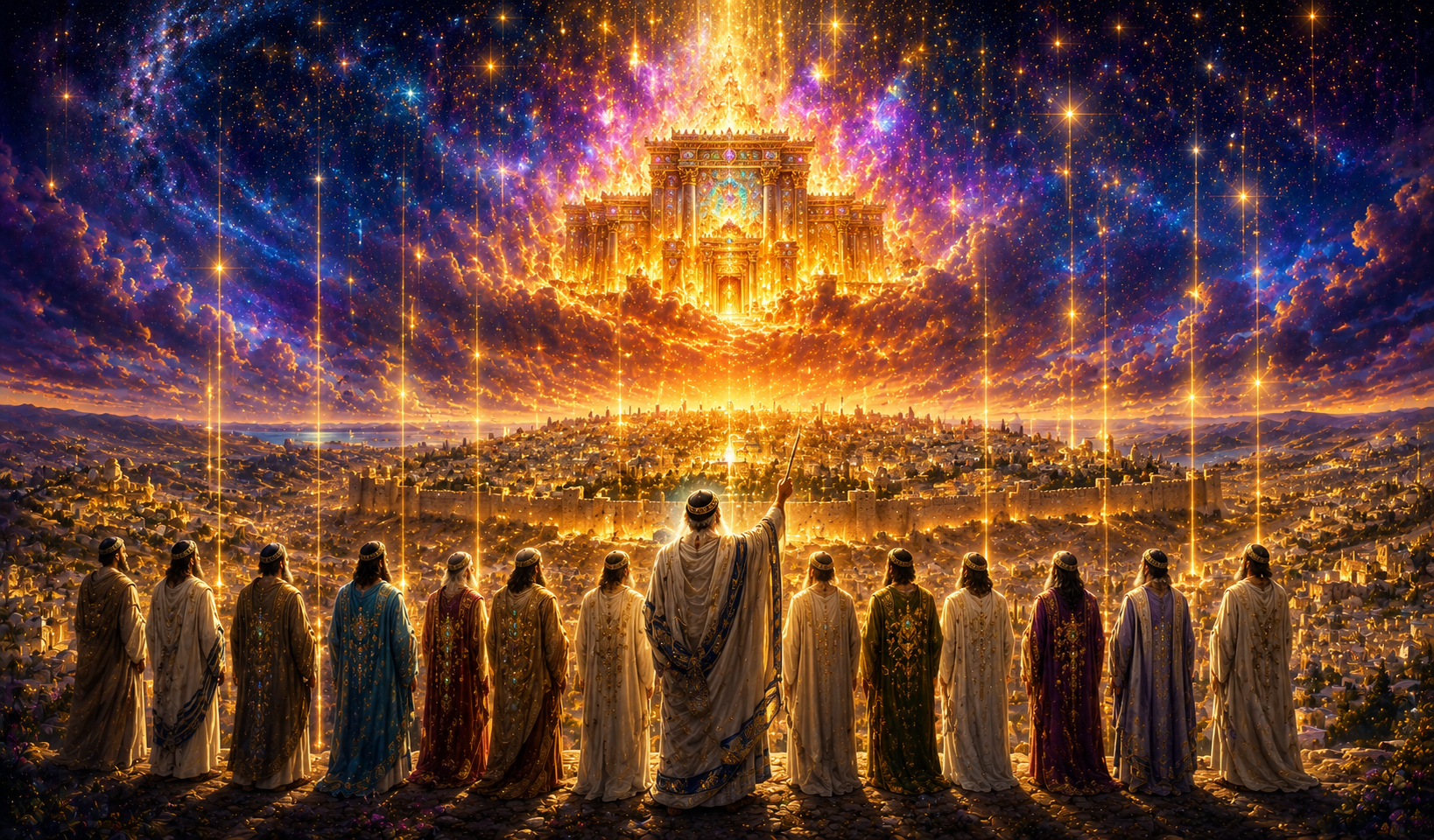
סוֹד הַמְרַגְּלִים
פרשת שלח · תשפ״ו
סוֹד הַמְרַגְּלִים
עִיבּוּר הַשְּׁבָטִים — אֵיךְ הִכִּירוּ אֶת הָאָרֶץ
מתוך שיעורו של מ. יהודה חימי
🎙️
🎙 שמע את השיעור · מ׳ יהודה חימי
השיעור המלא בהקלטה
⬇ הורד את ההקלטה
סוֹד הַמְרַגְּלִים — עִיבּוּר הַשְּׁבָטִים
מתוך שיעורו של מ. יהודה חימי

כֵּיצַד יָדְעוּ הַמְרַגְּלִים לָתוּר אֶת הָאָרֶץ, בְּלִי מַפּוֹת וּבְלִי נִסָּיוֹן? הָאֲרִיזַ"ל מְגַלֶּה: נִשְׁמוֹת הַשְּׁבָטִים הִתְעַבְּרוּ בַּנְּשִׂיאִים בְּסוֹד הָעִיבּוּר.

יוֹסֵף הִתְעַבֵּר בִּמְנַשֶּׁה, וּמֹשֶׁה (נְשִׂיא לֵוִי, שֶׁאֵינוֹ נִשְׁלָח) הֶעֱבִיר נִשְׁמָתוֹ בִּיהוֹשֻׁעַ — וְזֶהוּ הַיּוֹ"ד.

בַּסּוֹף: שְׁנֵי מִישׁוֹרִים (אַרְצִי וֶאֱלֹהִי), מַדּוּעַ מֹשֶׁה לֹא נִכְנַס, וּבוֹנוּס עַל הַצִּיצִית — 32 גְּדִילִים כְּנֶגֶד הַשִּׁנַּיִם וּשְׁלֹשֶׁת הָעַמּוּדִים.

א כֵּיצַד יָדְעוּ הַמְרַגְּלִים לָתוּר אֶת הָאָרֶץ?
שְׁאֵלָה שֶׁאִי אֶפְשָׁר לְפַסְפֵּס: מֵאַיִן לְמֹשֶׁה הַבִּטָּחוֹן שֶׁהֵם יוֹדְעִים אֶת הַדֶּרֶךְ?

מֹשֶׁה שׁוֹלֵחַ אוֹתָם “עֲלוּ זֶה בַּנֶּגֶב וַעֲלִיתֶם אֶת הָהָר” כְּאִלּוּ מוּבָן מֵאֵלָיו שֶׁהֵם יוֹדְעִים לְאָן לָלֶכֶת. אֲבָל הֵם הָיוּ עֲבָדִים בְּמִצְרַיִם, יָצְאוּ רַק לִפְנֵי שָׁנָה וְקְצָת, וְאֵין לָהֶם מֻשָּׂג מַהִי אֶרֶץ יִשְׂרָאֵל. לֹא הָיָה Waze, לֹא מַפּוֹת וְלֹא רְחָפָנִים — אָז כֵּיצַד יָכְלוּ לָתוּר אֶת הָאָרֶץ?

ב רְמָזִים בַּכָּתוּב — “כֻּלָּם אֲנָשִׁים”
“כֻּלָּם אֲנָשִׁים רָאשֵׁי בְנֵי יִשְׂרָאֵל הֵמָּה”בְּמִדְבַּר יג, ג

כַּמָּה דִּיּוּקִים: מַדּוּעַ הַתּוֹרָה חוֹזֶרֶת וְאוֹמֶרֶת “כֻּלָּם אֲנָשִׁים רָאשֵׁי בְנֵי יִשְׂרָאֵל”, אַחֲרֵי שֶׁכְּבָר אָמְרָה “אִישׁ אֶחָד אִישׁ אֶחָד לְמַטֵּה אֲבֹתָיו... כֹּל נָשִׂיא בָהֶם”? וּמַדּוּעַ יוֹסֵף מֻצְמָד דַּוְקָא לִמְנַשֶּׁה (“לְמַטֵּה יוֹסֵף לְמַטֵּה מְנַשֶּׁה”) וְלֹא לְאֶפְרַיִם? וּמַדּוּעַ שֵׁבֶט לֵוִי אֵינוֹ שׁוֹלֵחַ אִישׁ?

ג תְּשׁוּבַת הָאֲרִיזַ"ל — עִיבּוּר הַשְּׁבָטִים
“מְרַגְּלִים אַתֶּם... לִרְאוֹת אֶת עֶרְוַת הָאָרֶץ בָּאתֶם”בְּרֵאשִׁית מב, ט

הָאֲרִיזַ"ל (שַׁעַר הַפְּסוּקִים) מְגַלֶּה: הַקָּדוֹשׁ בָּרוּךְ הוּא רָאָה מֵרֹאשׁ שֶׁהַמְרַגְּלִים עֲתִידִים לְהוֹצִיא דִּבָּה, וּמֹשֶׁה לְשֵׁם שָׁמַיִם שְׁלָחָם. לָכֵן גָּזַר שֶׁנִּשְׁמוֹת הַשְּׁבָטִים עַצְמָם — “בְּנֵי יִשְׂרָאֵל מַמָּשׁ”, הֵם בְּנֵי יַעֲקֹב — יִתְעַבְּרוּ בְּסוֹד הָעִיבּוּר בְּאוֹתָם נְשִׂיאִים, כְּדֵי שֶׁיַּעַזְרוּ לָהֶם וְלֹא יִפְּלוּ לְגַמְרֵי. זֶהוּ “רָאשֵׁי בְנֵי יִשְׂרָאֵל הֵמָּה” — מַמָּשׁ הַשְּׁבָטִים.

ד גִּלְגּוּל מוּל עִיבּוּר — מַה הַהֶבְדֵּל?

גִּלְגּוּל: נְשָׁמָה נִכְנֶסֶת לְתִינוֹק חָדָשׁ, מַתְחִילָה מֵאֶפֶס וְגָדֵלָה עִמּוֹ עַד הַשְׁלָמַת הַתִּקּוּן. עִיבּוּר: חֵלֶק מִנְּשָׁמָה מִצְטָרֵף לְאָדָם חַי וְנוֹתֵן לוֹ כֹּחַ וְעֵזֶר. אֶת זֶה אָנוּ טוֹעֲמִים בְּכָל שַׁבָּת — “נְשָׁמָה יְתֵרָה”: הַזֹּהַר מְתָאֵר רוּחַ שֶׁמְּנַשֶּׁבֶת לִפְנֵי שַׁבָּת, וְהַנְּשָׁמוֹת נוֹשְׁרוֹת מֵעֵץ הַחַיִּים וּמִצְטָרְפוֹת לְכָל יְהוּדִי. בְּמוֹצָאֵי שַׁבָּת מְרִיחִים בְּשָׂמִים — שְׁלוּק אַחֲרוֹן מִן הַנְּשָׁמָה הַיְתֵרָה לִפְנֵי שֶׁהִיא עוֹלָה.

ה יוֹסֵף בִּמְנַשֶּׁה, מֹשֶׁה בִּיהוֹשֻׁעַ
“וַיִּקְרָא מֹשֶׁה לְהוֹשֵׁעַ בִּן נוּן יְהוֹשֻׁעַ”בְּמִדְבַּר יג, טז

נִשְׁמַת יוֹסֵף הִתְעַבְּרָה בִּבְנוֹ הַבְּכוֹר מְנַשֶּׁה — לָכֵן “לְמַטֵּה יוֹסֵף לְמַטֵּה מְנַשֶּׁה”, וְלֹא נִשְׁאַר מִיּוֹסֵף לְאֶפְרַיִם. וְשֵׁבֶט לֵוִי אֵינוֹ שׁוֹלֵחַ אִישׁ, “כִּי ה’ הוּא נַחֲלָתוֹ” — אֵין לוֹ צֹרֶךְ לְרַגֵּל אֶת הָאָרֶץ. לְפִיכָךְ נִשְׁמַת מֹשֶׁה (נְשִׂיא לֵוִי) פְּנוּיָה, וְהוּא מְעַבֵּר אוֹתָהּ בְּהוֹשֵׁעַ בִּן נוּן. זֶהוּ הַיּוֹ"ד שֶׁהוֹסִיף לוֹ — יְהוֹשֻׁעַ — וְכָךְ נֶעֱנוֹת שְׁתֵּי הַשְּׁאֵלוֹת כְּאַחַת.

ו גְּבוּל הָעִיבּוּר — מָתַי הַנְּשָׁמָה עוֹזֶבֶת

בְּגִלְגּוּל הַנְּשָׁמָה נִשְׁאֶרֶת עִם הָאָדָם כָּל חַיָּיו עַד הַתִּקּוּן. אֲבָל לָעִיבּוּר יֵשׁ חִסָּרוֹן: כְּשֶׁהַנְּשָׁמָה הַגְּבוֹהָה שֶׁל הַצַּדִּיק רוֹאָה שֶׁהַמְעֻבָּר עוֹשֶׂה שְׁטוּיוֹת — הִיא מִסְתַּלֶּקֶת. “בָּאתִי לַעֲזֹר לְךָ לַעֲשׂוֹת טוֹב, לֹא לַעֲשׂוֹת שְׁטוּיוֹת.” כְּשֶׁחָטְאוּ הַמְרַגְּלִים וְהוֹצִיאוּ דִּבָּה, נִשְׁמוֹת הַשְּׁבָטִים עָזְבוּ אוֹתָם — וְזֶהוּ סוֹף הַסִּפּוּר הַמַּר.

ז שְׁנֵי הַמִּישׁוֹרִים — מַדּוּעַ מֹשֶׁה לֹא נִכְנַס
“רַב לָךְ אַל תּוֹסֶף דַּבֵּר אֵלַי עוֹד בַּדָּבָר הַזֶּה”דְּבָרִים ג, כו

יֵשׁ שְׁנֵי מִישׁוֹרִים: הַסִּבּוֹת הָאַרְצִיּוֹת שֶׁאָנוּ רוֹאִים, וְהַתָּכְנִית הָאֱלֹהִית. מֹשֶׁה אֵינוֹ נִכְנָס לָאָרֶץ — וְזֶה לְטוֹבָתוֹ: “רַב לָךְ” — יֵשׁ לְךָ הַרְבֵּה יוֹתֵר מִמַּה שֶּׁאַתָּה מְבַקֵּשׁ. מֹשֶׁה מִסְּפִירַת נֶצַח, וְכָל מַה שֶּׁהוּא נוֹגֵעַ בּוֹ נִצְחִי; אִלּוּ בָּנָה אֶת בֵּית הַמִּקְדָּשׁ — לֹא הָיָה נֶחֱרָב, וְאִם הָיוּ חוֹטְאִים הָיְתָה הַחֵמָה נִשְׁפֶּכֶת עַל הָעָם חַס וְשָׁלוֹם. מוּטָב שֶׁיְּחַכֶּה תַּחַת כִּסֵּא הַכָּבוֹד כְּגוֹאֵל אַחֲרוֹן, לַגְּאֻלָּה הַשְּׁלֵמָה וּלְבַיִת שְׁלִישִׁי נִצְחִי. אָנוּ אֵינֶנּוּ יוֹדְעִים אֶת חֶשְׁבּוֹנוֹת ה’ — וְעָלֵינוּ לִהְיוֹת תְּמִימִים בֶּאֱמוּנָה.

ח בּוֹנוּס — צִיצִית בְּסוֹף הַפָּרָשָׁה
“וְלֹא תָתוּרוּ אַחֲרֵי לְבַבְכֶם וְאַחֲרֵי עֵינֵיכֶם”בְּמִדְבַּר טו, לט

הַפָּרָשָׁה מִסְתַּיֶּמֶת בְּצִיצִית. הַסְּמִיכוּת אֵינָהּ רַק לְ“וְלֹא תָתוּרוּ”, אֶלָּא לַמְּקוֹשֵׁשׁ עֵצִים שֶׁחִלֵּל שַׁבָּת: בְּתַנָּא דְּבֵי אֵלִיָּהוּ — חִלֵּל מִשּׁוּם שֶׁלֹּא הָיְתָה לוֹ צִיצִית לְהַזְכִּירוֹ. בַּצִּיצִית 32 גְּדִילִים כְּנֶגֶד 32 הַשִּׁנַּיִם (16 לְמַעְלָה, 16 לְמַטָּה). “שִׁנַּיִךְ כְּעֵדֶר הַקְּצוּבוֹת” — 16 הָעֲלִיּוֹת לַתּוֹרָה בַּשָּׁבוּעַ; “הָרְחֵלִים” — 16 הַתְּמִידִים. שְׁלֹשָׁה עַמּוּדִים: תּוֹרָה (שִׁנַּיִם עֶלְיוֹנוֹת), עֲבוֹדָה (תַּחְתּוֹנוֹת), וּגְמִילוּת חֲסָדִים (הַחִיּוּךְ — “וּלְבֶן שִׁנַּיִם מֵחָלָב”). אֲגִידַת אַרְבַּע הַצִּיצִיּוֹת אֶל הַלֵּב — לֵב טוֹב, חֶסֶד. כָּךְ הַצִּיצִית בְּשַׁבָּת מְכַנֶּסֶת תּוֹרָה, עֲבוֹדָה וְחֶסֶד — שְׁלֹשֶׁת הָעַמּוּדִים שֶׁעֲלֵיהֶם הָעוֹלָם עוֹמֵד.

🎯 בְּחַן אֶת עַצְמְךָ

חֲמֵשׁ שְׁאֵלוֹת עַל הַשִּׁעוּר

1
כֵּיצַד יָדְעוּ הַמְרַגְּלִים לָתוּר אֶת הָאָרֶץ?
לְפִי הָאֲרִיזַ"ל — בְּסוֹד הָעִיבּוּר, נִשְׁמוֹת הַשְּׁבָטִים עָזְרוּ לָהֶם.
2
מַה הַהֶבְדֵּל בֵּין גִּלְגּוּל לְעִיבּוּר?
גִּלְגּוּל — נְשָׁמָה חֲדָשָׁה בְּתִינוֹק; עִיבּוּר — תּוֹסֶפֶת כֹּחַ לְאָדָם חַי, כְּמוֹ נְשָׁמָה יְתֵרָה בְּשַׁבָּת.
3
מַדּוּעַ שֵׁבֶט לֵוִי לֹא שָׁלַח מְרַגֵּל?
לְלֵוִי אֵין חֵלֶק וְנַחֲלָה בָּאָרֶץ — אֵין לוֹ צֹרֶךְ לְרַגֵּל.
4
נִשְׁמַת מִי הִתְעַבְּרָה בִּיהוֹשֻׁעַ?
מֹשֶׁה (נְשִׂיא לֵוִי הַפָּנוּי) — וְזֶהוּ הַיּוֹ"ד שֶׁהוֹסִיף: יְהוֹשֻׁעַ.
5
לְפִי הַשִּׁעוּר, מַדּוּעַ מֹשֶׁה לֹא נִכְנַס לָאָרֶץ?
“רַב לָךְ” — יֵשׁ לוֹ יוֹתֵר: לִהְיוֹת גּוֹאֵל אַחֲרוֹן לַבַּיִת הַשְּׁלִישִׁי הַנִּצְחִי.
📅 תוכנית שבועית — שלח
יוֹם רִאשׁוֹן
קְרָא אֶת פָּרָשַׁת שְׁלַח, וְשִׂים לֵב לְשְׁלִיחוּת הַמְרַגְּלִים וְלִשְׁמוֹתָם.
יוֹם שֵׁנִי
עַיֵּן בַּפָּסוּק “כֻּלָּם אֲנָשִׁים רָאשֵׁי בְנֵי יִשְׂרָאֵל” — וּשְׁאַל אֶת הַשְּׁאֵלוֹת שֶׁבַּשִּׁעוּר.
יוֹם שְׁלִישִׁי
לְמַד אֶת מֻשַּׂג הָעִיבּוּר מוּל הַגִּלְגּוּל, וְהַמְשָׁל שֶׁל הַנְּשָׁמָה הַיְתֵרָה בְּשַׁבָּת.
יוֹם רְבִיעִי
הִתְבּוֹנֵן: יוֹסֵף בִּמְנַשֶּׁה, מֹשֶׁה בִּיהוֹשֻׁעַ — וּמַדּוּעַ לֵוִי אֵינוֹ נִשְׁלָח.
יוֹם חֲמִישִׁי
חֲשֹׁב עַל גְּבוּל הָעִיבּוּר — מָתַי הַנְּשָׁמָה הַגְּבוֹהָה עוֹזֶבֶת.
יוֹם שִׁשִּׁי
הָכֵן אֶת הַלֵּב לְשַׁבָּת — בְּקַבָּלַת הַנְּשָׁמָה הַיְתֵרָה.
שַׁבָּת קֹדֶשׁ
כַּוֵּן בְּמִצְוַת הַצִּיצִית — תּוֹרָה, עֲבוֹדָה וְחֶסֶד, שְׁלֹשֶׁת הָעַמּוּדִים.

🔭 מַבָּט פְּנִימִי

כְּשֶׁאַתָּה נִתְקָל בְּקֹשִׁי, זְכֹר שֶׁיֵּשׁ מִישׁוֹר אֱלֹהִי נִסְתָּר — וְלֹא רַק הַסִּבּוֹת הַנִּרְאוֹת.

🤝 חֶסֶד וְחִיּוּךְ

גְּמֹל חֶסֶד עִם חִיּוּךְ — “וּלְבֶן שִׁנַּיִם מֵחָלָב”. הַחִיּוּךְ הוּא עַמּוּד שֶׁל חֶסֶד.

🧵 כַּוָּנַת הַצִּיצִית

בְּעֵת אֲחִיזַת הַצִּיצִית, כַּוֵּן לְקַבֵּץ תּוֹרָה, עֲבוֹדָה וְחֶסֶד אֶל הַלֵּב.

🕯️ נְשָׁמָה יְתֵרָה

קַבֵּל אֶת שַׁבָּת בְּשִׂמְחָה — וּטְעַם אֶת הַנְּשָׁמָה הַיְתֵרָה הַמִּצְטָרֶפֶת אֵלֶיךָ.

לְהַעֲמִיק עוֹד
🏠

שלום בית — הפה בבית

מָה אַתָּה מְלַחֵשׁ לִילָדֶיךָ? לְבֶן זוּגְךָ? גַּלֵּה כַּרְטִיס שָׁלוֹם בַּיִת.

🔢

גימטריה — הרב מנשה

קְשָׁרִים נִסְתָּרִים בְּשֵׁמוֹת לְפִי הרב מנשה זצ"ל.

🔢 קורס גימטריה
📝

לימוד תורה

הַעֲמֵק בְּפֵרוּשׁ רַשִׁ"י וְהַזֹּהַר עַל פָּרָשַׁת הַשָּׁבוּעַ.

📝 בית המדרש
📚

כָּל הַפָּרָשִׁיּוֹת

כָּל שִׁעוּרֵי מ. יְהוּדָה חִימִי — מִבְּרֵאשִׁית עַד דְּבָרִים וְעַד חַגֵּי הַשָּׁנָה.

📚 כל הפרשיות
📕

ספרים

חכמת התורה בפורמט תריילר — הוצאת גאולה.

🌙

פירוש חלומות

חָלַמְתָּ עַל אַיָּלָה? עַל אָרוֹן? בְּדֹק אֶת הַמַּשְׁמָעוּת לְפִי רב אלמולי.

🌙 פירוש חלומות
🎬

סרטונים

שִׁעוּרֵי וִידֵאוֹ עַל הַחַגִּים, הַמְּנוֹרָה וְסוֹדוֹת הַמִּשְׁכָּן.

🎬 סרטונים
💡

תיבת רעיונות

רעיון, הערה או הצעה לאתר? שתף אותנו.

💡 תיבת רעיונות
🤝

מעשר

תן את חלק המעשר שלך והשתתף בהפצת התורה.

🤝 מעשר
📨 קַבְּלוּ אֶת הַשִּׁיעוּר הַשְּׁבוּעִי
כל שבוע, ישר לתיבת המייל — שיעור פרשה חדש של מ. יהודה חימי. בלי ספאם. ביטול בלחיצה.
🕯️ הַקְדִּישׁ אֶת הַשִּׁיעוּר
הָאַיָּלָה שֶׁמַּחֲזִירָה פָּנֶיהָ — שותפותך מאירה את הנר הזה לדורי דורות.
🧱 לְמוּר הַהַקְדָּשׁוֹת ←
שומרי הסדק — דיוויד גולדברג

שומרי הסדק

תריילר רוחני · דיוויד גולדברג

סוד עתיק התגלה. ארבעים ותשע שערים נפתחים. השער החמישים מסתתר ברגע אחד — ורגע זה כבר כאן.

📕 קבל את הספר חינם
The Secret of the Spies
Parashat Shelach · 5786
The Secret of the Spies
The Ibbur of the Tribes — how they knew the land
From the shiur of M. Yehuda Himi
🎙️
🎙 Listen to the shiur · M. Yehuda Himi
The full recorded class
⬇ Download the recording
The Secret of the Spies — the Ibbur of the Tribes
From the shiur of M. Yehuda Himi

How did the spies scout the land with no maps and no experience? The Arizal reveals: the souls of the tribes joined the princes through the secret of ibbur.

Yosef entered Menashe, and Moshe (prince of Levi, who is not sent) placed his soul into Yehoshua — hence the added yud.

Then: the two planes (earthly and divine), why Moshe did not enter the land, and a bonus on tzitzit — 32 threads matching the teeth and the three pillars.

1 How Did the Spies Know How to Scout the Land?
The question we cannot miss: where did Moshe get the confidence that they knew the way?

Moshe sends them — “Go up here into the Negev and climb the mountain” — as if it is obvious they know where to go. Yet they had been slaves in Egypt, having left barely a year earlier, with no idea what the Land of Israel even was. There was no Waze, no maps, no drones. So how could they possibly scout it?

2 Hints in the Verse — “They Were All Men”
“They were all men, heads of the children of Israel.”Bamidbar 13:3

Several precise difficulties: why does the Torah repeat “they were all men, heads of the children of Israel,” after it already said “one man each for his father’s tribe… every one a prince”? Why is Yosef attached specifically to Menashe (“the tribe of Yosef, the tribe of Menashe”) and not to Ephraim? And why does the tribe of Levi send no one at all?

3 The Arizal’s Answer — the Ibbur of the Tribes
“You are spies; you have come to see the nakedness of the land.”Bereshit 42:9

The Arizal (Sha’ar HaPesukim) reveals: the Holy One foresaw that the spies would slander the land, while Moshe sent them for the sake of Heaven. He therefore decreed that the souls of the tribes themselves — literally the “children of Israel,” the sons of Yaakov — would join these princes through the secret of ibbur (soul-impregnation), to help them and keep them from falling completely. This is the meaning of “heads of the children of Israel” — literally the tribes.

4 Gilgul vs. Ibbur — What Is the Difference?

Gilgul (reincarnation): a soul enters a newborn, starts from zero, and grows with the child until its rectification is complete. Ibbur (impregnation): part of a soul joins a living person and gives him strength and help. We taste this every Shabbat as the “extra soul” — the Zohar describes a wind before Shabbat that causes souls to fall from the Tree of Life and join every Jew; at the close of Shabbat we smell spices, a last sip of that extra soul before it ascends.

5 Yosef in Menashe, Moshe in Yehoshua
“And Moshe called Hoshea bin Nun: Yehoshua.”Bamidbar 13:16

Yosef’s soul came as ibbur into his firstborn Menashe — hence “the tribe of Yosef, the tribe of Menashe,” and nothing of Yosef remained for Ephraim. The tribe of Levi sends no spy, “for Hashem is his portion”: Levi has no need to scout the land. Moshe’s own soul (the prince of Levi) was therefore free, and he placed it as ibbur into Hoshea bin Nun. This is the yud he added — Yehoshua — and so both questions are answered at once.

6 The Limit of Ibbur — When the Soul Departs

In gilgul the soul remains with the person all his life until the rectification. But ibbur has a drawback: when the lofty soul of the tzaddik that has joined sees its host doing foolish things, it leaves. “I came to help you do better — not to do nonsense.” When the spies sinned and slandered the land, the souls of the tribes departed from them — and that is the bitter end of the story.

7 The Two Planes — Why Moshe Did Not Enter
“Enough for you; speak to Me no more of this matter.”Devarim 3:26

There are two planes: the earthly causes we see, and the divine plan. Moshe does not enter the land — and it is for his good: “Rav lach” — you have far more than you ask for. Moshe is from the sefira of Netzach, and whatever he touches becomes eternal; had he built the Temple it could never be destroyed, and were the people to sin, the wrath would have fallen upon them, God forbid. Better that he wait beneath the Throne of Glory as the final redeemer, for the complete redemption and an eternal Third Temple. We do not know Hashem’s reckonings — our task is to be wholehearted in faith.

8 Bonus — Tzitzit at the End of the Parasha
“You shall not stray after your heart and after your eyes.”Bamidbar 15:39

The parasha ends with tzitzit. Its placement is not only because of “you shall not stray” (echoing the spies) but because of the wood-gatherer who desecrated Shabbat: in Tanna deBei Eliyahou he transgressed because he had no tzitzit to remind him. The tzitzit has 32 threads, corresponding to the 32 teeth (16 upper, 16 lower). “Your teeth are like a flock of ewes” — the 16 weekly aliyot to the Torah, and the 16 daily offerings. Three pillars: Torah (upper teeth), Avoda (lower teeth), and acts of kindness (the smile — “teeth whiter than milk”). Binding the four tzitziyot to the heart is a good heart, chessed. Thus tzitzit on Shabbat gathers Torah, Avoda and Chessed — the three pillars upon which the world stands.

🎯 Test Yourself

Five questions on the shiur

1
How did the spies know how to scout the land?
According to the Arizal — through ibbur, the souls of the tribes helped them.
2
What is the difference between gilgul and ibbur?
Gilgul — a new soul in a newborn; ibbur — added strength for a living person, like the extra soul on Shabbat.
3
Why did the tribe of Levi send no spy?
Levi has no portion in the land — it has no need to scout it.
4
Whose soul joined Yehoshua?
Moshe’s (the free prince of Levi) — hence the added yud: Yehoshua.
5
According to the shiur, why did Moshe not enter the land?
“Rav lach” — he has more: to be the final redeemer for the eternal Third Temple.
📅 Weekly Study Plan — Shelach
Sunday
Read Parashat Shelach, paying attention to the mission of the spies and to their names.
Monday
Study the verse “they were all men, heads of the children of Israel” — and raise the questions from the shiur.
Tuesday
Learn the concept of ibbur versus gilgul, and the example of the extra soul on Shabbat.
Wednesday
Reflect: Yosef in Menashe, Moshe in Yehoshua — and why Levi is not sent.
Thursday
Consider the limit of ibbur — when the lofty soul departs.
Friday
Prepare the heart for Shabbat — receiving the extra soul.
Shabbat Kodesh
Have intention in the mitzvah of tzitzit — Torah, Avoda and Chessed, the three pillars.

🔭 An Inner Gaze

When you meet a difficulty, remember there is a hidden divine plane — not only the visible causes.

🤝 Kindness and a Smile

Do kindness with a smile — “teeth whiter than milk.” The smile is a pillar of chessed.

🧵 Intention in Tzitzit

When you hold the tzitzit, intend to gather Torah, Avoda and Chessed to the heart.

🕯️ The Extra Soul

Receive Shabbat with joy — and taste the extra soul that joins you.

Go Deeper
🏠

Shalom Bayit — The Mouth at Home

What do you whisper to your children? To your spouse? Reveal a Shalom Bayit card.

🔢

Gematria — Rav Menashe

Hidden connections in the names according to Rav Menashe zatsal.

🔢 Gematria Course
📝

Torah Study

Dig deeper into the commentary of Rashi and the Zohar on the parashah of the week.

📝 Beith Hamidrach
📚

All Parashot

All shiurim of M. Yéhouda Himi — from Bereshit to Devarim and the festivals.

📚 All Parashot
📕

Books

Torah wisdom in thriller format — Éditions Gueoula.

🌙

Dream Interpretation

Did you dream of a doe? Of an Ark? Check the meaning according to Rav Almoli.

🌙 Dreams
🎬

Videos

Video shiurim on the festivals, the Menorah and the secrets of the Mishkan.

🎬 Videos
💡

Idea Box

An idea, a remark, a suggestion for the site? Share it with us.

💡 Idea Box
🤝

Maasser

Give your Maasser and take part in spreading Torah.

🤝 Maasser
📨 Get the Weekly Shiur
Every week, straight to your inbox — a new parashah shiur by M. Yéhouda Himi. No spam. One-click unsubscribe.
🕯️ Dedicate This Shiur
The doe who turns her face back — your partnership lights this candle through the generations.
🧱 See the Wall of Dedications →
Guardians of the Rift — David Goldberg

Guardians of the Rift

A spiritual thriller · David Goldberg

An ancient secret has surfaced. Forty-nine gates have opened. The fiftieth hides in a single moment — and that moment is here.

📕 Get the Free Book
Le secret des explorateurs
Paracha Chelah · 5786
Le secret des explorateurs
Le ibbour des Tribus — comment ils connaissaient la terre
D’après le chiour de M. Yehuda Himi
🎙️
🎙 Écouter le chiour · M. Yehuda Himi
Le cours complet enregistré
⬇ Télécharger l’enregistrement
Le secret des explorateurs — le ibbour des Tribus
D’après le chiour de M. Yehuda Himi

Comment les explorateurs ont-ils pu sonder la terre, sans cartes ni expérience ? L’Arizal le révèle : les âmes des Tribus se sont jointes aux princes par le secret du ibbour.

Yossef s’est joint à Menaché, et Moché (prince de Lévi, qui n’est pas envoyé) a placé son âme en Yehochoua — d’où le youd ajouté.

Puis : les deux plans (terrestre et divin), pourquoi Moché n’entre pas en terre, et un bonus sur la tsitsit — 32 fils face aux dents et aux trois piliers.

1 Comment les explorateurs connaissaient-ils la terre ?
La question incontournable : d’où Moché tient-il l’assurance qu’ils connaissent le chemin ?

Moché les envoie — « Montez par le Néguev et gravissez la montagne » — comme s’il allait de soi qu’ils savaient où aller. Or ils avaient été esclaves en Égypte, sortis depuis un an à peine, sans aucune idée de ce qu’était la terre d’Israël. Il n’y avait ni Waze, ni cartes, ni drones. Comment pouvaient-ils donc explorer le pays ?

2 Les indices du texte — « tous des hommes »
« Tous des hommes, chefs des enfants d’Israël. »Bamidbar 13, 3

Plusieurs précisions intriguent : pourquoi la Torah répète-t-elle « tous des hommes, chefs des enfants d’Israël », après avoir déjà dit « un homme par tribu… chacun un prince » ? Pourquoi Yossef est-il rattaché à Menaché (« la tribu de Yossef, la tribu de Menaché ») et non à Éphraïm ? Et pourquoi la tribu de Lévi n’envoie-t-elle personne ?

3 La réponse de l’Arizal — le ibbour des Tribus
« Vous êtes des espions ; vous êtes venus voir la nudité du pays. »Béréchit 42, 9

L’Arizal (Cha’ar HaPessoukim) révèle : le Saint béni soit-Il a vu d’avance que les explorateurs allaient médire de la terre, alors que Moché les envoyait pour le Ciel. Il décréta donc que les âmes des Tribus elles-mêmes — littéralement les « enfants d’Israël », les fils de Yaakov — se joindraient à ces princes par le secret du ibbour (gestation d’âme), afin de les aider et de les empêcher de tomber complètement. Tel est le sens de « chefs des enfants d’Israël » : ce sont les Tribus mêmes.

4 Guilgoul ou ibbour — quelle différence ?

Le guilgoul (réincarnation) : une âme entre dans un nouveau-né, repart de zéro et grandit avec lui jusqu’à l’achèvement de sa réparation. Le ibbour : une part d’âme se joint à une personne vivante et lui donne force et secours. Nous le goûtons chaque Chabbat avec « l’âme supplémentaire » : le Zohar décrit un souffle, avant Chabbat, qui fait tomber des âmes de l’Arbre de Vie pour se joindre à chaque juif ; à l’issue de Chabbat, on respire les bessamim — une dernière gorgée de cette âme supplémentaire avant qu’elle ne remonte.

5 Yossef en Menaché, Moché en Yehochoua
« Et Moché appela Hochéa bin Noun : Yehochoua. »Bamidbar 13, 16

L’âme de Yossef s’est jointe par ibbour à son aîné Menaché — d’où « la tribu de Yossef, la tribu de Menaché », et il ne resta rien de Yossef pour Éphraïm. La tribu de Lévi n’envoie aucun explorateur, « car Hachem est sa part » : Lévi n’a pas besoin d’explorer la terre. L’âme de Moché (prince de Lévi) était donc libre, et il la plaça par ibbour en Hochéa bin Noun. C’est le youd qu’il lui ajouta — Yehochoua — et ainsi les deux questions trouvent une seule réponse.

6 La limite du ibbour — quand l’âme s’en va

Dans le guilgoul, l’âme demeure avec la personne toute sa vie, jusqu’à la réparation. Mais le ibbour a une limite : lorsque l’âme élevée du juste qui s’est jointe voit son hôte faire des sottises, elle se retire. « Je suis venue t’aider à faire mieux, pas à faire des bêtises. » Lorsque les explorateurs fautèrent et médirent de la terre, les âmes des Tribus les quittèrent — et c’est là la fin amère de l’histoire.

7 Les deux plans — pourquoi Moché n’entre pas
« C’est assez pour toi ; ne Me parle plus de cette affaire. »Devarim 3, 26

Il existe deux plans : les causes terrestres que nous voyons, et le plan divin. Moché n’entre pas en terre d’Israël — et c’est pour son bien : « Rav lekha », tu as bien plus que ce que tu demandes. Moché relève de la sefira de Netsah, et tout ce qu’il touche devient éternel ; s’il avait bâti le Temple, il n’aurait pu être détruit, et si le peuple fautait, la colère se serait abattue sur lui, à Dieu ne plaise. Mieux vaut qu’il attende sous le Trône de Gloire comme dernier libérateur, pour la délivrance complète et un troisième Temple éternel. Nous ne connaissons pas les comptes d’Hachem — notre devoir est d’être intègres dans la foi.

8 Bonus — la Tsitsit à la fin de la paracha
« Vous n’explorerez pas à la suite de votre cœur et de vos yeux. »Bamidbar 15, 39

La paracha s’achève sur la tsitsit. Sa place ne tient pas seulement à « vous n’explorerez pas » (écho des explorateurs), mais au ramasseur de bois qui profana Chabbat : selon le Tanna deBé Éliyahou, il transgressa faute d’une tsitsit pour le lui rappeler. La tsitsit compte 32 fils, face aux 32 dents (16 en haut, 16 en bas). « Tes dents sont comme un troupeau de brebis » — les 16 montées à la Torah de la semaine, et les 16 sacrifices quotidiens. Trois piliers : la Torah (dents du haut), le service (dents du bas) et la bonté (le sourire — « les dents plus blanches que le lait »). Lier les quatre tsitsiyot au cœur, c’est un bon cœur, le hessed. Ainsi la tsitsit, le Chabbat, rassemble Torah, service et bonté — les trois piliers sur lesquels le monde repose.

🎯 Teste-toi

Cinq questions sur le chiour

1
Comment les explorateurs savaient-ils sonder la terre ?
Selon l’Arizal — par le ibbour, les âmes des Tribus les ont aidés.
2
Quelle est la différence entre guilgoul et ibbour ?
Guilgoul — une âme neuve dans un nouveau-né ; ibbour — un surcroît de force pour un vivant, comme l’âme supplémentaire de Chabbat.
3
Pourquoi la tribu de Lévi n’a-t-elle envoyé aucun explorateur ?
Lévi n’a ni part ni héritage dans la terre — il n’a pas besoin de l’explorer.
4
De qui l’âme s’est-elle jointe à Yehochoua ?
Celle de Moché (prince de Lévi, libre) — d’où le youd ajouté : Yehochoua.
5
Selon le chiour, pourquoi Moché n’est-il pas entré en terre ?
« Rav lekha » — il a davantage : être le dernier libérateur du troisième Temple éternel.
📅 Programme Hebdomadaire — Chelah
Dimanche
Lis la paracha Chelah, en prêtant attention à la mission des explorateurs et à leurs noms.
Lundi
Étudie le verset « tous des hommes, chefs des enfants d’Israël » — et pose les questions du chiour.
Mardi
Apprends la notion de ibbour face au guilgoul, et l’exemple de l’âme supplémentaire de Chabbat.
Mercredi
Médite : Yossef en Menaché, Moché en Yehochoua — et pourquoi Lévi n’est pas envoyé.
Jeudi
Réfléchis à la limite du ibbour — quand l’âme élevée s’en va.
Vendredi
Prépare le cœur pour Chabbat — en accueillant l’âme supplémentaire.
Chabbat Kodech
Aie l’intention dans la mitsva de la tsitsit — Torah, service et bonté, les trois piliers.

🔭 Un regard intérieur

Face à une difficulté, souviens-toi qu’il existe un plan divin caché — et pas seulement les causes visibles.

🤝 Bonté et sourire

Fais le bien avec le sourire — « les dents plus blanches que le lait ». Le sourire est un pilier de hessed.

🧵 Intention de la tsitsit

En tenant la tsitsit, aie l’intention de rassembler Torah, service et bonté vers le cœur.

🕯️ L’âme supplémentaire

Accueille Chabbat avec joie — et goûte l’âme supplémentaire qui se joint à toi.

Pour aller plus loin
🏠

Chalom Bayit — La bouche à la maison

Que chuchotes-tu à tes enfants ? À ton conjoint ? Découvre une carte Chalom Bayit.

🔢

Guématria — Rav Menaché

Connexions cachées dans les noms selon Rav Menaché zatsal.

🔢 Cours de guématria
📝

Étude Torah

Approfondis le commentaire de Rachi et le Zohar sur la paracha de la semaine.

📝 Beith Hamidrach
📚

Toutes les Parachiot

Tous les cours de M. Yéhouda Himi — de Béréchit à Devarim et les fêtes.

📚 Toutes les Parachiot
📕

Livres

La sagesse de la Torah en format thriller — Éditions Gueoula.

🌙

Interprétation des rêves

As-tu rêvé d’une biche ? D’une Arche ? Vérifie sa signification selon Rav Almoli.

🌙 Rêves
🎬

Vidéos

Shiourim vidéo sur les fêtes, la ménora et les secrets du Michkan.

🎬 Vidéos
💡

Boîte à idées

Une idée, une remarque, une suggestion pour le site ? Partage-la avec nous.

💡 Boîte à idées

🤝

Maasser

Donne ta part de Maasser et participe à la diffusion de la Torah.

🤝 Maasser
📨 Recevoir le shiour hebdomadaire
Chaque semaine, dans ta boîte mail — un nouveau shiour de paracha par M. Yéhouda Himi. Pas de spam. Désinscription en un clic.
🕯️ Dédier ce shiour
La biche qui retourne son visage — ton partenariat allume cette bougie de génération en génération.
🧱 Voir le Mur des Hakdashot →
Les Gardiens de la Faille — David Goldberg

Les Gardiens de la Faille

Un thriller spirituel · David Goldberg

Un secret ancien refait surface. Quarante-neuf portes se sont ouvertes. La cinquantième se cache dans un seul instant — et cet instant est arrivé.

📕 Récupérer le livre gratuit