
שִׁירַת הַבְּאֵר
פרשת חוקת · תשפ״ו
שִׁירַת הַבְּאֵר
הַנֵּס הַנִּסְתָּר שֶׁל נַחַל אַרְנוֹן — מִשִּׁירַת הַיָּם לְשִׁירַת הַבְּאֵר
מתוך שיעורו של מ. יהודה חימי
🎙️
🎙 שמע את השיעור · מ׳ יהודה חימי
השיעור המלא בהקלטה
⬇ הורד את השיעור
שִׁירַת הַבְּאֵר
מתוך שיעורו של מ. יהודה חימי

בְּסוֹף פָּרָשַׁת חֻקַּת בָּאָה שִׁירַת הַבְּאֵר. אַךְ קֹדֶם נִשְׁאַל: מַדּוּעַ נֶעֱנַשׁ מֹשֶׁה עַל שֶׁהִכָּה אֶת הַסֶּלַע — וְאִלּוּ בִּבְשַׁלַּח דַּוְקָא נִצְטַוָּה לְהַכּוֹת?

הַהֶבְדֵּל אֵינוֹ מִצַּד הַקָּדוֹשׁ בָּרוּךְ הוּא — כֹּחוֹ אֵינוֹ בְּסָפֵק — אֶלָּא מִצַּד הָעָם. בִּבְשַׁלַּח הֵם תִּינוֹקוֹת שֶׁזֶּה עַתָּה יָצְאוּ מִמִּצְרַיִם; בְּחֻקַּת, אַחַר אַרְבָּעִים שָׁנָה, דּוֹר בּוֹגֵר הַמְסֻגָּל לָשִׁיר בְּעַצְמוֹ: “אָז יָשִׁיר יִשְׂרָאֵל”.

וְהַשִּׁירָה עַל נֵס נִסְתָּר: בְּנַחַל אַרְנוֹן אָרְבוּ הָאֱמוֹרִים, וְהַקָּדוֹשׁ בָּרוּךְ הוּא הִצְמִיד אֶת הֶהָרִים וּמָעַךְ אוֹתָם — וְיִשְׂרָאֵל עָבְרוּ בְּלִי לָדַעַת. “אֵין בַּעַל הַנֵּס מַכִּיר בְּנִסּוֹ”.

📖 לשיעור המלא
א שְׁתֵּי שִׁירוֹת — וּשְׁתֵּי הַכָּאוֹת
בְּסוֹף הַפָּרָשָׁה בָּאָה שִׁירַת הַבְּאֵר. אַךְ נַתְחִיל בִּשְׁאֵלָה: מַדּוּעַ כֹּה נוֹרָא שֶׁמֹּשֶׁה רַבֵּנוּ הִכָּה אֶת הַסֶּלַע בִּמְקוֹם לְדַבֵּר אֵלָיו?
אָז יָשִׁיר יִשְׂרָאֵל אֶת הַשִּׁירָה הַזֹּאת עֲלִי בְאֵר עֱנוּ לָהּבמדבר כא:יז

בְּחֻקַּת הִכָּה מֹשֶׁה אֶת הַסֶּלַע, וְעַל כָּךְ נֶעֱנַשׁ שֶׁלֹּא יִכָּנֵס לָאָרֶץ: “יַעַן לֹא הֶאֱמַנְתֶּם בִּי לְהַקְדִּישֵׁנִי”. נְנַסֶּה לְהָבִין מַה בֶּאֱמֶת הִפְרִיעַ כָּאן.

ב בְּשַׁלַּח — “קַח אֶת הַמַּטֶּה”

בְּפָרָשַׁת בְּשַׁלַּח, כְּשֶׁהָעָם צָמֵא, צִוָּה ה’ אֶת מֹשֶׁה בִּמְפֹרָשׁ: “קַח אֶת הַמַּטֶּה... וְהִכִּיתָ בַצּוּר”. אוֹתוֹ הַמַּטֶּה שֶׁבּוֹ הִכָּה אֶת הַיְאוֹר. שָׁם הַהַכָּאָה הִיא הַצִּוּוּי עַצְמוֹ — וְאֵין עָלֶיהָ שׁוּם טַעֲנָה.

וְהִכִּיתָ בַצּוּר וְיָצְאוּ מִמֶּנּוּ מַיִם וְשָׁתָה הָעָםשמות יז:ו
ג חֻקַּת — “וְדִבַּרְתֶּם אֶל הַסֶּלַע”

בְּחֻקַּת, לְעֻמַּת זֹאת, הִתְהַפֵּךְ הַצִּוּוּי: “וְדִבַּרְתֶּם אֶל הַסֶּלַע”. הַפַּעַם הַדִּבּוּר הוּא הַמְבֻקָּשׁ, וְהַהַכָּאָה הִיא הַפְּגָם. וְכָאן זֶה נֶחְשַׁב לְחֵטְא.

וְדִבַּרְתֶּם אֶל הַסֶּלַע לְעֵינֵיהֶם וְנָתַן מֵימָיובמדבר כ:ח
ד הַהֶבְדֵּל אֵינוֹ בַּקָּדוֹשׁ בָּרוּךְ הוּא — אֶלָּא בָּעָם

לִכְאוֹרָה תָּמוּהַּ: אִם הַדִּבּוּר מְקַדֵּשׁ יוֹתֵר, מַדּוּעַ בִּבְשַׁלַּח דַּוְקָא צִוָּה לְהַכּוֹת? אֶלָּא שֶׁמִּצַּד הַקָּדוֹשׁ בָּרוּךְ הוּא אֵין כָּל הֶבְדֵּל — כֹּחוֹ אֵינוֹ בְּסָפֵק. הַהֶבְדֵּל כֻּלּוֹ מִצַּד הָעָם, מִצַּד הַמַּאֲמִינִים. מַה שֶּׁהִשְׁתַּנָּה בֵּין בְּשַׁלַּח לְחֻקַּת הוּא דַּרְגָּתוֹ שֶׁל הָעָם.

ה שִׁירַת הַיָּם מוּל שִׁירַת הַבְּאֵר

שְׁתֵּי שִׁירוֹת כִּמְעַט זֵהוֹת. בַּיָּם: “אָז יָשִׁיר מֹשֶׁה וּבְנֵי יִשְׂרָאֵל”. בַּבְּאֵר: “אָז יָשִׁיר יִשְׂרָאֵל” — בְּלִי מֹשֶׁה. מַה חָסֵר כָּאן? בַּיָּם, מֹשֶׁה צָרִיךְ לְהוֹבִיל; בַּבְּאֵר, יִשְׂרָאֵל שָׁרִים בְּעַצְמָם.

אָז יָשִׁיר מֹשֶׁה וּבְנֵי יִשְׂרָאֵל אֶת הַשִּׁירָה הַזֹּאת לַה’שמות טו:א
ו הַפֶּלֶא — כֵּיצַד שָׁרוּ יַחַד?

כֵּיצַד עָם שֶׁזֶּה עַתָּה יָצָא מִמִּצְרַיִם — אַחַר שִׁשָּׁה יָמִים בִּלְבַד — יָדַע לָשִׁיר יַחַד אֶת שִׁירַת הַיָּם? הַמִּדְרָשׁ עוֹמֵד עַל הַפֶּלֶא: יֵשׁ אוֹמְרִים שֶׁנִּפְתַּח מָסָךְ בַּשָּׁמַיִם וְכֻלָּם קָרְאוּ אֶת הַמִּלִּים; וְיֵשׁ אוֹמְרִים שֶׁמֹּשֶׁה הָיָה מַקְרִיא פָּסוּק וְהֵם חוֹזְרִים אַחֲרָיו, כְּמוֹרֶה הַמְלַמֵּד תַּלְמִידָיו. כָּךְ אוֹ כָּךְ — בְּלִי מֹשֶׁה הֵם לֹא יָכְלוּ.

ז אַרְבָּעִים שָׁנָה שֶׁל הִתְבַּגְּרוּת

בְּחֻקַּת עָבְרוּ כְּבָר אַרְבָּעִים שָׁנָה. דּוֹר שֶׁיָּשַׁב בַּמִּדְבָּר, לָמַד תּוֹרָה, הַשְּׁכִינָה עִמּוֹ — דּוֹר בּוֹגֵר. עַתָּה הֵם מְסֻגָּלִים לִרְאוֹת נֵס וּלְנַסֵּחַ לְעַצְמָם שִׁירָה. זֶהוּ סוֹד הַהֶבְדֵּל.

לְתִינוֹק נוֹתְנִים סְטִירָה כְּדֵי שֶׁיִּזְכֹּר שֶׁלֹּא רָצִים לַכְּבִישׁ; לְבֶן אַרְבַּע עֶשְׂרֵה — מְדַבְּרִים. כָּךְ אָמַר הַקָּדוֹשׁ בָּרוּךְ הוּא: בִּבְשַׁלַּח הֵם רַק נוֹלְדוּ, הַכָּאָה תַּחְנֵךְ אוֹתָם; בְּחֻקַּת הֵם בּוֹגְרִים — “חֲנֹךְ לַנַּעַר עַל פִּי דַרְכּוֹ”, בְּדִבּוּר.
ח כְּתָב הַחִידָה

הַפְּסוּקִים שֶׁלִּפְנֵי הַשִּׁירָה נִרְאִים כְּחִידָה סְתוּמָה: “אֶת וָהֵב בְּסוּפָה... וְאֶת הַנְּחָלִים אַרְנוֹן... אֲשֶׁר נָטָה לְשֶׁבֶת עָר”. מִלִּים תְּלוּשׁוֹת, כְּאִלּוּ מִישֶׁהוּ עִרְבֵּב מִלִּים. רַק רַשִׁ״י וְהַמִּדְרָשׁ פּוֹתְחִים אֶת הַדֶּלֶת: כְּשֵׁם שֶׁמְּסַפְּרִים בְּנִסֵּי יַם סוּף, כָּךְ יֵשׁ לְסַפֵּר בְּנִסֵּי נַחֲלֵי אַרְנוֹן.

עַל כֵּן יֵאָמַר בְּסֵפֶר מִלְחֲמֹת ה’ אֶת וָהֵב בְּסוּפָה וְאֶת הַנְּחָלִים אַרְנוֹןבמדבר כא:יד
ט הַנֵּס הַנִּסְתָּר שֶׁל נַחַל אַרְנוֹן

מַה הָיָה שָׁם? הָאֱמוֹרִים אָרְבוּ בַּנָּקִיק שֶׁבֵּין שְׁנֵי הָרִים — מְעָרוֹת מוּל מְעָרוֹת, חִצִּים וְשֶׁמֶן רוֹתֵחַ מוּכָנִים. יִשְׂרָאֵל עָבְרוּ בִּתְמִימוּת, לֹא יוֹדְעִים. וְהַקָּדוֹשׁ בָּרוּךְ הוּא הִצְמִיד אֶת שְׁנֵי הֶהָרִים זֶה לָזֶה: הַבְּלִיטוֹת נִכְנְסוּ לַמְּעָרוֹת וּמָעֲכוּ אֶת הָאוֹרְבִים, וְדָמָם נִשְׁפַּךְ לַנַּחַל.

יִשְׂרָאֵל עָבְרוּ — וְרָאוּ אֶת הָעֲצָמוֹת. רַק אָז יָדְעוּ מֵאֵיזוֹ רָעָה נִצְּלוּ. וְזֶהוּ לֶקַח לְדוֹרוֹת: “אֵין בַּעַל הַנֵּס מַכִּיר בְּנִסּוֹ”. כָּל חַיֵּינוּ נִסִּים מֻצְפָּנִים — וְעָלֵינוּ לְהַכִּיר וּלְהוֹדוֹת, בָּרוּךְ ה’ לְעוֹלָם אָמֵן וְאָמֵן.
🕵️ הַמְּזִמּוֹת שֶׁאֵינְךָ רוֹאֶה. לַנֵּס הַנִּסְתָּר שֶׁל אַרְנוֹן יֵשׁ הֵד בֶּן־זְמַנֵּנוּ: בְּ“אֲנִי מַאֲשִׁים אֶת הָאֻמּוֹת” — אֱמֶת קְבוּרָה שֶׁכֹּחוֹת מְבַקְּשִׁים לְהַשְׁתִּיק.

🎯 בחן את עצמך

5 שאלות על השיעור. הקש על תשובה.

1
עַל מָה נֶעֱנַשׁ מֹשֶׁה בְּפָרָשַׁת חֻקַּת?
“יַעַן לֹא הֶאֱמַנְתֶּם בִּי לְהַקְדִּישֵׁנִי” — נִצְטַוָּה לְדַבֵּר, וְהִכָּה.
2
מַדּוּעַ בִּבְשַׁלַּח לֹא הָיְתָה טַעֲנָה עַל הַהַכָּאָה?
“וְהִכִּיתָ בַצּוּר” — שָׁם הַהַכָּאָה הִיא הַצִּוּוּי עַצְמוֹ.
3
מַה הַהֶבְדֵּל בֵּין “אָז יָשִׁיר מֹשֶׁה וּבְנֵי יִשְׂרָאֵל” לְ“אָז יָשִׁיר יִשְׂרָאֵל”?
בַּיָּם מֹשֶׁה מוֹבִיל; בַּבְּאֵר הָעָם הִגִּיעַ לְדַרְגָּה לָשִׁיר לְבַד.
4
מָה אִפְשֵׁר לָעָם לָשִׁיר לְבַדָּם בְּחֻקַּת?
דּוֹר בּוֹגֵר: “חֲנֹךְ לַנַּעַר עַל פִּי דַרְכּוֹ” — דִּבּוּר בִּמְקוֹם סְטִירָה.
5
מַהוּ הַלֶּקַח מִנֵּס נַחַל אַרְנוֹן?
“אֵין בַּעַל הַנֵּס מַכִּיר בְּנִסּוֹ” — לָכֵן יֵשׁ לְהִתְבּוֹנֵן וּלְהוֹדוֹת.
📅 תוכנית שבועית — חוקת
יוֹם רִאשׁוֹן
קְרָא אֶת פְּסוּקֵי שִׁירַת הַבְּאֵר (במדבר כא) וְשִׂים לֵב לַמִּלִּים הַסְּתוּמוֹת.
יוֹם שֵׁנִי
לִמּוּד: הַהֶבְדֵּל בֵּין “וְהִכִּיתָ בַצּוּר” (בְּשַׁלַּח) לְ“וְדִבַּרְתֶּם אֶל הַסֶּלַע” (חֻקַּת).
יוֹם שְׁלִישִׁי
עַיֵּן בְּרַשִׁ״י עַל נַחַל אַרְנוֹן — הַנֵּס הַנִּסְתָּר שֶׁל הֶהָרִים הַנִּצְמָדִים.
יוֹם רְבִיעִי
הִתְבּוֹנֵן: “אָז יָשִׁיר מֹשֶׁה וּבְנֵי יִשְׂרָאֵל” מוּל “אָז יָשִׁיר יִשְׂרָאֵל” — דַּרְגַּת הָעָם.
יוֹם חֲמִישִׁי
חַנֵּךְ יֶלֶד אוֹ תַּלְמִיד “עַל פִּי דַרְכּוֹ” — מִלָּה רַכָּה בִּמְקוֹם כַּעַס.
יוֹם שִׁשִּׁי
חַפֵּשׂ נֵס נִסְתָּר אֶחָד שֶׁעָבַר עָלֶיךָ הַשָּׁבוּעַ — וְהוֹדֵה עָלָיו.
שַׁבָּת
בְּ“מוֹדִים” כַּוֵּן עַל “נִסֶּיךָ שֶׁבְּכָל יוֹם עִמָּנוּ” — לִהְיוֹת בַּעַל הַנֵּס הַמַּכִּיר בְּנִסּוֹ.

🔎 נֵס נִסְתָּר

רְשֹׁם נֵס קָטָן אֶחָד שֶׁעָבַר עָלֶיךָ הַשָּׁבוּעַ מִבְּלִי שֶׁשַּׂמְתָּ לֵב.

🙏 הוֹדָאָה

הוֹסֵף בְּ“מוֹדִים” כַּוָּנָה אַחַת עַל נֵס נִסְתָּר — “אֵין בַּעַל הַנֵּס מַכִּיר בְּנִסּוֹ”.

🗣️ דִּבּוּר בִּמְקוֹם הַכָּאָה

תַּקֵּן פַּעַם אַחַת בְּדִבּוּר רַךְ בִּמְקוֹם בְּכַעַס — כְּדֶרֶךְ הַדּוֹר הַבּוֹגֵר.

🎵 שִׁירָה מִשֶּׁלְּךָ

נַסֵּחַ בְּמִלִּים שֶׁלְּךָ תּוֹדָה לַה’ — וְשִׁיר אוֹ אֱמֹר אוֹתָהּ, כְּ“אָז יָשִׁיר יִשְׂרָאֵל”.

לְהַעֲמִיק עוֹד
🏠

שלום בית — הפה בבית

מָה אַתָּה מְלַחֵשׁ לִילָדֶיךָ? לְבֶן זוּגְךָ? גַּלֵּה כַּרְטִיס שָׁלוֹם בַּיִת.

🔢

גימטריה — הרב מנשה

קְשָׁרִים נִסְתָּרִים בְּשֵׁמוֹת לְפִי הרב מנשה זצ"ל.

🔢 קורס גימטריה
📝

לימוד תורה

הַעֲמֵק בְּפֵרוּשׁ רַשִׁ"י וְהַזֹּהַר עַל פָּרָשַׁת הַשָּׁבוּעַ.

📝 בית המדרש
📚

כָּל הַפָּרָשִׁיּוֹת

כָּל שִׁעוּרֵי מ. יְהוּדָה חִימִי — מִבְּרֵאשִׁית עַד דְּבָרִים וְעַד חַגֵּי הַשָּׁנָה.

📚 כל הפרשיות
📕

ספרים

חכמת התורה בפורמט תריילר — הוצאת גאולה.

🌙

פירוש חלומות

חָלַמְתָּ עַל אַיָּלָה? עַל אָרוֹן? בְּדֹק אֶת הַמַּשְׁמָעוּת לְפִי רב אלמולי.

🌙 פירוש חלומות
🎬

סרטונים

שִׁעוּרֵי וִידֵאוֹ עַל הַחַגִּים, הַמְּנוֹרָה וְסוֹדוֹת הַמִּשְׁכָּן.

🎬 סרטונים
💡

תיבת רעיונות

רעיון, הערה או הצעה לאתר? שתף אותנו.

💡 תיבת רעיונות
🤝

מעשר

תן את חלק המעשר שלך והשתתף בהפצת התורה.

🤝 מעשר
📨 קַבְּלוּ אֶת הַשִּׁיעוּר הַשְּׁבוּעִי
כל שבוע, ישר לתיבת המייל — שיעור פרשה חדש של מ. יהודה חימי. בלי ספאם. ביטול בלחיצה.
🕯️ הַקְדִּישׁ אֶת הַשִּׁיעוּר
הַנֵּס הַנִּסְתָּר שֶׁל נַחַל אַרְנוֹן — שותפותך נושאת את ההודאה לדורי דורות.
🧱 לְמוּר הַהַקְדָּשׁוֹת ←
אני מאשים את האומות — דיוויד גולדברג

אֲנִי מַאֲשִׁים אֶת הָאֻמּוֹת

תריילר רוחני · דיוויד גולדברג

הַמְּזִמּוֹת הַמְּסֻכָּנוֹת בְּיוֹתֵר הֵן אֵלּוּ שֶׁאֵינְךָ רוֹאֶה. אֱמֶת קְבוּרָה, כֹּחוֹת הַמְבַקְּשִׁים לְהַשְׁתִּיקָהּ — וְאִישׁ אֶחָד מוּל הָאֻמּוֹת.

📕 לקריאת הספר · ₪36.90
The Song of the Well
Parashat Chukat · 5786
The Song of the Well
The hidden miracle of Nahal Arnon — from the Song of the Sea to the Song of the Well
From the shiur of M. Yehuda Himi
🎙️
🎙 LISTEN TO THE SHIUR · M. YEHUDA HIMI
Full audio recording
⬇ Download the shiur
The Song of the Well
From the shiur of M. Yehuda Himi

At the end of Chukat comes the Song of the Well. But first we ask: why was Moshe punished for striking the rock — when in Beshalach he was commanded to strike?

The difference is not on the side of the Holy One — His power is never in doubt — but on the side of the people. In Beshalach they are newborns just out of Egypt; in Chukat, after forty years, a mature generation able to sing on its own: “Then Israel sang.”

And the song is about a hidden miracle: at Nahal Arnon the Amorites lay in ambush, and the Holy One pressed the mountains together and crushed them — while Israel passed through, never knowing. “The one for whom the miracle is done does not recognize his miracle.”

📖 Read the full shiur
1 Two Songs — and Two Strikes
At the end of the parashah comes the Song of the Well. But we begin with a question: why was it so terrible that Moshe struck the rock instead of speaking to it?
“Then Israel sang this song: Rise up, O well — sing to it!”Bamidbar 21:17

In Chukat, Moshe struck the rock, and for this he was punished never to enter the Land: “Because you did not believe in Me, to sanctify Me.” Let us understand what truly went wrong here.

2 Beshalach — “Take the Staff”

In Beshalach, when the people thirsted, Hashem explicitly commanded Moshe: “Take the staff... and strike the rock.” The very staff with which he had struck the Nile. There the striking is the command itself — and there is no complaint against it.

“Strike the rock, and water will come out of it, and the people will drink”Shemot 17:6
3 Chukat — “Speak to the Rock”

In Chukat, by contrast, the command was reversed: “And you shall speak to the rock.” This time speech is what is asked, and striking is the flaw. And here it is counted as a sin.

“Speak to the rock before their eyes, and it will give its water”Bamidbar 20:8
4 The Difference Is Not in God — but in the People

It seems puzzling: if speech sanctifies more, why in Beshalach did He command precisely to strike? But from the side of the Holy One there is no difference at all — His power is not in question. The whole difference is on the side of the people, the believers. What changed between Beshalach and Chukat is the level of the nation.

5 The Song of the Sea versus the Song of the Well

Two almost identical songs. At the sea: “Then Moshe and the children of Israel sang.” At the well: “Then Israel sang” — without Moshe. What is missing here? At the sea, Moshe must lead; at the well, Israel sing on their own.

“Then Moshe and the children of Israel sang this song to Hashem”Shemot 15:1
6 The Wonder — How Did They Sing Together?

How did a people just out of Egypt — after only six days — know how to sing the Song of the Sea together? The Midrash dwells on the wonder: some say a screen opened in the heavens and all read the words; others say Moshe would recite a verse and they repeated after him, like a teacher with his students. Either way — without Moshe they could not.

7 Forty Years of Maturing

In Chukat, forty years had passed. A generation that sat in the wilderness, studied Torah, the Shekhinah among them — a mature generation. Now they are able to see a miracle and compose their own song. This is the secret of the difference.

You give a toddler a slap so he remembers not to run into the road; a fourteen-year-old you speak to. So said the Holy One: in Beshalach they were just born, a strike would train them; in Chukat they are mature — “Train a youth according to his way”, through speech.
8 The Riddle-Text

The verses before the song read like a sealed riddle: “Vahev in Suphah... and the streams of Arnon... which leans toward the dwelling of Ar.” Scattered words, as if someone jumbled them. Only Rashi and the Midrash open the door: just as we recount the miracles of the Red Sea, so must we recount the miracles of the streams of Arnon.

“Therefore it is said in the Book of the Wars of Hashem: Vahev in Suphah, and the streams of Arnon”Bamidbar 21:14
9 The Hidden Miracle of Nahal Arnon

What happened there? The Amorites lay in ambush in the gorge between two mountains — caves facing caves, arrows and boiling oil ready. Israel passed in innocence, knowing nothing. And the Holy One pressed the two mountains together: the jutting rocks entered the caves and crushed the ambushers, and their blood spilled into the stream.

Israel crossed — and saw the bones. Only then did they know from what evil they had been saved. And this is a lesson for the generations: “the one for whom the miracle is done does not recognize his miracle.” All our lives are hidden miracles — and it falls to us to recognize them and give thanks.
🕵️ The plots you never see. The hidden miracle of Arnon has a modern echo: in J’accuse the Nations, a buried truth that powers want silenced.

🎯 Test Yourself

5 questions on the shiur. Tap an answer.

1
For what was Moshe punished in Parashat Chukat?
“Because you did not believe in Me, to sanctify Me” — he was told to speak, and he struck.
2
Why was there no complaint about the striking in Beshalach?
“Strike the rock” — there the striking is the command itself.
3
What is the difference between “Then Moshe and the children of Israel sang” and “Then Israel sang”?
At the sea Moshe leads; at the well the people reached the level to sing alone.
4
What enabled the people to sing on their own in Chukat?
A mature generation: “Train a youth according to his way” — speech, not a strike.
5
What is the lesson of the miracle of Nahal Arnon?
“The one for whom the miracle is done does not recognize his miracle” — so we must reflect and thank.
📅 Weekly Study Plan — Chukat
Sunday
Read the verses of the Song of the Well (Bamidbar 21) and note the cryptic words.
Monday
Study: the difference between “strike the rock” (Beshalach) and “speak to the rock” (Chukat).
Tuesday
Examine Rashi on Nahal Arnon — the hidden miracle of the mountains that drew together.
Wednesday
Reflect: “Then Moshe and Israel sang” versus “Then Israel sang” — the level of the nation.
Thursday
Train a child or student “according to his way” — a gentle word instead of anger.
Friday
Seek one hidden miracle that passed over you this week — and give thanks for it.
Shabbat
In “Modim,” have in mind “Your miracles that are with us each day” — to be one who recognizes his miracle.

🔎 Hidden miracle

Write down one small miracle that passed over you this week without your noticing.

🙏 Thanksgiving

Add one intention in “Modim” for a hidden miracle — “the one for whom the miracle is done does not recognize his miracle.”

🗣️ Speech instead of striking

Once, correct with a gentle word instead of anger — the way of the mature generation.

🎵 A song of your own

Put into your own words a thanks to Hashem — and sing or say it, like “Then Israel sang.”

Go Deeper
🏠

Shalom Bayit — The Mouth at Home

What do you whisper to your children? To your spouse? Reveal a Shalom Bayit card.

🔢

Gematria — Rav Menashe

Hidden connections in the names according to Rav Menashe zatsal.

🔢 Gematria Course
📝

Torah Study

Dig deeper into the commentary of Rashi and the Zohar on the parashah of the week.

📝 Beith Hamidrach
📚

All Parashot

All shiurim of M. Yéhouda Himi — from Bereshit to Devarim and the festivals.

📚 All Parashot
📕

Books

Torah wisdom in thriller format — Éditions Gueoula.

🌙

Dream Interpretation

Did you dream of a doe? Of an Ark? Check the meaning according to Rav Almoli.

🌙 Dreams
🎬

Videos

Video shiurim on the festivals, the Menorah and the secrets of the Mishkan.

🎬 Videos
💡

Idea Box

An idea, a remark, a suggestion for the site? Share it with us.

💡 Idea Box
🤝

Maasser

Give your Maasser and take part in spreading Torah.

🤝 Maasser
📨 Get the Weekly Shiur
Every week, straight to your inbox — a new parashah shiur by M. Yéhouda Himi. No spam. One-click unsubscribe.
🕯️ Dedicate This Shiur
The hidden miracle of Nahal Arnon — your partnership carries this gratitude through the generations.
🧱 See the Wall of Dedications →
J’accuse the Nations — David Goldberg

J’accuse the Nations

A spiritual thriller · David Goldberg

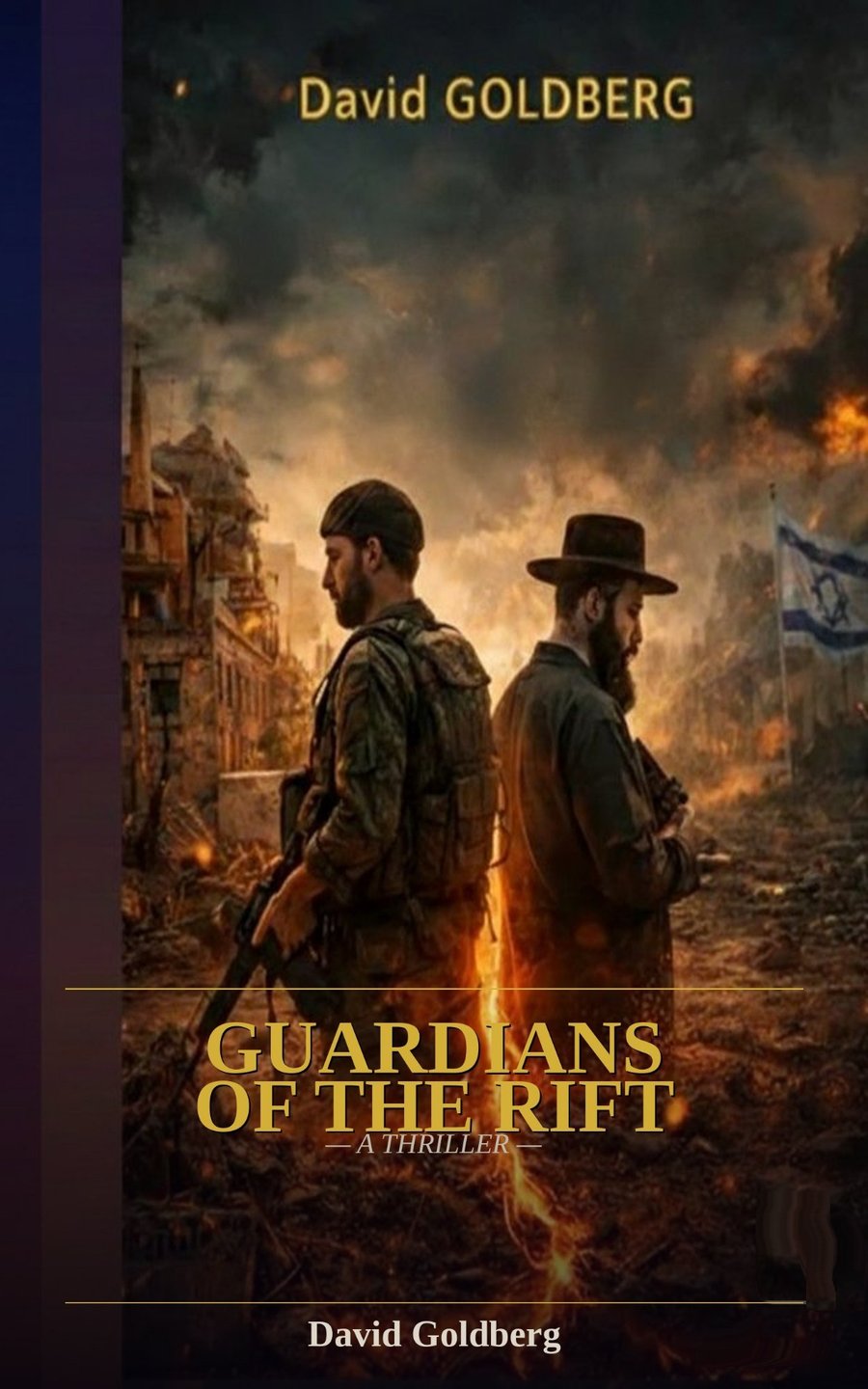
The most dangerous plots are the ones you never see coming. A buried truth, powers that want it silenced — and one man standing against the nations.

📕 Read the Book · $9.90
Le Chant du Puits
Paracha Houkat · 5786
Le Chant du Puits
Le miracle caché de Nahal Arnon — du Chant de la Mer au Chant du Puits
D’après le chiour de M. Yehuda Himi
🎙️
🎙 ÉCOUTER LE SHIOUR · M. YEHUDA HIMI
Le cours complet en audio
⬇ Télécharger le shiour
Le chant du puits
D’après le chiour de M. Yehuda Himi

À la fin de Houkat vient le chant du puits. Mais demandons d’abord : pourquoi Moché fut-il puni d’avoir frappé le rocher — alors qu’à Bechalah il avait justement reçu l’ordre de frapper ?

La différence n’est pas du côté du Saint béni soit-Il — Sa puissance n’est jamais en doute — mais du côté du peuple. À Bechalah, ce sont des nouveau-nés à peine sortis d’Égypte ; à Houkat, après quarante ans, une génération mûre, capable de chanter d’elle-même : « Alors Israël chanta ».

Et le chant porte sur un miracle caché : à Nahal Arnon, les Amorites tendaient une embuscade, et le Saint béni soit-Il rapprocha les montagnes et les écrasa — tandis qu’Israël passait, sans rien savoir. « Le bénéficiaire du miracle ne reconnaît pas son miracle. »

📖 Lire le chiour complet
1 Deux chants — et deux coups
À la fin de la paracha vient le chant du puits. Mais commençons par une question : pourquoi est-il si grave que Moché ait frappé le rocher au lieu de lui parler ?
« Alors Israël chanta ce chant : Monte, ô puits — chantez-lui ! »Bamidbar 21:17

À Houkat, Moché frappa le rocher, et pour cela il fut puni de ne pas entrer en Terre Promise : « Parce que vous n’avez pas eu foi en Moi, pour Me sanctifier. » Cherchons à comprendre ce qui a vraiment posé problème ici.

2 Bechalah — « Prends le bâton »

À Bechalah, quand le peuple eut soif, Hachem ordonna explicitement à Moché : « Prends le bâton… et frappe le rocher. » Ce même bâton avec lequel il avait frappé le Nil. Là, frapper est l’ordre lui-même — et nul reproche n’y est attaché.

« Frappe le rocher, il en sortira de l’eau, et le peuple boira »Chemot 17:6
3 Houkat — « Vous parlerez au rocher »

À Houkat, au contraire, l’ordre s’inverse : « Vous parlerez au rocher. » Cette fois, la parole est ce qui est demandé, et frapper est le défaut. Et ici, cela est compté comme une faute.

« Vous parlerez au rocher sous leurs yeux, et il donnera ses eaux »Bamidbar 20:8
4 La différence n’est pas en Dieu — mais dans le peuple

Cela paraît étonnant : si la parole sanctifie davantage, pourquoi à Bechalah ordonna-t-Il justement de frapper ? C’est que du côté du Saint béni soit-Il, il n’y a aucune différence — Sa puissance n’est pas en question. Toute la différence est du côté du peuple, du côté des croyants. Ce qui a changé entre Bechalah et Houkat, c’est le niveau de la nation.

5 Le chant de la mer face au chant du puits

Deux chants presque identiques. À la mer : « Alors Moché et les enfants d’Israël chantèrent. » Au puits : « Alors Israël chanta » — sans Moché. Que manque-t-il ici ? À la mer, Moché doit conduire ; au puits, Israël chante de lui-même.

« Alors Moché et les enfants d’Israël chantèrent ce chant à Hachem »Chemot 15:1
6 Le prodige — comment ont-ils chanté ensemble ?

Comment un peuple à peine sorti d’Égypte — après six jours seulement — sut-il chanter ensemble le chant de la mer ? Le Midrach s’arrête sur le prodige : certains disent qu’un écran s’ouvrit dans les cieux et que tous lurent les mots ; d’autres, que Moché récitait un verset et qu’ils répétaient après lui, comme un maître avec ses élèves. Quoi qu’il en soit — sans Moché, ils ne pouvaient pas.

7 Quarante ans de maturation

À Houkat, quarante ans avaient passé. Une génération qui s’assit au désert, étudia la Torah, la Chekhina parmi elle — une génération mûre. Désormais ils peuvent voir un miracle et composer eux-mêmes un chant. Tel est le secret de la différence.

À un tout-petit on donne une tape pour qu’il se souvienne de ne pas courir sur la route ; à un jeune de quatorze ans, on parle. Ainsi dit le Saint béni soit-Il : à Bechalah ils venaient de naître, un coup les éduquerait ; à Houkat ils sont mûrs — « Éduque l’enfant selon sa voie », par la parole.
8 Le texte-énigme

Les versets qui précèdent le chant ressemblent à une énigme scellée : « Vahev en Soufa… et les torrents de l’Arnon… qui penche vers le séjour d’Ar. » Des mots épars, comme si quelqu’un les avait mêlés. Seuls Rachi et le Midrach ouvrent la porte : de même qu’on raconte les miracles de la mer Rouge, de même faut-il raconter les miracles des torrents de l’Arnon.

« C’est pourquoi il est dit dans le Livre des guerres de Hachem : Vahev en Soufa, et les torrents de l’Arnon »Bamidbar 21:14
9 Le miracle caché de Nahal Arnon

Que s’est-il passé là ? Les Amorites s’étaient embusqués dans la gorge entre deux montagnes — des grottes face à des grottes, flèches et huile bouillante prêtes. Israël passait en toute innocence, sans rien savoir. Et le Saint béni soit-Il rapprocha les deux montagnes l’une de l’autre : les saillies entrèrent dans les grottes et écrasèrent les embusqués, et leur sang se déversa dans le torrent.

Israël traversa — et vit les ossements. Alors seulement ils surent de quel mal ils avaient été sauvés. Et c’est une leçon pour les générations : « Le bénéficiaire du miracle ne reconnaît pas son miracle. » Toute notre vie est faite de miracles cachés — et il nous revient de les reconnaître et d’en rendre grâce.
🕵️ Les complots qu’on ne voit pas. Le miracle caché de l’Arnon a un écho moderne : dans J’accuse les Nations, une vérité enfouie que des puissances veulent étouffer.

🎯 Teste-toi

5 questions sur le chiour. Touche une réponse.

1
Pour quoi Moché fut-il puni dans la paracha de Houkat ?
« Parce que vous n’avez pas eu foi en Moi, pour Me sanctifier » — il devait parler, et il frappa.
2
Pourquoi n’y eut-il aucun reproche sur le coup à Bechalah ?
« Frappe le rocher » — là, frapper est l’ordre lui-même.
3
Quelle différence entre « Alors Moché et les enfants d’Israël chantèrent » et « Alors Israël chanta » ?
À la mer Moché conduit ; au puits le peuple a atteint le niveau de chanter seul.
4
Qu’est-ce qui permit au peuple de chanter seul à Houkat ?
Une génération mûre : « Éduque l’enfant selon sa voie » — la parole, non le coup.
5
Quelle est la leçon du miracle de Nahal Arnon ?
« Le bénéficiaire du miracle ne reconnaît pas son miracle » — d’où le devoir de réfléchir et de remercier.
📅 Programme Hebdomadaire — Houkat
Dimanche
Lis les versets du chant du puits (Bamidbar 21) et remarque les mots énigmatiques.
Lundi
Étude : la différence entre « frappe le rocher » (Bechalah) et « parle au rocher » (Houkat).
Mardi
Examine Rachi sur Nahal Arnon — le miracle caché des montagnes qui se rapprochent.
Mercredi
Médite : « Alors Moché et Israël chantèrent » face à « Alors Israël chanta » — le niveau de la nation.
Jeudi
Éduque un enfant ou un élève « selon sa voie » — un mot doux plutôt que la colère.
Vendredi
Cherche un miracle caché qui t’a effleuré cette semaine — et rends-en grâce.
Chabbat
Dans « Modim », vise « Tes miracles qui sont chaque jour avec nous » — être celui qui reconnaît son miracle.

🔎 Miracle caché

Note un petit miracle qui t’a effleuré cette semaine sans que tu t’en aperçoives.

🙏 Reconnaissance

Ajoute dans « Modim » une intention pour un miracle caché — « le bénéficiaire ne reconnaît pas son miracle ».

🗣️ Parler plutôt que frapper

Une fois, corrige par un mot doux au lieu de la colère — à la manière de la génération mûre.

🎵 Un chant à toi

Formule avec tes propres mots un merci à Hachem — et chante-le ou dis-le, comme « Alors Israël chanta ».

Pour aller plus loin
🏠

Chalom Bayit — La bouche à la maison

Que chuchotes-tu à tes enfants ? À ton conjoint ? Découvre une carte Chalom Bayit.

🔢

Guématria — Rav Menaché

Connexions cachées dans les noms selon Rav Menaché zatsal.

🔢 Cours de guématria
📝

Étude Torah

Approfondis le commentaire de Rachi et le Zohar sur la paracha de la semaine.

📝 Beith Hamidrach
📚

Toutes les Parachiot

Tous les cours de M. Yéhouda Himi — de Béréchit à Devarim et les fêtes.

📚 Toutes les Parachiot
📕

Livres

La sagesse de la Torah en format thriller — Éditions Gueoula.

🌙

Interprétation des rêves

As-tu rêvé d’une biche ? D’une Arche ? Vérifie sa signification selon Rav Almoli.

🌙 Rêves
🎬

Vidéos

Shiourim vidéo sur les fêtes, la ménora et les secrets du Michkan.

🎬 Vidéos
💡

Boîte à idées

Une idée, une remarque, une suggestion pour le site ? Partage-la avec nous.

💡 Boîte à idées
🤝

Maasser

Donne ta part de Maasser et participe à la diffusion de la Torah.

🤝 Maasser
📨 Recevoir le shiour hebdomadaire
Chaque semaine, dans ta boîte mail — un nouveau shiour de paracha par M. Yéhouda Himi. Pas de spam. Désinscription en un clic.
🕯️ Dédier ce shiour
Le miracle caché de Nahal Arnon — ton partenariat porte cette reconnaissance de génération en génération.
🧱 Voir le Mur des Hakdashot →
J’accuse les Nations — David Goldberg

J’accuse les Nations

Un thriller spirituel · David Goldberg

Les complots les plus dangereux sont ceux qu’on ne voit pas venir. Une vérité enfouie, des puissances qui veulent l’étouffer — et un homme seul face aux nations.

📕 Lire le livre · 9,90 €