
🕯️ לְעִלּוּי נִשְׁמַתשִׁיעוּר זֶה מוּקְדָּשׁ לְעִלּוּי נִשְׁמַת רַבִּי עַמּוֹס בֶּן פוֹרְטוּנָה וְהָרַב רוֹן מֹשֶׁה חַיָּה בֶּן אֲבִיבָה זצ״ל.תְּהֵא נִשְׁמָתָם צְרוּרָה בִּצְרוֹר הַחַיִּים. אָמֵן.
מַטּוֹת־מַסְעֵי — עַנְנֵי הַכָּבוֹד נוֹשְׂאִים אֶת יִשְׂרָאֵל אֶל מְקוֹם הַמִּקְדָּשׁ וְקָרְבַּן הַפֶּסַח
פרשת מטות־מסעי · תשפ״ו · שיעור ד׳
עַנְנֵי הַכָּבוֹד, מָטוֹת וּמַסְעֵי, וְאַרְבַּע הַגָּלֻיּוֹת
קָרְבַּן הַפֶּסַח (יוֹנָתָן בֶּן עֻזִּיאֵל) · הָעֻבָּר וְהַתּוֹרָה · אַחְדוּת וְלֹא אֲחִידוּת
שִׁיעוּר מֵאֵת מ. יְהוּדָה חִימִי
🎙️
🎙 השיעור המלא בהקלטה
מ. יהודה חימי — מטות־מסעי שיעור ד׳ · ענני הכבוד וארבע הגלויות
⬇ הורד את ההקלטה
עַנְנֵי הַכָּבוֹד, מָטוֹת וּמַסְעֵי, וְאַרְבַּע הַגָּלֻיּוֹת
מ. יהודה חימי · פרשת מטות־מסעי · שיעור ד׳

יוֹנָתָן בֶּן עֻזִּיאֵל עַל קָרְבַּן הַפֶּסַח: בַּפֶּסַח הָרִאשׁוֹן נָשְׂאוּ עַנְנֵי הַכָּבוֹד אֶת יִשְׂרָאֵל אֶל מְקוֹם הַמִּקְדָּשׁ בִּירוּשָׁלַיִם, שָׁם הִקְרִיבוּ אֶת הַפֶּסַח, וְהֶחֱזִירוּם לְמִצְרַיִם — וּבְאוֹתוֹ לַיְלָה אָכְלוּ אוֹתוֹ בְּמִצְרַיִם.

לָמָּה הָלוֹךְ וָשׁוֹב? כְּמוֹ הָעֻבָּר שֶׁמְּלַמְּדִים אוֹתוֹ אֶת כָּל הַתּוֹרָה וְאָז מַשְׁכִּיחִים — כְּדֵי לִיצֹר אֶת הַתַּשְׁתִּית. כָּךְ קִבְּלוּ יִשְׂרָאֵל "מָנָה רִאשׁוֹנָה" שֶׁל שְׁכִינָה — כֹּחַ לַעֲמֹד מוּל נָחָשׁ עַקְרָב וְשָׂרָף (ר״ת עָשָׁן) שֶׁבַּמִּדְבָּר.

מָטוֹת ↔ מַסְעֵי: קֶבַע מוּל תְּנוּעָה. הַיְּהוּדִי צָרִיךְ יְסוֹד יַצִּיב (אָסוּר אָסוּר) — וְעָלָיו לָדוּן, לְהַחְמִיר וּלְהָקֵל. אַחְדוּת וְלֹא אֲחִידוּת (אַבְנֵי הָאֵפוֹד מוּל אַבְנֵי הַחֹשֶׁן).

"אֵלֶּה מַסְעֵי בְּנֵי יִשְׂרָאֵל" — ר״ת אֱ-מ-בּ-י = אַרְבַּע הַגָּלֻיּוֹת (אֱדוֹם, מָדַי, בָּבֶל, יָוָן), כְּנֶגֶד ד׳ אוֹתִיּוֹת הַשֵּׁם — וְהַתִּקְוָה: "וּמֵבִיא גוֹאֵל... לְמַעַן שְׁמוֹ בְּאַהֲבָה".

📖 לְשִׁיעוּר הַמָּלֵא
א שְׁנֵי הַכִּוּוּנִים — הַיְּצִיאָה מוּל הַיַּעַד
וַיִּכְתֹּב מֹשֶׁה אֶת מוֹצָאֵיהֶם לְמַסְעֵיהֶם עַל פִּי ה' וְאֵלֶּה מַסְעֵיהֶם לְמוֹצָאֵיהֶם במדבר לג, ב

לִפְעָמִים הָעִיקָר הוּא הַיְּצִיאָה: מִצְרַיִם מְקוֹם עֲבוֹדָה קָשָׁה, מ״ט שַׁעֲרֵי טֻמְאָה — "רַק תֵּן לִי לָצֵאת מִכָּאן, לֹא מְשַׁנֶּה לְאָן". הַדָּגֵשׁ עַל "מוֹצָאֵיהֶם", וְ"לְמַסְעֵיהֶם" (לְאָן) פָּחוֹת חָשׁוּב.

וְלִפְעָמִים "מַסְעֵיהֶם לְמוֹצָאֵיהֶם" — חָשׁוּב לִי הַיַּעַד, לֹא מְשַׁנֶּה מֵאַיִן יָצָאתִי. "בֵּית יַעֲקֹב מִבְּאֵר שֶׁבַע... וַיֵּלֶךְ חָרָנָה" — הוּא רוֹצֶה לְהַגִּיעַ לְחָרָן, אָז לָמָּה לְהַזְכִּיר "מִבְּאֵר שֶׁבַע"? מַשְׁמָע: גַּם לַיְּצִיאָה יֵשׁ חֲשִׁיבוּת — אַךְ הִיא אֵינָהּ מְבַטֶּלֶת אֶת הַיַּעַד.

וְהַתּוֹרָה אוֹמֶרֶת גַּם וְגַם — "וַיִּסְעוּ וַיַּחֲנוּ": הֵיכָן חָנוּ יֵשׁ חֲשִׁיבוּת, וְגַם לְאָן נָסְעוּ. גַּם הַמּוֹצָא וְגַם הַיַּעַד.
ב קָרְבַּן הַפֶּסַח — פֵּרוּשׁ יוֹנָתָן בֶּן עֻזִּיאֵל

קָרְבַּן הַפֶּסַח הָרִאשׁוֹן נַעֲשָׂה בְּמִצְרַיִם: בֶּעָשׂוֹר לַחֹדֶשׁ לוֹקְחִים שֶׂה לְבֵית אָבוֹת, בְּי״ד מַקְרִיבִים, וּבְלֵיל הַפֶּסַח — "מָתְנֵיכֶם חֲגֻרִים נַעֲלֵיכֶם בְּרַגְלֵיכֶם וּמַקֶּלְכֶם בְּיֶדְכֶם" — אוֹכְלִים עַד חֲצוֹת, וּבַחֲצוֹת "וְעָבַרְתִּי וְהִכֵּיתִי כָל בְּכוֹר בְּאֶרֶץ מִצְרַיִם".

אֲרוּם קֳדָם זִמְנָא דְּפִסְחָא נְטַלוּ יַתְהוֹן עַל עֲנָנֵי יְקָרָא... וְאַהְדְּרוּנוּן לְמִצְרַיִם תרגום יונתן, שמות יב
⭐ יוֹנָתָן בֶּן עֻזִּיאֵל מְגַלֶּה פֶּלֶא: כְּשֶׁהִגִּיעַ זְמַן הַפֶּסַח, נָשְׂאוּ עַנְנֵי הַכָּבוֹד אֶת יִשְׂרָאֵל אֶל מְקוֹם הַמִּקְדָּשׁ בִּירוּשָׁלַיִם, שָׁם הִקְרִיבוּ אֶת הַפֶּסַח, וְהֶחֱזִירוּם לְמִצְרַיִם — וּבְאוֹתוֹ לַיְלָה אָכְלוּ אֶת הַפֶּסַח בְּמִצְרַיִם, וְנָתְנוּ אֶת הַדָּם עַל הַמַּשְׁקוֹף וְעַל הַמְּזוּזוֹת. נֵס עָצוּם — לֹא סְתָם 'מְדַלֵּג עַל הֶהָרִים', אֶלָּא הָלוֹךְ וָשׁוֹב מַמָּשׁ.

יֵשׁ הַמְפָרְשִׁים בְּרוּחָנִיּוּת (הַזֹּהַר): כְּשֶׁהִקְרִיבוּ אֶת הַפֶּסַח בְּמִצְרַיִם, נִשְׁמָתָם הִתְקַשְּׁרָה עִם הַשְּׁכִינָה שֶׁבִּירוּשָׁלַיִם, וְקִבְּלוּ מִמֶּנָּה הֶאָרָה רִאשׁוֹנָה; וּמִכֹּחָהּ חָזְרוּ, אָכְלוּ אֶת הַפֶּסַח, עָמְדוּ לְמַרְגְּלוֹת הַר סִינַי וְקִבְּלוּ אֶת הַתּוֹרָה, וְאַחַר כָּךְ נִכְנְסוּ לָאָרֶץ.

ג הַקֻּשְׁיָה — לָמָּה הָלוֹךְ וָשׁוֹב?
מִמַּה נַפְשָׁךְ: אִם הֶעֱלֵיתָ אוֹתָם עַל עַנְנֵי כָּבוֹד וְשַׂמְתָּ אוֹתָם בִּירוּשָׁלַיִם — הַשְׁאֵר אוֹתָם שָׁם! לָמָּה לְהַחֲזִירָם לְמִצְרַיִם, וְאָז לַחֲזֹר לָאָרֶץ 40 שָׁנָה?

וְאִם לֹא — שֶׁיַּעֲשׂוּ אֶת הַפֶּסַח כִּפְשׁוּטוֹ בְּמִצְרַיִם וְיֹאכְלוּהוּ בְּמִצְרַיִם. לְשֵׁם מָה כָּל הַסִּבּוּב הַזֶּה? כְּדֵי לְהָבִין, נֵעָזֵר בְּמָשָׁל יָדוּעַ.

ד מָשָׁל הָעֻבָּר וְהַתּוֹרָה נדה ל

הָעֻבָּר בִּמְעֵי אִמּוֹ — נֵר דּוֹלֵק עַל רֹאשׁוֹ וּמַלְאָךְ מְלַמְּדוֹ אֶת כָּל הַתּוֹרָה כֻּלָּהּ; וְקֹדֶם צֵאתוֹ, סוֹטְרוֹ עַל פִּיו וּמַשְׁכִּיחוֹ אֶת כָּל שֶׁלָּמַד.

אִם מְלַמְּדִים וְאָז מַשְׁכִּיחִים — לְשֵׁם מָה?

הָאָדָם עָשׂוּי חֹמֶר, עָפָר מִן הָאֲדָמָה — אֵין נִשְׁמָתוֹ יְכוֹלָה לְהָכִיל אֶת הַתּוֹרָה כְּרָגִיל. מָשָׁל לְגוֹי הַלּוֹמֵד תּוֹרָה: אוּלַי יוֹדֵעַ אֶת הַיְּדִיעוֹת, אַךְ לֹא אֶת חָכְמַת הַתּוֹרָה — כִּי חֲסֵרָה לוֹ הַנְּשָׁמָה שֶׁבְּתוֹךְ הַתּוֹרָה, הָרוּחָנִיּוּת עַצְמָהּ.

⭐ לָכֵן מְלַמְּדוֹ בַּבֶּטֶן — נִסְפָּג בַּגּוּף, שׁוֹכֵחַ, אַךְ נִשְׁאָר לוֹ הַפּוֹטֶנְצְיָאל לְשַׁחְזֵר; יֵשׁ לוֹ כְּבָר תַּשְׁתִּית שֶׁעָלֶיהָ יַלְבִּישׁ בְּחַיָּיו אֶת כָּל הַתּוֹרָה. מִשּׁוּם כָּךְ כְּשֶׁלּוֹמְדִים תּוֹרָה הַכֹּל "מֻכָּר" — כִּי נִשְׁמָתֵנוּ שָׁמְעָה זֹאת כְּבָר פַּעַם אַחַת.
ה יִשְׂרָאֵל כְּעֻבָּר — וְהַפָּסוּק מִתְפָּרֵשׁ

עַם יִשְׂרָאֵל בְּמִצְרַיִם כְּעֻבָּר — אֻמָּה בְּמ״ט שַׁעֲרֵי טֻמְאָה. לַהֲבִיאָם מִיָּד לְסִינַי? אֵין סִיכּוּי שֶׁיִּקְלְטוּ. לָכֵן מַקְפִּיצָם לְהַר הַמּוֹרִיָּה, שָׁם הַשְּׁכִינָה, וּמְקַבְּלִים מָנָה/הַזְרָקָה רִאשׁוֹנָה שֶׁל שְׁכִינָה לְתוֹךְ נִשְׁמָתָם — וְחוֹזְרִים לְמִצְרַיִם.

⭐ אִלּוּ יָצְאוּ מִיָּד לַמִּדְבָּר — הָיוּ נִשְׂרָפִים. מָה מְחַכֶּה בַּמִּדְבָּר? "נָחָשׁ עַקְרָב וְשָׂרָף" — רָאשֵׁי תֵּבוֹת עָשָׁן; עָשָׁן שֶׁאִי אֶפְשָׁר לִסְפֹּג אֶת רוּחָנִיּוּתוֹ בְּלֹא הֲכָנָה קוֹדֶמֶת. מִכֹּחַ עַנְנֵי הַכָּבוֹד קִבְּלוּ אֶת הַכֹּחַ לְהִתְמוֹדֵד.
וְזֶהוּ הַפָּסוּק: "מוֹצָאֵיהֶם לְמַסְעֵיהֶם עַל פִּי ה'" — הַמַּסָּע הָרִאשׁוֹן עַל עַנְנֵי הַכָּבוֹד; "מַסְעֵיהֶם לְמוֹצָאֵיהֶם" — עַתָּה הַמַּסָּע תַּחֲנָה־תַּחֲנָה בַּמִּדְבָּר, כְּשֶׁיֵּשׁ כֹּחַ לְהִתְמוֹדֵד. יֵשׁ נְפִילוֹת — אַךְ יֵשׁ כֹּחַ לַעֲשׂוֹת תְּשׁוּבָה וּלְהִתְרוֹמֵם בְּכָל פַּעַם מֵחָדָשׁ.
ו מָטוֹת ↔ מַסְעֵי — קֶבַע וּתְנוּעָה

בְּצֵרוּף הַשֵּׁמוֹת יֵשׁ נִיגּוּדִיּוּת: מָטוֹת (מִלְּשׁוֹן מַטֶּה, מוֹט) — יַצִּיב, עוֹמֵד, אֵינוֹ זָז; מַסְעֵי — תְּנוּעָה, נְסִיעָה. כָּךְ גַּם נִצָּבִים ↔ וַיֵּלֶךְ: נִצָּב עוֹמֵד, וַיֵּלֶךְ בִּתְנוּעָה. זֶהוּ סוֹד הַיְּהוּדִי — שְׁתֵּי הַבְּחִינוֹת.

צָרִיךְ לִהְיוֹת "מַטֶּה": יְסוֹד יַצִּיב שֶׁכֻּלָּם הוֹלְכִים לְפִיו — אָסוּר לְהַדְלִיק בְּשַׁבָּת, אָסוּר לְהִתְעַלֵּל, אָסוּר לִגְנֹב — אָסוּר זֶה אָסוּר. וְעַל הַיְּסוֹד — "מַסְעֵי": לָדוּן, לְהִתְפַּלְפֵּל, לְהַחְמִיר וּלְהָקֵל, שִׁיטָה וְשִׁיטָה. אַךְ הַכֹּל סְבִיב הַ"מַטֶּה" הַקָּבוּעַ.
⭐ "מִזֶּה אֵינֶנּוּ זָזִים": שֶׁה' אֶחָד וּשְׁמוֹ אֶחָד. אַתָּה רוֹצֶה לָדוּן בַּגְּמָרָא, בְּמַעֲשֵׂה מֶרְכָּבָה — בַּסּוֹף יֵשׁ הֲלָכָה. הַפִּלְפּוּל לֶגִיטִימִי, אַךְ הַיְּסוֹד אֵינוֹ זָז.
ז אַבְנֵי הָאֵפוֹד מוּל אַבְנֵי הַחֹשֶׁן — אַחְדוּת וְלֹא אֲחִידוּת

בְּבִגְדֵי הַכֹּהֵן הַגָּדוֹל שְׁנֵי סוּגֵי אֲבָנִים. אַבְנֵי הָאֵפוֹד — שְׁתֵּי אֲבָנִים בִּלְבַד, שִׁשָּׁה שֵׁמוֹת עַל כָּל אַחַת לְתוֹלְדוֹתָם (כָּל אֶבֶן מְקַפֶּלֶת בְּתוֹכָהּ שִׁשָּׁה שְׁבָטִים), וְאַהֲרֹן נוֹשְׂאָן עַל כְּתֵפָיו = הַכְּלָל, הָאַחְדוּת. אַבְנֵי הַחֹשֶׁן — שְׁתֵּים עֶשְׂרֵה אֲבָנִים בִּצְבָעִים שׁוֹנִים = הַיָּחִיד.

⭐ כָּל אֶחָד רַשַּׁאי דֵּעָה וְצֶבַע מִשֶּׁלּוֹ — אַךְ בַּסּוֹף אַחְדוּת וְלֹא אֲחִידוּת: כֻּלָּנוּ בְּנֵי אִישׁ אֶחָד, סְבִיב רַעְיוֹן אֶחָד (הַ"מַּטֶּה"). "אֱלֹקִים נִצָּב בַּעֲדַת אֵל" — וְאֵין זֶה פּוֹסֵל שֶׁיַּחְלִיפוּ דֵּעוֹת.
ח עֶזְרָא הַסּוֹפֵר, בֵּין הַמְּצָרִים, וְשָׁלוֹשׁ "אֵיכָה"

מַדּוּעַ תִּקֵּן עֶזְרָא הַסּוֹפֵר שֶׁמָּטוֹת־מַסְעֵי יִקָּרְאוּ תָּמִיד בְּבֵין הַמְּצָרִים? (שַׁבָּת רִאשׁוֹנָה — פִּנְחָס; הָאֶמְצָעִית — מָטוֹת־מַסְעֵי; וְהַפָּרָשָׁה שֶׁלִּפְנֵי תִּשְׁעָה בְּאָב תָּמִיד 'אֵלֶּה הַדְּבָרִים') כְּנֶגֶד תְּלַת דְּפֻורְעָנוּתָא — שְׁלוֹשׁ הַפְטָרוֹת הַפֻּורְעָנוּת, וּבָהֶן מוֹטִיב "אֵיכָה":

"אֵיכָה אֶשָּׂא לְבַדִּי טָרְחֲכֶם" (דְּבָרִים · שַׁבַּת חֲזוֹן, לִפְנֵי תִּשְׁעָה בְּאָב) · "אֵיכָה יָשְׁבָה בָדָד" (אֵיכָה) · "אֵיכָה הָיְתָה לְזוֹנָה קִרְיָה נֶאֱמָנָה" (חֲזוֹן יְשַׁעְיָהוּ)

וּמָטוֹת־מַסְעֵי תָּמִיד בָּאֶמְצַע, בְּלֵב בֵּין הַמְּצָרִים. מָה רָצָה עֶזְרָא לְלַמְּדֵנוּ בְּכָךְ?

ט אַרְבַּע הַגָּלֻיּוֹת — וְהַתִּקְוָה

וְזוֹ הַתְּשׁוּבָה: כְּשֶׁקּוֹרְאִים "אֵלֶּה מַסְעֵי" — קוֹרְאִים עַל מַסְעוֹת הַגָּלוּת. הַפָּסוּק הָרִאשׁוֹן "אֵלֶּה מַסְעֵי בְּנֵי יִשְׂרָאֵל" — רָאשֵׁי תֵּבוֹת אֱ־מ־בּ־י — שֹׁרֶשׁ אַרְבַּע הַגָּלֻיּוֹת מִיְּצִיאַת מִצְרַיִם עַד בִּנְיַן הַמִּקְדָּשׁ: אֱדוֹם (א) · מָדַי (מ) · בָּבֶל (בּ) · יָוָן (י).

⭐ הָאֲרִיזַ״ל: הֵן מְכֻוָּנוֹת וּמִתְנַגְּדוֹת לְד׳ אוֹתִיּוֹת הַשֵּׁם — בָּבֶל כְּנֶגֶד הַיּוֹד, מָדַי כְּנֶגֶד הַהֵ״א, יָוָן כְּנֶגֶד הַוָּי״ו, וֶאֱדוֹם הָרְשָׁעָה כְּנֶגֶד הֵ״א אַחֲרוֹנָה (מַלְכוּת) — הַמְבַקֶּשֶׁת שֶׁלֹּא תִּהְיֶה מַלְכוּת ה' בָּעוֹלָם. "וְעָלוּ מוֹשִׁעִים בְּהַר צִיּוֹן לִשְׁפֹּט אֶת הַר עֵשָׂו".
וְהַתִּקְוָה, ג׳ פְּעָמִים בַּיּוֹם: "וּמֵבִיא גּוֹאֵל לִבְנֵי בְנֵיהֶם לְמַעַן שְׁמוֹ בְּאַהֲבָה". "מֵבִיא" — מ מָדַי, ב בָּבֶל, י יָוָן, א אֱדוֹם. "אַהֲבָה" = 13, פַּעֲמַיִם = 26 — כְּמִנְיַן הַשֵּׁם. הֵם הִתְנַגְּדוּ לַשֵּׁם, וְה' מֵבִיא גּוֹאֵל "לְמַעַן שְׁמוֹ" — "וְהָיָה ה' לְמֶלֶךְ עַל כָּל הָאָרֶץ, בַּיּוֹם הַהוּא יִהְיֶה ה' אֶחָד וּשְׁמוֹ אֶחָד". בִּמְהֵרָה בְיָמֵינוּ אָמֵן.

לְהַעֲמִיק בְּסוֹד הַתְּפִלָּה וְהַגְּאֻלָּה? לְעַמּוּד לִימוּד הָעֲמִידָה ←

🎯 בְּדֹק אֶת עַצְמְךָ

חָמֵשׁ שְׁאֵלוֹת. לְחַץ עַל הַתְּשׁוּבָה.

1
לְפִי יוֹנָתָן בֶּן עֻזִּיאֵל — הֵיכָן הִקְרִיבוּ אֶת קָרְבַּן הַפֶּסַח הָרִאשׁוֹן?
נֵס עָצוּם: הָלוֹךְ וָשׁוֹב עַל עַנְנֵי הַכָּבוֹד — הִקְרִיבוּ בִּירוּשָׁלַיִם וְאָכְלוּ אֶת הַפֶּסַח בְּמִצְרַיִם בְּאוֹתוֹ לַיְלָה.
2
לָמָּה מְלַמְּדִים אֶת הָעֻבָּר אֶת כָּל הַתּוֹרָה אִם מַשְׁכִּיחִים מִמֶּנּוּ?
הָאָדָם חֹמֶר — אֵין נִשְׁמָתוֹ יְכוֹלָה לְהָכִיל הַכֹּל בְּבַת אַחַת. הַלִּימּוּד בַּבֶּטֶן מַנִּיחַ אֶת הַיְּסוֹד, וְלָכֵן הַכֹּל "מֻכָּר" כְּשֶׁלּוֹמְדִים.
3
מָה מְלַמֵּד הָלוֹךְ וָשׁוֹב שֶׁל מִצְרַיִם ← יְרוּשָׁלַיִם ← מִצְרַיִם?
אֻמָּה בְּמ״ט שַׁעֲרֵי טֻמְאָה לֹא יְכוֹלָה לִקְלֹט מִיָּד; קִבְּלוּ "מָנָה רִאשׁוֹנָה" שֶׁל שְׁכִינָה לַעֲמֹד מוּל נָחָשׁ עַקְרָב וְשָׂרָף (עָשָׁן).
4
מָה מְסַמֵּל הַנִּיגּוּד מָטוֹת ↔ מַסְעֵי?
"מַטֶּה" — אָסוּר זֶה אָסוּר, יְסוֹד קָבוּעַ; "מַסְעֵי" — לָדוּן וּלְעַיֵּן סְבִיב אוֹתוֹ יְסוֹד. אַבְנֵי הָאֵפוֹד (אַחְדוּת) מוּל אַבְנֵי הַחֹשֶׁן (הַיָּחִיד).
5
"אֵלֶּה מַסְעֵי בְּנֵי יִשְׂרָאֵל" — מָה רוֹמְזוֹת רָאשֵׁי הַתֵּבוֹת אֱ־מ־בּ־י?
שֹׁרֶשׁ אַרְבַּע הַגָּלֻיּוֹת. וְהַתִּקְוָה: "וּמֵבִיא גוֹאֵל... לְמַעַן שְׁמוֹ בְּאַהֲבָה" (אַהֲבָה ×2 = 26 = הַשֵּׁם).

תּוֹצָאָה

📅 תָּכְנִית שִׁבְעַת הַיָּמִים — מַטּוֹת־מַסְעֵי שִׁיעוּר ד׳
יוֹם רִאשׁוֹן
קְרָא בְּמִדְבַּר ל"ג, ב. הִתְבּוֹנֵן בַּכְּפִילוּת "מוֹצָאֵיהֶם לְמַסְעֵיהֶם" / "מַסְעֵיהֶם לְמוֹצָאֵיהֶם".
יוֹם שֵׁנִי
עַיֵּן בְּתַרְגּוּם יוֹנָתָן בֶּן עֻזִּיאֵל עַל קָרְבַּן הַפֶּסַח — עַנְנֵי הַכָּבוֹד וְהַהָלוֹךְ וָשׁוֹב.
יוֹם שְׁלִישִׁי
מָשָׁל הָעֻבָּר (נדה ל): כְּשֶׁתִּלְמַד תּוֹרָה הַיּוֹם — זְכֹר שֶׁנִּשְׁמָתְךָ כְּבָר "מַכִּירָה" אֶת זֶה.
יוֹם רְבִיעִי
אֵיזוֹ "הֲכָנָה" אַתָּה צָרִיךְ לִפְנֵי אֶתְגָּר רוּחָנִי? קַבֵּל "מָנָה רִאשׁוֹנָה" קְטַנָּה לִפְנֵי הַקָּשֶׁה.
יוֹם חֲמִישִׁי
מָטוֹת: מָה הַיְּסוֹד הַקָּבוּעַ שֶׁאֵינְךָ מְוַתֵּר עָלָיו? מַסְעֵי: הֵיכָן אַתָּה פָּתוּחַ לְעַיֵּן וְלָדוּן?
יוֹם שִׁשִּׁי
אַחְדוּת וְלֹא אֲחִידוּת — כַּבֵּד דֵּעָה שׁוֹנָה בַּמִּשְׁפָּחָה/קְהִלָּה מִבְּלִי לְוַתֵּר עַל הַיְּסוֹד.
שַׁבָּת
בֵּין הַמְּצָרִים: קְרָא "אֵלֶּה מַסְעֵי" כְּתִקְוָה — "וּמֵבִיא גוֹאֵל... לְמַעַן שְׁמוֹ בְּאַהֲבָה".
אַרְבָּעָה צְעָדִים מַעֲשִׂיִּים
🏠

שָׁלוֹם בַּיִת — אַחְדוּת וְלֹא אֲחִידוּת

אַחְדוּת בַּבַּיִת מַתְחִילָה בְּכָבוֹד לְדֵעָה שׁוֹנָה. גַּלֵּה כַּרְטִיס שָׁלוֹם בַּיִת.

🔢

גִּימַטְרִיָּה — הַרַב מְנַשֶּׁה

שָׁלוֹם, מָשִׁיחַ, יִסְמַךְ — סוֹדוֹת הָאוֹתִיּוֹת לְפִי הָרַב מְנַשֶּׁה זצ"ל.

🔢 קוּרְס גִּימַטְרִיָּה
📝

לִימוּד תּוֹרָה

הַעֲמֵק בְּבַעַל הַטּוּרִים וְרַשִׁ"י עַל פָּרָשַׁת מַטּוֹת־מַסְעֵי.

📝 בֵּית הַמִּדְרָשׁ
📚

כָּל הַפָּרָשִׁיּוֹת

כָּל שִׁיעוּרֵי מ. יְהוּדָה חִימִי — מִבְּרֵאשִׁית עַד דְּבָרִים וְעַד הַחַגִּים.

📚 כָּל הַפָּרָשִׁיּוֹת
📕

סְפָרִים

חָכְמַת הַתּוֹרָה בְּפוֹרְמַט תְּרִיילֶר — הוֹצָאַת גְּאוּלָה.

🌙

פֵּרוּשׁ חֲלוֹמוֹת

חָלַמְתָּ? בְּדֹק אֶת הַמַּשְׁמָעוּת לְפִי רַב אַלְמוֹלִי.

🌙 פֵּרוּשׁ חֲלוֹמוֹת
🎬

סִרְטוֹנִים

שִׁיעוּרֵי וִידֵאוֹ עַל הַחַגִּים, הַמְּנוֹרָה וְסוֹדוֹת הַמִּשְׁכָּן.

🎬 סִרְטוֹנִים
💡

תֵּיבַת רַעְיוֹנוֹת

רַעְיוֹן, הֶעָרָה אוֹ הַצָּעָה לָאֲתָר? שַׁתֵּף אוֹתָנוּ.

💡 תֵּיבַת רַעְיוֹנוֹת
🤝

מַעֲשֵׂר

תֵּן אֶת חֵלֶק הַמַּעֲשֵׂר שֶׁלְּךָ וְהִשְׁתַּתֵּף בַּהֲפָצַת הַתּוֹרָה.

🤝 מַעֲשֵׂר
📨 קַבְּלוּ אֶת הַשִּׁיעוּר הַשְּׁבוּעִי
כָּל שָׁבוּעַ, יָשִׁיר לְתֵיבַת הַמֵּייל. בְּלִי סְפַּאם. בִּיטּוּל בִּלְחִיצָה.
🕯️ הַקְדֵּשׁ אֶת הַשִּׁיעוּר
הַקְדֵּשׁ אֶת הַשִּׁיעוּר לְעִלּוּי נִשְׁמַת, לִרְפוּאָה אוֹ לְהַצְלָחָה — הַשֵּׁם שֶׁלְּךָ יוֹפִיעַ עַל הַדַּף וְעַל מוּר הַהַקְדָּשׁוֹת.
🧱 לְמוּר הַהַקְדָּשׁוֹת ←
אני מאשים את האומות

אֲנִי מַאֲשִׁים אֶת הָאֻמּוֹת

תְּרִיילֶר רוּחָנִי · דֵּיוִיד גּוֹלְדְבֶּרְג

כְּשֶׁהָאֻמּוֹת מְבַזּוֹת אֶת יִחוּסוֹ שֶׁל עַם יִשְׂרָאֵל — וְאִישׁ אֶחָד קָם לְהָעִיד עַל הָאֱמֶת. תְּרִיילֶר שֶׁנּוֹגֵעַ בַּשֵּׁם יָ-הּ הֶחָתוּם בְּתוֹךְ כָּל יְהוּדִי.

📕 לִקְרִיאַת הַסֵּפֶר · ₪36.90
🕯️ In memory ofThis shiur is dedicated to the memory of Rabbi Amos ben Fortouna and Rav Ron Moshé Chaya ben Aviva zatsal.May their souls be bound in the bond of life. Amen.
Matot-Massei — the Clouds of Glory carrying Israel to the site of the Temple for the Korban Pesach
Parashat Matot-Massei · 5786 · Shiur 4
Clouds of Glory, Fixity & Movement, and the Four Exiles
The Korban Pesach (Yonatan ben Uziel) · The Soul's Rehearsal of Torah · Unity, Not Uniformity
A shiur by M. Yéhouda Himi
🎙️
🎙 Full recorded shiur · M. Yéhouda Himi
Matot-Massei — Shiur 4 · Clouds of Glory and the Four Exiles
⬇ Download the recording
Clouds of Glory, Fixity & Movement, and the Four Exiles
M. Yéhouda Himi · Parashat Matot-Massei · Shiur 4

Yonatan ben Uziel on the Korban Pesach: at the first Pesach the Clouds of Glory carried Israel to the site of the Temple in Jerusalem, they offered the Pesach there, were carried back to Egypt — and that same night ate it in Egypt.

Why the round-trip? Like the fetus taught the whole Torah and then made to forget — to build the foundation. So Israel received a "first dose" of the Shechinah — strength to face the serpent, scorpion and viper (the initials spell "smoke") of the desert.

Matot ↔ Massei: fixity vs movement. A Jew needs a firm foundation (forbidden is forbidden) — and upon it, to debate, be stringent or lenient. Unity, not uniformity (the efod stones vs the choshen stones).

"These are the journeys of Israel" — the initials A-M-B-Y = the four exiles (Edom, Madai, Bavel, Yavan), set against the four letters of the Name — and the hope: "He brings a redeemer… for His Name's sake, with love."

📖 Read the full shiur
1 Two Directions — the Exit vs the Destination
And Moshe wrote their departures by their journeys, by the word of Hashem; and these are their journeys by their departures Bamidbar 33:2

Sometimes what matters is the exit: Egypt is a place of crushing labor, the 49 gates of impurity — "just let me get out of here, no matter where." The emphasis is on "their departures," and "their journeys" (where to) matters less.

And sometimes "their journeys by their departures" — the destination is what matters, no matter where I came from. "The house of Yaakov left Beer Sheva... and he went to Charan" — he wants to reach Charan, so why mention "from Beer Sheva"? This shows: the departure, too, has meaning — yet it does not nullify the destination.

And the Torah says both — "they journeyed and they camped": where they camped matters, and where they journeyed too. Both the origin and the destination.
2 The Korban Pesach — the Reading of Yonatan ben Uziel

The first Korban Pesach was brought in Egypt: on the 10th of the month a lamb is taken per father's house, on the 14th it is offered, and on the night of Pesach — "your loins girded, your shoes on your feet and your staff in your hand" — eaten until midnight, and at midnight "I shall pass through and strike every firstborn in the land of Egypt."

Before the time of Pesach the Clouds of Glory bore them up… and brought them back to Egypt Targum Yonatan, Shemot 12
⭐ Yonatan ben Uziel reveals a wonder: when the time of Pesach came, the Clouds of Glory carried Israel to the site of the Temple in Jerusalem, there they offered the Pesach, and returned them to Egypt — and that same night they ate the Pesach in Egypt, placing the blood on the lintel and the doorposts. A tremendous miracle — not a mere "leaping over the mountains," but a literal round-trip.

Some read it spiritually (the Zohar): when they offered the Pesach in Egypt, their souls bonded with the Shechinah in Jerusalem and received a first illumination from it; by its power they returned, ate the Pesach, stood at the foot of Sinai and received the Torah, and afterward entered the Land.

3 The Question — Why the Round-Trip?
Either way: if You raised them on the Clouds of Glory and set them in Jerusalem — leave them there! Why return them to Egypt, and then take 40 years to reach the Land?

And if not — let them simply offer the Pesach in Egypt and eat it in Egypt. What is this whole round-trip for? To understand, we turn to a well-known parable.

4 The Parable of the Fetus and the Torah Niddah 30

The fetus in its mother's womb — a candle burns over its head and an angel teaches it the entire Torah; and before it emerges, the angel strikes it upon the mouth and makes it forget everything it learned.

If it is taught and then made to forget — what for?

Man is made of matter, dust of the earth — his soul cannot contain the Torah in the ordinary way. A parable: a gentile who studies Torah may know the information, but not the wisdom of the Torah — for he lacks the soul within the Torah, its very spirituality.

⭐ So it is taught in the womb — absorbed into the body, forgotten, yet the potential to recover it remains; a foundation is already laid, upon which one later "clothes" the whole Torah in life. This is why, when we study, everything feels "familiar" — our soul heard it once before.
5 Israel as a Fetus — and the Verse Resolved

Israel in Egypt is like a fetus — a nation in the 49 gates of impurity. To bring them straight to Sinai? No way they could absorb it. So the Holy One "leaps" them to Har HaMoriah, where the Shechinah dwells, and they receive a first dose, an infusion of the Shechinah into their souls — then return to Egypt.

⭐ Had they gone straight into the desert, they would have been scorched. What awaits in the desert? "serpent, scorpion and viper" — whose initials spell "smoke" (ashan); a smoke whose spirituality one cannot withstand without prior preparation. By the power of the Clouds of Glory they received the strength to cope.
And this is the verse: "their departures by their journeys, by the word of Hashem" — the first journey on the Clouds of Glory; "their journeys by their departures" — now the journey station by station in the desert, holding the strength to cope. There are falls — but also the strength to do teshuva and rise again each time.
6 Matot ↔ Massei — Fixity and Movement

In the pairing of the names there is an opposition: Matot (from mateh, a staff) — firm, standing, immovable; Massei — movement, travel. So too Nitzavim ↔ Vayelech: "standing" and "going." This is the secret of the Jew — both aspects.

One must be a "staff": a firm foundation everyone follows — you may not kindle fire on Shabbat, you may not mistreat another, you may not steal — forbidden is forbidden. And upon that foundation — "Massei": to debate, to analyze, to be stringent or lenient, one approach or another. But all of it revolves around the fixed "staff."
⭐ "From this we do not budge": that Hashem is One and His Name One. You wish to debate in the Gemara, in the account of the Merkava — in the end there is halacha. The give-and-take is legitimate, but the foundation does not move.
7 The Efod Stones vs the Choshen Stones — Unity, Not Uniformity

In the garments of the Kohen Gadol there are two kinds of stones. The efod stones — only two stones, six names on each according to their generations (each stone enfolds six tribes), borne by Aharon upon his shoulders = the whole, unity. The choshen stones — twelve stones of different colors = the individual.

⭐ Each may hold his own view and color — but in the end, unity, not uniformity: we are all children of one man, around one idea (the "staff"). "God stands in the divine assembly" — and this does not preclude the exchange of views.
8 Ezra the Scribe, Bein HaMetzarim, and Three "Eicha"

Why did Ezra the Scribe arrange that Matot-Massei always be read in Bein HaMetzarim (the Three Weeks)? (The first Shabbat is Pinchas, the middle one Matot-Massei, and the parasha before Tisha B'Av is always "These are the words" — Devarim.) Corresponding to the three haftarot of rebuke, in which the motif "Eicha" (How?) appears:

"How (Eicha) can I bear alone your burden" (Devarim · Shabbat Chazon, before Tisha B'Av) · "How (Eicha) does she sit alone" (Eicha) · "How (Eicha) has the faithful city become a harlot" (Chazon Yeshayahu)

And Matot-Massei always falls in the middle, at the heart of Bein HaMetzarim. What did Ezra wish to teach us by this?

9 The Four Exiles — and the Hope

The answer: reading "these are the journeys" is reading of the journeys of exile. The first verse — "These are the journeys of the children of Israel" — has the initials A-M-B-Y — the root of the four exiles from the exodus until the building of the Temple: Edom (A) · Madai (M) · Bavel (B) · Yavan (Y).

⭐ The Arizal: they are set against and oppose the four letters of the Name — Bavel against the Yod, Madai against the Hei, Yavan against the Vav, and wicked Edom against the final Hei (Malchut) — which seeks that there be no kingship of Hashem in the world. "And saviors shall ascend Mount Zion to judge Mount Esav."
And the hope, said three times a day: "He brings a redeemer to their children's children, for His Name's sake, with love." "He brings" (meivi) — M Madai, B Bavel, Y Yavan, A Edom. "Love" (ahava) = 13, twice = 26 — the value of the Name. They opposed the Name, and Hashem brings a redeemer "for His Name's sake" — "Hashem shall be King over all the earth; on that day Hashem shall be One and His Name One." Speedily in our days, Amen.

Want to go deeper into the secret of prayer? To the Amida study page →

🎯 Test Yourself

Five questions. Click on an answer.

1
Per Yonatan ben Uziel, where was the first Korban Pesach offered?
A tremendous miracle — a round-trip on the Clouds of Glory: they offered in Jerusalem and ate the Pesach in Egypt that same night.
2
Why is the fetus taught the whole Torah if it is then made to forget?
Man is matter — the soul cannot hold it all at once. The prenatal learning lays the foundation, so everything feels "familiar" when we study.
3
What does the round-trip Egypt → Jerusalem → Egypt teach?
A nation in the 49 gates of impurity cannot absorb at once; a "first dose" of Shechinah gave strength to face serpent, scorpion and viper ("smoke").
4
What does the opposition Matot ↔ Massei symbolize?
"Staff" — forbidden is forbidden, a fixed foundation; "Massei" — to debate and study around it. The efod stones (unity) vs the choshen stones (the individual).
5
"These are the journeys of Israel" — what do the initials A-M-B-Y hint at?
The root of the four exiles. And the hope: "He brings a redeemer… for His Name's sake, with love" (ahava ×2 = 26 = the Name).

Result

📅 Seven-Day Programme — Matot-Massei Shiur 4
Sunday
Read Bamidbar 33:2. Reflect on the doubling: "their departures by their journeys" / "their journeys by their departures."
Monday
Study the Targum Yonatan ben Uziel on the Korban Pesach — the Clouds of Glory and the round-trip.
Tuesday
The parable of the fetus (Niddah 30): when you learn Torah today, remember your soul already "knows" it.
Wednesday
What "preparation" do you need before a spiritual challenge? Take a small "first dose" before the hard thing.
Thursday
Matot: what fixed foundation do you never give up? Massei: where are you open to study and debate?
Friday eve
Unity, not uniformity — honor a differing view in family/community without surrendering the foundation.
Shabbat
In Bein HaMetzarim: read "these are the journeys" as hope — "He brings a redeemer… for His Name's sake, with love."
Four Practical Steps
🏠

Shalom Bayit — Unity, Not Uniformity

Unity at home begins with honoring a differing view. Reveal a Shalom Bayit card.

🔢

Gematria — Rav Ménaché

Shalom, Mashiah, Yisamech — secrets of the letters by Rav Ménaché zatsal.

🔢 Gematria Course
📝

Torah Study

Dig deeper into the Baal HaTurim and Rashi on Parashat Matot-Massei.

📝 Beith Hamidrach
📚

All Parashot

All shiurim of M. Yéhouda Himi — from Bereshit to Devarim and the festivals.

📚 All Parashot
📕

Books

Torah wisdom in thriller format — Éditions Gueoula.

🌙

Dream Interpretation

Did you dream? Check the meaning according to Rav Almoli.

🌙 Dreams
🎬

Videos

Video shiurim on the festivals, the Menorah and the secrets of the Mishkan.

🎬 Videos
💡

Idea Box

An idea, a remark, a suggestion for the site? Share it with us.

💡 Idea Box
🤝

Maasser

Give your Maasser and take part in spreading Torah.

🤝 Maasser
📨 Get the Weekly Shiur
Every week, straight to your inbox. No spam. One-click unsubscribe.
🕯️ Dedicate This Shiur
Dedicate this shiur in memory, for healing or for success — your name appears on the page and on the Wall of Dedications.
🧱 Wall of Dedications →
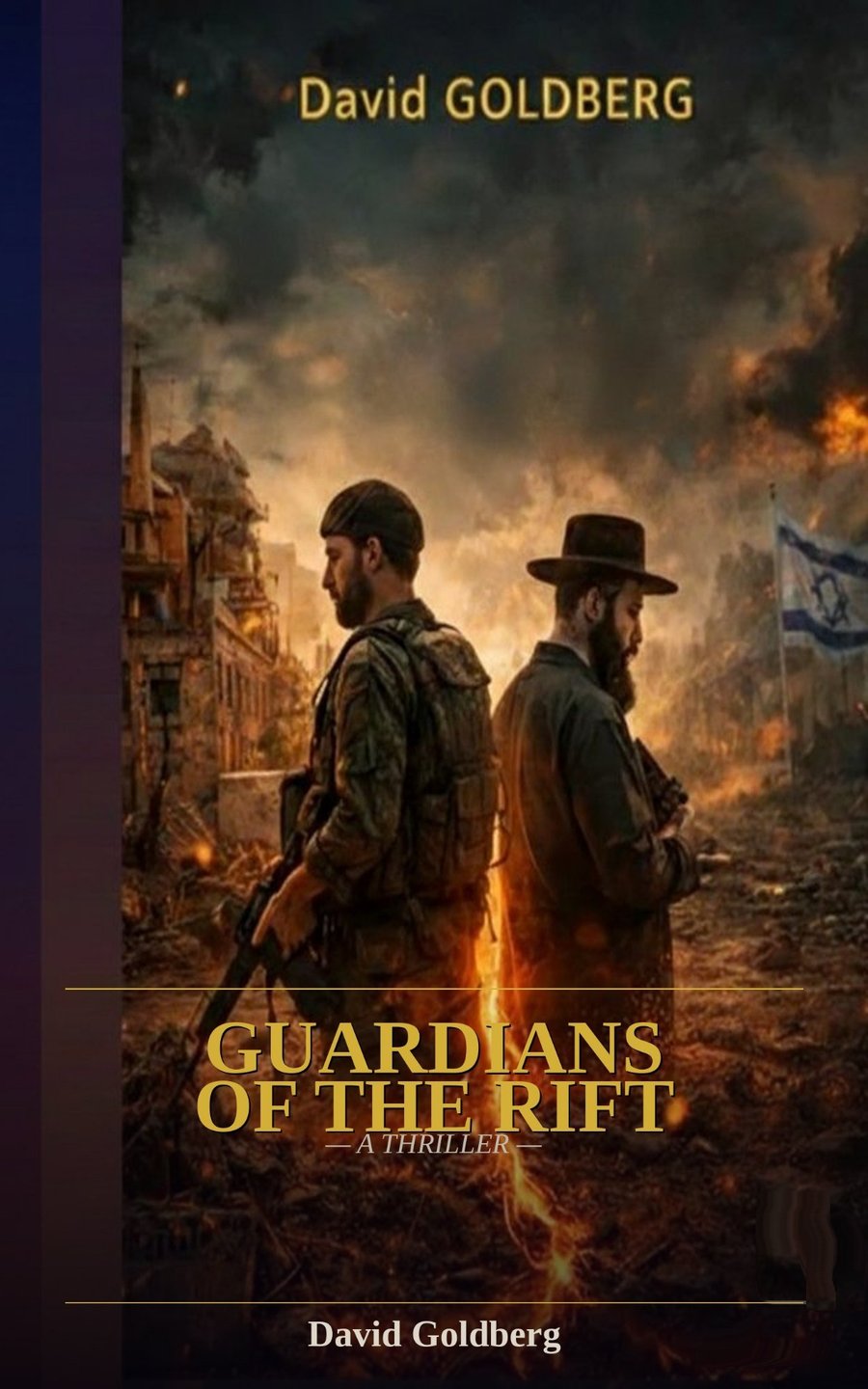
The Dream Thief

The Dream Thief

A spiritual thriller · David Goldberg

When the nations cast doubt on the lineage of Israel — and one man rises to testify to the truth. A thriller rooted in the Name Y-H sealed within every Jew, drawn from Talmud and Kabbalah.

📕 Read the Book · $9.90
🕯️ À l'élévation de l'âme deCe cours est dédié à l'élévation de l'âme du Rabbi Amos ben Fortouna et du Rav Ron Moshé Chaya ben Aviva zatsal.Que leurs âmes soient liées au faisceau de la vie. Amen.
Matot-Massei — les nuées de gloire portant Israël vers le lieu du Temple pour le Korban Pessah
Paracha Matot-Massei · 5786 · Cours 4
Les Nuées de Gloire, fixité et mouvement, et les quatre exils
Le Korban Pessah (Yonatan ben Ouziel) · le fœtus et la Torah · l'unité, non l'uniformité
Cours de M. Yéhouda Himi
🎙️
🎙 Écouter le cours · M. Yéhouda Himi
Matot-Massei — Cours 4 · Les nuées de gloire et les quatre exils
⬇ Télécharger l'enregistrement
Les Nuées de Gloire, fixité et mouvement, et les quatre exils
M. Yéhouda Himi · Paracha Matot-Massei · Cours 4

Yonatan ben Ouziel sur le Korban Pessah : au premier Pessah, les nuées de gloire portèrent Israël au lieu du Temple à Jérusalem, ils y offrirent le Pessah, furent ramenés en Égypte — et cette nuit-là le mangèrent en Égypte.

Pourquoi l'aller-retour ? Comme le fœtus à qui l'on enseigne toute la Torah puis qu'on fait oublier — pour créer la fondation. Ainsi Israël reçut une « première dose » de Shékhina — la force d'affronter le serpent, le scorpion et la vipère (dont les initiales font « fumée ») du désert.

מטות ↔ מסעי : fixité vs mouvement. Le Juif a besoin d'un socle ferme (interdit c'est interdit) — et par-dessus, débattre, être strict ou souple. L'unité, non l'uniformité (les pierres de l'éfod vs les pierres du 'hochen).

« Voici les voyages d'Israël » — les initiales א-מ-ב-י = les quatre exils (Édom, Madaï, Bavel, Yavan), face aux quatre lettres du Nom — et l'espoir : « Il amène un libérateur… pour Son Nom, avec amour. »

📖 Lire le cours complet
1 Les deux sens — la sortie face à la destination
Et Moshé écrivit leurs départs selon leurs voyages, sur l'ordre d'Hachem ; et voici leurs voyages selon leurs départs Bamidbar 33:2

Parfois l'essentiel est la sortie : l'Égypte est un lieu de labeur écrasant, les 49 portes d'impureté — « laisse-moi juste sortir d'ici, peu importe où ». L'accent est sur « leurs départs », et « leurs voyages » (vers où) importe moins.

Et parfois « leurs voyages selon leurs départs » — c'est la destination qui compte, peu importe d'où je suis parti. « La maison de Yaakov quitta Beer Sheva... et il alla à Charan » — il veut atteindre Charan, alors pourquoi mentionner « de Beer Sheva » ? Cela montre : le départ aussi a un sens — mais il n'annule pas la destination.

Et la Torah dit les deux — « ils voyagèrent et ils campèrent » : où ils campèrent a un sens, et où ils voyagèrent aussi. L'origine et la destination.
2 Le Korban Pessah — le commentaire de Yonatan ben Ouziel

Le premier Korban Pessah fut offert en Égypte : le 10 du mois on prend un agneau par maison paternelle, le 14 on l'offre, et la nuit de Pessah — « vos reins ceints, vos sandales aux pieds et votre bâton à la main » — on le mange jusqu'à minuit, et à minuit « Je passerai et frapperai tout premier-né au pays d'Égypte ».

Avant le temps de Pessah, les nuées de gloire les élevèrent... et les ramenèrent en Égypte Targoum Yonatan, Chemot 12
⭐ Yonatan ben Ouziel révèle un prodige : quand vint le temps de Pessah, les nuées de gloire portèrent Israël au lieu du Temple à Jérusalem, là ils offrirent le Pessah, et les ramenèrent en Égypte — et cette nuit-là ils mangèrent le Pessah en Égypte, plaçant le sang sur le linteau et les montants. Un nes immense — non un simple « bond par-dessus les montagnes », mais un véritable aller-retour.

Certains le lisent spirituellement (le Zohar) : quand ils offrirent le Pessah en Égypte, leur âme se lia à la Shékhina de Jérusalem et en reçut une première illumination ; par sa force ils revinrent, mangèrent le Pessah, se tinrent au pied du Sinaï et reçurent la Torah, puis entrèrent en Terre.

3 La question — pourquoi l'aller-retour ?
De toute façon : si Tu les as élevés sur les nuées de gloire et posés à Jérusalem — laisse-les là ! Pourquoi les ramener en Égypte, et mettre ensuite 40 ans à atteindre la Terre ?

Et sinon — qu'ils offrent simplement le Pessah en Égypte et le mangent en Égypte. À quoi sert tout cet aller-retour ? Pour comprendre, recourons à un machal bien connu.

4 Le machal du fœtus et la Torah Nidda 30

Le fœtus dans le ventre de sa mère — une bougie brûle sur sa tête et un ange lui enseigne toute la Torah ; et avant qu'il ne sorte, l'ange le frappe sur la bouche et lui fait oublier tout ce qu'il a appris.

Si on lui enseigne puis qu'on lui fait oublier — pour quoi faire ?

L'homme est fait de matière, poussière de la terre — son âme ne peut contenir la Torah de façon ordinaire. Un machal : un goy qui étudie la Torah connaîtra peut-être les informations, mais non la sagesse de la Torah — car il lui manque l'âme au sein de la Torah, sa spiritualité même.

⭐ On la lui enseigne donc dans le ventre — absorbée dans le corps, oubliée, mais le potentiel de la retrouver demeure ; une fondation est déjà posée, sur laquelle il « revêtira » plus tard toute la Torah dans sa vie. C'est pourquoi, quand on étudie, tout semble « familier » — notre âme l'a entendu une fois.
5 Israël tel un fœtus — et le verset s'éclaire

Israël en Égypte est comme un fœtus — un peuple dans les 49 portes d'impureté. Le mener droit au Sinaï ? Aucune chance qu'il absorbe. Alors le Saint béni soit-Il les « fait bondir » au Har HaMoriah, où réside la Shékhina, et ils reçoivent une première dose, une infusion de Shékhina dans leur âme — puis retournent en Égypte.

⭐ S'ils étaient allés droit au désert, ils auraient été consumés. Qu'attend au désert ? « serpent, scorpion et vipère » — dont les initiales forment « fumée » (achan) ; une fumée dont on ne peut supporter la spiritualité sans préparation préalable. Par la force des nuées de gloire, ils reçurent le pouvoir d'affronter.
Et voici le verset : « leurs départs selon leurs voyages, sur l'ordre d'Hachem » — le premier voyage sur les nuées de gloire ; « leurs voyages selon leurs départs » — désormais le voyage étape par étape au désert, avec la force d'affronter. Il y a des chutes — mais aussi la force de faire téchouva et de se relever chaque fois.
6 מטות ↔ מסעי — fixité et mouvement

Dans l'association des noms il y a une opposition : Matot (de mateh, un bâton) — ferme, immobile ; Massei — mouvement, voyage. De même Nitzavim ↔ Vayélekh : « se tenir debout » et « aller ». C'est le secret du Juif — les deux dimensions.

Il faut être un « bâton » : un socle ferme que tous suivent — on n'allume pas le feu à Shabbat, on ne maltraite personne, on ne vole pas — interdit c'est interdit. Et sur ce socle — « Massei » : débattre, analyser, être strict ou souple, telle ou telle approche. Mais tout tourne autour du « bâton » fixe.
⭐ « De cela nous ne bougeons pas » : qu'Hachem est Un et Son Nom Un. Tu veux débattre dans la Guemara, dans le Maassé Merkava — à la fin il y a une halakha. Le pilpoul est légitime, mais le socle ne bouge pas.
7 Les pierres de l'éfod face aux pierres du 'hochen — l'unité, non l'uniformité

Dans les habits du Cohen Gadol, deux types de pierres. Les pierres de l'éfod — deux pierres seulement, six noms sur chacune selon leurs générations (chaque pierre renferme six tribus), portées par Aharon sur ses épaules = le collectif, l'unité. Les pierres du 'hochen — douze pierres de couleurs différentes = l'individu.

⭐ Chacun peut avoir son avis et sa couleur — mais à la fin, l'unité, non l'uniformité : nous sommes tous fils d'un même homme, autour d'une seule idée (le « bâton »). « Dieu se tient dans l'assemblée divine » — et cela n'exclut pas l'échange d'opinions.
8 Ezra le Scribe, Bein HaMetsarim, et trois « Eikha »

Pourquoi Ezra le Scribe a-t-il fixé que Matot-Massei soit toujours lue dans Bein HaMetsarim (les Trois Semaines) ? (Le premier Shabbat est Pin'has, celui du milieu Matot-Massei, et la parasha avant Ticha BeAv est toujours « Voici les paroles » — Devarim.) En regard des trois haftarot de réprimande, où revient le motif « Eikha » (comment ?) :

« Comment (Eikha) porterai-je seul votre fardeau » (Devarim · Shabbat 'Hazon, avant Ticha BeAv) · « Comment (Eikha) est-elle assise solitaire » (Eikha) · « Comment (Eikha) est-elle devenue une prostituée, la cité fidèle » ('Hazon Yéchayahou)

Et Matot-Massei tombe toujours au milieu, au cœur de Bein HaMetsarim. Que voulut nous enseigner Ezra par là ?

9 Les quatre exils — et l'espoir

La réponse : lire « voici les voyages », c'est lire les voyages de l'exil. Le premier verset — « Voici les voyages des enfants d'Israël » — a pour initiales א-מ-ב-י — la racine des quatre exils, de la sortie d'Égypte jusqu'à la construction du Temple : Édom (א) · Madaï (מ) · Bavel (בּ) · Yavan (י).

⭐ L'Arizal : ils s'opposent aux quatre lettres du Nom — Bavel face au Youd, Madaï face au Hé, Yavan face au Vav, et l'Édom impie face au Hé final (Malkhout) — qui cherche qu'il n'y ait pas de royauté d'Hachem dans le monde. « Et des sauveurs monteront au mont Sion pour juger le mont d'Ésaü. »
Et l'espoir, dit trois fois par jour : « Il amène un libérateur aux fils de leurs fils, pour Son Nom, avec amour. » « Il amène » (meivi) — מ Madaï, ב Bavel, י Yavan, א Édom. « Amour » (ahava) = 13, deux fois = 26 — la valeur du Nom. Ils se sont opposés au Nom, et Hachem amène un libérateur « pour Son Nom » — « Hachem sera Roi sur toute la terre ; en ce jour Hachem sera Un et Son Nom Un ». Bientôt et de nos jours, Amen.

Envie d'approfondir le secret de la prière ? Vers la page d'étude de la Amida →

🎯 Teste-toi

Cinq questions. Clique sur une réponse.

1
Selon Yonatan ben Ouziel, où fut offert le premier Korban Pessah ?
Un nes immense — un aller-retour sur les nuées de gloire : ils offrirent à Jérusalem et mangèrent le Pessah en Égypte cette même nuit.
2
Pourquoi enseigner toute la Torah au fœtus si on la lui fait oublier ?
L'homme est matière — l'âme ne peut tout contenir d'un coup. L'étude prénatale pose la fondation, d'où tout semble « familier » quand on étudie.
3
Que nous apprend l'aller-retour Égypte → Jérusalem → Égypte ?
Un peuple dans les 49 portes d'impureté ne peut absorber d'un coup ; une « première dose » de Shékhina donna la force d'affronter serpent, scorpion et vipère (« fumée »).
4
Que symbolise l'opposition מטות ↔ מסעי ?
« Bâton » — interdit c'est interdit, un socle fixe ; « Massei » — débattre et étudier autour de lui. Les pierres de l'éfod (unité) face aux pierres du 'hochen (l'individu).
5
« Voici les voyages d'Israël » — que rappellent les initiales א-מ-ב-י ?
La racine des quatre exils. Et l'espoir : « Il amène un libérateur… pour Son Nom, avec amour » (ahava ×2 = 26 = le Nom).

Résultat

📅 Programme de sept jours — Matot-Massei Cours 4
Dimanche
Lis Bamidbar 33:2. Médite la répétition « leurs départs selon leurs voyages » / « leurs voyages selon leurs départs ».
Lundi
Étudie le Targoum Yonatan ben Ouziel sur le Korban Pessah — les nuées de gloire et l'aller-retour.
Mardi
Le machal du fœtus (Nidda 30) : quand tu étudieras la Torah aujourd'hui, rappelle-toi que ton âme la « connaît » déjà.
Mercredi
Quelle « préparation » te faut-il avant un défi spirituel ? Prends une petite « première dose » avant le plus dur.
Jeudi
Matot : quel socle fixe ne cèdes-tu jamais ? Massei : où es-tu ouvert à l'étude et au débat ?
Vendredi soir
L'unité, non l'uniformité — honore un avis différent en famille/communauté sans céder sur le socle.
Chabbat
Bein HaMetsarim : lis « voici les voyages » comme un espoir — « Il amène un libérateur… pour Son Nom, avec amour ».
Quatre étapes pratiques
🏠

Chalom Bayit — l'unité, non l'uniformité

L'unité à la maison commence par le respect d'un avis différent. Découvre une carte Chalom Bayit.

🔢

Guématria — Rav Menaché

Connexions cachées dans les noms selon Rav Menaché zatsal.

🔢 Cours de guématria
📝

Étude Torah

Approfondis le Baal HaTourim et Rachi sur la Paracha Matot-Massei.

📝 Beith Hamidrach
📚

Toutes les Parachiot

Tous les cours de M. Yéhouda Himi — de Béréchit à Devarim et les fêtes.

📚 Toutes les Parachiot
📕

Livres

La sagesse de la Torah en format thriller — Éditions Gueoula.

🌙

Interprétation des rêves

As-tu rêvé ? Vérifie sa signification selon Rav Almoli.

🌙 Rêves
🎬

Vidéos

Shiourim vidéo sur les fêtes, la ménora et les secrets du Michkan.

🎬 Vidéos
💡

Boîte à idées

Une idée, une remarque, une suggestion pour le site ? Partage-la avec nous.

💡 Boîte à idées
🤝

Maasser

Donne ta part de Maasser et participe à la diffusion de la Torah.

🤝 Maasser
📨 Recevoir le cours hebdomadaire
Chaque semaine, directement dans votre boîte. Sans spam. Désinscription en un clic.
🕯️ Dédier ce cours
Dédie ce cours à l'élévation d'une âme, pour une guérison ou une réussite — ton nom apparaîtra sur la page et sur le mur des dédicaces.
🧱 Voir le mur des dédicaces →
Le Voleur de Rêves

Le Voleur de Rêves

Un thriller mystique · David Goldberg

Quand les nations jettent le doute sur la lignée d'Israël — et qu'un homme se lève pour témoigner de la vérité. Un thriller ancré dans le Nom Y-H scellé en chaque Juif, puisé dans le Talmud et la Kabbale.

📕 Lire le livre · 9,90 €