Yocheved gave birth prematurely at six months: the three months of hiding completed the nine, fooling the Egyptians.
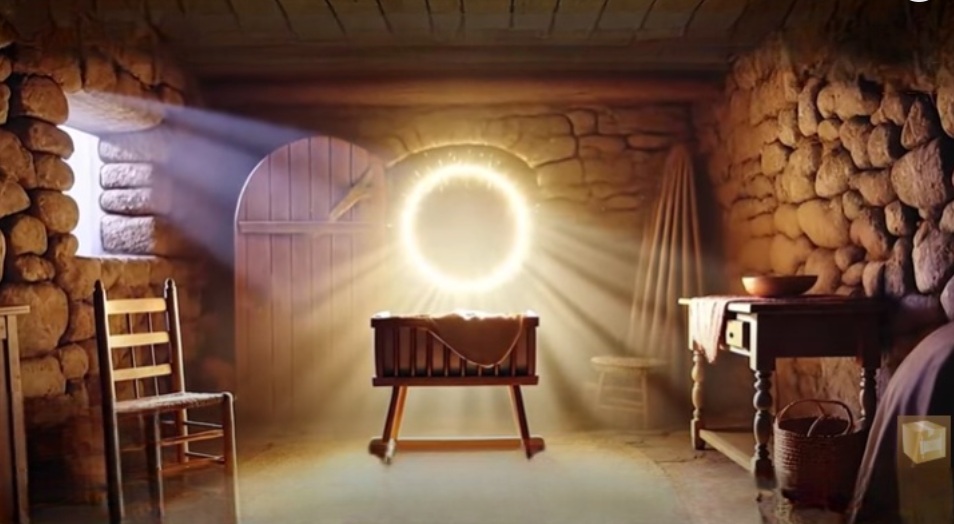
The word "וַתִּרְאֵהוּ" conceals אוֹר ה׳: Batya saw the Divine Light accompanying Moshe in the basket.
In millui, the Tetragrammaton equals 45 (אָדָם); without the final ה it is only 39 (טַל) — the Shekhinah in exile.
"שֶׁרֹאשִׁי נִמְלָא טָל" means the Name stays incomplete as long as Israel is in exile.
מֹשֶׁה is an active form: the one who continuously draws Israel out of exile, first and final redeemer.
Everyone carries a spark of Moshe and can draw a fellow Jew out of exile through Torah and kindness.
After Pharaoh's decree to cast every newborn boy into the Nile, Moshe Rabbeinu is born in the house of Levi.
"The woman conceived and bore a son; she saw that he was good and hid him three months." Why exactly three months?
Unable to hide him further, Yocheved places Moshe in a basket (תֵּבָה) coated with bitumen, among the reeds by the river.
According to the Sages, Pharaoh's daughter went down to convert: this immersion was her conversion immersion (טְבִילָה לְגֵרוּת).
"She opened and saw him, the child." The wording seems redundant: the verse could simply have said "וַתִּפְתַּח וַתִּרְאֶה אֶת־הַיֶּלֶד", "she opened and saw the child."
But from where does Rashi derive this extraordinary reading?
Look at the word "וַתִּרְאֵהוּ." Removing the letter ת, which belongs to the verb form, and rearranging the remaining letters yields אוֹר ה׳ — the Light of Hashem.
Why does the letter ה represent the Shekhinah? The answer lies in the Patach Eliyahu, which we recite at least twice daily.
These righteous ones are "asleep," not dead, as the verse says: "אֲנִי יְשֵׁנָה וְלִבִּי עֵר" — "I sleep, but my heart is awake."
"The voice of my beloved knocks" — with His four letters, י-ה-ו-ה. And He says: "Open to me... for my head is filled with dew (טָל)."
Calculate the gematria of the Tetragrammaton in millui alefin, spelling out each letter: יוֹד (20) + הֵא (6) + וָאו (13) + הֵא (6) = 45.
But remove the final ה: יוֹד + הֵא + וָאו = 20 + 6 + 13 = 39 = טַל. This is the meaning of "שֶׁרֹאשִׁי נִמְלָא טָל": the head is covered by only 39, not 45.
As long as Israel is in exile, the Name stays incomplete — only טַל (39) instead of אָדָם (45). That very ה, the Shekhinah, is what Batya saw shining in the basket: אוֹר ה׳.
Batya gives the name. Yet if he was drawn from the water, he should have been called מָשׁוּי (passive, "the one who was drawn"). Why מֹשֶׁה, an active form, "the one who draws"?
First Redeemer: he drew Israel out of Egypt and through the Sea. Final Redeemer: each day he keeps drawing us from spiritual exile, and he will be the final liberator too.
🎯 Test yourself
Five questions. Click an answer.
Result
Shalom Bayit — The Mouth at Home
My covenant of peace — peace begins at home. Reveal a Shalom Bayit card.
Gematria — Rav Ménaché
Shalom, Mashiah, Yisamech — secrets of the letters by Rav Ménaché zatsal.
🔢 Gematria CourseAll Parashot
All shiurim of M. Yéhouda Himi — from Bereshit to Devarim and the festivals.
📚 All ParashotBooks
Torah wisdom in thriller format — Éditions Gueoula.
Guardians of the Rift
Forty-nine gates open — the fiftieth hides in a single moment. An ancient secret resurfaces, and one man stands between the rift and the world. Drawn from Talmud and Kabbalah.
📖 Read the free excerpt · Book $9.90