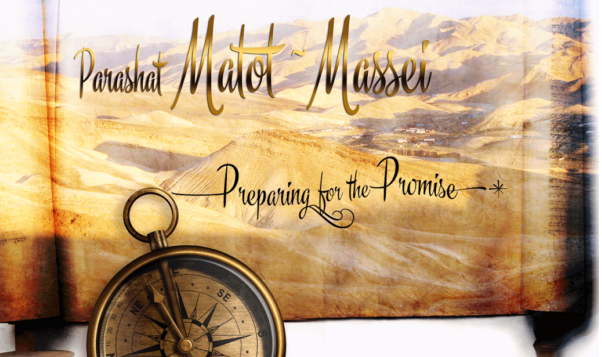
The Torah uses subtleties - variations, inversions, repetitions - each carrying a deep message.
The vengeance of Midian and the order of the Passover blood reveal God and Israel's mutual love and Moshe's humility.
The 42 stages of the desert form a map of the soul that every generation retraces.
The 42 stages correspond to the 42 letters of the divine Name in Ana BeKoach, a key for transitions.
The cities of refuge and the High Priest's death teach that all is connected and deliverance comes from above.
We have no better companion than the holy Torah. She accompanies us through many subtleties that invite us to question and to seek understanding. Every change she makes carries a deep message: behind each variation, inversion, or apparent repetition a teaching is hidden.
God and Moshe phrase the vengeance differently. This contrast in wording reveals a reciprocal love.
God says avenge Israel; He seeks vengeance for His people. Moshe says the vengeance of the Lord; he seeks it for God. This is the secret of Ani leDodi veDodi li - I am my Beloved's and my Beloved is mine.
According to the Sages, the lintel (mashkof) above evokes the Holy One who watches over all who come and go; the doorposts (mezuzot), pillars of the home, evoke Moshe and Aharon. The inversion hides a dialogue of love.
In Massei the Torah lists the 42 stages crossed in the wilderness. These are not mere places but phases of transformation, inner passages. The Midrash, the Zohar, the Or HaChaim and the Arizal see in them a universal model: not only a nation's history, but the crossing of every soul.
It is not only Israel that leaves Egypt: it is every human being who leaves his limits and conditioning to meet true freedom. Through these 42 mirrors the desert becomes a sanctuary and man becomes free.
These 42 stages correspond mystically to the 42 letters of the divine Name, revealed through the Kabbalistic poem Ana BeKoach, formed from the initials of each word. It acts as a key of passage: from the profane to Shabbat, from waking to sleep, from exile to Redemption.
A striking link ties this Name to the period of Bein HaMetzarim: from the 17th of Tammuz to the 8th of Av there are 21 days of mourning; counting the 21 days and the 21 nights yields 42. Even in the darkest season, the journey toward Light and Geulah continues.
One who kills unintentionally, without hatred or premeditation, finds refuge in an ir miklat. His release depends neither on his repentance nor on elapsed time, but only on the death of the Kohen Gadol. The Talmud asks: what has the High Priest to do with an accidental killing? (Makkot 11a)
There was death but no crime, exile but no prison, deliverance but bound to another death. For in the Torah everything is connected: one man's error touches the land, the people, the sanctuary; and his deliverance comes from a tremor in the upper worlds.
In Eretz Israel the Torah commands giving the Levites 48 cities: 42 ordinary and 6 cities of refuge. The 42 stages of the desert prepared the people to become free; the 42 Levitical cities preserve that inner freedom; and the Name of 42 letters accompanies every passage. Even one who has sinned can rebuild himself there.
🎯 Test yourself
Five questions. Click an answer.
Result
Shalom Bayit — The Mouth at Home
My covenant of peace — peace begins at home. Reveal a Shalom Bayit card.
Gematria — Rav Ménaché
Shalom, Mashiah, Yisamech — secrets of the letters by Rav Ménaché zatsal.
🔢 Gematria CourseAll Parashot
All shiurim of M. Yéhouda Himi — from Bereshit to Devarim and the festivals.
📚 All ParashotBooks
Torah wisdom in thriller format — Éditions Gueoula.
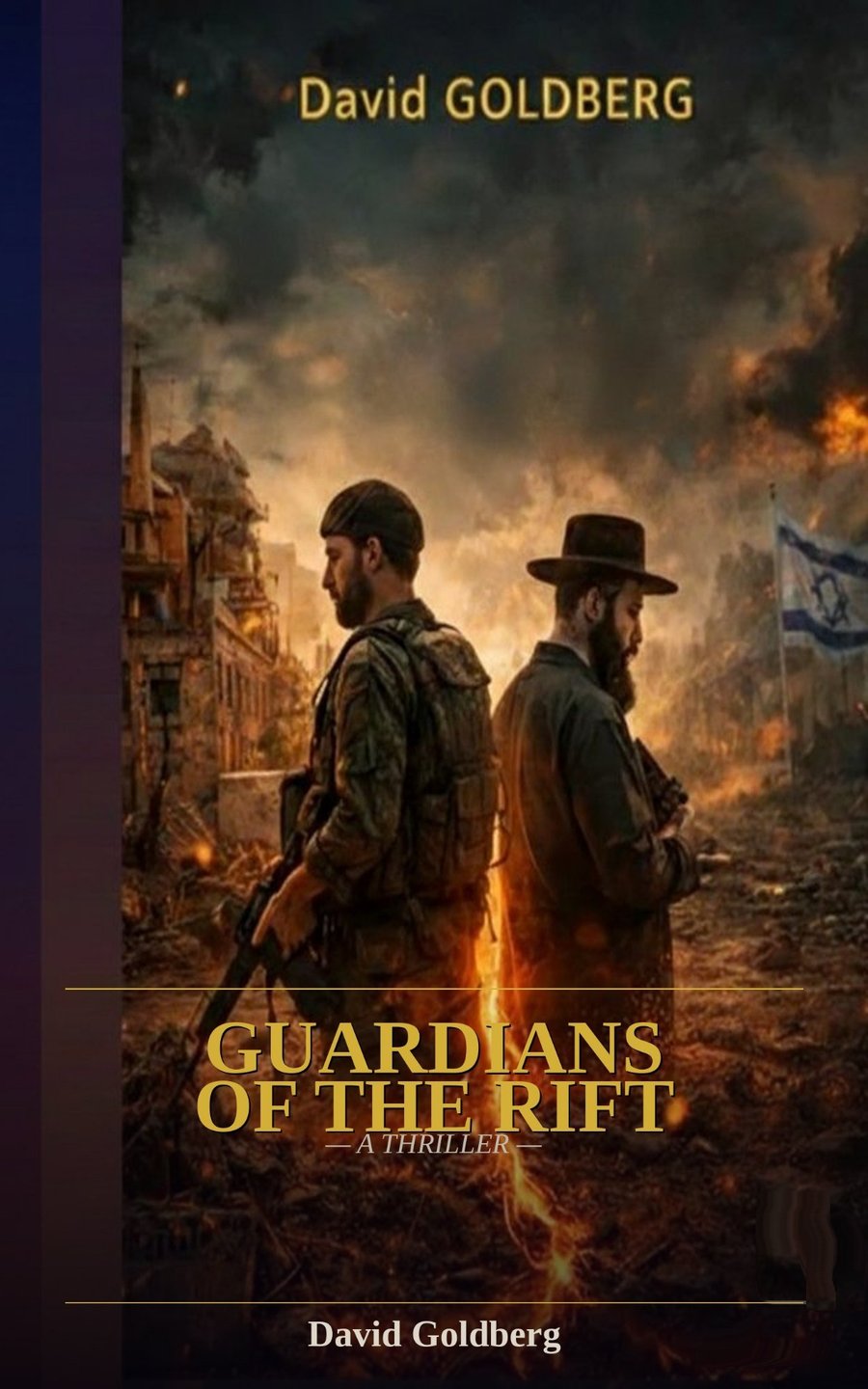
Guardians of the Rift
Forty-nine gates open — the fiftieth hides in a single moment. An ancient secret resurfaces, and one man stands between the rift and the world. Drawn from Talmud and Kabbalah.
📖 Read the free excerpt · Book $9.90