If we could choose the single most important verse in the entire Torah, most would answer at once: Shema Israel. But an ancient debate says otherwise.
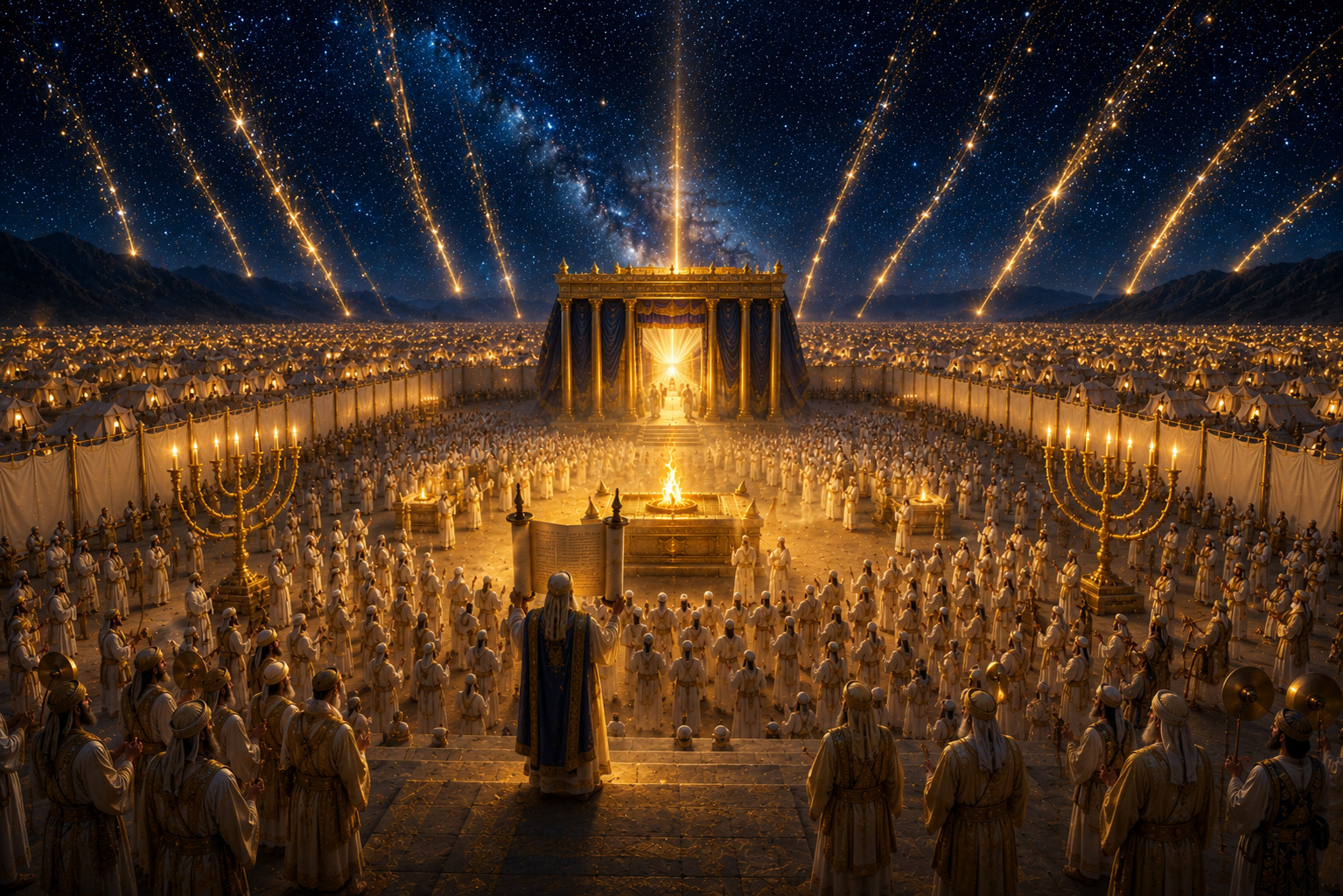
In the introduction to the Ein Yaakov: Ben Zoma says Shema. Ben Nanas cites a more inclusive verse — "Love your fellow as yourself." Shimon ben Pazi cites one more inclusive still — "One lamb you shall offer in the morning" — the daily Tamid. And Rabbi ruled: the halakha follows Ben Pazi.
Why the Tamid? The Shema is a peak of dvekut; "love your fellow" can be shaded by self-interest. But the daily offering is constancy (hatmada) — morning and afternoon, every day, regardless of mood. That is the true servant of God.
And it stands in our parasha: after Moshe asks for a successor, Hashem answers — "before you command Me about My children, command My children about Me." The Tamid: an unbroken, mutual loyalty between Hashem and Israel.
If we were allowed to choose a single verse — the most important in the whole Torah — what would we choose? Ask around, and most answer at once: Shema Israel.
The Shema is a great principle — the oneness of Hashem. But is it truly the most important verse? On this the Sages differ.
The introduction to the Ein Yaakov brings a famous debate: which is the most all-embracing verse in the Torah?
Ben Zoma: Shema Israel.
Ben Nanas: a more inclusive verse — "Love your fellow as yourself" (Vayikra 19:18).
Shimon ben Pazi: a more inclusive verse still — "One lamb you shall offer in the morning..." — the daily Tamid.
The Shema is a moment of supreme dvekut (cleaving to God); "love your fellow" can, at times, be shaded by self-interest. But the Tamid is hatmada — constancy.
Watch, from the side, the one who is constant — who sets aside his moods and desires — and you see a servant of God. Constancy is the name of the game.
Why is the passage of the daily offerings placed here, and not back in Vayikra? Rashi: just before, Moshe had asked for a successor —
Two pages earlier — the daughters of Tzelofchad. "And Moshe brought their case before Hashem" — and the nun of "mishpatan" is written large.
There is a further reason. The daughters came with a wholly just claim — yet they added one unnecessary sentence:
What does it matter to Moshe how their father died? They sought to find favor — "our father was not in the opposition against you." With that, they scattered a dust of bribery.
🎯 Test Yourself
Five questions. Click on an answer.
Result
Shalom Bayit — The Mouth at Home
My covenant of peace — peace begins at home. Reveal a Shalom Bayit card.
Gematria — Rav Ménaché
Shalom, Mashiah, Yisamech — secrets of the letters by Rav Ménaché zatsal.
🔢 Gematria CourseAll Parashot
All shiurim of M. Yéhouda Himi — from Bereshit to Devarim and the festivals.
📚 All ParashotBooks
Torah wisdom in thriller format — Éditions Gueoula.
Guardians of the Rift
Forty-nine gates open — the fiftieth hides in a single moment. An ancient secret resurfaces, and one man stands between the rift and the world. Drawn from Talmud and Kabbalah.
📖 Read the free excerpt · Book $9.90