פָּרָשַׁת מִשְׁפָּטִים — The Key to the Oral Torah
Parashat Mishpatim · פָּרָשַׁת מִשְׁפָּטִים — The Key to the Oral Torah · Sefer Shemot · 5786
The Oral Torah, preserved humanity, and the angel Michael
פָּרָשַׁת מִשְׁפָּטִים — The Key to the Oral Torah
According to the teaching of Mr. Yéhouda Himi · Class 2
The Oral Torah, preserved humanity, and the angel Michael
According to the teaching of Mr. Yéhouda Himi · Class 2 · פָּרָשַׁת מִשְׁפָּטִים — The Key to the Oral Torah · Sefer Shemot · 5785

The Written Torah is an encrypted code: without the Oral Torah we reach misreadings.

"Yav'er" (Shemot 22) does not mean "to burn" but points to the beast (Be'iro): animal damage, distinct from fire.

"Azov" has a double sense: abandon the hatred in your heart and actually help your enemy's donkey (Onkelos).

The conquest of Canaan must be gradual to preserve the Tselem Elokim, the Divine Image that makes beasts fear man.

"Malakhi" (my angel, 23:20) has the same letters as Michael, protecting prince of Israel toward the Geula.

📖 Full Text
1 Without the Oral Torah, We Go Astray

Anyone who thinks they can learn Torah solely from the written text, without the explanation of the Sages (Torah She-be-al Peh), risks making grave mistakes.

In Parashat Mishpatim, which contains so many laws and judgments, every word holds a Divine precision that can only be grasped through the oral tradition.

The central idea The Written Torah is like an encrypted code. Without the key handed down by our Sages, we can arrive at total misreadings — as three striking examples reveal.
2 First Example: The Fire or the Animal?

In Chapter 22, two verses seem to say the same thing repetitively.

כִּי יַבְעֶר אִישׁ שָׂדֶה אוֹ כֶרֶם... כִּי תֵצֵא אֵשׁ וּמָצְאָה קֹצִים...Shemot 22

The first verse says: "If a man Yav'er a field." The second: "If fire breaks out." At first glance it looks like two stories about fire.

The word Yav'er here does not come from "to burn," but from Be'iro (his beast). The first verse speaks of damage caused by an animal grazing in a neighbor's field; the second speaks of fire. Without this nuance, we would read the same thing twice.
3 Second Example: Helping Your Enemy

In Chapter 23, the Torah speaks of your enemy's donkey collapsing under its burden. The Hebrew text literally reads: Ve'hadalta me-azov lo, azov ta'azov imo.

Translated word for word: "Will you refrain from helping him? Abandon, you shall abandon with him." This would seem to say: leave him to fend for himself.

Is this logical? Would the Torah ask us to be cruel simply because we dislike someone?
The word Azov carries a double meaning: "to abandon" and "to help / strengthen." The Torah says: "Do you think you can abandon him? No! Abandon what is in your heart (the hatred) and help him unload." It is, above all, a lesson in humanity.
4 Third Example: The Divine Image

God promises to drive out the peoples of Canaan, yet specifies: "I will not drive them out in one year... lest the wild beasts multiply against you."

לֹא אֲגָרְשֶׁנּוּ מִפָּנֶיךָ בְּשָׁנָה אֶחָת... פֶּן תִּהְיֶה הָאָרֶץ שְׁמָמָה וְרַבָּה עָלֶיךָ חַיַּת הַשָּׂדֶהShemot 23:29-30

But if God performs a miracle to drive out the enemies, can He not also drive out the wild beasts?

The secret of the Tselem Elokim: a wild animal fears man only because it perceives in him his Tselem Elokim (Divine Image). If Israel were to slaughter all the enemies in a single year, the cruelty would cause them to lose that image; they would become like beasts, and the wild animals would no longer fear attacking them.

This is why the conquest must be gradual: to preserve our humanity and our spiritual aura.

5 The Guardian Angel: Michael

The Parasha ends with a magnificent promise: "Behold, I send an angel before you to guard you on the way..."

כִּי יֵלֵךְ מַלְאָכִי לְפָנֶיךָShemot 23:20
A hidden clue Who is this angel? The word Malakhi (מַלְאָכִי, "my angel") contains exactly the same letters as Michael (מִיכָאֵל). He is the protecting prince of Israel who accompanies us toward the Geula.
6 The Final Word

May we, by the merit of studying the Oral Torah and behaving in a manner worthy of the Tselem Elokim, merit to see the angel Michael announce the final Geula. Amen ve Amen!

🎯 Test yourself

Five questions. Click an answer.

1
According to the class, why can't the Written Torah be understood alone?
The Written Torah is compared to an encrypted code; without the reading key of the Oral Torah, one reaches misreadings.
2
What does the word "Yav'er" truly mean in the first example (Shemot 22)?
"Yav'er" here points to Be'iro (the beast): damage caused by a grazing animal, distinct from the verse about fire.
3
According to Onkelos, what does the Torah require regarding your enemy's donkey?
"Azov" has a double meaning: abandon the inner hatred and actually help your enemy unload his beast.
4
Why did the conquest of Canaan have to be gradual?
Slaughtering all in one year would cause loss of the Divine Image; then wild beasts would no longer fear man.
5
What connection does the class draw between "Malakhi" and Michael?
The word Malakhi (מַלְאָכִי, my angel) is made of exactly the same letters as Michael (מִיכָאֵל), the protecting prince of Israel.

Result

📅 Action Plan for the Week
Sunday
Sunday: read a verse of the Parasha and seek its explanation in the Oral Torah (Rashi, Onkelos).
Monday
Monday: make a friendly gesture toward someone you are cold with, break a bit of hatred.
Tuesday
Tuesday: take care not to cause any damage, even indirect, to others' property (public or private).
Wednesday
Wednesday: examine yourself: do my actions reflect my Tselem Elokim, my Divine Image?
Thursday
Thursday: pray for the protection of the people of Israel by the merit of the angel Michael.
Friday
Friday: prepare Shabbat, remembering that holiness protects us.
Shabbat
Every day: never study the Written Torah alone; always pair it with the Sages' explanation.
Four Practical Steps
🏠

Shalom Bayit — The Mouth at Home

My covenant of peace — peace begins at home. Reveal a Shalom Bayit card.

🔢

Gematria — Rav Ménaché

Shalom, Mashiah, Yisamech — secrets of the letters by Rav Ménaché zatsal.

🔢 Gematria Course
📝

Torah Study

Dig deeper into the Baal HaTurim and Rashi on Parashat Devarim.

📝 Beith Hamidrach
📚

All Parashot

All shiurim of M. Yéhouda Himi — from Bereshit to Devarim and the festivals.

📚 All Parashot
📕

Books

Torah wisdom in thriller format — Éditions Gueoula.
🌙

Dream Interpretation

Did you dream? Check the meaning according to Rav Almoli.

🌙 Dreams
🎬

Videos

Video shiurim on the festivals, the Menorah and the secrets of the Mishkan.

🎬 Videos
💡

Idea Box

An idea, a remark, a suggestion for the site? Share it with us.

💡 Idea Box
🤝

Maasser

Give your Maasser and take part in spreading Torah.

🤝 Maasser
📨 Get the Weekly Shiur
Every week, straight to your inbox. No spam. One-click unsubscribe.
🕯️ Dedicate This Shiur
Dedicate this shiur for the days of Bein HaMetzarim — in memory, for healing or for success.
🧱 Wall of Dedications →
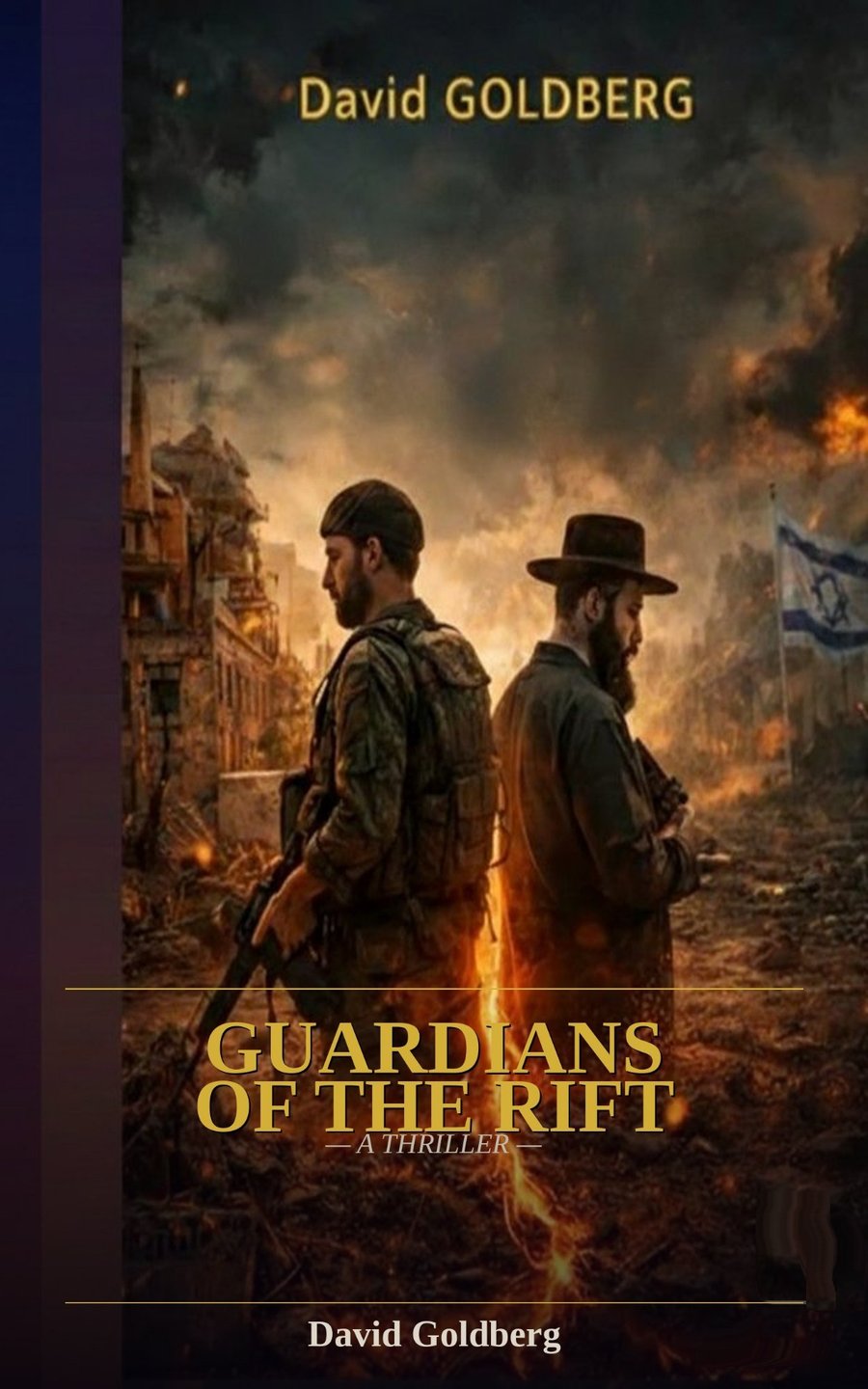
Guardians of the Rift

Guardians of the Rift

A spiritual thriller · David Goldberg

Forty-nine gates open — the fiftieth hides in a single moment. An ancient secret resurfaces, and one man stands between the rift and the world. Drawn from Talmud and Kabbalah.

📖 Read the free excerpt · Book $9.90