פרשת צו — זאת תורת החטאת
פרשת צו · תשפ"ו
זאת תורת החטאת
על פי שיעורו של מר יהודה חימי ‏· יהודה חימי
למה החטאת נשחטת בדיוק במקום העולה? ולמה לא הקריבו קורבנות ב-38 שנות המדבר? שתי שאלות — תשובה אחת מדהימה

פרשת צו נאמרת בדיוק בימים שבהם חנוכת המשכן התחוללה — ראש חודש ניסן. ובתוך הפרשה מסתתרת שאלה שמחברת את כבוד האדם לעבודת ה': למה חייבים לשחוט חטאת דווקא במקום שמקריבים שם עולה? ולמה 38 שנה שלמות עברו בלי קורבן במשכן? כל זה מוביל לאחד מעיקרי היסוד של התורה — כבוד כל יהודי.

א התורה מסונכרנת עם לוח השנה — תשפ"ו
ראש חודש ניסן עבר ביום חמישי. פרשת צו שאנחנו קוראים עכשיו — מתי בדיוק היא נאמרה בתורה?

השנה, התורה ממש מסונכרנת עם לוח השנה העברי — דבר שלא קורה כל שנה. פרשת ויקרא, פרשת צו, ופרשת שמיני — כולן נאמרו ביום אחד: א' בניסן, שנה שנייה במדבר.

כשכתוב בפרשת שמיני "וַיְהִי בַּיּוֹם הַשְּׁמִינִי" — אומר רש"י: "שמיני למילואים." שבעת ימי המילואים קדמו לא' ניסן — שבהם משה רבנו הרכיב ופירק את המשכן כל יום כדי לחנך את הכהנים. ביום השמיני — ראש חודש ניסן — הוקם המשכן לצמיתות.

ראש חודש ניסן עבר ביום חמישי. אנחנו ממש בתוך הימים האלה. ולמעשה, הפסח שאנחנו עומדים לחגוג — השנה מתאים אחד לאחד לפסח הראשון שיצאנו ממצרים, כפי שנראה בסעיף הבא.

ב שבת הגדול — הנס שחזר השנה
למה נקראת "שבת הגדול"? ומה מיוחד בלוח הפסח השנה לעומת כל שנה אחרת?

שבת הגדול — הקרובה — נקראת כך על שם הנס הגדול שנעשה בה. הקב"ה ציווה לבני ישראל ב-י' בניסן: "כל אחד יקח שה לבית אבות שה לבית — וקשרו אותו לקרן המיטה ארבעה ימים." ב-י"ד בניסן — שוחטים אותו.

אם הקב"ה ציווה ב-י' בניסן, ואותה שנה י' ניסן חל בשבת — מתי ב-י"ד ניסן? ביום רביעי. מתי מכת בכורות? בליל יום רביעי, בחצות הלילה. מתי יצאו בני ישראל? במהלך יום חמישי, בבוקר — "וַיַּסְעוּ בְנֵי-יִשְׂרָאֵל מֵרַעְמְסֵס."
השנה: שבת הגדול תחול בי' ניסן — אחד לאחד כמו הפסח הראשון ביציאת מצרים. ד' ימים אחר כך = י"ד ניסן (ליל הסדר / מכת בכורות), ובני ישראל יוצאים ביד רמה. כשאנחנו חוגגים פסח השנה, אנחנו חיים אותו ממש כמו שחיו אותו אבותינו!

זה לא מקרי. הקב"ה מסדר את הזמנים כדי שנרגיש את האמת מבפנים. אנחנו לא רק "מספרים" סיפור — אנחנו נמצאים בתוכו.

ג שאלה א — למה החטאת נשחטת דווקא שם?
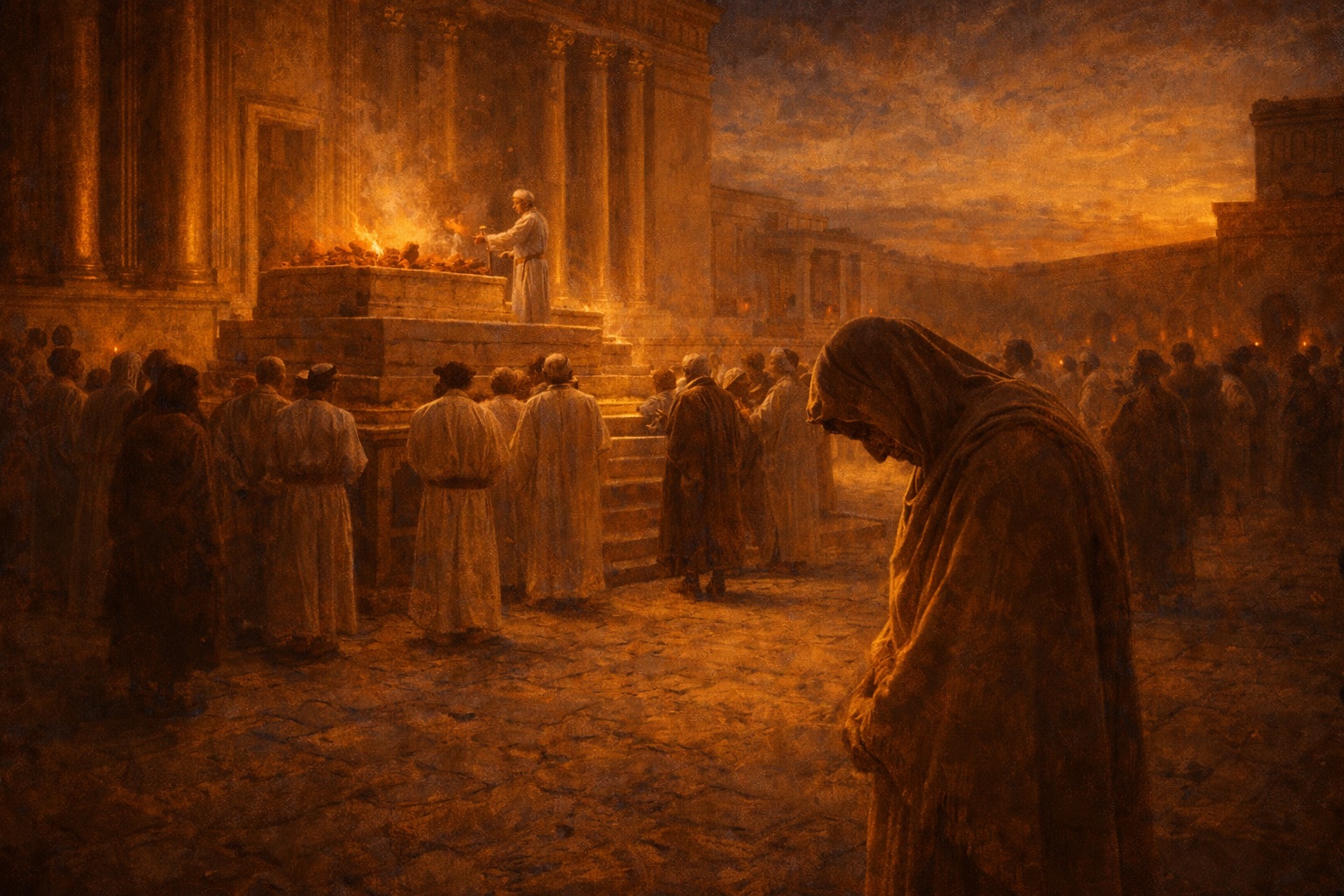
בפרשת צו יש פסוק מיוחד: "בַּמָּקוֹם אֲשֶׁר תִּשָּׁחֵט הָעֹלָה תִּשָּׁחֵט הַחַטָּאת." למה לא פשוט ב-2 מטרים משם? למה חייבים דווקא אותו מקום?
בַּמָּקוֹם אֲשֶׁר תִּשָּׁחֵט הָעֹלָה תִּשָּׁחֵט הַחַטָּאת, קֹדֶשׁ קָדָשִׁים הִיא ויקרא ו:יח

יש שני סוגי קורבן: עולה — קורבן של מי שרוצה להתקרב, לעלות, לתת לה' — וחטאת — קורבן שמביא מי שחטא, כדי לכפר על עצמו.

השאלה פשוטה: אם יש מקום מיוחד לשחיטת חטאת, כולם יסתכלו על אדם שהולך לשם ויאמרו לעצמם: "הנה החוטא, הולך להביא חטאת." למה צריך לשחוט את החטאת בדיוק שם? תזכרו שאלה זו — התשובה תבוא בסוף.

ד שאלה ב — קורבן פסח ב-38 שנות המדבר
בני ישראל יצאו ממצרים עם קורבן הפסח. האם הקריבו קורבן פסח בכל שנה שהיו במדבר?

שנה ראשונה — שחטו פסח לפני היציאה (כולם עשו ברית מילה לפני). שנה שנייה — חנוכת המשכן הייתה א' ניסן; הנשיאים הקריבו 12 ימים (א'–י"ב ניסן); ואז בא-י"ד ניסן — הקריבו קורבן פסח ראשון מאז יציאת מצרים. עד כאן הכל בסדר.

ומה קרה ב-38 שנה שבין שנת ב' לכניסה לארץ? לא הקריבו קורבן פסח. למה? כי לא עשו ברית מילה — הם היו ערלים.
ומתי נכנסו לארץ? משה רבנו נפטר בז' אדר. 30 ימי אבל — עד ז' ניסן. שלושה ימים לחצות את הירדן — ונכנסו לארץ בי' ניסן. ואז יהושע עשה להם ברית מילה. שלושה ימים. ובי"ד ניסן — הקריבו קורבן פסח בפעם הראשונה תוך 38 שנה.

ראיה שנכנסו ביוד ניסן? הפסוק אומר שנכנסו לארץ ב"עשור לחודש הראשון." יוד ניסן — אותו יום שקשרו את הכבש! גם כניסת יהושע לארץ קשורה ל-י' ניסן.

ה האבן עזרא — סיבה שניה שלא הקריבו
הסיבה שלא הקריבו פסח (ערלות) כבר ידועה. אבל האבן עזרא מוסיף עוד סיבה מפתיעה — מה היא?

אומר האבן עזרא: לא רק שהיו ערלים — לרוב בני ישראל לא היה צאן ובקר להקריב! לא היה להם "מלא הקריב" — תנאי הכרחי לכל קורבן.

שלוש ראיות של האבן עזרא:

ראיה א'"וגם הערב רב עלה איתם, וצאן ובקר מקנה כבד מאוד" (שמות י"ב). אם התורה מציינת שלערב רב היה מקנה רב — זה מוכיח שלמי שאינו ערב רב לא היה!

ראיה ב'"ומקנה רב היה לבני ראובן" (במדבר ל"ב). גם כאן — אם מציינים לבני ראובן, זה מוכיח שלשאר השבטים לא היה מקנה.

ראיה ג'"מי יאכילנו בשר?" — תלונת קברות התאווה! אם היה להם צאן ובקר — מה השאלה? תשחטו ואכלו! אלא שלא היה להם. ולכן הביא להם הקב"ה את השלו.

ועוד: אפילו אם ניסו לקנות — אדום ומואב סירבו למכור להם. "פן בחרב אצא לקראתך" — לא מכרו להם לא מים ולא צאן.

⬥ אז מה בדבר מי שהיה לו — כמו ראובן וערב רב? גם הם לא הקריבו! כדי לא לבייש את אלה שאין להם. זה הרעיון המחבר הכל.
ו כבוד הבריות — הרעיון שמחבר שתי השאלות
עכשיו אנחנו יכולים לענות על שאלה א': למה החטאת נשחטת באותו מקום בדיוק כמו העולה?

אם הייתה קיימת "פינת החטאות" מיוחדת — כל אחד שהיה נכנס לשם ידע שהוא חוטא. כולם מסתכלים, מצביעים. הוא מתבייש. כדי לחסוך ממנו את הבושה — התורה ציוותה לשחוט חטאת באותו מקום שמקריבים שם עולה. אי אפשר לדעת אם זה קורבן עולה או חטאת.

שלוש דוגמות נוספות לאותו יסוד:

א. וידוי בלחש — אם היינו מתוודים בקול, כולם היו שומעים מה עשינו. הוידוי נאמר בשקט — בין אדם לקב"ה.

ב. בנות ישראל בט"ו באב — היו יוצאות לרקוד בכרמים, כולן בבגדים לבנים — לא כל אחת בשמלה הכי יפה שלה — כדי שלא תתבייש מי שאין לה.

ג. 38 שנה בלי קורבן — כי מי שיש לו לא מקריב, מחשש לבייש את מי שאין לו.

הרעיון חוזר שוב ושוב בכל התורה: כבוד הבריות — כבוד כל אדם — גדול עד כדי כך שמשנים בגינו מצוות.

ז מעשה ברבי חיה — גמרא ממסכת סנהדרין
עד כמה הולכת התורה כדי לא לבייש אדם אחד? הגמרא מביאה סיפור שיפתיע אתכם.
מעשה שהיה רבי יהודה הנשיא — נשיא ישראל — יושב ומלמד את תלמידיו, והריח ריח שום. מישהו מהתלמידים אכל שום, ורוחו חריפה — ואי אפשר היה להתרכז בלימוד. אמר רבי: "מי שאכל שום — יצא."

פדיחה. מי שאכל — כולם יסתכלו עליו כשיקום לצאת. עמד רבי חיה — ויצא. אחד הגדולים שבתלמידים. עמדו כולם ויצאו. אם רבי חיה יוצא — אנחנו לא נשאר!

למחרת פגש שמעון בנו של הנשיא את רבי חיה ואמר לו: "למה ציערת את אבא אתמול ואכלת שום?"

אמר לו רבי חיה: "לא תהה כזאת בישראל! חלילה לי לעשות כן." לא אכל שום. יצא בכוונה — כדי שאותו אחד שאכל את השום יוכל לצאת מבלי שיזהו אותו, נבלע בתוך כולם.
חשבו כמה ביטול תורה קרה כאן: בית מדרש שלם — מאות ואלפי תלמידים — הפסידו שיעור תורה. הכל כדי שאדם אחד לא יתבייש בציבור. "לא תהה כזאת בישראל" — לא ייתכן שבגלל שרוצים לשמור על כבוד של אחד, נזיז אוניברסיטה שלמה. ובכל זאת — זה מה שרבי חיה עשה.
ח המסקנה — בצלם אלוקים ברא אותו
למה כל כך חשוב לא לבייש איש מישראל? מה כל כך גדול בכבוד אדם?

התשובה פשוטה ועמוקה: כי האדם נברא בצלם אלוקים. וכשמדובר בישראל — ממש צלם אלוקים, חלק אלוה ממעל. מי שמבייש יהודי — מבייש את הקב"ה.

⬥ אמרו חז"ל: "כבודו לפני כבודי" — כבוד הבריות קודם לכבוד הקב"ה. אם נאלצים לבחור בין כבוד אדם לבין כבוד שמיים — כבוד אדם קודם. זה לא זלזול בקב"ה — זה גדולתו. כי כשמכבדים את צלם האלוקים — מכבדים את הקב"ה עצמו.

ולכן: עבירות שבין אדם לחברו — אין יום הכיפורים מכפר עד שירצה את חברו. יום הכיפורים מכפר על עבירות שבין אדם למקום. אבל כשפגעת ביהודי — עליך לפייס אותו ישירות.

הכל קפול בפסוק אחד: "בַּמָּקוֹם אֲשֶׁר תִּשָּׁחֵט הָעֹלָה תִּשָּׁחֵט הַחַטָּאת." באותו מקום — כדי שלא יתבזה איש מישראל. כי בצלם אלוקים ברא אותו. ברוך ה' לעולם, אמן ואמן.
להמשיך את הלימוד
📖

פרשת ויקרא — שיעור קודם

שיעורו הקודם של מר יהודה חימי: "אדם כי יקריב מכם" — הסוד הלשוני, ד' מיתות, ואני ואין.

📖 ויקרא — שיעור ב
📝

לימוד תורה

רוצה להעמיק בעניין כבוד הבריות, קורבנות המדבר, ומעשה רבי חיה? בבית המדרש שלנו תמצא שיעורים על ספר ויקרא ועל עבודת הנפש.

📝 לבית המדרש
📖

כל הפרשיות

ספר ויקרא — ספר הטהרה והקדושה. גלה שיעורים נוספים על קורבנות, כבוד הבריות, ופסח.

📖 כל הפרשיות
🌙

פירוש חלומות

לראות עצמך מקריב קורבן בחלום — סימן לתשובה. לראות שבת הגדול בחלום — סימן לגאולה. גלה פירושים מסורתיים.

🌙 לפירוש חלומות
📚

ספרים

רוצה להעמיק? ספרי הוצאת גאולה מציגים את החכמה הרוחנית במעטפת נגישה — עם מבוא קל לכל קורא.

📚 לספרים
🎬

סרטונים

צפה בסרטונים על פרשת צו, קורבן הפסח, ואבן עזרא על בני ישראל במדבר. ניתן לשלב בשיעור, הרצאה, או חזרה אישית.

🎬 לסרטונים
✉️

צור קשר

יש לך שאלה על "מקום החטאת," על ה-38 שנה בלי קורבנות, או על מעשה רבי חיה? נשמח לשמוע.

✉️ צור קשר
💛

השיעור הזה הגיע אליך — בזכות תורמים

כל שיעור, כל תרגום, כל עמוד — נבנה מאהבת תורה ומנדיבות לב. תרומתך מאפשרת לאלפי יהודים ברחבי העולם להתחבר לתורה בשפתם. אתה שותף בגאולה.

💛 אני רוצה להיות שותף
Tzav — Zot Torat HaChatat
Parashat Tzav · 5786
Zot Torat HaChatat — This Is the Law of Dignity
According to the teaching of Mr. Yéhouda Himi  ·  יהודה חימי
Why must the chatat be slaughtered in the same place as the olah? And why did Israel go 38 years without bringing any korbanot? Two questions — one astonishing answer

Parashat Tzav was spoken on the very day the Mishkan was inaugurated — Rosh Chodesh Nissan. Buried inside the parashah is a question that connects the honor of every Jew to the service of God: why must the chatat be slaughtered in the exact same spot as the olah? And why did 38 complete years pass without a single korban in the Mishkan? The answer leads us to one of the Torah's most foundational principles — the infinite dignity of every Jewish soul.

1 The Torah Synchronized with the Calendar — 5786
Rosh Chodesh Nissan fell this year on a Thursday. When exactly was Parashat Tzav spoken in the Torah — and what makes this year's calendar alignment extraordinary?

This year, the Torah is perfectly synchronized with the Hebrew calendar — something that does not happen every year. Parashiyot Vayikra, Tzav, and Shemini were all spoken on a single day: the first of Nissan, year two in the desert.

When Parashat Shemini says "And it was on the eighth day" — Rashi explains: "The eighth day of the inauguration." The seven days preceding Rosh Chodesh Nissan were the days of inauguration (Miluim), during which Moses assembled and disassembled the Mishkan daily to train the priests. On the eighth day — Rosh Chodesh Nissan — the Mishkan was erected permanently.

Rosh Chodesh Nissan fell this year on Thursday. We are literally inside these days. And remarkably, this year's Pesach calendar aligns exactly one-to-one with the original Exodus from Egypt — as we will see in the next section.

2 Shabbat HaGadol — The Miracle That Returned This Year
Why is it called "Shabbat HaGadol" — the Great Shabbat? And what is special about this year's Pesach calendar that does not happen every year?

Shabbat HaGadol is named for the great miracle that occurred on it. God commanded Bnei Yisrael on the 10th of Nissan: "Each household shall take a lamb, tie it to the bedpost for four days." On the 14th of Nissan — they slaughter it.

If God commanded on the 10th of Nissan, and that year the 10th of Nissan fell on Shabbat — when was the 14th of Nissan? Wednesday. When was the Plague of the Firstborn? Wednesday night, at midnight. When did Bnei Yisrael leave Egypt? On Thursday morning — marching out with a raised hand.
This year: Shabbat HaGadol falls on the 10th of Nissan — an exact one-to-one match with the original Exodus. Four days later = 14th of Nissan (Seder night / Plague of the Firstborn), and Israel marches out with a raised hand. When we celebrate Pesach this year, we are truly living it the same way our ancestors lived it!

This is not coincidence. God arranges time so that we feel the truth from within. We are not merely retelling a story — we are standing inside it.

3 Question 1 — Why Must the Chatat Be Slaughtered There?
Parashat Tzav contains a striking verse: "In the place where the olah is slaughtered, the chatat shall be slaughtered." Why not just two meters away? Why must it be in the exact same spot?
בַּמָּקוֹם אֲשֶׁר תִּשָּׁחֵט הָעֹלָה תִּשָּׁחֵט הַחַטָּאת, קֹדֶשׁ קָדָשִׁים הִיא Vayikra 6:18

There are two types of korban: the olah — the ascending offering, brought by one who wishes to draw close and give to God — and the chatat — the sin offering, brought by someone who sinned and needs atonement.

The question is simple: if there were a designated area for slaughtering chatat offerings, everyone would watch a person walking there and think: "There goes the sinner, coming to bring his chatat." He would be publicly shamed. Keep this question in mind — the answer comes at the end.

4 Question 2 — The Korban Pesach During the 38 Desert Years
The Jewish people left Egypt by bringing the Korban Pesach. Did they bring it every year they were in the desert?

Year one — they slaughtered the Pesach before leaving (all had been circumcised). Year two — the Mishkan was inaugurated on Rosh Chodesh Nissan; the Nesi'im brought offerings for 12 days; and on the 14th of Nissan — they brought their first Korban Pesach since the Exodus. So far so good.

And the 38 years between year two and the entry into the Land? They brought no Korban Pesach. Why? Because they were not circumcised — they were arelim (uncircumcised) in the desert.
When did they enter the Land? Moses died on the 7th of Adar. Thirty days of mourning — until the 7th of Nissan. Three days to cross the Jordan — and they entered the Land on the 10th of Nissan. Joshua then circumcised them. Three days later, on the 14th of Nissan, they brought the Korban Pesach for the first time in 38 years.

The proof that they entered on the 10th of Nissan? The verse says they crossed on "the tenth of the first month" — the very same day the lamb was tied! Joshua's entry into the Land is also linked to the 10th of Nissan.

5 The Ibn Ezra — A Second, Surprising Reason
The reason they didn't bring the Korban Pesach (lack of circumcision) is well known. But the Ibn Ezra adds another reason that will surprise you — what is it?

The Ibn Ezra says: Not only were they uncircumcised — most of Bnei Yisrael had no livestock to bring as an offering at all! They had no "mila hakriv" — the essential prerequisite for any korban.

Three proofs from the Ibn Ezra:

Proof 1"The mixed multitude (Erev Rav) that came up with them had flocks and very great herds" (Shemot 12). The fact that the Torah singles out the Erev Rav as having livestock proves that everyone else did not!

Proof 2"The children of Reuven had very large livestock" (Bamidbar 32). Again — if the Torah singles out Reuven, it proves that the other tribes had nothing.

Proof 3"Who will give us meat to eat?" — the complaint at Kivrot HaTa'avah! If they had flocks and herds, what is the complaint? Slaughter one! The answer is: they had none. That is why God brought them the quail.

And even if they tried to buy — Edom and Moav refused to sell them anything. "Lest I come out against you with the sword" — they would not sell them water, let alone livestock.

⬥ So what about those who did have livestock — like the tribe of Reuven and the Erev Rav? They, too, brought no korbanot. Why? So as not to shame those who had nothing. That is the principle that ties everything together.
6 Kavod HaBriot — The Principle That Connects Both Questions
Now we can answer Question 1: why is the chatat slaughtered in the exact same place as the olah?

If there existed a special "chatat corner," anyone who walked there would immediately be identified: "There goes the sinner, bringing his chatat." Everyone watches. Everyone points. He is humiliated. To spare him that shame, the Torah commands that the chatat be slaughtered in the very same place as the olah. It is impossible to know whether a korban is an olah or a chatat.

Three more examples of the same principle:

1. Vidui in a whisper — If we confessed our sins aloud, everyone would hear what we did. The confessional is spoken quietly — between a person and God.

2. The daughters of Israel on Tu B'Av — They would go out to dance in the vineyards, all wearing white — not each woman in her most beautiful dress — so that no woman would feel ashamed for having less.

3. Thirty-eight years without korbanot — Those who had livestock refrained, so as not to shame those who had none.

This idea appears again and again throughout the Torah: human dignity — the honor of every person — is so great that the Torah adjusts mitzvot to protect it.

7 The Story of Rabbi Chiya — Tractate Sanhedrin
How far will the Torah go to spare one person humiliation? The Gemara tells a story that will astonish you.
It happened that Rabbi Yehuda HaNasi — the Nasi of Israel — was sitting and teaching his students, when he smelled garlic. Someone had eaten garlic, and the sharp odor made it impossible to concentrate on Torah. Rabbi Yehuda HaNasi said: "Whoever ate garlic — leave."

An embarrassing moment. The person who ate — everyone would stare as he stood to leave. Rabbi Chiya stood up — and left. One of the greatest of the disciples. Everyone else stood up and left too. If Rabbi Chiya leaves — we are not staying.

The next day, Rabbi Shimon (the Nasi's son) met Rabbi Chiya and said: "Did you disturb my father yesterday by eating garlic?"

Rabbi Chiya replied: "Let it never be said that such a thing happened in Israel! Heaven forbid that I would do such a thing." He had not eaten garlic. He stood up on purpose — so that the one who had eaten garlic could slip out anonymously, hidden among the crowd.
Think about the magnitude of what happened here: an entire Beit Midrash — hundreds, perhaps thousands of students — lost their Torah study session. All of it to spare one person public embarrassment. "Let it never be such in Israel" — one cannot let even one Jew be humiliated in public. And yet — that is exactly what Rabbi Chiya did, and it is held up as the highest standard.
8 Conclusion — B'Tzelem Elokim He Created Him
Why is it so important not to shame any person from Israel? What makes human dignity so immeasurably great?

The answer is simple and profound: because man was created in the image of God. And when it comes to Israel — it is truly the image of God, a portion of God above. Whoever humiliates a Jew — humiliates God Himself.

⬥ Our Sages teach: "His honor before Mine" — the honor of God's creations takes precedence over the honor of Heaven. If forced to choose between human honor and Divine honor — human dignity comes first. This is not disrespect for God — it is His greatness. For when you honor the image of God — you are honoring God Himself.

And therefore: sins between a person and their fellow — Yom Kippur does not atone for them until one reconciles with that person. Yom Kippur atones for sins between a person and God. But when you have hurt a fellow Jew, you must go directly to that person.

Everything is contained in a single verse: "In the place where the olah is slaughtered, the chatat shall be slaughtered." In the same place — so that no person from Israel shall be put to shame. Because in the image of God He created him. Blessed is God forever, amen and amen.
Continue Learning
📖

Parashat Vayikra — Previous Shiur

Mr. Yéhouda Himi's previous shiur: "Adam Ki Yakriv Mikem" — the linguistic secret, the four deaths, and the transformation of Ani into Ayin.

📖 Vayikra — Shiur 2
📝

Torah Study

Want to go deeper into Kavod HaBriot, the korbanot of the desert, and the story of Rabbi Chiya? Our Beith Hamidrach offers shiurim on the Book of Vayikra and the work of the soul.

📝 Beith Hamidrach
📖

All Parashiyot

The Book of Vayikra — the Book of Holiness and Purity. Discover more shiurim on korbanot, human dignity, and Pesach.

📖 All Parashiyot
🌙

Dream Interpretation

Seeing yourself bring a korban in a dream — a sign of teshuvah. Seeing Shabbat HaGadol — a sign of redemption. Discover traditional interpretations.

🌙 Dream Interpretation
📚

Books

Want to go deeper? Éditions Gueoula presents spiritual wisdom in an accessible format — a gentle entry point for every reader.

📚 Books
🎬

Videos

Watch videos on Parashat Tzav, the Korban Pesach, and the Ibn Ezra on Israel in the desert. Great for shiurim, lectures, or personal review.

🎬 Videos
✉️

Contact

Do you have a question about the chatat's location, the 38 desert years, or the story of Rabbi Chiya? We'd love to hear from you.

✉️ Contact
💛

This shiur reached you — thanks to donors

Every shiur, every translation, every page — built with love of Torah and generosity of heart. Your donation allows thousands of Jews around the world to connect to Torah in their language. You become a partner in the Geula.

💛 I want to be a partner
Paracha Tsav — Zot Torat HaChatat
Paracha Tsav · 5786
Zot Torat HaChatat — La Loi de la Dignité
Selon l'enseignement de Monsieur Yéhouda Himi  ·  יהודה חימי
Pourquoi le 'hatat est-il sacrifié exactement là où l'ola l'est ? Et pourquoi Israël n'a-t-il pas apporté de korbanot pendant 38 ans dans le désert ? Deux questions — une réponse stupéfiante

La paracha Tsav a été prononcée le jour même de l'inauguration du Michkan — Roch Khodesh Nissan. Au cœur de la paracha se cache une question qui relie l'honneur de chaque Juif au service de D.ieu : pourquoi le 'hatat doit-il être égorgé exactement au même endroit que l'ola ? Et pourquoi 38 années complètes se sont-elles écoulées sans un seul korban dans le Michkan ? La réponse nous conduit à l'un des fondements les plus essentiels de la Torah : la dignité infinie de chaque âme juive.

1 La Torah Synchronisée avec le Calendrier — 5786
Roch Khodesh Nissan est tombé cette année un jeudi. Quand exactement la paracha Tsav a-t-elle été prononcée dans la Torah — et qu'est-ce qui rend l'alignement calendaire de cette année si extraordinaire ?

Cette année, la Torah est parfaitement synchronisée avec le calendrier hébraïque — ce qui n'arrive pas chaque année. Les parachiot Vayikra, Tsav et Chemini ont toutes été prononcées en un seul jour : le 1er Nissan, an deux dans le désert.

Quand la paracha Chemini dit « Et ce fut le huitième jour », Rachi explique : « le huitième des Milouïm. » Les sept jours précédant le 1er Nissan étaient les jours de Milouïm — pendant lesquels Moché montait et démontait le Michkan chaque jour pour former les Cohanim. Le huitième jour — Roch Khodesh Nissan — le Michkan fut installé pour toujours.

Roch Khodesh Nissan est tombé cette année un jeudi. Nous sommes littéralement à l'intérieur de ces jours. Et, fait remarquable, le calendrier de Pessah de cette année correspond exactement à celui de la sortie d'Égypte originale — comme nous le verrons dans la section suivante.

2 Chabbat HaGadol — Le Miracle qui Revient Cette Année
Pourquoi l'appelle-t-on « Chabbat HaGadol » — le Grand Chabbat ? Et qu'y a-t-il de si particulier dans le calendrier de Pessah de cette année ?

Le Chabbat HaGadol tire son nom du grand miracle qui s'y est produit. D.ieu a commandé à Israël le 10 Nissan : « Chaque foyer prendra un agneau, l'attachera au pied du lit pendant quatre jours. » Le 14 Nissan — on l'égorge.

Si D.ieu a commandé le 10 Nissan, et que cette année-là le 10 Nissan tombait un Chabbat — quand était le 14 Nissan ? Le mercredi. Quand fut la Plaie des Premiers-nés ? La nuit du mercredi, à minuit. Quand les Bné Israël ont-ils quitté l'Égypte ? Le jeudi matin — « marchant la tête haute ».
Cette année : le Chabbat HaGadol tombera le 10 Nissan — un alignement parfait avec la sortie d'Égypte originale. Quatre jours plus tard = 14 Nissan (nuit du Séder / Plaie des Premiers-nés), et Israël sort la tête haute. Quand nous fêtons Pessah cette année, nous le vivons exactement comme nos ancêtres l'ont vécu !

Ce n'est pas une coïncidence. D.ieu arrange le temps pour que nous ressentions la vérité de l'intérieur. Nous ne faisons pas que raconter une histoire — nous nous y trouvons.

3 Question 1 — Pourquoi le 'Hatat est Égorgé au Même Endroit ?
La paracha Tsav contient un verset frappant : « À l'endroit où l'ola est égorgée, le 'hatat sera égorgé. » Pourquoi pas à deux mètres de là ? Pourquoi faut-il que ce soit exactement le même endroit ?
בַּמָּקוֹם אֲשֶׁר תִּשָּׁחֵט הָעֹלָה תִּשָּׁחֵט הַחַטָּאת, קֹדֶשׁ קָדָשִׁים הִיא Vayikra 6:18

Il existe deux types de korban : l'ola — l'offrande ascendante, apportée par celui qui veut se rapprocher de D.ieu et lui donner — et le 'hatat — l'offrande expiatoire, apportée par quelqu'un qui a péché et a besoin de kippour.

La question est simple : si un endroit spécial existait pour égorger les 'hataoim, tous sauraient immédiatement en voyant quelqu'un s'y diriger : « Voilà le pécheur qui vient apporter son 'hatat. » Il serait humilié publiquement. Gardez cette question en tête — la réponse viendra à la fin.

4 Question 2 — Le Korban Pessah Pendant les 38 Années du Désert
Le peuple juif a quitté l'Égypte en apportant le Korban Pessah. L'ont-ils apporté chaque année dans le désert ?

Première année — ils ont sacrifié l'agneau avant de partir (tous avaient fait la brit mila). Deuxième année — le Michkan fut inauguré le 1er Nissan ; les Nessi'im apportèrent des korbanot 12 jours ; puis le 14 Nissan — ils apportèrent leur premier Korban Pessah depuis la sortie d'Égypte. Jusque-là, tout va bien.

Et les 38 ans qui séparent l'an deux de l'entrée en terre d'Israël ? Pas de Korban Pessah. Pourquoi ? Car ils n'avaient pas fait la brit mila — ils étaient arelim (incirconcis) dans le désert.
Quand sont-ils entrés en Eretz Israël ? Moché est décédé le 7 Adar. Trente jours de deuil — jusqu'au 7 Nissan. Trois jours pour traverser le Jourdain — et ils sont entrés en Eretz Israël le 10 Nissan. Yéhochoua les a alors circoncis. Trois jours plus tard, le 14 Nissan, ils ont apporté le Korban Pessah pour la première fois en 38 ans.

La preuve qu'ils sont entrés le 10 Nissan ? Le verset dit qu'ils ont traversé « le dixième du premier mois » — le jour même de l'attache de l'agneau ! L'entrée de Yéhochoua en terre d'Israël est aussi liée au 10 Nissan.

5 L'Ibn Ezra — Une Deuxième Raison Surprenante
La raison pour laquelle ils n'ont pas apporté le Korban Pessah (absence de circoncision) est bien connue. Mais l'Ibn Ezra ajoute une autre raison qui va vous surprendre — laquelle ?

L'Ibn Ezra dit : Non seulement ils n'étaient pas circoncis — la plupart des Bné Israël n'avaient tout simplement pas de bétail à sacrifier ! Ils n'avaient pas de « mila hakriv » — condition indispensable pour tout korban.

Trois preuves de l'Ibn Ezra :

Preuve 1« La multitude mixte (Erev Rav) qui monta avec eux avait des troupeaux et du bétail en très grande quantité » (Chemot 12). Le fait que la Torah souligne que l'Erev Rav avait des troupeaux prouve que tous les autres n'en avaient pas !

Preuve 2« Les Bné Reouvène avaient un très grand bétail » (Bamidbar 32). Là encore — si la Torah précise pour Réouvène, c'est qu'il prouve que les autres tribus n'en avaient pas.

Preuve 3« Qui nous donnera de la viande à manger ? » — la plainte de Kivrot HaTa'ava ! S'ils avaient des troupeaux, quelle est la question ? Qu'ils en abattent un ! La réponse : ils n'en avaient pas. C'est pourquoi D.ieu leur envoya les cailles.

Et même s'ils avaient essayé d'en acheter — Édom et Moav refusèrent de leur vendre quoi que ce soit. « De peur que je ne sorte contre toi avec l'épée » — ils ne leur vendaient ni eau ni bétail.

⬥ Alors que dire de ceux qui avaient du bétail — comme la tribu de Réouvène et l'Erev Rav ? Eux aussi n'ont pas apporté de korbanot. Pourquoi ? Pour ne pas hontir ceux qui n'avaient rien. C'est le principe qui relie tout.
6 Kevod HaBriot — Le Principe qui Relie les Deux Questions
Nous pouvons maintenant répondre à la Question 1 : pourquoi le 'hatat est-il égorgé exactement au même endroit que l'ola ?

S'il existait un « coin des 'hataoim » spécial, quiconque y marchait serait immédiatement identifié : « Voilà le pécheur qui apporte son 'hatat. » Tout le monde regarde. Tout le monde montre du doigt. Il est humilié. Pour lui épargner cette honte, la Torah ordonne que le 'hatat soit égorgé au même endroit que l'ola. Il est impossible de savoir si un korban est un ola ou un 'hatat.

Trois autres exemples du même principe :

1. Le vidouï en chuchotant — Si nous confessions nos péchés à voix haute, tout le monde entendrait ce que nous avons fait. La confession se dit en silence — entre une personne et D.ieu.

2. Les filles d'Israël le 15 Av — Elles sortaient danser dans les vignes, toutes vêtues de blanc — pas chacune dans sa plus belle robe — pour qu'aucune femme ne se sente humiliée d'avoir moins.

3. 38 ans sans korbanot — Ceux qui avaient du bétail s'en abstenaient pour ne pas hontir ceux qui n'en avaient pas.

Cette idée revient sans cesse dans toute la Torah : la dignité humaine — l'honneur de chaque personne — est si grande que la Torah adapte les mitsvot pour la protéger.

7 L'Histoire de Rav 'Hiya — Traité Sanhédrin
Jusqu'où la Torah ira-t-elle pour épargner à une seule personne l'humiliation ? Le Talmud raconte une histoire qui va vous stupéfier.
Il arriva que Rabbi Yéhouda HaNassi — le Nassi d'Israël — était assis à enseigner ses élèves, quand il sentit une odeur d'ail. Quelqu'un avait mangé de l'ail, et l'odeur forte rendait impossible la concentration sur la Torah. Rabbi Yéhouda HaNassi dit : « Celui qui a mangé de l'ail — qu'il sorte. »

Moment gênant. Celui qui avait mangé — tout le monde le regarderait se lever pour sortir. Rav 'Hiya se leva — et sortit. L'un des plus grands parmi les disciples. Tout le monde se leva et sortit aussi. Si Rav 'Hiya sort — nous ne restons pas.

Le lendemain, Chimon (le fils du Nassi) rencontra Rav 'Hiya et lui dit : « Pourquoi as-tu importuné mon père hier en mangeant de l'ail ? »

Rav 'Hiya répondit : « Qu'il ne se dise jamais une telle chose en Israël ! À Dieu ne plaise que je fasse pareille chose. » Il n'avait pas mangé d'ail. Il s'était levé exprès — pour que celui qui avait mangé de l'ail puisse sortir anonymement, se fondant dans la foule.
Pensez à l'ampleur de ce qui s'est passé ici : un Beith Hamidrach entier — des centaines, peut-être des milliers d'élèves — a perdu sa séance d'étude de Torah. Tout cela pour épargner à une seule personne une humiliation publique. « Qu'il ne se dise jamais une telle chose en Israël » — on ne peut pas laisser un seul Juif être humilié en public. Et pourtant — c'est exactement ce que fit Rav 'Hiya, et cela est érigé en modèle suprême.
8 Conclusion — B'Tselem Elokim Il L'a Créé
Pourquoi est-il si important de ne pas humilier une personne d'Israël ? Qu'est-ce qui rend la dignité humaine si infiniment grande ?

La réponse est simple et profonde : parce que l'homme a été créé à l'image de D.ieu. Et s'agissant d'Israël — c'est véritablement l'image de D.ieu, une portion de D.ieu d'en haut. Quiconque humilie un Juif — humilie D.ieu Lui-même.

⬥ Nos Sages enseignent : « Son honneur avant le Mien » — l'honneur des créatures prime sur l'honneur du Ciel. S'il faut choisir entre l'honneur humain et l'honneur divin — la dignité humaine passe en premier. Ce n'est pas un manque de respect envers D.ieu — c'est Sa grandeur. Car lorsqu'on honore l'image de D.ieu — on honore D.ieu Lui-même.

C'est pourquoi : les fautes entre l'homme et son prochain — Yom Kippour n'expie pas jusqu'à ce qu'on se réconcilie avec cette personne. Yom Kippour expie les fautes entre l'homme et D.ieu. Mais lorsqu'on a blessé un Juif, il faut aller directement vers cette personne.

Tout est contenu dans un seul verset : « À l'endroit où l'ola est égorgée, le 'hatat sera égorgé. » Au même endroit — pour qu'aucune personne d'Israël ne soit humiliée. Car c'est à l'image de D.ieu qu'Il l'a créé. Béni soit D.ieu à jamais, amen et amen.
Continuer l'Étude
📖

Paracha Vayikra — Cours Précédent

Le cours précédent de Monsieur Yéhouda Himi : « Adam ki yakriv mikem » — le secret linguistique, les quatre supplices, et la transformation de Ani en Ayin.

📖 Vayikra — Cours 2
📝

Étude de Torah

Tu veux approfondir le Kevod HaBriot, les korbanot du désert, et l'histoire de Rav 'Hiya ? Notre Beith Hamidrach propose des cours sur le Livre de Vayikra et le travail intérieur de l'âme.

📝 Beith Hamidrach
📖

Toutes les Parachiot

Le Livre de Vayikra — le Livre de la Sainteté et de la Pureté. Découvre d'autres cours sur les korbanot, la dignité humaine et Pessah.

📖 Toutes les Parachiot
🌙

Interprétation des Rêves

Se voir apporter un korban en rêve — signe de téchouva. Voir le Chabbat HaGadol — signe de rédemption. Découvre les interprétations traditionnelles.

🌙 Interprétation des Rêves
📚

Livres

Tu veux approfondir ? Les livres des Éditions Gueoula présentent la sagesse spirituelle dans un format accessible — avec une entrée douce pour chaque lecteur.

📚 Livres
🎬

Vidéos

Regarde des vidéos sur la paracha Tsav, le Korban Pessah, et l'Ibn Ezra sur Israël dans le désert. Convient aux cours, conférences ou révision personnelle.

🎬 Vidéos
✉️

Contact

Tu as une question sur la place du 'hatat, les 38 ans sans korbanot, ou l'histoire de Rav 'Hiya ? Nous serions ravis de te lire.

✉️ Contact
💛

Ce cours t'a rejoint — grâce aux donateurs

Chaque cours, chaque traduction, chaque page — est bâti avec amour de la Torah et générosité. Ton don permet à des milliers de Juifs du monde entier de se connecter à la Torah dans leur langue. Tu deviens partenaire de la Guéoula.

💛 Je veux être partenaire