Leah and Rahel
“Leah's eyes were tender” (Bereshit 29:17). The Talmud explains that she had wept, praying not to fall to the lot of Esav (Bava Batra 123a).
Rahel dies on the road and is buried there. Rashi brings that it was so she would later pray for the exiles passing by.
“A voice is heard in Rama, Rahel weeping for her children” — and the answer: “they shall return from the land of the enemy” (Yirmeyahu 31).
Leah weeps before: her tear changes a fate that has not yet happened. Rahel weeps after: her tear reaches an exile already begun.
Tikun Hatsot bears both their names because the night needs both: the one who weeps, and the one who consoles.
The explicit text stops there: one word, rakot, tender. It does not say why.
It is the Talmud (Bava Batra 123a) that explains: she had heard that the elder daughter would go to the elder son, and the elder son was Esav. She wept until her lashes fell, and her prayer was received.
What Leah does is not grief: it is an intervention. The decree has not yet fallen, it is taking shape, and she disarms it by prayer.
That is exactly the position of Elul. Nothing is written yet for the coming year. Leah's tears are the model of prayer that precedes judgment.
Yaakov explains himself to Yosef. Rashi, following the Midrash, gives the reason: Hashem had commanded him to bury her there, because one day the exiles would pass along that road, and she would come out over her grave and ask for mercy.
She is not buried with the Patriarchs in Hevron. She stays at the roadside — not as a diminishment, but because that is where she will be needed.
The Midrash (Eikha Rabba) unfolds the scene: the Patriarchs and Moshe plead, and nothing yields; Rahel speaks, and the answer comes. The prophetic text itself simply says that her plaint receives an answer — and that is enough.
The custom of Tikun Hatsot gave their names to its two parts: Tikun Rahel, which weeps, and Tikun Leah, which consoles and hopes.
— Without Rahel, consolation comes too early and consoles no one.
— Without Leah, mourning turns in circles and expects nothing.
It is a lesson about teshuva as much as about the night: one must acknowledge what is lost, and refuse to accept it as final. Selihot do exactly that.
— Prayer that precedes judgment is worth more than the one that follows it. That is Leah.
— What seems lost can still receive an answer. That is Rahel.
— Refusing an easy consolation is not a lack of faith. Sometimes it is what keeps it.
🎯 Test yourself
Five questions. Click an answer.
Result
Shalom Bayit — The Mouth at Home
My covenant of peace — peace begins at home. Reveal a Shalom Bayit card.
Gematria — Rav Ménaché
Shalom, Mashiah, Yisamech — secrets of the letters by Rav Ménaché zatsal.
🔢 Gematria CourseTorah Study
Dig deeper into the Baal HaTurim and Rashi on the Beith Hamidrash: Talmud, halakha, parasha.
📝 Beith HamidrachAll Parashot
All shiurim of M. Yéhouda Himi — from Bereshit to the whole cycle and the festivals.
📚 All ParashotBooks
Torah wisdom in thriller format — Éditions Gueoula.
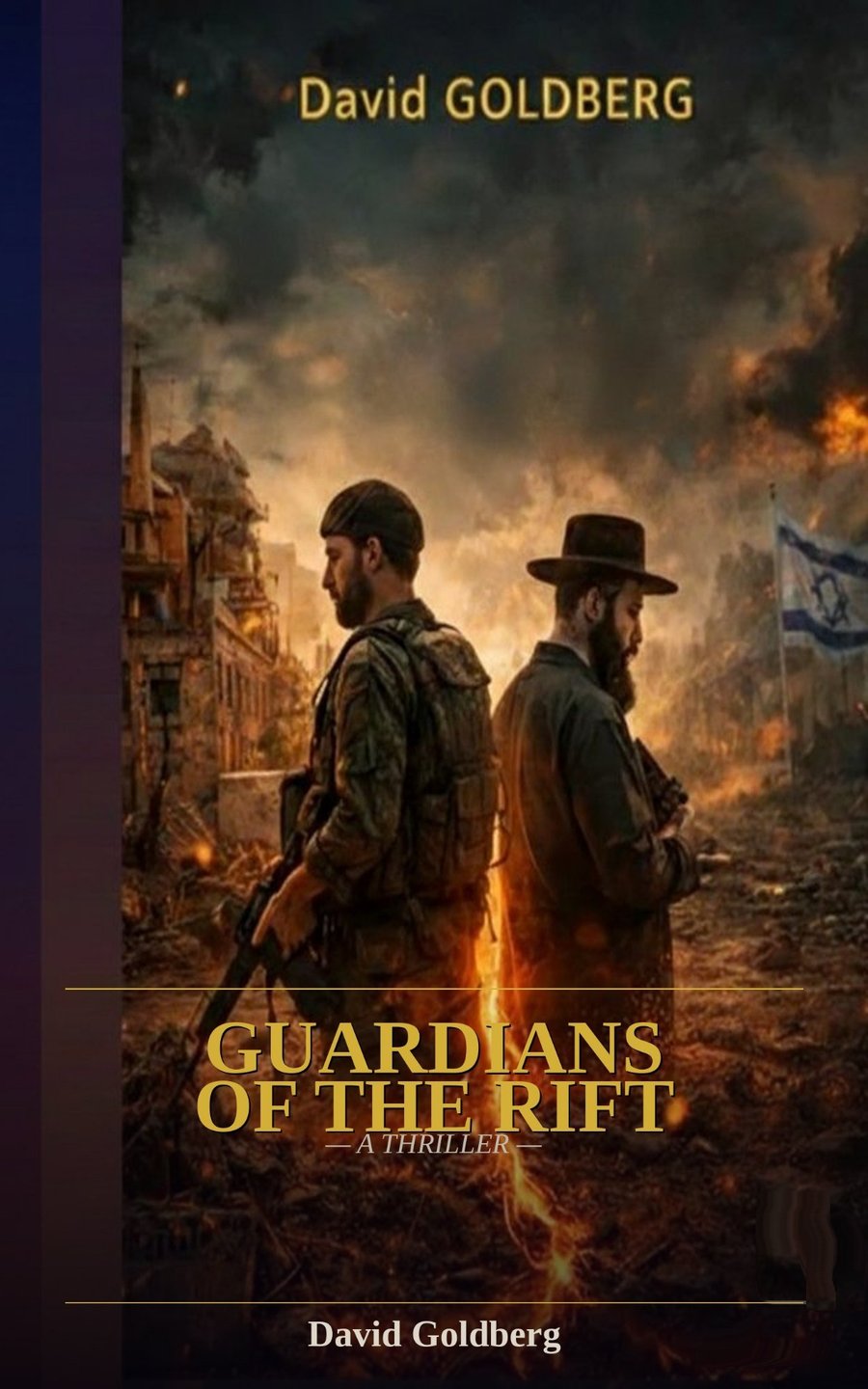
Guardians of the Rift
Forty-nine gates open — the fiftieth hides in a single moment. An ancient secret resurfaces, and one man stands between the rift and the world. Drawn from Talmud and Kabbalah.
📖 Read the free excerpt · Book $9.90