The Thirteen Attributes — the heart of Selihot
After the sin of the golden calf, Hashem does not give Moshe an argument but an order of prayer: “He wrapped Himself like a prayer leader and showed him the order of prayer” (Rosh Hashana 17b).
The promise is explicit: “A covenant was made with the thirteen attributes: they never come back empty.”
The exact counting of the thirteen varies among the Rishonim. The most widespread usage follows Rabbenu Tam, who begins at the first “Hashem”.
“Slow to anger” does not mean lenient: “Whoever says the Holy One is lax, let his life be treated as lax” (Bava Kama 50a).
The Attributes are not only invoked, they are to be imitated: “As He is merciful, be you merciful” (Shabbat 133b).
These two verses are said in Selihot, on Yom Kippur, on fast days, and when the ark is opened. They do not describe what Hashem is — no one describes that — but the way He conducts the world.
The Talmud (Rosh Hashana 17b) teaches in the name of Rabbi Yohanan: “Were the verse not written, it would be impossible to say — this teaches that the Holy One wrapped Himself like a prayer leader and showed Moshe the order of prayer. He said to him: whenever Israel sins, let them perform this order before Me, and I shall forgive them.”
And the Talmud adds the clause on which the whole edifice of Selihot rests: “A covenant was made with the thirteen attributes: they never come back empty.”
The verse does not number them. The counting of the thirteen attributes gave rise to several readings among the Rishonim, and they do not overlap exactly.
The most widespread usage, followed by the Sephardic rites, is that of Rabbenu Tam, who counts the first “Hashem” as the first attribute and the second as the second — the first being mercy before the sin, the second mercy after the sin and the return.
The phrase literally means “long of anger”: He defers, He grants time. The Talmud asks why the word is in the plural, and answers: patience for the righteous, and patience also for the sinners.
Hence the warning of the Talmud (Bava Kama 50a): “Whoever says the Holy One is lax, let his life be treated as lax.” Forgiveness exists; carelessness about forgiveness does not.
The verse continues with two apparently contradictory words: “He cleanses” and “He does not cleanse”. The Talmud (Yoma 86a) resolves it: He cleanses those who return, He does not cleanse those who do not return.
It is also why the custom in Selihot stops at “venake” and does not carry on with the rest of the verse: one invokes the measure of acquittal, not the one that limits it.
The Thirteen Attributes are a davar shebikdusha: they are recited with a congregation, with a minyan, standing.
— Someone praying alone does not say them as an invocation, but with the te'amim, in the manner of a Torah reading.
— They are said slowly, word after word. Speed is here the enemy of meaning.
— They are not recited as a formula with automatic effect: the promise bears on the conduct they commit one to, not on vocal performance.
The Talmud (Shabbat 133b) teaches on the verse “and you shall resemble Him”: as He is gracious, be gracious; as He is merciful, be merciful.
The days of Elul are therefore less an exam in recitation than an exercise in resemblance: every attribute asked for is an attribute to practise, at home first.
🎯 Test yourself
Five questions. Click an answer.
Result
Shalom Bayit — The Mouth at Home
My covenant of peace — peace begins at home. Reveal a Shalom Bayit card.
Gematria — Rav Ménaché
Shalom, Mashiah, Yisamech — secrets of the letters by Rav Ménaché zatsal.
🔢 Gematria CourseTorah Study
Dig deeper into the Baal HaTurim and Rashi on the Beith Hamidrash: Talmud, halakha, parasha.
📝 Beith HamidrachAll Parashot
All shiurim of M. Yéhouda Himi — from Bereshit to the whole cycle and the festivals.
📚 All ParashotBooks
Torah wisdom in thriller format — Éditions Gueoula.
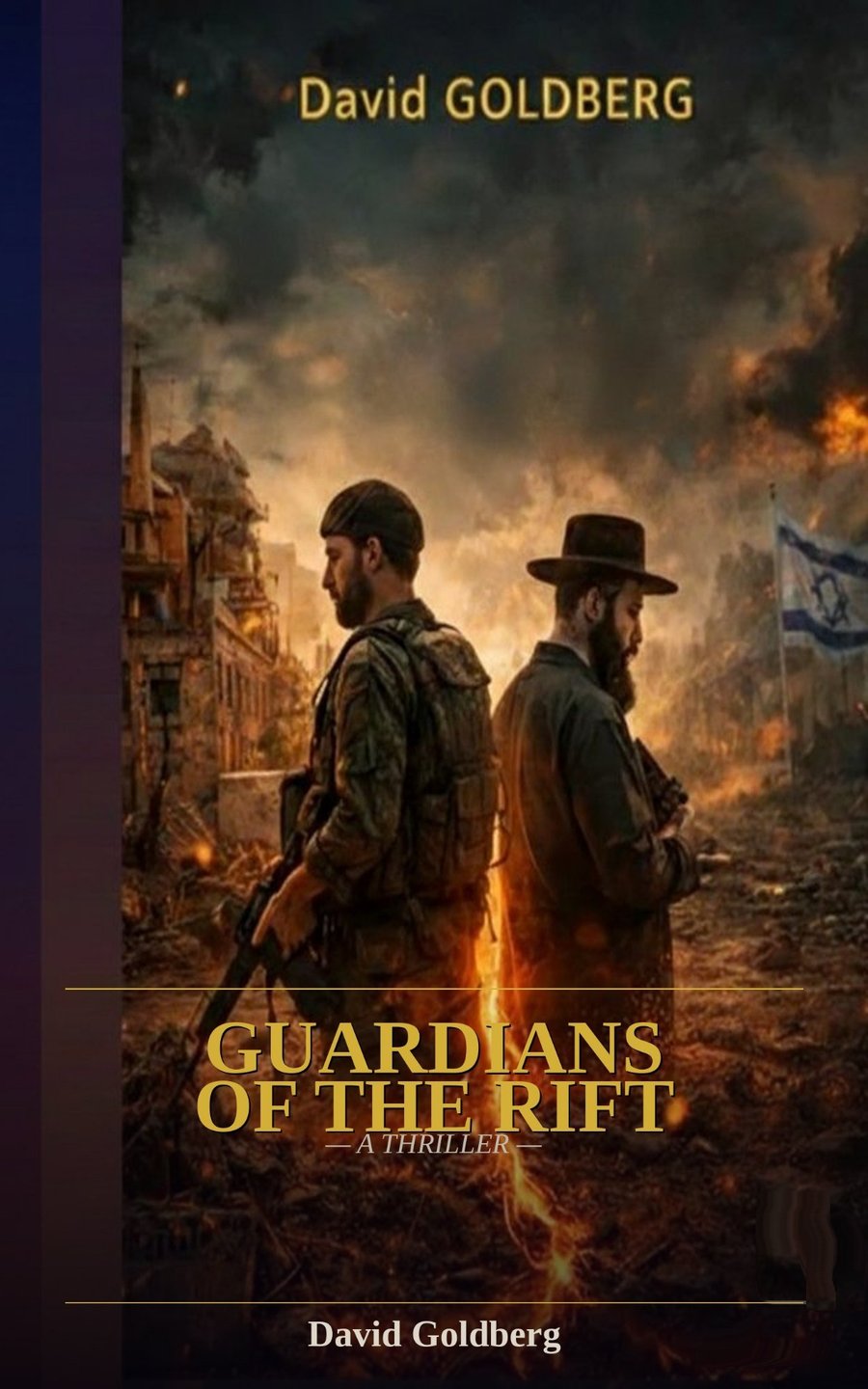
Guardians of the Rift
Forty-nine gates open — the fiftieth hides in a single moment. An ancient secret resurfaces, and one man stands between the rift and the world. Drawn from Talmud and Kabbalah.
📖 Read the free excerpt · Book $9.90