
The Choice of Torah, Difficult Freedom
Shiur de M. Bernard Yossef Paperon · Chag HaShavuot 5786
God lifted Mount Sinai over Israel like a barrel and said: "Accept the Torah, or this will be your grave." But Israel had already said na'asseh ve-nichma — we will do and we will hear. So why force them? And what does freedom truly mean when constraint may be the very condition of becoming oneself?
שבועות — תקציר
אנקדוטה רפואית. גילוי תלמודי. וכל המשמעות של החירות.
תלמוד שבת פח ע״א: הקב״ה כפה עליהם את ההר כגיגית — ״אם אתם מקבלים את התורה מוטב, ואם לאו, שם תהא קבורתכם.״ אבל ישראל כבר אמרו ״נעשה ונשמע״ באנתוזיאזם. למה צריך לכפות?
אנקדוטה: אישה נשואה לאלכוהוליסט. במהלך ניתוח שלא היה קשור, המנתח גילה את האלכוהוליזם והשתיל בו השתלים נגד שתייה. במשך שנתיים — הוא לא שתה. ״האם המנתח שלל ממנו את חירותו?״ לא! הוא החזיר לו את חירותו, כי הבחירה לשתות לא הייתה בחירה אמיתית — היא הייתה כפיה של הממכר.
המהפך: ישראל יוצאי מצרים נשאו מנטליות של עבדים. לא היו מסוגלים לקבל את התורה בחירות אמיתית. ה׳ כפה — לא כדי לשלול את חירותם, אלא כדי להחזיר להם את חירותם האמיתית.
חָרוּת או חֵרוּת?
״חָרוּת עַל הַלֻּחֹת״ (שמות לב, טז). חכמינו לימדו: ״אל תקרא חָרוּת אלא חֵרוּת.״ מה שחקוק על הלוחות — הוא החירות עצמה. החירות האמיתית היא לגלות מה חקוק בעומק נשמתנו.
שתי תשובות לשאלה: למה לכפות?
🔥 בעלי התוספות: מפני האש של ההתגלות. בכל דור, האש של נוכחות ה׳ — האחריות, ה״עין שמסתכלת״ (קין והבל) — היא כל כך כבדה שאדם רוצה לברוח ממנה.
📜 מדרש תנחומא: הם קיבלו את התורה שבכתב. אבל לא ידעו על התורה שבעל פה — שמרחיבה הכל פי אלף. תפילין, שבת, כשרות... הכפיה נדרשה כדי שלא יבחרו להיות ״יהודים ליברלים״ לפני הזמן.
Shavuot — Summary
A medical anecdote. A Talmudic revelation. And the full meaning of freedom.
Talmud Shabbat 88a: God lifted the mountain over them like a barrel and said: "If you accept the Torah, good. If not, here will be your grave." But Israel had already cried out na'asseh ve-nichma — we will do and we will hear. So why force them?
An anecdote: A woman married to an alcoholic. During an unrelated surgery, the surgeon discovered the alcoholism and implanted anti-drinking implants. For two years — he did not drink. "Did the surgeon take away his freedom?" No! He gave back his freedom, because the choice to drink was never a true choice — it was the compulsion of addiction.
The shift: The Israelites leaving Egypt carried the mentality of slaves. They were incapable of accepting the Torah in true freedom. God forced them — not to take away their freedom, but to give back their true freedom.
Charut or Cherut?
"Charut al ha-luchot" (Shemot 32:16) — "engraved upon the tablets." The Sages taught: "Do not read charut (engraved) but cherut (freedom)." What is engraved upon the tablets is freedom itself. True freedom is to discover what is engraved at the depth of your soul.
Two answers: why force?
🔥 The Tosafists: Because of the fire of revelation. In every generation, the fire of God's presence — responsibility, the "eye that watches" (Cain and Abel) — is so heavy that a person wants to flee from it.
📜 Midrash Tanchuma: They had accepted the written Torah. But they did not yet know the oral Torah, which expands everything a thousandfold. Tefillin, Shabbat, kashrut... The compulsion was required so they would not choose to be "liberal Jews" before their time.
Chavouot — Résumé
Une anecdote médicale. Une révélation talmudique. Et tout le sens de la liberté.
Talmud Shabbat 88a : D. souleva la montagne au-dessus d'eux comme un baquet et dit : « Si vous acceptez la Torah, c'est bien. Sinon, ce sera votre tombeau. » Mais Israël avait déjà crié naassé ve-nichma — nous ferons et nous entendrons. Alors pourquoi forcer ?
Une anecdote : Une femme mariée à un alcoolique. Pendant une opération sans rapport, le chirurgien découvrit l'alcoolisme et lui posa des implants anti-alcool. Pendant deux ans — il n'a pas bu. « Le chirurgien lui a-t-il pris sa liberté ? » Non ! Il lui a rendu sa liberté, car le choix de boire n'était jamais un vrai choix — c'était la compulsion de l'addiction.
Le retournement : Les Hébreux sortant d'Égypte portaient une mentalité d'esclaves. Ils étaient incapables de recevoir la Torah dans une vraie liberté. D. les a forcés — non pour leur ôter leur liberté, mais pour leur rendre leur vraie liberté.
'Harout ou 'Hérout ?
« 'Harout al ha-louhot » (Chemot 32, 16) — « gravé sur les Tables ». Les Sages enseignent : « Ne lis pas 'harout (gravé) mais 'hérout (liberté). » Ce qui est gravé sur les Tables, c'est la liberté elle-même. La vraie liberté, c'est découvrir ce qui est gravé au plus profond de notre âme.
Deux réponses : pourquoi forcer ?
🔥 Les Tossafistes : À cause du feu de la révélation. Dans chaque génération, le feu de la présence de D. — la responsabilité, « l'œil qui regarde » (Caïn et Abel) — est si lourd qu'on veut le fuir.
📜 Midrash Tan'houma : Ils avaient accepté la Torah écrite. Mais ils ne connaissaient pas encore la Torah orale, qui amplifie tout au millième. Tefilin, Shabbat, cacherout... La contrainte était nécessaire pour qu'ils ne choisissent pas d'être « juifs libéraux » avant l'heure.
פתיחה — חג הסמליות
שלום, היום לא באתי לדבר על הפרשה — אלא על החג המתקרב, חג השבועות. שבועות פירושו ״שבועות״ — חג שחל השבוע אחרי פסח, וחוגג את מתן התורה לעם ישראל.
וכשאני אומר ״לעם היהודי״ — התורה היא בעצם בשתי מהירויות. ליהודים יש לקיים תרי״ג מצוות, והם צריכים גם ללמד את האנושות שבע מצוות ב״נ ונגזרותיהן — שמתייחסות הפעם לכל בן אדם.
חלק א — ההר כגיגית
הפסוק אומר ״בתחתית ההר״. אפשר להבין: למרגלות ההר. אבל יש רב אחד בתלמוד — תלמוד שבת פח ע״א — שמבין את זה ממש כפשוטו: תחת ההר.
כלומר — ה׳ עקר את הר סיני, שם אותו מעל ראש אבותינו כמין גיגית גדולה, ואמר: ״או שאתם מקבלים את התורה, או שההר ימחץ אתכם.״
אבל — מה שווה בחירה כזו?
חלק ב — האנקדוטה של המנתח
אספר אנקדוטה ששמעתי פעם. אישה נשואה לאלכוהוליסט באה אליי. היא תיארה את הגיהינום שהיא חיה: כל הכסף הלך לאלכוהול, הילדים סבלו, וכו׳.
אבל היא אמרה לי: ״היו לנו שנתיים שמחות.״
וכך היה. במשך שנתיים — הוא לא שתה.
אבל ההשתלים נמסים בהדרגה, נעלמים. ואז — הוא התחיל לשתות שוב. (בעצם, בשתי השנים האלה היה צריך לעבור פסיכותרפיה כדי להבין את שורש ההתמכרות — אבל הוא לא עשה זאת.)
אבל לא! המנתח החזיר לו את חירותו. כי הבחירה לשתות היא בחירה פתולוגית, כפיה, התמכרות שלא נותחה — מפלט, בריחה לפנים. זו לא חירות אמיתית. זו לא בחירה אמיתית. כשהוציאו אותו מהמכניזם הזה, מכלא האלכוהול — אז המנתח החזיר לו את חירותו.
חלק ג — מנטליות של עבדים
וכך בדיוק — אבותינו, שיצאו ממצרים, נשאו מנטליות של עבדים. לא היו מסוגלים לקבל את החוק המוסרי של התורה.
אבל ה׳ ידע שהתורה תואמת את שליחותם העמוקה ביותר, את נשמותיהם הלוקות. אז הוא כפה עליהם. קצת כמו אבא שכופה על ילדיו לעשות שיעורי בית בעוד שהם רוצים לשחק בכדור. מאוחר יותר הם יודו לו — כי בזכות זה הם רכשו מקצוע. כשהיו ילדים, לא ראו את הטעם.
וכך, הגמרא מספרת שאחר כך הם קיבלו את התורה ברצונם החופשי (אסתר ט, כז — ״קיימו וקבלו עליהם״). פעם שטעמו את התורה הזו — ראו שהיא תואמת באמת את ישותם.
חלק ד — חָרוּת או חֵרוּת? המפתח של לוויאנס
״חָרוּת על הלוחות״ — כתיבה חרותה על הלוחות.
באותן אותיות — שני קריאות הפוכות. ״חָרוּת״ = חקוק. ״חֵרוּת״ = חופש.
הכתיבה החקוקה על הלוחות — היא החירות עצמה.
מכאן הכותרת של הפילוסוף ע. לוויאנס: ״חירות קשה״. כלומר — במציאת מה שחקוק בעומק נשמתנו, ועיתים קרובות זה ברגש, שם אנו באמת עצמנו, שם אנו חופשיים.
יש שתי תפיסות של חירות:
🔹 לעשות כל מה שרוצים — אבל בעשיית מה שרוצים ביומיום, אנו רחוקים מעצמנו
🔹 להיות באמת עצמנו — נדירים הרגעים שאנו מצליחים
ושליחות התורה היא להחזיר אותנו לעצמנו — למה שאנו נושאים חקוק בעומק.
חלק ה — מדוע צריך היה לכפות?
וכאן שאלה גדולה ששואלים מפרשי התלמוד: מדוע ה׳ היה צריך לכפות על אבותינו לקבל את התורה — בעוד שכבר אמרו ״נעשה ונשמע״?
הם הכריזו בהתלהבות: ״נַעֲשֶׂה וְנִשְׁמָע!״ — נעשה ואחר כך נבין. הקדימו את ההתחייבות העיבוד גם לפני שהבינו על מה מדובר. זה היה אלן אמתי של אמונה.
אז למה ה׳ נאלץ בכל זאת לכפות? יש לנו שתי תשובות משלימות.
תשובה 1 — בעלי התוספות (המאה ה־13): האש
אבל האש הזו — אינה רק פיזית. היא של כל הדורות. אפשר להבינה בכמה אופנים:
🔥 סמל הדחפים — בתורה ומחוץ לתורה (גסטון בשלאר, ״פסיכואנליזה של האש״). האש = תשוקה. אבל גם — מוות. האש שורפת. האש הורסת.
🔥 אש האשמה — כשאדם חי מתחת לעין של ה׳. פרופ׳ אנריקה ברוך לימד שהאשמה היא גורם מערער עז, נוירוטי. אדם רוצה לברוח מההרגשה ש״יש עין שמסתכלת״.
״הָעַיִן הָיְתָה בַּקֶּבֶר וְהִסְתַּכְּלָה בְּקָיִן.״
זה אש. זה הרסני. לחיות עם ההרגשה שמסתכלים עליך תמיד — זה פיתוי לבריחה. ואבותינו יכלו לבחור לברוח. לכן ה׳ כפה.
תשובה 2 — המדרש תנחומא: התורה שבעל פה
למשל — הכתוב אומר ״וקשרתם לאות על ידך״. הרבנים בא מבארים: זה תפילין. בקסקסים עם פרשיות בפנים, עם רצועות עור שחורות... — שום מילה מכל זה לא כתובה במפורש בתורה.
אז הם היו מוכנים לקבל את התורה שבכתב. אבל מול התורה שבעל פה, עם כל החובות האלה — היו נסוגים. אז ה׳ נאלץ לכפות.
בעצם, הם רצו להיות, לפני המילה, ״יהודים ליברלים״ — לקבל גרסה ״קוּלית״ של התורה. הבעיה: במקרה הזה, הסינון נעשה על ידי האדם. וכך זו דת שנעשתה על ידי האדם.
חלק ו — דת או רחוב? אזהרה מהיסטוריה
זה מזכיר לי רב ליברלי שהאזנתי לו פעם בכנס. הוא דיבר על הגדרת היהודי, ואמר:
רוצים לומר לו: ״אז האנטישמים יגדירו מה זה יהודי? הקריטריון הוא מה שהנסיבות מכתיבות? הקריטריון הוא הרחוב?״
וזה מזכיר את הפרופ׳ שלי לפילוסופיה, שעשה שיעור מבריק על הנאציזם. הוא שאל: ״איך היטלר יכל להאמין במיתוס הארי בעל שיער בלונדי ועיניים כחולות — בעוד שלו עצמו היה שיער שחור־סיני?״
הוא הסביר: היטלר היה צריך לסרטט סכמה של גזעים עליונים ונחותים — כדי להחמיא לגרמנים שהיו מושפלים אחרי מלחמת העולם הראשונה.
כי ככל שמשקרים יותר ומלטפים את הציבור באותו כיוון — הם מצטרפים. עקרון הנאציזם הוא לשים את האמת תחת הרחוב. להעלים מה שמרגיז, לשמור מה שמחמיא.
זה לא מוחלט בכלל — כי מעצבים את האמת לפי מה שהציבור רוצה לשמוע, או לפי הנסיבות, או לפי האקטואליה.
חלק ז — קושה: איך עולם חדל להיות נוצרי
זה מזכיר את הניתוח של ז׳ילום קושה, סוציולוג צרפתי, על הנצרות: ״איך עולמנו חדל להיות נוצרי״, תת־כותרת ״אנטומיה של קריסה״. פורסם 2018.
דבר שמשתנה ומשתנה מהר מדי — לא נראה עוד כמוחלט. ואנשים זקוקים לחוש בדת — מוחלט.
אחד מתלמידיי הסביר לי בצורה הזו את העובדה שכנסיות מתרוקנות והקתולים פונים עכשיו בהמוניהם לאיסלאם. למה? ״כי האיסלאם, עם הרמדן שלו, עם העובדה ששמרו את השפה הערבית, לא התחילו לעשות תפילות בצרפתית — מציע דמות של נצחיות, מציע דמות של מוחלט.״
וזה מזכיר את הפרופ׳ שלי לפילוסופיה. בכיתה הוא היה אומר לנוצרים בכיתה, בקסם ובפרובוקציה: ״אם אתם מכירים אנשים שמוקמים גבוה בכנסייה, אמרו להם שאתם מכירים כופר שיהיה מוכן לחזור בתשובה — בתנאי שיהיה הרבה מיסה, הרבה לטינית.״
הוא ביקר את זה כי, בעיניו, העדכון של הכנסייה לא היה ראוי לדבר. דת היא מוחלטת — או שאינה.
סיכום — שני שיעורי שבועות
שני שיעורים נשארים, אקטואליים בעולם של היום:
1. החירות האמיתית אינה בעשיית כל מה שרוצים — אלא בגילוי של מה שחקוק בעומק עצמנו. ההר־גיגית לא שלל את חירות ישראל — הוא נתן אותה.
2. דת היא מוחלטת או לא דת — היהודים הליברלים צריכים להרהר במה שקרה לכנסייה הקתולית. ״אנטומיה של קריסה.״
לכן ה׳ היה צריך לכפות. לטובתם. כי זה התאים עמוקות למה שהם נושאו בעומק עצמם.
חג שמח. תודה ששמעתם.
Opening — A Festival of Symbols
Hello, today I have not come to speak about the parasha — but about the festival approaching, the festival of Shavuot. Shavuot means "weeks" — a festival that falls this week after Pesach, and which celebrates the giving of the Torah to the people of Israel.
And when I say "to the Jewish people" — the Torah is actually at two speeds. Jews are to keep 613 commandments, and they must teach humanity 7 Noahide laws and their derivatives — which concern, this time, every human being.
Part I — The Mountain as a Barrel
The verse says "at the foot of the mountain." One could understand: at its base. But there is one rabbi in the Talmud — Tractate Shabbat 88a — who understands it very literally: under the mountain.
That is to say — God uprooted Mount Sinai, placed it above the heads of our ancestors like a great barrel, and said: "Either you accept the Torah, or this mountain will crush you."
But — what is such a choice worth?
Part II — The Surgeon's Anecdote
I will tell an anecdote I once heard. A woman married to an alcoholic came to me. She described the hell she was living: all the money went to alcohol, the children suffered, etc.
But she told me: "We had two happy years."
And so it was. For two years — he did not drink.
But the implants dissolve gradually and disappear. And then — he started drinking again. (In fact, during those two years he should have undergone psychotherapy to understand the root of the addiction — but he did not.)
But no! The surgeon gave back his freedom. Because the choice to drink is a pathological choice — a compulsion, an addiction that was never analyzed — a refuge, a flight forward. It is not true freedom. It is not a true choice. When he was pulled out of that mechanism, of the prison of alcohol — that is when the surgeon gave him back his freedom.
Part III — The Mentality of Slaves
And in exactly the same way — our ancestors, who came out of Egypt, carried the mentality of slaves. They were incapable of accepting the moral law of the Torah.
But God knew that the Torah corresponded to their deepest vocation, to their divine souls. So He imposed it upon them. A bit like a father who imposes on his children to do their homework while they want to play ball. Later they thank him — because thanks to this, they acquired a profession. When they were children, they did not see the point.
And so, the Gemara tells us that later they accepted the Torah of their own free will (Esther 9:27 — "they upheld and accepted upon themselves"). Once they had tasted this Torah — they saw that it truly corresponded to their being.
Part IV — Charut or Cherut? Levinas's Key
"Charut upon the tablets" — writing engraved upon the tablets.
The same letters — two opposite readings. "Charut" = engraved. "Cherut" = freedom.
The writing engraved upon the tablets — is freedom itself.
Hence the title of the philosopher Emmanuel Levinas: "Difficult Freedom". That is — in finding what is engraved at the depth of our soul, often through emotion, that is where we are truly ourselves, that is where we are free.
There are two conceptions of freedom:
🔹 To do whatever we want — but in doing what we want every day, we are often far from ourselves
🔹 To truly be ourselves — rare are the moments when we succeed
And the vocation of the Torah is to bring us back to ourselves — to what we carry engraved at the depth.
Part V — Why Was It Necessary to Force?
And here a great question raised by the commentators of the Talmud: Why did God need to force our ancestors to accept the Torah — when they had already said "na'asseh ve-nichma"?
They had declared with enthusiasm: "Na'asseh ve-nichma!" — we will do, and afterwards we will hear. They placed the commitment of action even before understanding what it was about. It was a true leap of faith.
So why did God still need to force them? We have two complementary answers.
Answer 1 — The Tosafists (13th century): The Fire
But this fire — is not only physical. It is of all generations. One can understand it in several ways:
🔥 Symbol of drives — in the Torah and beyond (Gaston Bachelard, "The Psychoanalysis of Fire"). Fire = desire. But also — death. Fire burns. Fire destroys.
🔥 The fire of guilt — when a person lives under the eye of God. Professor Enrique Baruch taught that guilt is an intensely destabilizing factor, a neurotic factor. A person wants to flee from the sense that "there is an eye watching."
"The eye was in the tomb and watched Cain."
That is fire. It is destructive. To live with the feeling that one is always watched — is a temptation to flee. And our ancestors could have chosen to flee. That is why God forced them.
Answer 2 — The Midrash Tanchuma: The Oral Torah
For example — the verse says "and you shall bind them for a sign upon your hand." The rabbis come and explain: this is tefillin. Cubes with parchments inside, with black leather straps... — none of this is written explicitly in the Torah.
So they were ready to accept the Written Torah. But before the Oral Torah, with all these obligations — they would have backed away. So God had to compel them.
In essence, they wanted to be, before the word existed, "liberal Jews" — to have a "cool" version of the Torah. The problem: in this case, the filtering is done by man. And so it is a religion made by man.
Part VI — Religion or Street? A Warning from History
This reminds me of a liberal rabbi I once heard at a conference. He spoke about the definition of the Jew, and said:
One wants to say to him: "So the antisemites will define what a Jew is? The criterion is what the circumstances dictate? The criterion is the street?"
And it reminds me of my philosophy professor, who gave a brilliant lecture on Nazism. He asked: "How could Hitler believe in the myth of the Aryan with blond hair and blue eyes — when he himself had such black hair?"
He explained: Hitler needed to draw a scheme of superior and inferior races — in order to flatter the Germans who were humiliated after the First World War.
Because the more you lie and stroke the public in the same direction — they join in. The principle of Nazism is to place truth under the street. Suppress what offends, keep what flatters.
This is not at all absolute — because truth is modeled according to what people want to hear, or according to circumstances, or according to current events.
Part VII — Cuchet: How a World Stopped Being Christian
This reminds me of the analysis of Guillaume Cuchet, French sociologist, about Christianity: "How Our World Stopped Being Christian", subtitled "Anatomy of a Collapse." Published 2018.
Something that changes, and changes too quickly — is no longer seen as absolute. And people need to feel in a religion — an absolute.
One of my students explained to me in this way the fact that churches are emptying and Catholics are now turning massively to Islam. Why? "Because Islam, with its Ramadan, with the fact that they kept the Arabic language, they have not begun to do services in French — offers an image of permanence, offers an image of absoluteness."
And it reminds me of my philosophy professor. In class he would say to the Christians in the room, charmingly and provocatively: "If you know people in high positions in the Church, tell them you know an infidel who would be willing to return — on condition that there be lots of Mass, lots of Latin."
He criticized this because, in his eyes, the updating of the Church meant nothing. A religion is absolute — or it is not.
Conclusion — Two Lessons of Shavuot
Two lessons remain, deeply current in today's world:
1. True freedom is not in doing whatever we want — but in discovering what is engraved at the depth of ourselves. The mountain-as-barrel did not take away Israel's freedom — it gave it.
2. A religion is absolute or it is not a religion — liberal Jews should reflect on what happened to the Catholic Church. "Anatomy of a Collapse."
That is why God had to compel. For their good. Because it corresponded deeply to what they carried in their depths.
Chag Sameach. Thank you for listening.
Ouverture — Une fête de symboles
Bonjour, aujourd'hui je ne suis pas venu vous parler de la paracha — mais de la fête qui s'annonce, à savoir la fête de Chavouot. Chavouot, qui veut dire « les semaines », est une fête qui tombe cette semaine après la fête de Pessa'h, la Pâque juive, et qui célèbre le don de la Torah au peuple juif.
Et quand je dis « au peuple juif » — cette Torah est en fait à deux vitesses. Les Juifs doivent respecter 613 commandements, et ils doivent essayer d'enseigner à l'humanité 7 commandements fondamentaux et leur dérivée — qui concernent, cette fois-ci, tout être humain.
Partie I — La montagne comme un baquet
Le verset dit « au pied de la montagne ». On pourrait comprendre : à sa base. Mais il y a un rabbin dans le Talmud — traité Shabbat page 88A — qui comprend les choses très littéralement : sous la montagne.
C'est-à-dire — D. a déraciné la montagne du Sinaï, l'a mise au-dessus de la tête de nos ancêtres comme un grand baquet, et leur a dit : « Ou vous acceptez la Torah, ou cette montagne va vous écraser. »
Mais — que vaut un tel choix ?
Partie II — L'anecdote du chirurgien
Je vais raconter une anecdote que j'ai entendue une fois. Une dame qui était mariée avec un alcoolique vint me trouver. Elle m'expliquait l'enfer qu'elle vivait : tout l'argent passait dans l'alcool, les enfants étaient malheureux, etc.
Mais elle m'a dit : « Nous avons eu deux années heureuses. »
Et ainsi en fut-il. Pendant deux ans — il n'a pas bu.
Mais les implants se diluent peu à peu et disparaissent. Et là — il a recommencé à boire. (En fait, pendant ces deux ans, il aurait fallu qu'il fasse une psychothérapie pour comprendre la racine de l'addiction — mais il ne l'a pas fait.)
Mais non ! Le chirurgien lui a rendu sa liberté. Parce que le choix de boire est un choix maladif — une compulsion, une addiction qui n'a pas été analysée — un refuge, une fuite en avant. Ce n'est pas une vraie liberté. Ce n'est pas un vrai choix. Lorsqu'on l'a sorti de cet engrenage, de cette prison de l'alcool — c'est là que le chirurgien lui a rendu sa liberté.
Partie III — La mentalité d'esclaves
Et de la même manière — nos ancêtres, qui sortaient d'Égypte, avaient une mentalité d'esclaves. Ils ne pouvaient pas accepter la loi morale de la Torah.
Mais D. savait que cela correspondait à leur vocation profonde, à leurs âmes divines. Alors Il leur a imposé cela. Un peu comme un père qui va imposer à ses enfants de faire leurs devoirs alors qu'eux veulent jouer au ballon. Plus tard ils le remercient — parce que c'est grâce à cela qu'ils ont acquis une profession. Quand ils étaient enfants, ils ne voyaient pas l'intérêt.
Et ainsi, la Guemara nous dit que par la suite ils ont accepté la Torah de leur plein gré (Esther 9, 27 — « ils ont confirmé et accepté »). Une fois qu'ils ont goûté cette Torah — ils ont vu qu'elle correspondait vraiment à leur être.
Partie IV — 'Harout ou 'Hérout ? La clé de Levinas
« 'Harout sur les Tables » — une écriture gravée sur les Tables.
Les mêmes lettres — deux lectures opposées. « 'Harout » = gravé. « 'Hérout » = liberté.
L'écriture gravée sur les Tables — c'est la liberté elle-même.
D'où le titre du philosophe Emmanuel Levinas : « Difficile liberté ». C'est-à-dire — en trouvant ce qui est gravé au plus profond de notre âme, et souvent dans l'émotion, c'est là qu'on est vraiment soi-même, c'est là qu'on est libre.
Il y a deux conceptions de la liberté :
🔹 Faire tout ce qu'on veut — mais en faisant ce qu'on veut au quotidien, on est souvent loin de soi
🔹 Être vraiment soi-même — rares sont les moments où on y arrive
Et la vocation de la Torah est de nous ramener à nous-mêmes — à ce que nous portons gravé au plus profond.
Partie V — Pourquoi fallait-il forcer ?
Et ici une grande question posée par les commentaires du Talmud : Pourquoi D. a-t-Il dû contraindre nos ancêtres à accepter la Torah — alors qu'ils avaient déjà dit « naassé ve-nichma » ?
Ils avaient déclaré dans l'enthousiasme : « Naassé ve-nichma ! » — nous ferons, et nous comprendrons ensuite. Ils ont placé l'engagement de l'action avant même de comprendre de quoi il s'agissait. C'était vraiment un élan de foi.
Alors pourquoi D. a-t-Il dû néanmoins les contraindre ? Nous avons deux réponses complémentaires.
Réponse 1 — Les Tossafistes (13e siècle) : le feu
Mais ce feu — n'est pas seulement physique. Il est de toutes les générations. On peut le comprendre de plusieurs manières :
🔥 Symbole des pulsions — dans la Torah et au-delà (Gaston Bachelard, « La psychanalyse du feu »). Le feu = le désir. Mais aussi — la mort. Le feu brûle. Le feu détruit.
🔥 Le feu de la culpabilité — quand l'homme vit sous le regard de D. Le professeur Enrique Baruch enseignait que la culpabilité est un facteur très déstabilisant, un facteur névrotique. L'homme veut fuir le sentiment qu'« il y a un œil qui le regarde ».
« L'œil était dans la tombe et regardait Caïn. »
C'est un feu. C'est destructeur. Vivre avec le sentiment d'être toujours observé — c'est une tentation à fuir. Et nos ancêtres auraient pu choisir de fuir. C'est pourquoi D. a contraint.
Réponse 2 — Le Midrash Tan'houma : la Torah orale
Par exemple — le verset dit « tu les attacheras comme un signe sur ta main ». Les rabbins viennent expliquer : ce sont les tefilin. Des cubes avec des parchemins à l'intérieur, des lanières en cuir noir... — rien de tout cela n'est écrit explicitement dans le texte.
Donc ils étaient prêts à accepter la loi écrite. Mais devant la loi orale, avec toutes ces obligations — ils auraient reculé. Alors D. a dû les contraindre.
En fait, ils voulaient être, avant la lettre, des « juifs libéraux » — avoir une version « cool » de la Torah. Le problème : dans ce cas, le tri est fait par l'homme. Et donc c'est une religion qui est faite par l'homme.
Partie VI — Religion ou rue ? Un avertissement de l'histoire
Ça me rappelle un rabbin libéral que j'avais écouté une fois dans une conférence. Il avait parlé de la définition du Juif, et il avait dit :
On a envie de lui dire : « Ce sont donc les antisémites qui vont définir ce qu'est un Juif ? Le critère est celui que dictent les circonstances ? Le critère, c'est la rue ? »
Et ça me rappelle mon prof de philosophie, qui avait fait un cours brillant sur le nazisme. Il avait demandé : « Comment Hitler a-t-il pu croire au mythe de l'Aryen aux cheveux blonds et aux yeux bleus — lui qui avait des cheveux si noirs ? »
Il avait expliqué : Hitler avait besoin de tracer un schéma de races supérieures et inférieures — afin de flatter les Allemands qui étaient humiliés par la défaite de la Première Guerre mondiale.
Parce que plus on ment et plus on caresse les gens dans le sens du poil — alors ils adhèrent. Le principe du nazisme est de mettre la vérité à l'enseigne de la rue. Supprimer ce qui fâche, garder ce qui flatte.
Ce n'est pas du tout absolu — parce qu'on modèle la vérité en fonction de ce que les gens veulent entendre, ou en fonction des circonstances, ou en fonction de l'actualité.
Partie VII — Cuchet : comment un monde a cessé d'être chrétien
Ça me rappelle l'analyse de Guillaume Cuchet, sociologue français, à propos du christianisme : « Comment notre monde a cessé d'être chrétien », sous-titré « Anatomie d'un effondrement ». Publié en 2018.
Quelque chose qui change et qui change trop vite — n'est plus vu comme un absolu. Et les gens ont besoin de sentir dans une religion — un absolu.
Un de mes étudiants m'avait expliqué de cette manière le fait que les églises se désinfectent et que les catholiques se tournent maintenant massivement vers l'islam. Pourquoi ? « Parce que l'islam, avec son ramadan, avec le fait qu'ils ont gardé la langue arabe, ils n'ont pas commencé à faire les offices en français — offre une image de pérennité, offre une image d'absolu. »
Et ça me rappelle mon prof de philosophie. En classe il disait aux chrétiens, par moquerie et provocation : « Si vous connaissez des gens bien placés dans l'Église, dites-leur que vous connaissez un mécréant qui serait prêt à revenir à condition qu'il y ait beaucoup de messes, beaucoup de latin. »
Il critiquait cela parce que, à ses yeux, la remise à jour de l'Église ne rimait à rien. Une religion est absolue — ou elle n'est pas.
Conclusion — Deux leçons de Chavouot
Deux leçons restent, profondément actuelles dans le monde d'aujourd'hui :
1. La vraie liberté n'est pas dans le fait de faire tout ce qu'on veut — mais dans la découverte de ce qui est gravé au plus profond de nous. La montagne-baquet n'a pas privé Israël de sa liberté — elle la lui a donnée.
2. Une religion est absolue ou elle n'est pas une religion — les Juifs libéraux devraient réfléchir à ce qui est arrivé à l'Église catholique. « Anatomie d'un effondrement. »
C'est pourquoi D. a dû contraindre. Pour leur bien. Parce que cela correspondait profondément à ce qu'ils portaient au fond d'eux-mêmes.
'Hag Saméa'h. Merci de m'avoir écouté.
🎯 חידון שיעור שבועות
חמש שאלות. לחץ על תשובה לראות אם צדקת.
1. איך התלמוד (שבת פח ע״א) מבין ״ויתיצבו בתחתית ההר״?
2. באנקדוטה של המנתח — מה הוא עשה לאלכוהוליסט?
3. ״חָרוּת על הלוחות״ — איך חז״ל מציעים לקרוא?
4. מה הסבירו בעלי התוספות לכפייה — בעוד שכבר אמרו ״נעשה ונשמע״?
5. מה הקשר בין שבועות לבין ״איך עולמנו חדל להיות נוצרי״ של גילום קושה?
🎯 Shavuot Shiur Quiz
Five questions. Click an answer to see if you got it right.
1. How does the Talmud (Shabbat 88a) understand "they stood at the foot of the mountain"?
2. In the surgeon's anecdote — what did he do to the alcoholic?
3. "Charut upon the tablets" — how do the Sages propose to read it?
4. What did the Tosafists explain about the compulsion — when they had already said "na'asseh ve-nichma"?
5. What is the connection between Shavuot and Guillaume Cuchet's "How Our World Stopped Being Christian"?
🎯 Quiz Shiur Chavouot
Cinq questions. Clique sur une réponse pour voir si tu as juste.
1. Comment le Talmud (Shabbat 88a) comprend-il « ils se tinrent au pied de la montagne » ?
2. Dans l'anecdote du chirurgien — qu'a-t-il fait à l'alcoolique ?
3. « 'Harout sur les Tables » — comment les Sages proposent-ils de lire ?
4. Qu'ont expliqué les Tossafistes sur la contrainte — alors qu'ils avaient déjà dit « naassé ve-nichma » ?
5. Quel est le lien entre Chavouot et « Comment notre monde a cessé d'être chrétien » de Guillaume Cuchet ?
קבל · הקדש · תמוך
כל יום שישי — פרשה חדשה לתיבת הדואר שלך. וגם — דרך להקדיש את השיעור הזה לאדם אהוב.
קבל את הפרשה
כל יום שישי לפני שבת — הפרשה החדשה, מלאה, בשלוש שפות, חינם.
הקדש את השיעור
לעילוי נשמת, לרפואת חולה, להצלחת ילד — קבל תעודה מהודרת להדפסה ושמירה.
✦ הצע תפילה ←בחר את הכוונה בעמוד המוקדש. בדיסקרטיות, מאובטח, ללא התחייבות.
Receive · Dedicate · Support
Every Friday, a new paracha in your inbox — and a way to dedicate this shiur to someone you love.
Receive the Paracha
Each Friday before Shabbat — the new paracha in full, trilingual, free.
Dedicate this Shiur
In memory of a loved one, for the healing of a patient, for the success of a child — receive a certificate to print and keep.
✦ Offer a prayer →Choose your intention on the dedicated page. Discreet, secure, no commitment.
Reçois · Dédie · Soutiens
Chaque vendredi, une nouvelle paracha dans ta boîte mail — et un moyen de dédier ce shiur à quelqu'un que tu aimes.
Recevoir la paracha
Chaque vendredi avant Shabbat — la nouvelle paracha en entier, trilingue, gratuite.
Dédier ce shiur
À la mémoire d'un proche, pour la guérison d'un malade, pour la réussite d'un enfant — reçois un certificat à imprimer et conserver.
✦ Offrir une prière →Choisis ton intention sur la page dédiée. Discret, sécurisé, sans engagement.
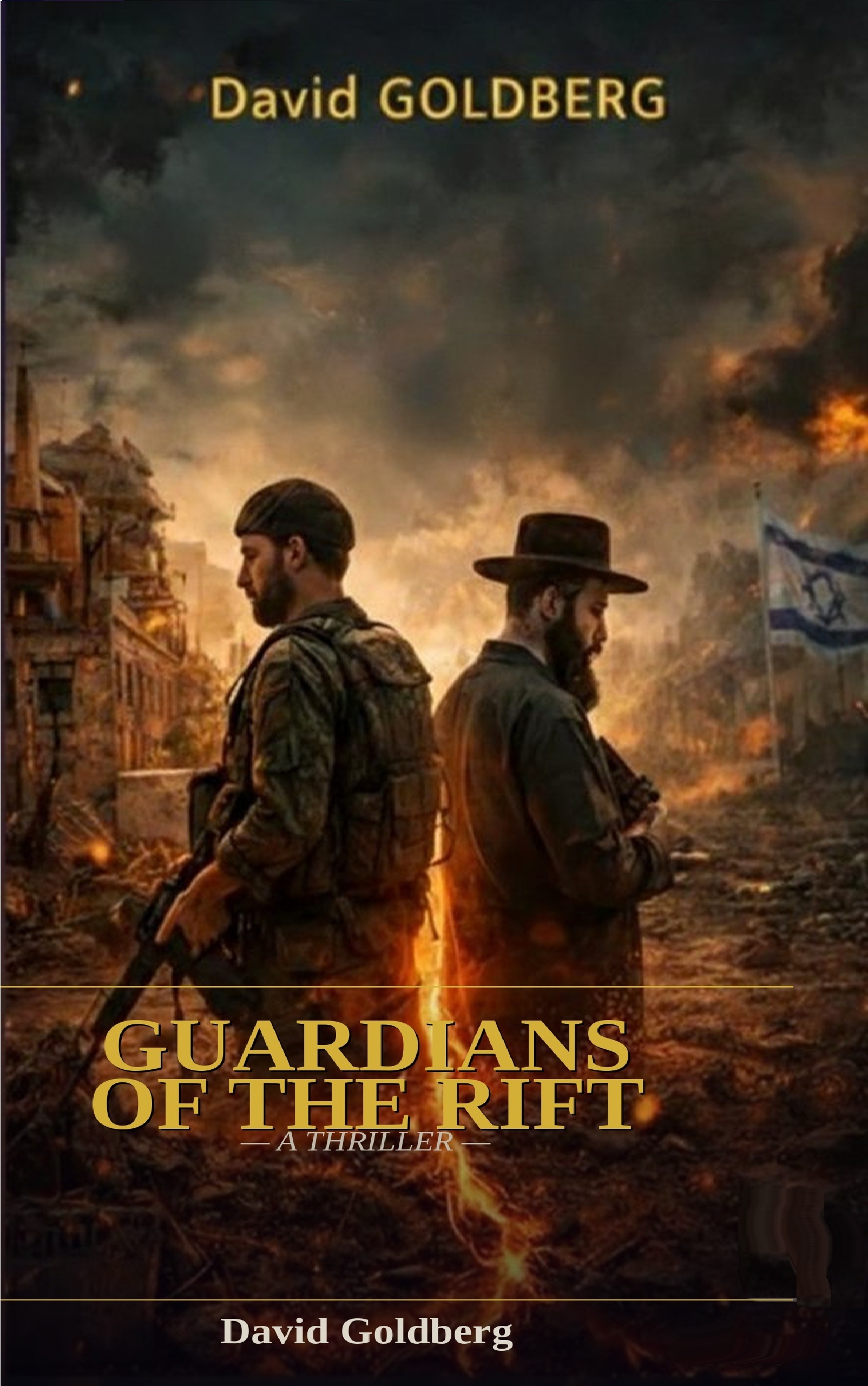
Guardians of the Rift
After October 7th, a hidden fracture opens in the soul of Israel. A spiritual thriller that reads like Dan Brown — and ends like the Zohar. Yours, free, in seconds.
📖 Download free (email required)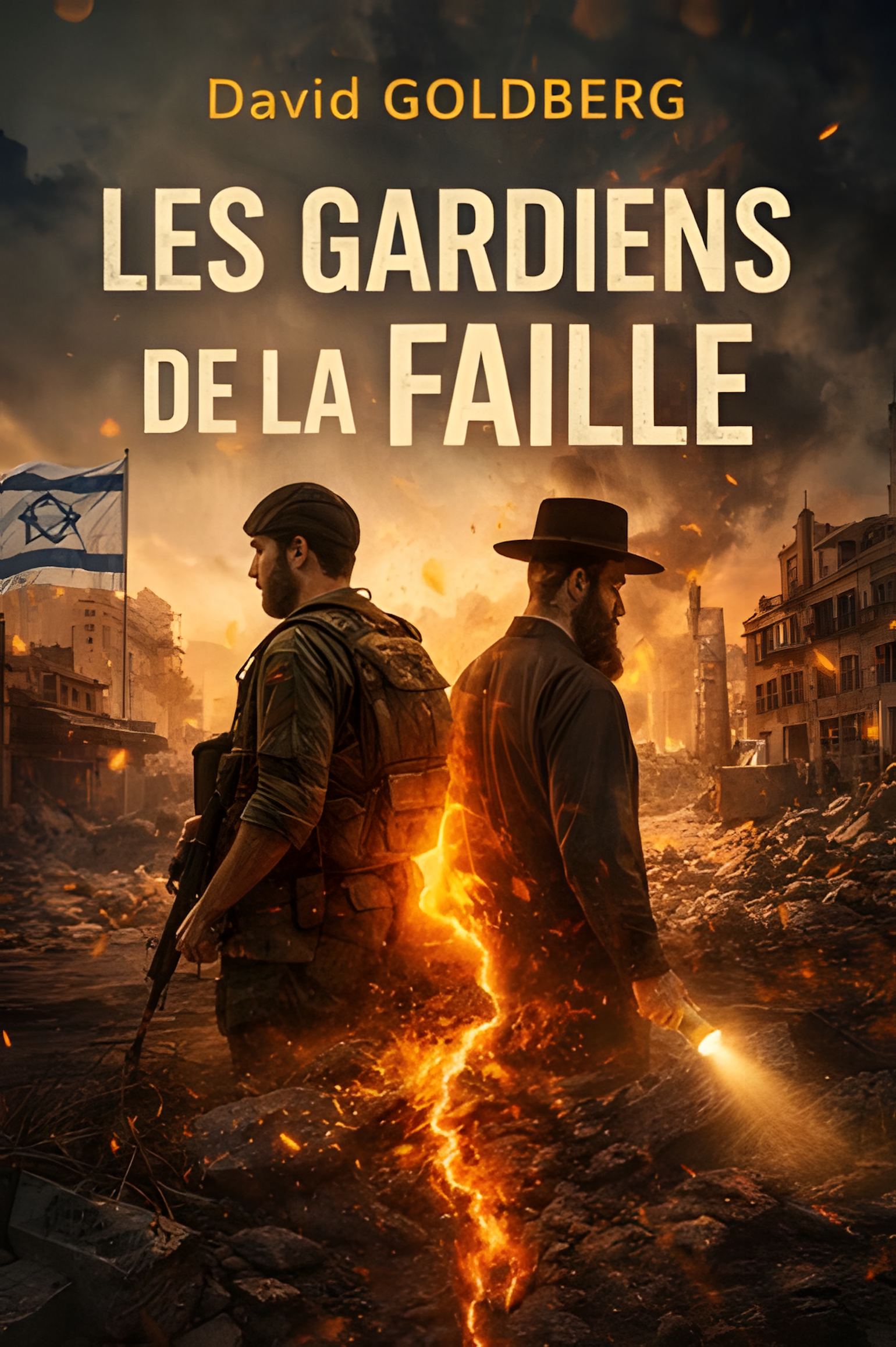
Les Gardiens de la Faille
Après le 7 octobre, une faille cachée s'ouvre dans l'âme d'Israël. Un thriller spirituel qui se lit comme Dan Brown — et finit comme le Zohar. À toi, gratuit, en quelques secondes.
📖 Télécharger gratuit (email requis)
Guardians of the Rift
אחרי השביעי באוקטובר, סדק נסתר נפתח בנשמת ישראל. תריילר רוחני שנקרא כמו דן בראון — ומסתיים כמו הזוהר. שלך, חינם, בשניות.
📖 הורד חינם (דרוש מייל)M. Bernard Yossef Paperon · Éditions Gueoula · Chavouot 5786 · gueoula.com