Paracha – Search
Filter by Book, Paracha, Year or Holiday · Explore the teachings.
Tu étudies la paracha chaque semaine.
Le témoignage que les Dix Martyrs ont proclamé à voix haute jusque dans le feu de Rome, transmis de père en fils — et qui revient aujourd'hui. Le thriller biblique séfarade où la Loi devient l'arme la plus redoutée de l'Histoire.
Lire le 1er chapitre — offert →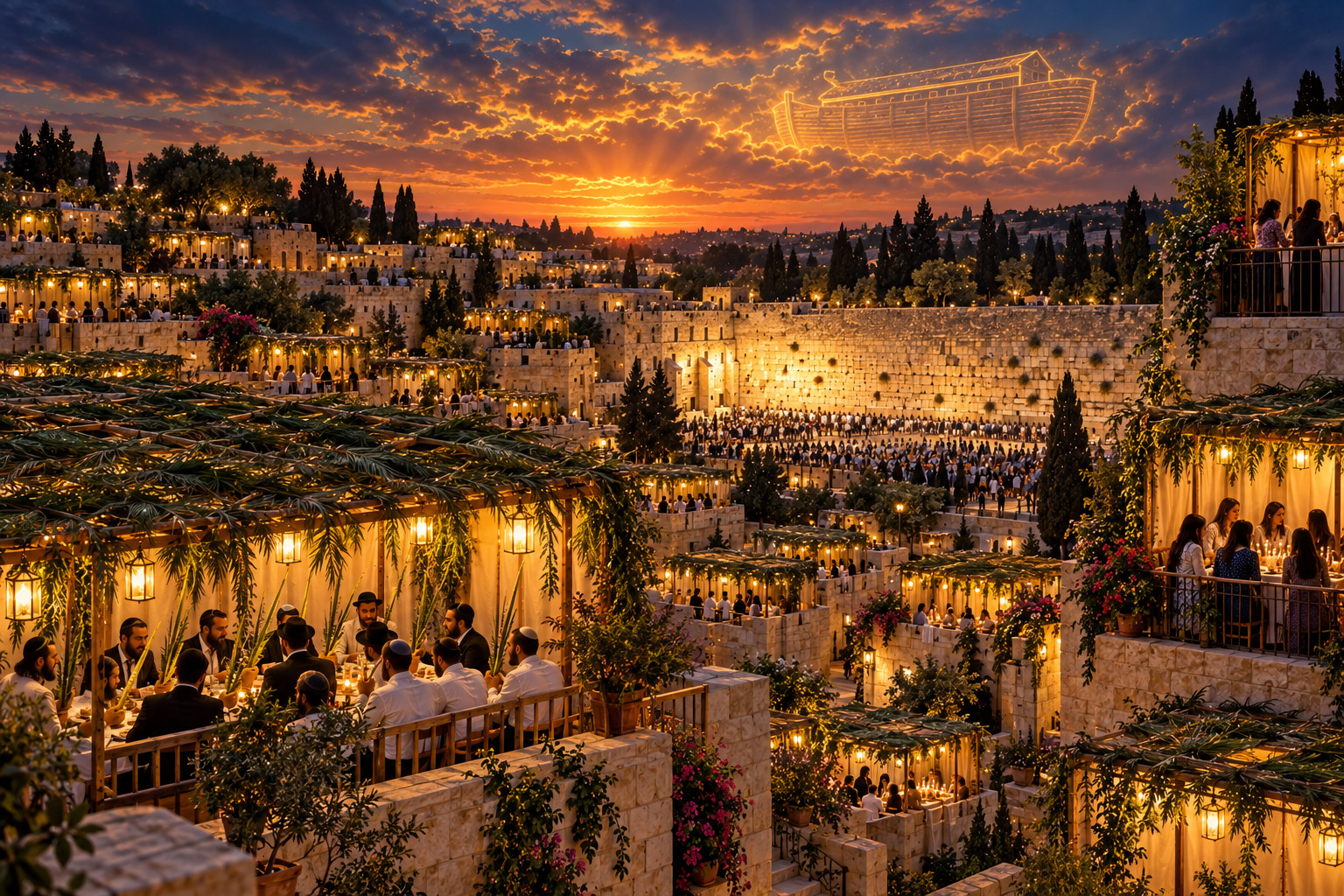
“Inside the Ark, Under the Schach”
Sukkah = 91 = Havaya and Adnut; multiplied, they give the measurements of Noah’s ark. Schach = 100 against the accusers, the seven species, and the aravah that seals the festival: ערבה = זרע.
📖 Read the shiurSéfer Devarim · דברים
Deuteronomy · 27 lessons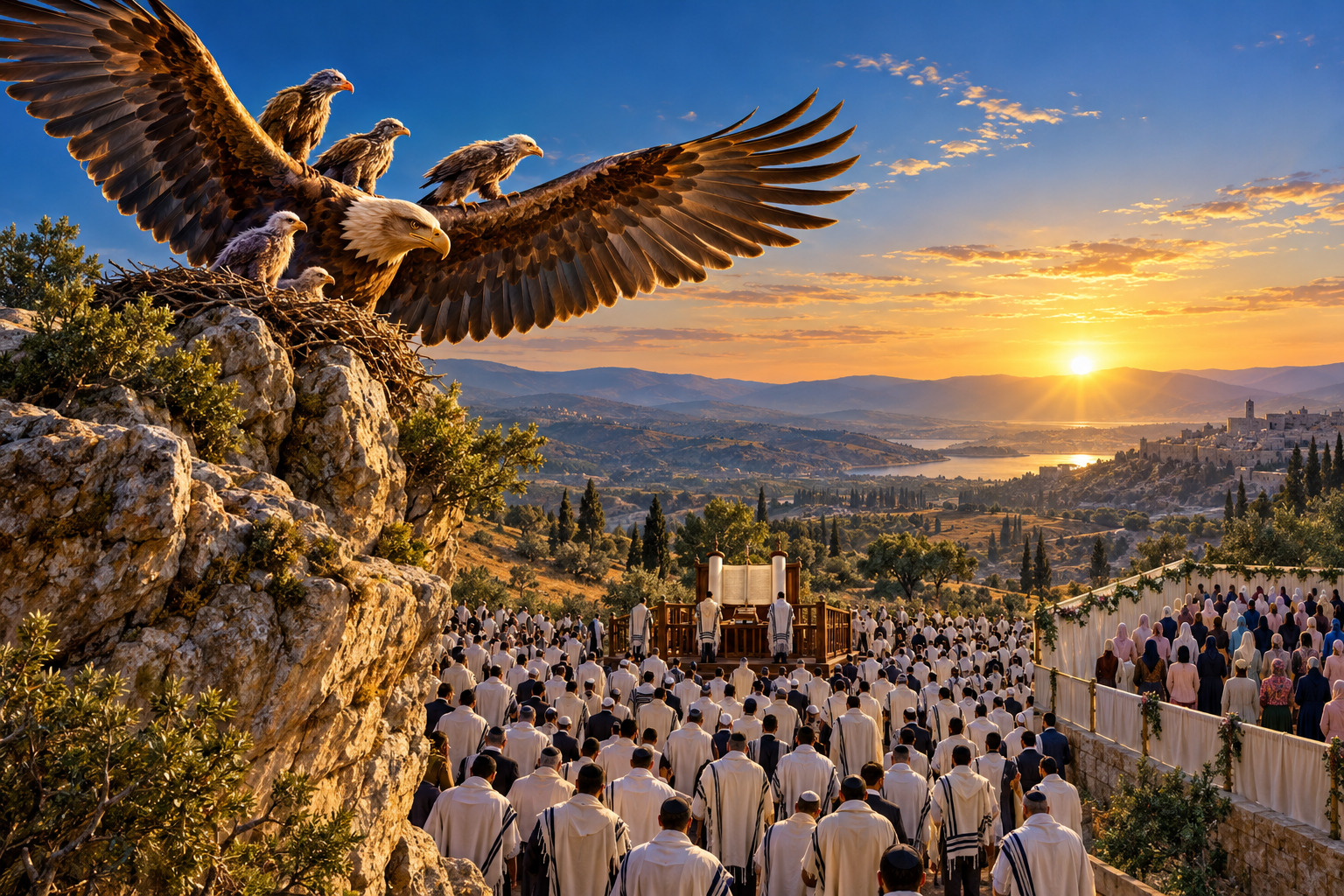
“As an eagle stirs its nest”
The eagle does not drop onto its nest all at once, and it carries its young on its back — but they are the ones who must climb. And the last mitzva of the Torah closes the circle opened by “peru urvu”.
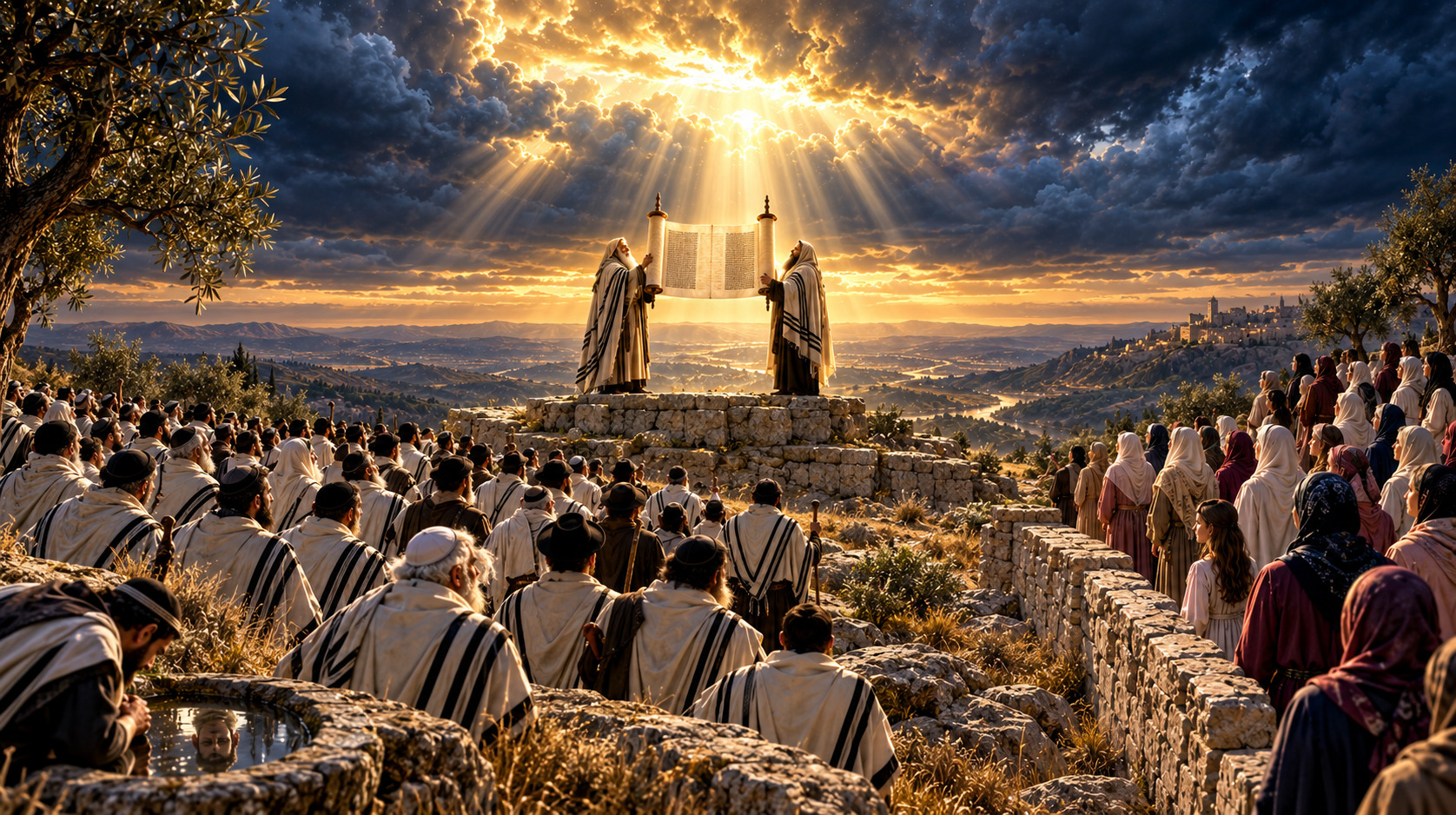
“Am naval velo hakham”
Naval is not a fool but an ingrate, according to the Or HaHaim HaKadosh. Naval the Carmelite, Avigail, and the ten days the Holy One leaves — the ones the Gemara reads as the ten days of teshuva.

Moses Rabbeinu's farewell speech: from warning to recognition
The ninety-eight warnings of the tokhecha, the dispute over the chazan’s voice, and “no one will buy”: the humiliation that reveals Israel is not for sale.
"אני לדודי ודודי לי" - The mutual relationship with the Holy One, blessed be He
Lesson 4: the secret of the Zohar Hadash — why the rebukes of Ki Tavo have no verse of consolation
Ki Tavo contains the Tokhaha, the rebukes; some fear even to say the word 'curses,' yet the Torah itself uses it.
Full version of the shiur — Deuteronomy 26:1–29:8
The 98 warnings of the tokhecha are covenantal pedagogy, not mere threat; even 'no one will buy' reveals that Israel, children of the King, is not for sale.
Three Verses, One Acronym
Three verses whose initials spell Elul: prayer, tzedaka and teshuva. Dodi is not the uncle but the friend — yad and yad. And “bezot ani boteach”: 408, that is tzom, kol and mamon.
Before the King There Is Nothing to Plead
861, the gematria of Rosh Hashana and the only verse in Tanach that matches it; the basket of first fruits set aside; Kayin and Hevel; the shofar hidden in “shoresh poreh rosh”; the Rambam and the Shelah on the blasts.
"One Hundred Curses Less Two"
Why the Midrash does not say ninety-eight: the Zohar Chadash, Eliyahu HaNavi and Rabbi Shimon bar Yochai, the two curses that are in truth blessings, and zachar = berachah = 227.
"This Day You Have Become a People"
Moshe’s last day: why Nitzavim always falls before Rosh Hashana, Israel’s protest for the Torah as reported by Rashi, “lev lada’at” — heart and intellect — and twelve Torah scrolls written in a single day.
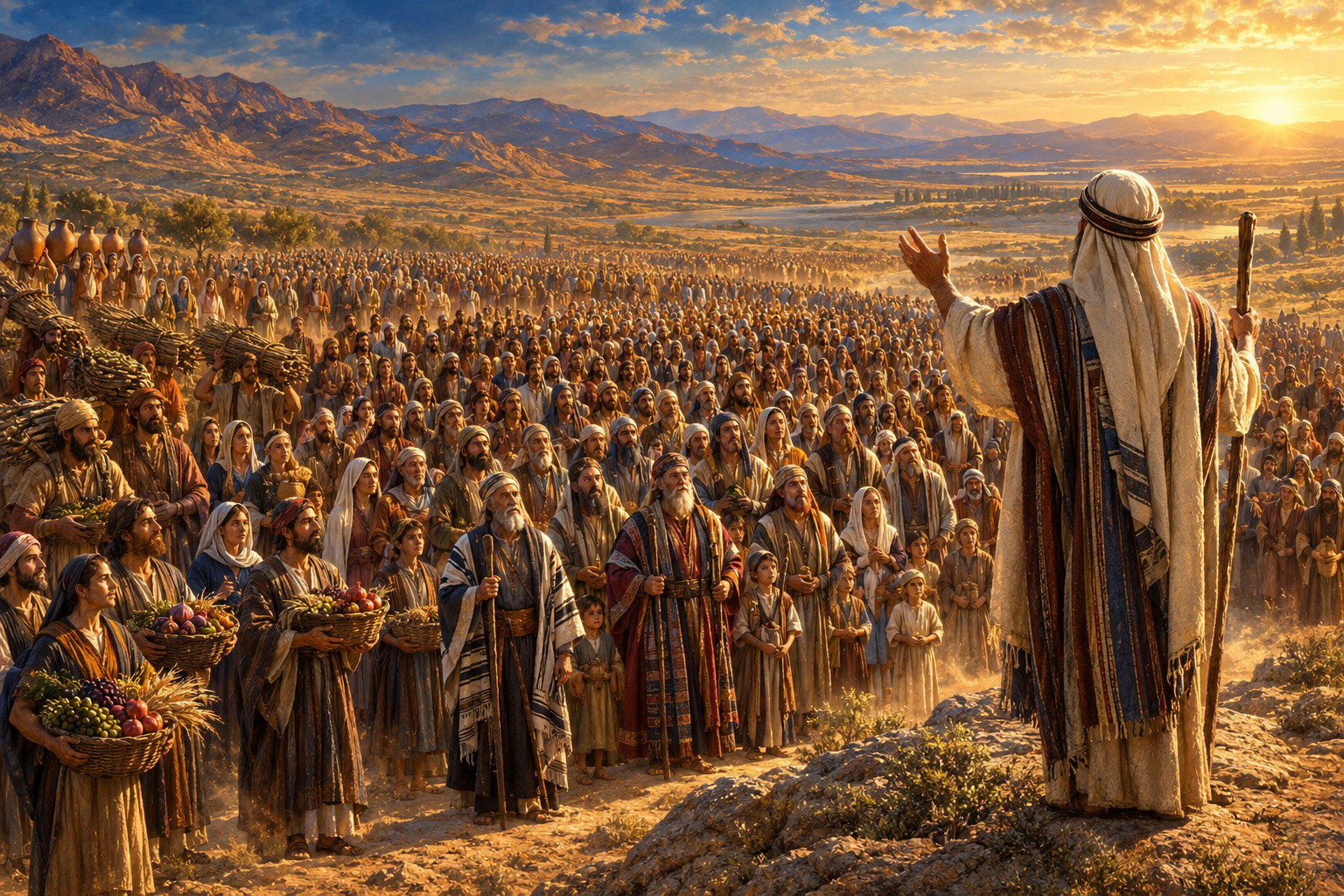
"You Are Standing" — The Curse That Raises
Rashi: they turned pale at one hundred curses less two, and Moshe lifts them up. “Yaalem” — He will raise you; “there will be no buyer” as a blessing; 26 × 26 = 676.
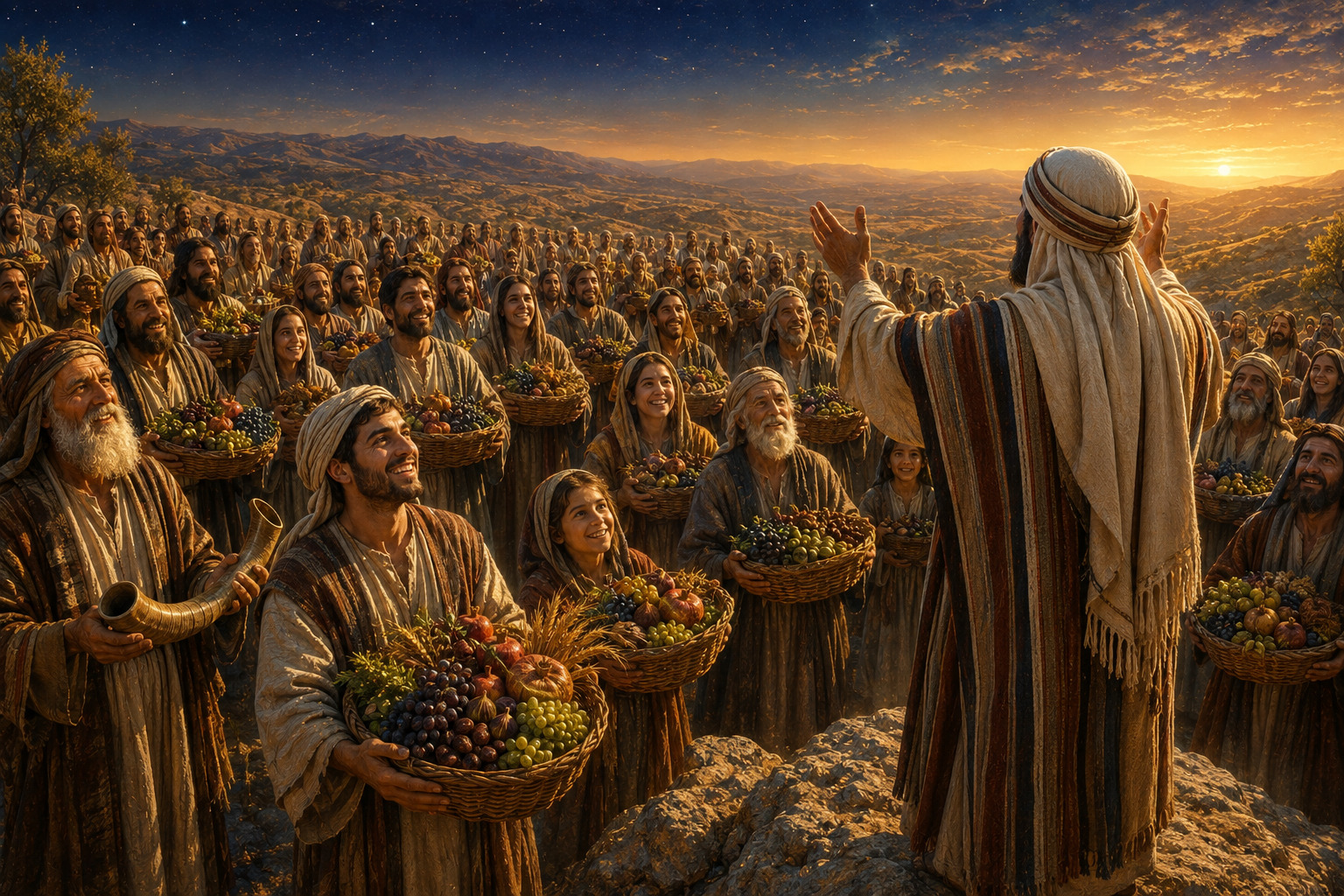
"And You Shall Answer" — Make Yourself Poor
Rashi and the Or HaChaim HaKadosh on “ve’anita”, why first fruits, Kayin and Hevel — “he too”, meaning himself: the basket set aside and the breath of the shofar.
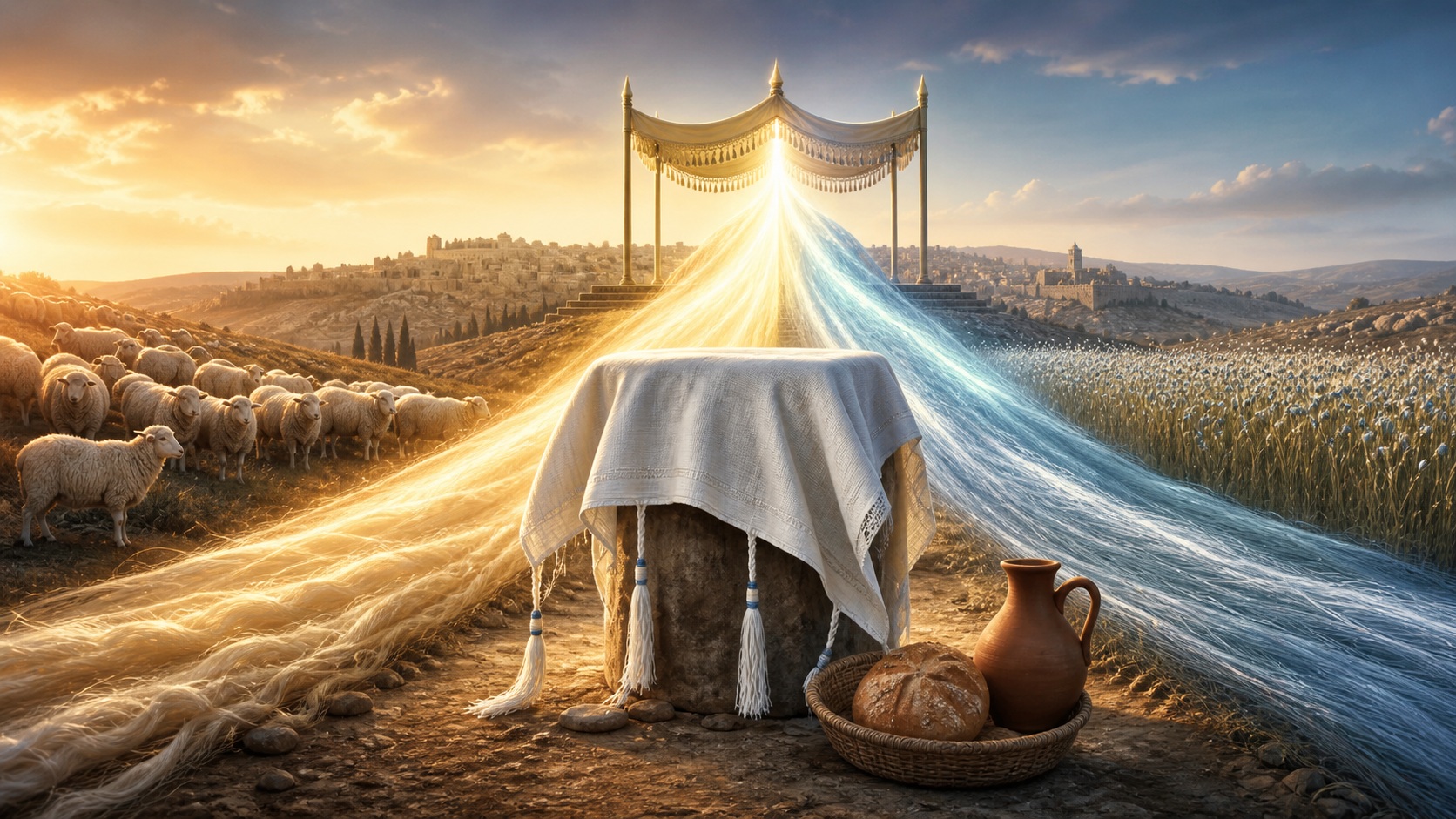
Uniting Opposites and Learning Gratitude
Wool and linen, Cain and Abel, the Kohen and tzitzit, then Ammon and Moab: holy unity and gratitude for received good.
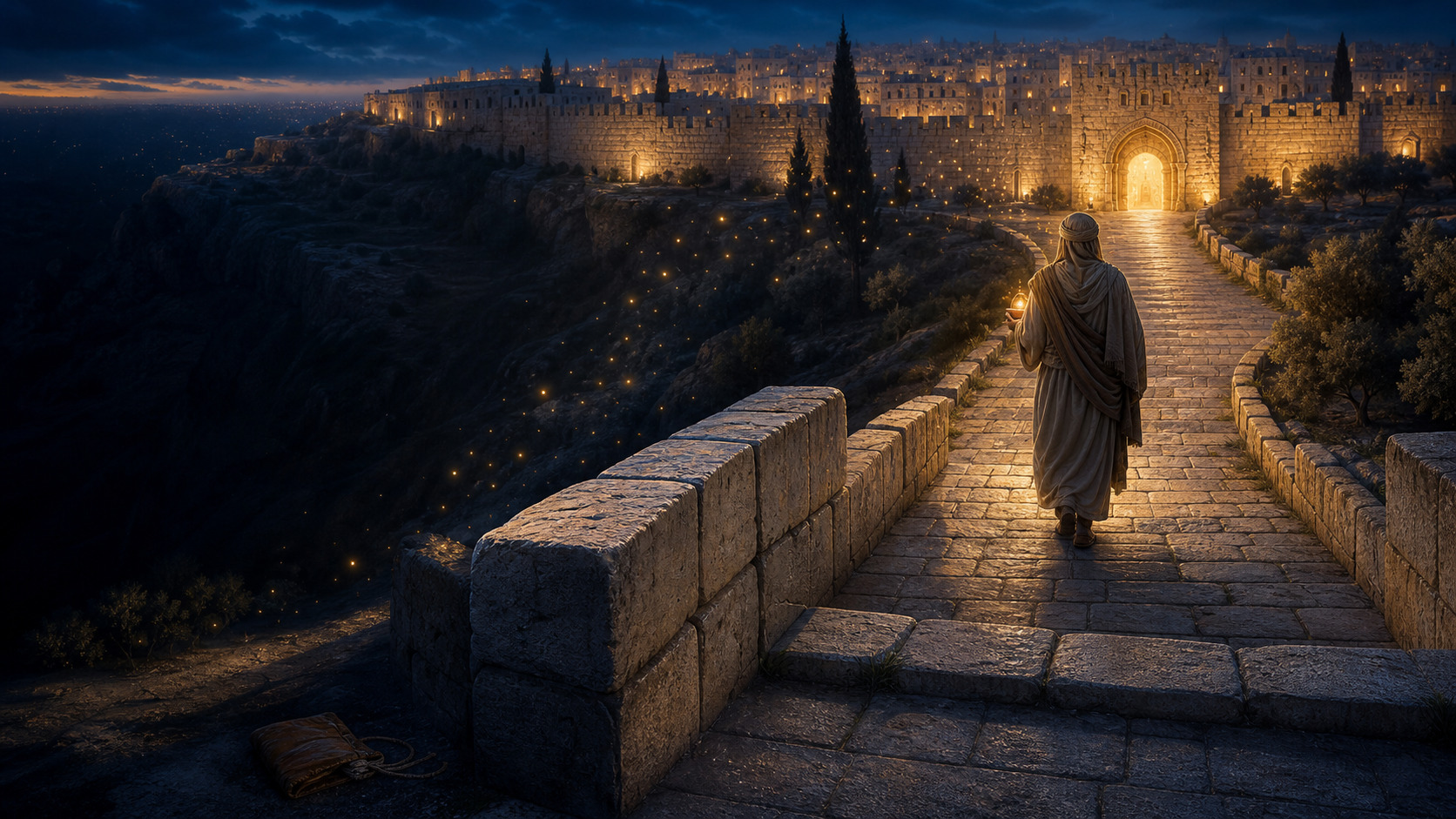
Reclaiming the Captured Sparks
From the yefat toar’s secret and captive souls to the son who remains a son and the parapet against pride: reclaiming the light seized by the yetzer hara.
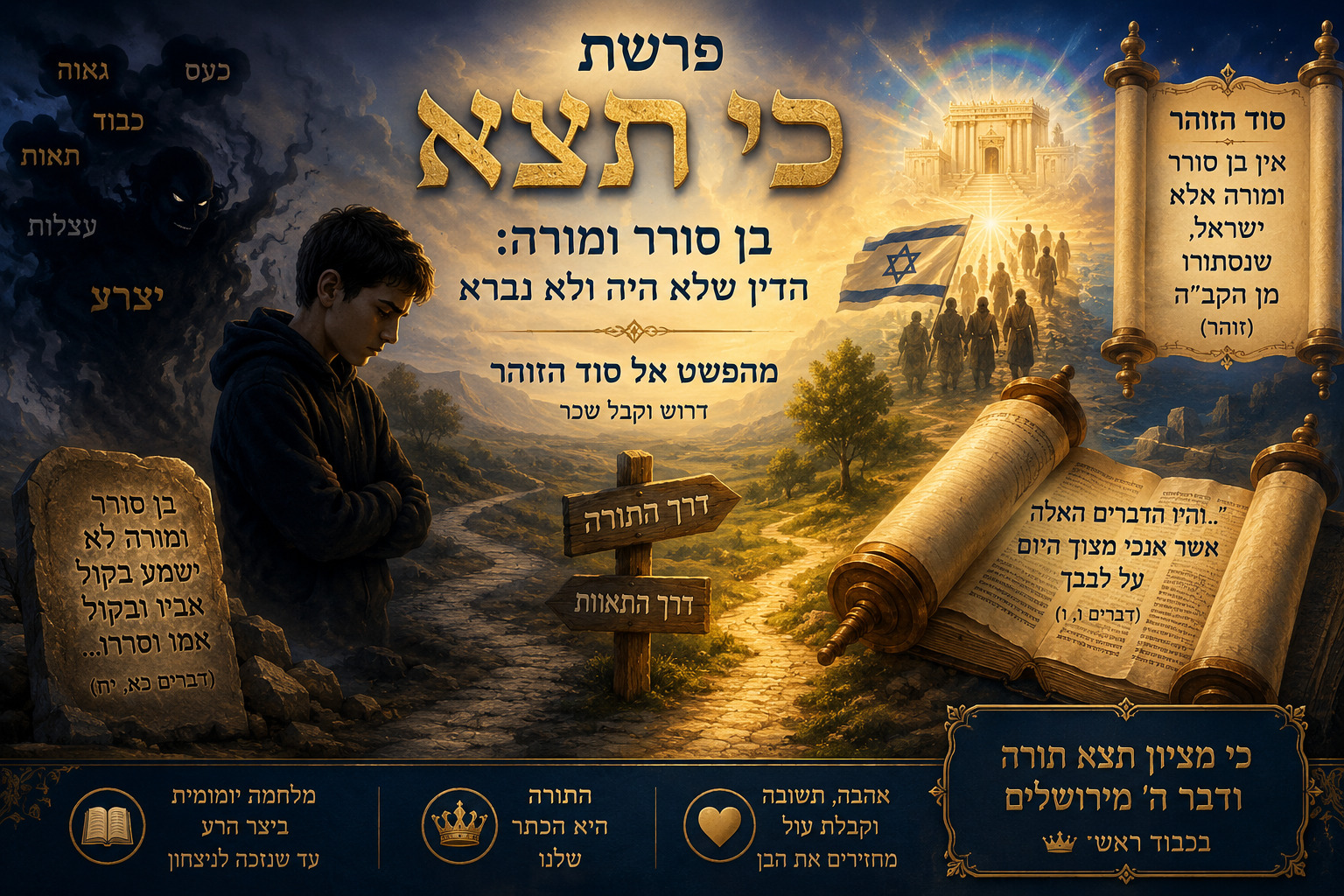
The Ben Sorer u-Moreh — the impossible trial
A din of extreme harshness the Sages declare “never existed” — derosh vekabel sakhar — and the Zohar's reading where the son is Israel, the father the Holy One, the mother the Shekhinah.
Judges at Your Seven Gates
Rashi reads judges and officers plainly; the masters of mussar read in it the seven gates of a man. Then the ant: the same scene yields two opposite verdicts — hence the need for a judge from outside

The Inner Judge and the Yetzer Hara’s Bribe
Elul’s forty days recreate a person. From the face’s seven gates to refusing shochad, the shiur leads to Shema: becoming one before Hashem Echad.

The Hidden Power Behind the Blessing
The Torah writes “the blessing asher you will listen” — asher carries the sense of strength, not a condition. A hidden sacred Name then ties joy to livelihood, from Yosef to Yaakov and the shofar
Asher and Im — Hashem Is Your Shadow
The Torah writes “the blessing asher you will listen” but “the curse im you will not listen.” Why the break? Asher carries the sense of strength — the blessing itself is the strength to listen.

One Flesh
At the heart of the parasha lies a verse we tend to skip: “You are children of Hashem your God: do not gash yourselves, and do not make a bald patch between your eyes for the dead.
Who Wrote the Second Tablets
Ask almost anyone and they'll answer: Moshe wrote the second tablets. It's a rooted mistake. The truth — God wrote both sets.
Tu B’Av — When the Word Returns
The Gemara compares Tu B’Av with Yom Kippur. Yom Kippur brings forgiveness and the second Tablets; Tu B’Av gathers several restorations of Israel’s unity.
The heel, the sparks and the hundred blessings
Ekev first means “as a consequence”: if Israel listens, the covenant and divine kindness unfold. Rashi also hears the heel—the true test lies in mitzvot that people are tempted to

515 Prayers · Rav Lach
Va'etchanan has the numerical value 515. Moshe prays 515 prayers to enter the Land — and the word tefillah itself = 515. Why exactly 515?

Why You Said Nothing
Yesterday we saw the power of the 516th prayer: 516 = 6 × Elokim (86) — strict judgment sixfold. Where does that judgment appear?
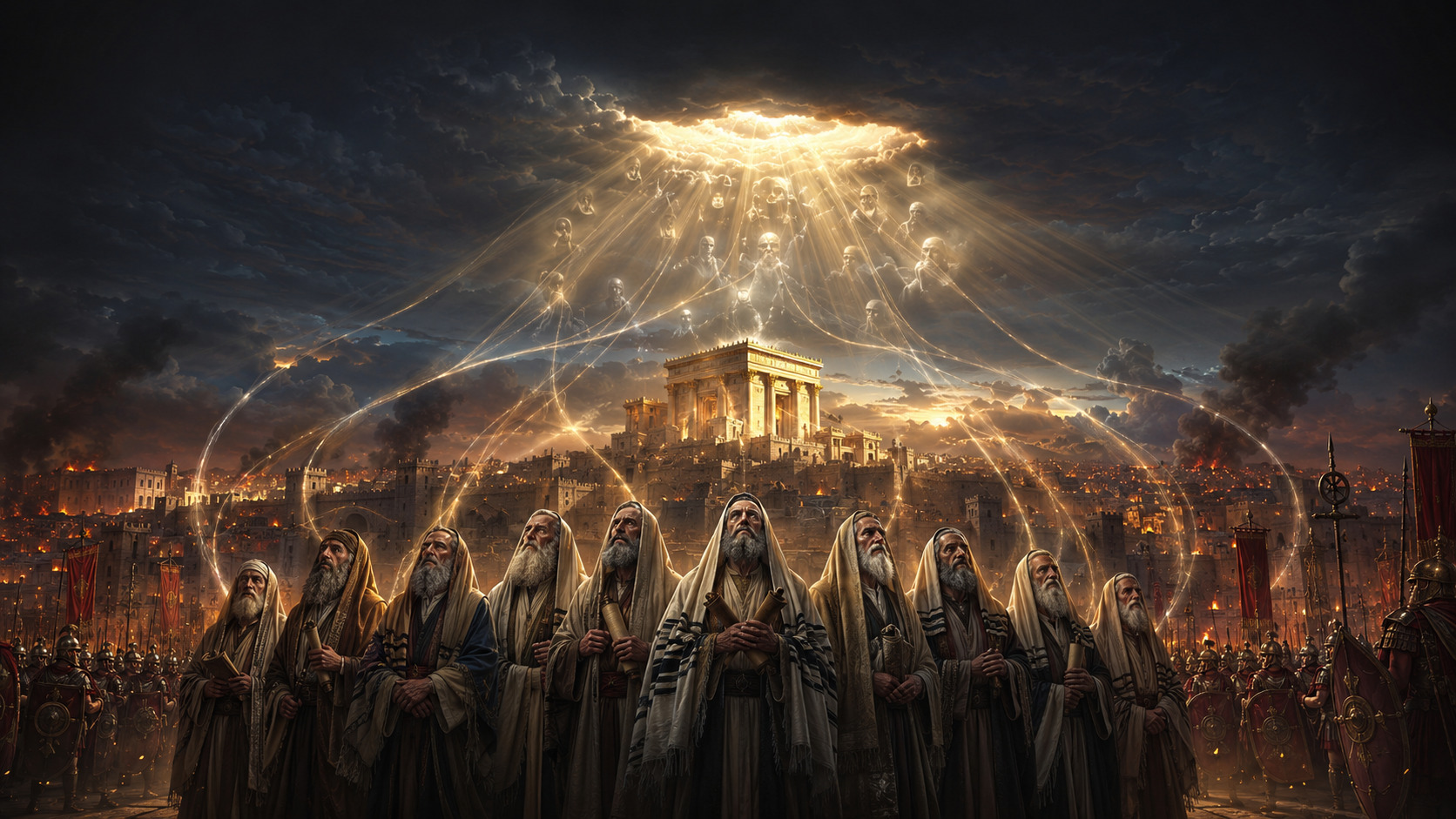
The Ten Martyrs — the World of Thought
The lament “Eleh Ezkerah” tells how the Roman emperor demanded ten sages as atonement for the sale of Joseph. Yet Joseph forgave his brothers, the sale served the Divine plan, and

Eikha — How Can I Bear It Alone?
Shabbat Chazon. Three prophets prophesied with the word Eikha: Moshe — "How can I bear it alone," Yeshayahu — "How has she become a harlot," and Yirmiyahu — "How does she sit solit

Eleh HaDevarim — The Hidden Roadmap
Rashi: "diber" is harsh speech — these are words of rebuke. Yet Moshe rebukes gently, only by allusion: place-names that hint at the sins (Bamidbar, Ba'arava, Mol Suf… Di Zahav = t

The Letter Hei — The Power of Rebirth
Devarim is the fifth book — corresponding to the letter Hei (gematria 5). The shape of the Hei is like a womb with an opening below through which the child emerges — this is the po
"The War No One Remembers"
Why Devarim before Tisha B'Av. The three haftarot of affliction cover mouth, ear and eye (Divrei, Shim'u, Chazon) — every sense, to grasp the churban. And "Eikha esa levadi" echoes

The Power of Teshuvah
Ezra HaSofer fixed the reading of Nitsavim right before Rosh Hashana: "let the year end with its curses and the new one begin with its blessings."

Based on the teachings of our Sages, by R. Yehouda Himi
Elul offers only 27 days to truly transform our spiritual balance — every moment counts, with no room for procrastination.
Choosing blessing, unity, holiness and generosity through the way we see
"See" (רְאֵה) in the singular: the choice between blessing and curse is an intimate, personal decision, not a collective abstraction.
From the Root to the Reward
Parashat Ekev continues Moshe's great discourse: more than a narrative, a true practical guide for the inner life — moving from the superficial to the essential.
Why Didn't Moshé Rabbeinu Enter the Land of Israel?
💫 After the Tenth of Av - Opening the Heart We are in the aftermath of the tenth of Av, having emerged from the intense mourning of Tisha B'Av. Now we begin Parashat Vaethanan, and

Tisha B'Av and the Tears That Turned to Hope
😭 From Futile Tears to Tears of Hope This lesson reveals the profound connection between Parashat Devarim and Tisha B'Av, the Jewish people's national day of mourning. Moses begins
Séfer Bamidbar · במדבר
Numbers · 35 lessons
Hafrashat Challah — Repairing the Sin of Adam
M. Yéhouda Himi · the word arisa (a cradle) · Adam as the challah of the world · repairing the sin of Hava · the link to entering the land · a segula for sustenance. In memory of Yosef Tziruya z"l.
Clean Before God and Before Men
The tribes of Reuven and Gad ask to settle east of the Jordan. Moshe erupts — "a brood of sinful men" — fearing they repeat the sin of the spies. They pledge to march armed ahead o

Children Before Possessions
🔁 The Torah makes small changes — and the teaching is hidden within them.
The 42-Letter Name & the 42 Journeys
"These are the journeys of the children of Israel" — and the Torah records them in both directions (their departures by their journeys / their journeys by their departures): never

Clouds of Glory, Fixity & Movement, and the Four Exiles
Yonatan ben Uziel on the Korban Pesach: at the first Pesach the Clouds of Glory carried Israel to the site of the Temple in Jerusalem, they offered the Pesach there, were carried b

The Creative Power of the Word — Vows, Oaths & Atarat Nedarim
Yonatan ben Uziel on the Korban Pesach: at the first Pesach the Clouds of Glory carried Israel to the site of the Temple in Jerusalem, they offered the Pesach there, were carried b

The Secret of the Broken Vav
🔥 Pinchas's act: in a moment of failed leadership he took a spear and stopped the plague — zeal for the sake of Heaven.

The Small Yod & the Vav in Trust
At the end of Balak, Bilam's advice leads to the act of Zimri and Cozbi. Pinhas rises, stops the plague (24,000 dead) and receives "My covenant of peace."
A Man With Spirit In Him
Pinhas stopped the plague and earned "My covenant of peace." We would expect him to inherit Moshe's leadership — yet Hashem chooses Yehoshua (Joshua). Why?
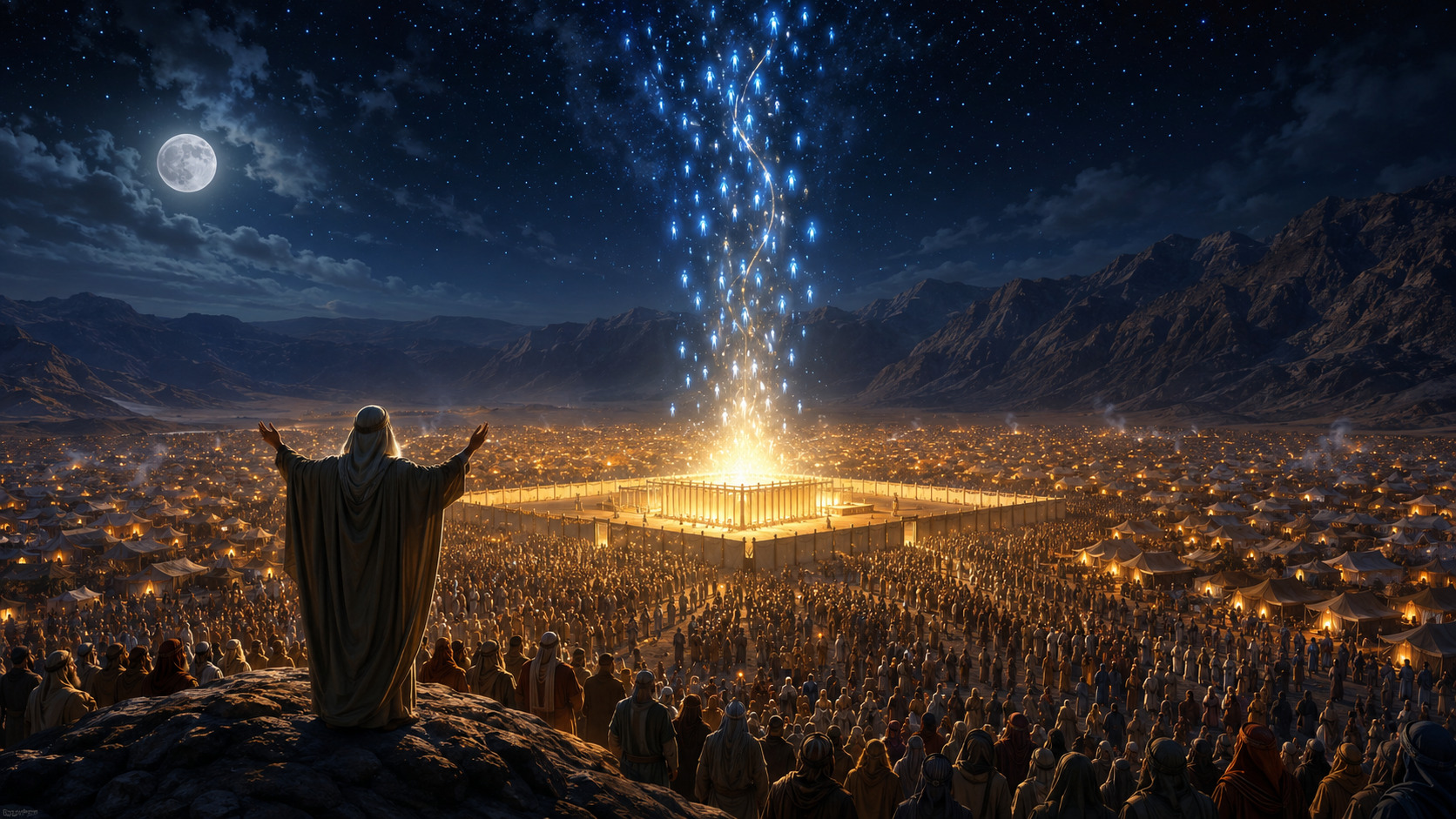
A Covenant of Peace
Pinhas stopped the plague and earned "My covenant of peace." Yonatan ben Uziel and Reish Lakish: Pinhas is Eliyahu — who lives forever and heralds the geoula. This is why Parashat
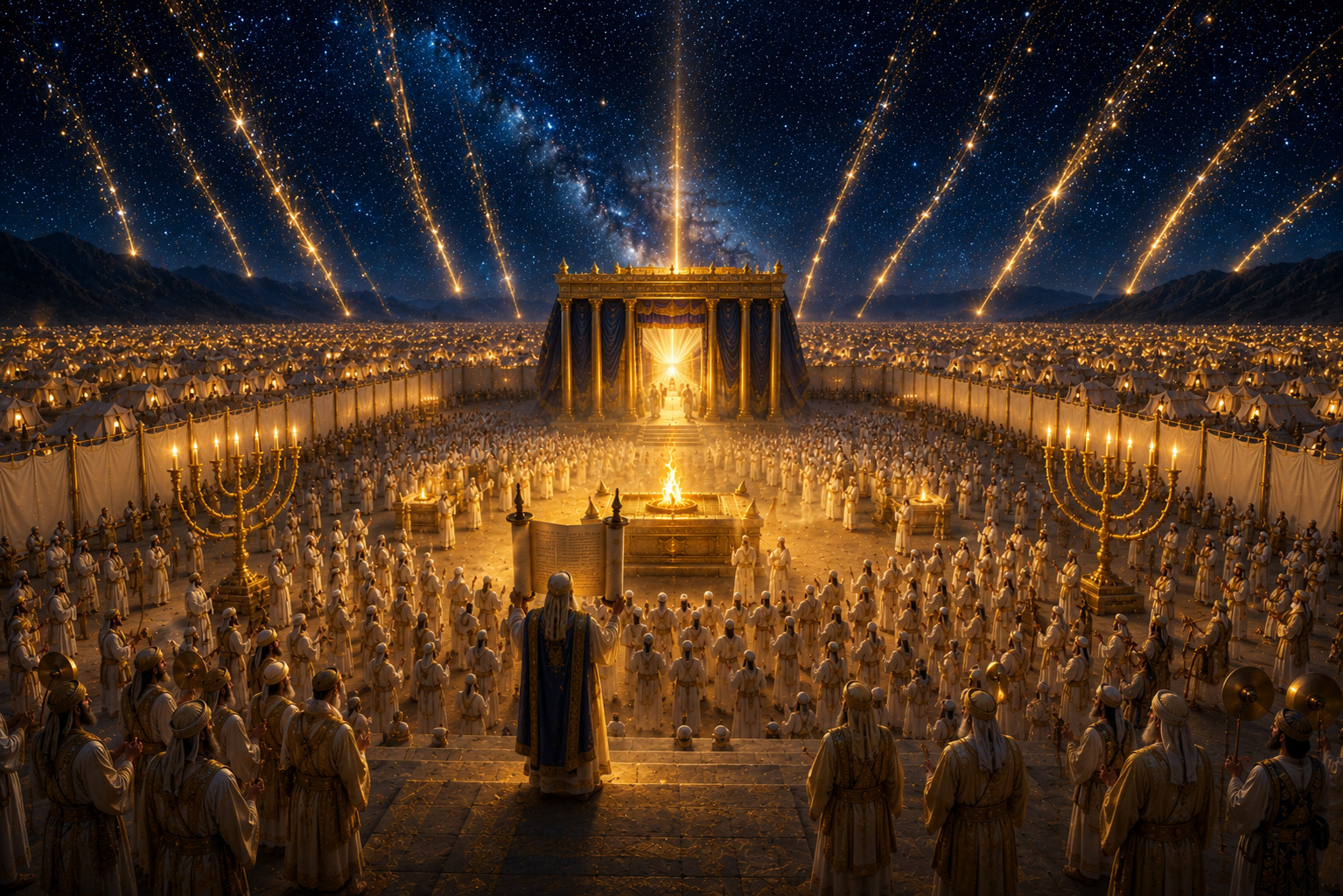
The Most Important Verse
If we could choose the single most important verse in the entire Torah, most would answer at once: Shema Israel. But an ancient debate says otherwise.
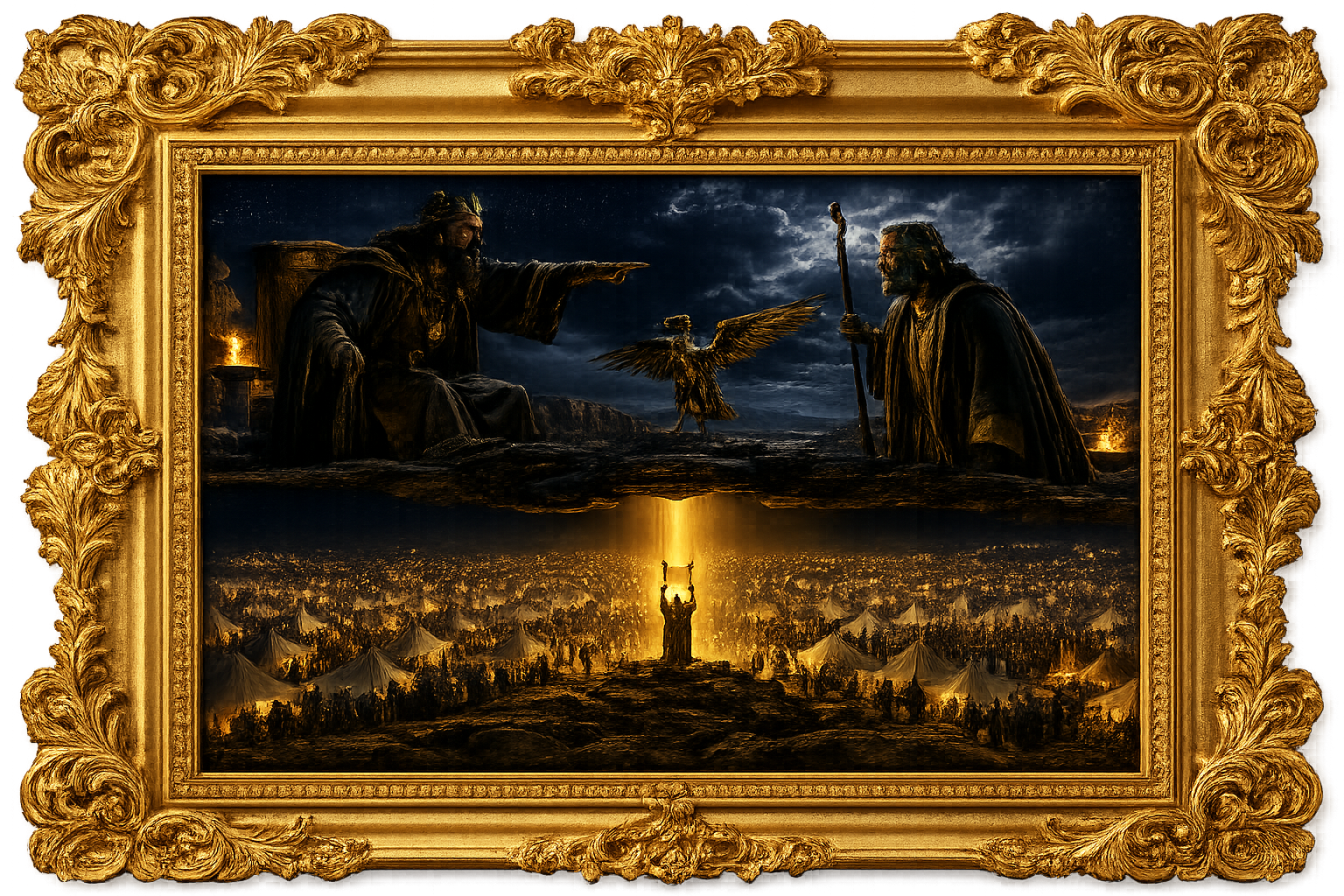
Balak ben Tzipor
“Balak ben Tzipor saw” — why “saw” not “heard”? The holy Zohar explains: he saw through the “wisdom lens” — a genuine spiritual vision. But also: Balak had a metallic drone — gold
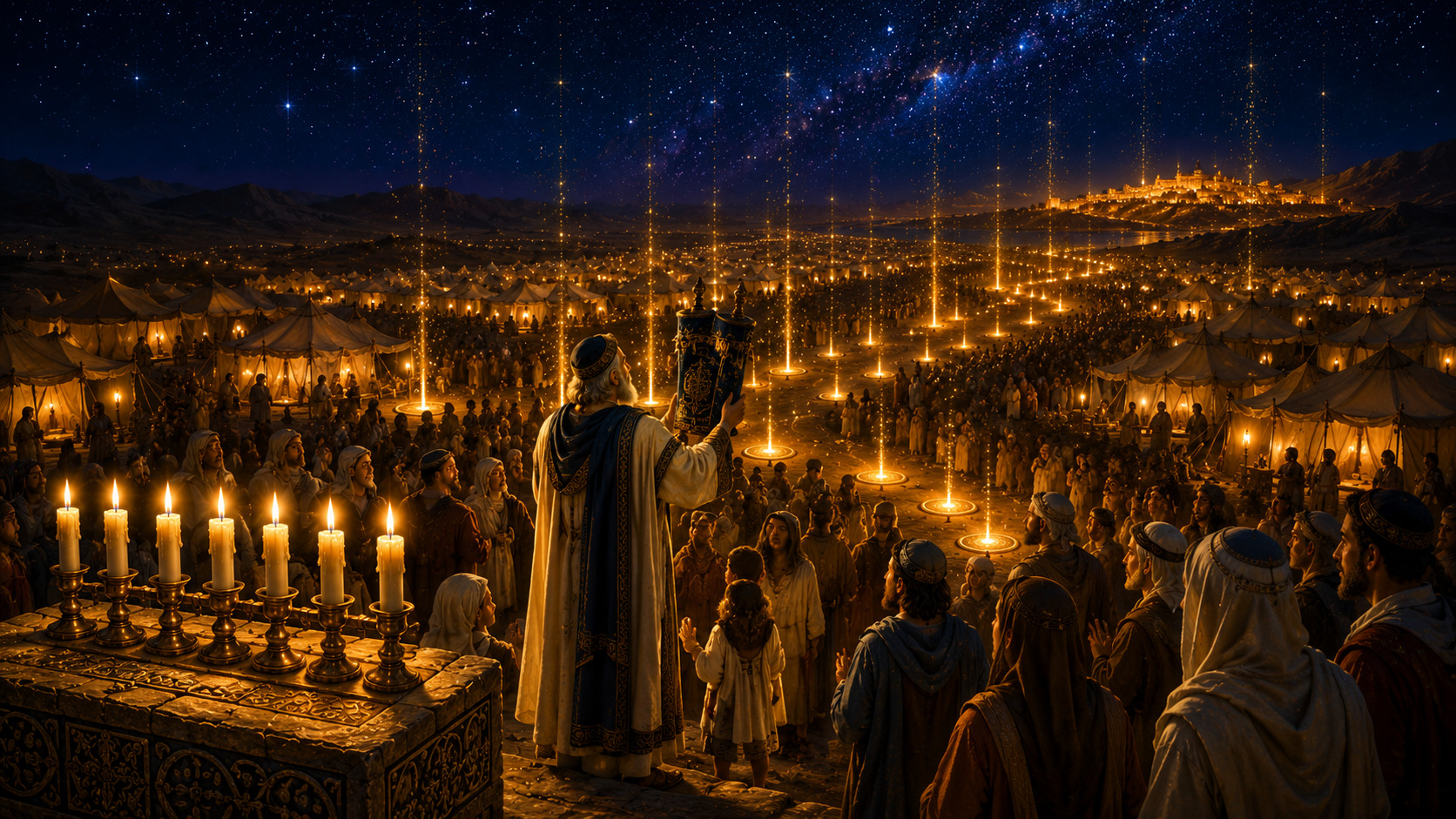
Why Exactly Now?
Balak saw that Israel defeated Sichon and Og — but the real reason for his panic is entirely different. Israel has just arrived at Arvot Moav — the 42nd stop — the last before ente
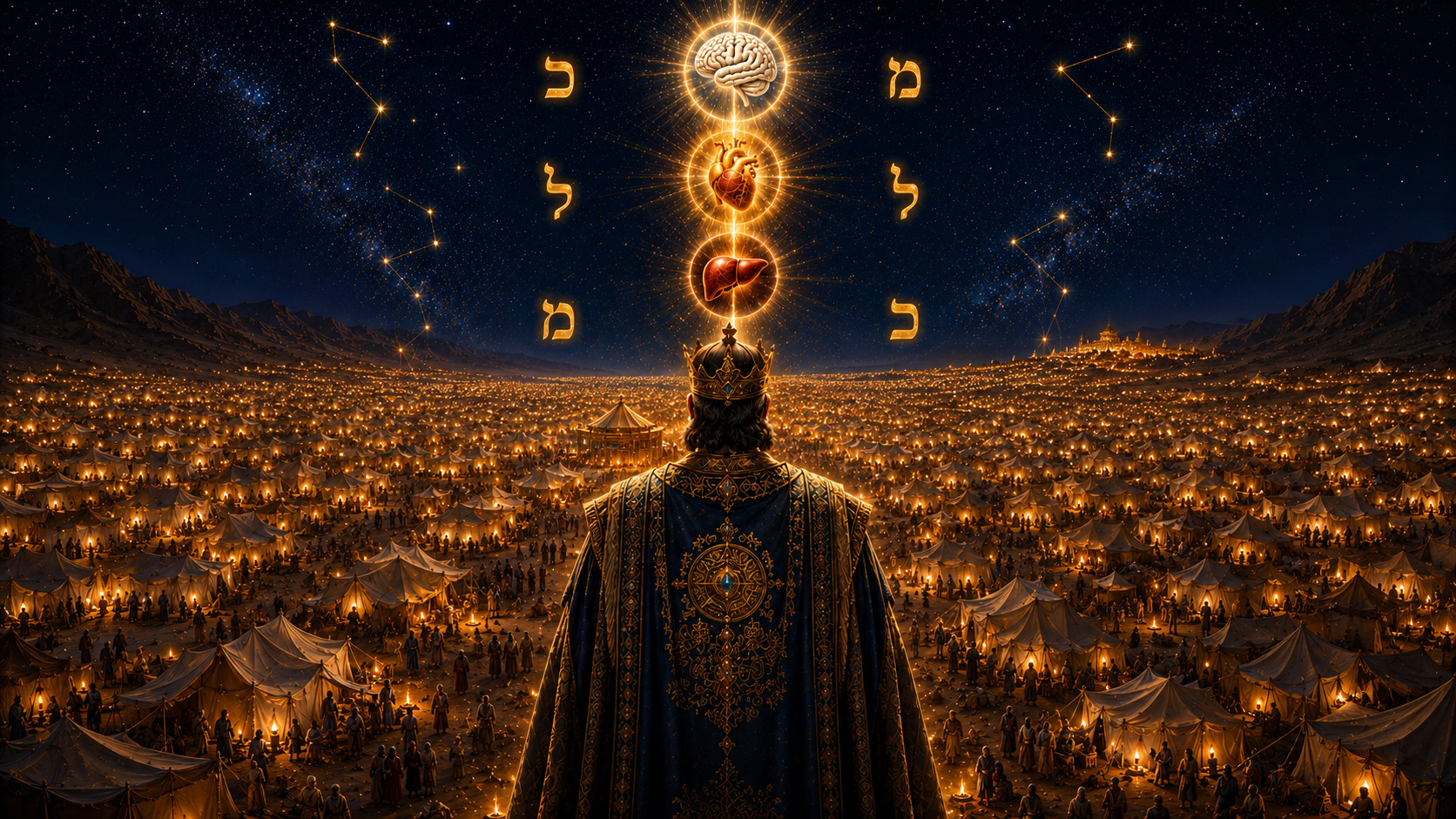
Bal Am, Amalek and the Remedy
Bilam = Bal Am — he belongs to no nation, and his goal: Am Yisrael shall cease to exist. His weapon: catching the instant of divine anger to say one word: Kalam = annihilation. G-d
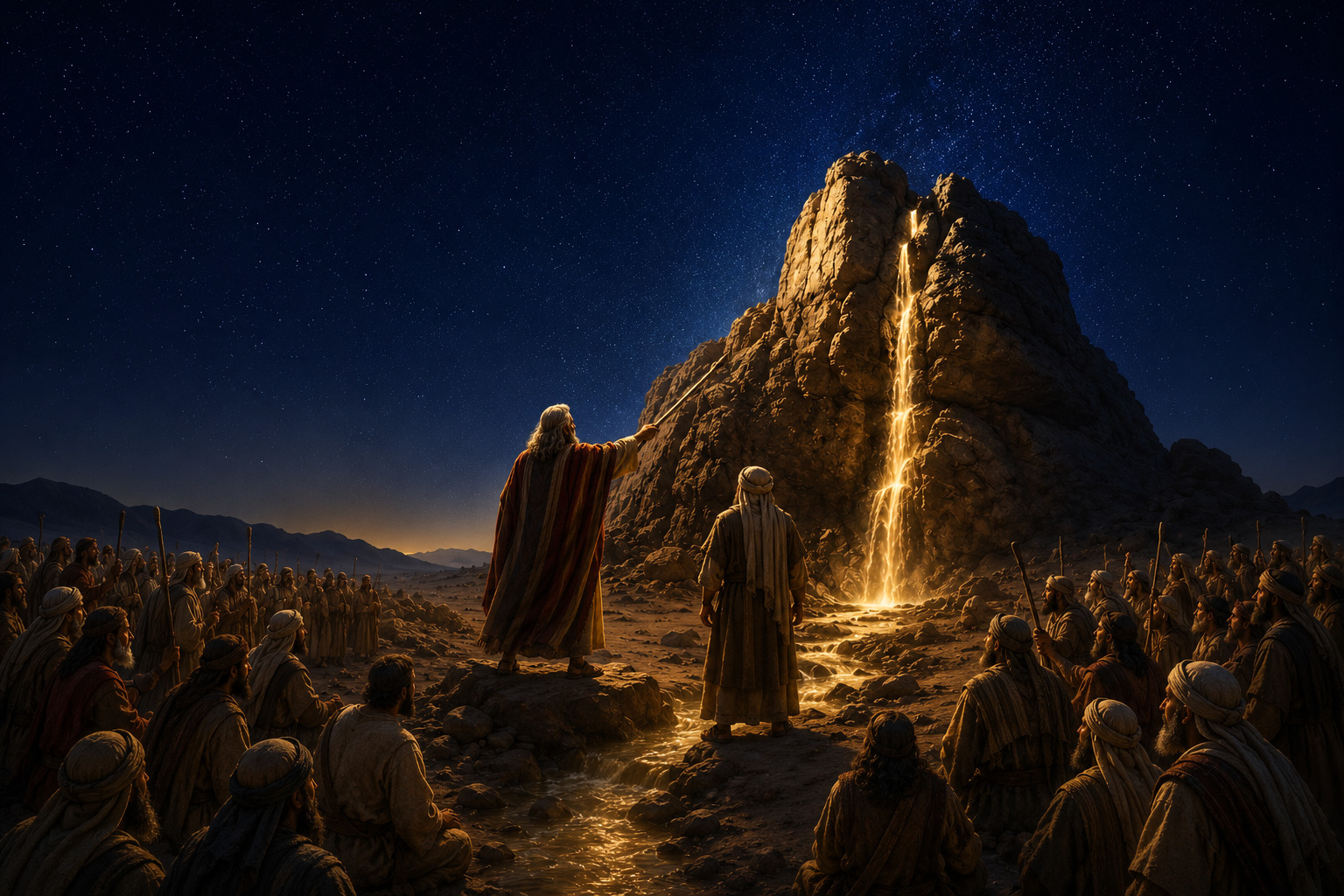
The Waters of Strife
Parashat Chukat opens in the fortieth year: Miriam dies, and at once “there was no water for the congregation” — for the well had been in her merit.
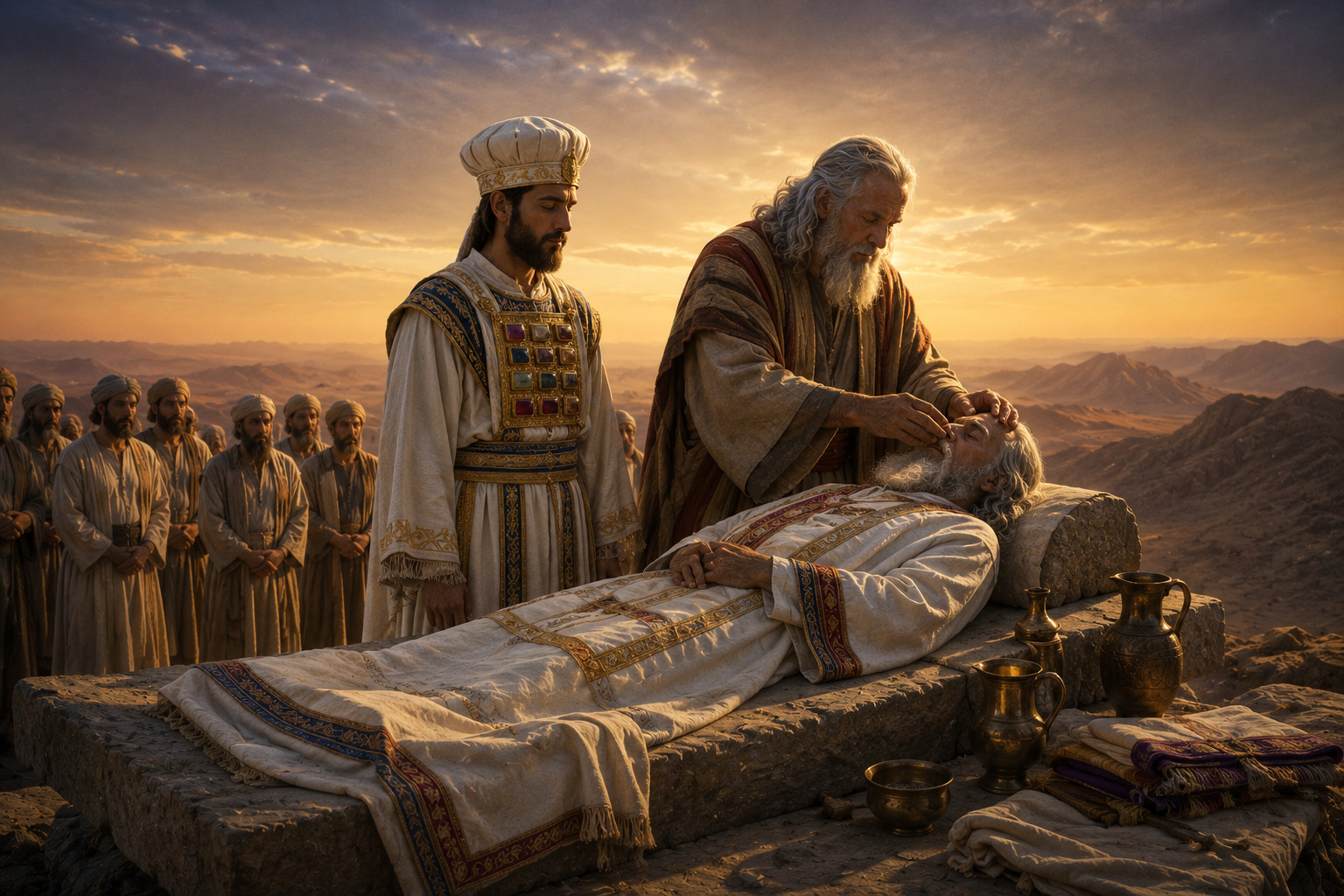
The Passing of Aaron
Aaron dies at Mount Hor, and the Torah tells it twice: in Chukat — with no date, and in Massei — with the exact date: Rosh Chodesh Av, the fortieth year.

The Song of the Well
At the end of Chukat comes the Song of the Well. But first we ask: why was Moshe punished for striking the rock — when in Beshalach he was commanded to strike?
The Red Heifer, the Rock & the Death of Aaron
The red heifer is the supreme chok — a command no logic can reach. The Torah almost never gives reasons, because the one time it did, the wisest man alive bargained with the reason

Moses, Cain and Abel — the Hidden Reincarnation Behind Korah's Rebellion
The humblest man who ever lived would not forgive Korah — he even begged God not to accept the rebels’ prayer. First answer: when Datan and Aviram called Egypt “a land flowing with
Every Name Has Two Sides — Korah, Esau, and the Secret of Peace
Korah’s name is a scandal hiding in plain sight: it first belongs to a chief of Esau (Bereshit 36). How could Levi let his grandson carry an Esau name? Because of shma garim — a na

The Secret of Korah · A Righteous One Shall Flourish — Shiur on Parashat Korah

The Secret of Tzitzit
The tzitzit passage adjoins the spies (“do not scout”) — yet between them is the wood-gatherer on Shabbat. Tanna d’Bei Eliyahu: on weekdays tefillin remind us, on Shabbat there are
How to Stand Alone
The sin of the spies still follows us today. The nation wept on the night of Tisha b’Av — a "weeping for nothing" — and G‑d turned it into a "weeping for generations." Both Temples
“I Have Forgiven As You Said”
The spies returned on the eve of Tisha b’Av — an exact reckoning from the Gemara (Taanit 29): 1 Nissan, 20 Iyar, 29 Sivan, 40 days.
The Secret of the Spies
How did the spies scout the land with no maps and no experience? The Arizal reveals: the souls of the tribes joined the princes through the secret of ibbur.
The 38 Silent Years — What Became of the Generation of the Spies
Chukat leaps straight to the fortieth year (Miriam’s death, Kadesh), but between the sin of the spies (year 2) and here lie 38 years the Torah passes over in near silence. The decr
When G-d Comforts the Overlooked
In the Levite census, the Torah skips Guershon the firstborn and starts with Kehat. Kehat — the middle son — lowers his head: "There's no chance they'll give me the most senior rol
The Secret of the Two Inverted Nuns
20 Iyar 5786 — one year and one month after the Exodus. The cloud lifted from over the Mishkan of the Testimony. The people of Israel finally start moving from Mount Sinai toward t
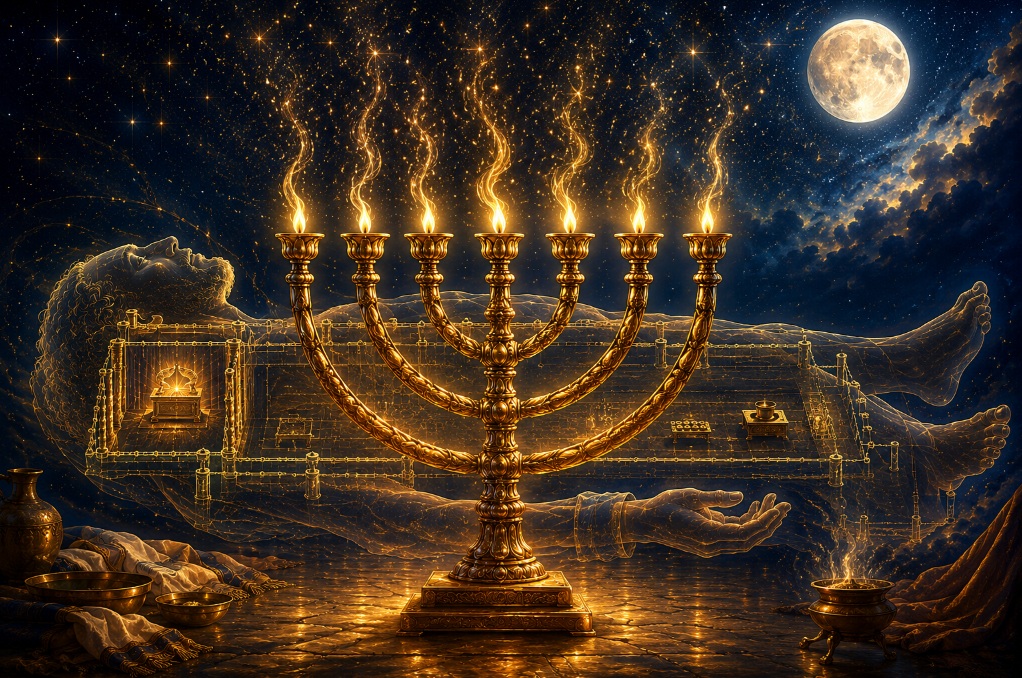
The Secret of the Menorah
"Behaalotcha et ha-nerot" — when you raise the lamps. Not "when you light." Because no one lights a flame — they raise it. The Kohen does not press the wick to the fire. He caresse
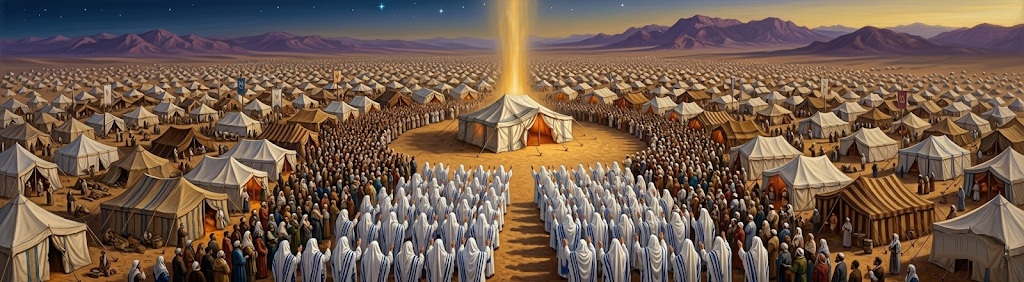

The Hidden Order of Love
Israel kept only one Pessah in the desert — the second-year one. For 38 years, no Pessah, no brit milah. A profound shame. The Torah refuses to open a new book on Israel's disgrace
The Tree of Life Is You: The Secret of Ilan = 91 — Bamidbar — Éditions Gueoula
The subtleties of the Torah and the journeys of the soul
The Torah uses subtleties - variations, inversions, repetitions - each carrying a deep message.
The Mystery of the Broken Vav and the Reincarnation of Souls
🔥 The Heroic Act and Its Mystical Price This study reveals how Pinchas' act of zealousness hides an extraordinary dimension: he literally dies of fear facing 248,000 Simeonites, th
Séfer Vayikra · ויקרא
Leviticus · 21 lessons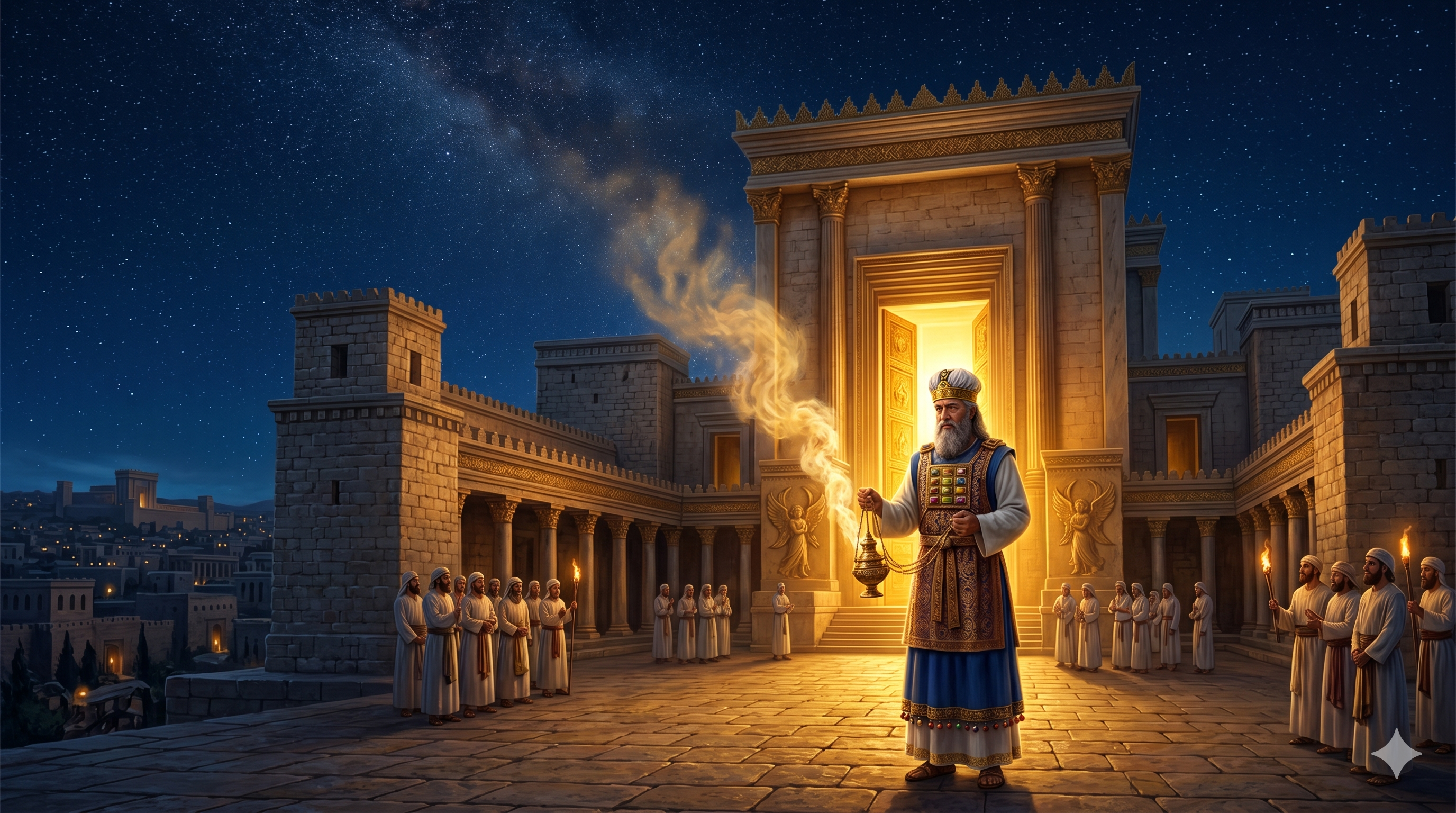
Acharei Mot Kedoshim — The Walnut, Aaron and Holiness
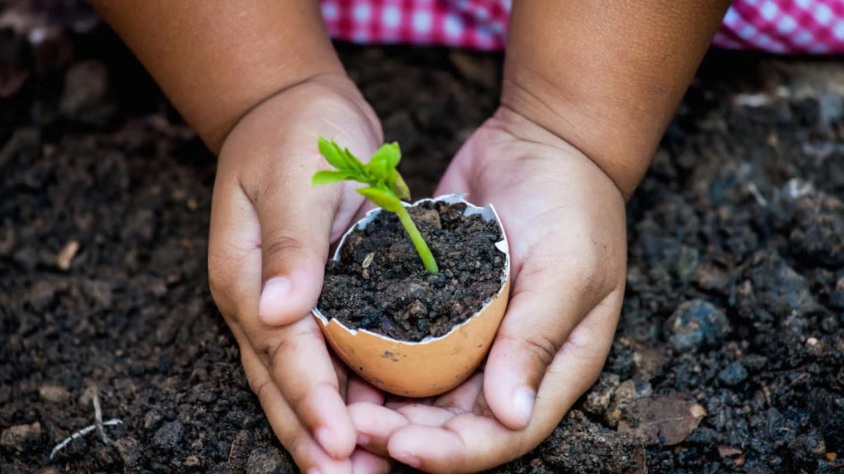
M. Yéhouda Himi · Aaron could enter the Holy of Holies at any time. The Land is a living body — it vomits the impure. Rashi: the prince parable. Love your neighbor as yourself. 24,000 students and five who repaired them. The Walnut in the mud — you are already holy.

The Letter Jacob Took Hostage
Five times in the Torah, the name Yaakov is written with an extra vav. And five times the name Eliyah is written missing one. Why?
The Hidden Festivals
The doubling “Emor… Ve’amarta” teaches that the adults are responsible for the children. Rashi says “warn the adults about the little ones” — not merely speaking to a child, but ed


Why Your Mother Comes First
After Death — Holy — Speak · The Half-Coin Code
After Death — Holy — Speak: The Half-Coin Code in Parashat Emor
The Torah always lists the structurally weaker party first — the mother in verses about fear, the father in verses about honor.
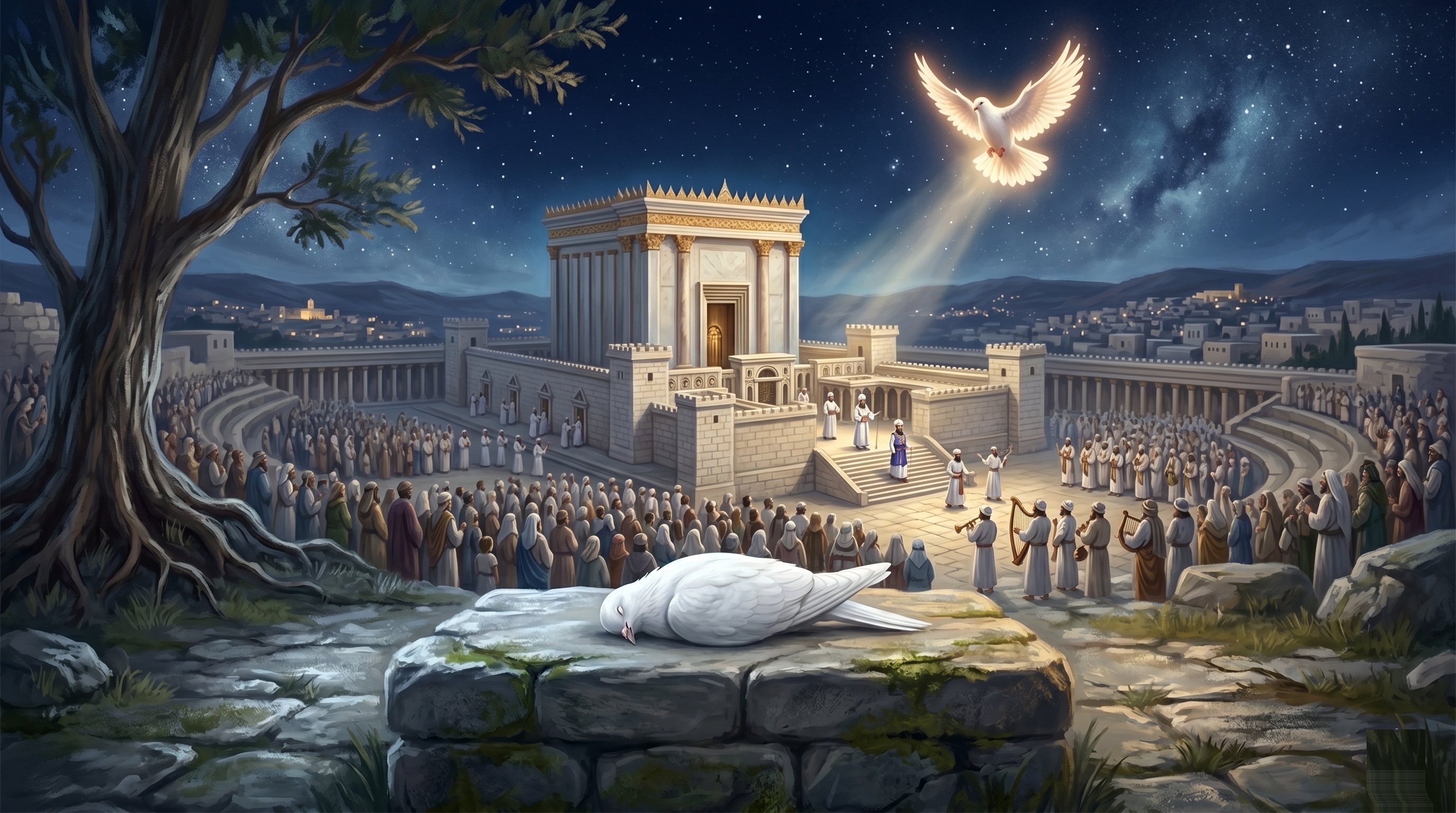
The Living Bird
What secret is hidden inside the plague of houses? Two birds, two Messiahs, and the prophecy of the Third Temple.
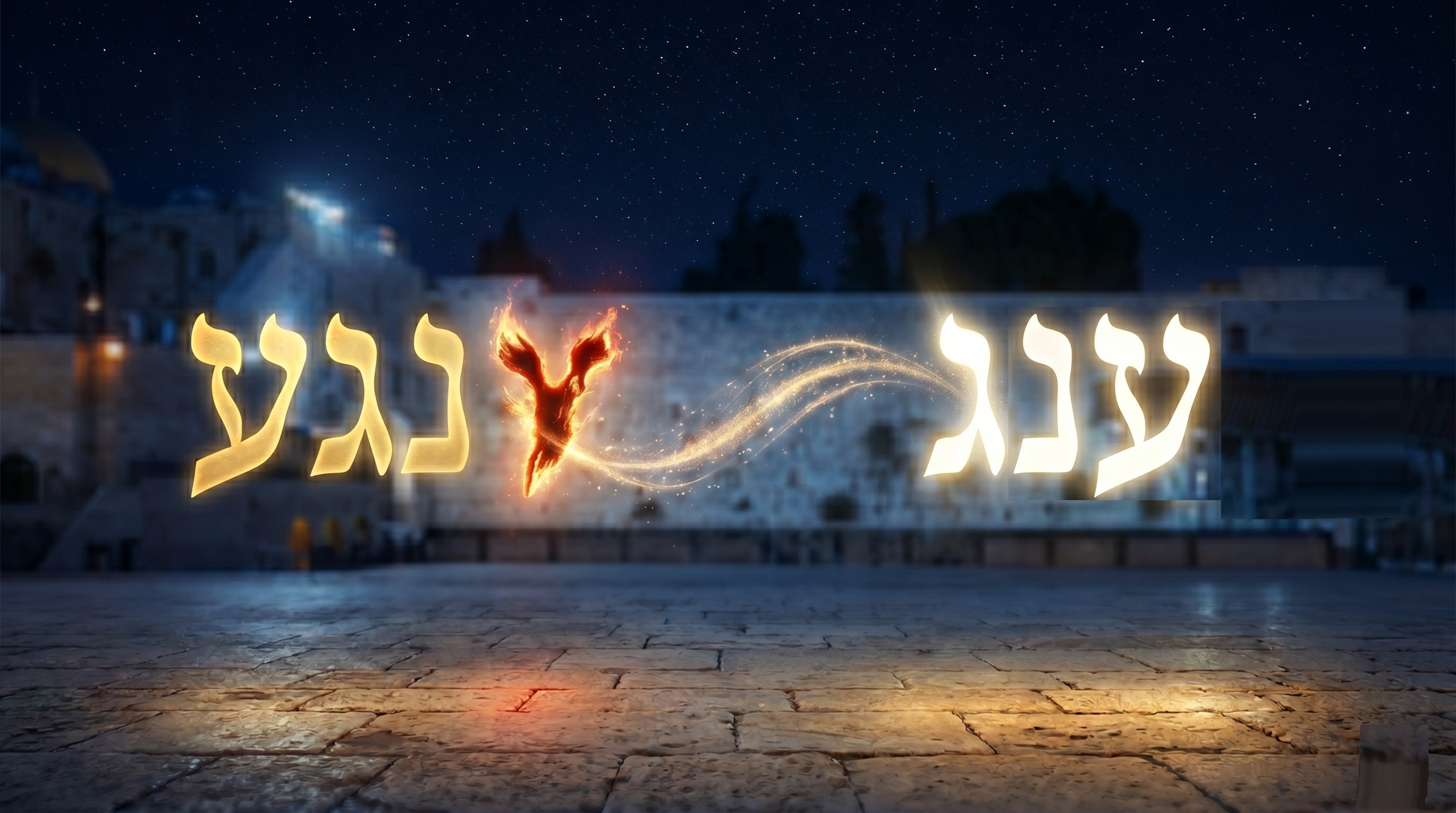
Negah → Oneg: The Power of Speech
The same letters. Two different worlds. Everything depends on where you place the Ayin — and on you.
What Comes Out of the Mouth — and What Goes In
Tazria: guard what you say. Shemini: guard what you eat. The same mouth. The same gate.
The Woman Called Chaya
40 days or 80 — why? Nega and Oneg. The Kohen who is only a mirror.
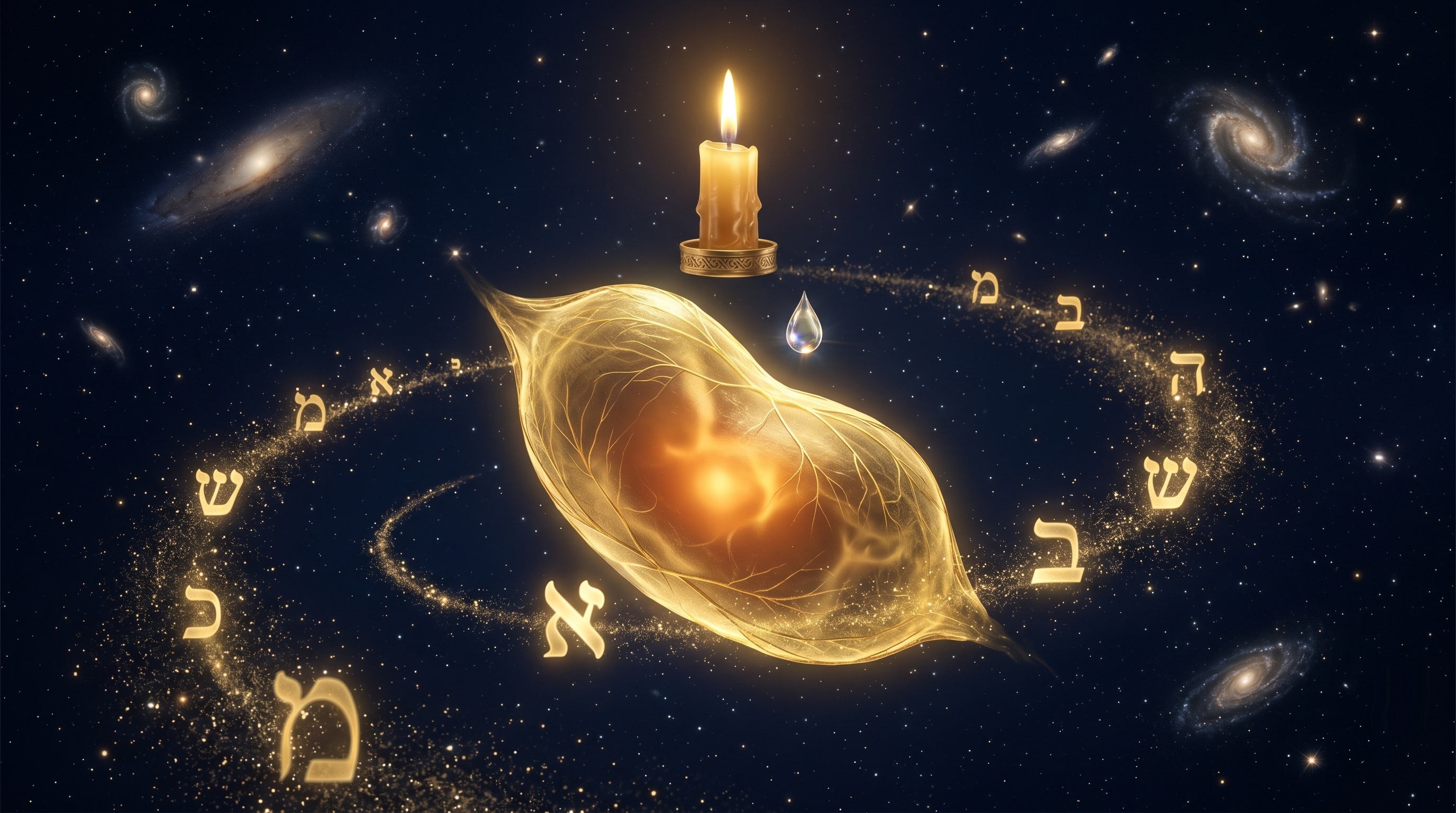
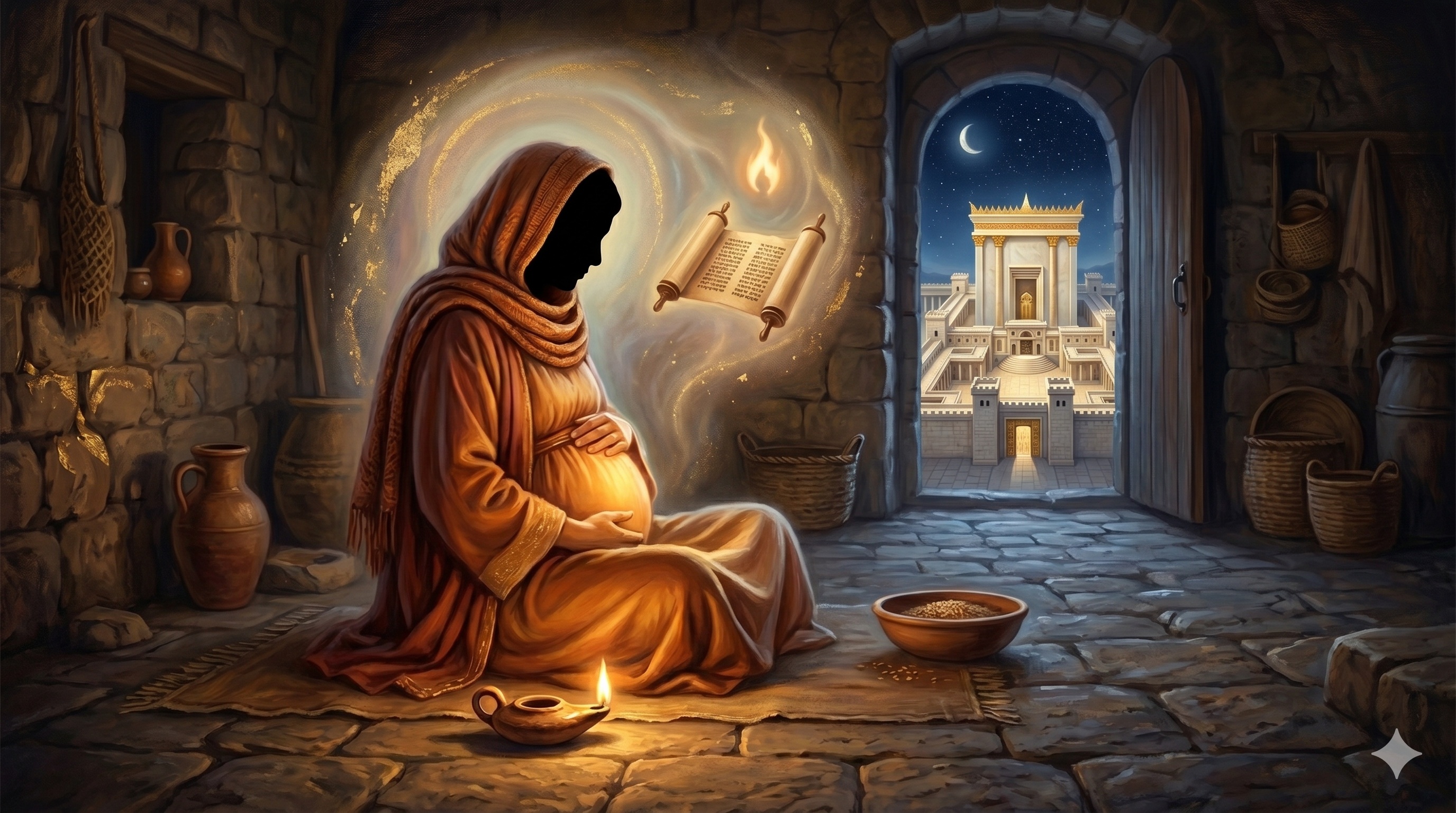
Born Into Forgetting
Why is Vayikra the new Genesis? What does a soul experience in the womb — and why does a newborn cry?
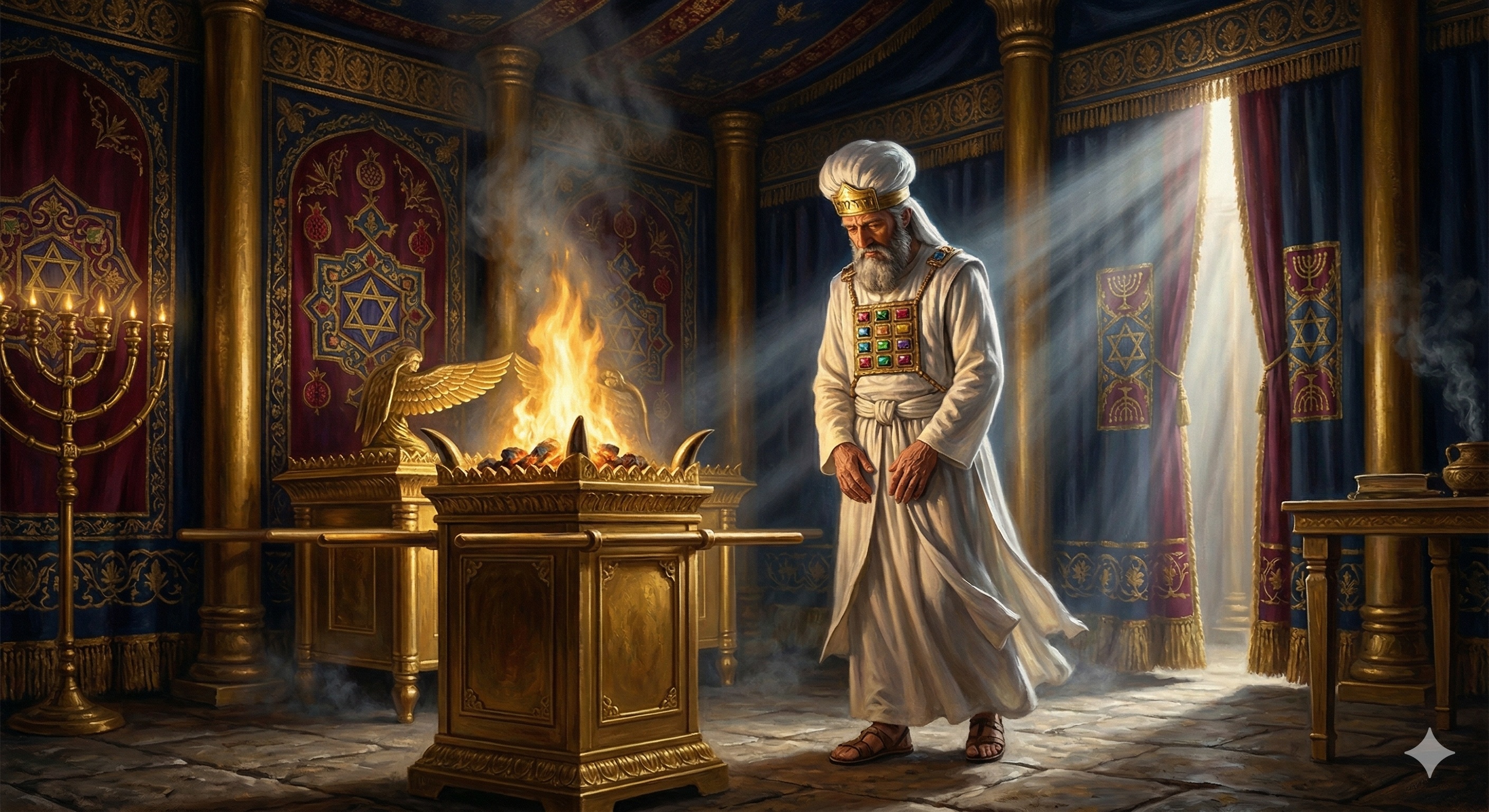
The Chosen Servant
Why did Aaron hesitate before the altar? The spider’s web, the golden calf, and the Name hidden inside every mitzva.
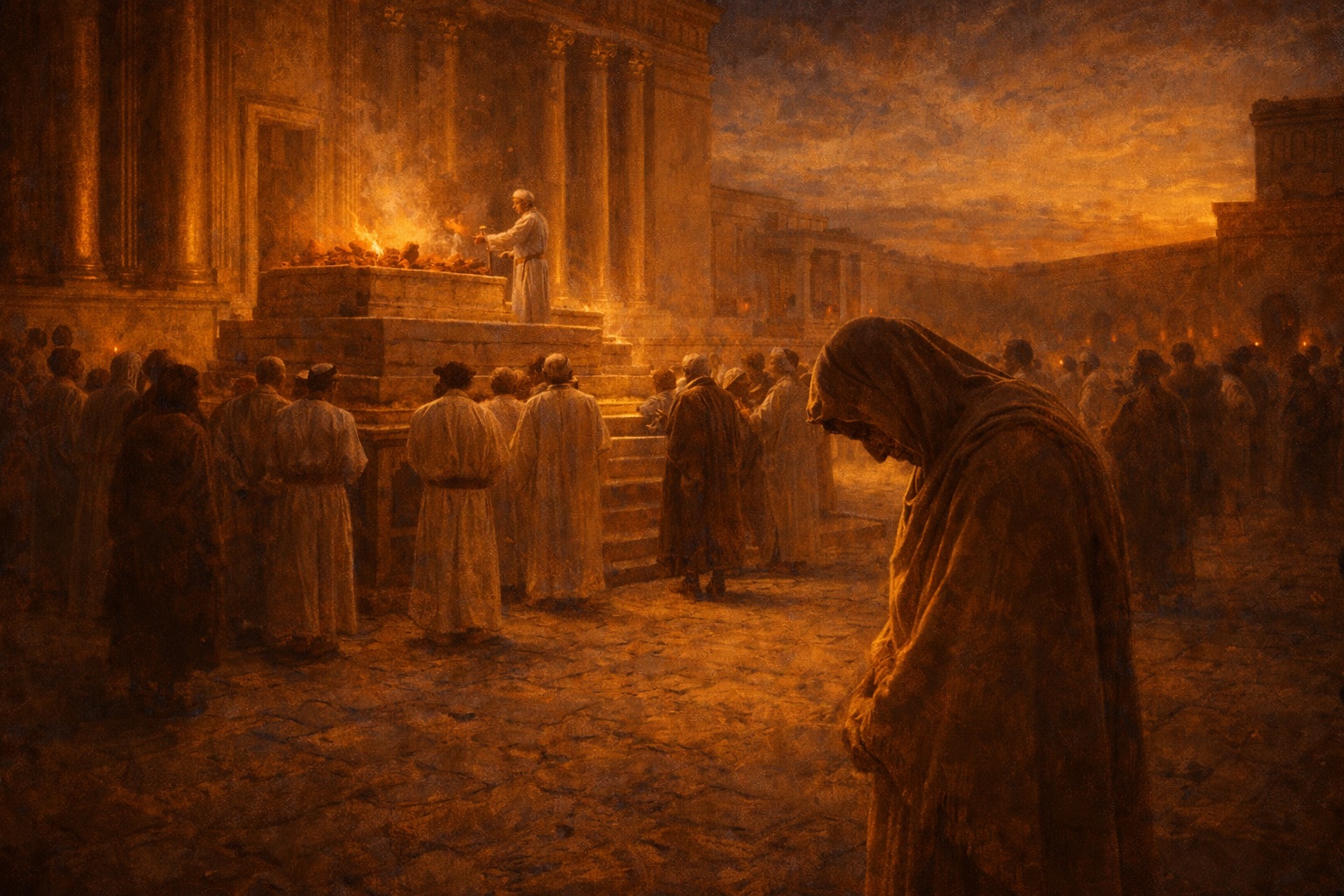
Zot Torat HaChatat — This Is the Law of Dignity
Why must the chatat be slaughtered in the same place as the olah? And why did Israel go 38 years without bringing any korbanot? Two questions — one astonishing answer
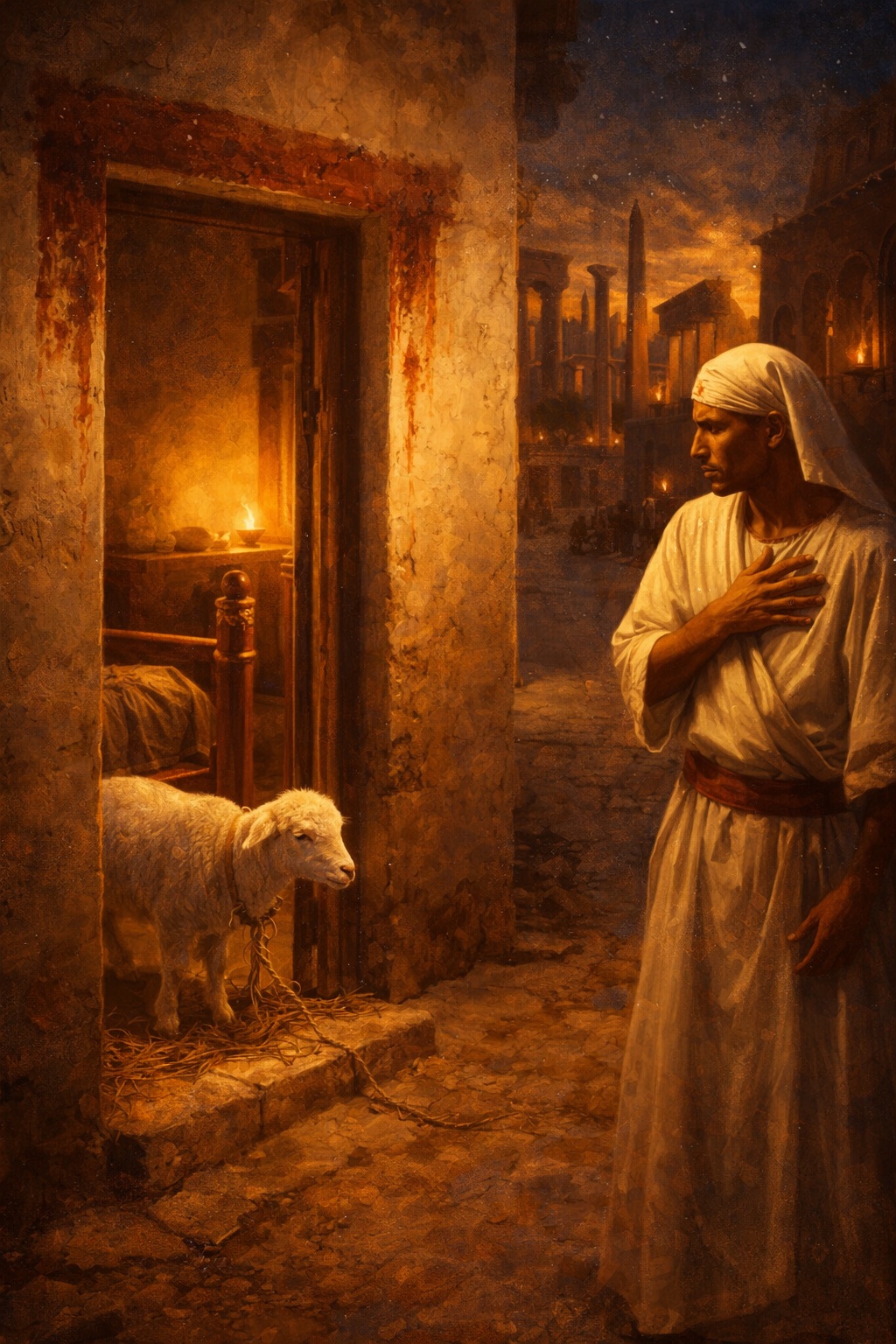
Two Directions of the Exodus
The Shabbat before Pesach is called Shabbat HaGadol — for three reasons: Halakha (the rav reads the maftir), the Haftarah ("the great day of God"), and above all the great miracle:
The Covenant That Binds Us to the Land
Why did Israel not perform brit milah for 38 years in the desert? And what does circumcision have to do with our right to the Land of Israel? A shiur that changes how you understan
Two Directions of the Exodus
Leaving Egypt — and getting Egypt out of yourself
Draw Me After You
All the Jewish holidays hidden in one verse — and why Israel needed mitzvot if God already promised Avraham

The Small Alef — The Humility of Moses
Why is the Alef in Vayikra written small in the Torah scroll? And what does the assembly of the Mishkan have to do with an invitation to enter?

The Sacrifice Within
Parashat Vayikra was taught on Rosh Chodesh Nissan — the day the Mishkan was raised, the month Isaac was born and Israel left Egypt. The opening verse hides a message: "a person wh
Two Directions of the Exodus
Leaving Egypt — and getting Egypt out of yourself
Séfer Shemot · שמות
Exodus · 50 lessons
Vayakhel-Pekoudei — Le Michkan : Prévu ou Improvisation ?ויקהל-פקודי — הַמִּשְׁכָּן: לְכַתְּחִלָּה אוֹ בְּדִיעֲבַד?
M. Yéhouda Himi · Les miroirs des femmes, Betsal'el = « בְּצֵל אֵל », les mots du péché devenus mots de réparation
🌐 Read
Vayakhel — La Brisure des Tablesויקהל — שבירת הלוחות — יסוד התשובה
M. Yéhouda Himi · Les trois montées au Sinaï, le miracle du Samekh et Mem, les 1000 lumières de l'Arizal et comment Moïse sauva Israël
🌐 Read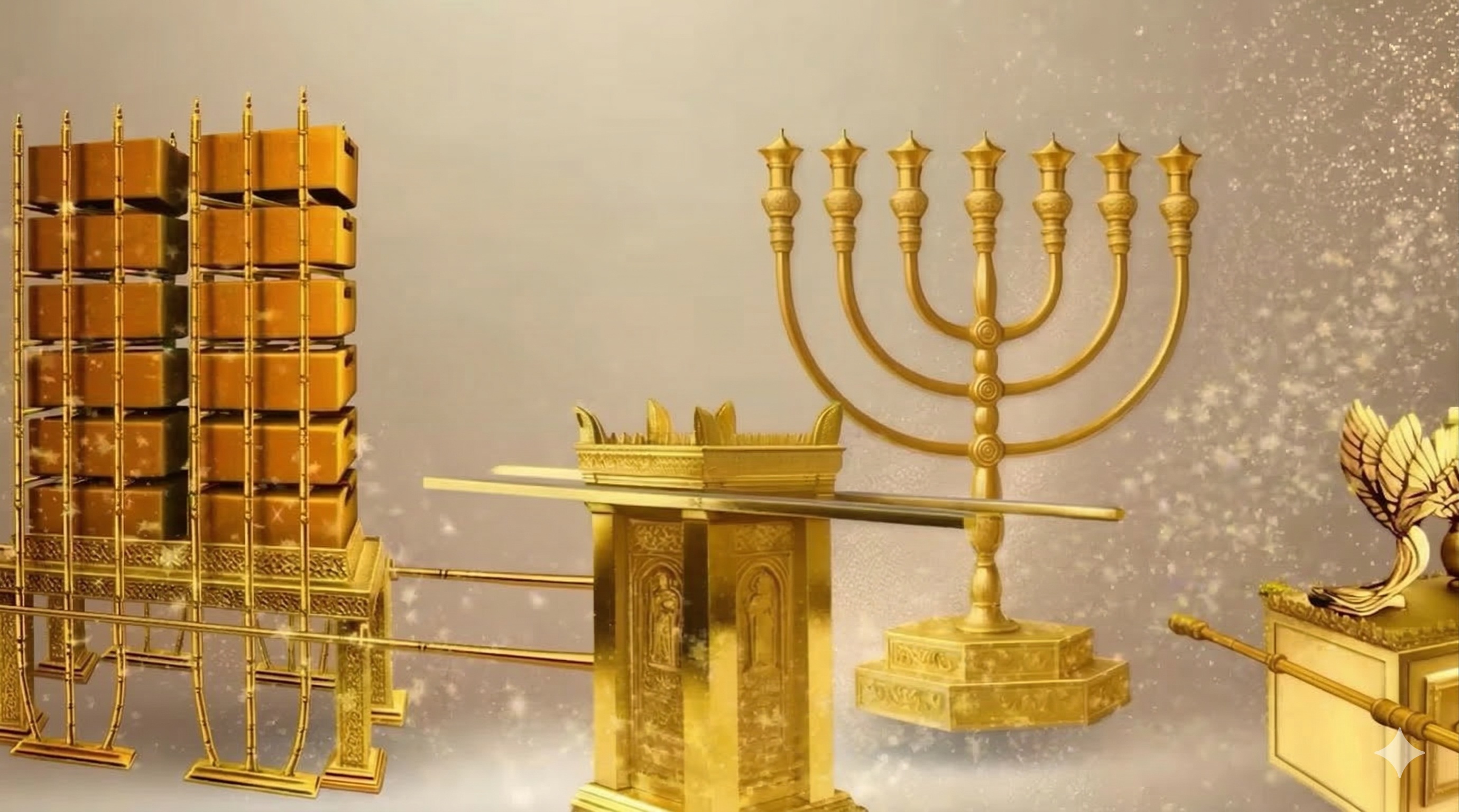
Vayakhel — Le Michkan, Miroir de la Créationויקהל — המשכן כנגד בריאת העולם
M. Yéhouda Himi · Pourquoi Chabbat avant le Michkan ? « עסקים כרגיל » — le parallèle mot à mot avec Térouma, et la triple correspondance Michkan / Bérechit
🌐 Read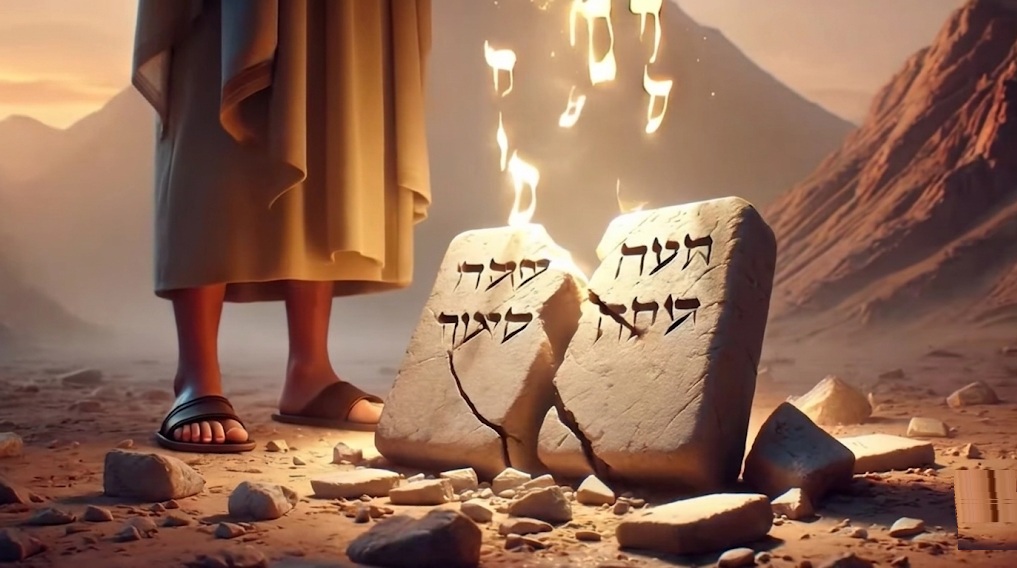
Ki Tissa — Kesher Tefilinכי תשא — קשר תפילין — סוד ההנהגה
M. Yéhouda Himi · Le nœud des Tefilin révèle la Providence Divine : comment les nations rapprochent malgré elles Israël de la Rédemption
🌐 Read
Ki Tissa — Karnei Hodכי תשא — קרני הוד — אור פני משה
M. Yéhouda Himi · Qui a écrit les secondes Tables ? Le voile de Moché et la lumière transmise à travers les âges
🌐 Read
Pourim — Le Secret de l'Unitéפורים — סוד האחדות
M. Yéhouda Himi · 'Harbona = Éliyahou, Kiymou véKibel, Amalek = Safek, Kippourim = KéPourim
🌐 Read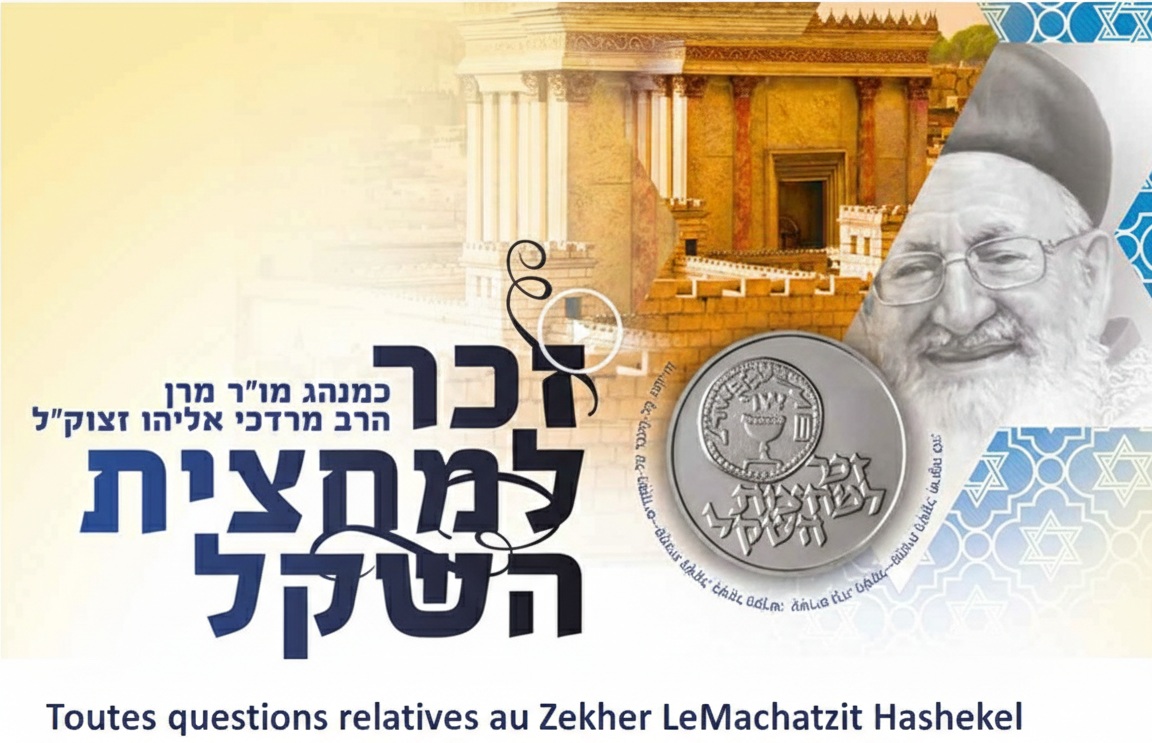
מַחֲצִית הַשֶּׁקֶל — Pourquoi la Torah ne demande qu'une moitié ?שמות ל:טו — Ki Tissa
מחצית → חמתי · בצלם אלקים · מזלך · מעשר · בראכה
🌐 Read

Les 10 Preuves Toraniquesעֶשֶׂר הָרְאָיוֹת הַתּוֹרָנִיּוֹת
🌐 Read
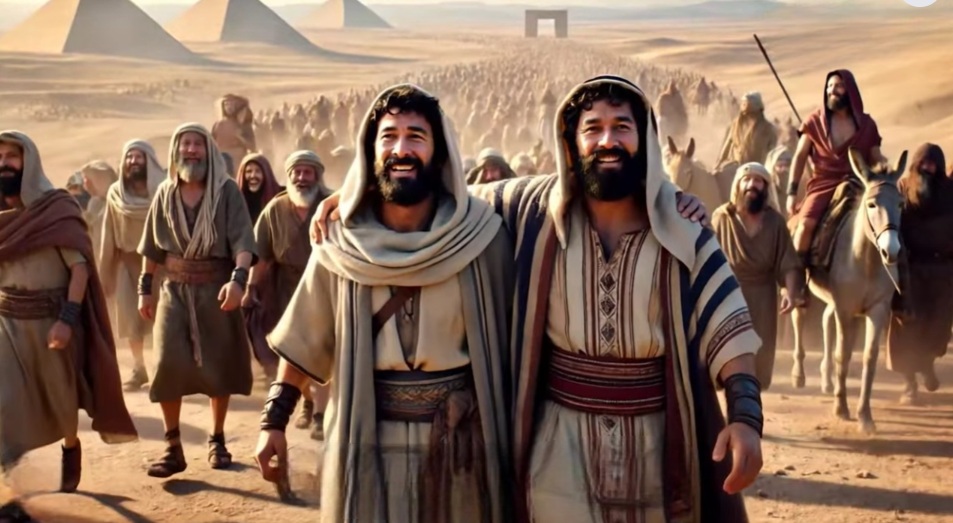
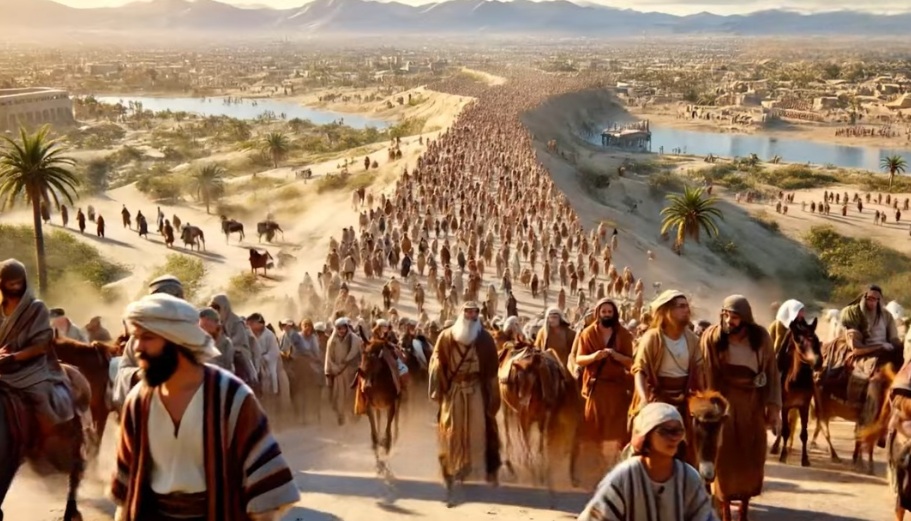
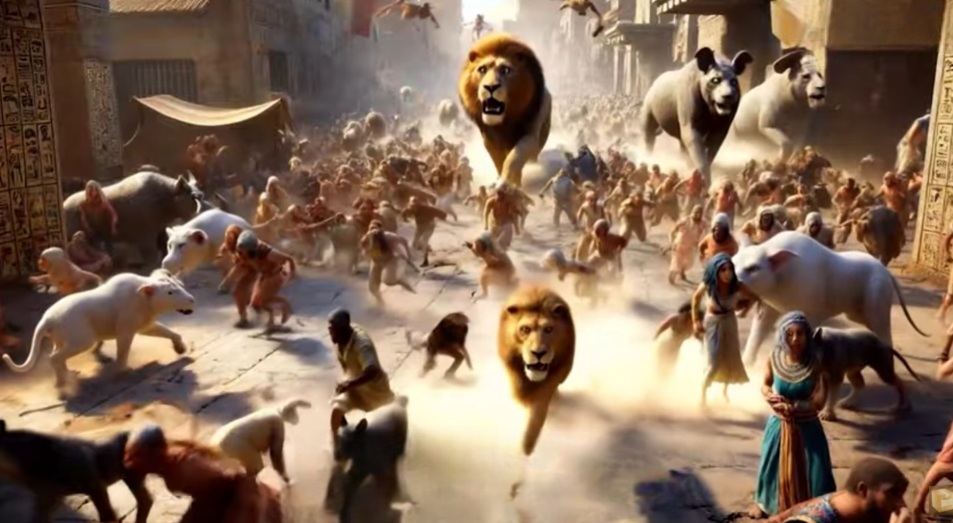
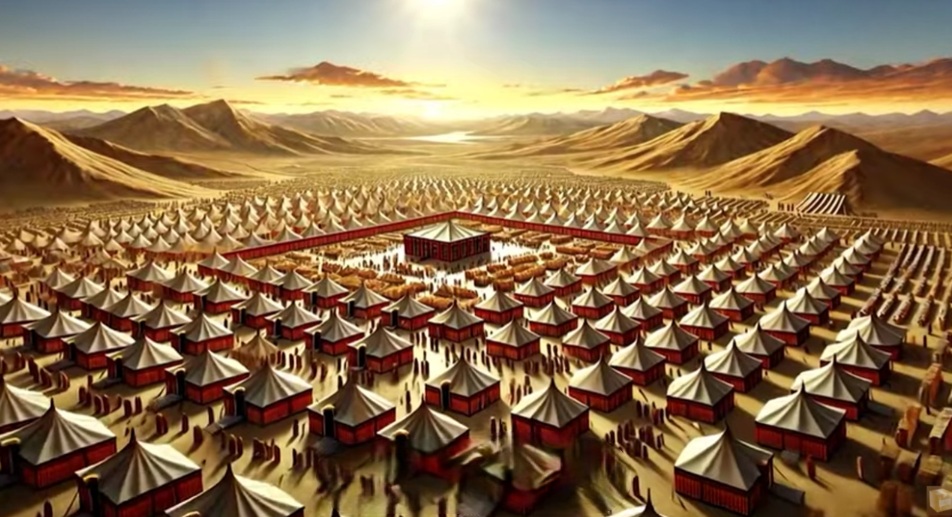

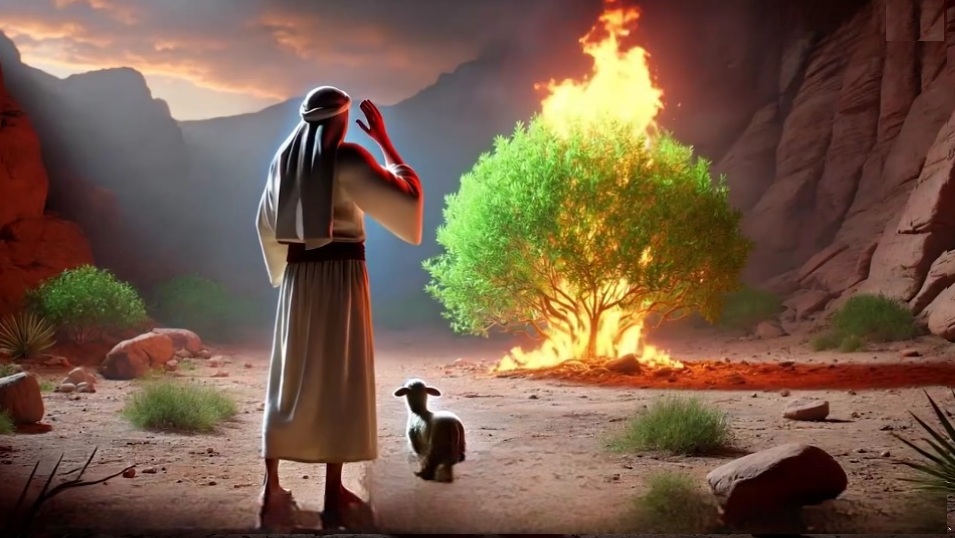

La Mitsvah dispense d'une autre Mitsvahהָעוֹסֵק בְּמִצְוָה פָּטוּר מִן הַמִּצְוָה
Le paradoxe d'Abraham
🌐 Read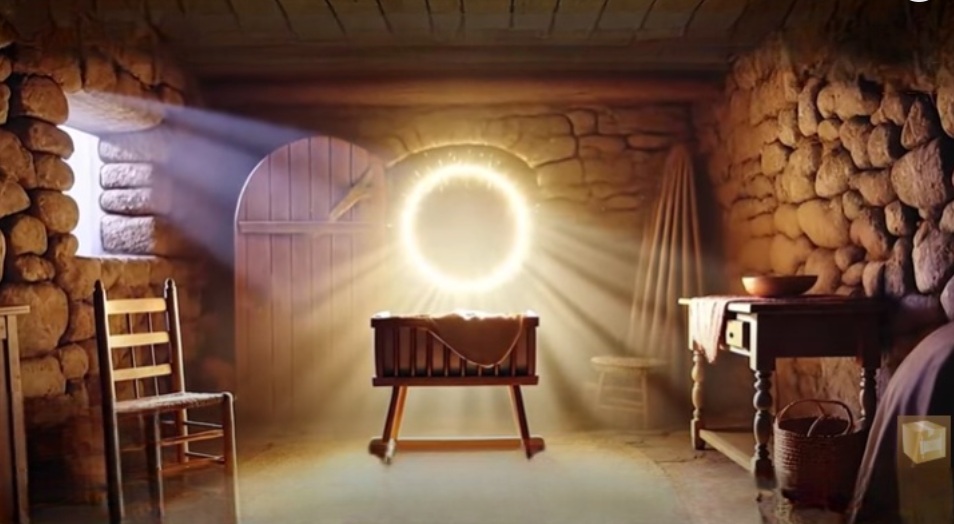
שמות — La Chékhina en Exilהשכינה בגלות
🌐 Read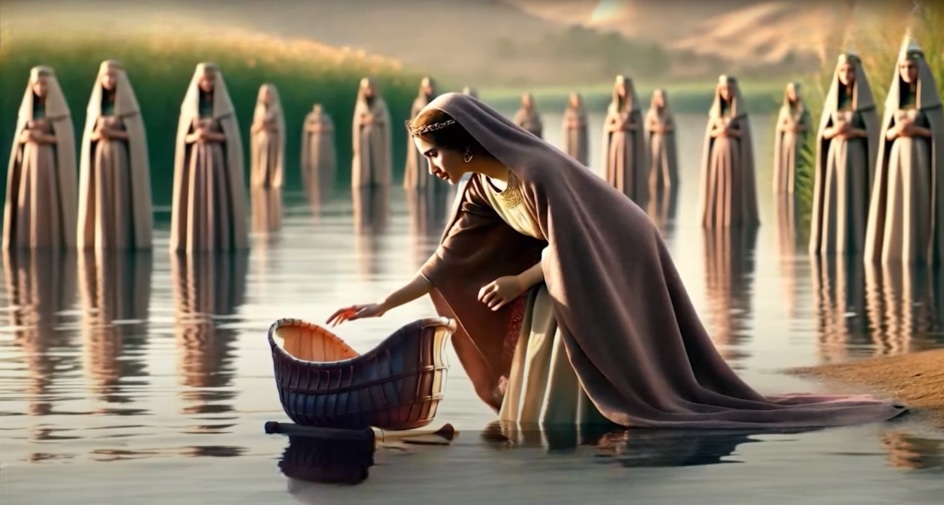
שמות — Les Maisons d'Israëlבָּתֵּי יִשְׂרָאֵל
🌐 ReadHow a sin became the eternal foundation of all repentance
Vayakhel occurs the day after Yom Kippur: the gathering of Torah repairs the gathering of the Golden Calf.
Why did Moshe shatter the gift of God? And how did a sin become the eternal basis of all repentance?
Vayakhel takes place the day after Yom Kippur; the gathering of Torah repairs the gathering of the Golden Calf sin.
An original divine plan or a repair for the Golden Calf — and the secret of the women's mirrors.
Shabbat HaHodesh opens the month of Nissan: « in Nissan they were redeemed, in Nissan they will be redeemed again ».
Shabbat, forgiveness, and the return of the Divine Presence
Shabbat precedes the Mishkan to teach that its construction never overrides Shabbat, the source of the 39 forbidden labors.
Three secrets of Ki Tissa: who wrote the tablets, what karan truly means, and the mystery of the veil.
It was G-d — not Moses — who engraved the Ten Words on both the first and the second tablets; for the second, Moses only brought the stones.
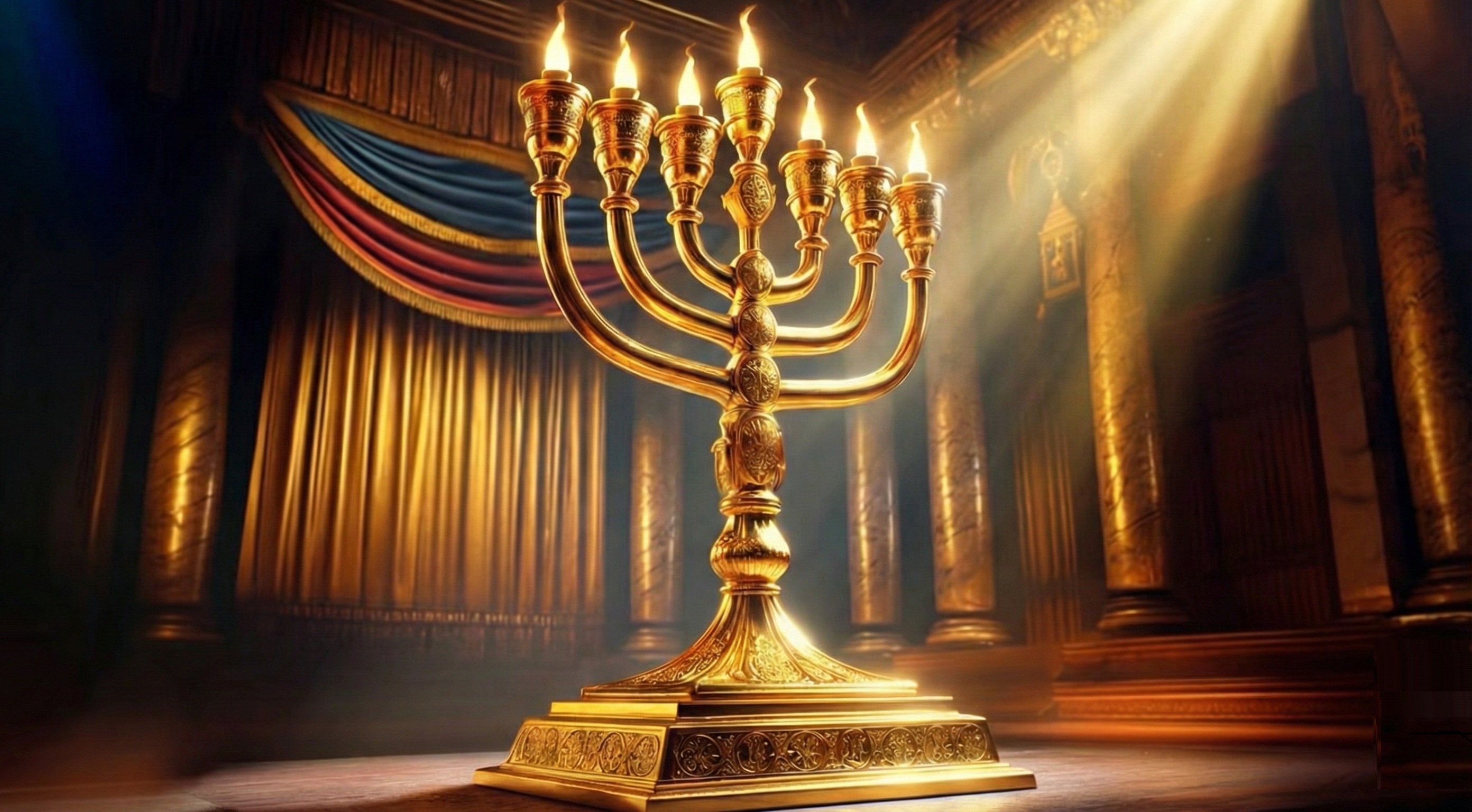
Why Moshe's name vanishes from Tetzaveh — the secret of the 7th of Adar and self-sacrifice
Tetzaveh is the only Paracha, since Shemot, in which Moshe's name does not appear.
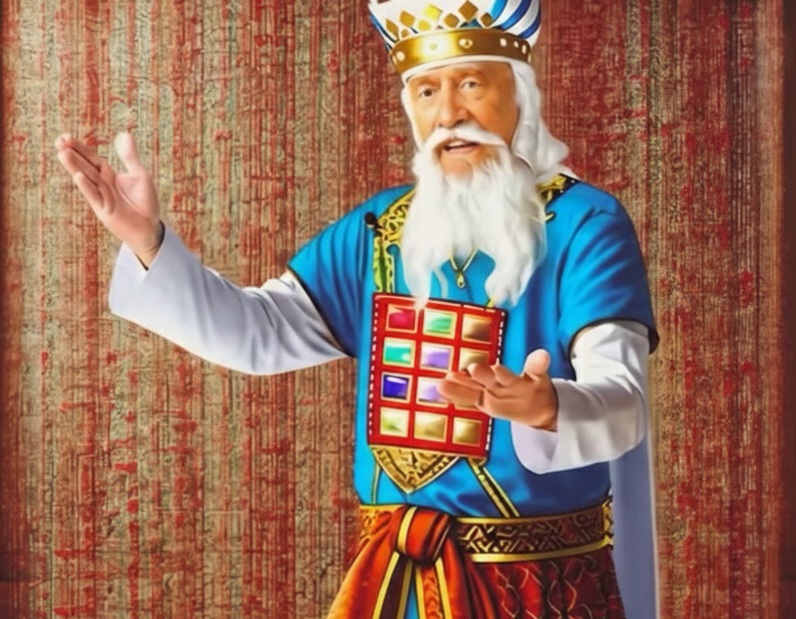
The Atbash code, the Mishkan within us, and why the Kohen must carry the pomegranates
The word Mitzva comes from "joining the team": every Mitzva binds the Jew to Hashem, and the Atbash code turns מצווה into the Name י-ה-ו-ה.
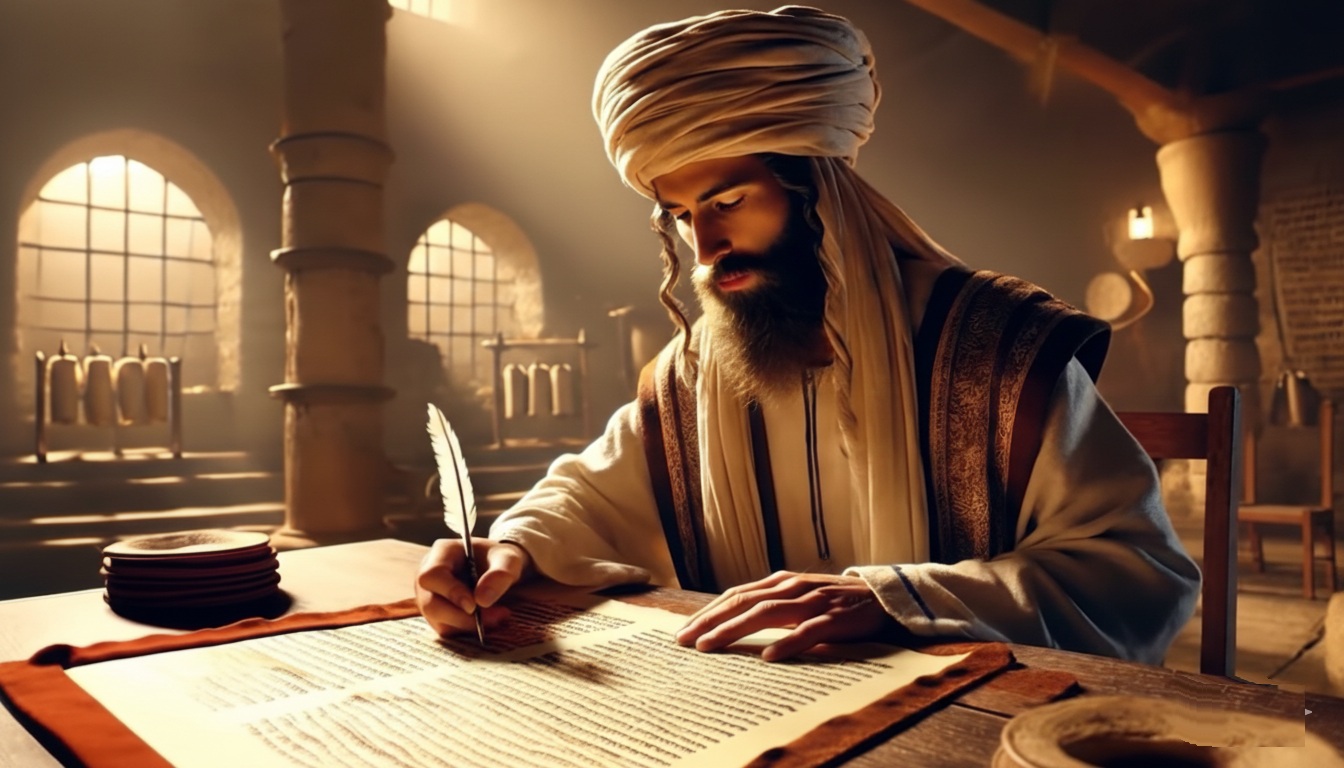
The incense that binds Heaven and Earth and reveals the Shechina
The Mizbeach HaKetoret is absent from Teruma and appears only at the end of Tetzaveh: not an oversight but a secret.
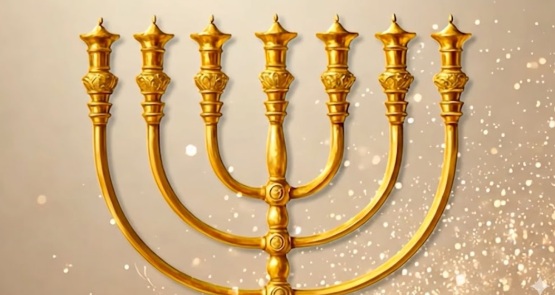
The Mishkan is the body of man, the Menorah is its soul
Adar's true joy is increasing Torah study — the exact opposite of Av's mourning, when we study less.

The Tachash, Yaakov Avinu, and the hidden color of humility
The joy of Adar is above all the joy of Torah, the source of every true gladness of heart.
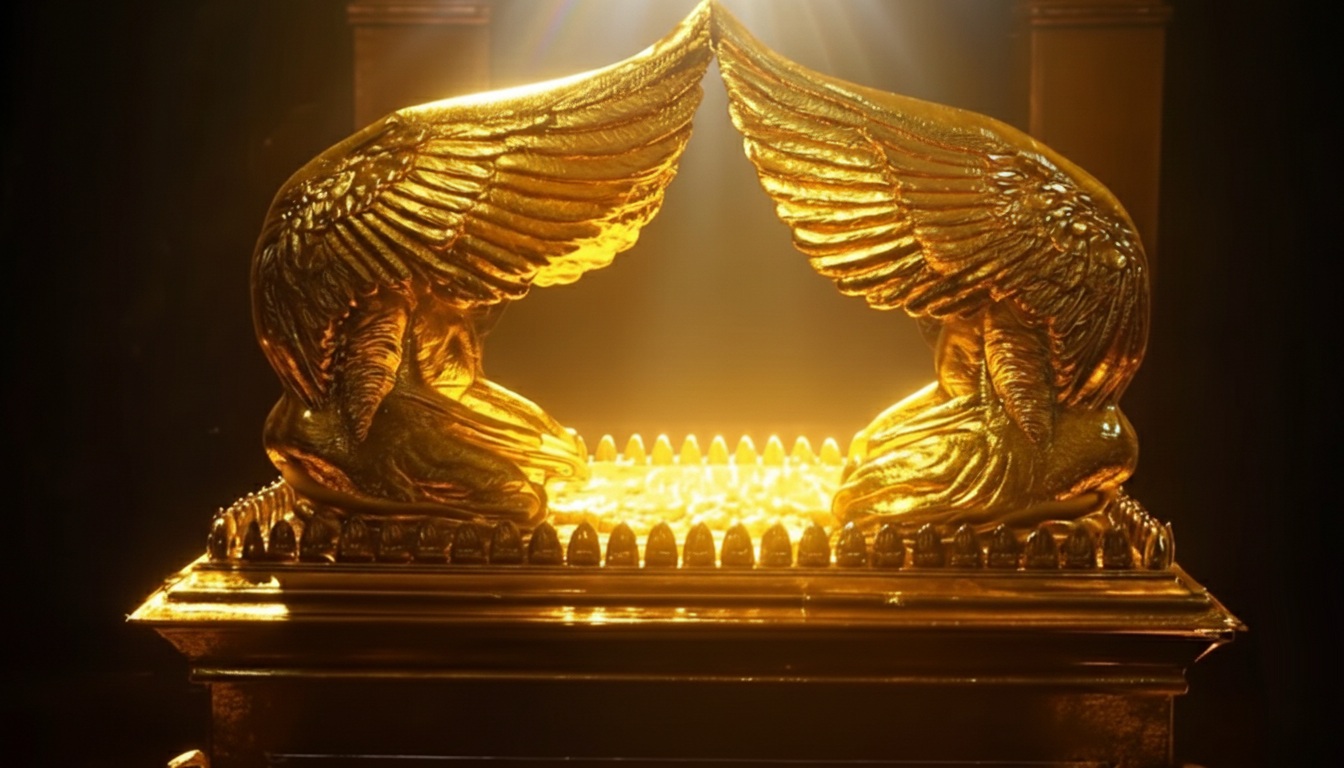
Humility, broken measures and the treasure hidden beneath the Har HaBayit
The name "Aron" contains "Or" (light): it captures the Divine Light between the Keruvim and links it to the Earth.
Why is the sky blue? The Livnat HaSapir beneath the Throne and the eternal memory of Israel
The Vav of "וְאֵלֶּה" links the Mishpatim to the Ten Commandments: the civil laws come from Sinai and share the same holiness as all of Torah.

The Oral Torah, preserved humanity, and the angel Michael
The Written Torah is an encrypted code: without the Oral Torah we reach misreadings.
Humility, the thread through all of Parashat Yitro — from Moshe the waiter to the altar of earth.
Humility (Anava) is the thread running through all of Parashat Yitro, from the first verse to the last.
The secret of the first of the Ten Commandments and Israel's eternal spark
The first word of the Ten Commandments, "Anokhi," is an acronym: "Ana Nafshi Ktavit Yahavit" — God wrote His soul and gave it to us.
The secret of Jewish education through the five senses and Ma'amad Har Sinai
The Tunisian Séoudat Yitro places children at the center of a festive meal, born from an epidemic that ceased just before Parashat Yitro.
Leaving Egypt in stages: segulah, trust, and inner liberation
When Beshalach falls on a Tuesday, reading the Manna Portion (Shemot 16:4-36) as Shnayim Mikra Ve'echad Targum is a segulah for livelihood.
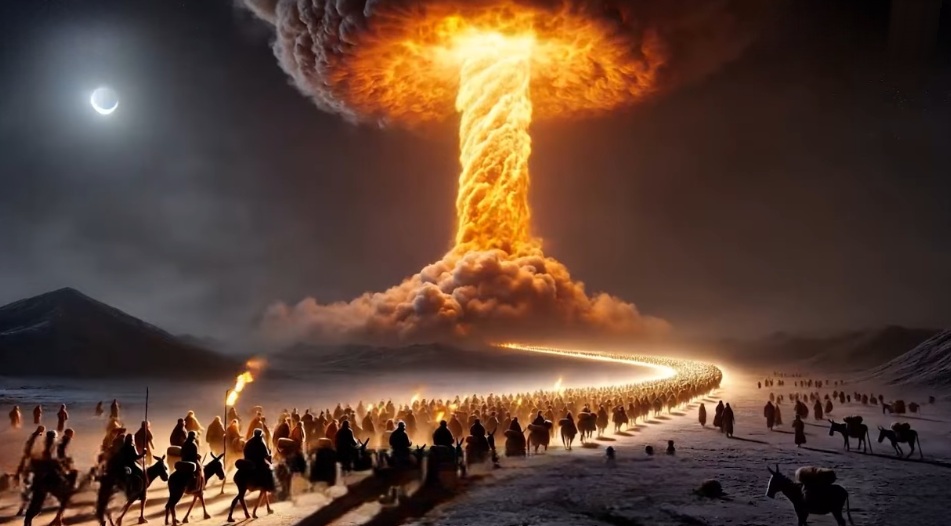
The self-effacement of the righteous, Pharaoh's downfall, and the spoils of the sea
The righteous efface themselves — "What are we?" — while Pharaoh and Hiram exalt themselves; humility is what God cherishes in Israel.
From Pharaoh's hidden code to the Tefillin on the nape
Hashem says "Bo" (come), not "Lekh" (go), because He accompanies Moshe to confront Pharaoh's celestial root — the Tanin Hagadol, the primordial serpent.
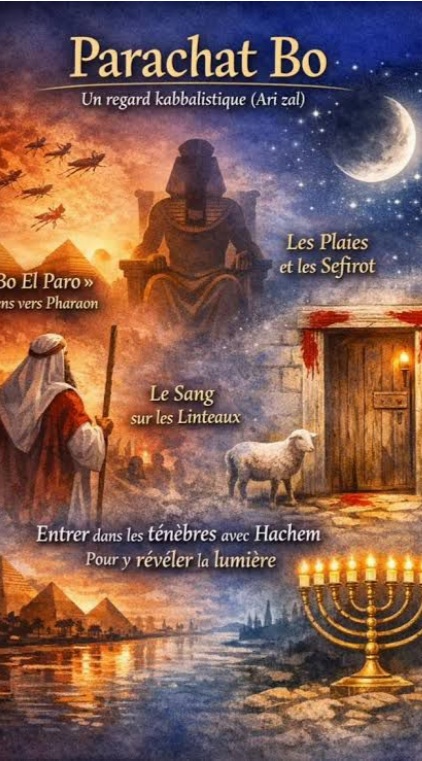
Why "Armies of Hashem"? The secret of חרות, the scattered sparks and the true meaning of בני חורין
The Torah calls those leaving Egypt "armies of Hashem" (צִבְאוֹת ה׳) rather than "children of Israel": a secret hides behind this term.
How Moses turned Strict Justice into Mercy, and the secret of absolute humility
The opening verse combines "Vayedaber Elohim" (harsh speech, Justice) with "Vayomer Ani Hashem" (soft speech, Mercy).
The secret of the 5th language, Eliyahu's cup and the 5th son
Parashat Vaera states 4 languages of Geulah (וְהוֹצֵאתִי, וְהִצַּלְתִּי, וְגָאַלְתִּי, וְלָקַחְתִּי), matched by the 4 cups of the Seder.
From the Ten Plagues to gratitude: from the inanimate to the knowledge of Hashem
Aharon, not Moshe, strikes the Nile and the earth in the first three plagues, out of Hakarat Hatov: one does not raise a hand against what did one a kindness.
The secret of the "Batim" and Pharaoh's hidden intention
The two "midwives" Shifra and Puah are in fact Yocheved and Miriam, named by their role.
The hidden ה of the Divine Name and the light Batya saw in the basket
Yocheved gave birth prematurely at six months: the three months of hiding completed the nine, fooling the Egyptians.
Shemot 16:4-36 — Parashat Beshalach
It is an ancestral segula to read, on the Tuesday of Parashat Beshalach, the account of the Manna (Shemot 16:4-36) for Parnassa.
Séfer Bereshit · בראשית
Genesis · 53 lessons
Le Secret du Premier Motסוד המילה הראשונה
🌐 Read
Jacob et Joseph : Une Même Âmeיעקב ויוסף: נשמה אחת
🌐 Read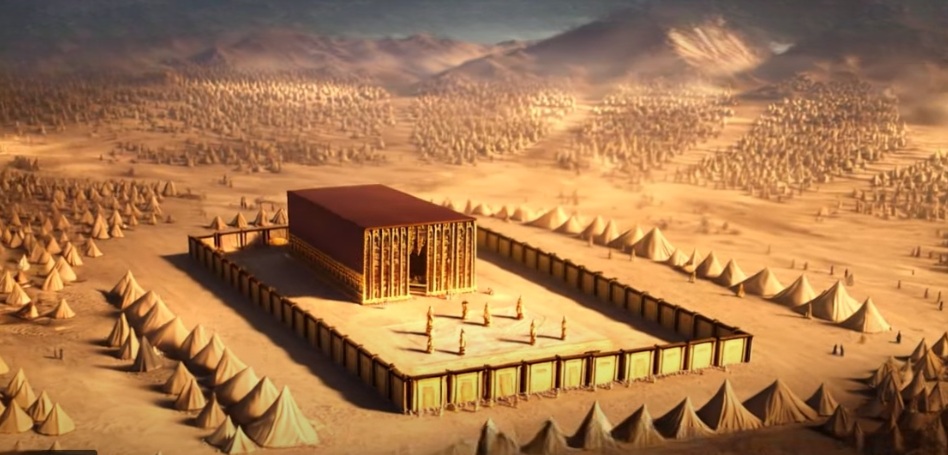
Les 70 Âmes et le Michkanשבעים הנפש והמשכן
🌐 Read
Le Calendrier Juifהַלּוּחַ הָעִבְרִי
🌐 Read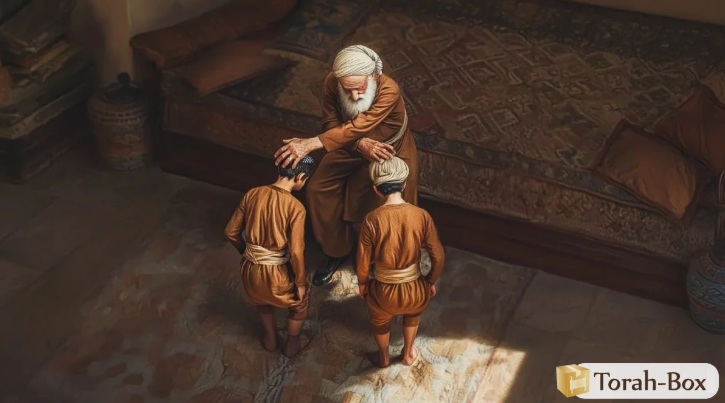
Yossef et la Paixיוסף והשלום
🌐 Read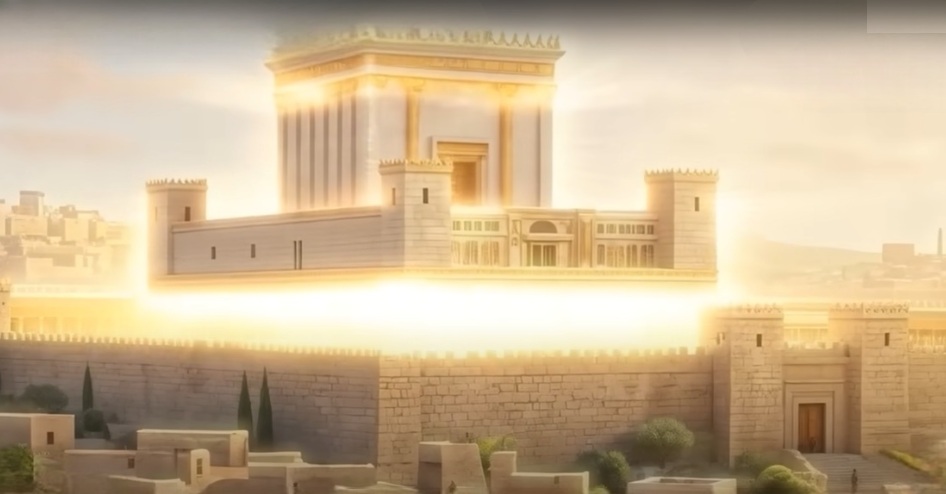
Les Deux Bâtons et la Réunification d'Israëlשני העצים ואיחוד ישראל
🌐 Read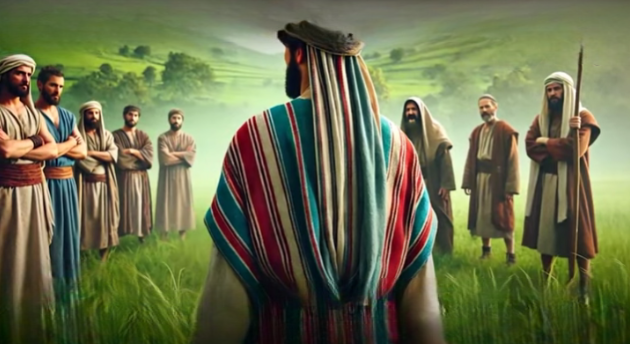
Parashat Vayeshevפרשת וישב
Joseph et ses frères : jalousie, rêves et destinée.
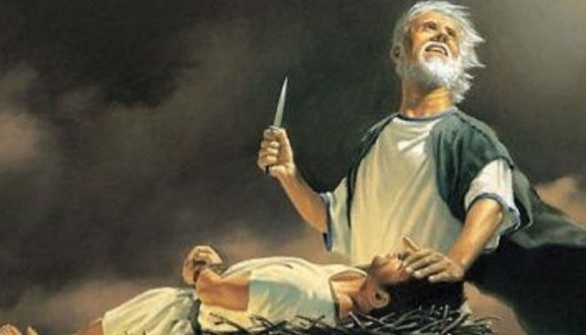
Réparer maintenant ou attendre 6000 ansהעקדה: לתקן את העולם מיד או לחכות 6000 שנה?
Akédat Yits'hak
🌐 Read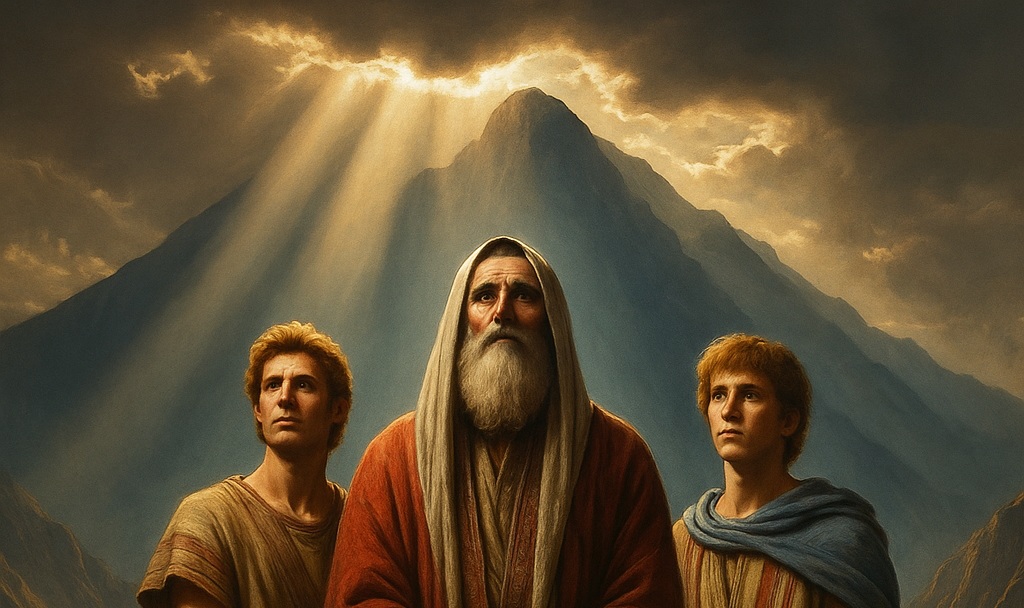


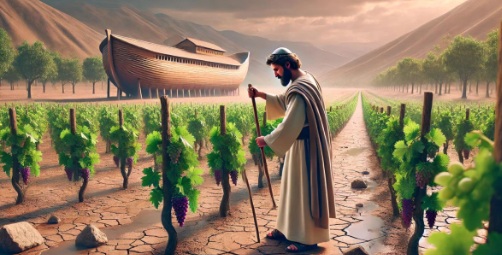
Parashat Noach (3)פרשת נח
L'Histoire de Cham et la Malédiction de Canaan.
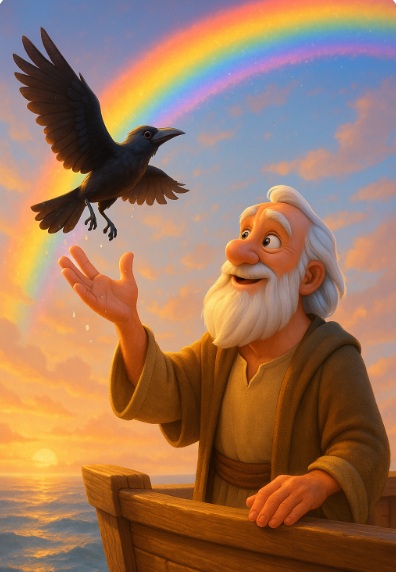

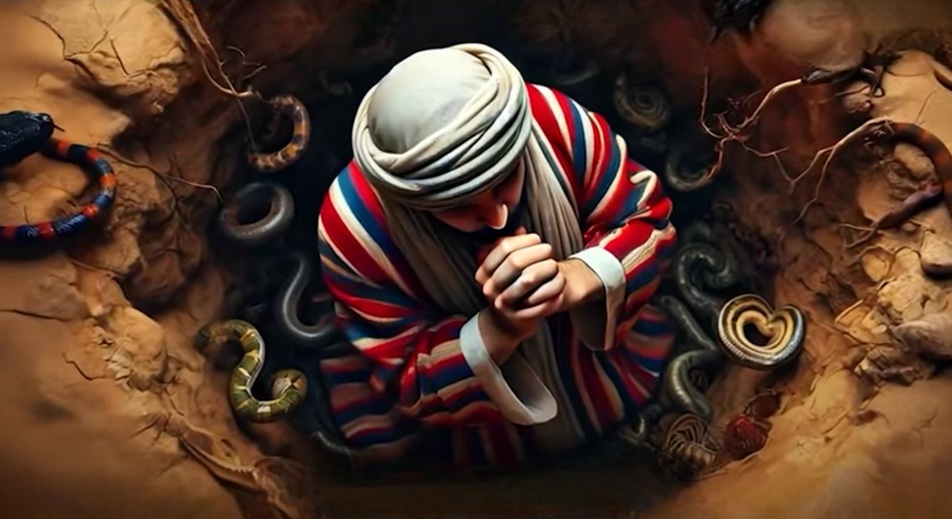
Why Yosef is 'the Satan of Esav': the secret of peace among the brothers, the gematria עשיו = שלום = 376, and the bond between Yosef, the Yesod, and Shalom.
Parashat Vayechi closes the Book of Bereishit and completes a circle opened at Yosef's birth, 'the Satan of Esav.'
וַיְחִי = 34: the first word that proves the Torah comes from Heaven
וַיְחִי equals 34 in gematria: the 17 + 17 only happy years of Yaakov, spent with Yosef.
The 17 years of happiness, the secret of the letter Vav, the first illness in history, and the spiritual identity of father and son
Of 147 years, only 34 of Jacob's were happy — 17 before Joseph's sale, 17 in Egypt — matching the value of “Vayehi.”
Why Yehuda merited kingship and Yosef the first messianic role: the qualities of Efraim and Menashe, the secret of the children's blessing, and the difference between returning in teshuva and fleeing from sin.
The blessing “like Efraim and Menashe” honors two virtues: absence of jealousy and Jewish faithfulness in exile.
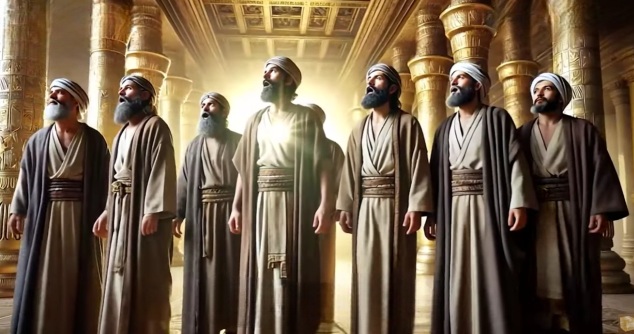
Paracha Vayigash — Class 1: Yehuda's diplomacy, the restored unity of the 12 tribes, and the Shekhinah descending to Egypt
Yehuda's diplomacy alternates softness (vayomer) and harshness (yedaber), submission and threat — until it breaks Yosef.
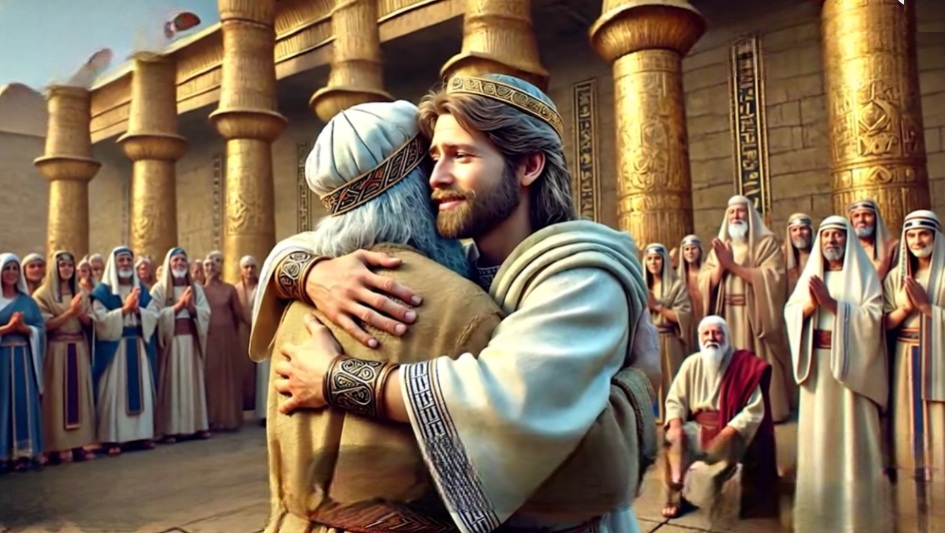
The secret of the neck (צוואר) in Bereishit: the link to the Beit Hamikdash, the Ketoret as communication between heaven and earth, and Yaakov's Shema at his reunion with Yosef.
The neck motif (צוואר) recurs in Bereishit: twice in Vayigash and once in Vayishlach, and it always points to the Beit Hamikdash.
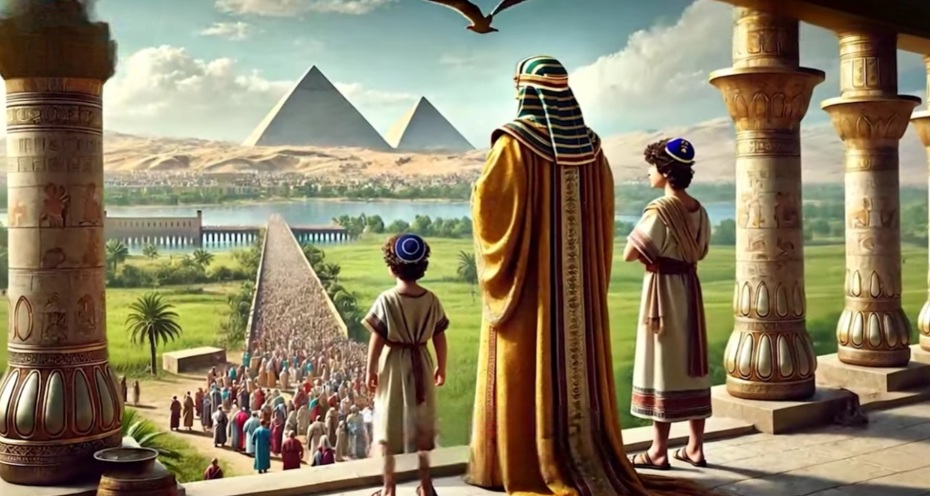
Yosef's devastating question « העוד אבי חי? », the hidden rebuke behind these simple words, and the tikkun of forgiveness between man and his fellow.
When the brothers find the money they tremble with charada, yet before the far graver goblet accusation that terror vanishes — foreshadowing how hard forgiveness is.
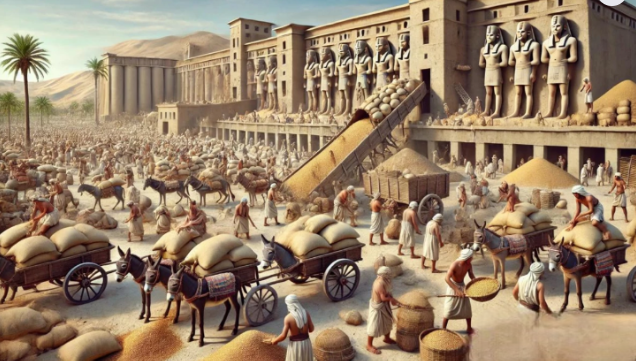
The story of Yehuda and Tamar hidden within Yosef's narrative, and the light of Mashiach created in the darkness
The Torah interrupts Yosef's story at its climax to insert the tale of Yehuda and Tamar — precisely when Yaakov's whole family is sunk in mourning.
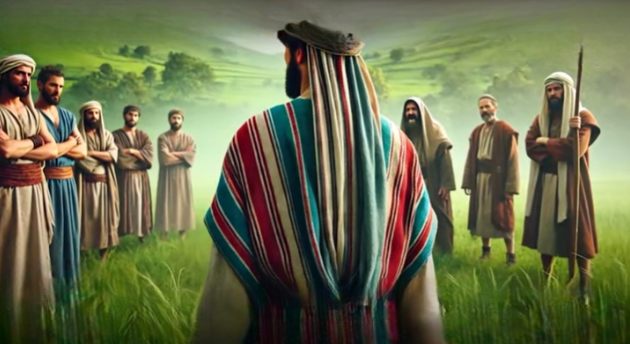
Eleh Toldot Yaakov Yosef, the Ziv Ikonin, the equation מזה = אחוה, and the condition for the Geulah
« Eleh toldot Yaakov — Yosef »: Yaakov's history and essential offspring run through Yosef.
Eleh Toldot Yaakov Yosef, the Ziv Ikonin, and the equation Mizeh = Achavah: brotherhood as the condition for the Geulah.
"Eleh toldot Yaakov — Yosef": Yosef is both the history and the essential offspring of Yaakov.
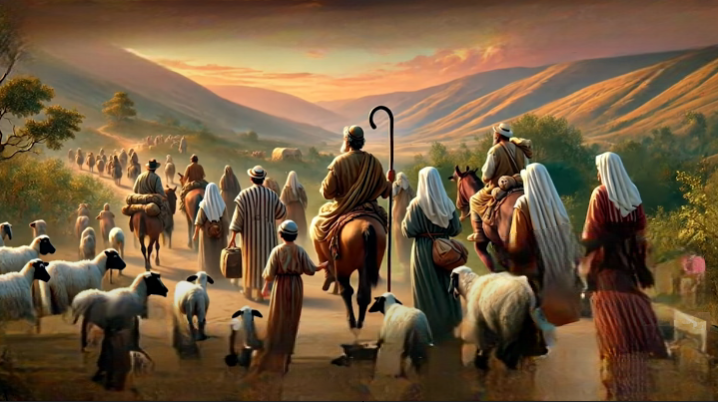
The encounter with Esav, the 7 prostrations like the High Priest, the gematria 580 = שעיר, and the hidden link to Yom Kippur and Sukkot.
Yaakov prepares to face Esav after 34 years; the names Seir and Sdeh Edom show Esav's grudge is still alive.
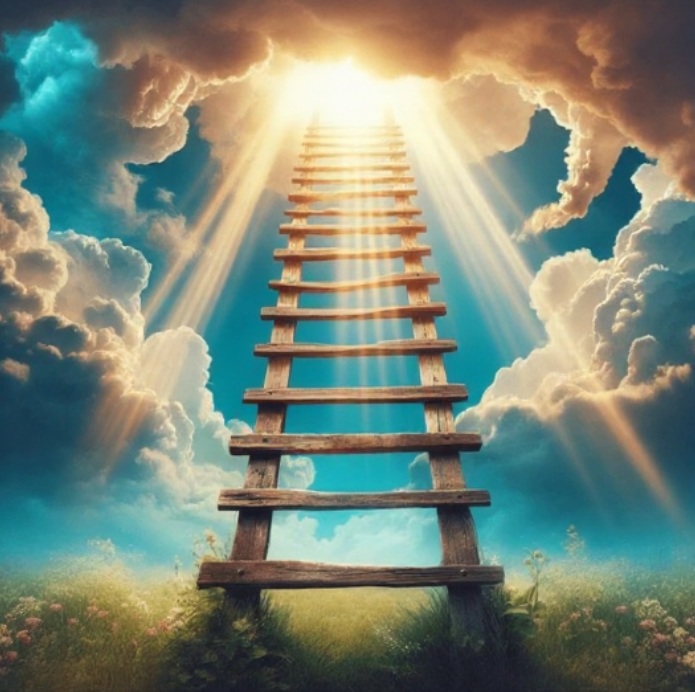
The Sulam, Beer-Sheva and Beth-El, Har HaMoriah, and the middle path that draws down abundance
The Torah writes both "Vayetze" and "Vayelekh" to teach that a Tzaddik's departure from a place leaves a spiritual imprint.
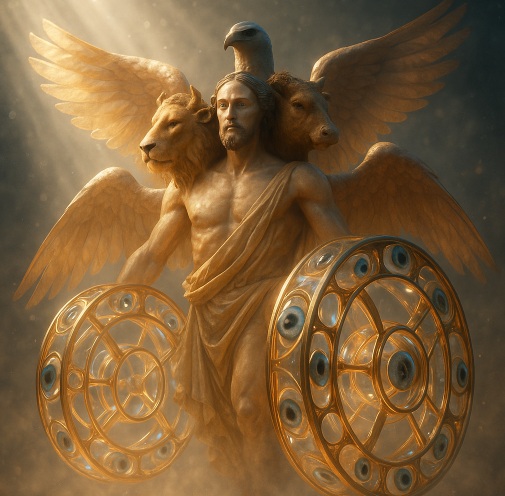
How the land folded beneath Yaakov, the secret of the Patriarchs as roots of Israel, his face identical to Adam Harishon, and the recognition of Rachel at the well.
The promise "the land upon which you lie" seems to be only four cubits: Rashi teaches that Hashem folded the whole Land of Israel beneath Yaakov.
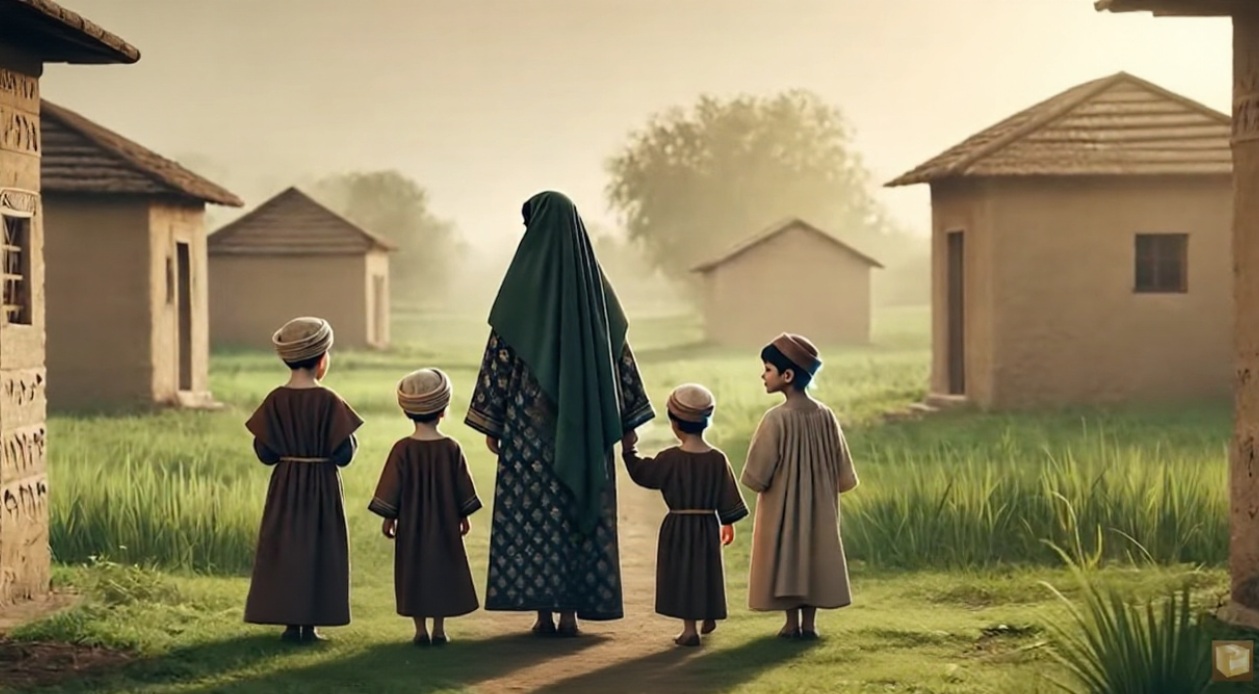
Rachel asks for children, Yaakov's enigmatic answer, the distinction between Ishah and Chavah, the secret of the Matriarchs' barrenness, and the divine origin of Israel
Leah too was barren ("He opened her womb"): both of Yaakov's wives were, and "hated" only means "less loved."
Parashat Vayetzei — Class 4: Lavan's deception, Leah's sharp reply, the difference between punishment and תיקון (repair), how long Yaakov really waited for Rachel, and the secret of the word מצפה.
The Torah omits the morning conversation between Yaakov and Leah; the Midrash reveals it: "Deceiver, daughter of a deceiver!" — and Leah turns Yaakov's own deception of Yitzchak ba

Why God answers Isaac's prayer and not Rebecca's — the secret of selfless prayer
The double mention "Abraham begat Isaac" answers the "comedians of the generation" who claimed Isaac was Abimelech's son; God shapes his face like Abraham's.

Jacob, Esau and the struggle between the heel and the head
Esav is named for being "already made" (assui), yet the final Yod of his name vanishes; Yaakov, born at the heel (akev), instead receives a Yod at the start of his name.

Jacob and Esau: the eternal struggle from heel to head
Toldot opens with the birth of Jacob and Esau, two opposite brothers who embody an eternal struggle.

Did Yitzchak know whom he was blessing? The voice, Adam's garments, the Zohar, 'mirma' rendered 'b'hokhmata', and the true blessing of Avraham passed to Yaakov.
The central question: at the moment of blessing, does Yitzchak know it is Yaakov, not Esav, before him?

Did Yitzchak know he was blessing Yaakov? The scent of Gan Eden, "mirma" rendered "be'hokhmata," and the true Birkat Avraham.
The shiur's real question: at the moment of blessing, does Yitzchak know it is Yaakov, not Esav, before him?
Mearat HaMakhpela: the point that joins this world and Gan Eden
Sarah dies at 127 right after the Akeda; the Midrash links her death to terror, or to disappointment that the world was not yet repaired.
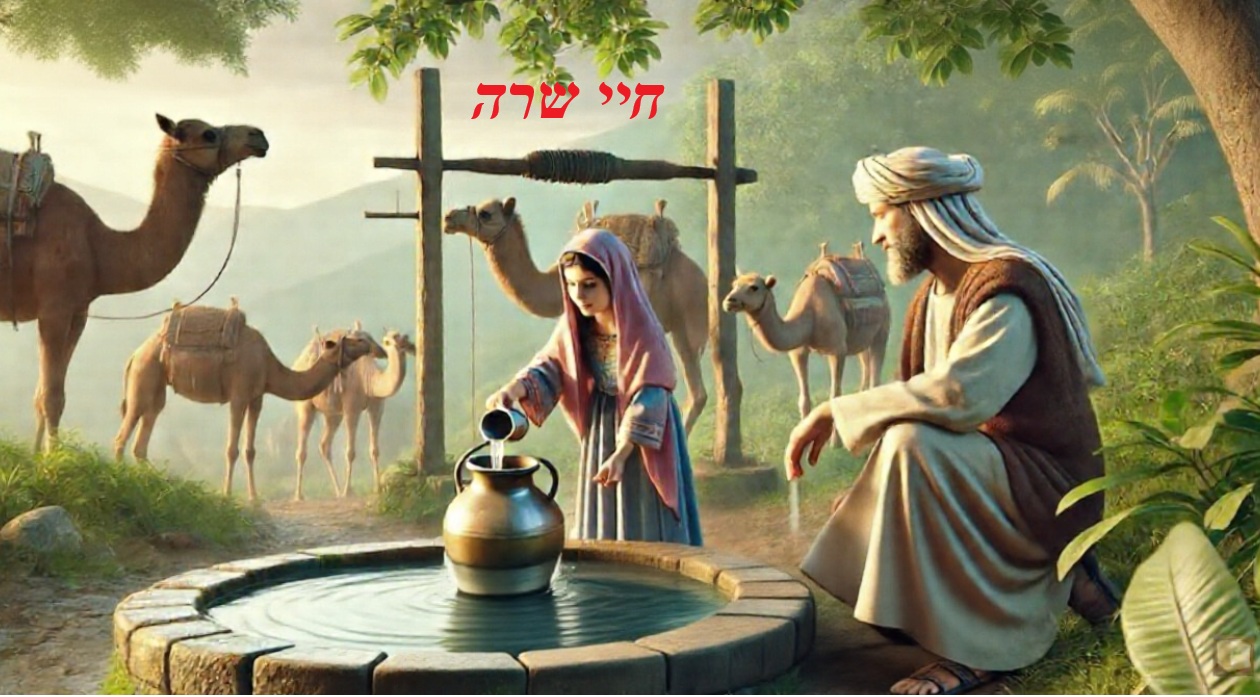
From a lowered lineage to Gan Eden alive
Avraham's nameless servant is Eliezer, son of Nimrod and descendant of Cham.

The secret of the nikud: when does 'Adonai' refer to HaShem, and when to the angels?
Parashat Vayera can only be understood in connection with the end of Lech Lecha: it opens three days after 99-year-old Abraham's brit milah.
Why Sarah died disappointed that Yitzhak was not sacrificed — Avraham's plan against the divine plan of six millennia.
The Akedah raises five troubling questions: the promise tied to Yitzhak, Avraham's silence, a 37-year-old's consent, Sarah's disappointment, and Israel's survival without Yitzhak.
The Midrash Pli'a links Ishmael's expulsion, Moses not entering the Land of Israel, and future claims to the Land.
At Yitzhak's weaning feast, Sarah sees Ishmael "mocking" (metzachek) — hinting at the three cardinal sins — and demands his expulsion.
Onkelos, the double meaning of « vatekhahesh » (to deny / to diminish oneself), and how Yitzhak is born from laughter
Sarah laughs at the promise of a son, denies laughing, yet Hashem confirms « No, you did laugh » — with no punishment.
From Noah to Abraham: the Kabbalistic secret of the celestial altar
The Mishnah in Pirkei Avot counts ten generations from Adam to Noah and ten from Noah to Abraham, all of whom "angered" Hashem until Abraham returned to the Land of Israel.
How Abraham traced the road of the Exodus: Ma'aseh Avot Siman LaBanim
Abraham's descent to Egypt, seemingly a lack of bitachon, is actually the highest fulfillment of his test.
Why did Abraham risk everything to save Lot?
Lot, Abraham's nephew, faithfully follows him from Ur to Canaan and Egypt.
From separated fingers to the ark: how Noah brings rest to humanity
The unusual wording of Noah's birth signals an extraordinary child, the one who will comfort humanity.
The man of "nothing" who saved the whole world
The true "generations" (תולדות) of a righteous person are their good deeds, not only their children.
Noah's first act after the Flood and its consequences for the history of the nations
The word וַיָּחֶל reveals that Noah's first act after the Flood was profane: planting a vineyard instead of sanctifying himself.
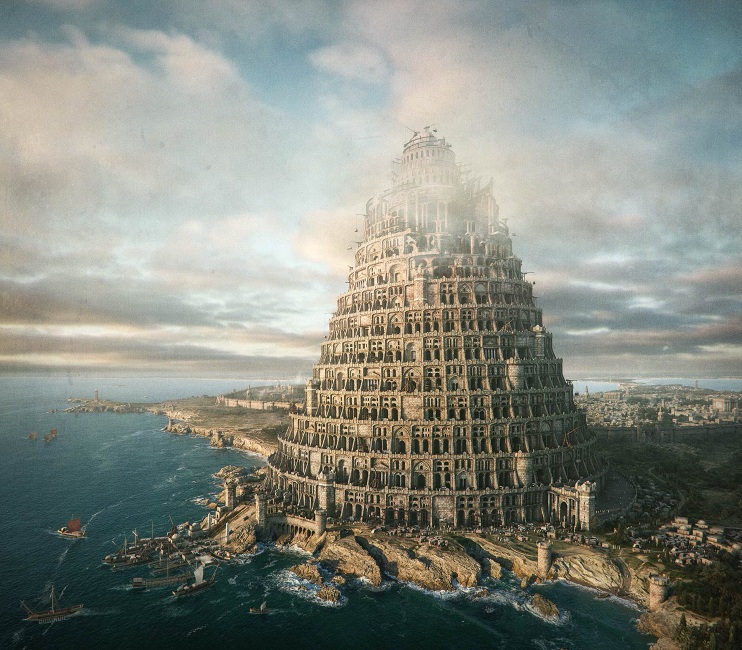
The Flood and the Tower of Babel: why two such different punishments?
The Parasha contrasts two sinful generations: the Flood (destroyed) and Babel (merely dispersed).
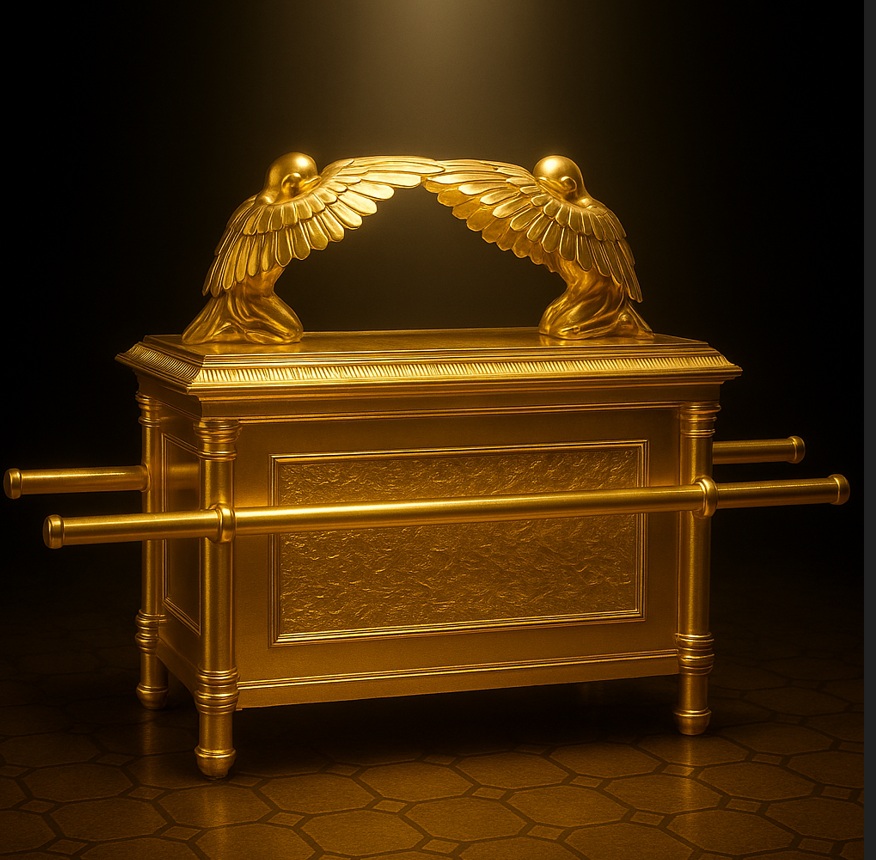
From punishment to redemption: Noah, Moses and the Ark of the Covenant
The Torah holds three arks (תיבות) — Noah, Moses, the Ark of the Covenant — all coated "inside and out," yet each with a different material.
From the final Lamed to the first Bet: the heart of Israel and the secret of Simhat Torah
The last letter (Lamed of 'Israel') and the first (Bet of 'Bereshit') form לב, the Heart: the Torah is an endless circle.
Holidays & Extras
33 lessonsSukkot — “Inside the Ark, Under the Schach”
Sukkah = 91 = Havaya and Adnut; multiplied, they give the measurements of Noah’s ark. Schach = 100 against the accusers, the seven species, and the aravah that seals the festival: ערבה = זרע.
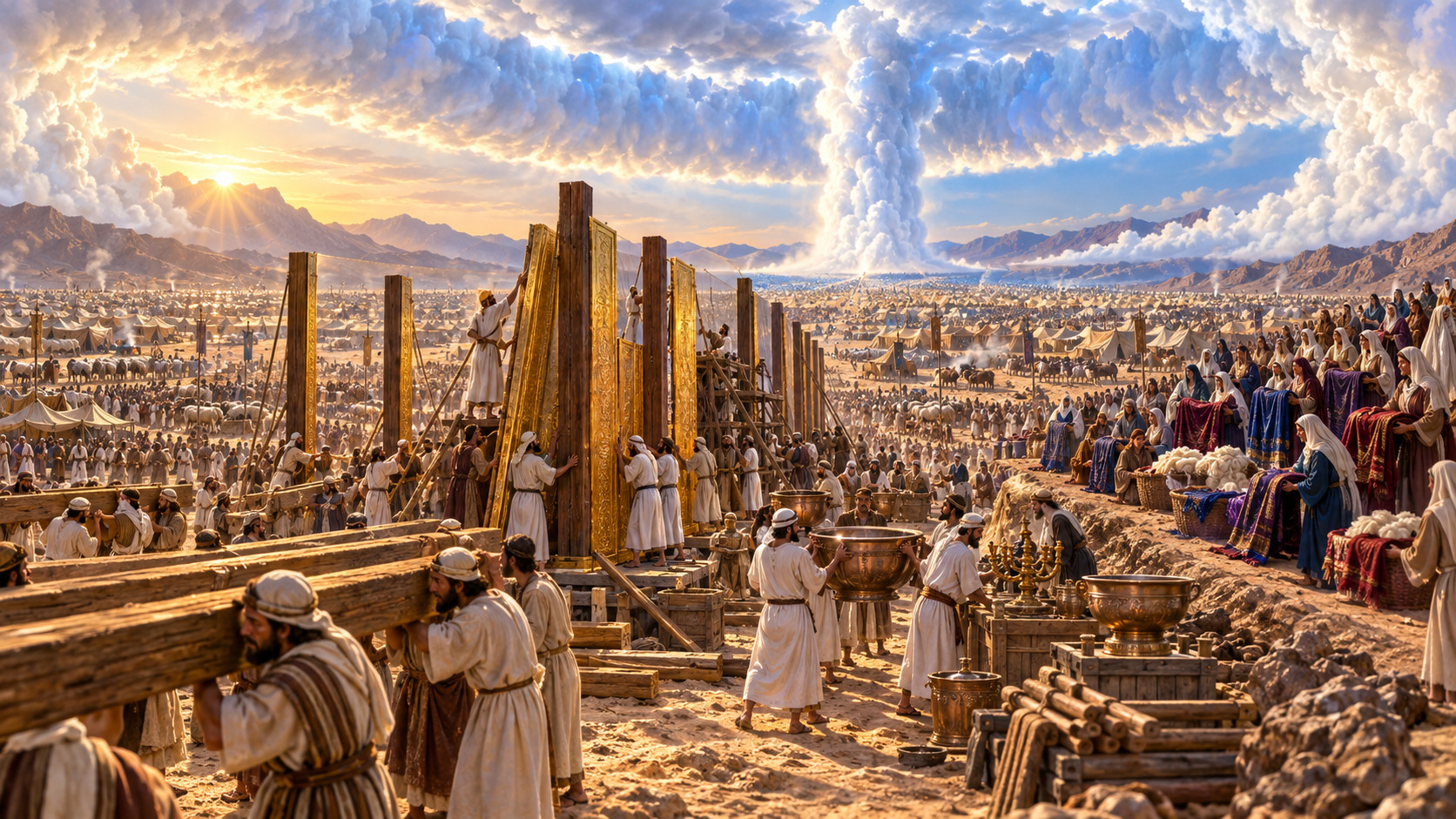
Sukkot — “The Sukkah, a Wedding House”
Why the 15th of Tishrei? The day after Yom Kippur, Moshe gathers the people for the Mishkan; on the 15th the building begins and the Clouds of Glory return. The sukkah, a wedding house.
Yom Kippur — “He is Himself the mikveh”
The end of tractate Yoma: the day that atones of itself, the verse that puts half the work back in our hands, and Rabbi Akiva’s closing mishna — mikveh Israel Hashem.
Yom Kippur — “He locks the door behind us”
The Satan has licence three hundred and sixty-four days a year — not this one. And Neila is not what people think: He brings us inside, and locks the door behind us.
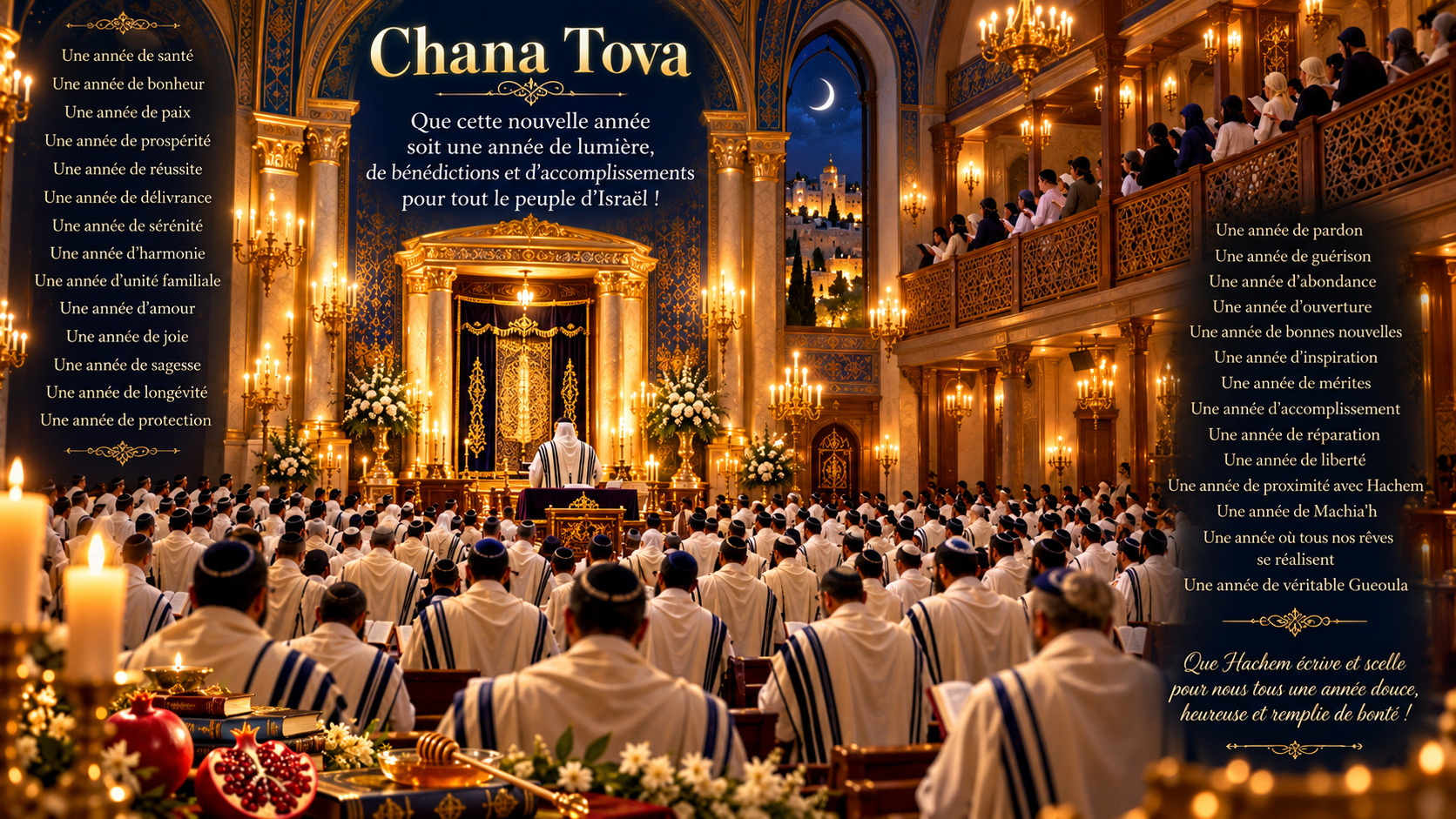
A shiur by M. Yéhouda Himi · Rosh Hashanah · Elul 5786 · Second shiur
The hasid of Berakhot 18b who gave a dinar on erev Rosh Hashana, what the dead know, Rosh Hashana as the seed of the whole year, and the covered moon of "ba-kesse le-yom haguenu".
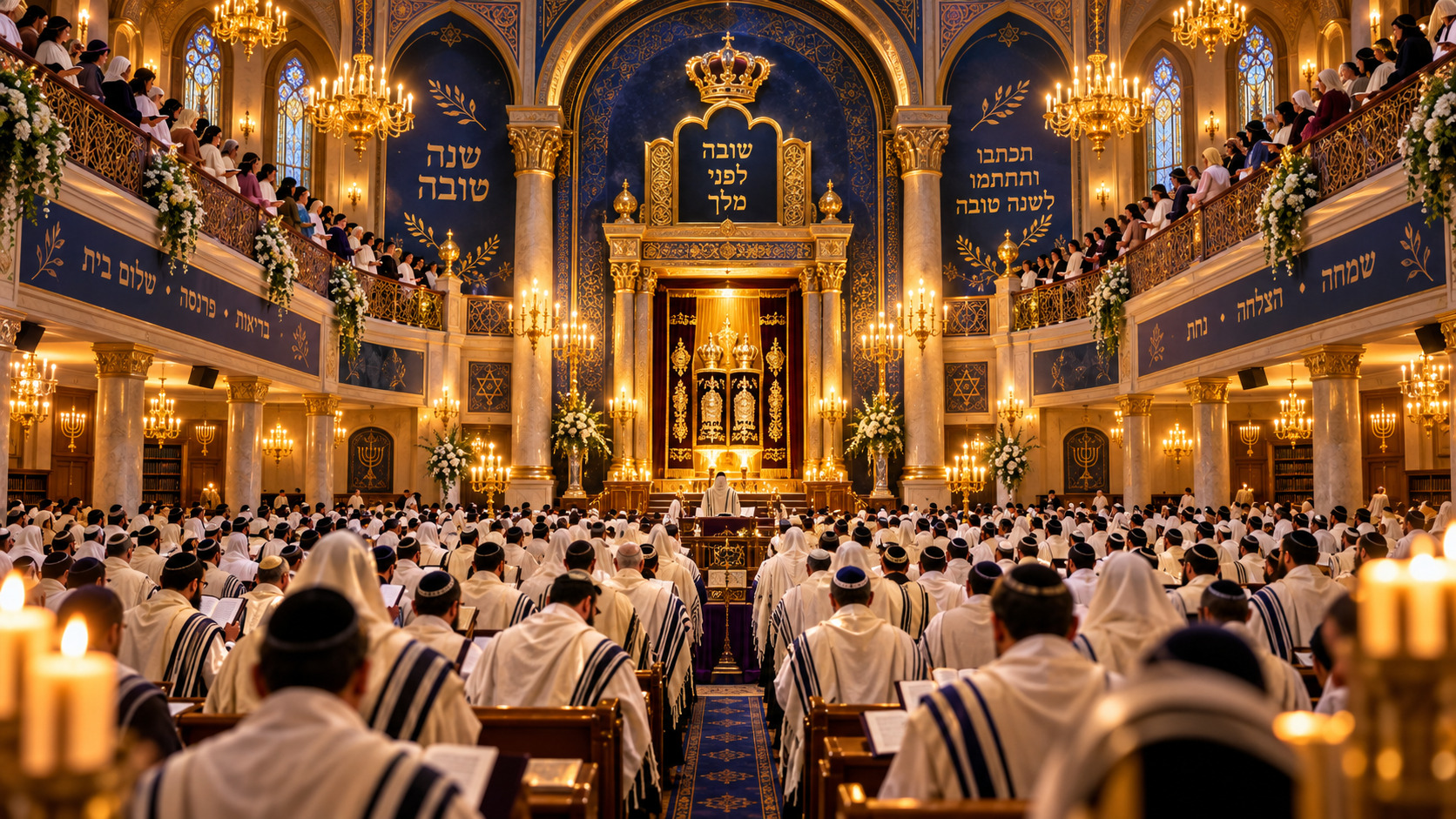
A shiur by M. Yéhouda Himi · Rosh Hashanah · Elul 5786 · First shiur
The Zohar reads "hayom" as the Day of Judgment — and the Shunammite's answer, "I dwell among my own people", becomes the rule of Rosh Hashanah prayer.
Pourim — Le Secret de l'Unitéפורים — סוד האחדות
M. Yéhouda Himi · Le mystère de 'Harbona, l'unité et pourquoi Pourim ne sera jamais annulé.

The Secret of the 17th of Tammuz · Broken Tablets · The Seed of Mashiach
The 17th of Tammuz marks five tragedies, including Moshe's breaking of the Tablets upon descending Sinai.
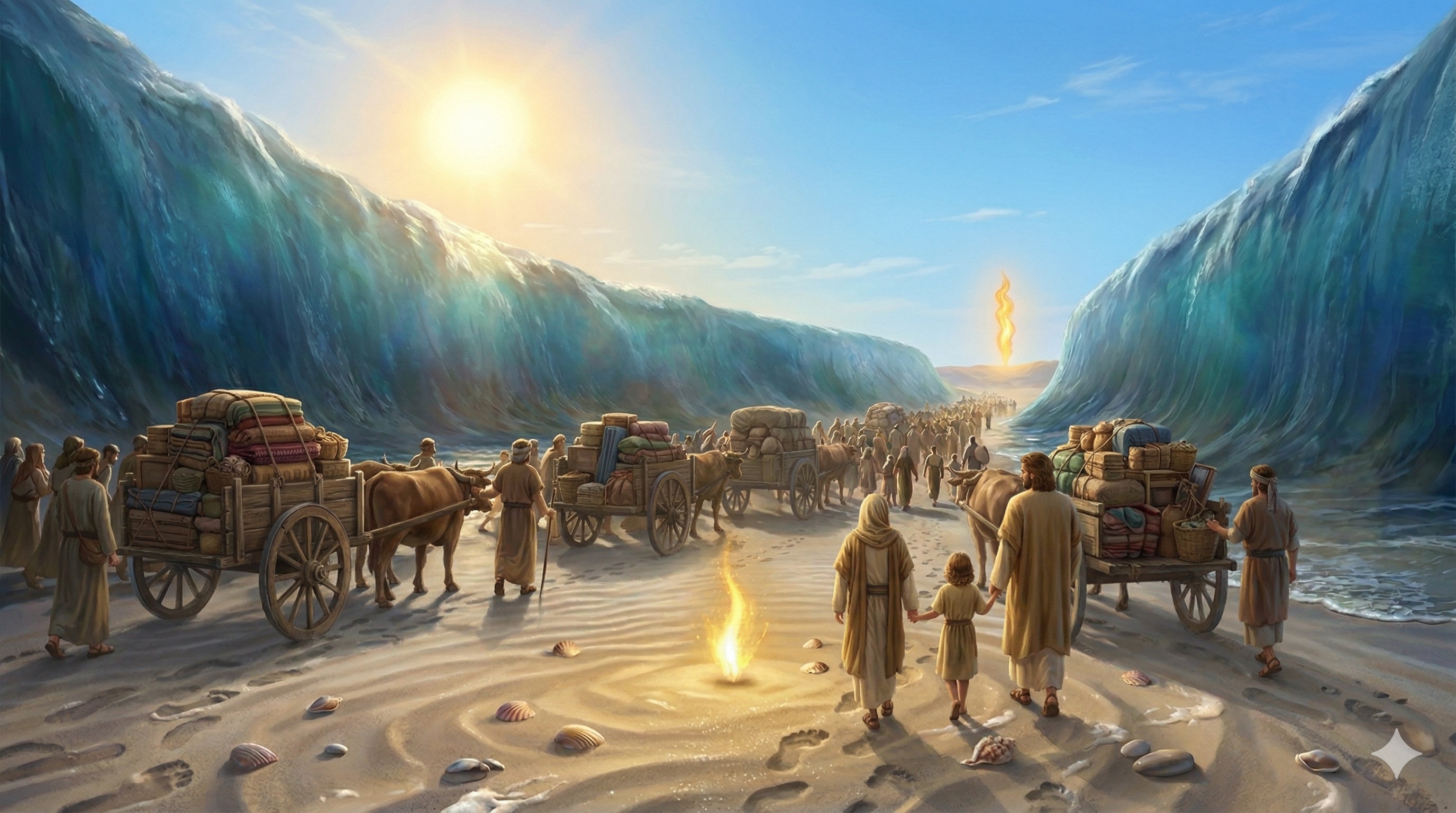
Why did Israel leave Egypt in haste? The 49 gates, the Kishta d'Chiyouta, and the Mimounah.
Israel was submerged in the 49 gates of impurity, and left Egypt at the precise moment of gate 49 — peak decay without losing the final spark.
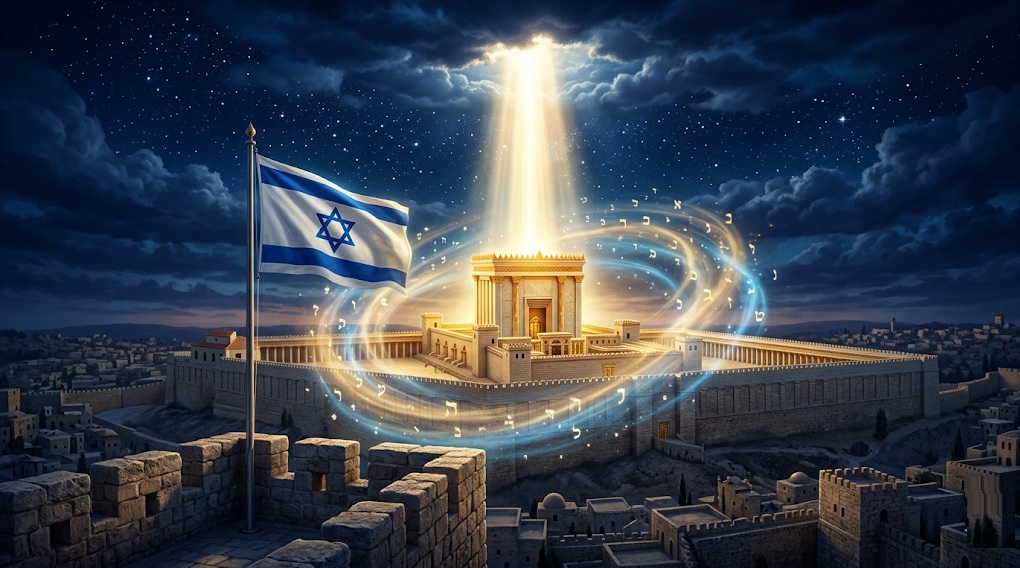
5 Iyar 1948 — Abraham, Joseph, and the Third Temple
The State of Israel was established on the 5th of Iyar 1948 — precisely in the year 1948 from Creation, the year Abraham our Father was born.

Why God Anesthetized Israel Before the Torah
Chassidim traditionally stay awake all night on Shavuot for "Tikkun Leil Shavuot" — but the deeper question is what actually needed repairing.
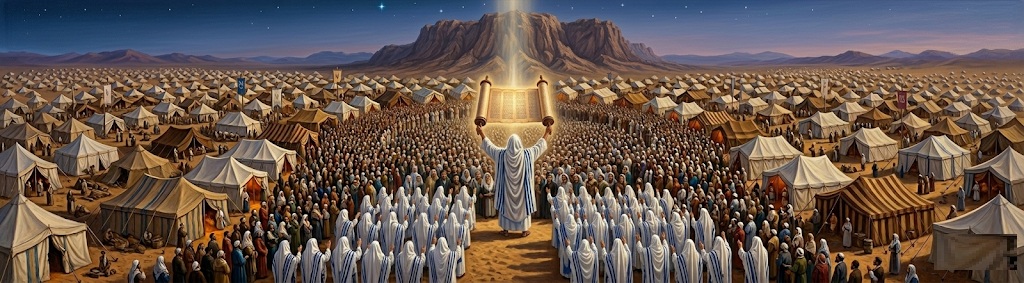
At the end of days, when Hashem will judge the nations, He will offer to testify Himself for Israel — yet a father is "disqualified to testify for his son." Why does Hashem propose what He knows cannot stand? The answer rewrites everything we thought we knew about receiving the Torah.
Sanhedrin 99b (Resh Lakish): teaching Torah to another is like "creating" him — Avraham and Sarah "made souls" in Charan by teaching Torah.
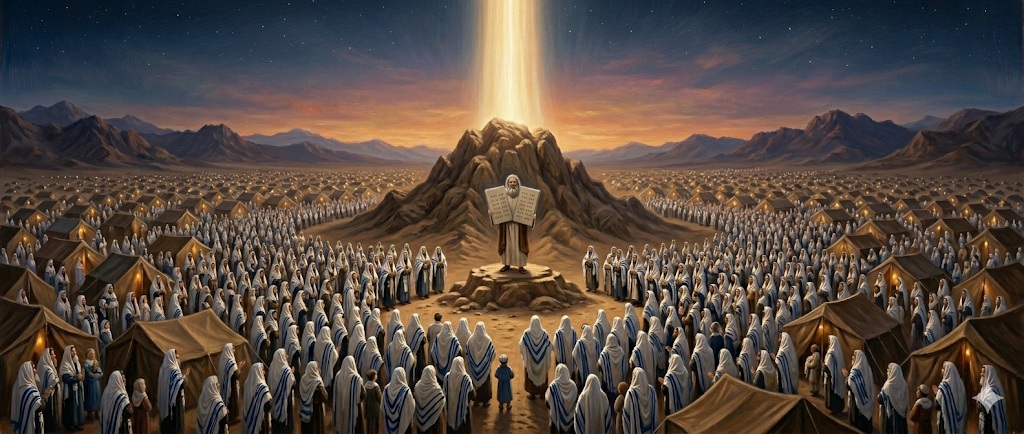
A shiur by M. Yéhouda Himi · Chag HaShavuot 5786 · Third shiur
King David repeats the same verse at the start and end of Psalm 8, but the second time drops "who has set Your glory upon the heavens" — the angels ultimately conceding that the To
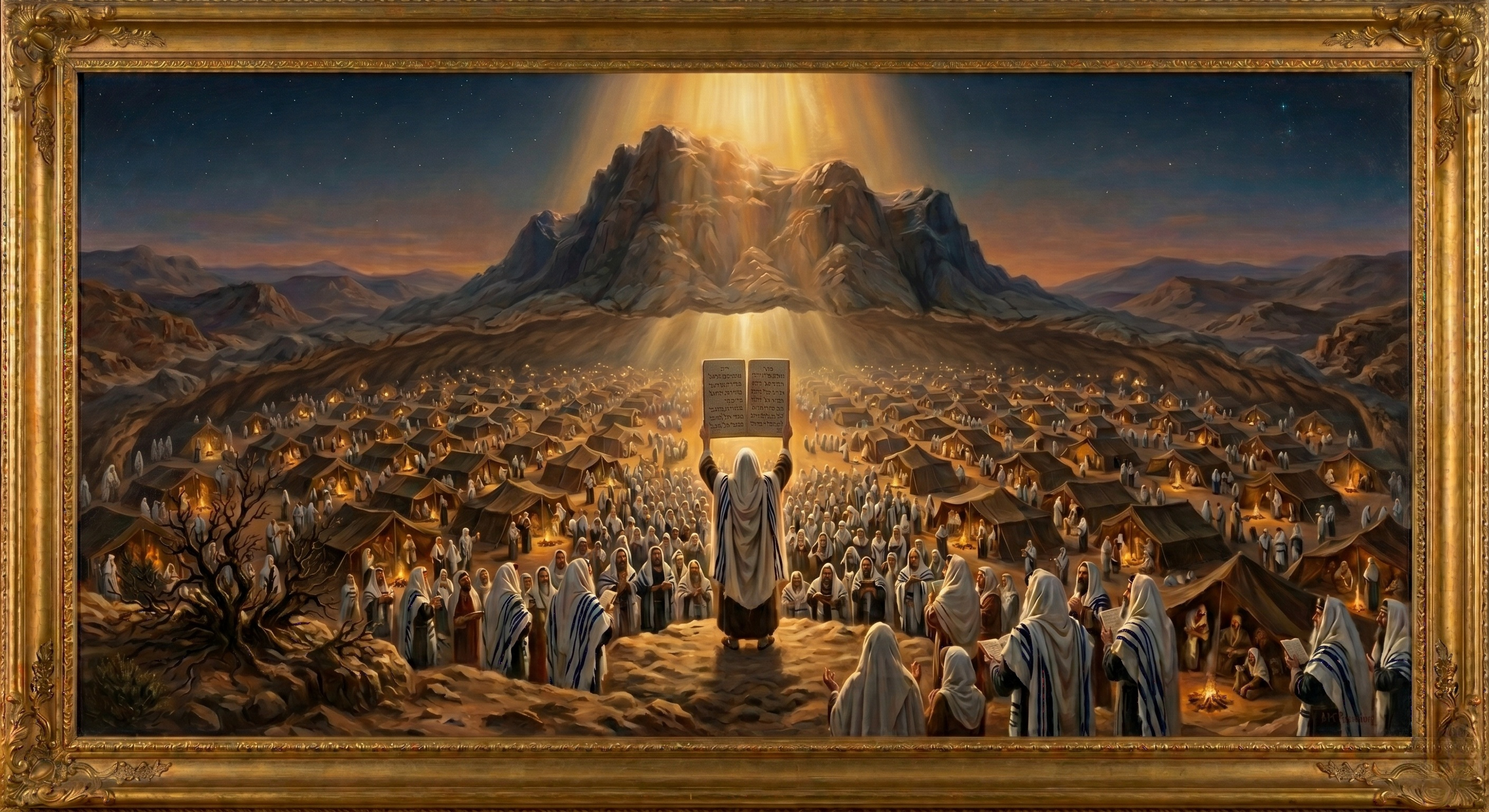
The mountain suspended like a barrel — and the deepest meaning of freedom
God suspended Mount Sinai like a barrel over Israel — an apparently forced choice, even though Israel had already said 'na'asseh ve-nichma.'
'Hanukkah: the spiritual battle of the Greeks, the miracle of the oil flask, and Hashem's presence in the small details of our lives
The Greeks' war aimed to darken the eyes of Israel (stopping Torah study, Rosh Chodesh, Brit Milah and Shabbat), not to physically exterminate the people as at Purim.
Hanukkah: the spiritual battle of the Greeks, the miracle of the oil flask, and how Hashem reveals Himself in the small details of our lives
The Greeks' war aimed to spiritually darken Israel's eyes, not to physically exterminate the people as Haman had sought.
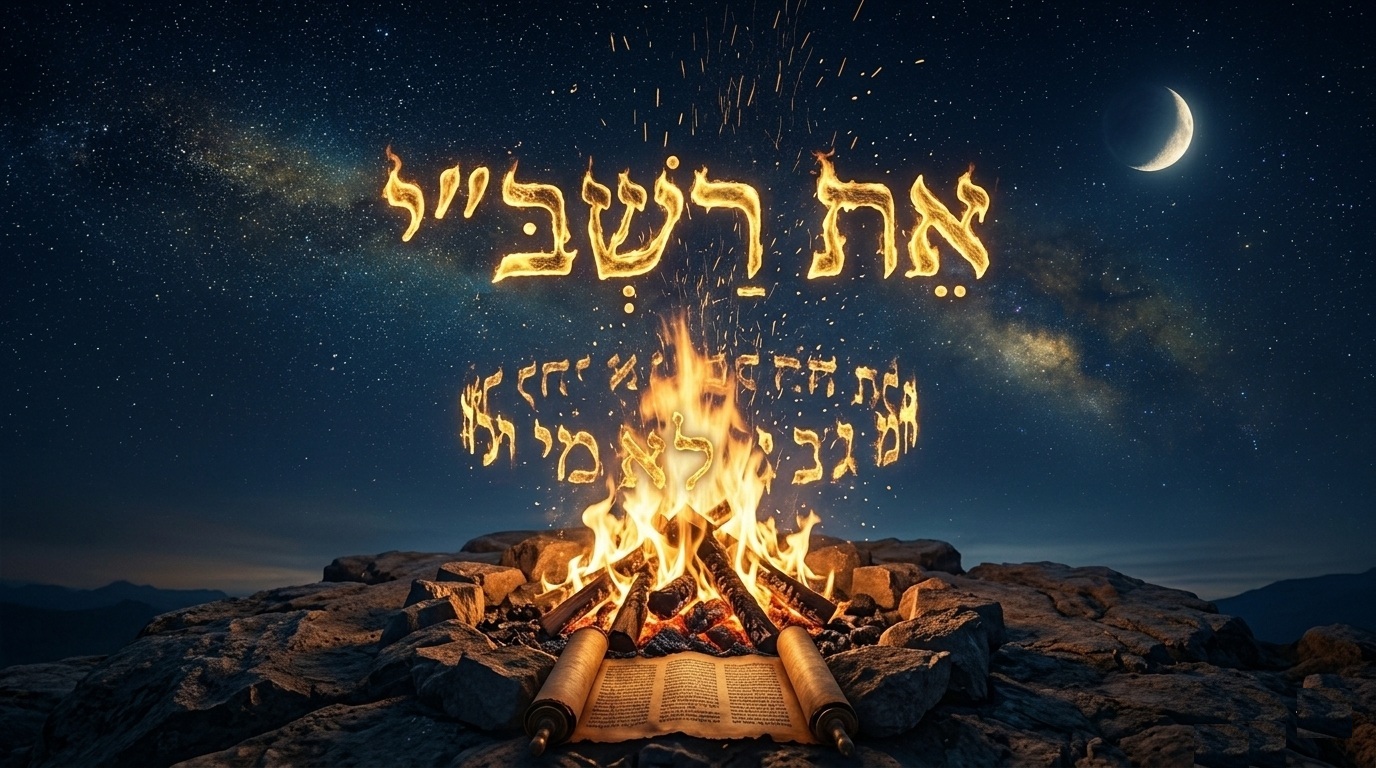
Why is the name RaShBI hidden inside the Exodus from Egypt? Why does 'Lag BaOmer' equal 'Moshe' in gematria? The Zohar isn't a Kabbalistic curiosity — it's the operating system of the final redemption.
Lag BaOmer, the 33rd day of the Omer, marks the hilula of Rabbi Shimon bar Yochai, who revealed the Zohar.
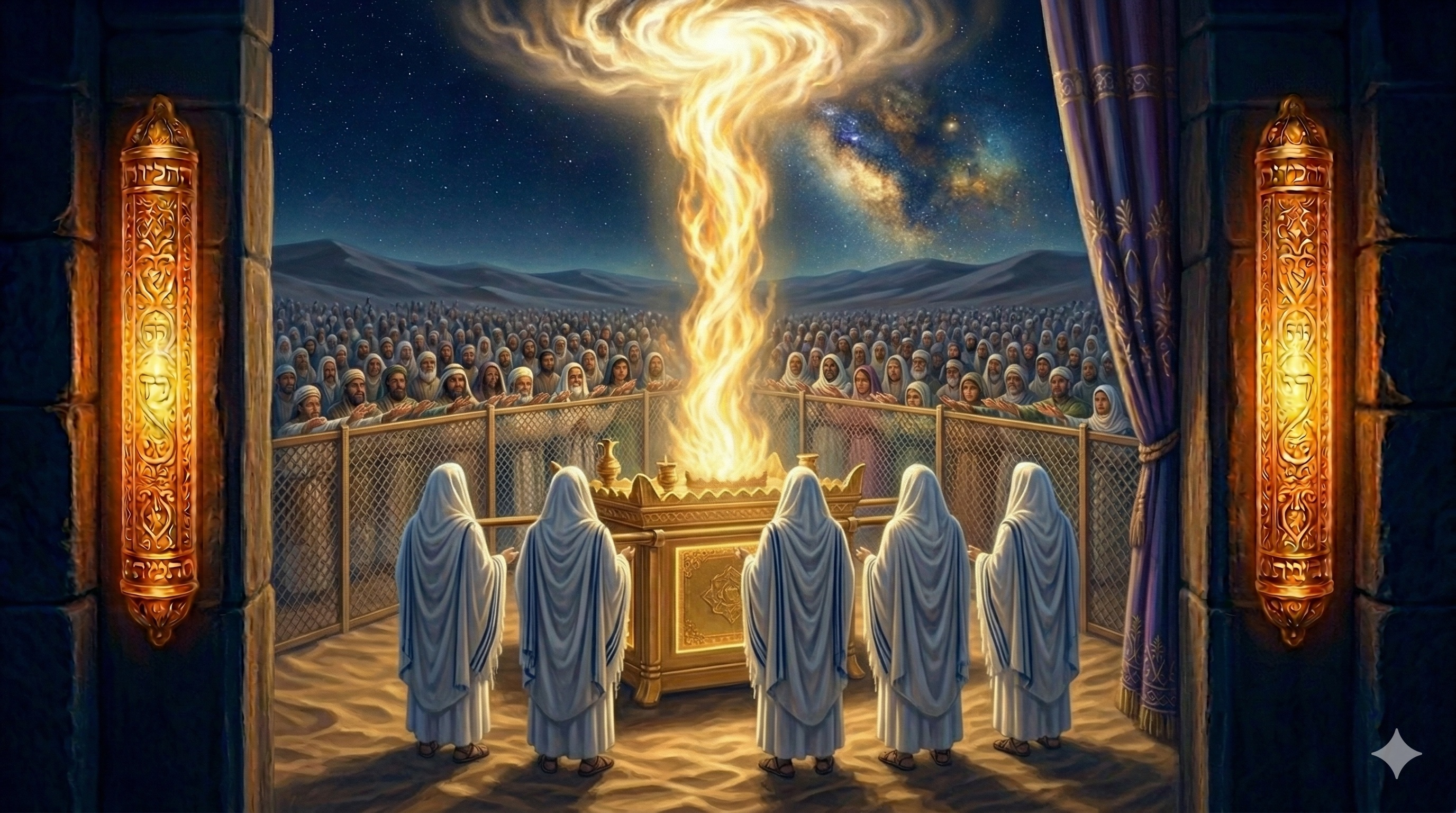
Why did Moses change the order of the doorposts? And what is the connection to the coming of Mashiah?
Moses reversed God's own order of the blood on the doorposts and the lintel — a change that reveals a deep secret about humility.
From Bereshit to the Exodus · The Fire of Lag BaOmer
RaShBI's name is encoded in "berosh galei" (the Exodus) — the final redemption's seed hidden inside the first.
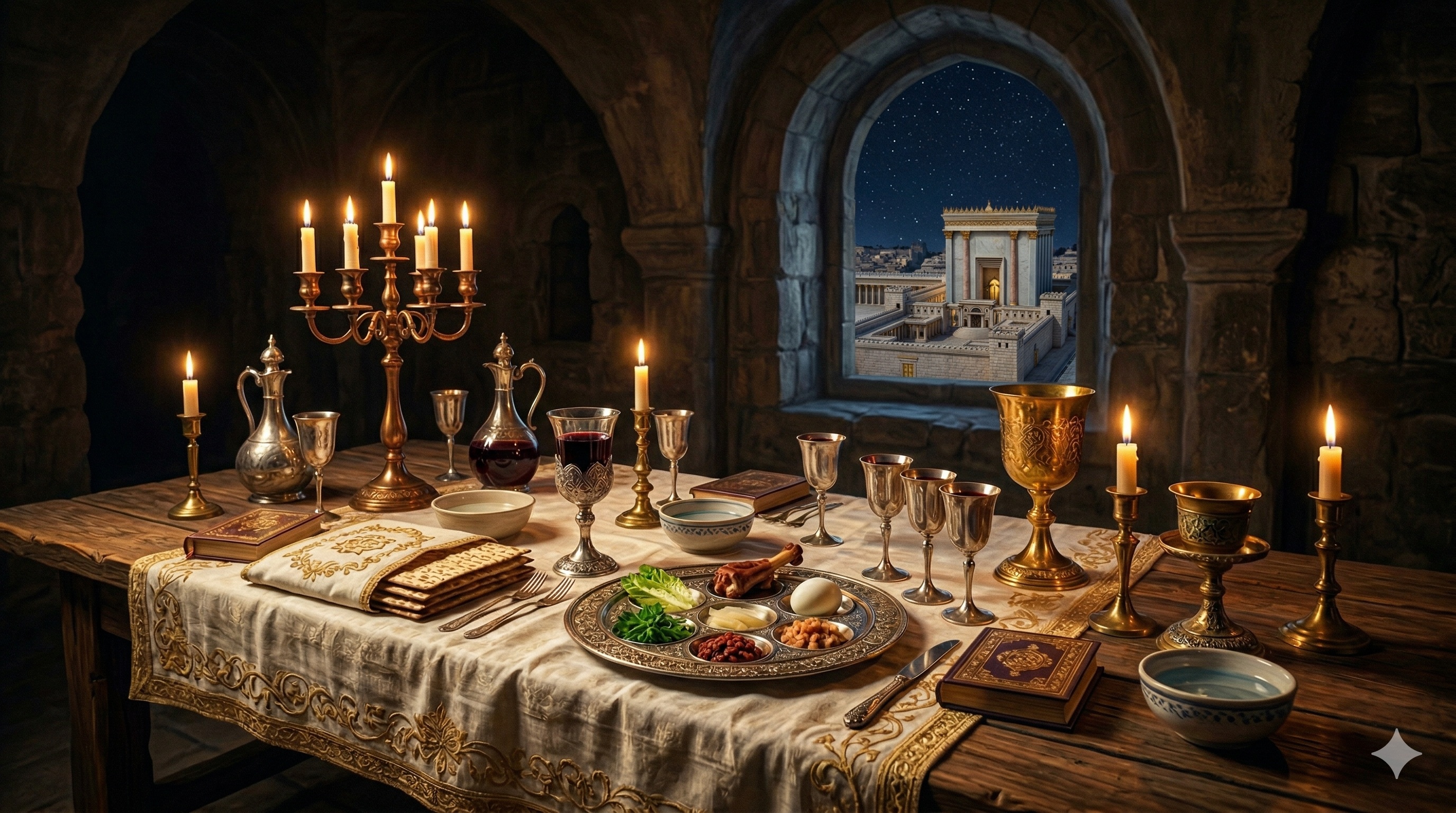
How Yossef HaTzaddik canceled 344 years of exile — and what Heaven witnesses during the Seder
The four cups correspond to the four expressions of redemption God spoke to Moses (Exodus 6:6-7); a fifth cup, Elijah's, awaits the final redemption.
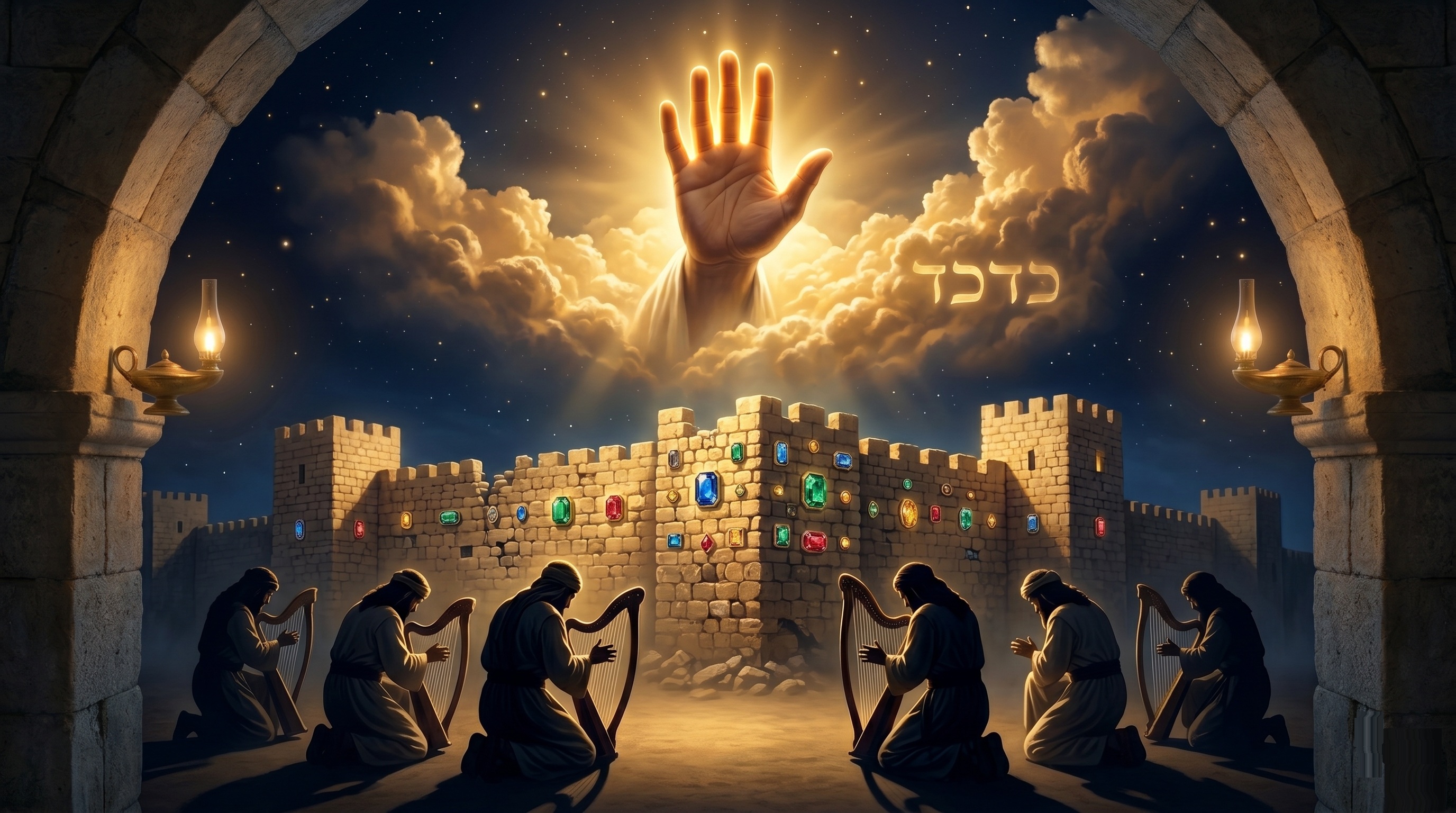
To Never Forget Jerusalem · The Right-Hand Oath
Yeshayahou 54 prophesies Jerusalem rebuilt with a strange doubled word, Kadkhod, hinting at a hidden dispute.
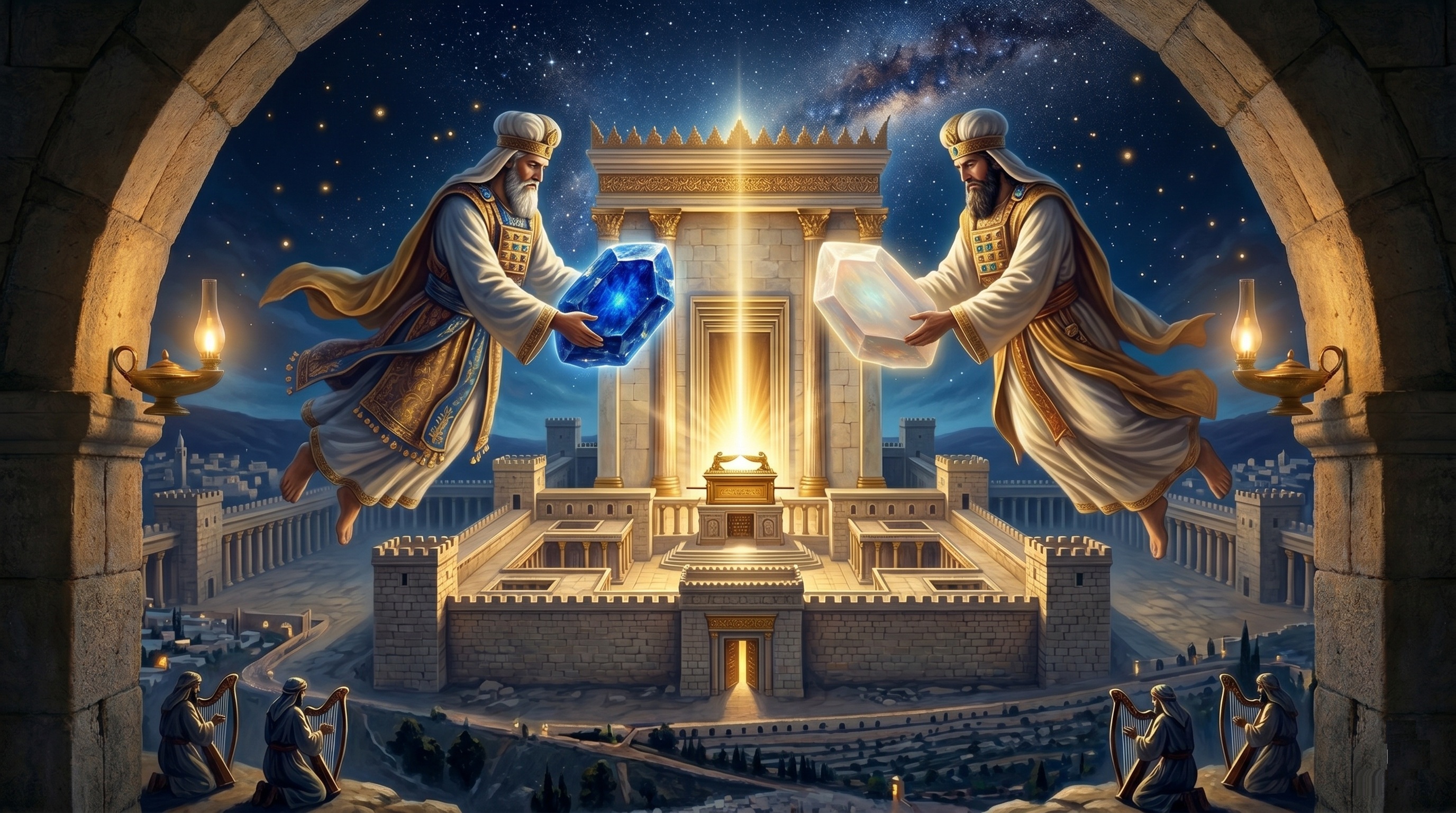
Kadkhod, Mikhael and Gavriel — the secret of the two stones of the rebuilt Jerusalem
Two angels, Mikhael and Gavriel, disagree over which precious stone — Shoham or Yashpeh — will form the windows of the rebuilt Jerusalem; Hashem answers "kaden u-khaden," both toge
Weaving the Divine into Daily Life
« Mah » (what) is read « me'ah » (one hundred): God asks us to connect with Him a hundred times a day (Deuteronomy 10:12).

The 42 desert stages: a key of passage from exile to Redemption
Parashat Massei lists the 42 stages of the desert, a spiritual map of the passage from slavery to freedom.
Divine Justice and Atonement for the Sale of Joseph
The Roman emperor challenges the Sages: why was the sale of Joseph never punished?
Why Paracha Vayigash always precedes the fast of the 10th of Tevet, the hidden link between the 70 souls who descended to Egypt and the exact structure of the Tabernacle, and Israel's unity as the condition for rebuilding the Temple.
The fast of the 10th of Tevet always falls during the week of Paracha Vayigash: not a coincidence but a revelation orchestrated by Hashem.
The threefold cry of conscience and the mystery of "Where are you?"
Three prophets — Moses, Isaiah, Jeremiah — cry "Eikha" over Israel in tranquility, fallen strength, and exile.
'Hanukkah: the war against the light, the miracle of the oil flask, and how Hashem reveals Himself in the small details of our lives.
The Greek war aimed to "darken the eyes of Israel" — a spiritual, not physical war; we answer it with the light of the candles.
'Hanukkah: light against darkness, the flask of oil, and how Hashem reveals Himself in the small details of our lives.
The war of the Greeks aimed to 'darken the eyes of Israel': to stop Torah study, Shabbat, Brit Milah and the sanctification of the month.

Completing the Divine Name and Throne against Amalek
Since the Temple's destruction, the Divine Name appears truncated (Y-H), and the Throne itself is written in abbreviated form (כֵּס).
One engaged in a Mitzvah is exempt from another — the secret of Abraham and the Shekhinah
The rule "Haosek Bamitzvah Patur Min Hamitzvah" — one performing a Mitzvah is exempt from another — is learned from Abraham and the three angels.

The secret of "Eikha" and the lesson of the 9th of Av
Three prophets — Moses, Isaiah and Jeremiah — each used the word Eikha ("How") to describe Israel, from root to vision to destruction.
When all of Israel becomes one single heart before Hashem
Harbonah, spelled a second time with a Heh (=5), reveals Eliyahu HaNavi, who appeared in his guise to point out the gallows.
No results for these filters.
Coming soon Rosh Hashana: 5785 → Archives, 5786 → New cycle.